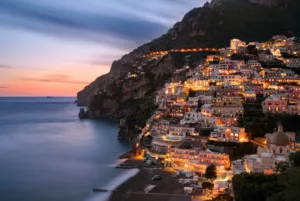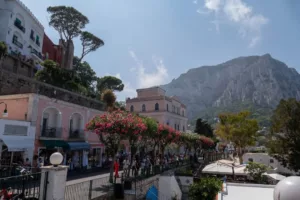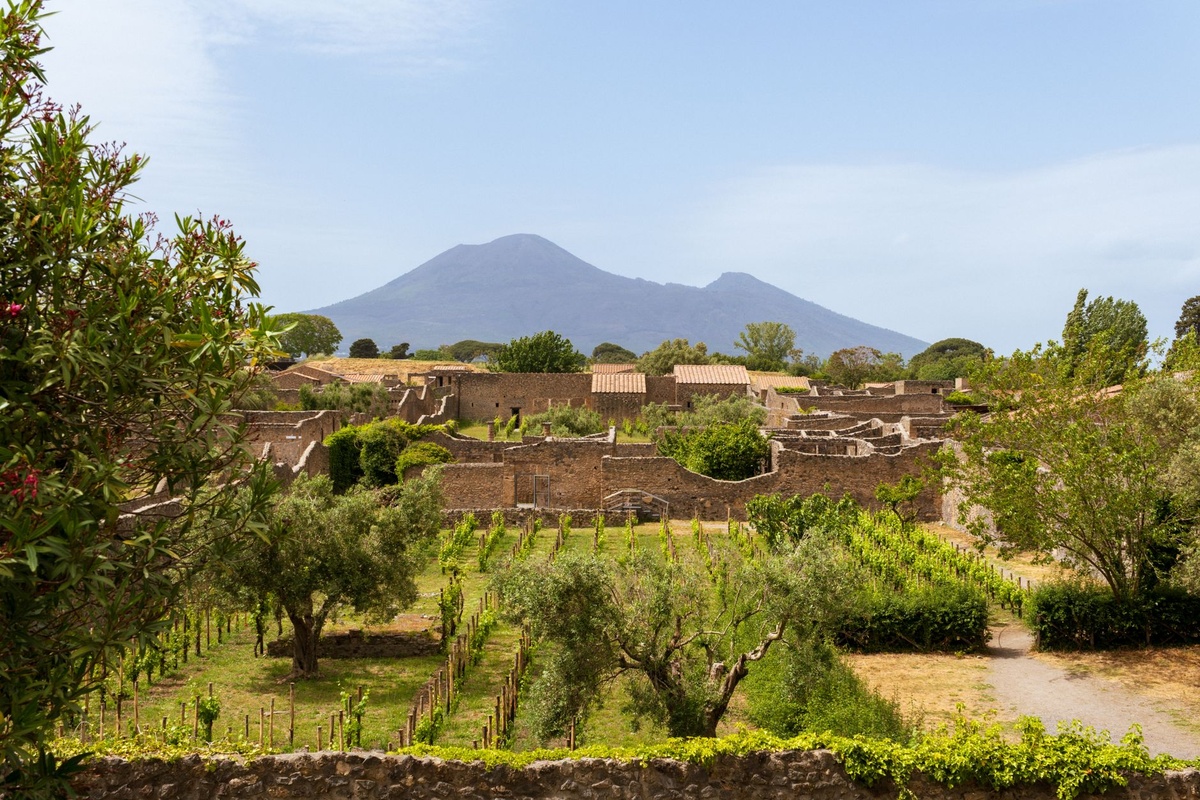
Naples is loud, layered and far more rewarding than treating it as an airport for the Amalfi Coast. Give the city two full days, then use trains and ferries for Pompeii, Vesuvius, Amalfi, Positano or Capri—the result is a better trip at roughly half the nightly cost of sleeping on the coast.
Key Takeaways
- Allow at least five days: two for Naples, one for Pompeii, and two for the Amalfi Coast or Capri.
- Naples–Pompeii costs about €3.30 and takes 35–40 minutes versus roughly €80–€110 by taxi.
- September brings 25–28°C days, warm sea temperatures and fewer crowds after the first two weeks.
- Reach Amalfi via Salerno for about €17.50 by train and ferry; it is usually calmer than traveling through Sorrento.
- Do not rent a car unless your accommodation provides confirmed parking outside the historic centers.
Key Numbers at a Glance
| Trip or expense | Distance | Time | Typical price |
|---|---|---|---|
| Naples Airport to Napoli Centrale | 6 km | 15–35 minutes | €5 by Alibus |
| Naples to Pompeii | 25 km | 35–40 minutes | About €3.30 by EAV train |
| Naples to Sorrento | 48 km | 70–80 minutes | About €4.60 regular train |
| Naples to Amalfi | 70 km by road | 1 hour 55 minutes–3 hours | €17.50–€35 by train/ferry |
| Naples to Capri | 31 km by sea | 50–80 minutes | €24–€30 each way |
| Naples double room, September 2026 | — | Per night | €120–€210 |
| Amalfi Coast double room, September 2026 | — | Per night | €220–€500+ |
Prices were checked for September 2026 travel and can change by sailing, ticket type and booking date. Ferry tickets usually carry a €1–€3 online or port booking fee.
How Many Days Do You Need?
Five days is the practical minimum. Three days forces a choice between seeing Naples properly and reaching the coast; seven days lets you add Capri, Herculaneum or a night in Ravello without turning every morning into a transfer.
- Three days: Naples, Pompeii and one Amalfi Coast day trip.
- Five days: Two Naples days, Pompeii, Amalfi and Positano, plus Capri or Vesuvius.
- Seven days: Add Ravello, Herculaneum and one night on the coast.
Naples rewards slower travel more than Positano. A two-hour Positano visit covers its viewpoints and beach, while Naples needs at least 48 hours to make sense of its churches, markets, archaeological collections and food.
A Five-Day Naples and Amalfi Coast Itinerary
Day 1: Historic Naples, Underground Tunnels and Pizza
Begin at Piazza Dante and walk down Via dei Tribunali through the UNESCO-listed historic center. The route to Naples Cathedral is only about 1.2 km, but allow two hours because Sansevero Chapel, Santa Chiara and the lanes around San Gregorio Armeno deserve stops.
Book the Sansevero Chapel at museosansevero.it. It normally opens Wednesday–Monday from 9:00 to 19:00, with last admission around 18:30, and closes Tuesday; standard admission is approximately €12 plus the booking fee.
The Veiled Christ is extraordinary, but the room is compact. Thirty to 45 minutes is enough, compared with two or three hours at the National Archaeological Museum.
Continue to Napoli Sotterranea, where guided tours descend roughly 40 meters beneath the city. English tours generally operate throughout the day between 10:00 and 18:00, last around 60 minutes and cost about €15; confirm times through Napoli Sotterranea.
There are multiple attractions marketed as “underground Naples.” Choose the entrance at Piazza San Gaetano for ancient cisterns and tunnels; choose Galleria Borbonica if you prefer Second World War shelters and old vehicles. Napoli Sotterranea costs around €15 versus approximately €10–€15 for basic Bourbon Tunnel routes.
For lunch, skip any restaurant displaying photographs of pizza beside the cathedral. Walk eight minutes to StaritaDa AttilioStarita commonly serves lunch around 12:00–15:30 and dinner from about 19:00 until late, with weekly closing days subject to change. Order a classic marinara or montanara; piling burrata, pistachio cream and three meats onto one pizza misses the point of Neapolitan dough.
Finish along Via Toledo and enter the Spanish Quarter before sunset. From Toledo station, ride Metro Line 1 to Municipio for about €1.50, but walking the 1.3 km lets you see the neighborhood shift from crowded shopping street to steep residential alleys.
Day 2: Archaeology, Seafront Naples and Vomero
Spend the morning at the National Archaeological Museum of Naples, or MANN. It normally opens from 9:00 to 19:30 and closes Tuesday; allow three hours and check current exhibitions and tickets at mann-napoli.it.
General admission is around €18–€20 in September 2026, depending on temporary exhibitions. That is more than Sansevero, but MANN offers far better value per hour: its Pompeii mosaics, Farnese sculptures and frescoes provide essential context for the ruins you will see on Day 3.
After lunch, take the funicular from Augusteo to Vomero for roughly €1.50. The ride takes about five minutes versus a 30-minute uphill walk, although the downhill Pedamentina staircase is worth doing in the other direction.
Visit Certosa di San Martino for panoramic views over the bay and Vesuvius. Entry is approximately €6, and typical hours are 8:30–19:30 with Wednesday closure, but individual cloisters and sections can close earlier.
At sunset, walk the Lungomare between Castel dell’Ovo and Villa Comunale. The promenade is free and more atmospheric than a €25–€35 harbor cruise, especially when the evening light hits Vesuvius.
For dinner, reserve La Locanda Gesù Vecchio for pasta genovese, or visit Tandem Ragù for a more casual plate of slow-cooked ragù. Expect €12–€16 for a pasta dish and €30–€45 per person with wine, compared with €60 or more at polished seafront restaurants.
Day 3: Pompeii, With the Option to Add Vesuvius
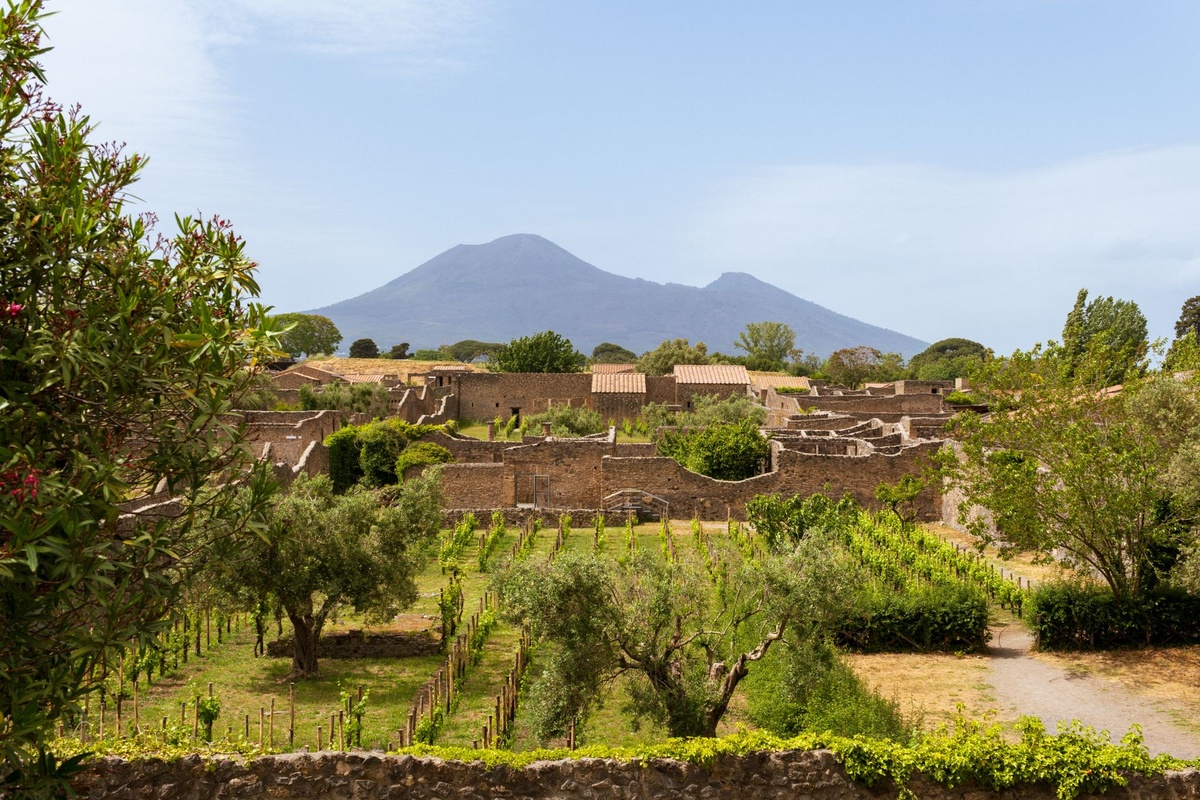
Take the Circumvesuviana line from Napoli Piazza Garibaldi to Pompei Scavi–Villa dei Misteri. The journey takes 35–40 minutes and costs about €3.30 each way, while a taxi can exceed €80 each way before traffic delays.
Do not accidentally take a Trenitalia train to modern Pompei station unless you are comfortable walking about 20–25 minutes to the ruins. Circumvesuviana arrives approximately 100 meters from the Porta Marina entrance.
Pompeii usually opens at 9:00. During the extended April–October schedule, the site generally closes at 19:00 with last admission around 17:30; standard Pompeii Express admission is approximately €20, while broader multi-site tickets cost more.
Buy from the official links listed by Pompeii Archaeological Park. Avoid unofficial “skip-the-line” tickets costing €35–€50 unless they include a genuine two-hour guided tour.
Allow at least four hours. Enter at Porta Marina, then prioritize the Forum, Forum Baths, House of the Faun, House of the Vettii, amphitheater and Villa of the Mysteries rather than attempting every open street.
A live guide normally costs €120–€180 per private group, while a shared tour is roughly €35–€55 per person. For two people, use the official map plus an audio guide; for four or more, a private guide becomes much better value.
Adding Vesuvius on the same day is possible but tiring. The Gran Cono trail is only about 4 km round trip, yet transfers and timed entry add three to four hours; September summit hours usually run approximately 9:00–17:00.
Crater admission is around €12 and should be reserved through the official Vesuvius ticket system linked by Vesuvius National Park. Local bus and shuttle prices vary from about €3–€15 each way depending on the departure point.
My verdict: choose Pompeii plus Vesuvius if the forecast is clear and you enjoy active days. Choose Pompeii alone if temperatures exceed 28°C, then stop in Herculaneum on another morning—the smaller site has better-preserved upper floors and needs only two to three hours.
Day 4: Amalfi and Ravello via Salerno
The least stressful route from Naples to Amalfi is often Naples–Salerno by train, then Salerno–Amalfi by ferry. Regional trains take 38–55 minutes and cost around €5.50; high-speed trains take about 35 minutes but can cost €15–€30.
Travelmar ferries generally leave from Salerno’s Concordia pier, an easy walk from the station. The crossing to Amalfi takes approximately 35 minutes and costs around €12 each way; check seasonal departures at Travelmar.
This route is more reliable than taking the train to Sorrento and then a bus around the entire peninsula. Salerno to Amalfi by ferry takes 35 minutes, while Sorrento to Amalfi by bus can require 90–120 minutes in traffic—and standing room is common.
In Amalfi, visit the cathedral complex before tour groups peak around midday. The cathedral itself has free areas, while the cloister and museum complex generally costs about €4–€5 and typically opens from morning until early evening with a midday schedule that changes seasonally.
Skip an overpriced €9 lemon sorbet served inside a giant fruit shell. Walk to Pasticceria Pansa beside the cathedral for delizia al limone, or eat seafood at Da Gemma, where lunch is closer to €45–€70 per person but the cooking justifies the location.
From Amalfi, take the SITA bus to Ravello. The 7 km uphill journey takes roughly 25–35 minutes and costs about €1.50–€2.50 depending on the ticket product; a taxi commonly costs €35–€50.
Choose Villa Rufolo for architecture and music history or Villa Cimbrone for the more dramatic Terrace of Infinity. Each costs roughly €10–€12, so visiting both doubles the admission expense without doubling the experience; Villa Cimbrone is my pick for first-time visitors.
Return to Amalfi early enough for your reserved ferry. The last sailings are earlier than sunset outside peak summer, and bad weather can cancel them, so keep the SITA bus to Salerno as a backup.
Day 5: Positano or Capri—Do Not Rush Both
Positano and Capri are not sensible on the same day from Naples. The combined ferry time can exceed four hours, while separate days leave six to eight useful hours in each destination.
Option A: Positano
Take a direct seasonal ferry from Naples if the schedule works, or repeat the Salerno route and connect by ferry. Direct sailings generally take 1 hour 45 minutes to 2 hours 15 minutes and cost roughly €28–€35 each way.
Positano is visually spectacular but vertically exhausting. From the ferry pier to upper Via Cristoforo Colombo can mean 20–30 minutes of stairs; the local Mobility Amalfi Coast bus costs only a few euros, while porters may charge €10–€15 per bag.
Walk to Fornillo Beach, which is about 800 meters from Spiaggia Grande. A September lounger set can cost €30–€60 at Fornillo versus €50–€100 or more on the main beach.
For lunch, skip the restaurants directly facing the ferry queue. Da Vincenzo has stronger local cooking, with pasta around €18–€25 and a typical meal costing €45–€70 per person.
Option B: Capri
High-speed ferries from Naples Beverello reach Capri in approximately 50–60 minutes and cost €24–€30 each way. Slower ferries can take 75–80 minutes but are more comfortable in rough water.
Book through operators such as NLG or Alilauro, and arrive 30 minutes before departure. Comparing schedules on Ferryhopper is useful, but verify pier details with the operating company.
Skip the €20–€25 coffee-and-cake stop in the Piazzetta. Take the bus to Anacapri for roughly €2.40, then ride the Monte Solaro chairlift for about €14 return; the summit view is more memorable than browsing luxury shops.
The Blue Grotto costs roughly €18 when boat and admission charges are combined, before transport to the entrance. It can close suddenly because of waves, so treat it as a bonus rather than the centerpiece of your day.
Amalfi Coast Transport Compared
| Route from Naples | Typical September 2026 cost | Travel time | Best for | Main drawback |
|---|---|---|---|---|
| Train to Salerno + ferry to Amalfi | About €17.50 one way | 1 hour 20 minutes–2 hours | Amalfi and Ravello | Ferries can be weather-dependent |
| Train to Sorrento + bus to Positano | About €7–€10 one way | 2–3 hours | Lowest budget | Crowding and road traffic |
| Direct Naples ferry to Positano | €28–€35 one way | 1 hour 45 minutes–2 hours 15 minutes | Views and simplicity | Limited seasonal schedule |
| Rental car | €55–€100 per day plus fuel and parking | 2–4 hours in traffic | Remote inland stays | Parking can cost €40–€60 daily |
| Private driver | €350–€500 per day | Flexible | Groups of four | Highest price |
Skip the rental car for a Naples-based trip. Even split between two people, a €75 rental plus €50 parking costs far more than a €35 ferry, and the driver cannot enjoy the coastal views while negotiating buses and scooters.
Choose Naples, Sorrento or Amalfi as Your Base?
| Base | September double room | Choose it if… | Avoid it if… |
|---|---|---|---|
| Naples | €120–€210 | You prioritize food, history, Pompeii and transport value | You want a quiet resort atmosphere |
| Sorrento | €190–€320 | You want easy access to Capri, Pompeii and Positano | You expect an authentic beach town |
| Amalfi | €250–€450 | You want evenings on the coast after day-trippers leave | Your budget is below €200 per night |
| Positano | €350–€700+ | The hotel and view are the main experience | You dislike stairs or need good value |
| Salerno | €100–€180 | You want affordable rooms and direct ferries | You want famous coastal scenery outside your door |
Choose Naples for the best food and transport network. Stay near Toledo or the western edge of the historic center rather than immediately around Napoli Centrale, which is convenient but less pleasant late at night.
Choose Sorrento if you want one base for Pompeii, Capri and the western Amalfi Coast. It is cleaner and easier than Naples, but restaurant and hotel prices are commonly 30–60% higher.
Choose Amalfi or Ravello if quiet evenings matter more than cost. Ravello is romantic and cooler but has no ferry port, while Amalfi offers direct sea connections to Salerno and Positano.
For Naples, compare hotels in Naples around Toledo, Chiaia and Santa Lucia. Solid options include Decumani Hotel de Charme for historic atmosphere, Chiaja Hotel de Charme for shopping and the seafront, and Hostel of the Sun for budget travelers near the ferry port.
Expect about €45–€65 for a hostel bed, €140–€210 for a well-reviewed central double and €250+ for four-star waterfront accommodation in September. Naples remains cheaper than Positano, but shoulder-season demand now keeps desirable weekend rooms surprisingly close to summer rates.
What September Is Like in Naples and Amalfi
September is arguably the best month for this trip, especially after the second week. Typical daytime highs sit around 25–28°C, the sea remains near 25°C, and evenings are comfortable at roughly 18–21°C.
Early September still resembles August and retains cruise crowds. From mid-month onward, visitor numbers ease, but ferry frequency also begins to decline; a route running ten times daily in summer may drop to four or six departures.
Rain usually arrives as short, heavy bursts rather than all-day drizzle. Build flexibility into Capri and Positano days because ferries may be canceled while trains to Pompeii and Salerno continue operating.
September accommodation is not automatically cheap. In highly photographed Italian destinations, strong international demand has created a pricing flip: a sea-view Positano room can remain above €400 even when comparable Naples rooms fall below €180.
If your September Europe plans also include Germany, read this practical guide to attending Munich Oktoberfest safely as a solo traveler. Naples and Munich are about two hours apart by direct flight, but book around Oktoberfest weekends early because regional airfare rises quickly.
Food Worth Planning Around
Neapolitan pizza is inexpensive enough that reservations and quality matter more than bargain hunting. A classic margherita costs around €6–€9 at respected local pizzerias versus €12–€18 at scenic waterfront venues.
- Starita: Order marinara, margherita or montanara; budget €15–€25 per person.
- Da Attilio: Excellent traditional pizza near Pignasecca; budget €12–€20.
- Tandem Ragù: Best for pasta with Neapolitan ragù; budget €25–€40.
- La Locanda Gesù Vecchio: Reserve for genovese and substantial local dishes; budget €35–€50.
- Gay-Odin: Choose this historic chocolate shop over generic gelato chains; expect €3–€6.
Try pizza fritta at least once, but share it: one portion often costs €5–€8 and can be heavier than a full baked pizza. For espresso, drink at the counter for about €1.20–€1.50; table service in a prime piazza may push the same coffee above €4.
Restaurant kitchens often pause between lunch and dinner. Lunch typically runs 12:30–15:00 and dinner begins around 19:00–19:30, compared with continuous service at tourist-focused restaurants where quality is often lower.
Useful Apps, Tickets and Connectivity
Install Trenitalia for Naples–Salerno trains and use the EAV website or app for Circumvesuviana information. Google Maps is helpful for walking but can show inaccurate Amalfi bus times; always check the latest SITA timetable posted at the stop.
Use Ferryhopper to compare sailings, then confirm cancellations and boarding points with NLG, Alilauro or Travelmar. A ferry ticket on your phone saves roughly 10–20 minutes at busy counters, but keep a screenshot because mobile reception around the cliffs can be inconsistent.
The regional UnicoCampania system covers many urban and regional services, although ticket validation remains important. A €1.50 metro ticket without validation can lead to a fine far higher than the fare.
EU roaming works normally for eligible European plans. Travelers arriving from outside Europe can use Airalo; a small Italy data package is usually enough for navigation, ferry alerts and digital tickets, while video streaming rapidly consumes 1–3 GB.
Download offline maps in Google Maps or Organic Maps before leaving Naples. On the Path of the Gods, an offline map is more dependable than relying on intermittent cliffside reception.
Sample Five-Day Budget for Two People
| Expense | Calculation | Total |
|---|---|---|
| Naples accommodation | 5 nights × €165 | €825 |
| Meals | €90 per day × 5 | €450 |
| Local transport | Metro, funicular and airport buses | €55 |
| Pompeii day | Admission and trains for two | €47 |
| Amalfi/Ravello day | Trains, ferries, buses and one villa | €105 |
| Capri day | Ferries, buses and chairlift | €145 |
| Naples attractions | MANN, Sansevero and underground tour | €94 |
| Total for two | Excluding flights | €1,721 |
That equals approximately €172 per person per day. A couple sleeping in Positano at €450 per night would spend an extra €1,425 on accommodation alone, before higher restaurant and luggage-transfer costs.
Budget travelers can reduce the total to around €1,150 for two by choosing a €100 room, replacing Capri with Herculaneum and eating pizza or takeaway lunches. A comfortable version with one Amalfi hotel night, private Pompeii guide and several upscale dinners can exceed €2,700.
Common Mistakes to Avoid
- Using Naples only as a transport hub. Naples has more substantial museums, churches and food culture than any individual Amalfi Coast town; give it two days versus two hours.
- Driving the coast in high season or September weekends. A 40 km journey can take three hours, and Positano parking may cost €40–€60 per day.
- Booking the last ferry back. One canceled sailing can leave you paying €100–€200 for an unplanned taxi or hotel.
- Trying Pompeii, Vesuvius and Sorrento in one day. The combined transport and walking can exceed 12 hours; Pompeii plus Vesuvius is already a full day.
- Carrying large luggage onto Amalfi buses. A ferry is more comfortable, while private luggage transfer commonly costs €15–€30 per bag.
- Ignoring weekly closing days. MANN and Sansevero usually close Tuesday, while Certosa di San Martino generally closes Wednesday.
- Relying on cards everywhere. Major restaurants accept cards, but carry €30–€50 cash for small cafés, buses, kiosks and occasional ticket-machine failures.
The Best Overall Strategy
Base yourself in Naples for five nights if value, archaeology and food are your priorities. Use Circumvesuviana for Pompeii, the Salerno train-and-ferry combination for Amalfi, and a direct hydrofoil for Capri.
For a slower, more romantic trip, spend three nights in Naples and two in Amalfi or Ravello. Skip Positano as an overnight base unless its vertical scenery and luxury hotels are the central reason for your trip—the same budget buys a better room, better meals and easier transport elsewhere.
Start by reserving Pompeii, Sansevero and your longest ferry journey, then leave one coastal day flexible for weather. Save this itinerary, compare your September schedules, and choose one coast destination per day rather than collecting towns from a bus window.
Frequently Asked Questions
How many days are enough for Naples and the Amalfi Coast?
Five days is the minimum for two days in Naples, Pompeii and two coastal day trips. Seven days is better if you want Capri, Ravello and a night on the Amalfi Coast.
What is the best way to travel from Naples to Amalfi?
Take a regional train from Naples to Salerno for about €5.50, then a 35-minute ferry to Amalfi for roughly €12. The full trip usually takes 1 hour 20 minutes to 2 hours and avoids coastal road traffic.
Is it better to stay in Naples or Sorrento?
Stay in Naples for better food, nightlife, museums and rooms around €120–€210; stay in Sorrento for easier access to Capri and Positano, with rooms around €190–€320. Naples offers better value, while Sorrento is simpler for first-time coastal sightseeing.
Can you visit Pompeii and the Amalfi Coast in one day?
It is possible but not sensible because Pompeii needs at least four hours and the onward journey can add two or three hours. Visit Pompeii and Vesuvius together instead, then reserve a separate day for Amalfi and Ravello.
Is September a good month for Naples and Amalfi?
Yes—daytime temperatures are commonly 25–28°C, the sea remains near 25°C and crowds ease after mid-September. Ferries run less frequently later in the month, so check schedules before reserving nonrefundable accommodation.

About the Author: Tomáš Bzirský
Founder and editor of Distratech. Based in the Czech Republic, travelling regularly from Central Europe. Writes practical travel guides and travel-tech comparisons (eSIM, apps, airports) in six languages.