Colombia is not a destination to fear, but it is a destination that rewards preparation. Follow this 13-day route, use daytime flights instead of overnight buses, stay in well-connected neighborhoods, and treat dating apps, street taxis, and unattended drinks as genuine security decisions—not minor details.
Key Takeaways
- Allow 13 days for Bogotá, Medellín, Salento, and Cartagena; the route covers roughly 1,350 km without exhausting overnight travel.
- Budget about €1,250–€1,550 (US$1,390–$1,720) per person sharing mid-range rooms, excluding international flights.
- Fly Bogotá–Medellín and Pereira–Cartagena; each costs roughly €40–€105 versus 9–22 hours by road.
- Use official airport taxis or Uber, Cabify, and DiDi, but verify the plate and driver before entering.
- September brings fewer international visitors and better airfares, but expect afternoon rain and Cartagena humidity above 80%.
Key Numbers at a Glance
The prices below were checked or estimated for September 2026 bookings. For easy comparison, I use €1 = COP 4,500 and US$1 = COP 4,050; exchange rates and domestic airfares can change daily.
| Item | September 2026 number | Practical meaning |
|---|---|---|
| Recommended trip length | 13 days / 12 nights | Three nights in each destination |
| Total route distance | About 1,350 km | Road-equivalent distance, including Pereira–Salento |
| Domestic transport | €210–€290 / US$233–$322 | Two or three flights, airport transfers, and one shared van |
| Mid-range daily budget | €95–€120 / US$106–$133 | Per person sharing rooms |
| Emergency number | 123 | Police, ambulance, or general emergency |
| Police anti-kidnapping/extortion line | 165 | GAULA response line |
| Road emergency line | #767 | Highway conditions and roadside incidents |
| Altitude | Bogotá 2,640 m; Salento 1,895 m | Schedule an easy first day in Bogotá |
First: Decide If This Route Is Right for You
This itinerary prioritizes Colombia’s most established visitor circuit rather than remote beaches, border regions, or long road journeys. That lowers logistical friction, although no Colombian neighborhood—or city anywhere—can be guaranteed “safe.”
Choose this 13-day plan if…
- You want Colombia’s strongest mix of history, nightlife, coffee country, and Caribbean architecture.
- You are comfortable taking two or three domestic flights.
- You can spend at least €1,000 excluding international airfare.
- You prefer established tourism infrastructure over remote adventure.
Modify the plan if…
- You have only nine days: skip Salento rather than squeezing four destinations into rushed two-night stays.
- You dislike heat: add a night to Bogotá or Medellín and reduce Cartagena to two nights.
- You are on a strict budget: take the daytime Medellín–Salento bus, but retain the Pereira–Cartagena flight.
- You want nightlife: stay in Laureles, not directly beside Parque Lleras, where late-night theft and drugging risks are higher.
Do not add Cali, Santa Marta, and Tayrona simply because they look close on a map. Colombia is roughly four times the size of Italy, and an extra “nearby” stop can consume an entire travel day; compare that pacing with our practical five-day Naples and Amalfi route, where distances are dramatically shorter.
Before You Fly: The Safety Setup That Actually Matters
Check your government’s Colombia travel advisory shortly before departure because regional warnings can change faster than guidebooks. The tourist route in this article is very different from rural Arauca, Catatumbo, parts of the Pacific coast, and some land-border areas where armed-group activity may trigger stronger warnings.
Buy insurance covering medical treatment, theft, missed connections, and altitude-related care. A basic 13-day policy commonly costs €35–€75 (US$39–$83), compared with several hundred euros for an uninsured emergency-clinic visit.
Set up your phone before landing
- Install Uber, Cabify, DiDi, WhatsApp, Google Maps, Google Translate, and your airline apps.
- Download offline maps for all four destinations.
- Save scans of your passport and insurance policy in encrypted cloud storage.
- Enable biometric locks, remote device tracking, and transaction notifications.
- Keep your home SIM active for bank codes, but disable data roaming.
A Claro prepaid package with roughly 20 GB commonly costs COP 40,000–50,000 (€8.90–€11.10 / US$9.90–$12.35) in a city shop; airport resellers may charge twice that. An eSIM from Airalo is usually quicker to activate but often costs more per gigabyte, so choose convenience over raw value.
Carry two physical cards and no more than COP 300,000 (€67 / US$74) in daily cash. Bancolombia and Davivienda ATMs are common, but decline dynamic currency conversion: your own bank’s conversion is normally better than the machine’s inflated euro or dollar rate.
The 13-Day Safe Colombia Itinerary
Days 1–3: Bogotá Without the Rookie Mistakes
Land at Bogotá El Dorado International Airport, about 14 km west of the central business districts. The official airport taxi takes roughly 25–50 minutes to Chapinero and costs COP 35,000–55,000 (€7.80–€12.20 / US$8.65–$13.60), while TransMilenio can cost under €1 but involves transfers, crowds, and exposed luggage.
For a first arrival, skip the bus and use the official taxi booth or queue. App pickups can be awkward because drivers sometimes request a meeting point on the departures level; never enter an unmarked vehicle offered inside arrivals.
Where to stay in Bogotá
Best overall: Quinta Camacho or Chapinero Alto. These areas place you near restaurants and cafés without the relentless nightlife of Zona T; a mid-range double at HAB Hotel or Hotel B3 Virrey commonly runs €58–€90 (US$64–$100) in September.
For polished comfort: Parque 93. Expect €80–€130 (US$89–$144) a night and a 25–40-minute ride to La Candelaria. Compare current hotels in Bogotá, but filter for 24-hour reception and at least an 8.5 guest rating.
Skip sleeping deep in La Candelaria on your first visit. It is excellent for daytime sightseeing, but its steep, quiet streets become less comfortable after museums close; stay in Chapinero and pay €4–€8 for an app ride instead.
What to do
On Day 1, walk only around your hotel area and adjust to Bogotá’s 2,640-metre altitude. Bogotá is usually 8–19°C in September—about 10°C cooler than Medellín—so pack a light waterproof jacket rather than arriving dressed for tropical heat.
On Day 2, visit the Museo del Oro, generally open Tuesday–Saturday 9:00–19:00 and Sunday 10:00–17:00, with Monday closure. Admission is around COP 5,000 (€1.10 / US$1.25), making it dramatically better value than most private city museums.
Continue to Plaza de Bolívar and take a daytime walking tour. Keep your phone away when crossing streets or consulting maps; stepping inside a café to check directions costs nothing and removes the easiest opportunity for a passing snatch theft.
On Day 3, ride the Monserrate cable car or funicular from around 6:30. A return ticket is approximately COP 32,000 (€7.10 / US$7.90); go before 09:00 for clearer views and fewer queues, then return by app taxi rather than walking isolated access roads.
Eat at Mini-Mal for modern regional Colombian dishes, where mains cost COP 45,000–70,000 (€10–€15.50). For breakfast, Azahar Café 93 costs roughly €6–€10; skip tourist-menu restaurants around Plaza de Bolívar and eat after returning north.
Days 4–6: Medellín, With Laureles as Your Base
Bogotá to Medellín is approximately 420 km by road. A flight takes about one hour, but allow 3.5–4.5 hours door to door; the bus takes 9–11 hours before traffic or mountain-road delays.
| Bogotá–Medellín option | Price, September 2026 | Duration | Verdict |
|---|---|---|---|
| Avianca or LATAM flight with cabin bag | €40–€75 / US$44–$83 | 1 hour flight; 4 hours door to door | Best first-time choice |
| Satena/Clic flight to Olaya Herrera when available | €55–€95 / US$61–$106 | About 1 hour; shorter city transfer | Choose if timing and baggage rules work |
| Day bus | €22–€32 / US$24–$36 | 9–11 hours | Only worthwhile on a tight budget |
| Night bus | €25–€35 / US$28–$39 | 9–12 hours | Skip: poor sleep and mountain roads |
Book flights directly at Avianca, LATAM, or Clic. Basic fares may exclude a full cabin bag; adding one can cost €15–€30, erasing the apparent saving over a regular fare.
José María Córdova Airport is in Rionegro, roughly 24 km from central Medellín. The airport bus costs about COP 18,000 (€4 / US$4.45) and takes 45–70 minutes, versus COP 110,000–140,000 (€24–€31 / US$27–$35) for an official taxi.
Where to stay in Medellín
Choose Laureles for a first visit. Factory Lofts or Inntu Hotel generally costs €55–€95 (US$61–$106) a night, and the neighborhood feels more residential than El Poblado while retaining cafés, restaurants, and app-taxi coverage.
Choose Manila if you want Poblado convenience without sleeping beside Parque Lleras. Expect €60–€105 a night; a comparable property directly around Provenza may cost 20–35% more, especially Thursday through Saturday.
Skip Parque Lleras after midnight. The issue is not merely pickpocketing: robberies linked to dating apps, drugging, and intoxication are serious enough that solo travelers should not invite new acquaintances to private accommodation.
What to do safely
Spend Day 5 in the historic center with a reputable guide rather than wandering phone-in-hand. Plaza Botero and Museo de Antioquia are worthwhile by day, but take the metro back before the surrounding commercial streets empty.
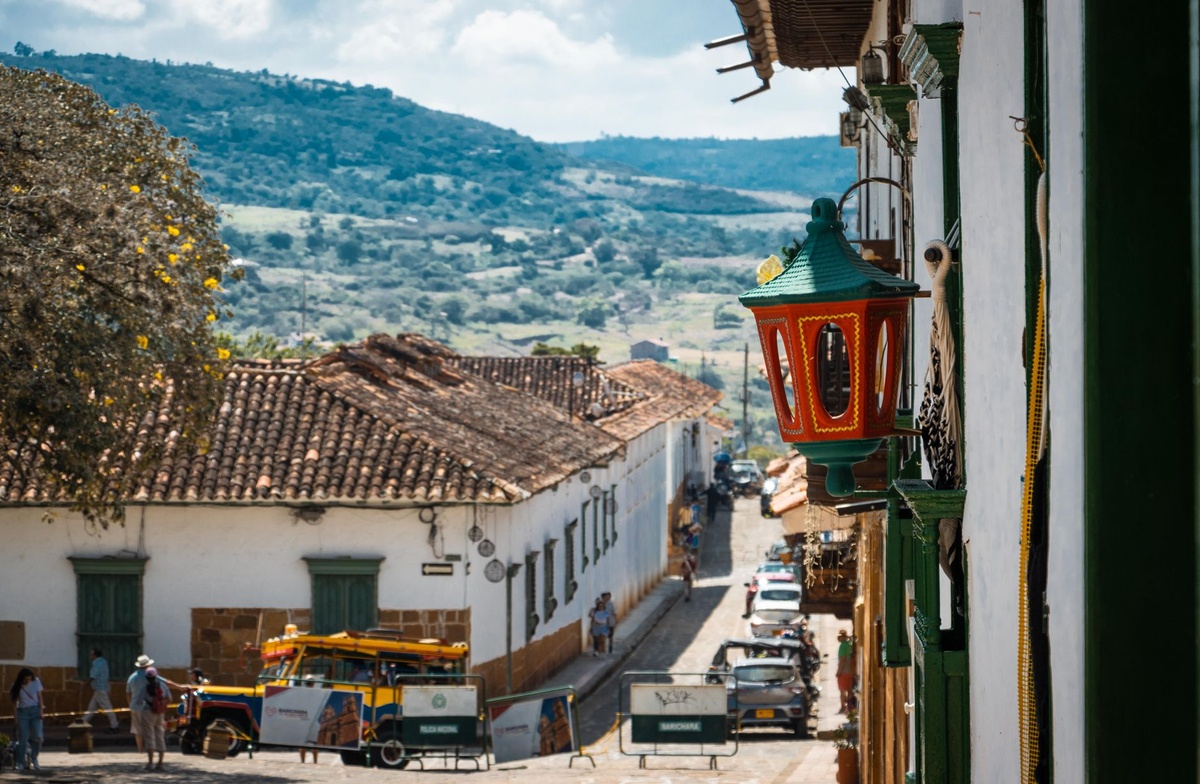
Visit Comuna 13 on Day 6 between 09:00 and 15:00. A small-group tour costs about COP 70,000–120,000 (€15.50–€26.70); “free” tours still expect COP 40,000–60,000 (€8.90–€13.30) in tips.
Book through a well-reviewed local operator or your hotel and meet at San Javier station. Skip unlicensed tours that turn residents’ history into narco entertainment; choose a community-led guide discussing urban development, displacement, art, and the outdoor escalators.
For dinner, Alambique in Manila serves generous Colombian plates for COP 45,000–75,000 (€10–€16.70). La Pampa Parrilla Argentina in Laureles is reliable for steak at €14–€25, while Provenza cocktail bars can charge €10–€14 per drink.
Days 7–9: Medellín to Salento Without an Overnight Bus
The direct daytime bus from Medellín to Salento covers roughly 250 km but usually takes 7–9 hours through the mountains. Flying to Pereira takes approximately 50 minutes, followed by a 42 km transfer to Salento lasting 60–90 minutes.
| Medellín–Salento option | Price, September 2026 | Total duration | Choose it if… |
|---|---|---|---|
| Flight to Pereira + shared van | €58–€95 / US$64–$106 | 4–5.5 hours door to door | You value daylight and predictability |
| Direct daytime bus | €20–€28 / US$22–$31 | 7–9 hours | You have time and tolerate winding roads |
| Private driver | €135–€180 per car / US$150–$200 | 6–7 hours | Three or four people can split the fare |
| Night bus via Armenia | €24–€34 / US$27–$38 | 8–10 hours plus transfer | Do not choose it for this route |
If flying, search for Medellín’s Olaya Herrera Airport first because it is inside the city. From Pereira Airport, reserve a hotel transfer for about COP 180,000–250,000 (€40–€56) per car or use a taxi to Pereira’s terminal and a local bus for a combined €8–€12.
Where to stay in Salento
Stay within a ten-minute walk of Plaza de Bolívar but not directly above its bars. Terrazas de Salento and Hotel Salento Real typically cost €45–€75 (US$50–$83), while good hostel dorms start around €12–€18.
On Day 8, take a Willys jeep from the plaza to Valle de Cocora. A return seat costs about COP 10,000–12,000 (€2.20–€2.70), compared with €25–€35 for a private taxi.
Leave on the first practical departures around 07:00–08:00. The full Cocora loop takes 5–6 hours, includes muddy and slippery sections in September, and may involve separate private-land entrance fees totaling COP 20,000–30,000 (€4.40–€6.70).
September is shoulder season across much of Colombia, but Salento is not reliably dry. Morning conditions are normally better than afternoon conditions; start early, carry a pack cover, and turn back if thunderstorms develop.
On Day 9, tour Finca Don Eduardo or Don Elias, generally operating tours between about 08:00 and 16:00. Expect COP 40,000–70,000 (€8.90–€15.50) for 1.5–3 hours, versus €35 or more for polished resort-style coffee experiences.
Eat trout at Donde Laurita for around COP 35,000–50,000 (€7.80–€11.10). For coffee, Café Jesús Martín is the better stop; skip novelty “coffee experiences” that serve sugary drinks but cannot explain the farm or roast.
Days 10–13: Fly to Cartagena and Control the Tourist Markups
Do not take a night bus from Salento to Cartagena. The road journey can exceed 20 hours and usually requires a connection; Pereira–Cartagena flights take about 1 hour 20 minutes nonstop, or 4–6 hours when connecting through Bogotá.
Budget €65–€125 (US$72–$139) for the flight plus Salento–Pereira transport. A bus may cost €50–€70 but sacrifices a full day and a night’s sleep, so the flight is the clearest value decision on this itinerary.
Where to stay in Cartagena
San Diego, inside the walled city, offers the best balance of atmosphere and walkability. Stylish doubles such as Casa India Catalina or similar small hotels run approximately €80–€140 (US$89–$156) in September.
Getsemaní is better for hostels and nightlife, with private rooms from €45–€90. Avoid rooms directly on Plaza de la Trinidad unless you can sleep through music; moving three blocks away can cut nighttime noise dramatically without sacrificing location.
Bocagrande has modern towers and easier vehicle access, but less historic character. Choose it for a resort-style stay or sea view, not because someone claims it is automatically safer than the old city.
Cartagena plan
Use Day 10 for an evening walk inside the walls, staying on busy illuminated streets. Cartagena remains around 26–31°C in September, with intense humidity and short heavy downpours; an air-conditioned room is worth €10–€20 more here than in Salento.
On Day 11, visit Castillo San Felipe de Barajas, generally open daily around 07:00–18:00. Admission is approximately COP 33,000 (€7.30 / US$8.15); arrive at opening because midday heat feels substantially harsher than Bogotá’s climate.
On Day 12, choose a reputable Rosario Islands beach club with transport, lunch, taxes, and return time stated in writing. A reliable day trip costs €65–€110, while suspicious €25 offers often exclude port tax, food, beach access, or the return transfer.
My preference is a small-group boat to a managed beach club rather than the crowded Playa Blanca package. Skip Playa Blanca if aggressive vendors and tightly packed day beds would ruin your day.
Book dinner at La Cevichería, where mains cost roughly COP 55,000–90,000 (€12–€20), or try Celele for a more ambitious Caribbean menu at €35–€65 per person. Celele reservations should be made several days ahead through its official website or social channels.
Taxi Apps, Airport Transfers, and How Not to Get Into the Wrong Car
Uber, Cabify, and DiDi operate in major Colombian cities, although operating models and local regulations can evolve. The practical safety benefit is the stored plate, driver identity, route, and fare estimate—not a guarantee that every trip is risk-free.
| Transport method | Typical 5–8 km city fare, September 2026 | Best use | Main drawback |
|---|---|---|---|
| Uber | €3.50–€8 / US$3.90–$8.90 | Night rides and unfamiliar routes | Surge pricing and variable pickup points |
| Cabify | €4–€9 / US$4.45–$10 | Scheduled rides and clear app records | Fewer cars in smaller towns |
| DiDi | €3–€7 / US$3.30–$7.80 | Price comparison in Bogotá and Medellín | Wait times vary |
| Street taxi | €3–€8, city dependent | Only from hotel or official rank | No automatic digital trip record |
| TransMilenio/metro | Under €1 per ride | Daytime trips without luggage | Crowding and pickpocket risk |
Before entering any car, match the plate, vehicle, and driver photo. Ask “¿Para quién?” rather than saying your own name first, then sit in the rear and share the live trip with a trusted contact.
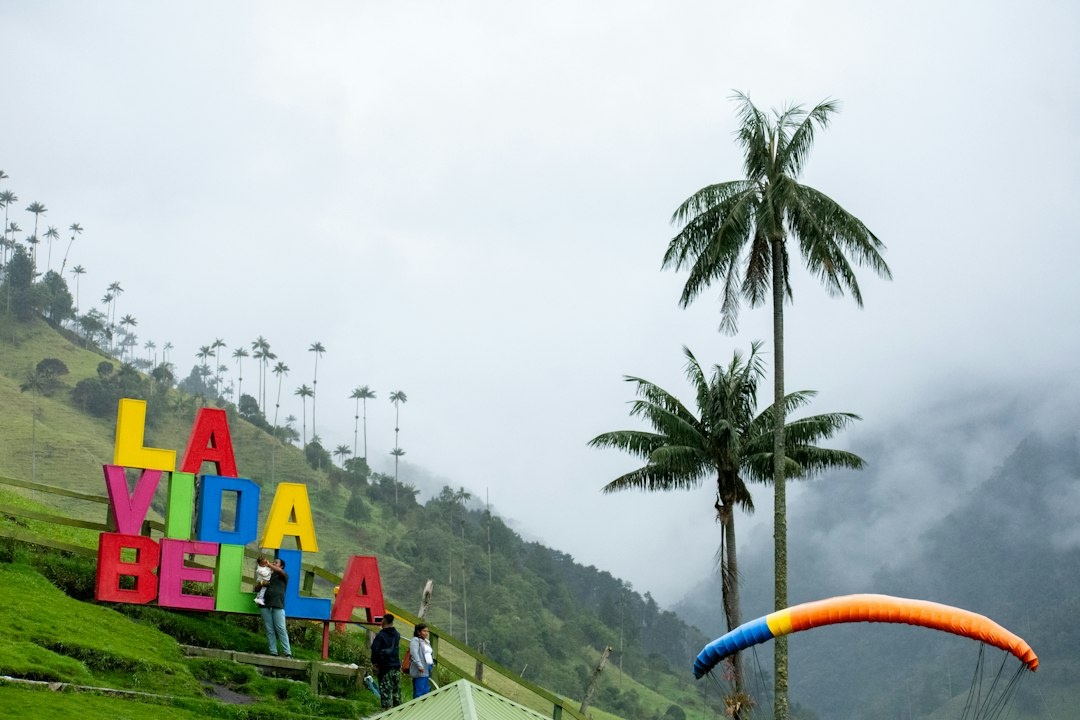
In Cartagena, many taxi rides do not use a meter in the way visitors expect. Ask your hotel for the current fare, agree on the amount before moving, and clarify whether the quote is COP 20,000 (€4.40) or “20” in local shorthand.
The Colombia Scams and Risks First-Time Visitors Actually Encounter
Drugging and dating-app robberies
This is the risk to take most seriously in Medellín nightlife. Meet only in a busy public venue, buy your own drink, never leave it unattended, and do not bring a new acquaintance back to your room.
If a friend becomes suddenly confused, extremely drowsy, or unable to coordinate movement after little alcohol, call 123 and seek medical help immediately. Do not assume they merely need to “sleep it off.”
Fake police and document checks
A uniform or badge does not mean you should hand over your wallet or unlock your phone. Ask to go to the nearest police station and call 123 if plain-clothes individuals demand cash, cards, or a passport inspection.
Carry a color copy of your passport’s identity page and entry record while leaving the original in the hotel safe, unless an official procedure specifically requires it.
ATM distraction and card-terminal tricks
Use ATMs inside banks or shopping centers during opening hours, cover the keypad, and reject help from strangers. A COP 200,000 withdrawal equals about €44, so check the number of zeros before confirming.
At restaurants, keep the terminal in sight and verify the amount before tapping. COP 380,000 is roughly €84—not €8.40—and hurried tourists sometimes miss an extra zero.
Cartagena beach and street-vendor pricing
Ask the total price before accepting a massage, oyster, photograph, chair, jet ski, or cocktail. “A sample” may not be treated as free, and returning an unwanted item is easier than negotiating after consuming it.
A beach massage might fairly cost COP 50,000–80,000 (€11–€18), not the €50–€100 sometimes demanded after the service. If a dispute escalates, move to a staffed hotel, restaurant, or police point rather than arguing in an isolated spot.
Phone snatching
Do not stand at the curb holding a phone toward traffic. A basic wrist strap costs under €10, but the safer habit is to step inside a business before checking directions.
Emergency Contacts to Save Offline
Save these numbers in your phone and on paper. Mobile coverage can fail, batteries die, and European 112 should not be treated as Colombia’s primary emergency number.
- General emergencies: 123
- Police anti-kidnapping and extortion unit, GAULA: 165
- Women’s support line: 155
- Road and highway assistance: #767
- Colombian Red Cross: 132 where locally supported
- Fire service: 119 in many municipalities, or use 123
- U.S. Embassy Bogotá: +57 601 275 2000
Travelers from other countries should save their embassy’s Bogotá number before departure. Verify all consular details on the embassy’s official website because duty numbers and after-hours procedures can change.
If your passport is stolen, file a police report, contact your embassy, notify your insurer, and block compromised cards. If your phone is stolen, prioritize account access and remote locking rather than attempting to recover the device yourself.
September 2026: Good Value, But Not Dry Season Everywhere
September is one of the better-value months for this route because European and North American summer holidays have ended. International flights can be cheaper than July or late December, but Cartagena’s wetter weather means the discount is partly compensation for humidity and showers.
Bogotá and Salento often receive afternoon rain, while Medellín remains warm at approximately 17–27°C. Cartagena stays hot at 26–31°C, so this is not a single-climate trip: you need both a rain shell and breathable tropical clothing.
The shoulder-season advantage is most noticeable in hotel availability. A Cartagena room costing €130 in a peak holiday week may fall to €85–€105 in September, while Salento weekend prices can remain high because domestic travelers do not follow international seasonality.
Costed 13-Day Colombia Budget
This sample assumes two people sharing mid-range rooms, booking domestic flights four to eight weeks ahead, eating one restaurant dinner daily, and taking app rides after dark. It excludes international airfare, shopping, and alcohol-heavy nightlife.
| Category | Per person, September 2026 | What is included |
|---|---|---|
| Accommodation | €535 / US$594 | 12 nights in private mid-range doubles, shared by two |
| Intercity transport | €255 / US$283 | Domestic flights, baggage, and Salento transfers |
| Local transport | €70 / US$78 | Airport buses, app rides, metro, and Willys jeep |
| Food and coffee | €325 / US$361 | About €25 per day |
| Activities | €145 / US$161 | Museums, Monserrate, tours, Cocora, and Castillo San Felipe |
| SIM and insurance | €60 / US$67 | Local data plus basic travel insurance |
| Total | €1,390 / US$1,544 | About €107 per day |
A careful backpacker using dorms and daytime buses can reduce the total to roughly €750–€950. A solo traveler wanting private boutique hotels should budget €1,700–€2,100 because there is nobody to split the room and airport transfers with.
Common First-Time Colombia Mistakes
- Taking every overnight bus: save €20, lose a night’s sleep, and arrive disoriented; fly the longest legs.
- Staying beside Medellín’s loudest nightlife: choose Laureles or Manila instead of Parque Lleras.
- Using a phone openly on the curb: step into a café before navigating or ordering a ride.
- Assuming all of Colombia is tropical: Bogotá can feel cold after sunset, especially when wet.
- Accepting services before confirming prices: this is the fastest route to a Cartagena dispute.
- Booking unprotected flight connections: leave at least four hours between separate domestic and international tickets.
- Carrying the original passport everywhere: use a copy for ordinary sightseeing and secure the original.
- Posting your hotel or live location publicly: share trips privately with one trusted person instead.
Final Verdict: The Safest Version of a First Colombia Trip
The smart first-timer route is Bogotá to Medellín by air, Medellín to Salento by daytime bus or Pereira flight, and Pereira to Cartagena by air. Stay in Chapinero or Quinta Camacho, Laureles or Manila, central-but-quiet Salento, and San Diego or quieter Getsemaní.
Colombia becomes much easier when you remove avoidable vulnerabilities: no night buses, no improvised airport rides, no unattended drinks, and no unpriced beach services. Save this guide offline, send the itinerary to your travel partner, and recheck regional advisories and flight schedules before booking.
Frequently Asked Questions
Is Colombia safe for first-time tourists in 2026?
Bogotá, Medellín, Salento, and Cartagena have established tourism infrastructure, but visitors still need precautions against phone theft, drink drugging, and taxi or pricing scams. Avoid higher-risk border and rural regions unless current official advice and specialist local guidance support the trip.
How much does a 13-day Colombia trip cost?
Budget approximately €1,250–€1,550 (US$1,390–$1,720) per person sharing mid-range rooms, excluding international flights. Backpackers can manage €750–€950, while a solo private-room trip may exceed €1,700.
Should I take night buses in Colombia?
Not on this first-time route. Bogotá–Medellín flights start around €40–€75 and save five to seven hours, while flying Pereira–Cartagena avoids a road journey exceeding 20 hours.
What are the safest neighborhoods for tourists in Colombia?
Lower-friction choices include Quinta Camacho, Chapinero Alto, or Parque 93 in Bogotá; Laureles or Manila in Medellín; central Salento away from late-night bars; and San Diego or quieter Getsemaní in Cartagena. These are convenient bases, not guarantees against crime.
Is September a good month to visit Colombia?
Yes for lower international crowds and potentially cheaper flights, but it is not uniformly dry. Expect 8–19°C in Bogotá, afternoon rain around Salento and Medellín, and humid 26–31°C conditions in Cartagena.

About the Author: Tomáš Bzirský
Founder and editor of Distratech. Based in the Czech Republic, travelling regularly from Central Europe. Writes practical travel guides and travel-tech comparisons (eSIM, apps, airports) in six languages.