'/%3E%3Cpath%20fill='%23b2b2b2'%20d='M241%20382q0%2016%2017%2026%2017%2011%2042%2011t42-11q16-11%2017-26V269H241'/%3E%3Cpath%20fill='%239f7e00'%20d='M241%20379q0%2014%208%2023%209%209%2021%209%2014%200%2021-9%209-9%209-23V269h-59'/%3E%3Cpath%20d='M241%20339v-70h59v110q0%2014-9%2023l-6%205v-68h-15v72q-8%200-14-4v-68zm59%2040c0%2022%2015%2032%2029%2032%2021%200%2030-18%2030-32v-40h-59'/%3E%3Cpath%20fill='%239f7e00'%20d='M266%20277v5h2v12h-3v-5h2v-5h-9v5h2v5h-4v9h3v18h-5v10h34v-10h-5v-18h3v-9h-4v-5h2v-5h-9v5h2v5h-3v-12h2v-5zm42%20101q0%2010%206%2017%206%206%2015%207%2010-1%2016-7%206-7%206-17v-29h-43'/%3E%3Ccircle%20fill='%230044ad'%20cx='329.5'%20cy='372'%20r='6'/%3E%3Cellipse%20fill='%230044ad'%20cx='300'%20cy='340'%20rx='16'%20ry='21'/%3E%3C/svg%3E)
'/%3E%3C/svg%3E)


'/%3E%3C/g%3E%3Cuse%20href='%23c'%20transform='matrix(-1%200%200%201%20720%200)'/%3E%3C/svg%3E)



In early 2026, the UK’s National Cyber Security Centre (NCSC), part of GCHQ, quietly made a device called SilentGlass available to the public after deploying it across government buildings. It’s a small hardware adapter that sits between your computer and an HDMI or DisplayPort cable — and it blocks malicious data traveling through the display connection.
Yes, your monitor cable can be an attack surface. And if you travel with a laptop, this matters more than you think.
Key Takeaways
- SilentGlass is a hardware adapter that blocks malicious data over HDMI and DisplayPort connections.
- Developed by the UK’s NCSC and now available commercially via Goldilock Labs (2026 release).
- Designed for high-security environments but relevant for travelers using hotel, coworking, or event displays.
- Works inline between your laptop and display with no software required.
- Best suited for journalists, digital nomads, corporate travelers, and conference speakers.
Wait — HDMI Cables Can Carry Malware?
Most travelers think about sketchy public Wi-Fi, not sketchy HDMI ports.
But modern display standards like HDMI and DisplayPort don’t just transmit video. They can also carry data channels for device control, firmware updates, audio return, Ethernet, and more. That complexity opens the door — in highly targeted scenarios — to malicious hardware implants inside monitors, conference room systems, or even cables.
This isn’t everyday cybercrime. It’s high-level, targeted exploitation. But if a national cyber agency built a physical filter to block it, that tells you something.
What Exactly Is SilentGlass?
SilentGlass is a small hardware isolation device that sits inline between:
- Your laptop (HDMI or DisplayPort output)
- The external cable or display you’re connecting to
Its purpose is simple: allow video out, block everything else that could be abused.
Instead of trusting whatever is on the other end of the cable — a hotel TV, an Airbnb monitor, a coworking space screen, or a conference AV system — SilentGlass filters and restricts communication to prevent malicious signaling or hidden data exchange.
No drivers. No apps. No configuration. It’s a physical barrier.
Why This Matters for Travelers in 2026
If you’re presenting at a spring tech conference in Berlin, working remotely from Kyoto during cherry blossom season (see our Kyoto spring travel guide), or editing photos from a café in Rome, chances are you’ll plug into external displays.
Common scenarios:
- Hotel TVs via HDMI
- Airbnb office monitors
- Coworking space conference rooms
- Trade show demo stations
- Client boardroom AV systems
In most cases, nothing bad happens. But travelers are uniquely exposed because:
- You don’t control the hardware.
- You don’t know who had physical access before you.
- You often carry sensitive data (passports, contracts, financial docs, unpublished content).
If you’re a journalist, startup founder, consultant, or digital nomad handling client data, that risk profile increases.
How SilentGlass Works (Without Getting Too Nerdy)
Display cables include multiple communication pathways. SilentGlass acts as a protocol-level gatekeeper.
It allows:
- Unidirectional video output from your computer
- Necessary display handshake for resolution negotiation
It blocks or restricts:
- Unexpected bidirectional data channels
- Potential firmware-level signaling abuse
- Hidden device-to-host communication beyond display needs
Think of it like a “data diode” concept applied to video output.
If that sounds extreme, remember: this device was designed for government facilities before being commercialized. It’s security-first hardware.

Who Should Actually Consider Buying This?
Let’s be practical.
You probably don’t need SilentGlass if you:
- Only use your laptop screen
- Rarely connect to unknown displays
- Don’t handle sensitive data
You should seriously consider it if you:
- Present at international conferences
- Work with confidential client data
- Travel to higher-risk regions
- Are a journalist or researcher
- Are part of a startup pitching investors globally
For example, if you’re bouncing between European coworking spaces during shoulder season — say combining remote work with our Rome spring itinerary — you’re likely plugging into shared infrastructure. That’s where hardware-level protection makes sense.
How Is This Different From a USB Data Blocker?
Travelers are already familiar with USB “data blockers” that prevent juice jacking at airport charging stations.
SilentGlass is the HDMI/DisplayPort equivalent — but more advanced.
Key differences:
- USB blockers stop data pins entirely.
- SilentGlass allows necessary video communication while blocking malicious channels.
- HDMI/DP protocols are more complex than USB charging.
This is not just cutting wires. It’s controlled filtering.
Is This Overkill for Most People?
Yes — and no.
For a casual tourist visiting tulip fields in the Netherlands this spring, it’s overkill.
For a digital nomad running a six-figure remote business from rotating Airbnbs? Not crazy at all.
We’re in an era where:
- Supply chain attacks are real.
- Hardware implants exist.
- Conference AV systems are often poorly secured.
Physical-layer security is becoming mainstream. SilentGlass is part of that shift.
Practical Travel Security Setup (2026 Edition)
If you want a balanced approach without going full spy-agency mode, here’s what I recommend:
- Use a USB-C hub you own — avoid borrowing adapters.
- Carry a short HDMI cable — don’t rely on unknown cables.
- Add SilentGlass if you frequently present or handle sensitive material.
- Use a privacy screen in coworking spaces.
- Disable auto-mounting external devices in your OS settings.
That setup adds minimal weight to your tech pouch — maybe 150–200 grams total — but significantly reduces hardware-based risks.
What About Performance?
Because SilentGlass is designed for government environments, it’s built to preserve display quality and reliability.
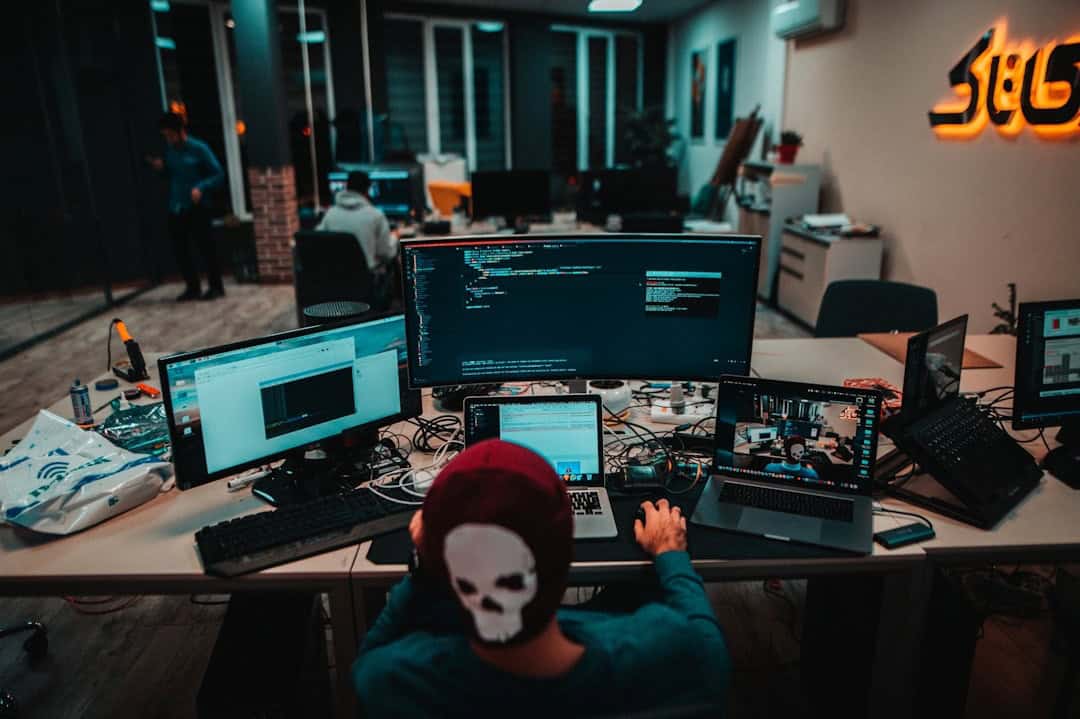
You should expect:
- Support for modern resolutions (including 4K)
- No noticeable latency for presentations
- No software compatibility issues
If a security device breaks your slideshow at a live event, it’s useless. This one is engineered for mission-critical rooms.
Spring 2026 Travel Context: Why Now?
Spring is conference season in Europe and North America.
It’s also shoulder season for digital nomads — before peak summer crowds hit places like Italy and Japan. That means more remote workers combining travel with client meetings abroad.
More travel + more public display use = more exposure to shared hardware.
SilentGlass launching publicly in 2026 isn’t random timing. Hybrid work is permanent. So are cross-border data risks.
My Verdict: Niche, But Increasingly Relevant
SilentGlass isn’t a gadget for everyone.
But it represents something important: hardware-layer travel security is becoming mainstream.
If you:
- Pitch startups internationally
- Present research at global events
- Handle legal or financial documents on the road
- Work in investigative journalism
— this is a smart addition to your kit.
For everyone else, it’s a reminder: the attack surface isn’t just Wi-Fi anymore. It’s cables, displays, adapters, and anything you plug into.
In 2026, smart travelers don’t just protect their data online. They protect it physically.
Frequently Asked Questions
Can HDMI really transmit malware?
HDMI and DisplayPort include data channels beyond pure video, which can theoretically be abused in targeted attacks. While rare for everyday users, high-security environments treat display connections as potential attack surfaces.
Is SilentGlass necessary for hotel TV connections?
For most casual travelers, probably not. But if you handle sensitive corporate or journalistic data, using a hardware filter when connecting to unknown hotel displays adds an extra layer of protection.
Does SilentGlass affect 4K or high-refresh-rate displays?
It’s designed for modern professional environments, so it supports common high-resolution outputs like 4K. Performance impact for presentations or standard productivity use should be negligible.
How is this different from a USB data blocker?
USB data blockers cut off data pins entirely to prevent “juice jacking.” SilentGlass selectively filters HDMI/DisplayPort communication while still allowing necessary video signaling.

About the Author: Tomáš Bzirský
Founder and editor of Distratech. Based in the Czech Republic, travelling regularly from Central Europe. Writes practical travel guides and travel-tech comparisons (eSIM, apps, airports) in six languages.