You don’t need a guide, a group tour, or a $3,000 package to hike Europe’s most iconic long-distance trails. With decent fitness, a GPX track, and smart booking, you can walk hut-to-hut or village-to-village on your own—often for under €60 per night.
July is peak season across the Alps, Dolomites, and Nordic routes. Trails are snow-free (mostly), huts are open, and daylight stretches late—but you’ll need to book ahead. Here are eight of the best multi-day hikes in Europe you can confidently do without a guide in 2026.
Key Takeaways
- Best budget option: Portugal’s Rota Vicentina from €35/night in guesthouses.
- Most iconic alpine route: Alta Via 1 (120 km) with huts from €55–€75 half-board.
- Longest classic: Tour du Mont Blanc (170 km), expect €900–€1,400 total for 10–12 days.
- Cheapest country combo: Slovenia’s Juliana Trail at €50–€80 per night including breakfast.
- Book alpine huts 4–8 weeks ahead for July–August via official hut websites.
1. Tour du Mont Blanc (France–Italy–Switzerland)
Distance: 170 km
Duration: 10–12 days
Difficulty: Moderate to challenging
Budget: €900–€1,400 total
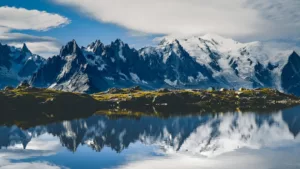
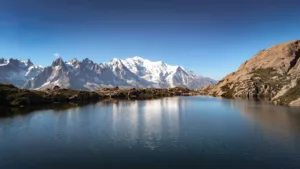
The TMB is Europe’s most famous long-distance hike—and yes, you can do it solo. The trail is impeccably marked, passes through three countries, and connects a chain of refuges and small inns.
Expect 800–1,200 meters of elevation gain per day. In July, snow is usually gone from the main cols, but check conditions via Chamonix tourism.
Costs (per day)
- Mountain hut half-board: €60–€75
- Village hotel + dinner: €110–€160
- Picnic lunch: €12–€18
Comparison: Guided packages run €2,800–€3,500. DIY costs roughly half.
Skip luggage transfer unless you truly need it (€45–€60 per stage). Pack lighter instead.
2. Alta Via 1 (Dolomites, Italy)
Distance: 120 km
Duration: 8–10 days
Difficulty: Moderate
Budget: €700–€1,000
If the TMB is crowded, Alta Via 1 feels more intimate and arguably more dramatic. Think vertical limestone towers and rifugios with espresso machines at 2,500 meters.
Rifugio Lagazuoi and Rifugio Nuvolau are highlights. Book directly via Dolomiti.org.
Typical Costs
- Dorm bed + half-board: €55–€70
- Private room: €90–€120
- Beer at altitude: €6–€7
Bus vs Taxi: Cortina d’Ampezzo to Lago di Braies — Bus €8 (1h50) vs Taxi €120 (1h15).
July tip: Afternoon storms are common. Start hiking by 7:30 am.
3. Walker’s Haute Route (France–Switzerland)
Distance: 200 km
Duration: 12–14 days
Difficulty: Challenging
Budget: €1,200–€1,800
From Chamonix to Zermatt, this is tougher and wilder than the TMB. Glacier views are constant, and daily elevation gain often exceeds 1,200 meters.
Accommodation mixes mountain huts (€70 half-board) and Swiss valley hotels (€140–€200).
Money-saving tip: Stock up groceries in France. Switzerland supermarket prices are 20–30% higher.
4. Slovenian Juliana Trail (Slovenia)
Distance: 270 km (16 stages)
Duration: 7–16 days (flexible)
Difficulty: Moderate
Budget: €800–€1,200
This circular trail loops around Triglav National Park without summiting Triglav itself. It’s lower altitude, greener, and less technical than Alpine hut routes.
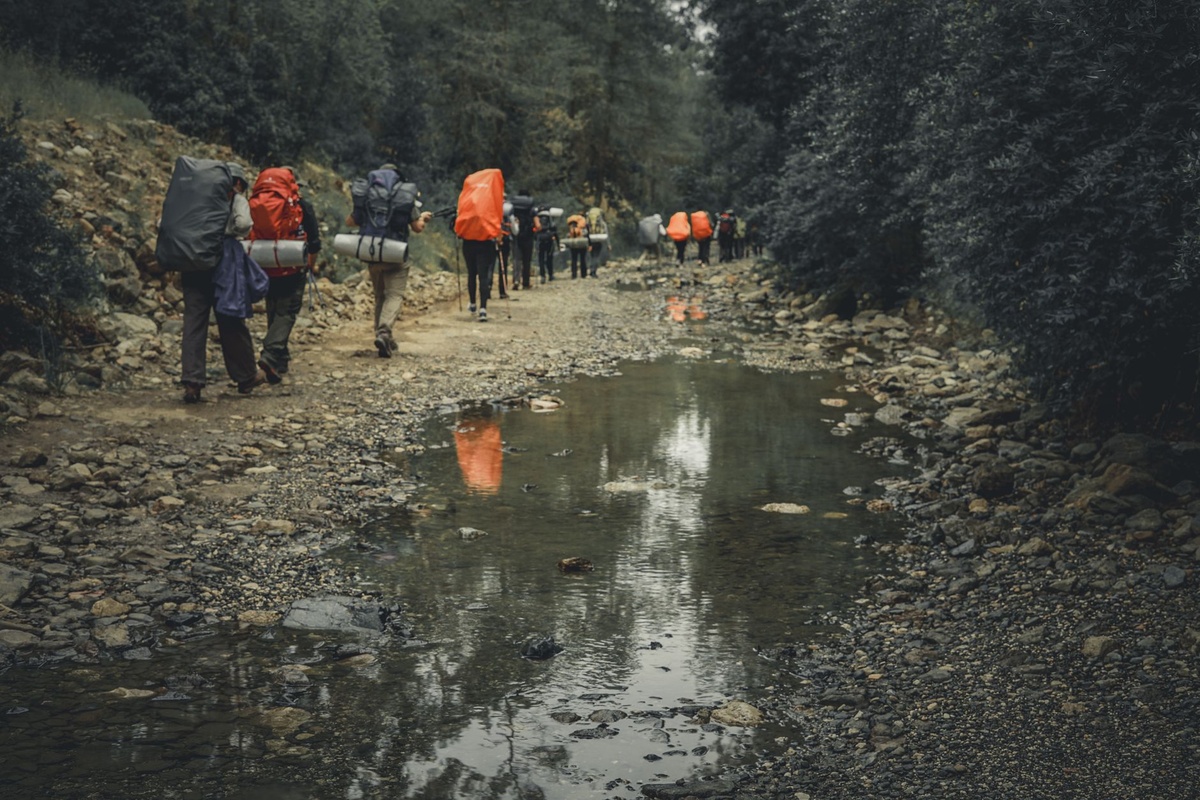
Guesthouses average €50–€80 with breakfast. Dinner in small-town gostilnas costs €12–€18.
Comparison: Lake Bled area is packed in July. The Juliana stages near Kobarid are far quieter.
Use the official app “Juliana Trail” for GPX tracks. Slovenia is ideal for combining hiking and food—similar to what we loved on our Georgia wine route, just with more mountains.
5. Rota Vicentina (Portugal)
Distance: 226 km (Fishermen’s Trail section: 120 km)
Duration: 5–12 days
Difficulty: Easy to moderate
Budget: €500–€900
Cliffside Atlantic views, sandy paths, and fresh seafood every night. This is Europe’s best coastal multi-day hike.
Stay in family-run pensions from €35–€60 per night. Grilled sea bass dinner: €14–€18.
Train vs Car: Lisbon to Porto Covo — Bus €12 (2h30) vs Rental car €45/day + fuel.
Peak summer is hot (28–32°C). Start at sunrise and swim in the afternoon.
6. West Highland Way (Scotland)
Distance: 154 km
Duration: 6–8 days
Difficulty: Moderate
Budget: €700–€1,100
Glens, lochs, and moody Highland weather. Trails are well-marked and manageable without a guide.
Bunkhouse beds: £25–£35 (€30–€42). B&Bs: £70–£110.
Luggage transfer: £45 per bag per day vs carrying your own (free). Most hikers say it’s worth it here.
July brings midges. Bring Smidge repellent (£7) or you’ll regret it.
7. Laugavegur Trail (Iceland)
Distance: 55 km
Duration: 3–4 days
Difficulty: Moderate
Budget: €600–€900
Short but surreal—rainbow rhyolite mountains, geothermal steam, black sand deserts.
Mountain hut: 13,000–15,000 ISK (€85–€100). Camping: 2,500 ISK (€17).
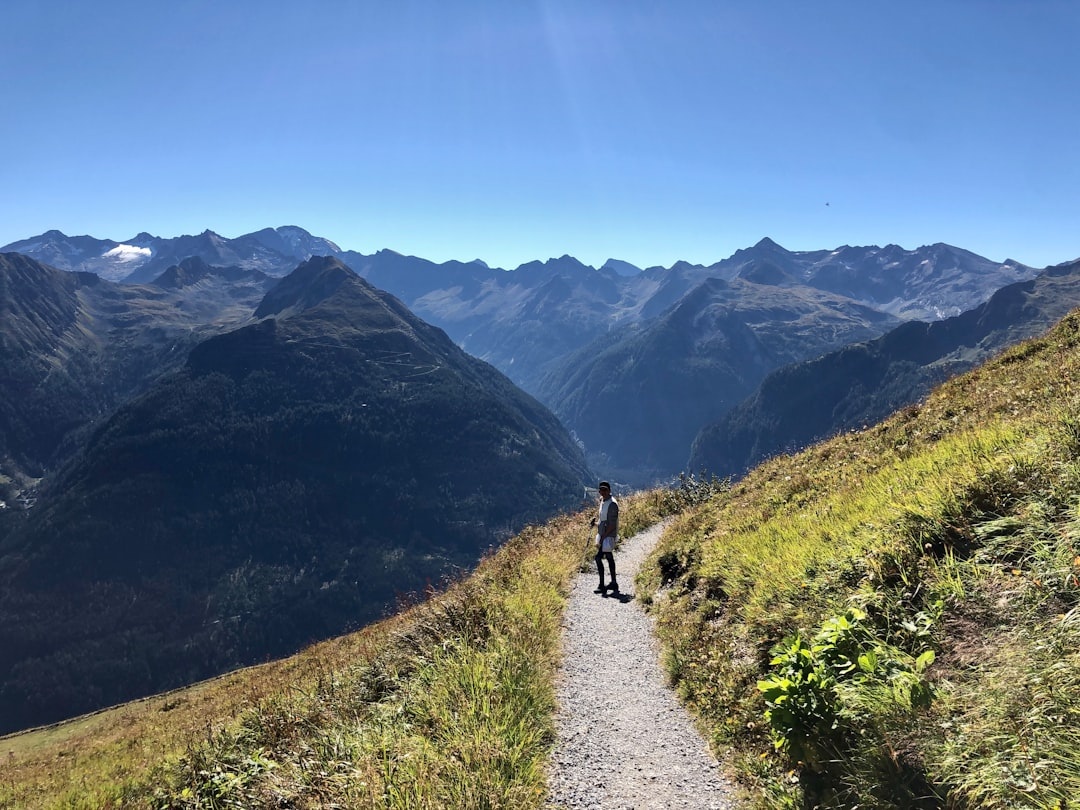
Bus access: Reykjavik to Landmannalaugar — 15,900 ISK (€105) round-trip.
This is the most expensive hike on the list per day. But landscapes feel Martian.
8. Kungsleden (Sweden, Abisko to Nikkaluokta)
Distance: 105 km
Duration: 5–7 days
Difficulty: Moderate
Budget: €500–€800
Arctic hiking without technical terrain. July means 20+ hours of daylight.
STF hut bed: 450–600 SEK (€40–€55) for members. Non-members pay about €10 more.
Food tip: Buy supplies in Kiruna. Hut shops charge 30–40% more.
Budget Comparison Table
| Trail | Days | Avg Daily Cost | Total Est. Budget |
|---|---|---|---|
| Tour du Mont Blanc | 11 | €90–€120 | €900–€1,400 |
| Alta Via 1 | 9 | €80–€110 | €700–€1,000 |
| Juliana Trail | 10 | €70–€100 | €800–€1,200 |
| Rota Vicentina | 8 | €60–€100 | €500–€900 |
| Kungsleden | 6 | €80–€120 | €500–€800 |
Tech & Booking Tips for 2026
Navigation is straightforward on all these routes, but download offline maps on AllTrails+ ($35/year) or Gaia GPS (€39/year).
For mobile data, don’t rely on roaming surprise charges. We compared plans in detail in our guide to roaming vs eSIM in Europe. Short version: Airalo’s 10GB Europe plan costs around $37 and works well in Alpine regions.
- Book Alpine huts 4–8 weeks ahead for July–August.
- Carry cash in Switzerland and rural Italy (some huts don’t take cards).
- Start hiking before 8 am to avoid storms and heat.
- Travel insurance with mountain evacuation coverage is essential.
When to Go (Summer 2026 Reality Check)
July and August are peak season across Europe’s mountains. Expect busy huts on TMB and Alta Via 1, especially mid-July to mid-August.
Best balance of weather and fewer crowds: late June or early September. Iceland and Sweden have shorter windows—mid-June to early September only.
If you prefer remote, regulated trekking with mandatory guides, look at places like Ethiopia’s Simien Mountains (we break down permits and costs in our Ethiopia guide). Europe is refreshingly DIY by comparison.
Final Thoughts
You don’t need a guide to hike Europe’s best long-distance trails. You need decent planning, early hut bookings, and realistic daily mileage.
If you’re hiking this summer, book accommodation first, transport second, and flights last. Then download your GPX files, pack light, and start early each day.
Have a specific trail in mind? Drop a comment or message us—we’ll help you dial in a realistic budget and itinerary.
Frequently Asked Questions
How much does it cost to hike the Tour du Mont Blanc?
Most independent hikers spend €900–€1,400 for 10–12 days, including huts (€60–€75 half-board), food, and local transport. Guided packages often exceed €3,000.
Do I need to book mountain huts in advance?
Yes for July and August—book 4–8 weeks ahead for popular routes like Alta Via 1 and TMB. Shoulder season (late June or September) is more flexible.
Are these hikes safe without a guide?
Yes, for experienced hikers comfortable with maps and elevation. Trails are marked, but weather changes quickly in the Alps and Iceland—check forecasts daily.
What’s the cheapest multi-day hike in Europe?
Portugal’s Rota Vicentina is typically the cheapest, with guesthouses from €35 and meals under €20, totaling around €500–€900 for a week.

About the Author: Tomáš Bzirský
Founder and editor of Distratech. Based in the Czech Republic, travelling regularly from Central Europe. Writes practical travel guides and travel-tech comparisons (eSIM, apps, airports) in six languages.