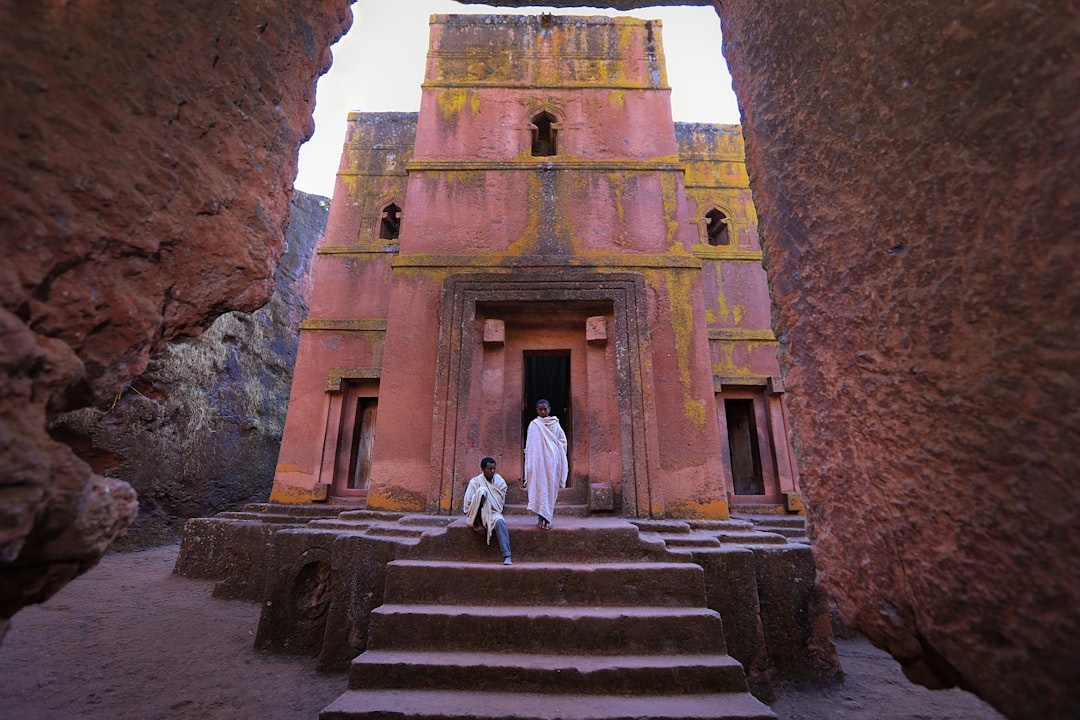
Ethiopia’s northern circuit is raw, spiritual, and wildly underrated. In 10 days, you can descend into Lalibela’s rock-hewn churches, wander Gondar’s “Camelot of Africa,” and trek alongside gelada baboons in the Simien Mountains — all without rushing.
Summer 2026 (June–September) is peak green season in the highlands. Expect dramatic skies, cooler temps (60–75°F / 15–24°C at altitude), and fewer European tour groups — but also afternoon showers. Here’s exactly how to plan it, what it costs in 2026, and what not to mess up.
Key Takeaways
- 10-day budget: $1,200–$2,200 per person depending on flights vs overland and trekking style.
- Simien Mountains permit: ~$10/day + mandatory scout ~$20/day (cash, local office).
- Lalibela churches ticket: $50 (5-day pass, cash only, 8am–5pm).
- Domestic flights (ADD–Lalibela or Gondar): $90–$120 with Ethiopian Airlines.
- July–August = lush landscapes, cooler temps, but plan around afternoon rain.
Days 1–2: Lalibela – Rock-Hewn Churches That Live Up to the Hype
Fly Addis Ababa (ADD) to Lalibela (LLI) in 1 hour with Ethiopian Airlines. Book via ethiopianairlines.com. In 2026, expect $95–$120 one way if you’re connecting internationally with them; standalone tickets cost closer to $140.
Bus alternative: 12–14 hours from Addis, $18–$25. Do not do this unless you love back pain.
Church Tickets & Hours (2026)
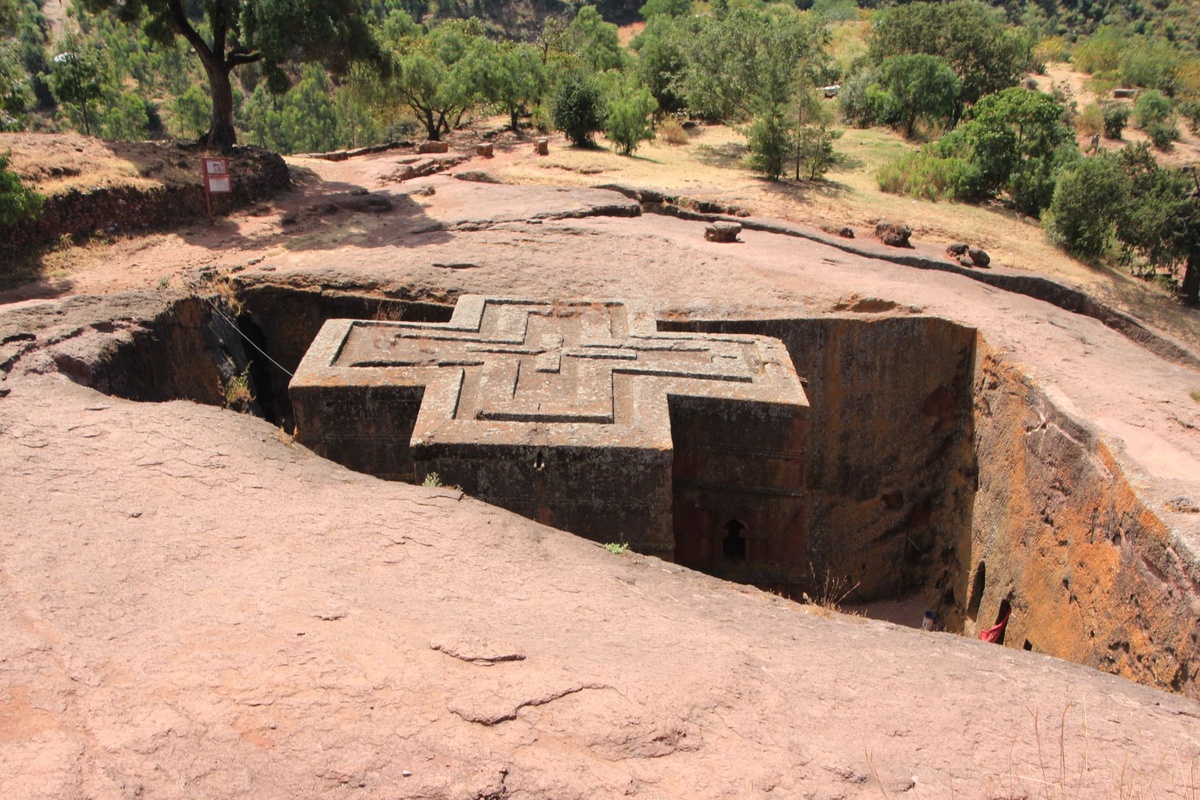
The 11 medieval churches are split into two clusters plus Bet Giyorgis.
- Ticket: $50 (valid 5 days)
- Hours: 8:00am–5:00pm daily
- Payment: Cash USD or birr only
Go at 8am. By 11am in summer, tour groups arrive and light gets harsh. Bet Giyorgis at sunset is iconic, but morning is quieter.
Guide or Not?
Official local guides charge $25–$35/day. Worth it. Without one, you’ll miss symbolism and hidden tunnels.
Comparison:
| Option | Cost | Experience |
|---|---|---|
| No guide | $0 | Surface-level, easy to get lost |
| Official guide | $30/day | Deep context, smoother logistics |
Where to Stay in Lalibela
Top pick: Mezena Lodge ($65–$90/night). Cliffside views, reliable hot showers.
Budget: Honey Land Hotel ($25–$35). Clean, central, decent Wi-Fi.
Skip the ultra-budget $10 guesthouses unless you’re fine with cold bucket showers and patchy power cuts.
Where to Eat
Go to Ben Abeba for sunset and injera platters ($8–$12). It’s touristy — but the view wins.
For something local, Seven Olives does solid fasting dishes (lentils, shiro) for $4–$6.
Days 3–4: Gondar – Castles, Debre Berhan Selassie & Real Coffee Culture
Fly Lalibela to Gondar (30 minutes, ~$90). Overland takes 8–10 hours on rough roads.
Fasil Ghebbi (Royal Enclosure)
- Entry: ~$20
- Hours: 8:30am–5:30pm
It genuinely feels like a medieval fortress dropped into East Africa. Budget 2–3 hours.
Debre Berhan Selassie Church
Entry ~$5. The ceiling of angel faces is reason alone to come north.
Hire a tuk-tuk for the day: $15–$20 vs walking 30–40 minutes between sites under strong sun.
Where to Stay in Gondar
Goha Hotel ($70–$110). Hilltop views, reliable generator during outages.
Main Palace Hotel ($40–$60). Central, good value.
Coffee Tip
Skip hotel coffee. Go to Four Sisters Restaurant for a full Ethiopian coffee ceremony ($3–$5). It takes 45 minutes. Don’t rush it.
Days 5–8: Simien Mountains – Permits, Scouts & Trek Logistics (2026)
The Simien Mountains National Park is 2–3 hours from Gondar (100 km). A private 4×4 costs $120 round trip. Shared minibus: $6–$8 each way but slower and cramped.
Permits & Mandatory Scout
As of 2026:
- Park entry: ~$10/day
- Scout (mandatory): ~$20/day per group
- Guide (optional but recommended): $25–$35/day
Pay at the Debark park office in cash. Bring small USD bills.
Unlike something like the Tour du Mont Blanc self-guided route, you cannot trek fully independently here — the scout rule is enforced.
3-Day Trek Itinerary (Perfect for a 10-Day Trip)
Day 1: Sankaber to Geech Camp (5–6 hrs). Gelada baboons everywhere.
Day 2: Imet Gogo viewpoint (3,926m). Best escarpment views.
Day 3: Return hike + transfer to Gondar.
Camping gear rental in Debark: ~$15/day (tent + sleeping bag). Mule: ~$15/day if you don’t want to carry weight.
Simien Costs Breakdown (3 Days, Per Person, 2 People Sharing)
| Item | Cost (USD) |
|---|---|
| Park fees (3 days) | $30 |
| Scout (shared) | $30 |
| Guide (shared) | $45 |
| Transport from Gondar | $60 |
| Gear rental | $45 |
| Total | ~$210 |
That’s dramatically cheaper than most African mountain parks.
Connectivity & Tech: What Works in 2026
Ethiopia has one main operator: Ethio Telecom. Buy a SIM at Addis airport (~$2 SIM + $10 for 10GB).
Coverage works in cities and parts of Lalibela and Gondar. In the Simien Mountains? Expect zero signal.
If you use a travel eSIM-enabled phone (like newer Motorola models with built-in travel eSIM functionality), double-check compatibility before arrival. Ethiopia is not as plug-and-play as Europe — where options are widely compared like in this roaming vs eSIM cost breakdown.
Download offline Google Maps and Maps.me before heading north.
Safety in Northern Ethiopia (2026 Update)
As of July 2026, Lalibela, Gondar, and the Simien Mountains are open and receiving tourists. Security presence is visible but low-key.
Petty theft is rare compared to many Latin American destinations (for context, see how crime dynamics differ in places like Medellín in this Colombia safety breakdown). Violent crime targeting tourists in Ethiopia’s north remains uncommon.
Practical Safety Tips
- Carry small USD bills; change is often unavailable.
- Avoid walking unlit streets after 10pm in smaller towns.
- Use registered guides in national parks — not freelancers approaching you.
- Travel insurance is essential (evacuation coverage recommended).
Altitude is a bigger risk than crime. Lalibela sits at 2,500m; Simien viewpoints approach 4,000m. Hydrate aggressively.
Total 10-Day Budget (Mid-Range, 2026)
| Category | Estimated Cost (USD) |
|---|---|
| Domestic flights (2 legs) | $180 |
| Accommodation (9 nights) | $450–$800 |
| Food | $150–$250 |
| Entrance fees | $75–$100 |
| Simien trek (3 days) | $210 |
| Total | $1,200–$2,200 |
Going fully overland can cut $150–$200 but adds 20+ hours of bus time.
When to Go: Is Summer 2026 a Good Idea?
July and August are green season. Landscapes are spectacular, waterfalls flow, and temperatures are cooler than March–May.
Downside: Afternoon rain showers and occasional muddy trails in the Simien Mountains. Bring a light waterproof jacket and quick-dry layers.
Major Ethiopian holidays (like Timkat in January) are incredible but crowded. Summer is quieter — better for photography and flexible bookings.
What I’d Skip — And What I’d Add
Skip: Long overland bus marathons unless you’re on a tight budget.
Skip: One-night Simien trips. It’s not worth the transport time.
Add: A third night in Lalibela for a sunrise church service. It’s intimate and unforgettable.
Add: A half-day hike around Gondar’s countryside instead of only castle hopping.
Final Thoughts: Is Ethiopia’s Historic North Worth It in 2026?
Yes — especially now. Infrastructure is improving, crowds are manageable in summer, and costs remain reasonable compared to East African safari circuits.
If you want something culturally intense, physically active, and far from packaged tourism, this 10-day route delivers. Plan your permits properly, carry cash, respect local customs — and give yourself time to slow down.
Ready to map it out? Start with flights into Addis Ababa and lock in your Simien trek logistics early during summer months.
For stays while touring the historic north, browse Ethiopia hotels and book early for the best options in summer 2026.
Frequently Asked Questions
How much does a 10-day trip to Lalibela, Gondar, and the Simien Mountains cost?
Mid-range travelers should budget $1,200–$2,200 per person in 2026, including domestic flights (~$180), accommodation, park fees, and a 3-day Simien trek (~$210).
Do you need a guide for the Simien Mountains?
A scout is mandatory (~$20/day), and most travelers also hire a guide ($25–$35/day). Fully independent trekking without park staff is not allowed.
Is northern Ethiopia safe for tourists in 2026?
As of July 2026, Lalibela, Gondar, and the Simien Mountains are open and considered relatively safe, with low violent crime against tourists. Standard precautions and travel insurance are advised.
When is the best time to visit Lalibela and the Simien Mountains?
October to March is dry and sunny, while July–August offers lush green scenery and cooler temperatures but with afternoon rain showers.

About the Author: Tomáš Bzirský
Founder and editor of Distratech. Based in the Czech Republic, travelling regularly from Central Europe. Writes practical travel guides and travel-tech comparisons (eSIM, apps, airports) in six languages.