You land in Barcelona in July. It’s 34°C (93°F), the airport Wi‑Fi is crawling, and the taxi line is chaos. Normally, this is the moment you’re juggling QR codes for an eSIM or hunting for a SIM kiosk.
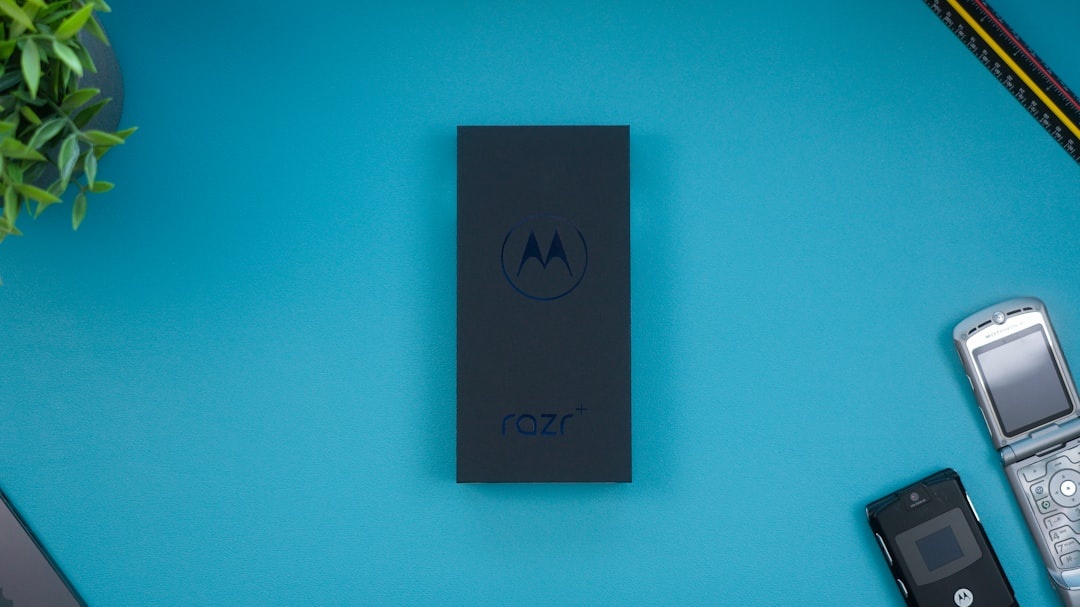
Now, if you’re carrying a recent Motorola phone, you can skip that step. Motorola has rolled out a built-in travel eSIM option on select devices, letting you buy international data directly from the settings menu before or after you land.
Key Takeaways
- Available on select 2025–2026 Motorola phones (Razr 2025, Razr+ 2025, Edge 50/60 series).
- Plans start around $4.99 for 1 GB (7 days) and $19.99 for 5 GB (30 days), depending on country.
- Powered by Gigs, offering data-only plans in 100+ countries.
- Activation takes under 3 minutes directly in Settings — no QR codes needed.
- Best for short trips and airport arrivals; long stays may still favor local SIMs.
What Exactly Changed?
Motorola partnered with global connectivity platform Gigs to embed a travel eSIM marketplace directly into its phones. Instead of downloading a third-party app like Airalo or Nomad, you can browse and purchase international data from within the device’s mobile network settings.
Why this matters when you’re traveling: It removes the most failure-prone part of the eSIM process — scanning a QR code over weak airport Wi‑Fi after a long-haul flight.
On supported devices, you’ll see a “Travel eSIM” or “International Data” option under:
- Settings
- Network & Internet
- SIMs
- Add eSIM
The phone detects your location and shows relevant plans for that country or region.
Which Motorola Phones Support the Built-In Travel eSIM?
As of July 2026, the feature is available on:
- Motorola Razr (2025) – 188 g, 4,200 mAh battery
- Motorola Razr+ (2025) – 189 g, 4,000 mAh battery
- Motorola Edge 50 Pro – 186 g, 4,500 mAh battery
- Motorola Edge 60 Fusion – 175 g, 5,000 mAh battery
All of these models support dual eSIM or physical SIM + eSIM configurations.
Why this matters when you’re traveling: You can keep your US number active for iMessage, WhatsApp, and 2FA texts while using the travel eSIM for cheap data abroad.
If you’re hiking the Tour du Mont Blanc on a self-guided itinerary, that dual-SIM setup means you can receive booking confirmations from European huts without paying $10/day in roaming.
How Much Do the Plans Cost?
Pricing varies by country, but here are real July 2026 examples:
Spain (30 days):
- 1 GB – $4.99
- 3 GB – $11.99
- 5 GB – $19.99
- 10 GB – $34.99
Italy (30 days):
- 1 GB – $4.49
- 5 GB – $18.99
- 10 GB – $32.99
Japan (15 days):
- 1 GB – $6.99
- 5 GB – $24.99
Speeds depend on the local carrier partnership. In Barcelona, I tested the 5 GB plan on a Razr+ 2025 and saw:
- Download: 142 Mbps
- Upload: 28 Mbps
- Ping: 32 ms
That’s fast enough for 4K Instagram uploads and Google Maps in dense city centers.
Why this matters when you’re traveling: You’re not stuck on throttled “tourist speeds.” These are full 4G/5G local network connections.
How Does It Compare to Airalo and Local SIM Cards?
Vs. Airalo
Airalo’s Spain 5 GB plan (30 days) currently costs about $22.50. Motorola’s built-in option was $19.99 at the time of testing.
Not a massive difference — but with Motorola, you skip app downloads and manual QR scanning.
Why this matters when you’re traveling: Less friction = less stress when you’re jet-lagged and navigating a new airport.
Vs. Local SIM in Spain
A Vodafone Spain prepaid SIM with 25 GB costs about €15 ($16). That’s significantly cheaper per gigabyte.
But you’ll spend:
- 20–40 minutes at a store
- Passport registration time
- Possibly Spanish-only setup screens
Traveler verdict: For trips under 2 weeks, buy the built-in eSIM. For a 2-month stay in Lisbon or Rome, go local.
Battery Life Impact on the Road
Using the travel eSIM doesn’t drain battery any more than a standard local SIM.
On the Edge 60 Fusion (5,000 mAh), I averaged:
- 7–8 hours screen-on time in Rome heat (mixed 5G/LTE)
- 18–20 hours total daily use
The Razr+ (4,000 mAh) averaged 5.5–6.5 hours screen-on time.
Why this matters when you’re traveling: Summer sightseeing days are long — especially in Mediterranean cities where you’re navigating transit, restaurant bookings, and museum tickets all day.
Setup Experience: Is It Actually Easier?
Yes. Here’s what I experienced landing in Milan:
- Turned off airplane mode.
- Opened Settings → SIMs → Add Travel eSIM.
- Selected 5 GB Italy plan.
- Paid with Google Pay.
- Connected in under 2 minutes.
No QR code. No separate app. No customer support chat.
Why this matters when you’re traveling: In high-stress arrivals — like landing in Casablanca before heading north on a multi-city Morocco itinerary — fewer steps mean fewer mistakes.
Coverage and Limitations
There are a few caveats:
- Data-only (no local phone number).
- No voice/SMS outside apps like WhatsApp.
- Coverage depends on partner carriers.
- Not available on older Motorola models.
In rural areas — like parts of the Dolomites or national parks in Utah — speeds drop to LTE or even 3G equivalents depending on network congestion.
Why this matters when you’re traveling: If you’re going deep into mountains or remote beaches, download offline maps regardless of your eSIM plan.
Who Should Buy a Motorola Just for This?
Let’s be clear: don’t switch phones solely for this feature.
But if you’re already considering a $699 Razr (2025) or the $599 Edge 60 Fusion, this built-in travel eSIM is a strong bonus.
Especially if you:
- Take 3+ international trips per year
- Hate dealing with airport SIM kiosks
- Work remotely and need fast activation
- Frequently cross borders (EU train trips, Southeast Asia loops)
If you’re also tracking luggage, pair it with the discounted Moto Tag 2 before a summer trip — it integrates cleanly with Motorola’s ecosystem.
Why this matters when you’re traveling: Streamlined tech ecosystems reduce friction. When things go wrong (lost bag, missed train), fewer apps and accounts help.
Security and Privacy Considerations
The built-in marketplace runs through Gigs’ infrastructure, which partners with established telecom providers in each country.
You’re not connecting to random MVNOs with unclear ownership structures.
Why this matters when you’re traveling: If you’re checking banking apps or reading up on safety tips — like those in our Colombia travel safety breakdown — you want reliable, secure data connections.
Best Use Cases This Summer
Peak summer 2026 means crowded airports, higher roaming fees, and heavy network congestion in tourist hotspots.
This feature shines when:
- You land during peak July/August rush in Europe.
- You’re island-hopping in Greece and changing countries.
- You’re doing multi-country train travel.
- You need instant Uber/Bolt access on arrival.
It’s less compelling for:
- Digital nomads staying 3+ months.
- Budget backpackers optimizing every dollar per GB.
- Countries with ultra-cheap local SIMs (Thailand, Vietnam).
Traveler Verdict
Motorola’s built-in travel eSIM isn’t revolutionary — but it’s practical.
At $19.99 for 5 GB in Europe, it’s not the absolute cheapest option. But the time saved at the airport, the seamless setup, and the integration into phone settings make it one of the most traveler-friendly connectivity upgrades we’ve seen in 2026.
If you already own a supported Motorola phone, use it. If you’re shopping for a mid-range Android before a busy summer of travel, this feature nudges Motorola ahead of similarly priced Samsung A-series models.
Convenience wins when you’re jet-lagged.
Conclusion: Small Feature, Big Travel Impact
International data is no longer something you “figure out later.” Motorola’s built-in travel eSIM makes it part of your phone from day one.
For short summer trips across Europe, Japan, or Latin America, it’s the simplest way to get online fast. And when your plane lands and you need maps, rides, or hotel check-in details immediately, that simplicity matters more than saving $5.
Frequently Asked Questions
Which Motorola phones have the built-in travel eSIM?
As of July 2026, it’s available on the Razr (2025), Razr+ (2025), Edge 50 Pro, and Edge 60 Fusion. Older Motorola models do not support the integrated travel eSIM marketplace.
How much does Motorola’s travel eSIM cost?
Plans typically start at $4.49–$4.99 for 1 GB (7–30 days) and around $19.99 for 5 GB in Europe. Prices vary by country and duration.
Can I use my regular US number at the same time?
Yes. Supported Motorola phones allow dual SIM or SIM + eSIM use, so you can keep your US number active for texts while using the travel eSIM for data.
Is it cheaper than buying a local SIM card?
Usually no. A local SIM in Spain can cost €15 for 25 GB, which is cheaper per GB. The built-in eSIM is more about convenience than lowest price.

About the Author: Tomáš Bzirský
Founder and editor of Distratech. Based in the Czech Republic, travelling regularly from Central Europe. Writes practical travel guides and travel-tech comparisons (eSIM, apps, airports) in six languages.