You don’t need a guide to hike the Tour du Mont Blanc (TMB). You need decent fitness, a smart booking strategy, and realistic expectations about Alpine weather in peak July–August season.
I’ve hiked it self-guided, carried my own pack, and booked every hut myself. Here’s exactly how to do the 10-day version in summer 2026 — including distances, current hut prices, and when to reserve before everything sells out.
Key Takeaways
- The TMB is 170 km (105 miles) with ~10,000 m ascent; 10 days means 15–20 km per day.
- Expect €55–€75 per night half-board in huts; total on-trail budget: €800–€1,100 ($870–$1,200).
- Book popular huts (Elisabetta, Bonatti, Lac Blanc) 3–6 months ahead for July–August.
- Late June and early September offer fewer crowds and €5–€10 lower hut prices.
Why Go Self-Guided Instead of With a Tour Company?
A guided 10-day TMB in 2026 costs $2,800–$4,500 per person with companies like Macs Adventure or Exodus. That usually includes accommodation and luggage transfers — but not flights or most lunches.
Self-guided? You’re realistically looking at €800–€1,100 ($870–$1,200) total on the trail. Even adding pre/post nights in Chamonix, you’ll likely stay under $1,600.
| Option | Cost (10 Days) | Flexibility | Logistics Stress |
|---|---|---|---|
| Guided Tour | $2,800–$4,500 | Low | Very Low |
| Self-Guided | $870–$1,200 | High | Moderate |
If you’ve planned something like the Iceland Ring Road in 10 days by campervan, you can absolutely organize the TMB yourself.
10-Day Tour du Mont Blanc Itinerary (Counterclockwise from Chamonix)
Most hikers go counterclockwise. It’s slightly more gradual early on and feels more social.
Day 1: Chamonix → Les Contamines
16 km | 960 m up | 6–7 hrs
Start from Les Houches via Col de Voza or Le Brévent variant. Cable car shortcut costs €18 one way and saves 800 m climbing — worth it if you arrive jet-lagged.
Stay: Refuge de Nant Borrant (€62 half-board).
Day 2: Les Contamines → Les Chapieux
19 km | 1,300 m up | 8 hrs
Cross Col du Bonhomme (2,329 m). This is your first “real Alpine” day.
Stay: Refuge de la Croix du Bonhomme (€68 HB) or Auberge de la Nova (€70 HB, better food).
Day 3: Les Chapieux → Courmayeur (Italy)
20 km | 1,000 m up | 7–8 hrs
Climb Col de la Seigne (2,516 m). The France–Italy border views are ridiculous.
Stay in Courmayeur hotel instead of a hut. Hotel Edelweiss: €120 double room. Real shower > bunk bed.
Day 4: Courmayeur → Rifugio Bonatti
12 km | 900 m up | 5 hrs
Take the bus to Val Ferret (€3, 20 min) to skip road walking. Taxi costs €25 for 10 minutes — not worth it.
Stay: Rifugio Bonatti (€75 HB). Book 6 months ahead for July.
Day 5: Bonatti → La Fouly (Switzerland)
20 km | 900 m up | 7 hrs
Grand Col Ferret marks the Swiss border. Long descent.
Stay: Auberge des Glaciers (€65 HB).
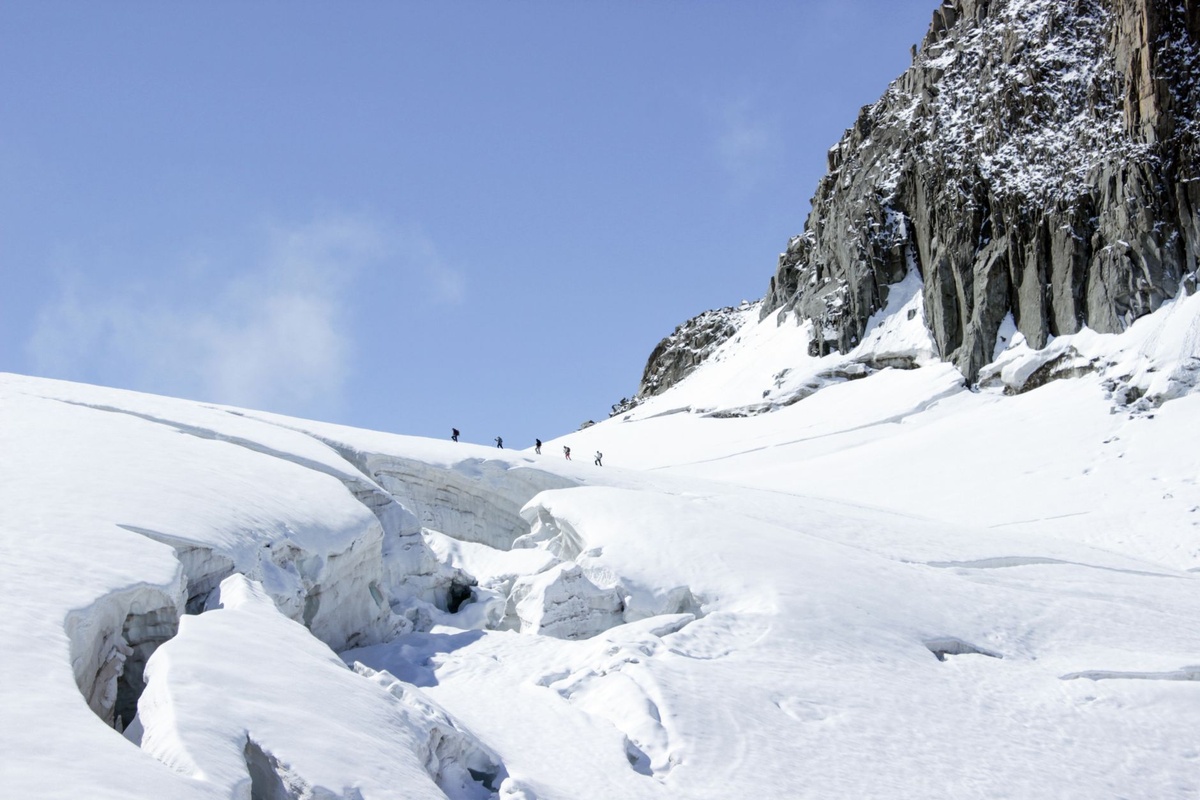
Day 6: La Fouly → Champex-Lac
15 km | 500 m up | 5 hrs
Easier valley walking. Good recovery day.
Stay: Gîte Bon Abri (€60 HB dorm).
Day 7: Champex → Trient (via Fenêtre d’Arpette)
15 km | 1,200 m up | 8 hrs
This is the toughest variant — steep, rocky, hands-on scrambling. In bad weather, take Bovine route instead (safer, 1 hour shorter).
Stay: Auberge du Mont Blanc (€58 HB).
Day 8: Trient → Argentière
14 km | 1,000 m up | 6 hrs
Col de Balme brings you back to France.
Stay: Refuge le Moulin (€55 HB).
Day 9: Argentière → Lac Blanc
10 km | 1,200 m up | 6 hrs
Ladders and steep switchbacks. Technical but fun.
Stay: Refuge du Lac Blanc (€70 HB). This one sells out first.
Day 10: Lac Blanc → Chamonix
15 km | 300 m up | 5 hrs
Descend via Flégère. Cable car down costs €22 vs 2–3 hour knee-crushing descent. I’d pay.
Hut Costs in 2026 (France, Italy, Switzerland)
Most hikers choose half-board (dinner + breakfast). You should too. There are no grocery stores at 2,000 meters.
- France: €58–€70 half-board
- Italy: €70–€80 half-board
- Switzerland: CHF 65–85 (€67–€88)
- Lunch (packed): €12–€18
- Beer: €6–€8 (Switzerland: €9)
Cash is still king in some huts. Bring €150–€200 emergency cash. Card machines fail in storms.
Booking sites:
- montourdumontblanc.com (official planning portal)
- Direct hut websites (best availability)
- refuges.info for contact info
Booking Timeline for Summer 2026
July and August are peak season. As of 2026, TMB popularity rivals Everest Base Camp in peak weeks — just without the yaks.
When to Book
- January–February: Book Rifugio Bonatti, Elisabetta, Lac Blanc
- March–April: Reserve remaining huts
- May: Finalize insurance + GPX tracks
- 2 weeks before: Reconfirm bookings by email
Last-minute booking in July? Expect to detour or take buses between valleys.
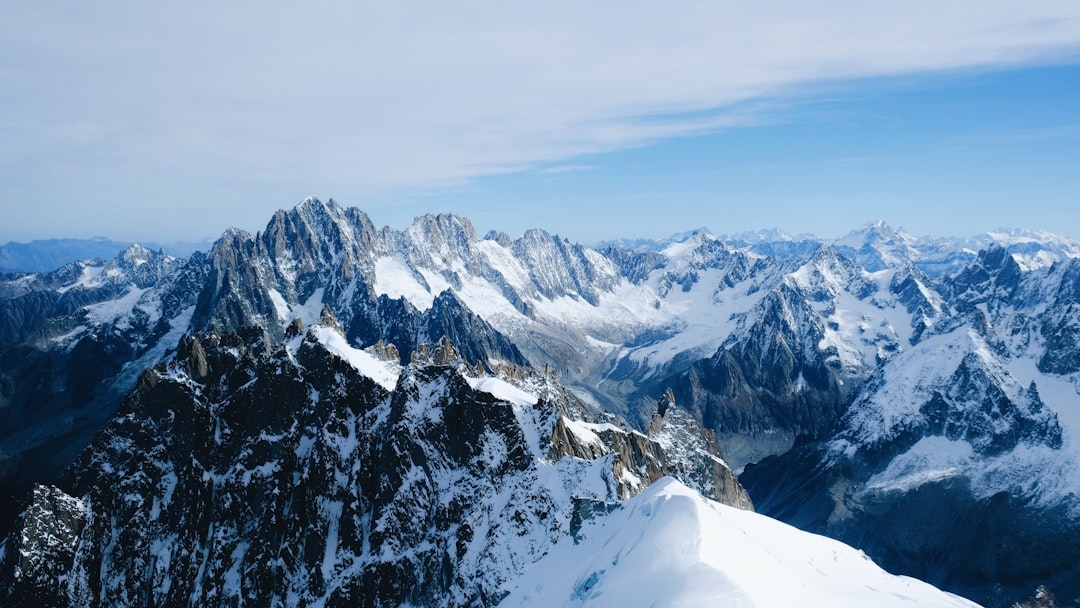
Best time window: Late June (snow mostly cleared, fewer crowds) or first two weeks of September. Prices are similar, but availability is dramatically better.
Navigation, Apps & Tech Setup
You do not need a guide. You do need offline maps.
Best apps:
- AllTrails+ ($35/year) – reliable GPX and offline
- Gaia GPS ($40/year) – better topo detail
- Maps.me (free) – good backup
Paper map: IGN Top 25 3630 OT (€13 in Chamonix). Worth carrying.
Cell service works surprisingly well near valleys but disappears on passes. Swiss roaming charges can hit $10/day if you’re not on EU roaming.
What to Skip (And What’s Worth It)
Skip: Ultra-light 20L packs unless you’ve tested them. Comfort matters over 10 days.
Do: Take one hotel night mid-route (Courmayeur). Mental reset > macho suffering.
Skip: Overpacking food. You pass villages every 1–2 days.
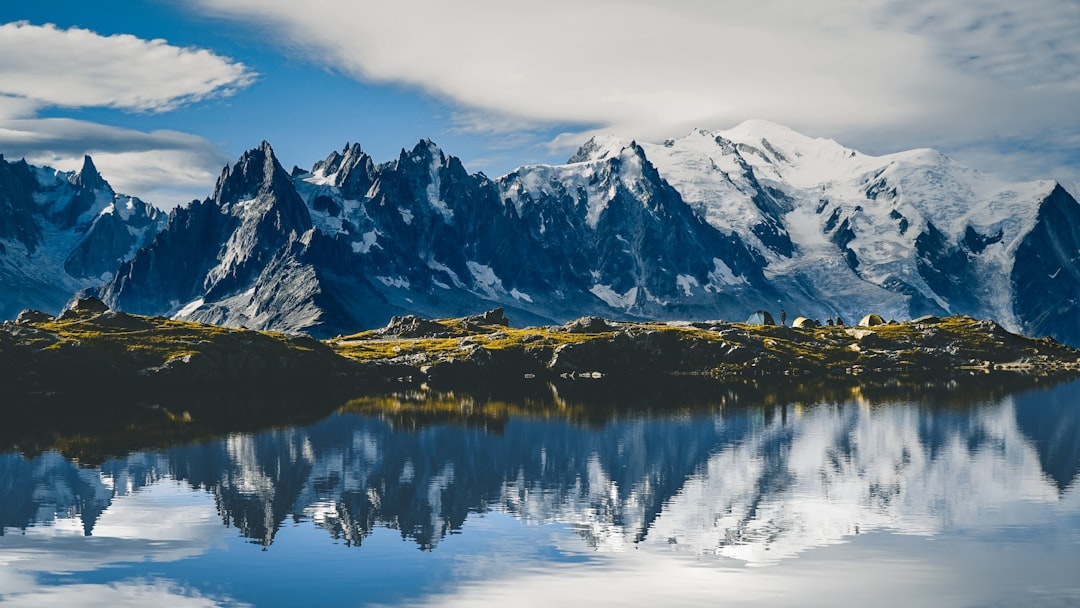
Do: Book Lac Blanc even if it’s pricier. Sunset over Mont Blanc is the highlight of the entire circuit.
Full Budget Breakdown (10 Days, 2026)
| Item | Cost (EUR) | Cost (USD approx.) |
|---|---|---|
| 9 nights huts (avg €65) | €585 | $635 |
| 1 hotel night | €120 | $130 |
| Lunches & snacks | €150 | $165 |
| Cable cars & buses | €70 | $75 |
| Beer & extras | €80 | $85 |
| Total | €1,005 | $1,090 |
Flights to Geneva in July 2026 average $700–$1,100 roundtrip from the US. Geneva to Chamonix shuttle: €25–€35, 1h15 (AlpyBus or Mountain Drop-offs).
Is July 2026 a Good Time?
Yes — but expect crowds. Mid-July to mid-August has stable weather (15–25°C daytime at altitude), long daylight (sunset ~9:15 pm), and fully open huts.
Afternoon thunderstorms are common. Start hiking by 7:00 am.
If you want something wilder and less structured, compare this to trekking in North Africa like this 6-day Morocco route through the Rif Mountains — fewer reservations, more spontaneity.
Final Thoughts: Should You Do It Self-Guided?
If you can read a map, book accommodation, and hike 6–8 hours a day, yes.
The Tour du Mont Blanc is logistically complex but technically straightforward. You don’t need a guide — you need a calendar reminder in January and a willingness to wake up early.
Plan it well, pack light (but not stupid-light), and book the huts before everyone else does.
Mont Blanc isn’t going anywhere — but those July dorm beds will.
Frequently Asked Questions
How much does it cost to hike the Tour du Mont Blanc self-guided?
Expect €800–€1,100 ($870–$1,200) for 10 days including huts, food, transport, and extras. Flights and gear are additional.
When should I book TMB huts for July or August?
Book key huts (Bonatti, Elisabetta, Lac Blanc) 3–6 months in advance — ideally January or February for peak summer dates.
Is the Tour du Mont Blanc hard without a guide?
It’s physically demanding (15–20 km daily with major elevation), but trails are well-marked. Navigation apps and a paper map are sufficient.
What is the best month to hike the TMB?
Late June and early September offer fewer crowds and similar hut prices, while mid-July to mid-August has the most stable weather but busiest trails.

About the Author: Tomáš Bzirský
Founder and editor of Distratech. Based in the Czech Republic, travelling regularly from Central Europe. Writes practical travel guides and travel-tech comparisons (eSIM, apps, airports) in six languages.