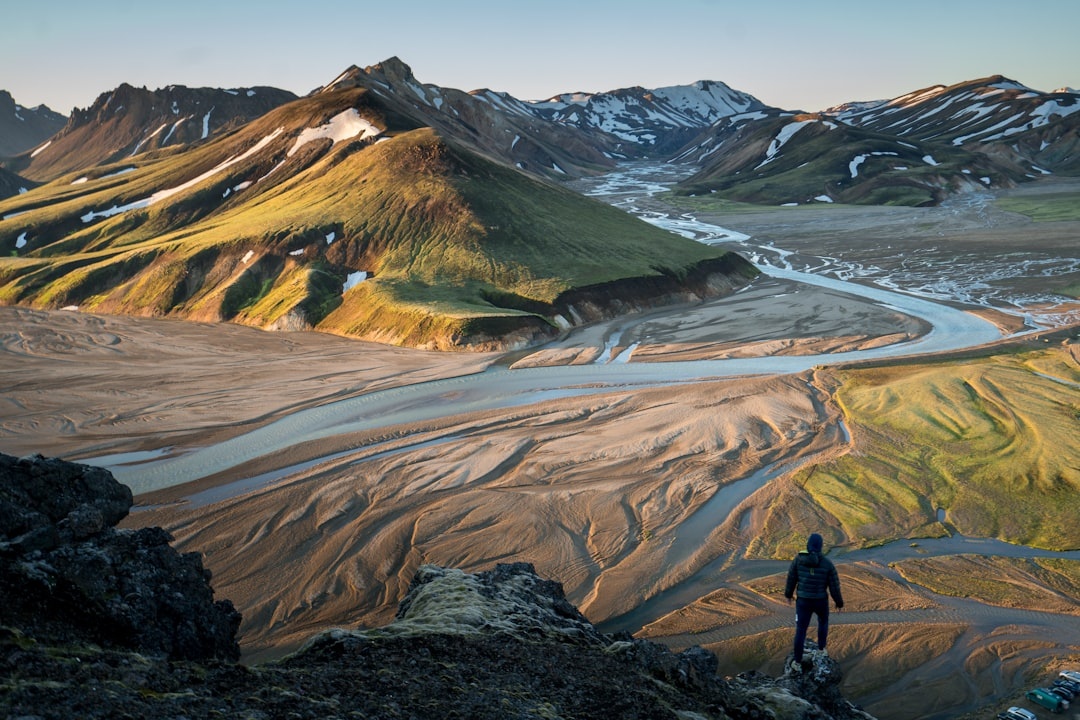
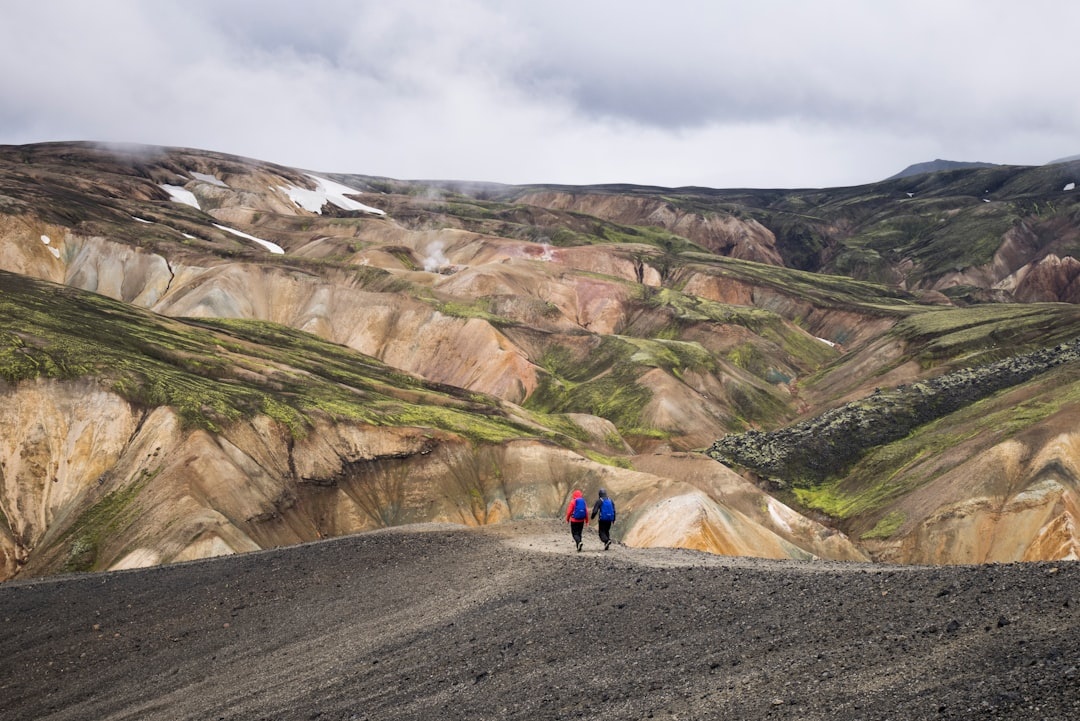
There are dramatic hikes — and then there’s the Laugavegur Trail. In 55 kilometers (34 miles), you cross rainbow rhyolite mountains, black sand deserts, steaming vents, glacier views, and more river crossings than you’ll count on one hand.
Summer 2026 is shaping up to be another busy season in Iceland, with huts selling out earlier than ever. If you’re planning to hike between late June and early September, you need to lock in permits, transport, and gear well in advance.
Key Takeaways
- The Laugavegur Trail is 55 km (34 miles) and typically takes 4 days from Landmannalaugar to Þórsmörk.
- Hut beds cost ~12,000 ISK ($88 USD) per night; camping is ~3,000 ISK ($22 USD).
- No formal permit is required, but hut reservations via fi.is are essential.
- Highland buses from Reykjavík cost $85–$110 one-way; taxis exceed $400.
- River crossings are unavoidable — bring sandals and trekking poles.
Do You Need a Permit for the Laugavegur Trail?
There is no hiking permit required for the Laugavegur Trail. But that doesn’t mean you can just show up.
If you want to sleep in mountain huts, you must reserve beds through the Icelandic Touring Association (Ferðafélag Íslands) at fi.is. For summer 2026, beds are approximately 12,000 ISK ($88 USD) per night.
Camping is cheaper at around 3,000 ISK ($22 USD) per night, paid on-site to the warden. However, campsites still fill up during peak July weekends.
Skip this mistake: Don’t assume you can switch from camping to huts last-minute if the weather turns bad. Huts are routinely sold out weeks in advance in July and August.
2026 Hut Opening Dates
Most huts operate from June 25 to September 10, 2026, depending on snow conditions. River levels are usually highest in late June due to snowmelt, and lowest in late August.
If you want midnight sun vibes and longer daylight, aim for early July. If you want fewer people and slightly calmer rivers, late August is the sweet spot.
Getting to the Trailhead: Bus vs Car vs Taxi
The classic route runs from Landmannalaugar to Þórsmörk (north to south). You’ll need Highland transport — regular rental cars won’t cut it.
| Option | Cost (One Way) | Time | Notes |
|---|---|---|---|
| Highland Bus (Reykjavík → Landmannalaugar) | $95–$110 | 4–4.5 hrs | Operated by Reykjavík Excursions / Trex |
| 4×4 Rental Car (2 days) | $220–$350 | Flexible | Must be F-road approved |
| Taxi from Reykjavík | $400–$500 | 3.5 hrs | Not practical |
Take the bus. It’s reliable, designed for F-roads, and far cheaper than renting a 4×4 just to drop it off elsewhere.
Book buses through re.is (Reykjavík Excursions) or trex.is. Morning departures from Reykjavík BSÍ Bus Terminal usually leave between 7:00–8:00 AM.
Pro tip: Book your return bus from Þórsmörk before you even lace up your boots. Afternoon departures fill fast.
The Classic 4-Day Laugavegur Itinerary
This is the most efficient breakdown — balanced mileage, reliable hut stops, and time for photos.
Day 1: Landmannalaugar → Hrafntinnusker (12 km / 7.5 miles)
Rainbow mountains and steaming geothermal vents right out of the gate. The climb is steady and exposed.
Hrafntinnusker sits at 1,100 meters (3,600 ft) and can be brutally windy. If the forecast is rough, push 2 km further to Álftavatn instead (total 24 km day).
Day 2: Hrafntinnusker → Álftavatn (12 km / 7.5 miles)
Snowfields early in the season. Then the landscape opens into green valleys and your first proper river crossings.
Álftavatn hut has toilets, running water, and a small shop selling snacks and gas canisters (around $12 for 230g fuel).
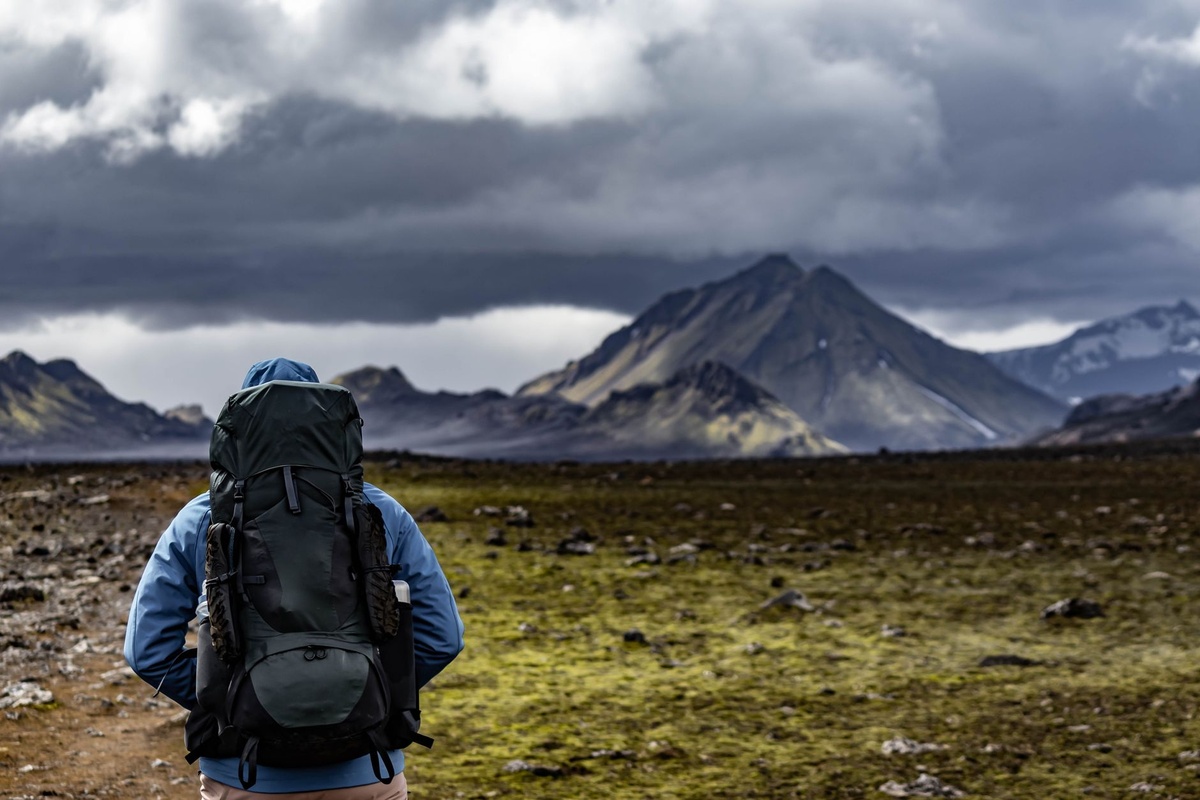
Day 3: Álftavatn → Emstrur (15 km / 9.3 miles)
Two significant river crossings today. Water depth varies from ankle to mid-thigh depending on melt.
This section feels remote and Mars-like. Emstrur is quieter and often less crowded than Álftavatn.
Day 4: Emstrur → Þórsmörk (16 km / 10 miles)
Long but rewarding. You’ll descend into lush birch forests with glacier views.
Celebrate at Langidalur Hut with a hot shower (1,000 ISK / ~$7 for 5 minutes) and a cold Viking beer (~1,500 ISK / $11).
River Crossings: What to Expect (And How Not to Panic)
There are no bridges on the Laugavegur. You will get wet.
Most crossings are calf-deep and manageable, but after heavy rain they can swell quickly. Early mornings are safer when snowmelt is lower.
- Unbuckle your hip belt and sternum strap before entering.
- Use trekking poles — they’re not optional here.
- Face upstream and shuffle sideways.
- Wear sandals or dedicated water shoes (not barefoot).
Skip neoprene socks unless you run cold. Quick-dry trail sandals like Teva Hurricanes work better than bulky camp shoes.
If water reaches mid-thigh and current feels strong, wait. Rivers often drop noticeably after a few hours.
4-Day Laugavegur Packing List (Tested and Ruthlessly Edited)
You don’t need to carry your entire REI wishlist. Keep base weight under 10–12 kg (22–26 lbs) if possible.
Clothing
- Waterproof shell (Gore-Tex or equivalent)
- Light insulated jacket (down or synthetic)
- 2 moisture-wicking shirts
- 1 thermal base layer
- Hiking pants + lightweight shorts
- Warm hat + buff
- 2–3 pairs wool socks
Temperatures range from 5°C–18°C (41°F–64°F) in summer, but wind chill can make it feel near freezing at elevation.
Footwear
Mid-height waterproof boots are popular, but trail runners are increasingly common in July–August.
Skip heavy leather boots unless you’re carrying 18+ kg. Lightweight + fast-drying wins here.
Gear Essentials
- 40–50L backpack
- Trekking poles
- Sleeping bag (rated to 0°C / 32°F)
- Portable stove + fuel
- Headlamp (yes, even with midnight sun)
- 10,000–20,000 mAh power bank
For battery life in cold wind, I recommend one of these MagSafe battery banks built for travel — lighter than carrying multiple cables.
If you’re serious about photography, a compact mirrorless setup beats hauling a DSLR. Here’s a breakdown of the best travel cameras for carry-on-only trips — useful if you’re flying to Iceland with strict baggage limits.
Food Strategy
No food is available along the trail besides minimal hut snacks.
Budget $20–$25 per day for dehydrated meals, oatmeal, energy bars, and trail mix purchased in Reykjavík (Bonus supermarket is cheaper than 10-11 convenience stores).
Gas canisters are available at Landmannalaugar and Álftavatn huts, but don’t rely on late-day stock.
Weather, Safety, and When to Go
Best window: July 5 – August 25.
Before July, snowfields are heavier and river levels higher. After early September, hut closures and storms become common.
Check forecasts at vedur.is (Icelandic Met Office). Wind is the real enemy here, not rain.
Register your hiking plan at safetravel.is. It’s free and smart.
Cell service is intermittent. Expect signal near huts, but not consistently between them.
Total Budget Breakdown (4 Days, Per Person)
| Item | Estimated Cost (USD) |
|---|---|
| Huts (3 nights) | $264 |
| Buses (round-trip) | $190 |
| Food (4 days) | $100 |
| Fuel + extras | $40 |
| Total | $594 |
Camping instead of huts drops the total closer to $400–$450.
Compared to guided tours (typically $1,900–$2,500 including meals and transport), self-guided is dramatically cheaper — but you carry everything yourself.
Final Thoughts: Is the Laugavegur Worth It?
Yes — if you plan properly.
This isn’t a casual day hike. It’s four days of exposure, river crossings, and wildly changing conditions. But it’s also one of the most visually diverse trails on the planet.
Book huts early. Take the bus. Bring trekking poles. And don’t skimp on weather protection.
If Iceland is on your summer 2026 list, this is the hike that justifies the flight.
For travelers planning this popular hike in Iceland, you can browse and compare options with Iceland hotel deals before you book your dates.
Frequently Asked Questions
How much does it cost to hike the Laugavegur Trail?
Expect $400–$600 per person for a 4-day self-guided hike, including huts or camping, buses, food, and fuel. Guided tours typically cost $1,900–$2,500.
Do you need a permit for the Laugavegur Trail?
No hiking permit is required, but hut reservations must be booked in advance through fi.is. Summer beds sell out weeks or months ahead.
When is the best time to hike Laugavegur?
Early July through late August offers the best balance of open huts, manageable river levels, and long daylight hours. Late August is quieter with slightly lower river crossings.
Are the river crossings dangerous?
Most crossings are calf-deep and manageable with trekking poles. After heavy rain or early-season snowmelt, water levels can rise significantly, so timing matters.

About the Author: Tomáš Bzirský
Founder and editor of Distratech. Based in the Czech Republic, travelling regularly from Central Europe. Writes practical travel guides and travel-tech comparisons (eSIM, apps, airports) in six languages.