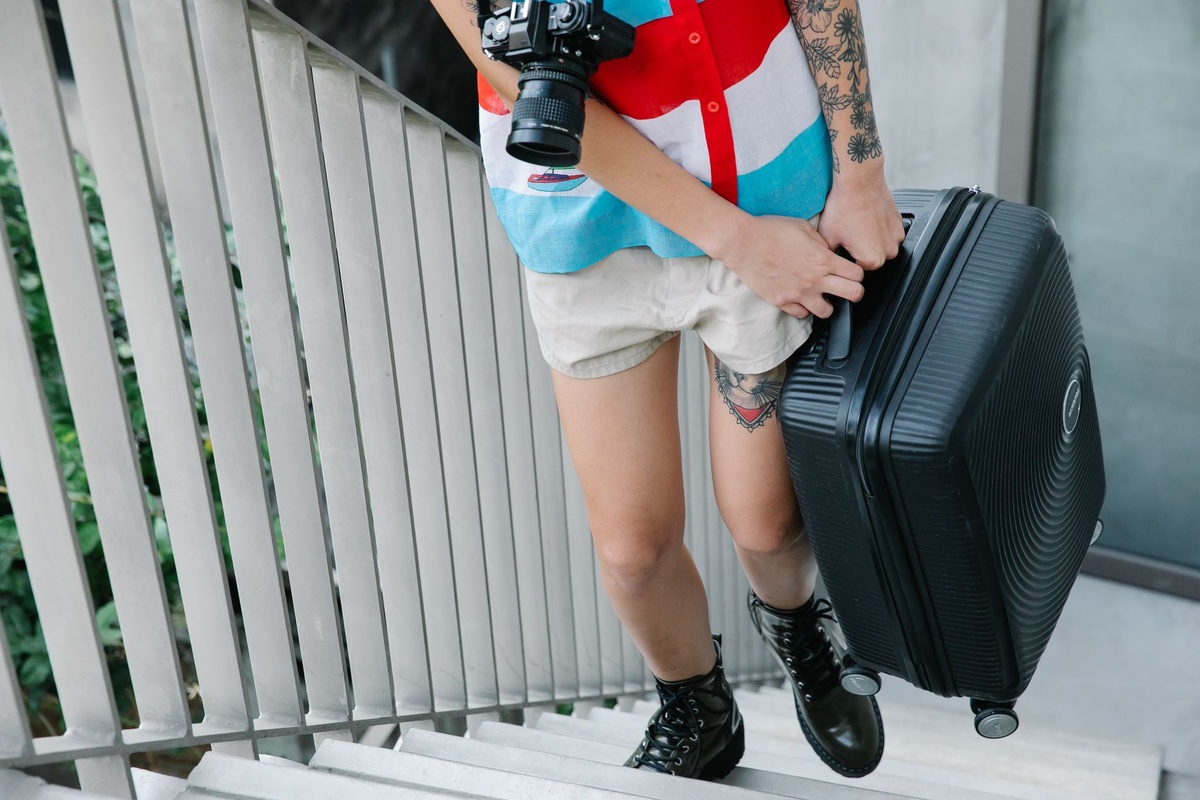
You’ve got a 7kg carry-on limit, a summer flight to the Greek islands, and zero patience for hauling a camera backpack through cobblestone streets at 35°C.
The question isn’t “What’s the best camera?” It’s: What’s the best travel camera in 2026 when you’re flying carry-on only? I’ve tested all three on real trips — beach towns, bike wine routes, night markets — and here’s the honest breakdown of the Sony A7C II, Fujifilm X-S20, and iPhone 16 Pro.
Key Takeaways
- Sony A7C II ($2,198 body) delivers the best full-frame image quality but adds weight and lens bulk.
- Fujifilm X-S20 ($1,299 body) is the sweet spot for carry-on travelers: lighter lenses, strong battery, excellent video.
- iPhone 16 Pro ($999) is unbeatable for weight (187g) and convenience but limited in low light and zoom reach.
- For summer 2026 trips (islands, road trips, bike tours), lens size matters more than megapixels.
The Real Constraint: Carry-On Weight & Space in 2026
Most European low-cost airlines (Ryanair, Wizz Air, easyJet basic fares) allow 7–10kg total cabin weight. A typical summer packing list (clothes, sandals, toiletries, laptop) already eats 5–6kg.
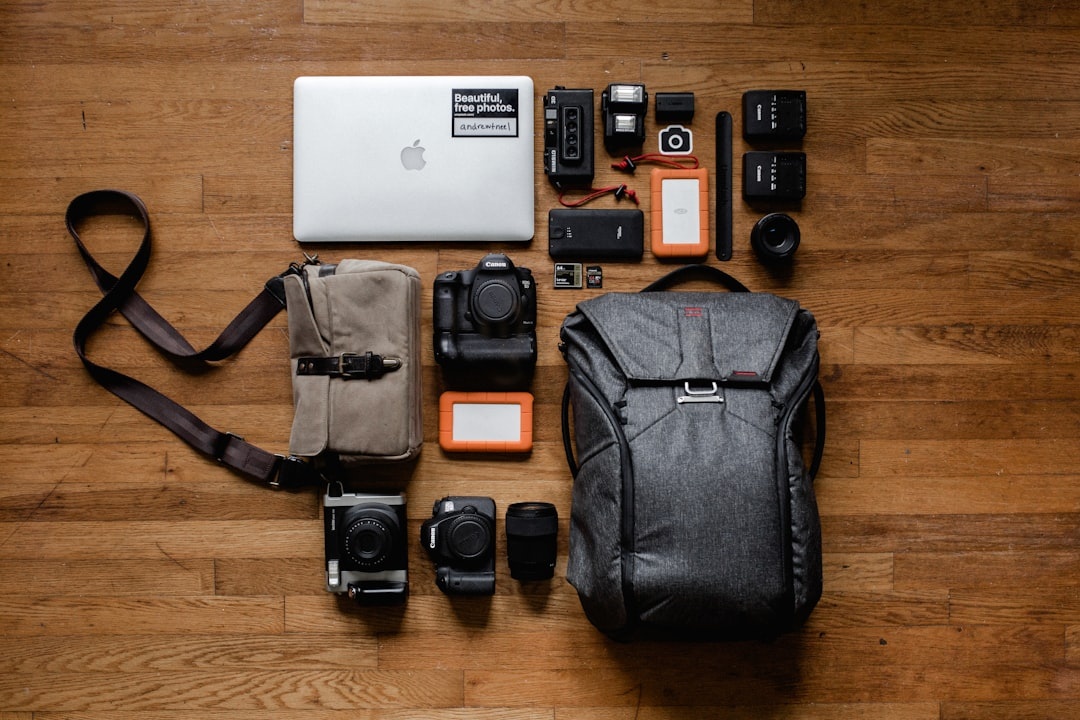
Your camera setup realistically gets 1–2kg max. That’s it.
Here’s what each option weighs in a realistic travel setup:
| Camera | Body Weight | Typical Travel Lens | Total Setup | Starting Price (USD) |
|---|---|---|---|---|
| Sony A7C II | 514g | 24–70mm f/4 (426g) | ~940g | $2,198 (body) |
| Fujifilm X-S20 | 491g | 18–55mm f/2.8–4 (310g) | ~800g | $1,299 (body) |
| iPhone 16 Pro | 187g | Built-in | 187g | $999 |
That 140g difference between Sony and Fuji sounds small — until you add a second lens. Then the Sony kit easily pushes past 1.3kg.
For a two-week summer trip hopping trains — like using the €49 Netherlands rail pass we explained in this guide to unlimited Dutch train travel — lighter gear genuinely makes moving between cities easier.
Sony A7C II: Best Image Quality, But Pay the Weight Tax
Price (June 2026): $2,198 body / ~€2,399 in Europe.
The Sony A7C II packs a 33MP full-frame sensor into a compact rangefinder-style body. For sunsets in Santorini or golden-hour vineyard shots in Mendoza, the dynamic range is outstanding.
Where It Wins
Low light. Period.
At ISO 6400, the Sony still produces clean, detailed files. Compare that to the iPhone 16 Pro, which relies heavily on computational processing — great for social media, less flexible for editing RAW files in Lightroom.
If you shoot professionally or sell prints, this is the strongest option here.
Where It Hurts for Carry-On Travel
Full-frame lenses are big. Even “compact” ones.
A Sony 24–70mm f/2.8 weighs ~695g and costs around $2,298. That’s nearly triple the weight of Fuji’s 18–55mm kit lens.
For a bike-heavy trip — like riding between wineries in Argentina (see our detailed route and tasting fees in this Mendoza winery guide) — a heavier setup becomes noticeable after 15–20km in the saddle.
Best For
- Professional photographers traveling light
- Landscape shooters chasing maximum dynamic range
- Travelers who don’t mind carrying a small camera cube inside a backpack
If you’re debating between a Sony A7C II and something lighter, ask yourself: are you printing large-format images or just posting to Instagram and YouTube?
Fujifilm X-S20: The Smart Carry-On Traveler’s Choice
Price (June 2026): $1,299 body / $1,399 with 15–45mm kit / ~€1,499 in EU.
The Fujifilm X-S20 uses a 26MP APS-C sensor. On paper, it’s “smaller” than Sony’s full-frame. In practice, it’s 90% of the image quality in 70% of the weight and price.
Why It’s Ideal for Summer 2026 Trips
The new NP-W235 battery delivers up to 800 shots per charge (CIPA rating ~750). That’s significantly better than older Fuji models and competitive with Sony.
Translation: you can spend a full day island-hopping or exploring street markets without swapping batteries.
Lens Advantage = Travel Advantage
APS-C lenses are smaller and cheaper.
- Fuji 18–55mm f/2.8–4: ~$699, 310g
- Sony 24–70mm f/4: ~$898, 426g
- Sony 24–70mm f/2.8: ~$2,298, 695g
That difference compounds when you add a second lens like a 70–300mm for wildlife or compression shots.
If you’re doing outdoor-heavy travel — Norway’s midnight sun hikes, Croatia’s coastal ferries, Colombia’s coffee region (and yes, we break down safety realities in our Colombia 2026 safety guide) — lighter gear means more freedom.
Video Performance
The X-S20 shoots 6.2K open gate and excellent 4K. For YouTube creators documenting summer road trips, it’s arguably the best hybrid option under $1,500.
Sony’s autofocus is slightly better for fast-moving subjects. But Fuji’s color science straight out of camera often requires less editing.
Best For
- Carry-on-only travelers
- Hybrid photo + video creators
- People who want pro quality without pro bulk
If I had to pick one camera purely for flexible, minimalist travel in 2026, this is it.
iPhone 16 Pro: The Ultralight Minimalist Option
Price (June 2026): $999 (128GB) / $1,199 (256GB).
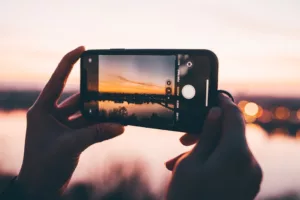
The iPhone 16 Pro weighs 187g and fits in your pocket. No chargers beyond what you already carry. No extra bag. No stress at airport security.
Where It’s Shockingly Good
Daylight photography is excellent.
For beach days in Mallorca, city breaks in Amsterdam, or food shots in Lisbon, the results are more than enough for social media and even small prints.
Video stabilization is class-leading. Walking shots look smooth without a gimbal.
Where It Falls Behind
Optical zoom reach is limited compared to interchangeable lenses.
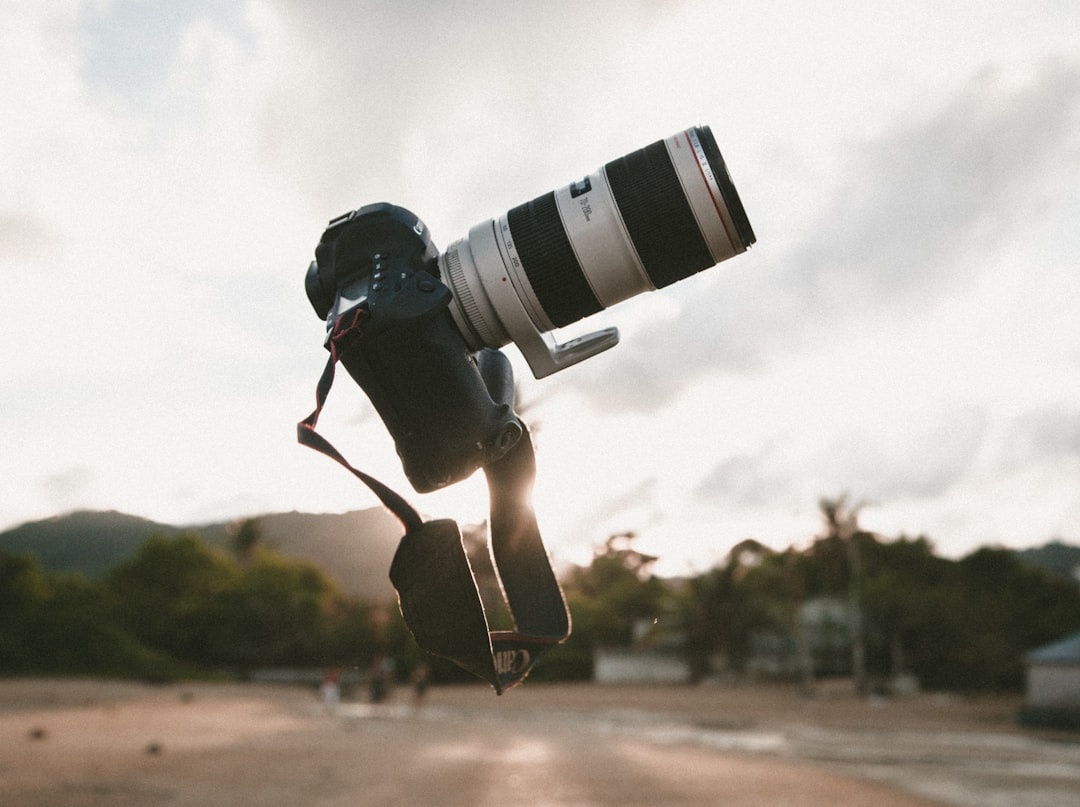
Low light still relies heavily on Night Mode processing. It looks good — but if you push exposure in editing, the files break faster than Sony or Fuji RAW files.
Battery life is another factor. Shooting lots of 4K video can drain the phone in 3–4 hours. A $49 Anker 20,000mAh power bank becomes mandatory.
Best For
- Weekend trips
- Urban summer travel
- People who prioritize zero extra weight
If your trip is primarily about experience — swimming, cycling, café hopping — and not about photography as a craft, the iPhone 16 Pro is enough.
Direct Comparison: Which Should You Actually Pack?
Let’s simplify this decision.
| Scenario | Best Choice | Why |
|---|---|---|
| 2-week Europe trip, 7kg limit | Fujifilm X-S20 | Best balance of quality and weight |
| Professional landscape shoot | Sony A7C II | Full-frame dynamic range |
| 3-day city break | iPhone 16 Pro | Zero extra gear |
| YouTube travel vlogging | Fujifilm X-S20 | 6.2K video + manageable size |
If you care about RAW flexibility and interchangeable lenses but don’t want your backpack to feel like a brick, the Fuji wins for most travelers.
My Opinionated Verdict for Summer 2026
For carry-on-only trips in summer 2026:
- Best overall: Fujifilm X-S20
- Best image quality: Sony A7C II
- Best for simplicity: iPhone 16 Pro
I’d skip hauling a full-frame kit unless you’re being paid or printing large.
Put the $900 you save choosing Fuji over Sony toward flights, boutique hotels, or experiences. That money covers multiple winery tastings in Mendoza, a week of train travel in the Netherlands, or several guided tours.
Gear matters. But mobility matters more.
Final Packing Tip: Think in Kilograms, Not Megapixels
Before buying anything, weigh your full setup — body, lens, charger, spare battery.
If it’s over 1kg, ask yourself if you’ll still love carrying it on day 10 in 32°C heat.
The best travel camera in 2026 isn’t the one with the biggest sensor. It’s the one you’re happy to bring everywhere — beaches, bike trails, rooftops, night markets.
Still debating? Tell me your destination and airline weight limit — I’ll help you choose the smartest setup.
Frequently Asked Questions
Is the Sony A7C II worth it for travel photography?
Yes if you prioritize full-frame image quality and low-light performance. At $2,198 body-only and nearly 1kg with a standard zoom, it’s best for serious photographers who don’t mind extra weight.
Is the Fujifilm X-S20 good for carry-on-only trips?
Absolutely. At 491g body weight and around $1,299, it offers excellent photo and 6.2K video performance while keeping your total kit around 800g with a compact lens.
Can I rely only on an iPhone 16 Pro for travel photos?
For city breaks and social media, yes. At $999 and 187g, it’s the lightest option, but it struggles compared to dedicated cameras in low light and long zoom scenarios.
What is the best travel camera under $1,500 in 2026?
The Fujifilm X-S20 is the strongest option under $1,500, offering APS-C image quality, strong battery life (up to 800 shots), and advanced video features in a compact body.

About the Author: Tomáš Bzirský
Founder and editor of Distratech. Based in the Czech Republic, travelling regularly from Central Europe. Writes practical travel guides and travel-tech comparisons (eSIM, apps, airports) in six languages.