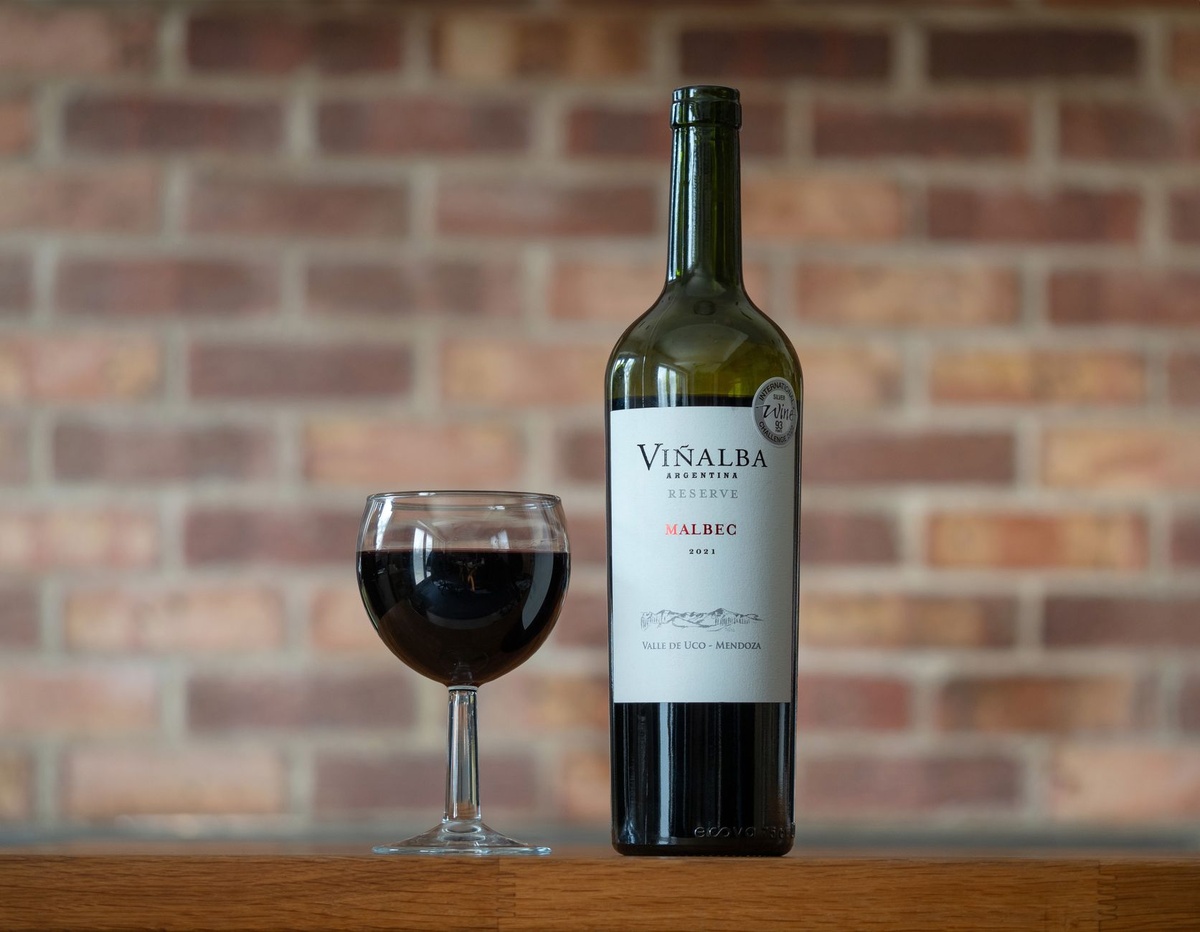
You haven’t really experienced Mendoza until you’ve pedaled past snow-capped Andes peaks, parked your bike under a row of olive trees, and walked into a family-run winery for a Malbec tasting.
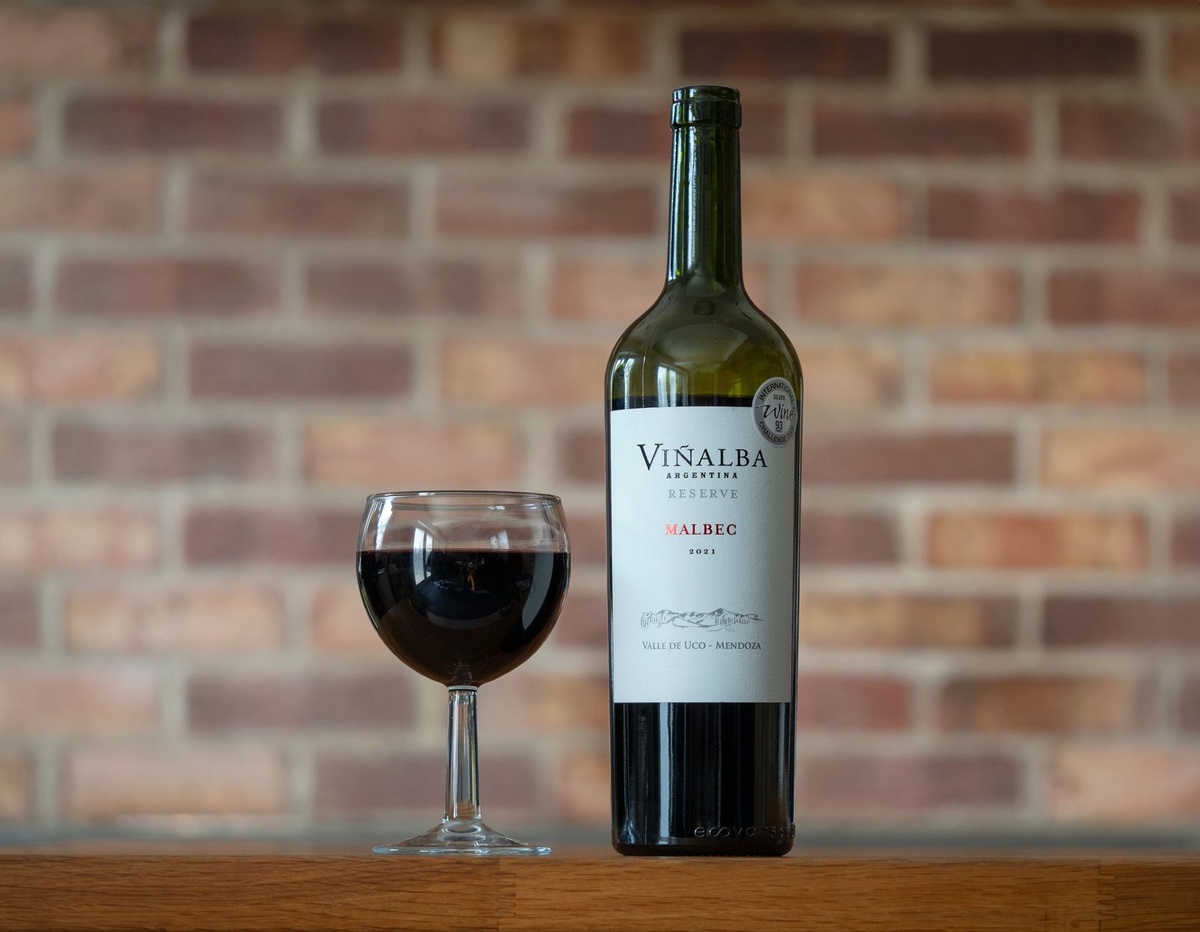
The good news: you don’t need a car, a driver, or a luxury tour. In Maipú and parts of Luján de Cuyo, you can cycle between boutique bodegas in 5–15 minute stretches, tasting as you go — especially enjoyable during Mendoza’s crisp, sunny winter (June–August), when daytime highs hover around 15–20°C (59–68°F) and the skies are reliably clear.
Key Takeaways
- Bike rental in Maipú costs $10–$18 USD per day; guided bike-wine tours start around $65 USD.
- Tasting fees at boutique wineries range from $8 to $25 USD (often waived with bottle purchase).
- Most wineries require reservations via WhatsApp or their official website — book 2–5 days ahead in winter, 1+ week in high season (March harvest).
- Plan 3–4 wineries max in one day; distances are typically 1–4 km (5–15 min ride) between stops.
Why Maipú Is the Best Area for a DIY Wine Bike Route
Maipú is 25–30 minutes from downtown Mendoza by car (Uber: $8–$12 USD). Bus 800 from Mendoza city costs under $1 USD but takes 50–60 minutes and drops you about 1 km from the main winery strip.
Compared to Luján de Cuyo — where wineries are more spread out (often 5–10 km apart) — Maipú is flatter and better suited for cycling. Think compact, family-run bodegas instead of massive corporate estates.
Rent bikes from:
- Maipú Bikes – ARS equivalent of ~$12 USD/day, includes helmet and map (maipubikes.com)
- Wine and Ride – ~$18 USD/day or $70 USD guided tour with 3 tastings (wineandride.com.ar)
Skip the ultra-cheap no-name rentals near the bus stop. I’ve seen chains break mid-route. Spend the extra $5 and save your afternoon.
12 Boutique Wineries You Can Visit by Bike
All distances below assume you’re starting near Maipú Bikes on Ozamis Street.
1. Bodega Familia Di Tommaso (1 km)
Tasting: $8–$12 USD
Hours: Mon–Sat 10:30–16:30
Book: familiditommaso.com
One of the oldest family wineries in the area (since 1869). Small groups, relaxed vibe, and generous pours. Compared to trendier spots, this feels more personal and less scripted.
2. Bodega La Rural & Wine Museum (2 km)
Tasting + museum: $10 USD
Hours: Mon–Fri 9:00–17:00
Book: bodega-rural.com.ar
If you want context before you swirl, this is the place. The museum adds 45 minutes but gives you real insight into Argentina’s wine history.
3. Bodega Tempus Alba (3.5 km)
Tasting: $15–$20 USD
Hours: Daily 10:00–17:00
Book: tempus-alba.com
Modern terrace views and structured tastings. Slightly pricier than Di Tommaso, but the Malbec de Guarda is worth it.
4. Bodega Santa Julia (Zuccardi) (4 km)
Tasting: from $15 USD
Hours: Daily 10:00–18:00
Book: santajulia.com.ar
More polished and commercial. If you prefer organic wines and a professional setup, this is your stop. Skip the basic tasting and upgrade to the premium flight for about $22 USD.
5. Bodega Carinae (3 km)
Tasting: $20 USD
Hours: Mon–Sat 10:00–17:00
Book: carinaevinos.com
French-owned, astronomy-themed. Smaller groups than Santa Julia and more technical explanations.
6. Bodega Domiciano (2.5 km)
Tasting: $12–$18 USD
Hours: Mon–Sat 10:00–17:00
Book: domiciano.com.ar
Great value-to-quality ratio. Their Reserva Malbec competes with bottles twice the tasting price.
7. Finca El Origen (3 km)
Tasting: $15 USD
Hours: Daily 10:00–17:00
Book: fincaelorigen.com
Beautiful garden setting. Ideal mid-route stop for a slower, seated tasting.
8. Bodega Cecchin (2 km)
Tasting: $10 USD
Hours: Mon–Fri 9:00–16:00
Book: cecchin.com.ar
Certified organic and family-run. More rustic than Tempus Alba but half the price.
9. Bodega Mevi (1.5 km)
Tasting: ~$8 USD
Hours: Mon–Fri 9:00–15:00
Book: via WhatsApp (number on Google Maps)
Very local, very informal. Don’t expect sleek branding — expect authenticity.
10. Casa Vigil (El Enemigo) (5 km – advanced riders)
Tasting: $25+ USD
Hours: Tue–Sun 12:00–17:00
Book: casael-enemigo.com
This is the splurge. Technically closer to Chachingo, so the ride is longer. But the Dante-inspired architecture and high-end wines make it one of Mendoza’s most talked-about experiences.
11. Bodega SinFin (4 km)
Tasting: $18 USD
Hours: Mon–Sat 10:00–17:00
Book: bodegasinfin.com
Known for limited-production labels. Smaller and quieter than Santa Julia.
12. Trapiche (4 km)
Tasting: from $20 USD
Hours: Daily 9:00–17:30
Book: trapiche.com.ar
Yes, it’s big. But the historic building is stunning, and the premium tasting is far better than the entry-level one.
How Much Does a DIY Bike Wine Day Cost?
| Item | Budget Option | Premium Option |
|---|---|---|
| Bike rental | $12 | $18 (higher-end bike) |
| 3 tastings | $30 (avg $10 each) | $60 (avg $20 each) |
| Lunch at winery | $15–$20 | $35–$50 (multi-course) |
| Uber from Mendoza | $10 | $12 |
| Total | $67–$82 | $125–$140 |
Compare that to a fully organized wine tour from Mendoza city at $120–$180 USD per person. If you’re comfortable cycling 15–20 km total, DIY wins on flexibility and price.
Booking Tips Most First-Timers Miss
Many boutique wineries do not accept walk-ins, especially post-2024 when reservation systems became standard.
- Book directly on official websites or via WhatsApp (numbers listed on Google Maps).
- Reserve 2–5 days ahead in winter; 7–10 days ahead during March harvest.
- Confirm language — not all tours are in English by default.
- Screenshot confirmations in case cell service drops.
Connectivity tip: download Google Maps offline for Maipú before you go. If you’re traveling with an older laptop for trip planning, it’s worth checking this breakdown on Windows 10 security updates for travelers to avoid update surprises mid-trip.
Where to Eat Between Tastings
Casa Vigil is the blowout lunch (expect $45–$60 USD for multi-course with pairings). Book at least a week ahead.
For something casual, Club Social Maipú serves solid empanadas and milanesas for $8–$15 USD — a smart move if you’re pacing alcohol intake.
Skip heavy asado at midday unless you plan to stop cycling afterward. Wine hits harder at altitude (Mendoza sits at ~746 meters).
When to Go in 2026
Summer (Dec–Feb) is hot — often 32–36°C (90–97°F). You’ll need sunscreen and at least 1.5 liters of water per person.
Winter (June–August) is ideal for cycling: cool mornings, sunny afternoons, fewer crowds. Harvest season in March is festive but busy and more expensive.
If you’re comparing South American wine regions, Mendoza is far more infrastructure-friendly than many rural areas. Safety-wise, it’s generally calmer than major Colombian cities — but if Colombia is on your itinerary, read this updated guide on Colombia travel safety in 2026 before you go.
Final Thoughts: Is Biking Mendoza’s Wineries Worth It?
Absolutely — if you plan it properly.
Stick to 3–4 wineries, book ahead, hydrate constantly, and invest in a decent bike rental. You’ll spend less than a guided tour, control your pace, and experience Mendoza the way locals do: slowly, outdoors, glass in hand.
If you’re building a broader Argentina itinerary this summer, pair Mendoza with a few days in the Andes or continue north for high-altitude adventures. But give this wine bike day the time it deserves — it’s one of South America’s most satisfying DIY travel experiences.
Ready to Plan Your Route?
Reserve your bikes, lock in 3 tastings, download your offline maps, and aim to start by 10:00 am. By sunset, you’ll understand exactly why Mendoza remains the Malbec capital of the world.
Before you bike between Maipú and Luján de Cuyo wineries, browse places to stay with Mendoza hotel deals to book your accommodation early.
Frequently Asked Questions
How much does it cost to bike between wineries in Mendoza?
Expect $67–$82 USD for a budget DIY day including bike rental, 3 tastings, and transport from the city. Premium experiences with upgraded tastings and winery lunch run $125–$140 USD.
Do you need reservations for Mendoza wineries?
Yes. Most boutique wineries require advance booking via their website or WhatsApp. Reserve 2–5 days ahead in winter and at least a week ahead during March harvest season.
Is it safe to bike between wineries in Maipú?
Generally yes. Roads are mostly flat and rural, but some stretches lack bike lanes. Start early, wear a helmet, and avoid late-afternoon traffic.
How many wineries can you realistically visit in one day?
Three to four wineries is ideal. More than that and you’ll feel rushed — and the tastings (typically 3–5 pours each) add up quickly.

About the Author: Tomáš Bzirský
Founder and editor of Distratech. Based in the Czech Republic, travelling regularly from Central Europe. Writes practical travel guides and travel-tech comparisons (eSIM, apps, airports) in six languages.