Colombia in summer 2026 is buzzing. Digital nomads are filling Medellín’s cafés, Cartagena’s beaches are packed with Europeans escaping heat waves, and new direct flights from the U.S. and Spain have pushed visitor numbers close to pre-2019 highs. But the question I still get weekly: Is Colombia actually safe right now?
The short answer: yes — with street smarts. The long answer is what this guide is about. We’re breaking down real crime data, exactly where to stay in Medellín (and where not to), and the tourist scams that still catch people off guard in 2026.
Key Takeaways
- Medellín’s homicide rate dropped from 381 per 100,000 in 1991 to under 15 per 100,000 in 2025 — safer than many major U.S. cities.
- Stay in El Poblado or Laureles; avoid walking alone at night in Centro or around Parque Lleras after 11 pm.
- Uber from Medellín Airport to El Poblado: ~$25 (30–40 min) vs official taxi: ~$30 fixed fare.
- Most tourist crime in 2026 is non-violent theft and dating-app setups — not random street violence.
Colombia Crime Data in 2026: What the Numbers Actually Say
Let’s separate Netflix drama from reality.
In 1991, Medellín was the murder capital of the world, with a homicide rate of 381 per 100,000 people. In 2025, it hovered below 15 per 100,000. That’s comparable to cities like Philadelphia or Atlanta.
Bogotá sits slightly higher, around 18–20 per 100,000 depending on district. Cartagena is lower, but petty theft is more common in tourist-heavy areas like Getsemaní.
The key shift: organized cartel violence is not targeting tourists. The majority of incidents affecting visitors are:
- Phone snatching
- Pickpocketing
- Dating-app robberies (scopolamine cases still reported in 2025–2026)
- Overcharging scams
Compare that to destinations like parts of Brazil or even Barcelona (where pickpocketing rates are among Europe’s highest). Colombia’s issue isn’t mass tourist crime — it’s situational risk when people ignore local advice.
Safe Neighborhoods in Medellín (And Where to Avoid in 2026)
Medellín is where most travelers base themselves — especially in summer, when temperatures hover around 75°F (24°C) year-round thanks to the “City of Eternal Spring” climate.
✅ El Poblado (Best for First-Time Visitors)
This is the safest, most international area. Think rooftop bars, coworking spaces, and boutique hotels.
Hotel recommendations:
- Hotel York Luxury Suites – from $140/night, rooftop pool, 10-min walk to malls.
- The Click Clack Hotel – from $180/night, modern design, great security.
- Los Patios Hostel – private rooms from $60, dorms from $18.
Airport to El Poblado:
| Transport | Cost | Time |
|---|---|---|
| Uber | $25 | 30–40 min |
| Official Taxi | $30 fixed | 30–40 min |
| Bus + Metro | $4 total | 60–75 min |
After 11 pm around Parque Lleras? Use Uber. Don’t walk home drunk. Simple.
✅ Laureles (Best for Longer Stays)
Flatter, more local, fewer party crowds. I prefer Laureles if staying more than a week.
Coffee at Rituales ($3), dinner at La Pampa Burger ($12–15), wide tree-lined streets. It feels calmer than El Poblado and sees fewer reported tourist incidents.
⚠️ Centro (El Centro / La Candelaria)
Fine during the day for museums like Museo de Antioquia (entry ~$6). Not great at night.
Would I stay there? No. Hotels are cheaper (some under $40/night), but the trade-off in safety isn’t worth it.
What About Comuna 13?
Safe for daytime visits and graffiti tours ($20–25 for 3 hours). Go with a local guide booked via GetYourGuide or directly through Zippy Tour Comuna 13.
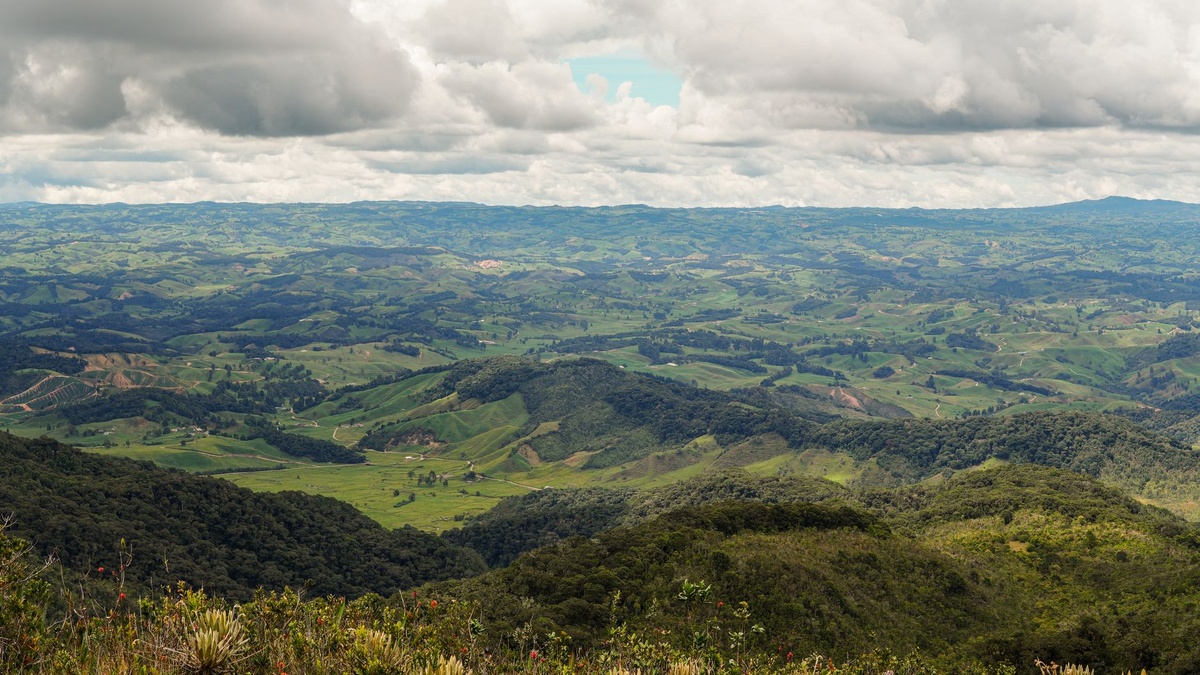
Don’t wander side streets alone at night. It’s a tour zone, not a nightlife district.
Common Tourist Scams in Colombia (Still Happening in 2026)
This is where people get careless.
1. Dating App Setups
Tinder and Bumble robberies remain the biggest risk for solo male travelers.
The pattern is consistent: invite to apartment, drugged drink (often scopolamine), wake up without phone or laptop.
Rule: meet in public places like Pergamino Café or Café Velvet. Don’t bring valuables on first dates. If someone insists on coming to your Airbnb immediately — skip it.
2. “Friendly” Distraction Teams
Common in Bogotá and Cartagena.
One person spills something or asks for directions, another grabs your phone. iPhone 15 Pro resale value in Colombia is $700+ — that’s incentive.
Use a crossbody anti-theft bag. Keep your phone off street-facing café tables.
3. ATM Skimming
Use ATMs inside malls like Santafé (Medellín) or inside banks. Avoid standalone street machines.
Better move: withdraw $200–300 at once and minimize visits. ATM fee: ~$5–7 per withdrawal depending on bank.
4. Cartagena Beach Overcharging
On Playa Blanca, vendors may quote vague prices.
Before sitting down, confirm: umbrella ($10–15), beer ($3–5), fish plate ($15–20). If there’s no menu with printed prices, walk away.
Is Colombia Safer Than Other Latin American Destinations?
Compared to Mexico? Similar in major cities. Compared to Brazil? Generally safer for random street crime.
The big difference: Colombia’s violence is concentrated in specific neighborhoods tourists rarely enter.
It’s not like planning a first safari in Africa, where safety revolves around wildlife logistics. In Colombia, safety is urban and behavioral — where you walk, what you show, who you trust.
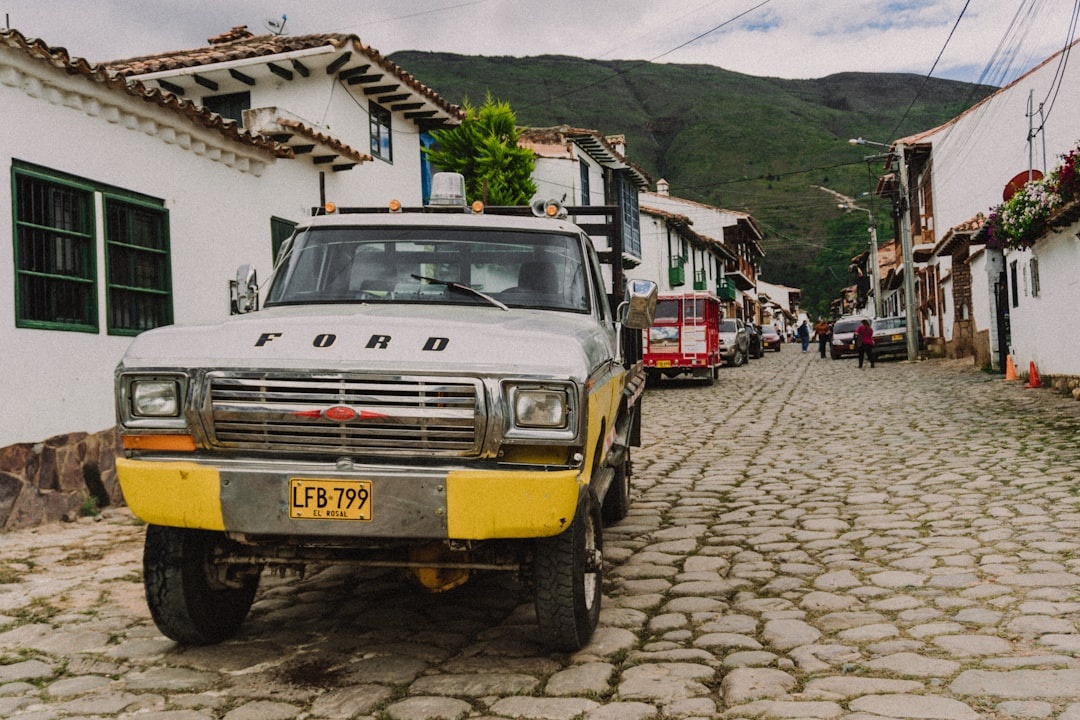
In tourist zones of Medellín and Cartagena, the atmosphere in 2026 feels closer to Lisbon or Athens than to a high-risk zone — but with more visible police presence.
Practical Safety Tips That Actually Work
- Dress down. Leave designer watches at home. Locals don’t flash wealth.
- Use Uber or Cabify at night. Rides within Medellín rarely exceed $6–8.
- Carry two cards. Keep one hidden in luggage.
- Buy travel insurance. World Nomads basic plans start around $80 for 2 weeks.
- Download offline maps (Google Maps). Reduces standing on corners looking lost.
If you’re flying long-haul to Bogotá or Medellín this summer, noise-canceling headphones are sanity savers. The Sony WH-1000XM5 summer deal at $198 is genuinely worth it — especially on 5–6 hour flights from the U.S. East Coast.
Summer 2026 Conditions: Anything New?
Colombia doesn’t have dramatic seasons, but June–August sees increased tourism from Europe and North America.
More tourists = more opportunistic theft in hotspots like Cartagena’s Old Town and Medellín nightlife zones.
On the flip side, police presence has increased in El Poblado and around Cartagena’s clock tower area. In 2025, Medellín expanded its tourist police patrols in Provenza after complaints from digital nomads.
Translation: it feels busy, not unstable.
So… Is Colombia Safe for Travelers in 2026?
If you use common sense, stay in the right neighborhoods, and avoid high-risk behaviors, yes.
Colombia in 2026 is not the Colombia of the 1990s. It’s a country investing heavily in tourism, infrastructure, and international reputation.
You’re far more likely to lose a phone to carelessness than to encounter serious violence.
Respect the city. Stay alert after dark. Skip risky dating-app meetups. Do that, and Colombia rewards you with world-class coffee, $3 empanadas, Caribbean islands, and some of the warmest people in Latin America.
Planning a trip? Bookmark this guide, share it with your travel group chat, and build your itinerary around smart neighborhoods — not just cheap hotel deals.
Für einen Aufenthalt in der Stadt mit einem Plan: Hotels in Medellín ansehen und frühzeitig die besten Optionen sichern.
Frequently Asked Questions
Is Medellín safe for solo female travelers in 2026?
Yes, especially in El Poblado and Laureles. Use Uber at night (typically $5–8 per ride), avoid empty streets after midnight, and choose well-reviewed hotels with 24-hour reception.
What is the safest area to stay in Medellín?
El Poblado is the safest and most tourist-friendly area, with hotel prices from $60–180 per night and strong police presence around Provenza and major nightlife streets.
Are taxis safe in Colombia?
App-based rides (Uber, Cabify, DiDi) are safer than street taxis. Airport to El Poblado averages $25–30 and takes 30–40 minutes.
What are the most common crimes against tourists?
Phone theft, pickpocketing, and dating-app robberies are the most reported incidents. Violent crime against tourists is rare in main travel neighborhoods.

About the Author: Tomáš Bzirský
Founder and editor of Distratech. Based in the Czech Republic, travelling regularly from Central Europe. Writes practical travel guides and travel-tech comparisons (eSIM, apps, airports) in six languages.