Your first African safari will ruin regular vacations forever. Lions at sunrise, elephants crossing the road, giraffes outside your lodge — it’s that kind of trip.
But here’s the real question: Kenya, Tanzania, or South Africa? Prices vary by thousands of dollars. Wildlife density isn’t equal. And ease of planning ranges from “DIY-friendly” to “call a specialist.”
It’s June 2026 — peak safari planning season for July–October departures — so let’s break this down clearly, with real numbers.
Key Takeaways
- Budget: South Africa is cheapest ($1,500–$2,500 for 4 days), Tanzania is most expensive ($2,500–$4,500).
- Wildlife density: Tanzania’s Serengeti wins for sheer volume; Kenya’s Maasai Mara is best July–October.
- Ease of planning: South Africa is easiest for DIY (self-drive from Johannesburg in 5 hours).
- Best first-timer pick: Want iconic migration? Kenya. Want maximum animals? Tanzania. Want simplicity? South Africa.
Quick Comparison: Price, Wildlife, and Logistics
| Kenya (Maasai Mara) | Tanzania (Serengeti) | South Africa (Kruger) | |
|---|---|---|---|
| 4-day safari cost | $1,800–$3,200 | $2,500–$4,500 | $1,500–$2,500 |
| Park fees (per day) | $100 | $83–$100 | $25 (public Kruger) |
| Big Five? | Yes | Yes | Yes |
| Migration? | July–Oct (river crossings) | Year-round movement | No |
| DIY possible? | Hard | Very hard | Easy |
| Drive from major airport | 5–6 hrs (Nairobi) | 8 hrs (Arusha) | 5 hrs (Johannesburg) |
Now let’s unpack what those numbers actually mean.
Kenya: Classic Safari, Peak Drama (Best for First-Time “Wow” Moments)
If you’re picturing a lion on a termite mound at golden hour, you’re thinking of the Maasai Mara.
Wildlife Density
From July to October, the Great Migration crosses from Tanzania into Kenya. In peak August, you can see hundreds of wildebeest crossing the Mara River in a single afternoon.
Outside migration season, wildlife density is still excellent — but Tanzania’s Serengeti is larger and more spread out.
Prices (2026)
For a 4-day/3-night mid-range safari from Nairobi:
- Shared 4×4 tour: $1,800–$2,200
- Private safari: $2,800–$3,500
- Luxury tented camp: $600–$1,200 per night
Park fees alone are $100 per adult per day (as of 2026 high season).
Flights to Nairobi (NBO) from Europe average $650–$900 roundtrip in summer.
Ease of Planning
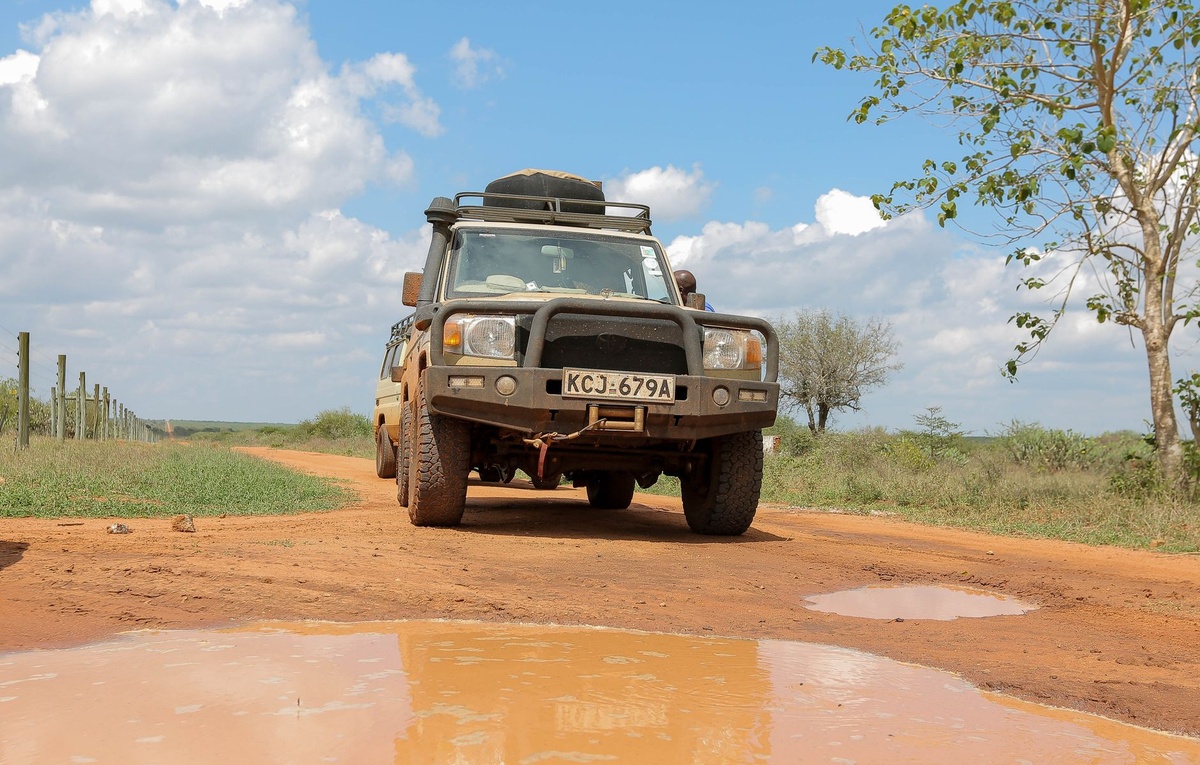
Real talk: Kenya is not ideal for self-driving your first safari. Roads inside the Mara can be rough, signage minimal.
Most travelers book via operators like SafariBookings.com or local companies like Discover Africa Kenya.
Drive time: Nairobi to Maasai Mara is 5–6 hours (280 km). Small bush flights cut that to 45 minutes for ~$220 one way.
Verdict on Kenya
Best for: Iconic first safari photos and river-crossing drama.
Skip if: You’re on a tight budget or want a super-easy DIY trip.
Tanzania: Bigger Parks, More Animals, Higher Price Tag
The Serengeti is enormous — nearly 15,000 square kilometers. It makes the Mara look compact.
Wildlife Density
This is where Tanzania shines. The migration moves year-round within the Serengeti ecosystem.
Calving season (January–March, Ndutu area) sees 8,000+ wildebeest births per day. Predator action is intense.
In pure numbers, Tanzania has slightly higher wildlife volume than Kenya — but sightings require longer drives.
Prices (2026)
Tanzania is typically 20–30% more expensive than Kenya.
- 4-day Serengeti + Ngorongoro: $2,500–$3,500 mid-range
- Luxury lodges: $700–$1,500 per night
- Park fees: $83–$100/day + Ngorongoro crater fee ($295 per vehicle)
Arusha to central Serengeti is an 8-hour drive. Most travelers fly into Seronera airstrip (~$300 one way).
Ease of Planning
Tanzania is the least DIY-friendly. Distances are long, and logistics are complex.
You’ll almost certainly book a full package through operators like Asilia Africa or Nomad Tanzania.
If you like structured, guided adventures — similar to planning a remote trek like this Patagonia budget hiking route — Tanzania delivers that “expedition” feel.
Verdict on Tanzania
Best for: Maximum wildlife density and epic landscapes.
Skip if: You want the cheapest or simplest first safari.
South Africa: Easiest and Most Affordable First Safari
If you want a safari without overthinking it, go to Kruger National Park.
Wildlife Density
Kruger absolutely has the Big Five — but sightings require patience.
Animal density is lower than Serengeti/Mara, but still excellent in southern Kruger (Skukuza, Lower Sabie areas).
Prices (2026)
This is where South Africa wins.
- Park entry: $25/day (foreign adult)
- Self-drive car rental: $35–$60/day (Toyota Corolla)
- Rest camp bungalow: $60–$120/night (SANParks website)
- Private lodge safari: $400–$900/night all-inclusive
A 4-day self-drive safari can cost $1,500 total for two people including accommodation and car.
Compare that to $3,000+ per person in Tanzania.
Ease of Planning
Fly into Johannesburg (JNB). Drive 5 hours (430 km) to Kruger.
Roads are paved. Camps are bookable online at sanparks.org. Supermarkets in park camps sell groceries.
It’s as straightforward as planning an Oman road trip — just with elephants crossing the road.
Verdict on South Africa
Best for: Budget-conscious travelers and independent planners.
Skip if: You want migration-scale wildlife drama.
Seasonality: Why Summer 2026 Matters
June–October is dry season in Kenya and Tanzania. Vegetation is thinner, animals gather around water.
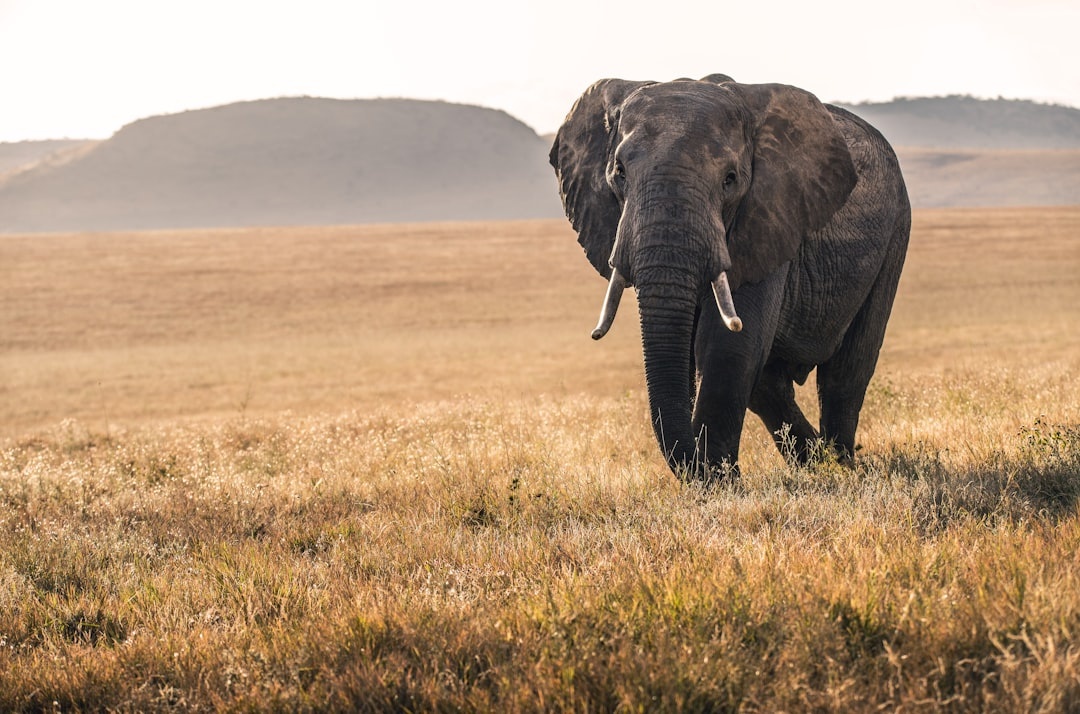
July–September = peak migration river crossings in Kenya. Expect higher lodge prices (20–40% surge).
South Africa’s winter (June–August) is actually prime game viewing. Cool mornings, minimal foliage.
If you’re booking now for August 2026, act fast. Popular Mara camps like Basecamp Explorer and Serengeti’s Kati Kati Tented Camp are already 60–70% full.
Which Country Is Best for Your First Safari?
If Budget Is Your Priority → South Africa
$1,500–$2,000 vs $3,000+ elsewhere is a massive difference.
If You Want the Great Migration → Kenya
River crossings are more concentrated and dramatic in the Mara.
If You Want Maximum Wildlife Density → Tanzania
Serengeti + Ngorongoro offers unmatched volume and scenery.
If You Hate Complex Planning → South Africa
Book a rental car, reserve camps, drive yourself. Done.
Practical Booking Tips (2026)
- Book 6–9 months ahead for July–October migration season.
- Compare flight + safari bundles — sometimes operators discount internal bush flights.
- Check visa rules: Kenya ETA ~$34, Tanzania visa $50, South Africa visa-free for many EU/US travelers.
- Use Wise or Revolut to avoid 3–5% foreign card fees.
- Get travel insurance covering evacuation (World Nomads Explorer ~$120 for 2 weeks).
My Honest Recommendation
If this is truly your first safari and budget allows: Kenya in August or September.
You’ll get density, drama, and manageable logistics.
If you want the smartest financial move: Self-drive Kruger. It’s half the cost and surprisingly rewarding.
If you want the most epic, National Geographic-scale landscapes: Tanzania. Just be ready to pay for it.
Pick based on your personality, not just your wallet.
Ready to Plan?
Start with flight price alerts to Nairobi, Kilimanjaro, or Johannesburg. Then compare 3 safari operators minimum.
African safaris aren’t cheap — but done right, they’re worth every dollar.
Frequently Asked Questions
How much does a first African safari cost in 2026?
Expect $1,500–$2,500 per person in South Africa, $1,800–$3,200 in Kenya, and $2,500–$4,500 in Tanzania for a 4-day mid-range safari excluding international flights.
Is Kenya or Tanzania better for the Great Migration?
Kenya’s Maasai Mara is best for dramatic river crossings (July–October). Tanzania offers year-round migration movement but sightings are more spread out.
Can you do a safari without a tour?
Yes — in South Africa’s Kruger National Park. Self-drive is easy with paved roads and camps bookable via sanparks.org. Kenya and Tanzania are far harder to do independently.
When is the best time for a first safari?
Dry season (June–October) offers the best wildlife visibility in all three countries. July–September is peak migration time in Kenya.

About the Author: Tomáš Bzirský
Founder and editor of Distratech. Based in the Czech Republic, travelling regularly from Central Europe. Writes practical travel guides and travel-tech comparisons (eSIM, apps, airports) in six languages.