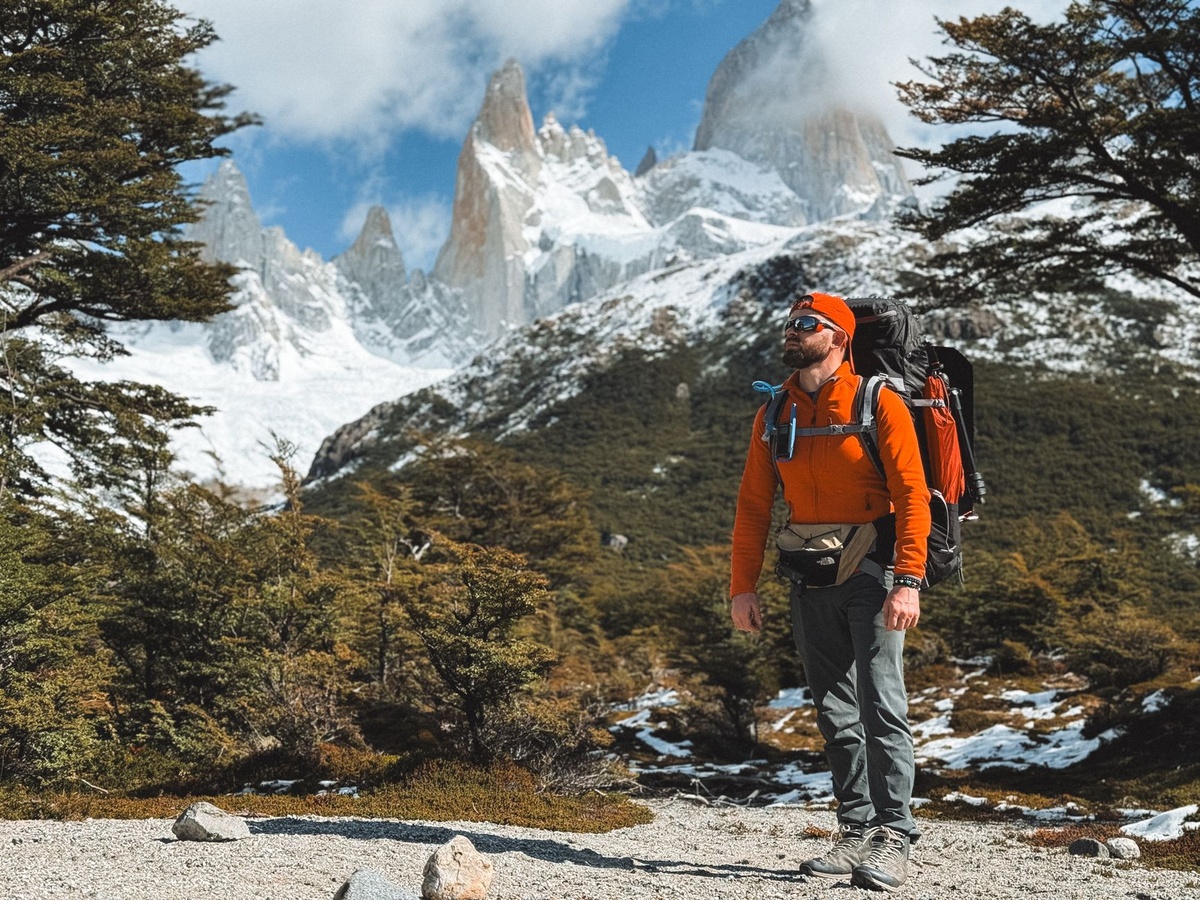
Patagonia has a reputation for empty landscapes, epic granite spires — and eye-watering prices inside Torres del Paine. In summer 2026, a single night in a basic refugio on the W Trek starts at $95–120 USD, campsites from $35, and park entry is $39 USD for foreigners. Multiply that over 4–5 days and your budget evaporates fast.
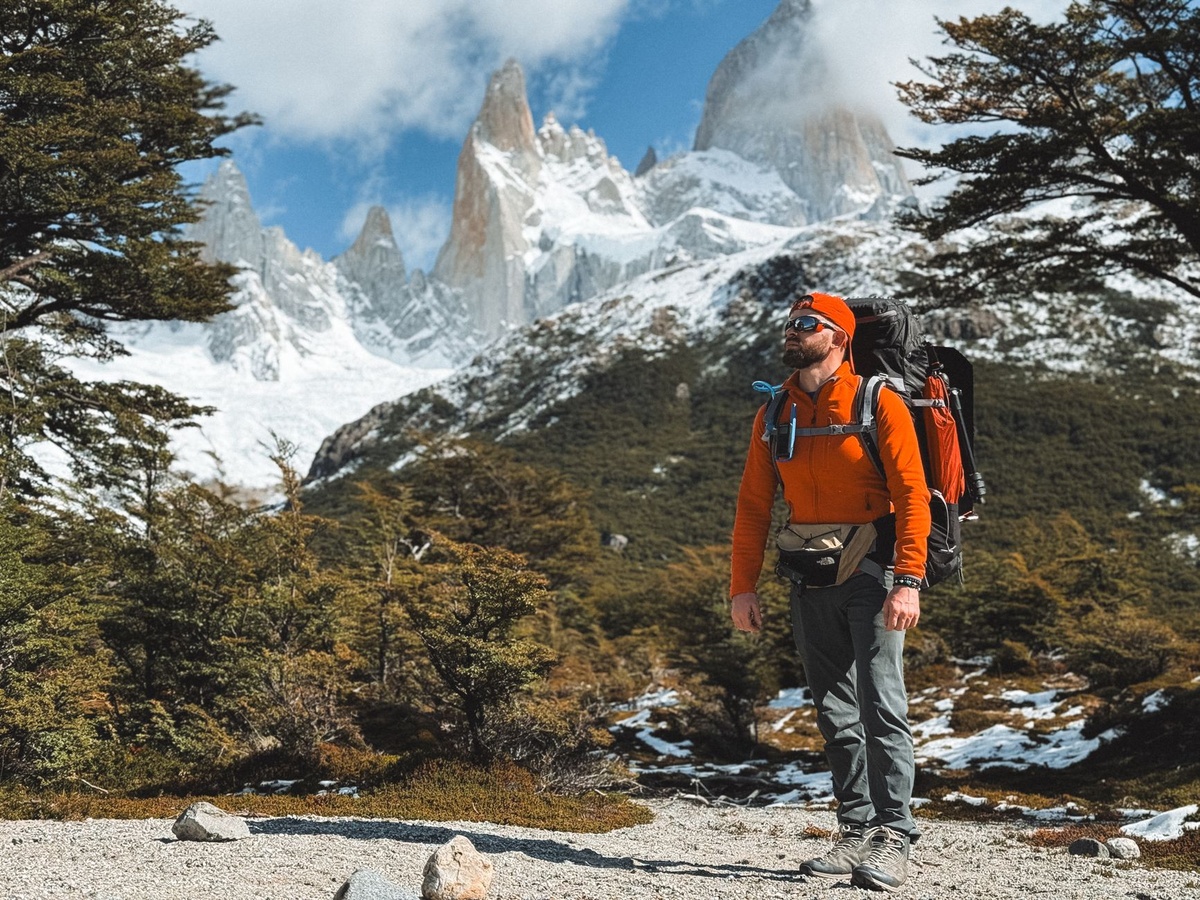
The good news? You can hike glaciers, turquoise lakes, and jagged peaks across Argentina and Chile for nearly half the cost — if you base yourself in El Chaltén, El Calafate, and Puerto Río Tranquilo instead.
Key Takeaways
- 12 days in Patagonia (Argentina + Chile) can cost $900–1,200 USD total excluding flights.
- El Chaltén hikes are free (no park fee) vs Torres del Paine’s $39 entry.
- Long-distance buses average $25–60 USD per leg booked via Plataforma10 or Recorrido.cl.
- Summer (Dec–Feb) offers 16+ hours of daylight; book buses 3–5 days ahead.
Why Skip Torres del Paine (For Now)
Torres del Paine is stunning. It’s also logistically rigid and expensive.
Compare a 4-day hiking experience:
| Torres del Paine (W Trek) | El Chaltén + Cerro Castillo Combo | |
|---|---|---|
| Park Entry | $39 USD | $0 (Argentina side) |
| Camping (3–4 nights) | $120–200 | $40–60 |
| Refugio Bed | $95–120/night | $25–40 hostel dorm |
| Food (inside park) | $25 burger, $18 beer | $12 set lunch, $5 craft beer |
Over four days, Torres can easily cost $500–700. The alternative route below? Roughly $250–350 for comparable hiking scenery.
If you love independent routes (like our Oman 4×4 desert road trip guide), this Patagonia plan gives you that same freedom — without pre-booking every step months ahead.
The 12-Day Budget Patagonia Itinerary
Days 1–2: El Calafate (Argentina) – Glacier Base
Fly into El Calafate (FTE). From Buenos Aires, flights take 3 hours and cost $120–200 USD round-trip in summer if booked 4–6 weeks ahead via Aerolíneas Argentinas.
Stay at America del Sur Hostel (dorms from $22, privates $65). It has strong Wi‑Fi (90 Mbps average) — rare in Patagonia.
Perito Moreno Glacier is non-negotiable.
- Park entry: $30 USD
- Bus from town: $25 round-trip, 1.5 hrs each way
- Taxi: $90 round-trip (not worth it)
Skip the $350 mini-trek unless you’re obsessed with crampons. The boardwalk circuits (4–5 km) give you 90% of the views for 10% of the price.
Dinner: La Tablita for Patagonian lamb (~$28 main). Skip the tourist menus on Avenida Libertador charging $40+ for the same dish.
Days 3–6: El Chaltén – The Budget Hiking Capital
Bus from El Calafate to El Chaltén: $30 USD, 3 hours, 3–5 departures daily.
This is where you save serious money. As of summer 2026, most classic day hikes remain free despite discussions about future fees.
Must-Do Hikes
Laguna de los Tres (Fitz Roy Base)
20 km round-trip | 8–9 hours | 750 m elevation gain
Start by 7:00 am in January — winds pick up after noon. The final 1 km climb is steep but manageable.
Laguna Torre
18 km round-trip | 6–7 hours | easier gradient
Personally? If weather gives you one clear day, prioritize Fitz Roy. Laguna Torre is stunning but slightly less dramatic.
Loma del Pliegue Tumbado
13 km round-trip | panoramic views | far fewer hikers
This is the move if you want Torres-style views without Torres crowds.
Where to Stay & Eat in El Chaltén
Rancho Grande Hostel: dorms $20, open 24 hrs (great for early hikes).
Camping Laguna Capri: free basic camping 5 km into Fitz Roy trail.
Food prices (2026 summer averages):
- Empanadas: $2 each
- Craft beer: $5–6
- Set lunch menu: $12–15
Best coffee: La Wafleria. Skip the hype around some Instagram bakeries charging $8 for dry cake.
Days 7–8: Cross to Chile – Puerto Río Tranquilo
This is the adventurous stretch.
Route: El Chaltén → Los Antiguos (Argentina) → cross border → Chile Chico → Puerto Río Tranquilo.
Total travel time: 10–12 hours
Total cost: $45–70 USD depending on connections.
It’s long, but you’ll travel along the legendary Carretera Austral, one of South America’s most scenic roads.
Stay at Hostal Valle Manso (dorm $18, private $45).
Main attraction: Marble Caves (Capillas de Mármol)
- Boat tour: $20–25 USD (1.5 hours)
- Kayak tour: $35–45 USD
- Departure times: every hour 9:00 am – 6:00 pm (weather dependent)
Go early morning for calmer water and better light.
Days 9–10: Cerro Castillo (Chile) – Torres Vibes, Fewer Fees
Bus to Villa Cerro Castillo: $25 USD, 4–5 hours.
Park entry: $12 USD (far cheaper than Torres del Paine).
Laguna Cerro Castillo hike
13 km round-trip | 6–7 hours | steep final ascent
The turquoise lake beneath sharp granite towers feels remarkably similar to Torres — but you might share it with 20 hikers instead of 200.
Camping inside park: $15
Guesthouse in village: $30–40 dorm
No fancy restaurants here. Stock up at the small supermarket; expect to pay 20–30% more than in Argentina.
Days 11–12: Return via Coyhaique or Fly Out
From Cerro Castillo:
- Bus to Coyhaique: $10, 1.5 hours
- Flight Coyhaique → Santiago: $60–120 (2 hours)
Or return overland to El Calafate if your flight departs Argentina (allow a full day).
Total Budget Breakdown (12 Days)
| Category | Estimated Cost (USD) |
|---|---|
| Accommodation (11 nights hostels/camping) | $220–350 |
| Food (self-cater + eating out) | $250–350 |
| Transport (buses + 1 domestic flight) | $250–400 |
| Park Fees & Tours | $70–120 |
| Total | $900–1,200 |
That’s often less than 5 days doing the classic Torres del Paine W with refugios.
Practical Tech & Booking Tips (Summer 2026)
- Bus booking: Use Plataforma10 (Argentina) and Recorrido.cl (Chile). Screenshot tickets — signal drops outside towns.
- Offline maps: Download Maps.me or Google offline maps; trail signage is decent but weather shifts fast.
- Wind forecast: Check Windy.app — gusts over 60 km/h are common in January afternoons.
- Cash: Bring some USD for Argentina exchange; smaller Chilean towns prefer cash.
- Power banks: Some campsites have no outlets; 20,000 mAh is ideal.
If you enjoy optimizing transport costs, the strategy is similar to deciding when a rail pass actually saves money in Europe — flexibility beats rigid packages.
When to Go (And Why Summer Works)
Best months: December–March.
In January, you’ll get sunrise before 6:00 am and usable light until 10:30 pm. That flexibility means you can start hikes early to avoid both wind and crowds.
Shoulder season (November, March) cuts accommodation prices by 10–20%, but some buses run less frequently.
Winter (June–August) brings snow closures — not ideal unless you’re experienced with alpine conditions.
Is This Route as Dramatic as Torres del Paine?
Short answer: yes — just distributed differently.
Torres compresses everything into one park with polished infrastructure. This itinerary spreads equally dramatic landscapes across multiple small towns where you control your pace and budget.
You trade luxury refugios for flexibility, and rigid bookings for spontaneous extra nights when the weather clears.
Final Thoughts: Patagonia Without the Premium
Patagonia doesn’t have to mean $100 dorm beds and $25 sandwiches. Base yourself in El Chaltén, add the Carretera Austral, and you’ll get glaciers, spires, turquoise lakes — and money left for your next flight.
If you’re planning a South America summer, start booking buses and hostels 3–4 weeks ahead for January. The landscapes are wild. Your budget doesn’t have to be.
To plan your stay on this budget route, browse hotels in El Chaltén and book early for the hiking season.
Frequently Asked Questions
How much does a 12-day Patagonia trip cost in 2026?
Budget travelers can expect to spend $900–1,200 USD excluding international flights, staying in hostels and camping with mostly bus transport.
Is El Chaltén really free to hike?
Yes. As of summer 2026, the main day hikes like Laguna de los Tres and Laguna Torre have no entrance fee, though this may change in future seasons.
Is Torres del Paine worth the extra money?
It’s spectacular but expensive. Expect $500–700 for 4–5 days; similar scenery can be experienced around El Chaltén and Cerro Castillo for roughly half the cost.
Do I need a car for this Patagonia route?
No. All major towns on this itinerary are connected by long-distance buses costing $10–60 per leg, though schedules require flexibility.

About the Author: Tomáš Bzirský
Founder and editor of Distratech. Based in the Czech Republic, travelling regularly from Central Europe. Writes practical travel guides and travel-tech comparisons (eSIM, apps, airports) in six languages.