Updated November 2026 with autumn/winter travel notes, refreshed train and entrance prices, and booking tips for the 2027 season.
Uzbekistan feels like stepping into a tiled, turquoise dream — but it’s not a fantasy. It’s surprisingly organized, affordable, and easy to navigate by high-speed train. In 10 days, you can realistically cover Tashkent, Samarkand, Bukhara, and Khiva without burning out.
I did this route in late May 2026 — warm evenings, 32°C (90°F) afternoons, and long golden sunsets over Registan Square. Summer (June–August) is hotter, especially in Khiva where it can hit 40°C (104°F), but it’s dry heat and mornings are magical. Since then, I’ve re-checked every price in this guide (October 2026) and added notes for the cooler months — because November through February is now the quietest, cheapest window to see these cities, and April–May and September–October remain the sweet spots for weather.
Key Takeaways
- Afrosiyob high-speed train: $18–$34 between major cities (book via railway.uz); prices held steady through autumn 2026.
- 10-day mid-range budget: $850–$1,200 per person in high season; expect $700–$950 from November to February when hotel rates drop 20–30%.
- Best route: Tashkent → Samarkand (2h10) → Bukhara (1h40) → Khiva (5h30 standard, ~4h on select faster services).
- Seasonal tip: In summer, sightsee 7–11am and rest midday; in winter, pack layers — Khiva mornings dip below 0°C (32°F) in January.
- Peak-season tickets for spring 2027 open 45 days out — set a reminder.
The 10-Day Silk Road Route (Why This Order Works)
This westbound route minimizes backtracking and uses Uzbekistan’s best infrastructure: its trains. Flights exist, but you don’t need them until the final leg.
Overview of Distances & Train Times (2026)
| Route | Distance | Train Time | 2026 Price (Economy) |
|---|---|---|---|
| Tashkent → Samarkand | 300 km | 2h10 (Afrosiyob) | $18–$26 |
| Samarkand → Bukhara | 270 km | 1h40 (Afrosiyob) | $14–$22 |
| Bukhara → Khiva | 450 km | 5h30 (day train) / ~4h (faster electric service, select days) | $16–$30 |
Business class on the Afrosiyob adds roughly $8–$12 per leg and is worth it on the Bukhara–Khiva stretch if you want a quieter carriage and a guaranteed window seat. Note that since the Bukhara–Khiva line was electrified, the timetable now mixes slower Sharq-style trains with faster services — always check the duration column on railway.uz before you book, as the difference can be 90 minutes.
Compare that to taxis:
- Samarkand → Bukhara taxi: $60–$85, 4–5 hours
- Bukhara → Khiva taxi: $90–$130, 6–7 hours (slightly higher since autumn fuel price increases)
Train wins on comfort, price, and sanity.
Days 1–2: Tashkent (Modern Gateway, Don’t Skip It)
Most people rush through Tashkent. Bad move. It’s the cleanest, most organized capital in Central Asia — and your soft landing.
What To Actually Do
Khast Imam Complex (9am–6pm, free courtyard) — home to one of the world’s oldest Qurans. Go early before tour groups. In winter, opening hours tighten to roughly 9am–5pm.
Chorsu Bazaar (7am–7pm) — try non (bread) for $0.30–$0.40. In summer it’s cherries for $2/kg; in autumn and winter, the stars are pomegranates, persimmons, and dried fruit — a kilo of dried apricots runs $4–$5.
Tashkent Metro — still about $0.15 per ride (2,000 UZS), payable by contactless bank card at the turnstile now, so you don’t need a local transit card. Soviet chandeliers, marble columns, and way more interesting than any “museum of applied arts.”
Skip generic malls. Instead, walk Amir Timur Square at sunset — or, from late November, visit when the square and nearby Broadway are lit up for the New Year season.
Where To Eat
Central Asian Plov Center — massive cauldrons of plov. $4–$6 per plate. Go before 2pm; they sell out. Thursday is traditionally plov day across Uzbekistan, so expect the longest lines then.
Afsona — modern Uzbek cuisine. Expect $15–$22 per person. Worth it.
Where To Stay
Art Regency Hotel — $85–$95/night in high season, around $65 in winter; rooftop pool (closed roughly November–March), solid AC and heating.
Budget option: Topchan Hostel — $18–$20 dorms, $35–$40 private.
Days 3–4: Samarkand (The Showstopper)
Samarkand is why you came. Registan Square at golden hour is absurdly beautiful — and in November, golden hour arrives around 5pm, which means you can see it in soft light without an early alarm.
Must-See (Cluster Smartly)
Registan (8am–8pm in summer, 8am–6pm in winter, ~$5 entry) — go at 8am sharp. By 10am in summer, it’s crowded and hot. In the off-season you can have the courtyards almost to yourself at 9am.
Shah-i-Zinda (7am–7pm, ~$4) — tiled mausoleums in electric blues. Better light in late afternoon.
Gur-e-Amir (8am–7pm, ~$4) — Tamerlane’s tomb.
Total entrance fees: about $15. Prices at major sites were quietly rounded up by a few thousand som in 2026, but the dollar equivalents barely moved thanks to the exchange rate. Most ticket booths at Registan and Shah-i-Zinda now accept Visa and Mastercard, though smaller sites remain cash-only.
Registan Night Show — Worth It?
There’s a light show most evenings around 9pm in summer (earlier, around 7–8pm, in autumn and winter, and not every night in the off-season — ask your hotel). $5–$7 depending on seat. It’s touristy but surprisingly atmospheric.
Free alternative: sit outside the square with tea and enjoy the illuminated facades. The facades are lit nightly year-round, show or no show.
Where To Eat
Platan — European-Uzbek fusion, $20–$25 per person. Quiet garden setting (indoor dining room in winter).
Samarkand Restaurant — better for traditional dishes, ~$10–$13.
Hotel Pick
Hotel Bibikhanum — $70–$110/night in April–May and September–October, dropping to $55–$70 from November through February; steps from Registan. Book early for spring 2027 — the April–May window was fully booked three weeks out this year.
Compared to Bukhara, Samarkand hotels are 15–25% more expensive in peak season. The gap narrows in winter.
Days 5–7: Bukhara (Atmosphere Over Monuments)
Bukhara isn’t about one big “wow” site. It’s about wandering.
The old town feels intact, compact, and walkable — unlike Samarkand’s spread-out layout.
What To See
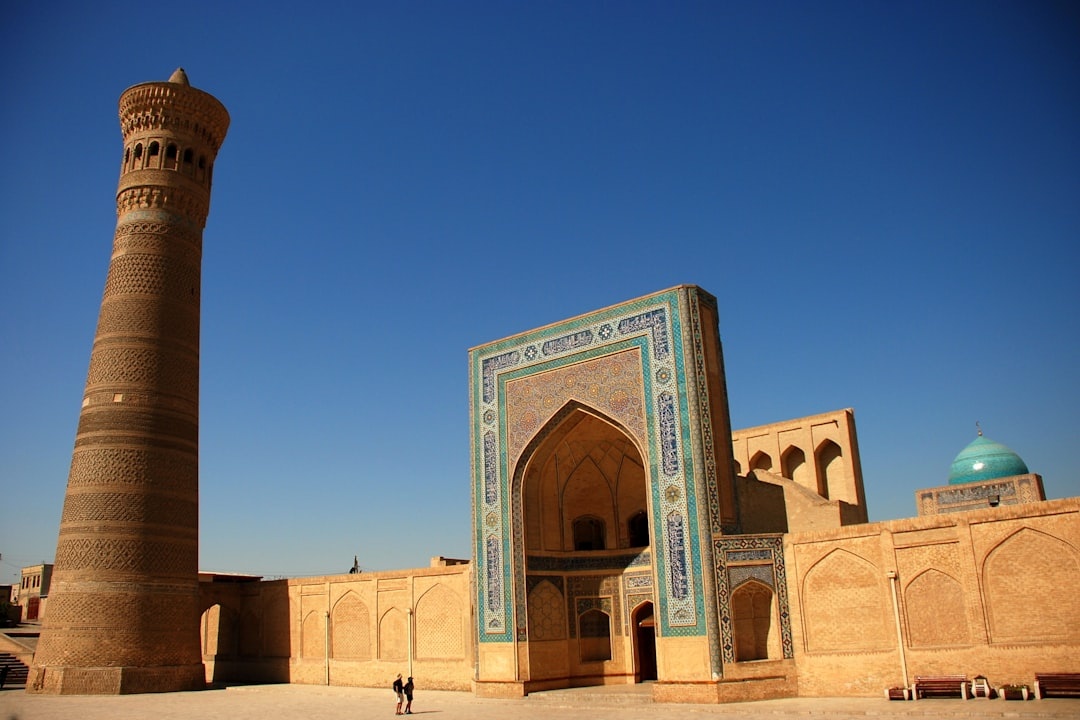
Poi-Kalyan Complex (8am–8pm, ~$5) — the famous minaret survived Genghis Khan. The Kalyan Mosque courtyard is the best place in the city to sit out the midday heat in summer — or catch the low winter sun.
Ark Fortress (9am–6pm, ~$4) — go early; there’s little shade.
Lyabi-Hauz — free, best at sunset with a drink. The pond-side terraces stay open into November; by December, the action moves indoors to the chaikhanas.
Total ticket budget: ~$12–$15.
Bukhara vs Samarkand (Quick Comparison)
| Samarkand | Bukhara | |
|---|---|---|
| Vibe | Grand, monumental | Intimate, atmospheric |
| Walkability | Medium (taxis needed) | High (mostly pedestrian) |
| Avg Dinner | $15–$20 | $8–$15 |
| Winter hotel discount | ~20% | ~30% |
If you’re short on time, cut one day from Samarkand, not Bukhara.
Where To Eat
Chinar — best plov in town, ~$6.
Old Bukhara Restaurant — rooftop views, $12–$18. Rooftop closes in the cold months; the ground-floor dining room is less scenic but the menu is identical.
Where To Stay
Komil Boutique Hotel — converted madrasa, $60–$90/night with breakfast in high season, as low as $45 in winter. Ask for a room with a working heater — not all traditional rooms are equally warm in January.
Much better value than Samarkand for similar quality.
Days 8–9: Khiva (Open-Air Museum Energy)
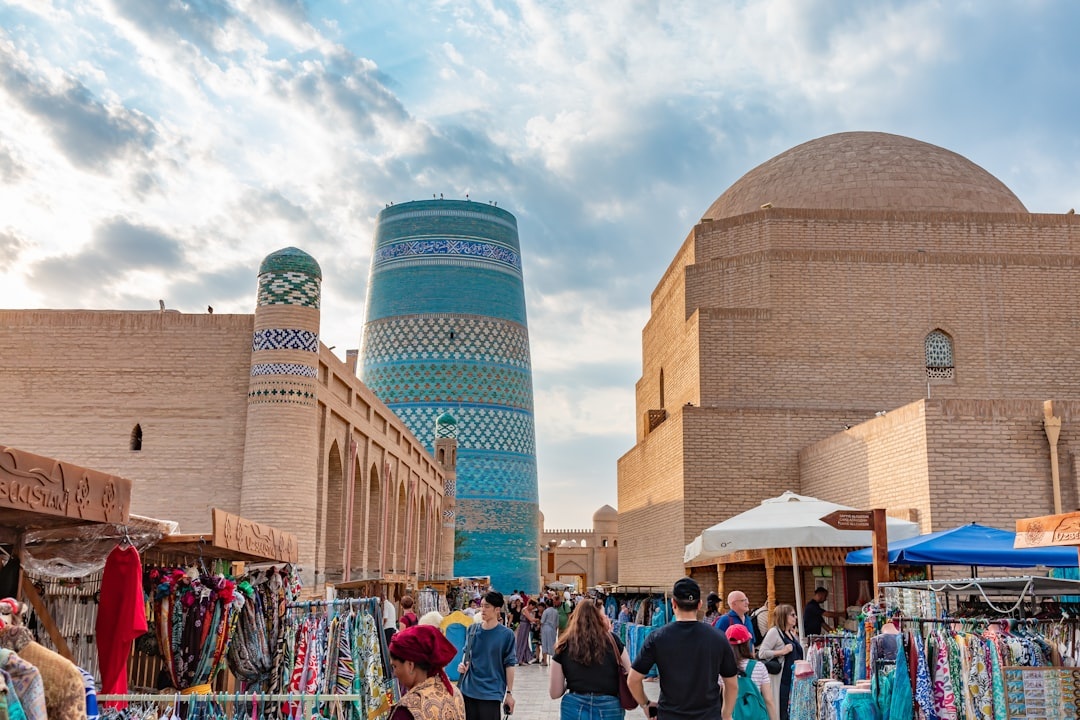
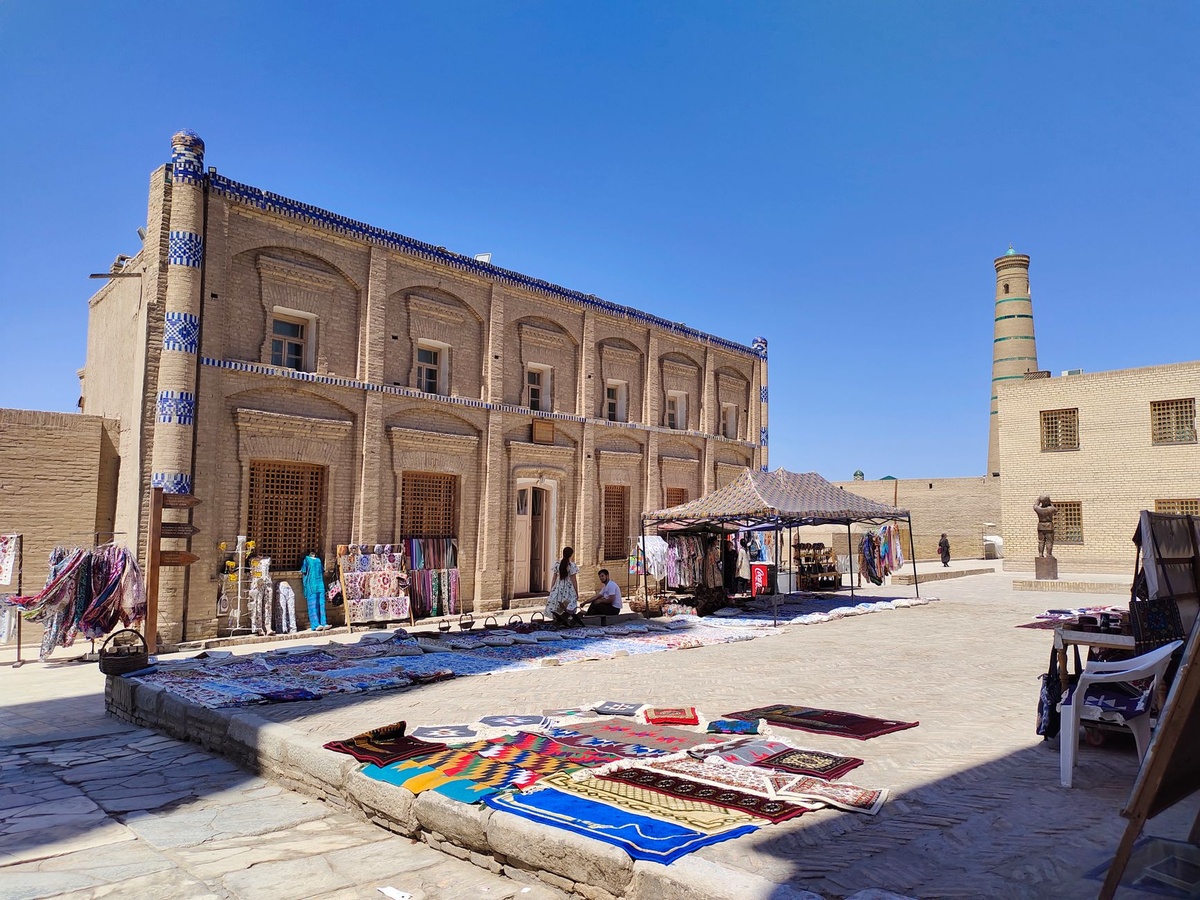
Khiva is small, walled, and theatrical. Itchan Kala (the old town) feels like a movie set — especially at sunrise.
But it’s also the most extreme stop climate-wise. In June 2026, midday temperatures were already 38°C (100°F). In January, the same square can sit at −5°C (23°F) at dawn, with occasional light snow on the mud-brick walls — which, honestly, photographs beautifully.
What To See
Most attractions are covered by the Itchan Kala ticket (~$15, up slightly from earlier in the year), valid for 2 days.
- Kalta Minor Minaret
- Kunya Ark
- Islam Khoja Minaret (climb it early — narrow stairs)
Climbing Islam Khoja: included in ticket, but closes around 6pm (5pm in winter).
Khiva Reality Check
Two nights is enough. It’s compact. Three nights feels repetitive.
Compare:
- Full Khiva exploration: ~1.5 days
- Full Samarkand exploration: ~2.5 days
If you have a spare half-day, the Ayaz Kala desert fortresses are a 1.5-hour drive from Khiva ($40–$50 for a return taxi, split between passengers). Best in spring or autumn — skip in July and January alike.
Where To Eat
Terrassa Café — rooftop views of Kalta Minor, $10–$15 meals. Rooftop is seasonal; indoor seating in winter.
Bir Gumbaz — quieter courtyard, similar pricing.
Where To Stay
Orient Star Khiva — inside a former madrasa, $70–$100/night in season, $50–$65 in winter. Unique but rooms are simple and cell-like; charming for two nights, not more.
Budget: Islambek Hotel — ~$45 with breakfast (~$35 in the off-season).
Day 10: Return to Tashkent
Khiva now has its own railway station a short walk outside the old town walls, and several trains to Tashkent depart from there directly. Others still leave from Urgench (30 min taxi, ~$5–$6) — check your ticket’s departure station carefully, as hotels regularly see travellers mix them up.
Options:
- Night train: 12–14 hours, $22–$38 for a four-berth sleeper (kupe); two-berth compartments run $45–$60
- Day high-speed service: roughly 7–8 hours on the electrified line, $30–$45 (select days)
- Flight: 1h30 from Urgench, $45–$75 with Uzbekistan Airways; fares are lowest midweek
If you value sleep and have a morning flight out, fly. The price difference is small. The night train is a genuine experience, though — bring your own tea bags, as the samovar at the end of each carriage is free.
Booking Trains in 2026 (Step-by-Step)
Use the official site: railway.uz.
- Create account (passport required). The site and app work reliably with foreign Visa/Mastercard cards now — the payment failures that plagued 2024–2025 have largely been fixed.
- Tickets open ~45 days before departure.
- Choose Afrosiyob for high-speed routes, and compare durations on the Bukhara–Khiva leg.
- Download PDF ticket — no need to print. Conductors scan the QR code on your phone.
Tickets sell out 1–2 weeks ahead in spring, early summer, and September–October. In winter you can usually book a few days out, but the Friday and Sunday Tashkent–Samarkand departures still fill up with domestic travellers. If you’re planning for March–May 2027, note that Navruz (around March 21) is a national holiday and trains that week sell out almost immediately.
This isn’t Europe — no rail passes needed. If you’re comparing train strategies globally, our breakdown of when point-to-point tickets beat rail passes explains why Central Asia is strictly pay-per-ride.
10-Day Budget Breakdown (Mid-Range, Per Person)
| Category | High Season (Apr–Jun, Sep–Oct) | Low Season (Nov–Feb) |
|---|---|---|
| Hotels (9 nights) | $600–$850 | $450–$620 |
| Trains & transport | $90–$150 | $90–$150 |
| Food | $150–$250 | $150–$250 |
| Entrance fees | $45–$65 | $45–$65 |
| Total | $850–$1,200 | $700–$950 |
The Uzbek som has stayed relatively stable against the dollar in 2026 (roughly 12,500–13,000 UZS per USD at the time of this update), so the dollar figures above held up well throughout the year. Restaurant prices crept up 5–10% in som terms, which is why the food range stays the same in dollars.
That’s significantly cheaper than a comparable 10-day Mediterranean trip in summer — even budget Balkan routes now run higher, as we showed in our Adriatic cost comparisons.
Seasonal Timing Tips (Updated for Autumn & Winter)
- Summer (June–August): Start sightseeing at 7–8am and schedule train rides midday (air-conditioned).
- Autumn (September–October): The best all-round window — 20–28°C (68–82°F), harvest season at the bazaars, but the busiest for hotels. Book accommodation 4–6 weeks out.
- Winter (November–February): 0–12°C (32–54°F) in Tashkent, Samarkand, and Bukhara; colder and windier in Khiva. Days are short (sunset around 5pm in December), so plan two sites per morning and leave afternoons for museums, hammams, and long lunches. Fewer tour groups, lower prices.
- Spring (March–May): Wildflowers, Navruz celebrations, mild temperatures — and rising demand. 2027 bookings are already filling for April.
- Carry cash — card acceptance has improved a lot at hotels, restaurants, and main ticket offices, but bazaars, taxis, and smaller sites remain som-only. ATMs dispensing som from foreign cards are plentiful in all four cities.
- eSIM: Airalo Uzbekistan plan, 5GB for around $13–$14 (reliable 4G in cities). A local Ucell or Beeline SIM is cheaper at $4–$6 for 20GB+ if you don’t mind the 15-minute registration at a branch.
- Visa: citizens of most European countries, the UK, Canada, Australia, Japan, and many others get 30 days visa-free; US citizens need the e-visa ($20, usually issued within 2–3 working days). Check your status before booking.
Uzbekistan is safe, organized, and increasingly tourist-friendly — but it’s not yet overrun. You’ll still find quiet courtyards if you wake up early, and in winter you’ll find them at any hour.
Is 10 Days Enough?
Yes — if you move efficiently and use trains.
Less than 7 days feels rushed. More than 12 days without adding the Fergana Valley or Nukus (and its Savitsky Museum of banned Soviet art) can feel repetitive.
This route balances logistics, depth, and breathing room — especially in summer when heat slows you down, and in winter when short days do the same.
If the Silk Road has been sitting on your “someday” list, the next few months are a sweet spot: improved infrastructure, stable prices, fewer crowds than Western Europe, and — if you go before March — the lowest hotel rates of the year. Book the trains, pack layers (linen in summer, a proper coat in winter), and plan your mornings well.
Have questions about train classes or hotel picks? Drop them in the comments — I’ll answer with specifics.
For comfort in the middle of your trip: Hotel deals in Tashkent are worth checking early so you can lock in the best rates.
Frequently Asked Questions
How much do trains cost in Uzbekistan in 2026?
High-speed Afrosiyob trains cost $18–$34 depending on route and class (e.g., Tashkent–Samarkand is ~$20 in economy, ~$30 in business). Standard trains like Bukhara–Khiva range from $16–$30, and the overnight Khiva/Urgench–Tashkent sleeper is $22–$38 in a four-berth compartment. Prices stayed stable through autumn 2026.
Is 10 days enough for Uzbekistan’s Silk Road cities?
Yes. Ten days allows 2 nights in Tashkent, 2 in Samarkand, 2–3 in Bukhara, and 2 in Khiva without rushing, using efficient train connections. Add 2–3 days if you want to include the Fergana Valley or Nukus.
Is Uzbekistan too hot in summer?
June–August temperatures range from 32°C to 40°C (90–104°F), especially in Khiva. It’s manageable if you sightsee early and rest midday. If you have flexibility, April–May and September–October offer 20–28°C days and are the most comfortable months for this route.
Can you visit Uzbekistan in winter?
Yes, and it’s underrated. November–February brings 0–12°C (32–54°F) days, far fewer tour groups, and hotel rates 20–30% lower. Khiva is the coldest stop and can see light snow. Days are short, so plan sightseeing for the morning and early afternoon.
Do you need to book Uzbekistan trains in advance?
Yes in spring, summer, and autumn. Tickets open about 45 days before departure and popular Afrosiyob routes can sell out 1–2 weeks early. In winter you can often book a few days ahead, except around New Year and weekend departures. For March 2027, book as soon as sales open — Navruz week sells out fast.

About the Author: Tomáš Bzirský
Founder and editor of Distratech. Based in the Czech Republic, travelling regularly from Central Europe. Writes practical travel guides and travel-tech comparisons (eSIM, apps, airports) in six languages.