
Apparently, 69% of travelers would take a trip just to see how well they click with someone — and honestly, that sounds less chaotic than a group chat trying to pick dinner. Travel reveals the tiny truths fast: who panics at a delayed train, who tips well, who needs three coffees before speaking, and who says “I’m flexible” but means “I have a spreadsheet.”
Key Takeaways
- Keep the first relationship-testing trip to 2–3 nights, with a target budget of $350–$750 per person excluding flights.
- September is better than August for Mediterranean trips: fewer crowds, lower hotel rates, and daytime highs closer to 25–29°C instead of 35–40°C.
- Lisbon + Sintra is the best starter test route: airport-to-city metro costs €1.85 vs. €12–€20 by Uber.
- Build in one money test, one patience test, and one downtime test — not ten back-to-back “bucket list” activities.
- Use Splitwise, Citymapper, Google Maps offline, and an eSIM from Airalo or Nomad to avoid avoidable friction.
Why a Trip Is the Fastest Compatibility Test
Dinner dates test chemistry. Travel tests systems: sleep, money, food decisions, punctuality, stress recovery, and how someone treats service staff when things go sideways.
A two-hour flight delay tells you more than two months of “how was your day?” texts. If one person calmly opens the airline app while the other starts blaming Mercury retrograde, that’s data.
August 2026 is peak testing season, but not always in a good way. Edinburgh Fringe runs through most of August, Burning Man kicks off at the end of the month, La Tomatina hits Buñol, Spain on August 26, and southern Europe can still push 40°C — all fun, all potentially explosive for a new couple.
My strong take: skip the epic trip. Don’t make your first compatibility test a 10-day island-hop, a desert festival, or a “let’s drive across Iceland in high season” fantasy. Do a compact, high-signal getaway where the stakes are real but reversible.
| Trip Length | What It Reveals | Risk Level | Typical Cost/person |
|---|---|---|---|
| 1 night | Basic rhythm, sleep habits, food preferences | Low | $180–$350 |
| 2–3 nights | Money, planning style, stress response, downtime needs | Ideal | $350–$750 |
| 5–7 nights | Deeper compatibility, but harder to exit gracefully | Medium-high | $900–$1,800 |
| 10+ nights | Everything, including resentment management | High | $1,800+ |
The Best Format: A 72-Hour “Medium-Friction” Getaway
The perfect relationship-testing trip has three ingredients: easy logistics, one mild challenge, and enough downtime for personality to show. You want “missed tram and rainstorm,” not “ferry strike on a remote island with no rooms left.”
For August and September 2026, I’d choose Lisbon + Sintra + Cascais as the model route. It has airport access, trains that cost less than a latte, hills that reveal fitness honesty, great food, and just enough crowd pressure to expose decision-making.
Also, September is the real summer in the Mediterranean-adjacent world. Lisbon averages around 26–28°C in September versus hotter, more crowded August days; hotel rates often drop 15–30% after the last school-holiday rush.
Booking window matters. For a September weekend, book hotels 3–5 weeks ahead; for August, 6–8 weeks is safer. Use Google Flights price alerts or the newer AI-assisted tools covered in Distratech’s guide to smarter flight tracking and hotel planning.
Why Lisbon Works Better Than Paris, Santorini, or Ibiza
Paris is romantic but expensive under pressure: a central 3-star hotel can run €180–€280 per night in late summer. Santorini is beautiful but over-engineered for proposals, not reality checks; August rooms in Oia can exceed €350 per night.
Ibiza is a party compatibility test, not a relationship test. Lisbon gives you a better spread: €2.40 train rides, €12–€20 casual dinners, €6 glasses of vinho verde, and day trips within 40 minutes.
- Airport to Lisbon center: Metro €1.85 + €0.50 Navegante card, about 25–35 minutes vs. Uber €12–€20, about 15–30 minutes.
- Lisbon to Sintra: Train from Rossio €2.40 each way, about 40 minutes vs. Uber €30–€45, about 35–60 minutes.
- Lisbon to Cascais: Train from Cais do Sodré €2.40 each way, about 40 minutes vs. taxi €35–€55, about 35 minutes.
Design the Trip Around Three Compatibility Tests
Do not say, “I am testing you.” That is weird. Instead, design a trip that naturally reveals how both of you behave when reality interrupts the fantasy.
The goal is not to manufacture conflict. The goal is to make space for normal travel friction: time pressure, hunger, heat, money, bad directions, and competing definitions of “relaxing.”
- The money test: Agree on a daily budget before booking. Example: €120 per person per day in Lisbon excluding flights — €65 hotel share, €25 food, €10 transport, €20 activities.
- The patience test: Pick one timed activity, like Pena Palace in Sintra. Timed tickets cost around €20 and entry windows are strict, so lateness has consequences.
- The downtime test: Schedule a blank 3-hour block. If one person cannot tolerate unplanned time, you’ll learn that fast.
- The discomfort test: Choose one hill, beach walk, or public transit transfer. Lisbon’s Alfama stairs are free; a taxi up the same climb is €6–€10.
Use Splitwise for shared expenses instead of mental math. A €14 lunch here and €9 museum ticket there becomes resentment fuel by day three if one person is silently keeping score.
For maps, download offline Google Maps before flying. Citymapper works well in Lisbon, London, Paris, Milan, Madrid, and Copenhagen, and it is usually faster than arguing on a sidewalk while a tram rolls past.
A Ready-to-Book 3-Day Lisbon Compatibility Itinerary
This itinerary is deliberately not perfect. It includes beauty, logistics, waiting, walking, one reservation, one spontaneous meal, and one day trip — the exact mix that shows how two people actually travel together.
Day 1: Arrival, Low-Stakes Dinner, and the First Navigation Test
Land at Lisbon Airport and take the metro to Baixa-Chiado or Rossio. Metro: €1.85, 25–35 minutes; Uber: €12–€20, 15–30 minutes. Take the metro if you want to test luggage discipline early.

Stay central but not too scene-y. I like Hotel Convento do Salvador in Alfama, usually €130–€190 per night in September, or Brown’s Central Hotel near Baixa-Chiado, often €150–€230. Skip Bairro Alto if either of you needs sleep; street noise can run past 2 a.m.
For dinner, skip the overhyped Pink Street crawl and do Taberna da Rua das Flores instead. It doesn’t take standard reservations, dishes change often, and dinner for two with wine usually lands around €55–€80 — a tidy test of patience and menu flexibility.
If the wait is too long, pivot to O Trevo for bifanas around €3.50–€4.50 each. A person who can happily eat a pork sandwich at a counter after Plan A fails is usually a keeper.
Day 2: Sintra, Timed Tickets, and Heat Management
Take the 8:11 or 8:41 train from Rossio to Sintra if you can. The ride takes about 40 minutes and costs €2.40 each way; leaving at 10:30 means you’ll share the town with every tour bus in Portugal.
Book Pena Palace tickets at parquesdesintra.pt. Standard palace-and-park tickets are around €20, and typical opening hours are 9:30 a.m.–6:30 p.m. with seasonal variation.
My opinionated move: skip Pena Palace interiors if the queue is ugly and do the Moorish Castle or Monserrate instead. The Moorish Castle is around €12, opens roughly 9:30 a.m.–6 p.m., and gives you better walking-and-weather data with fewer velvet-rope bottlenecks.
Lunch in Sintra can be touristy. Grab travesseiros at Casa Piriquita for about €1.80–€2.50 each, then eat a proper dinner back in Lisbon. Tourist-set menus near the palace often run €18–€25 for food that tastes like it gave up in 2016.
August note: if you’re doing this during the Perseids peak around August 12–13, Sintra’s hills are not the best meteor-watching spot because of coastal haze and light pollution. For a real sky moment, go to Arrábida or the Alentejo — but that adds car-rental stress at €35–€70 per day.
Day 3: Cascais Beach, One Nice Meal, and the Future Talk
Take the train from Cais do Sodré to Cascais. It costs €2.40 and takes about 40 minutes, compared with €35–€55 by taxi. Sit on the ocean side if you can; it’s free mood enhancement.
In Cascais, skip the packed sand at Praia da Conceição if it’s shoulder-to-shoulder. Walk 20 minutes to Boca do Inferno, then loop back for seafood at Mar do Inferno, where mains usually run €22–€35 and reservations are smart via phone or TheFork.
If that feels too formal, grab grilled fish at Baía do Peixe; expect €25–€35 per person. The compatibility question here is simple: does one person always need the “best” restaurant, or can they enjoy the right restaurant for the moment?
Back in Lisbon, take the ferry from Cais do Sodré to Cacilhas for sunset. It costs about €1.55 and takes 10 minutes; compare that with a €15–€25 rideshare to a viewpoint. Walk to Ponto Final for dinner, where mains often cost €18–€28 and reservations are essential at pontofinal.pt.
Budget: What a Relationship-Testing Weekend Actually Costs
A good compatibility trip should not require financial gymnastics. If the budget itself causes stress before departure, choose a cheaper city or shorten the trip.
For Lisbon in September 2026, a realistic mid-range budget is €390–€610 per person before flights. August can add 15–25% on lodging, while late September often trims hotel prices without killing the summer feeling.
| Item | Budget Option | Comfort Option | Couple-Test Note |
|---|---|---|---|
| Hotel, 2 nights | €90–€120/night private room | €150–€220/night boutique hotel | Agree on sleep quality vs. savings early. |
| Local transport | €12–€20/person total | €45–€80 with some Ubers | Public transit reveals flexibility fast. |
| Food | €35–€50/person/day | €70–€100/person/day | Set one splurge meal, not three. |
| Activities | €15–€30/person | €45–€75/person | Timed tickets test punctuality. |
| eSIM/data | €4–€12 | €15–€25 | One connected phone is not enough. |
Do not split every espresso in real time. Put shared costs into Splitwise and settle at the airport. For couples with different incomes, try a percentage split: 60/40 often feels fairer than forcing equal spending on unequal salaries.
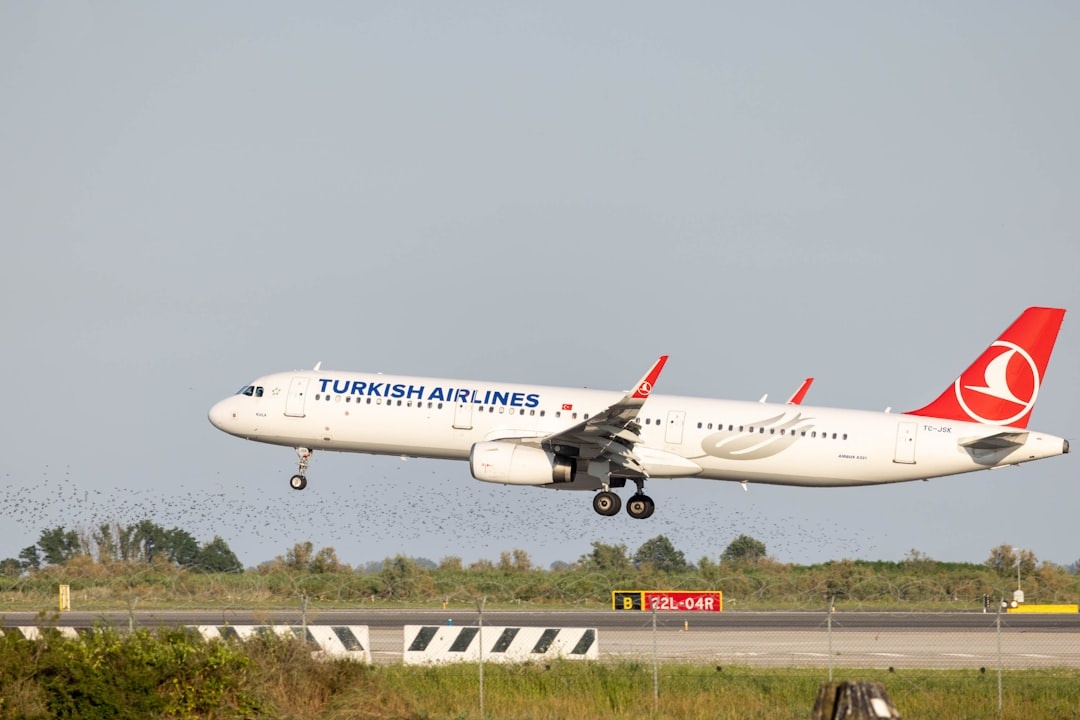
Tech Rules That Prevent 80% of Travel Fights
Most “travel compatibility” blowups are actually information failures. Someone didn’t know the address, the check-in time, the baggage limit, or that the restaurant was closed on Mondays.
Create one shared Google Doc or Wanderlog itinerary with flight numbers, hotel address, cancellation deadlines, and three emergency pivots. Wanderlog is free for basic planning; TripIt Pro costs about $49 per year, which is overkill for a first couple trip unless you travel constantly.
Use Google Maps lists for restaurants, but don’t over-map every hour. A list of eight saved places within 15 minutes is better than one “perfect” dinner across town when both of you are hungry.
- Connectivity: Buy separate eSIMs; a 3–5GB Europe plan usually costs $5–$15, cheaper than most roaming day passes at $10–$12 per day.
- Money: Use Wise or Revolut for card payments; airport exchange desks can be 5–12% worse than mid-market rates.
- Flights: Track fares with Google Flights and set alerts 4–8 weeks out for European weekends.
- Delays: If an EU flight arrives 3+ hours late, compensation can be up to €250–€600 depending on distance; services like AirHelp can check eligibility.
- Weather: Check heat, smoke, and storm risk before booking; Distratech’s piece on what travelers now check before booking is especially relevant for late-summer Europe.
Seasonal Timing: August Drama vs. September Clarity
August is exciting but noisy. Northern Europe is still warm, Iceland is busy but spectacular, the Azores are excellent for whale watching, and festival calendars are stacked. That energy can be romantic — or it can hide incompatibility behind constant stimulation.
September is cleaner for a relationship test. Mediterranean beaches still feel summery, restaurants are less frantic, hotel rates soften, and you’re not making life decisions while sweating through 40°C in Seville or Athens.
If you want an August test, go north. Copenhagen + Malmö works well: the train across the Øresund Bridge takes about 40 minutes and costs roughly $13–$16 one way, while central Copenhagen hotels often run $180–$260 per night in August. It’s pricier than Lisbon but cooler and calmer.
If you want a nature-heavy test, try the Azores in late August or September. Whale-watching tours from Ponta Delgada cost around €60–€75 for 3 hours, car rentals run €35–€70 per day, and flights from Lisbon to São Miguel can be €80–€180 return if booked early. It’s stunning, but weather changes quickly — excellent for testing adaptability.
Skip La Tomatina as a first compatibility trip unless you both actively want chaos. The tomato fight in Buñol on August 26, 2026 is fun, but tickets, lockers, transport from Valencia, crowds, heat, and cleanup create a very specific kind of stress.
Red Flags and Green Flags to Watch For
The trip is not about perfection. Everyone gets tired, snappy, or weird after a bad night’s sleep. Watch the repair, not the glitch.
A green flag is someone who says, “I’m getting overwhelmed; can we sit for 20 minutes?” A red flag is someone who disappears emotionally, mocks your needs, or treats every small inconvenience like betrayal.
| Moment | Green Flag | Red Flag |
|---|---|---|
| Missed train | Checks next option; maybe laughs | Blames you for 30 minutes |
| Restaurant closed | Suggests two nearby backups | Refuses every alternative |
| Budget tension | Talks openly before ordering | Shames your spending or income |
| Heat/crowds | Takes a break and hydrates | Pushes through and gets resentful |
Plan the Trip, Not the Breakup
A relationship-testing getaway should feel like a shared adventure, not a secret exam. Keep it short, choose a destination with easy exits, agree on money upfront, and build in enough friction to learn something useful.
My pick for 2026: Lisbon in September, three nights max, one Sintra day, one beach half-day, one excellent dinner, and one blank afternoon. If you still like each other after hills, heat, train platforms, and a split dinner bill, that’s a better sign than any candlelit cocktail.
Ready to run your own Turbulence Test? Start with dates, budget, and one honest question: “What kind of traveler are you when things don’t go to plan?”
Frequently Asked Questions
How long should a first relationship-testing trip be?
Two to three nights is ideal because it reveals habits around money, sleep, planning, and stress without trapping either person in a long itinerary. A 72-hour city break usually costs $350–$750 per person excluding flights.
What is the best destination for a compatibility trip in Europe?
Lisbon is one of the best starter destinations because airport transport is cheap, day trips are easy, and prices are moderate. The metro from the airport costs €1.85, and trains to Sintra or Cascais cost about €2.40 each way.
Is August a bad time for a couples getaway in Europe?
August can work in northern Europe, the Azores, or Iceland, but southern Europe is often too hot and crowded for a calm first trip. September is usually better around the Mediterranean, with lower hotel rates and temperatures closer to 25–29°C.
How much should couples budget for a weekend compatibility trip?
For a mid-range European weekend, budget €390–€610 per person before flights. That usually covers two hotel nights, local transport, casual meals, one nicer dinner, and one or two paid activities.

About the Author: Tomáš Bzirský
Founder and editor of Distratech. Based in the Czech Republic, travelling regularly from Central Europe. Writes practical travel guides and travel-tech comparisons (eSIM, apps, airports) in six languages.