'/%3E%3Cpath%20fill='%23b2b2b2'%20d='M241%20382q0%2016%2017%2026%2017%2011%2042%2011t42-11q16-11%2017-26V269H241'/%3E%3Cpath%20fill='%239f7e00'%20d='M241%20379q0%2014%208%2023%209%209%2021%209%2014%200%2021-9%209-9%209-23V269h-59'/%3E%3Cpath%20d='M241%20339v-70h59v110q0%2014-9%2023l-6%205v-68h-15v72q-8%200-14-4v-68zm59%2040c0%2022%2015%2032%2029%2032%2021%200%2030-18%2030-32v-40h-59'/%3E%3Cpath%20fill='%239f7e00'%20d='M266%20277v5h2v12h-3v-5h2v-5h-9v5h2v5h-4v9h3v18h-5v10h34v-10h-5v-18h3v-9h-4v-5h2v-5h-9v5h2v5h-3v-12h2v-5zm42%20101q0%2010%206%2017%206%206%2015%207%2010-1%2016-7%206-7%206-17v-29h-43'/%3E%3Ccircle%20fill='%230044ad'%20cx='329.5'%20cy='372'%20r='6'/%3E%3Cellipse%20fill='%230044ad'%20cx='300'%20cy='340'%20rx='16'%20ry='21'/%3E%3C/svg%3E)
'/%3E%3C/svg%3E)


'/%3E%3C/g%3E%3Cuse%20href='%23c'%20transform='matrix(-1%200%200%201%20720%200)'/%3E%3C/svg%3E)


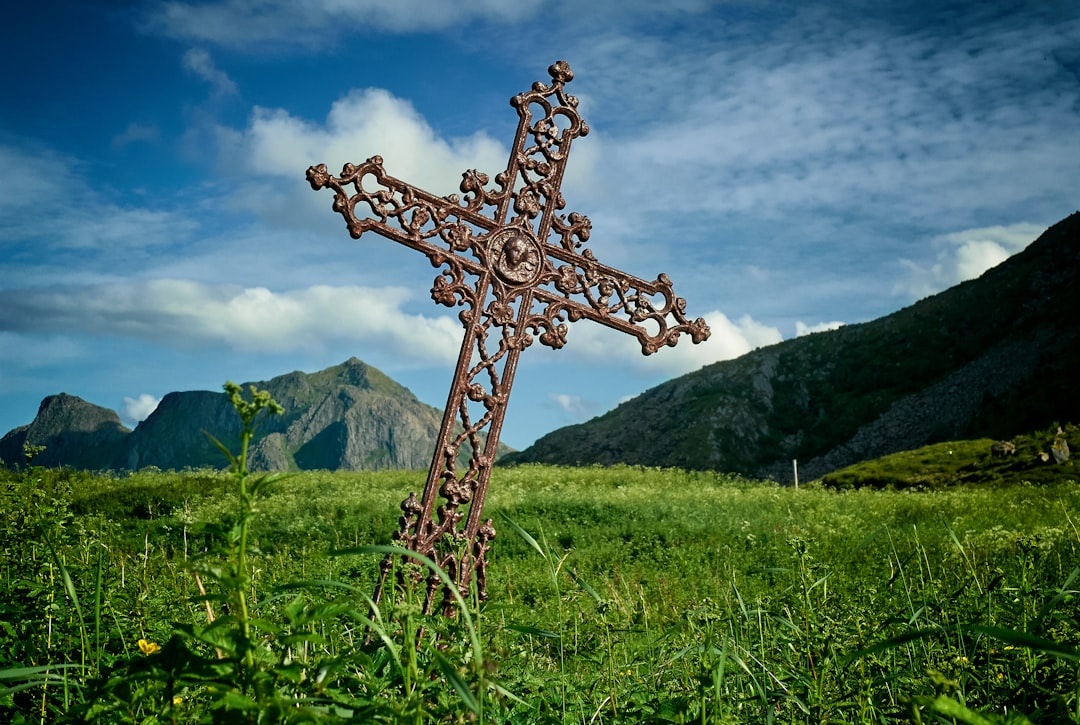
September is the month when Europe quietly becomes a train traveler’s dream: warm platforms instead of heatwave chaos, cheaper advance fares than July, grape harvests rolling through northern Italy and Slovenia, and alpine light that makes airplane windows feel like a terrible compromise. If you want one practical, low-carbon route that proves the point, ride Paris–Milan–Ljubljana: roughly 1,350 km across three countries, no airport security, no checked-bag roulette, and views that start with Burgundy rooftops and end near the Julian Alps.
Key Takeaways
- Paris–Milan direct trains take about 6h40 and start around €39–€59 if booked 8–12 weeks ahead.
- Milan–Ljubljana by train via Trieste costs about €44–€85 and takes 8h20–9h30 with sensible connections.
- Train emissions on Paris–Milan are typically under 10 kg CO₂e versus roughly 120–150 kg CO₂e by air.
- Book Paris–Milan on Trenitalia or SNCF Connect, and Milan–Ljubljana segments on Trenitalia, ÖBB, and SŽ.
- September is ideal because fares soften after summer while weather stays comfortable for station-to-station travel.
Why September Makes This Route Greener — Not Just Prettier
The “greenest” trip is the one you actually take instead of flying, and September makes that easier. Paris–Milan flights can look fast at 1h30 in the air, but city-center to city-center usually lands closer to 5–6 hours after airport transfers, security, boarding buffers, and baggage wait.
The direct train from Paris Gare de Lyon to Milano Centrale takes about 6h40–7h, and you board 10–20 minutes before departure. Compare that with getting from central Paris to Charles de Gaulle: RER B costs €11.80 and takes about 35–45 minutes, while a taxi is fixed at €56–€65 depending on the bank of the Seine.
September matters because trains are still frequent, but the crush of July-August family travel drops. You also avoid peak air-conditioning demand, which sounds minor until you spend €35 on taxis because it’s too hot to walk between stations in August.
It is also wine-harvest season across northern Italy and Slovenia. The route brushes close enough to Piedmont, Veneto, Friuli, and Slovenia’s Vipava Valley that a stopover feels seasonal rather than forced; skip another generic airport lounge and do a glass of Friulano in Trieste instead.
| Segment | Best train time | Typical September fare | Flying alternative | Carbon comparison |
|---|---|---|---|---|
| Paris–Milan | 6h40–7h | €39–€129 | Flight: 1h30 air time, 5–6h real time | Train: ~4–10 kg CO₂e vs flight: ~120–150 kg CO₂e |
| Milan–Ljubljana via Trieste | 8h20–9h30 | €44–€85 | No useful direct flight most days | Train beats car and avoids a connection through another hub |
| Full Paris–Ljubljana route | 15–17h over 2 days | €95–€210 | Flight with connection: often 4h30–7h plus airport time | Train cuts most short-haul aviation emissions |
The Best Route: Paris to Milan, Then Milan to Ljubljana via Trieste
The cleanest routing is Paris Gare de Lyon → Milano Centrale → Venezia Mestre → Trieste Centrale → Ljubljana. It looks like more connections on paper, but it uses strong rail corridors and avoids the messy airport-hop logic of flying Paris to Ljubljana through Frankfurt, Zurich, or Vienna.
Paris to Milan is the anchor. Book direct high-speed trains on Trenitalia for Frecciarossa services or SNCF Connect for TGV INOUI services; fares often open around €39–€59 in 2nd class and can hit €129+ close to departure in September.
For Milan to Ljubljana, I prefer the Trieste routing over the Villach routing if you want reliability and a proper lunch stop. Milan–Venezia Mestre by Frecciarossa or Italo takes about 2h15 and costs €19.90–€54.90; Mestre–Trieste Centrale by Regionale Veloce takes about 2h05 and costs about €16.40 fixed.
Trieste to Ljubljana is the slow, pretty bit: around 2h35–3h, usually €8–€15 depending on operator and booking channel. Check Slovenian Railways, ÖBB, and Trenitalia because cross-border inventory can appear unevenly.
Skip trying to force Paris–Ljubljana into one heroic day unless you enjoy sprinting through stations with a dead phone. Do Paris–Milan on Day 1, sleep in Milan, then ride Milan–Ljubljana on Day 2; the journey becomes pleasant instead of performative.
My Opinionated Route Pick
- Best overall: Paris–Milan direct train, overnight in Milan, then Milan–Trieste–Ljubljana.
- Most scenic: Milan–Verona–Villach–Ljubljana via the Alps, usually €51–€124 and 8h30–10h.
- Cheapest fallback: FlixBus Milan–Ljubljana, €22–€45 and 6h15–7h30, but less comfortable and less romantic.
- Worst idea: Flying Milan–Ljubljana via another hub; it can take 5–8 hours and defeats the point.
How to Book Without Overpaying
Book Paris–Milan first because that is the fare that moves most aggressively. In September 2026, I’d start checking 90–120 days ahead, then buy when you see Paris–Milan under €70; waiting for a mythical €29 fare is how you end up paying €149.
Use official sites before aggregators. Trenitalia and SNCF Connect show the core Paris–Milan fares; Trainline is useful for comparing, but expect small booking fees around €1–€5 depending on basket size.
For Milan–Ljubljana, split the booking. Buy Milan–Venezia Mestre or Milan–Trieste on Trenitalia or Italo, then buy the Trieste–Ljubljana cross-border leg separately through ÖBB or SŽ; this often saves €10–€25 compared with forcing one search engine to solve everything.
Seat reservations are included on Italian Frecciarossa and Italo high-speed trains. On regional trains such as Venezia Mestre–Trieste, there are no reserved seats, so the practical comparison is simple: €16.40 fixed regional fare with flexibility versus €30–€55 high-speed options that may save only 20–30 minutes.
Eurail is not automatically a bargain here. A 4-day Global Pass can cost around $283 in 2nd class, then you still pay mandatory reservations on Paris–Milan, often €30–€35; point-to-point tickets usually win if your total comes in under €180.
Booking Windows That Actually Matter
| Ticket | When to book | Good price | Bad price | Website |
|---|---|---|---|---|
| Paris–Milan high-speed | 8–12 weeks ahead | €39–€70 | €129+ | Trenitalia / SNCF Connect |
| Milan–Venezia Mestre | 3–8 weeks ahead | €19.90–€34.90 | €54.90+ | Trenitalia / Italo |
| Mestre–Trieste regional | Anytime | €16.40 | Same-day price is usually fine | Trenitalia |
| Trieste–Ljubljana | 1–4 weeks ahead | €8–€15 | Sold-out convenient departure | ÖBB / SŽ |
Station-by-Station: What to Eat, Where to Wait, What to Skip
Paris Gare de Lyon is one of Europe’s better departure stations, but it is not where you improvise breakfast at the last second. If you have 90 minutes, Le Train Bleu is the grand Belle Époque move, usually open 11:30–14:30 and 19:00–22:30; mains run about €32–€48, so skip it if you only want a croissant.
For a fast Paris departure, do Eric Kayser or a station bakery instead: coffee and pastry around €6–€9, versus €25+ for a rushed brasserie plate. Gare de Lyon luggage storage through station services or apps like Nannybag/Bounce typically runs €5–€7 per bag per day; a taxi across Paris can be €18–€35, while Metro line transfers are €2.15.
Milano Centrale is majestic but chaotic. Skip the overpriced panini directly beside the platforms and go downstairs/side exit to Mercato Centrale Milano, generally open daily from 07:00 to midnight, where pizza, pasta, and coffee are better value at €8–€16 than a €12 plastic-wrapped sandwich upstairs.
If you overnight in Milan, stay near the station rather than “somewhere cute” two metro lines away. Ostello Bello Grande often has dorms around €45–€70 and private rooms around €130–€190 in September; B&B Hotel Milano Central Station is usually €120–€180 and saves you a 06:30 taxi.
Trieste is the secret reward of this route. If your connection is 90 minutes or longer, walk 12–15 minutes to Buffet da Pepi, usually open around 10:00–22:30, for boiled pork, mustard, and kren; lunch can be €12–€20, compared with €6–€9 for a forgettable station focaccia.
Ljubljana station is a 10-minute walk from the old town, which is exactly why flying here feels silly. A taxi from the station to Prešeren Square is often €6–€10, but walking is free and faster if streets are busy; local buses cost about €1.30 with an Urbana card or contactless options where available.
For a first night in Ljubljana, I’d rather stay central than chase a suburban discount. Browse hotels in Ljubljana near the river or station; September doubles often run €110–€180, while hostels such as Hostel Celica can be €35–€60 for dorm beds.
If Slovenia becomes more than a one-night stop, pair Ljubljana with the caves, wine valleys, and alpine lakes in this guide to Slovenia’s lesser-known places beyond the obvious stops. September is especially good because Lake Bled crowds thin while the Soča Valley still has warm afternoons.
Tech Setup for a No-Fly Train Crossing
Do not rely on one app. My minimum stack is SNCF Connect, Trenitalia, ÖBB, DB Navigator for live platform intelligence, SŽ Potniški for Slovenia, and Google Maps or Organic Maps for station exits.
DB Navigator is often better at showing delays across borders even when you are not riding a German train. The comparison is brutal: missing a connection because you waited for a station board can cost €20–€60 in new tickets, while checking live platforms uses almost no data.
For mobile data, use an eSIM if your home plan punishes roaming. Airalo Europe plans often start around $5 for 1 GB for 7 days, while Nomad commonly has regional Europe plans in the $6–$12 range for light use; compare that with €10–€15 day-pass roaming from many US carriers.
Download PDFs of every ticket. Paris–Milan conductors scan QR codes quickly, but cross-border regional trains can still feel old-school; a printed backup costs €0.20–€0.50 at a hotel desk and is worth it if your phone battery dies outside Trieste.
Carry a 20,000 mAh power bank, not the tiny lipstick one. A full travel day with maps, camera, train apps, and hotspotting can drain an iPhone from 100% to 15% by late afternoon; a proper power bank costs $25–$40 and saves you from guarding the one working outlet in a carriage.
September Timing: The Shoulder-Season Sweet Spot
September is Europe’s shoulder-season gold, but not every day is equal. Aim for Tuesday to Thursday departures; Paris–Milan trains can be €20–€50 cheaper midweek than Friday or Sunday, when city breaks and business travel collide.
Weather is ideal for this specific corridor. Paris and Milan often sit in the low-to-mid 20s°C in September, while Ljubljana starts getting crisp evenings; that means walking between stations and hotels is realistic, unlike August when a €12 metro/taxi combo suddenly looks tempting.
Book around big events. Milan Fashion Week usually hits late September, and room rates near Centrale can jump from €140 to €260+; Oktoberfest in Munich does not sit on this route, but it distorts regional train and hotel demand across the Alps from mid-September into early October.
Ljubljana’s Odprta Kuhna open-air food market usually runs Fridays from spring through October, commonly around 10:00–21:00 depending on weather. If you can arrive Thursday night or Friday morning, it is far better than a rushed airport-arrival dinner: €8–€14 buys proper local dishes rather than a €9 sandwich in plastic.
Sample 2-Day No-Fly Itinerary and Budget
Day 1: Leave Paris Gare de Lyon in the morning, arrive Milano Centrale mid-afternoon, then eat early at Mercato Centrale. If you want a real Milan moment, take Metro M3 to Duomo; a single ticket is €2.20, versus €12–€18 by taxi from Centrale.
Day 2: Ride Milan to Venezia Mestre, continue to Trieste, take a lunch break if the timetable allows, then board the cross-border train to Ljubljana. Arrive early evening, walk to the old town, and have dinner at Druga Violina, where mains often sit around €9–€15 and the central location beats a cab ride to a trendier suburb.
| Item | Budget traveler | Comfort traveler |
|---|---|---|
| Paris–Milan train | €49 | €89 |
| Milan hotel | €55 dorm | €150 private room |
| Milan–Ljubljana trains | €44 | €85 |
| Food over 2 days | €45 | €90 |
| Local transport | €6 | €25 |
| Total | €199 | €439 |
Final Verdict: Skip the Airport, Build the Trip Around the Rails
Paris–Milan–Ljubljana is not the fastest possible line on a map, but in September it is one of the smartest low-carbon crossings in Europe. You get competitive fares, comfortable weather, harvest-season stopovers, and a route where the journey adds value instead of stealing a day.
My rule: book Paris–Milan as soon as it drops below €70, split the Milan–Ljubljana legs, sleep near Milano Centrale, and give Trieste enough buffer to eat something memorable. If you are planning a September Europe trip, start with the train timetable before you even open a flight search tab.
CTA: Price the Paris–Milan leg today on Trenitalia and SNCF Connect, then build the Ljubljana connection around Trieste — your wallet, your carbon footprint, and your camera roll will all come out ahead.
Frequently Asked Questions
How much does the Paris to Milan to Ljubljana train trip cost?
Expect about €95–€210 for train tickets if booked ahead: €39–€129 for Paris–Milan and €44–€85 for Milan–Ljubljana via Trieste. Add €55–€180 for an overnight stay in Milan depending on hostel versus hotel.
How long does it take to travel from Paris to Ljubljana by train via Milan?
The full route takes about 15–17 hours of train time, best split over two days. Paris–Milan is around 6h40–7h, while Milan–Ljubljana via Trieste takes about 8h20–9h30 with connections.
Is September a good month to travel Europe by train?
Yes — September is one of the best months because the weather is still warm, summer crowds drop, and advance fares are often lower than July or August. Midweek trains can be €20–€50 cheaper than Friday or Sunday departures.
Should I buy a Eurail Pass for Paris–Milan–Ljubljana?
Usually no, unless this is part of a longer multi-country rail trip. Point-to-point tickets can total under €180, while a 4-day Eurail Global Pass costs around $283 plus mandatory Paris–Milan reservations of about €30–€35.

About the Author: Tomáš Bzirský
Founder and editor of Distratech. Based in the Czech Republic, travelling regularly from Central Europe. Writes practical travel guides and travel-tech comparisons (eSIM, apps, airports) in six languages.