September is the Alps’ pricing sweet spot: warm valleys, quieter trails and mountain beds that have not yet switched to ski-season rates. Starting from Vienna, I priced three Friday-to-Sunday trips for 18–20 September 2026—and all three stay below €300 without renting a car.
Key Takeaways
- The High Tatras are cheapest at approximately €190 for two nights, versus €212 in Bohinj and €251 in Innsbruck.
- Bohinj offers the best scenery-to-effort ratio: a 12.5 km gorge-and-waterfall hike gains only 430 vertical meters.
- Innsbruck has the fastest journey at 4 hours 15 minutes, but lodging costs roughly €45 per night in a dorm.
- Book ÖBB Sparschiene fares 4–8 weeks ahead; flexible tickets can add €50–€100 to a weekend.
- Estimated return-journey emissions range from 23 to 32 kg CO₂e by train, compared with 150–210 kg for a solo petrol car.
Price note: The figures below are sample fares and bookable rates checked for September 2026 travel, rounded to the nearest euro. USD equivalents use a planning conversion of €1 = US$1.15; transport and accommodation prices fluctuate, so confirm them before paying.
Key Numbers at a Glance
| Weekend | Rail distance from Vienna | Fastest practical journey | Return train fare | Two-night lodging | Estimated total | Rail CO₂e return |
|---|---|---|---|---|---|---|
| Julian Alps, Slovenia | Approximately 485 km each way | 6 hr 20 min | €59.80 / $69 | €68 / $78 | €212 / $244 | 27 kg |
| High Tatras, Slovakia | Approximately 450 km each way | 4 hr 40 min | €49.80 / $57 | €64 / $74 | €190 / $219 | 23 kg |
| Austrian Tyrol | Approximately 572 km each way | 4 hr 15 min | €69.80 / $80 | €90 / $104 | €251 / $289 | 32 kg |
These totals assume one traveler, two dormitory nights, advance-purchase rail tickets, one restaurant meal per day and supermarket breakfasts. A private room changes the ranking: expect roughly €105–€150 for two nights in the High Tatras, €130–€180 in Bohinj and €170–€240 in Innsbruck.
The important pricing flip is that September no longer guarantees cheap accommodation everywhere. Innsbruck retains high city-break demand, while Bohinj and the Tatras still deliver a genuine shoulder-season discount of roughly 15–30% against their July and August room rates.
How the Comparison Works
Vienna is the common starting point because it has direct or one-change rail access to all three regions. Comparing a Ljubljana departure with a Kraków departure would make the destination ranking meaningless.
Each itinerary leaves after work on Friday where practical, includes a substantial Saturday hike and returns Sunday. Trail distances come from signed routes and mapped GPX tracks; rail distances are approximate operating distances rather than straight-line measurements.
How I calculated carbon emissions
The rail estimates use an average of 28 grams of CO₂e per passenger-kilometer, including electricity-generation emissions. That produces 23–32 kg CO₂e for these round trips; the same journeys in a solo petrol car, calculated at 171 grams per vehicle-kilometer, produce approximately 154–196 kg before parking and mountain detours.
| Route, September 2026 | Train CO₂e return | Solo petrol car CO₂e | Estimated saving | Driving time each way |
|---|---|---|---|---|
| Vienna–Bohinj | 27 kg | 166 kg | 139 kg, or 84% | 5 hr 10 min plus stops |
| Vienna–Starý Smokovec | 23 kg | 154 kg | 131 kg, or 85% | 4 hr 25 min plus stops |
| Vienna–Innsbruck | 32 kg | 196 kg | 164 kg, or 84% | 5 hr 20 min plus stops |
Train occupancy, traction type and car efficiency can move those numbers by 20% or more. The useful conclusion is the scale, not the final decimal: rail cuts the transport footprint by roughly five-sixths while removing fuel, toll and parking charges.
1. Julian Alps: Best Landscape-to-Effort Ratio
Choose Bohinj if you want lake views, a proper waterfall hike and the quietest atmosphere of the three. Skip Bled for this weekend: it is easier to photograph, but Bohinj has better trail access and fewer tour buses.
Getting from Vienna to Bohinj
Book Vienna–Bohinjska Bistrica through ÖBB, checking the same journey on Slovenske železnice before paying. A typical connection runs Wien Hauptbahnhof–Villach–Jesenice–Bohinjska Bistrica in 6 hours 20 minutes to 7 hours, with Sparschiene fares from €29.90 each way.
Some planners route travelers through Ljubljana, adding 60–90 minutes. Skip that unless the fare is at least €15 cheaper; the Jesenice route is more scenic and deposits you directly on the Bohinj railway.
From Bohinjska Bistrica, the regional bus to Ribčev Laz or Stara Fužina costs approximately €2–€4 and takes 15–25 minutes. A taxi costs about €22 for the same trip, saving barely ten minutes.
The hike: Mostnica Gorge and Voje Waterfall
Start in Stara Fužina and follow the signed path through Mostnica Gorge to the Voje Valley and Slap Mostnice. The return route is approximately 12.5 km, gains 430 meters and takes four to five hours at a relaxed pace.
I rate it moderate, primarily because of slippery limestone and exposed edges near the gorge—not because of sustained climbing. By comparison, the Tatras itinerary gains about 570 meters over a similar distance and feels substantially rockier.
- Trailhead: Stara Fužina, approximately 2 km from Ribčev Laz.
- Gorge fee: approximately €4 per adult in September 2026.
- Typical September booth hours: 8:00 a.m.–6:00 p.m.; access outside staffed hours can vary.
- Water refill: Stara Fužina and the Voje hut area; treat untreated stream water.
- Bad-weather alternative: Walk the 11 km northern shore of Lake Bohinj instead.
Do not make Savica Waterfall your only hike. Its 20-minute stair climb ends at a fenced viewpoint, while Mostnica delivers four hours of forest, gorge and open-valley scenery for nearly the same admission price.
September weather
Bohinj’s valley temperatures typically range from 9°C in the morning to 20°C in the afternoon. September averages around 10–12 days with measurable rain, and thunderstorms remain possible after 2:00 p.m.
The advantage over the Tatras is warmth: expect Bohinj to be roughly 3–5°C milder at valley level. The disadvantage is moisture—wooden bridges and polished rock can remain slick long after rain stops.
Where to sleep and eat
Hostel pod Voglom is the value pick when dorm beds are available, commonly €32–€38 per night in September. It sits beside Lake Bohinj and usually requires a bus from the railway station, but waking up on the lakeshore is worth the transfer.
If you want a private room, search once for hotels in Bohinjska Bistrica, then compare the property’s direct rate. Staying near the station can cut €8–€16 in weekend bus costs, though it sacrifices the lake-at-dawn experience.
Eat at Gostilnica Štrud’l in Bohinjska Bistrica for buckwheat dumplings, sausage and štruklji; allow €16–€23 for a main course and drink. Published hours commonly run from noon into the evening, with one weekly closing day, so check Google Maps or call on Friday.
Skip the €18 lakeside pizza-and-beer combination. Buy breakfast at Mercator for €6 and spend the difference on a proper Slovenian dinner.
Julian Alps budget
| Item | September 2026 cost |
|---|---|
| Vienna–Bohinj return rail fare | €59.80 |
| Local buses | €8 |
| Two dormitory nights | €68 |
| Food and drinks | €72 |
| Mostnica Gorge admission | €4 |
| Total | €211.80 / approximately $244 |
2. High Tatras: Cheapest and Most Efficient
Choose the High Tatras if your priority is maximum mountain time per euro. The combination of inexpensive lodging and the Tatra Electric Railway makes this the strongest all-round budget option.
Getting from Vienna to Starý Smokovec
Take a Railjet or regional connection from Vienna to Bratislava, continue to Poprad-Tatry and transfer to the narrow-gauge Tatra Electric Railway, known locally as the TEŽ. The complete trip to Starý Smokovec takes approximately 4 hours 40 minutes to 5 hours 20 minutes.
Advance fares begin around €24.90 each way, although €29.90–€39.90 is more common close to departure. Compare ÖBB with ZSSK; one operator may display a through fare that the other splits into separate tickets.
A multi-day TEŽ ticket costs about €8, versus roughly €2 per individual journey. It covers the practical triangle between Poprad-Tatry, Starý Smokovec, Štrbské Pleso and Tatranská Lomnica, making a rental car actively less convenient.
The hike: Hrebienok, Rainer’s Hut and Zamkovský Hut
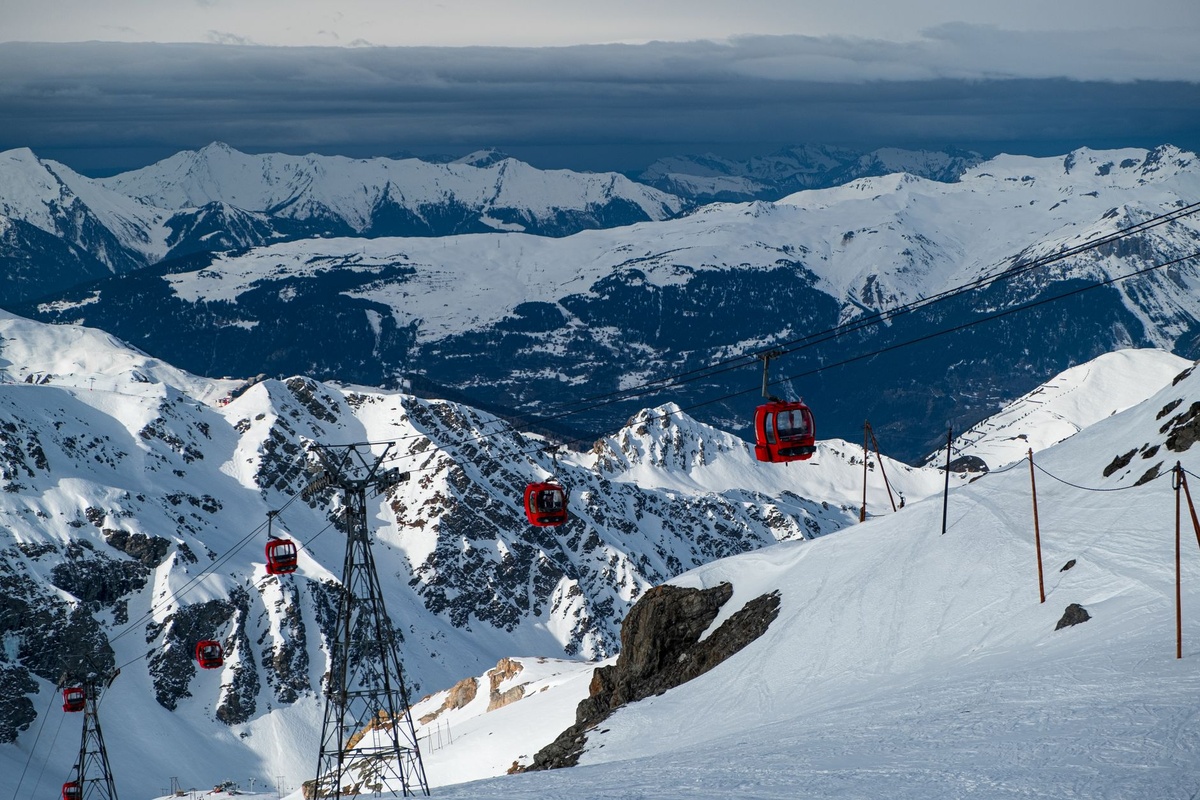
Walk from Starý Smokovec to Hrebienok, continue past Rainerova chata and the waterfalls of Studený potok, then climb to Zamkovského chata. Returning by the same route produces a hike of about 12 km with 570 meters of ascent, taking 4.5–5 hours.
The route is moderate in dry weather and difficult when wet. Granite blocks make the descent slower than Bohinj’s forest path, while the exposed upper section feels colder than its 1,475-meter elevation suggests.
The Starý Smokovec–Hrebienok funicular cuts roughly 250 vertical meters. A return ticket generally costs around €15–€17 through Gopass; skip it unless the weather turns or your knees object, because walking keeps the full weekend below €200.
Rainer’s Hut is generally open during daytime hiking hours, while Zamkovský Hut often serves food into late afternoon. Carry cash: a soup or plate of dumplings costs approximately €6–€10, but card terminals can fail in poor reception.
September weather
Starý Smokovec averages approximately 6°C at night and 16°C by day in September. Above 1,500 meters, wind chill can push the effective temperature close to freezing, even when Poprad is sunny.
Early snow is uncommon but plausible on higher passes. The route to Zamkovský Hut usually remains practical, while exposed itineraries such as Rysy demand a much better forecast, more equipment and an earlier start.
Use the Slovak Hydrometeorological Institute forecast alongside Mountain-Forecast. A generic phone weather app may show Poprad conditions, which can be 7–10°C warmer than the ridge.
Where to sleep and eat
Budget guesthouses in Nový Smokovec and shared rooms around Starý Smokovec start near €30–€36 per night in September. Staying in Poprad can save €8 nightly, but it adds approximately 35 minutes of electric-rail travel each morning.
Pay the small premium to stay in the mountains. A €64 two-night room or dorm near Starý Smokovec beats a €48 Poprad bed once early starts and four extra train segments are considered.
Koliba Kamzík is my dinner choice for bryndzové halušky, garlic soup and dark beer; budget €18–€24. It commonly operates from late morning until around 10:00 p.m., but verify the September schedule because private events sometimes affect service.
Skip hotel buffet dinners priced at €25–€35. The supermarket in Starý Smokovec can cover breakfast and trail food for €8–€11 per day.
High Tatras budget
| Item | September 2026 cost |
|---|---|
| Vienna–Poprad return rail fare | €49.80 |
| Three-day TEŽ transport | €8 |
| Two nights near Starý Smokovec | €64 |
| Food and drinks | €66 |
| Trail admission | €0 |
| Contingency | €2 |
| Total | €189.80 / approximately $219 |
Add €16 for the Hrebienok funicular and the weekend still costs only about €206. That remains €45 below Tyrol’s no-cable-car plan.
3. Austrian Tyrol: Easiest Journey, Highest Prices
Choose Innsbruck if you have less than 48 hours, dislike complicated transfers or want city restaurants after hiking. It offers the smoothest logistics, but Austria’s lodging costs make it the weakest pure-value option.
Getting from Vienna to Innsbruck
Direct ÖBB Railjets connect Wien Hauptbahnhof and Innsbruck Hauptbahnhof in approximately 4 hours 15 minutes. Sparschiene tickets start at €34.90 each way; flexible standard fares can exceed €80 one way.
The direct train beats driving, which takes roughly 5 hours 20 minutes before breaks and can involve Austrian motorway-vignette costs. It also avoids weekend congestion around Salzburg and the German border corridor.
September 18–20 overlaps with the opening weekend of Munich’s Oktoberfest in 2026. Although Innsbruck is not Munich, westbound trains through Salzburg can be busy, so reserve a specific seat for approximately €3 rather than standing beside the luggage racks.
The hike: Hungerburg, Arzler Alm and Höttinger Alm
Take Innsbruck’s J bus or Hungerburgbahn to Hungerburg, then hike to Arzler Alm and continue toward Höttinger Alm before looping back. Depending on the junctions used, the circuit covers approximately 10.5–12 km, gains 550–650 meters and takes four to five hours.
The route is moderate, with good surfaces but more sustained climbing than Bohinj. It lacks the High Tatras’ boulder fields, making it the safest of the three immediately after light rain.
Skip the full Nordkette cable-car excursion if the goal is a sub-€300 weekend. A return to the upper stations can consume roughly €45–€55—almost the entire High Tatras lodging budget—while the free contour trails still provide broad views over Innsbruck.
Arzler Alm generally opens from late morning into the evening during the hiking season; order Kaspressknödelsuppe for about €8–€10. Mountain-hut closing days change outside peak summer, so verify hours before relying on the kitchen.
September weather
Innsbruck typically sees September lows around 9°C and highs near 20°C. That matches Bohinj at valley level, but south-facing slopes above the city can feel significantly warmer at midday.
Afternoon storms are less frequent than in July, yet the Nordkette can disappear into cloud within 20 minutes. Start by 8:30 a.m.; compared with an 11:00 a.m. departure, you gain cooler climbing temperatures and a much safer weather margin.
Where to sleep and eat
Hostel Marmota is usually among the city’s better-value beds, with September dorms around €42–€50 per night. It is outside the historic center, but buses reduce the trip to approximately 15 minutes versus a 35-minute walk.
Check whether your accommodation provides an Innsbruck Welcome Card. Participating properties often require a two- or three-night stay, so a Friday-to-Sunday booking may qualify, but inclusions and minimum stays vary.
For dinner, Stiftskeller offers central convenience and Tyrolean standards at roughly €18–€25 for a main. For better cooking and a higher bill, Die Wilderin is the move; mains commonly land around €26–€38, which is hard to justify on this budget.
Skip Maria-Theresien-Straße’s most visible tourist terraces. Walk ten minutes toward the university district, where a pizza or daily special costs €12–€16 instead of €20–€25.
Austrian Tyrol budget
| Item | September 2026 cost |
|---|---|
| Vienna–Innsbruck return rail fare | €69.80 |
| Seat reservations | €6 |
| Local buses and trams | €12 |
| Two dormitory nights | €90 |
| Food and drinks | €70 |
| Tourist tax or contingency | €4 |
| Total | €251.80 / approximately $290 |
The plan leaves only €48 below the ceiling. One cable-car ticket and a private room can push the same weekend beyond €350, so Tyrol demands earlier booking than either Slovenia or Slovakia.
Weather and Trail Difficulty Compared
| Destination | Typical September low/high | Primary hike | Distance | Elevation gain | Difficulty |
|---|---|---|---|---|---|
| Bohinj | 9°C / 20°C | Mostnica Gorge–Voje | 12.5 km | 430 m | Moderate; slippery edges |
| Starý Smokovec | 6°C / 16°C | Zamkovský Hut return | 12 km | 570 m | Moderate; rocky |
| Innsbruck | 9°C / 20°C | Arzler Alm–Höttinger Alm | 10.5–12 km | 550–650 m | Moderate; sustained ascent |
Bohinj wins for casual hikers. It offers the lowest elevation gain and the most varied scenery, although wet limestone requires concentration.
The High Tatras win for mountain character. The route feels wilder and more alpine at a lower cost, but September temperatures can be 5–10°C colder than the valley forecast suggests.
Tyrol wins for weather flexibility. If cloud closes the mountain, Innsbruck still offers museums, cafés and a walkable old town; a wet day in Bohinj or Starý Smokovec provides fewer compelling substitutes.
My Verdict: Which Weekend Should You Choose?
- Choose the High Tatras for the best overall value. At approximately €190, it is €22 cheaper than Bohinj and €62 cheaper than Innsbruck, with excellent rail-based trail access.
- Choose the Julian Alps for scenery without punishing elevation. Bohinj is the better first alpine weekend and the strongest option for photographers.
- Choose Tyrol for maximum convenience. The direct train is 25 minutes faster than reaching Starý Smokovec and more than two hours faster than Bohinj.
- Choose Bohinj after sustained dry weather. Mostnica Gorge is less enjoyable on slick limestone, while Tyrol’s broad forest roads tolerate light rain better.
- Choose Innsbruck if your return time is non-negotiable. Direct trains reduce missed-connection risk compared with the two or three changes required for Bohinj.
My personal pick is the High Tatras. Saving €62 versus Innsbruck buys a funicular ride, two hut lunches and still leaves change, while the TEŽ railway is one of Europe’s best examples of car-free mountain infrastructure.
A Costed Friday-to-Sunday Plan
Friday: Travel and check-in
Take an afternoon train from Vienna and carry dinner rather than buying it onboard. A supermarket sandwich, fruit and drink cost €7–€10, versus €15–€22 for a dining-car meal.
Check in before 9:00 p.m. where possible. Small Bohinj and Tatra properties may charge €10–€20 for late arrival or require key-box instructions sent by email.
Saturday: Main hike
Start between 8:00 and 8:30 a.m., carrying 1.5 liters of water, a waterproof shell and offline mapping. Budget €8–€12 for a mountain-hut lunch, compared with €3–€6 for packed supermarket food.
Return before sunset and spend €18–€24 on the weekend’s one substantial restaurant dinner. Mid-September gives roughly 12.5 hours of daylight, but forested descents become dark earlier.
Sunday: Short walk and return
Use Sunday morning for a 5–8 km low-level walk rather than another summit. In Bohinj, follow the lake shore; in the Tatras, ride to Štrbské Pleso; in Innsbruck, walk the Inn and old town.
Book a return train after 1:00 p.m. A 10:00 a.m. departure saves little money but turns a two-night weekend into one usable day.
Booking and Tech Setup
Install the operator’s app before leaving: ÖBB for Austrian and international tickets, ZSSK’s Ideme vlakom for Slovakia and Gopass for the Hrebienok funicular. Screenshots are useful, but some discounted tickets must still be shown inside the original app with the passenger’s ID.
For trails, Mapy.com has particularly good Slovak and Slovenian hiking coverage, while Bergfex is stronger in Austria. Download the entire region offline; mountain reception can disappear within 2 km of the trailhead.
Save accommodation access codes somewhere available offline. If the code arrives through Gmail while roaming, the Gmail 2FA copy-code shortcut for travelers can reduce the usual switching between email, password manager and booking app.
Travelers planning a second September rail escape can compare these costs with our car-free Tuscany weekend under €350. Tuscany costs more, but wine-harvest season makes September particularly rewarding.
Common Mistakes That Break the €300 Budget
- Waiting for a forecast before booking rail: A €29.90 Sparschiene ticket can become an €80 flexible fare; book early and treat rain as a routing problem.
- Choosing a cheap bed far from the trail: Saving €10 in Poprad can cost 70 minutes of daily commuting.
- Adding cable cars automatically: Tyrol’s uplift can cost €45–€55, compared with €0 to walk from Hungerburg.
- Trusting valley temperatures: Pack for 5°C and wind even when Innsbruck or Poprad forecasts 20°C.
- Ignoring closing days: Mountain huts and family restaurants often close one weekday or shorten hours after August.
- Taking the last connection: A 15-minute delay at Villach or Jesenice can create a two-hour wait; keep at least 20–30 minutes between separate tickets.
- Buying every segment independently: Through fares can be €10–€30 cheaper and offer better passenger protection after delays.
Final Recommendation
September really is the best month for most European mountain destinations: trails remain open, afternoons are often warm and summer crowds have thinned. The qualification is price—Innsbruck no longer behaves like a cheap shoulder-season destination, while Bohinj and the High Tatras still do.
Book the High Tatras for value, Bohinj for accessible beauty or Innsbruck for a frictionless direct journey. Pick your weekend, reserve the train first and download the trail map before chasing a cheaper bed somewhere inconvenient.
Frequently Asked Questions
Can you visit the Alps for under €300 without a car?
Yes. From Vienna, two-night September weekends cost approximately €190 in the High Tatras, €212 in Bohinj and €251 in Innsbruck when using advance train fares and dormitory lodging.
Which car-free Alpine destination is cheapest?
The High Tatras are cheapest in this comparison at about €190 for transport, two nights, food and local trains. Bohinj costs roughly €22 more, while Innsbruck costs about €62 more.
Is September a good month for hiking in the Alps?
Yes, particularly during the first three weeks, when lower and mid-altitude trails are generally open and valleys reach 16–20°C. Carry layers because the High Tatras can approach freezing above 1,500 meters.
Which destination has the easiest hiking?
Bohinj has the easiest featured route: Mostnica Gorge and Voje Waterfall cover 12.5 km with 430 meters of ascent. The Tatras and Tyrol routes gain approximately 570–650 meters.
How far ahead should I book Alpine train tickets?
Book 4–8 weeks ahead for September weekends, especially Vienna–Innsbruck around Oktoberfest. Advance fares start near €25–€35 each way, while flexible tickets can exceed €80.

About the Author: Tomáš Bzirský
Founder and editor of Distratech. Based in the Czech Republic, travelling regularly from Central Europe. Writes practical travel guides and travel-tech comparisons (eSIM, apps, airports) in six languages.