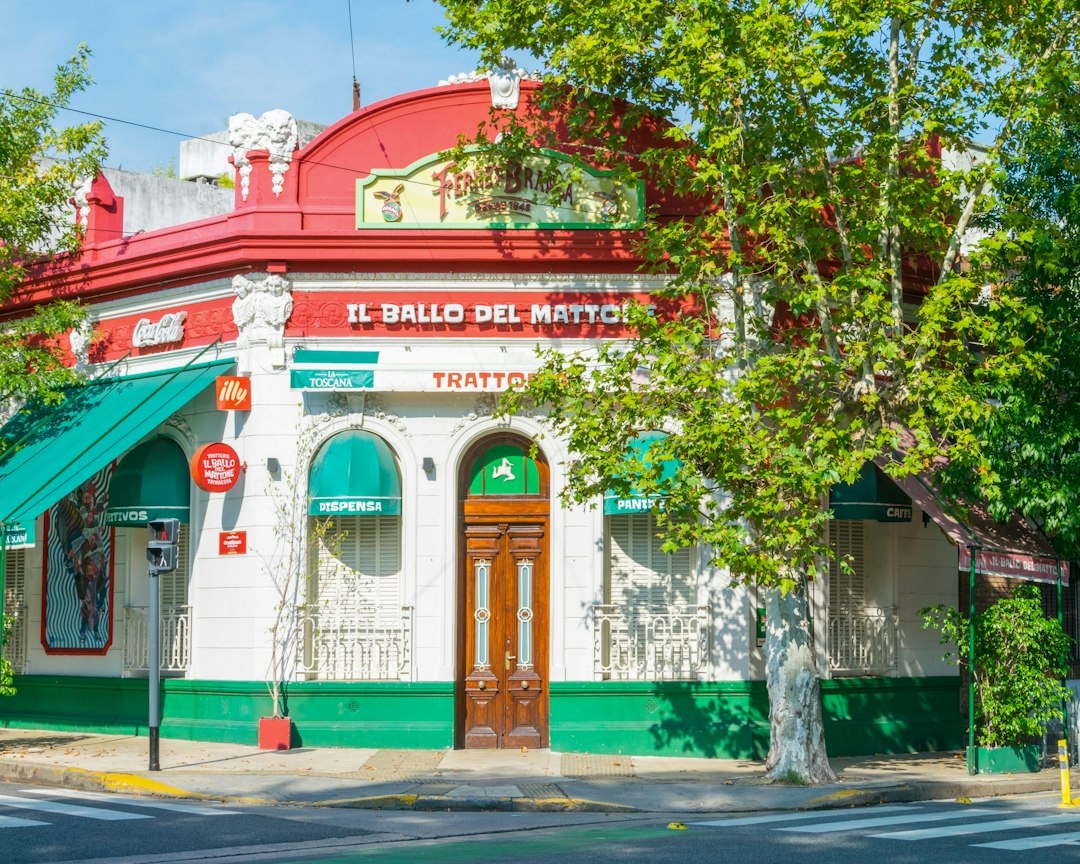
September is Buenos Aires at its most useful: daytime temperatures hover around 18°C, tables are easier to book than in peak summer, and five days of eating can cost less than two tasting menus in Paris. The catch is timing—Argentina’s late dinners, Sunday market calendar, fast-changing prices, and occasional spring rain reward a carefully sequenced route.
Key Takeaways
- Budget €215–€330 for five days of food and city transport, excluding accommodation and airport transfers.
- Book Don Julio 30–60 days ahead and request a counter seat or half portions when dining solo.
- Build the route around a Sunday: the Feria de Mataderos normally operates Sundays from about 11:00 to 18:00, weather permitting.
- September averages roughly 18°C by day and 11°C at night, with about eight rainy days.
- Use Cabify after late dinners: a 4 km ride typically costs €4–€7 versus under €1 by bus.
Key Numbers at a Glance
The prices below are September 2026 planning figures converted at approximately €1 = ARS 1,900 and €1 = US$1.16. Argentine menu prices and exchange rates move quickly, so treat the peso figures as snapshots and verify them on the restaurant’s booking page or Instagram account before traveling.
| Item | September 2026 price | Time or distance | Best choice |
|---|---|---|---|
| Casual breakfast | €4–€7 / US$5–$8 | 30–45 minutes | Neighborhood café, not hotel breakfast |
| Empanada | €1.80–€3 / US$2–$3.50 | One is a snack; two or three make lunch | La Cocina or El Hornero |
| Parrilla dinner with wine | €35–€85 / US$41–$99 | 90–150 minutes | La Carnicería for value; Don Julio for the splurge |
| Subte or bus ride | €0.35–€0.80 / US$0.40–$0.95 | 20–50 minutes | Use a SUBE card |
| Cabify within central districts | €4–€10 / US$5–$12 | 10–30 minutes | Best after 22:30 |
| Ezeiza to Palermo | €18 shuttle; €25–€38 Cabify | 32–38 km; 45–90 minutes | Shuttle solo, Cabify for late arrival |
| Midrange hotel | €75–€145 nightly | Palermo or Recoleta | Palermo for this food route |
Step 1: Choose the Right Five Days
Run this itinerary from Thursday through Monday. That places Mercado de Belgrano on Saturday, Feria de Mataderos on Sunday, and the hardest parrilla reservation on Sunday evening without sacrificing restaurants that close early in the week.
In September 2026, Sundays fall on September 6, 13, 20, and 27. The city officially enters spring around September 21, but even early September is pleasant enough for outdoor lunches when the sun is out.
A simple decision framework
- Choose Thursday–Monday if food markets and a Sunday feria are your priorities.
- Choose Tuesday–Saturday if you want maximum restaurant availability and do not care about Feria de Mataderos.
- Choose Palermo Soho as your base if you expect to take Cabify home after dinner; most rides on this route stay below €8.
- Choose Recoleta if quieter nights and museums matter more than walking to restaurants.
- Skip Microcentro as a base: weekday transport is convenient, but many blocks empty after office hours and late-night rides become unavoidable.
Palermo cuts the combined travel time to La Carnicería, Don Julio, Chacarita and Villa Crespo by roughly 60–90 minutes over five days compared with San Telmo. Browse hotels in Buenos Aires, but filter by Palermo Soho, Palermo Hollywood or Plaza Italia rather than relying on the broad city map.
Mine Hotel Boutique is a dependable midrange choice near Plaza Serrano, generally €125–€170 a night in September. Budget travelers should compare that with a private room at PH Palermo Hostel, often €45–€65, or a dorm bed around €20–€28.
Step 2: Reserve the Parrillas Before Anything Else
Don Julio is the itinerary’s booking bottleneck, not the flights. Its online tables can disappear weeks ahead, while La Carnicería is often obtainable 7–14 days out and traditional neighborhood parrillas may accept walk-ins.
| Restaurant | Typical solo dinner, September 2026 | Booking lead time | Typical hours | Best for |
|---|---|---|---|---|
| Don Julio, Palermo | €65–€90 / US$75–$105 | 30–60 days | Daily, roughly 11:30–16:00 and 19:00–01:00 | Destination steak and cellar |
| La Carnicería, Palermo | €35–€50 / US$41–$58 | 7–14 days | Usually dinner from 19:30; lunch on selected days | Creative cooking and smaller room |
| Parrilla Peña, Congreso | €20–€32 / US$23–$37 | Walk-in | Generally lunch and dinner Monday–Saturday | Old-school value |
| La Brigada, San Telmo | €40–€65 / US$46–$75 | 3–10 days | Daily lunch and dinner | Traditional atmosphere |
Reserve Don Julio through parrilladonjulio.com. Book the earliest dinner slot—around 19:00 or 19:30—because staff have more flexibility to seat one person at the counter, and you avoid finishing a heavy meal after midnight.
For La Carnicería, check its current booking link through the restaurant’s official Instagram profile. Opening days change more often than at Don Julio, so do not trust an old blog post or a saved Google Maps schedule without confirming.
Skip ordering two full meat courses alone. At Don Julio, choose one cut such as entraña or bife de chorizo, add a tomato or seasonal vegetable side, and order wine by the glass. A large steak can exceed 500 grams; one main plus a side is already more food than a European two-course dinner.
Step 3: Use This Five-Day Solo Food Route
Day 1, Thursday: Palermo Coffee, Empanadas and La Carnicería
Keep the first day within a 3.5 km Palermo loop. Start around 09:30 at LAB Tostadores de Café on Humboldt, where espresso costs about €2, a flat white €3–€4, and breakfast with toast or pastry €6–€9.
LAB generally opens around 08:00 on weekdays, but confirm the specific branch on Google Maps. Compared with a €14–€20 hotel buffet, a proper neighborhood coffee breakfast saves at least €8 and leaves room for lunch.
Walk 20 minutes toward Palermo Soho and stop at Chori for a modern choripán. Expect €7–€10 for a sandwich and drink; the classic pork sausage version is richer than it looks, so there is no need to add fries before a parrilla dinner.
Spend the afternoon walking the low-rise streets around Plaza Serrano and Plaza Armenia. This is not just sightseeing: a 3 km walk between meals is more useful than squeezing in another medialuna because dinner starts late.
Book La Carnicería for 19:30 or 20:00. A meat course, vegetables, dessert and one or two glasses of wine should land around €38–€50 including a 10% tip.
La Carnicería is more solo-friendly than a cavernous steakhouse: its compact dining room and open-kitchen energy make a counter or small table feel deliberate rather than awkward. Don Julio is more famous, but La Carnicería usually offers the more interesting flavor-to-price ratio.
Rainy-day swap: replace the Palermo walk with Museo de Arte Latinoamericano de Buenos Aires, about 3 km away and €7–€10 admission. Cabify takes 12–20 minutes and costs roughly €4–€6, versus 25–35 minutes by bus for under €1.
Day 1 food and transport: €55–€73.
Day 2, Friday: San Telmo Market and a Neighborhood Parrilla
Take the Subte from Plaza Italia to Plaza de Mayo, changing from Line D to Line A if necessary. Allow 35–45 minutes and under €1; Cabify is faster at 25–35 minutes but normally costs €7–€11 in daytime traffic.
Walk 1.2 km south to Mercado de San Telmo, open daily from roughly 09:00 to 20:00, with individual food counters keeping their own hours. Friday is calmer than Sunday: you can find a seat without fighting tour groups following umbrellas.
Order two baked empanadas at El Hornero—one beef and one humita is a sensible comparison—and budget €5–€7. Add a coffee or fresh juice for €2–€4, but skip the market’s generic burger counters; you did not fly to Buenos Aires for an international food-hall hamburger.
Continue to Pulpería Quilapán, approximately 700 metres away, for vermouth or a small plate in a historic courtyard. A vermouth with soda costs around €4–€6, while a light snack brings the stop to €9–€14.
At 17:00, cross back toward Avenida de Mayo for a slice at Pizzería Güerrín, about 2.5 km north. One thick slice of fugazzeta plus a drink costs €5–€8 and is enough to understand Buenos Aires pizza without committing to an entire cheese-heavy pie.
Have dinner at Parrilla Peña near Congreso, ideally around 20:30. A steak, fries or salad, house wine and flan should cost €22–€32—less than half a comparable Don Julio dinner.
Parrilla Peña’s advantage is not polished service; it is straightforward meat, local clientele and sensible portions. Arrive before 21:00 because the small room fills, and carry a physical card plus some pesos in case the payment terminal misbehaves.
Rainy-day swap: stay inside Mercado de San Telmo longer, then visit the nearby Museo de Arte Moderno, typically open from late morning until 19:00 or 20:00 depending on the day. The museum is around 900 metres from the market, compared with a 3 km exposed walk to Congreso.
Day 2 food and transport: €48–€69.
Day 3, Saturday: Mercado de Belgrano, Chinatown and Chacarita
Travel north to Mercado de Belgrano, approximately 6 km from Palermo Soho. Bus 67 or 152 takes roughly 30–45 minutes for under €1; Cabify takes 15–25 minutes and costs €5–€8.
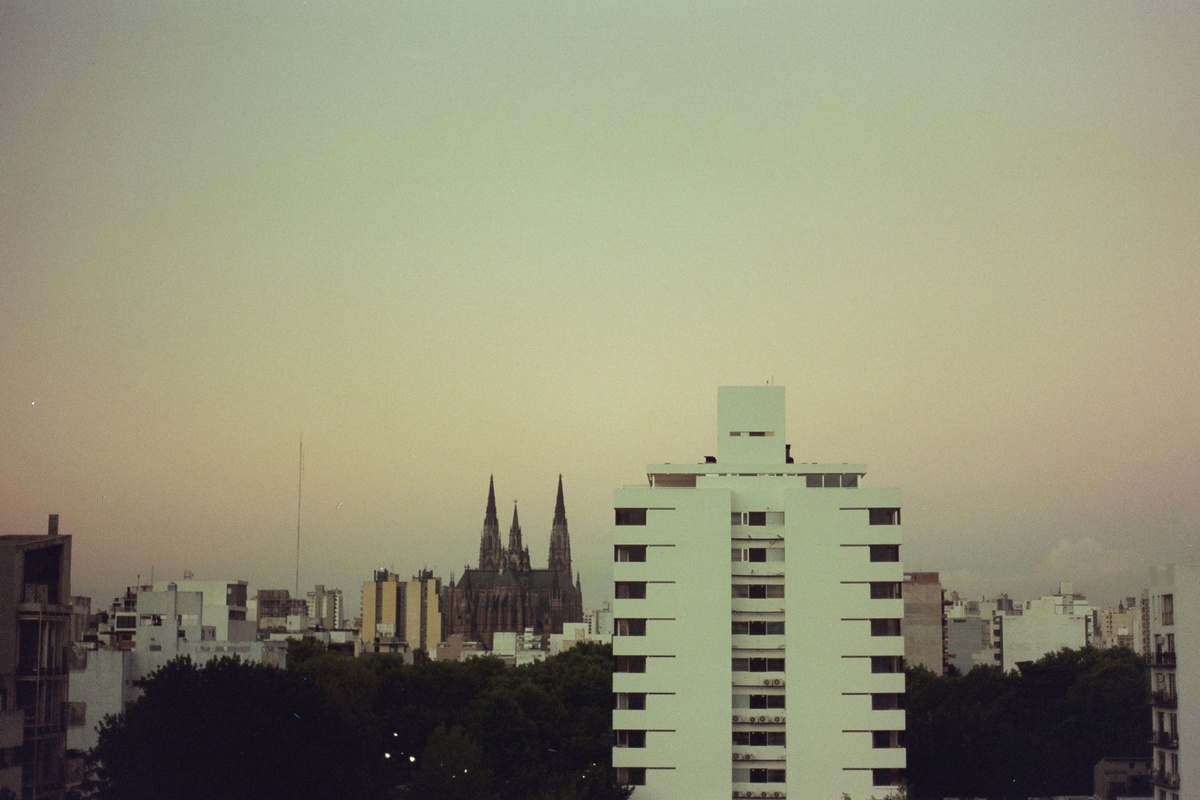
The traditional market generally operates Monday through Saturday, with produce stalls active around 08:30–13:00 and 17:00–20:30. Its newer restaurants may remain open through the afternoon, but Saturday morning offers the best combination of stocked counters and atmosphere.
Build a grazing lunch rather than sitting down immediately. Budget €4–€6 for cheese and cured-meat samples, €3–€5 for bread or pastry, and €5–€9 for a small prepared dish.
Walk 1 km to Barrio Chino around Arribeños Street. The district is compact—roughly six busy blocks—and gives your palate a useful break from beef, but skip oversized imported-snack shops and order something freshly made instead.
For a quick lunch, try a noodle, dumpling or bao counter and spend €8–€14. Compared with a formal Nikkei lunch at €30–€50, the casual option preserves both appetite and budget for dinner.
In the late afternoon, take a 15–25 minute Cabify to Chacarita for coffee at one of the cafés around Avenida Jorge Newbery. A specialty coffee and pastry cost €5–€8; the same break in Palermo Soho can be €2–€4 more.
Dinner should be at Niño Gordo in Villa Crespo if you want loud, inventive Asian-Latin cooking. Reserve through its official website or Instagram link, expect dinner service from around 20:00, and budget €35–€50 for two or three dishes, a cocktail and tip.
Solo diners should request the bar. Sharing plates make Niño Gordo cheaper with two people, but the bar staff can help choose two half-sized or smaller dishes instead of pushing a five-plate progression.
Rainy-day swap: Mercado de Belgrano and the covered Chinatown supermarkets already work well in bad weather. Replace the Chacarita café walk with Museo de Arte Español Enrique Larreta, approximately 600 metres from the market; check same-day opening because municipal museums often close one weekday and adjust weekend hours.
Day 3 food and transport: €56–€79.
Day 4, Sunday: Feria de Mataderos and Don Julio
This is the route’s most geographically ambitious day. Feria de Mataderos sits roughly 16 km southwest of Palermo, so allow 50–75 minutes by bus or 30–45 minutes by Cabify.
The fair generally runs Sundays from April through December, around 11:00–18:00, but it may be cancelled for rain, public events or operational changes. Verify the calendar on the official Buenos Aires tourism website 24 hours beforehand.
Public transport costs under €1 each way, while Cabify typically costs €12–€18 per direction. For one traveler the bus is dramatically cheaper; choose Cabify only if rain is threatening or you need to protect a fixed Don Julio reservation.
At the fair, spend €12–€20 on a locro or regional stew, an empanada, and a sweet such as pastelito. Food here reflects Argentina beyond Buenos Aires, making Mataderos more worthwhile than repeating San Telmo’s Sunday antiques market.
Skip buying unrefrigerated cheese or cured meat for the flight home. Instead, look for sealed dulce de leche, alfajores or dry yerba mate that can survive a suitcase and are less likely to trigger customs restrictions.
Return to Palermo by 17:30 and rest before a 20:00 reservation at Don Julio. Walk if staying nearby; otherwise Cabify is preferable because Sunday bus frequencies can stretch a 15-minute drive into 40 minutes.
At Don Julio, a premium steak may cost €35–€50, sides €7–€12, dessert €8–€12, and wine by the glass €7–€12. Add the customary 10% tip and plan for €65–€90 total.
Ask which cut is available in the smallest weight before ordering. The famous bife de chorizo is excellent, but entraña can be better for one person because it is usually thinner and easier to finish.
Rainy-day swap: abandon Mataderos if the official event is cancelled. Have a late breakfast at Café Crespín in Villa Crespo, browse the covered shops around Palermo, and move Don Julio to lunch if the reservations team can accommodate you.
Day 4 food and transport: €82–€125.
Day 5, Monday: Recoleta Empanadas, Ice Cream and Gran Dabbang
Begin at La Cocina on Avenida Pueyrredón, close to Recoleta, for some of the city’s best baked empanadas. It usually opens for lunch rather than breakfast, so aim for 12:00 and confirm Monday service before crossing town.
Order the hand-cut beef empanada and the picachu, a deeply savory cheese-and-onion option. Two empanadas and a drink should cost €6–€9, compared with €18–€25 for a seated lunch in tourist-heavy Recoleta.
Walk approximately 1.3 km to Recoleta Cemetery or the nearby cultural center. Cemetery access policies and foreign-visitor fees have changed in recent years; budget about €10–€15 if admission is charged and book through the city’s official tourism channels rather than street sellers.
For merienda, try Rapanui or Cadore for ice cream. A two-flavor cup generally costs €4–€6; Cadore is the more classic stop, while Rapanui has more branches and is easier to fit into the route.
Finish at Gran Dabbang in Palermo for South Asian-influenced Argentine cooking. Dinner typically begins around 20:00, and a solo meal with two plates, dessert or a drink, and tip runs €28–€42.
Gran Dabbang is a sharper final-night choice than another parrilla. After two major meat dinners, its spice, vegetables and acidic flavors prevent the itinerary from becoming five days of steak and Malbec.
Rainy-day swap: replace the cemetery walk with Museo Nacional de Bellas Artes, normally free and about 1 km from central Recoleta. A free museum plus a €5 Cabify costs less than paid cemetery entry and keeps you dry for two hours.
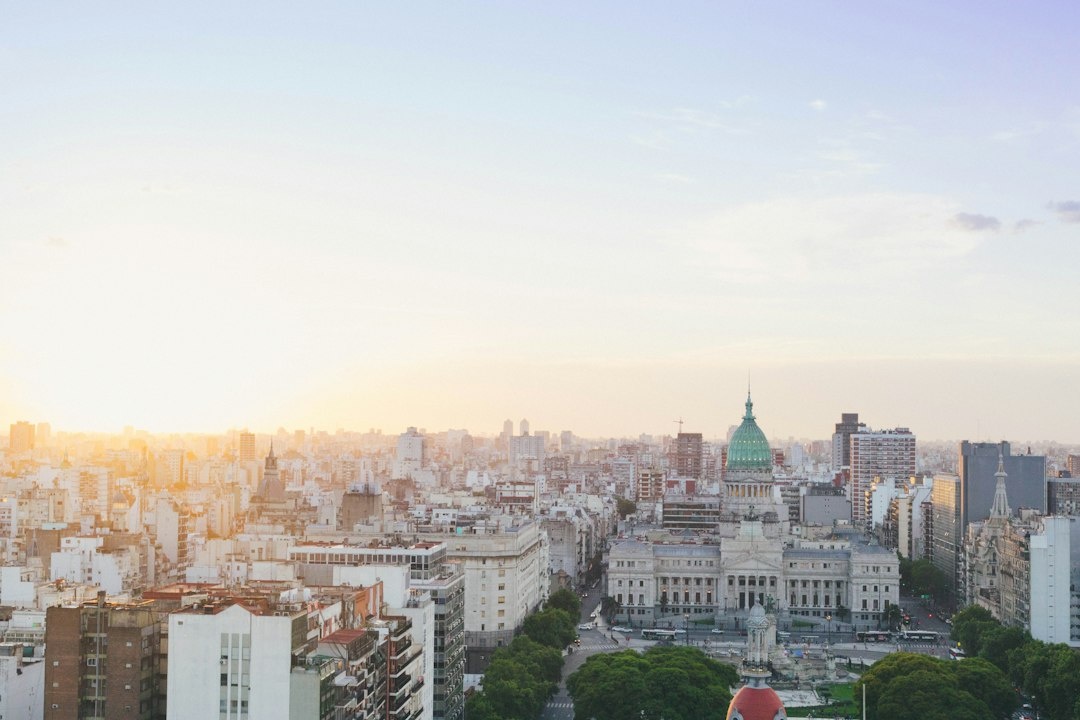
Day 5 food and transport: €43–€62, excluding optional attraction admission.
Step 4: Budget the Full Five Days
The itinerary’s food total is deliberately uneven: Don Julio consumes more than a quarter of the budget, while market lunches keep other days below €70. That trade-off is smarter than eating five middling €40 steaks.
| Category | Budget approach | Comfort approach | September 2026 notes |
|---|---|---|---|
| Breakfasts and coffee | €22 | €38 | Hotel breakfast adds roughly €50–€80 over five days |
| Lunches and market food | €48 | €75 | Two to three empanadas cost €5–€9 |
| Dinners | €120 | €180 | Includes one Don Julio splurge |
| Snacks, ice cream and drinks | €25 | €45 | Alcohol can add €8–€20 nightly |
| Urban transport | €12 | €38 | Bus/Subte versus several Cabify rides |
| Five-day total | €227 / US$263 | €376 / US$436 | Accommodation and airport transfer excluded |
A realistic middle target is €280–€320. Add €375–€725 for five hotel nights, meaning the complete land budget is approximately €655–€1,045 before flights.
Airport transport creates another clear choice. Tienda León-style shuttle services are roughly €18–€22 one way and make sense solo, while a €25–€38 Cabify becomes competitive for two people or for arrivals after 22:00.
Step 5: Prepare for September Weather and Price Volatility
September usually brings daytime highs around 18°C and lows near 11°C, but a warm afternoon can reach the low 20s. Pack a light waterproof jacket and one warm layer; outdoor tables feel noticeably colder after sunset.
Buenos Aires receives roughly 80 mm of rain during the month across about eight wet days. A passing shower is manageable, but Mataderos and long Palermo walks should not be treated as all-weather plans.
September is shoulder season across much of the world, but Buenos Aires does not always follow the simple “fall equals cheaper” rule because it is spring in the Southern Hemisphere. Hotel demand may rise around conferences, football fixtures and major cultural events, although rooms are still commonly cheaper than during Christmas and New Year.
If your September priority is hiking rather than eating, compare Buenos Aires with these safer September solo adventure destinations. The seasonal logic is almost opposite: alpine regions gain value as summer crowds leave, while Buenos Aires is just warming up.
Tech, Payments and Transport for a Solo Diner
Buy a SUBE transit card from an official kiosk, Subte station or participating shop and load enough credit for several rides. A bus may cost under €1, but drivers do not sell paper tickets and foreign contactless bank cards are not universally reliable across the network.
Download Google Maps for offline use and install Cómo Llego or Moovit for public transport. Google’s bus arrival estimates can drift late at night, while Cómo Llego tends to understand official routes better.
Use Cabify for late restaurant departures because it provides the driver, vehicle and price in the app. Uber also operates, but pickup behavior and payment acceptance can be less consistent; compare both before confirming.
Install WhatsApp before the trip. Many restaurants manage booking changes there, and a message written with Google Translate is more effective than calling during a noisy dinner service.
For mobile data, compare a travel eSIM from Airalo with a local prepaid SIM. An eSIM is operational before landing, while a local package can be cheaper if you stay longer than a week and do not mind registering in-store.
- Save restaurant addresses in a dedicated Google Maps list.
- Screenshot every reservation because mobile coverage can be weak inside older buildings.
- Set Cabify’s payment method before dinner rather than troubleshooting at 23:30.
- Carry one physical Visa or Mastercard plus enough cash for tips and small market stalls.
- Check the card terminal amount in pesos before tapping; dynamic currency conversion is usually poor value.
Common Mistakes That Ruin a Buenos Aires Food Itinerary
Planning lunch at 12:00 and dinner at 18:00
Some cafés serve continuously, but serious dinner service often starts at 19:30 or 20:00. A 21:00 reservation feels normal here; 18:00 may leave you choosing between a snack bar and an empty tourist restaurant.
Putting Mataderos on a weekday
The Sunday feria is the reason to make the 16 km journey. On an ordinary weekday, the transport-to-reward ratio is poor compared with Mercado de Belgrano, only about 6 km from Palermo.
Eating every meal in Palermo Soho
Palermo is convenient but increasingly priced for visitors. An empanada lunch in Recoleta or San Telmo can cost €6–€9, while a polished Palermo lunch may reach €20–€30 before wine.
Ordering steak by cut but ignoring weight
Argentine menus may list a price for a substantial portion rather than a modest individual steak. Ask for the approximate grams: 300–400 grams is manageable solo, while 600–800 grams is effectively a sharing cut.
Trusting fixed peso budgets months ahead
Argentina’s inflation and currency movements make an old ARS figure nearly useless. Track the menu in pesos but manage your trip budget in euros or US dollars, checking the live card rate on the day.
Carrying a phone carelessly near the curb
Buenos Aires is enjoyable alone, but phone snatching occurs. Step inside a shop to study maps, avoid holding the device toward the street, and take a €4–€8 Cabify rather than walking unfamiliar blocks after midnight.
Final Verdict: The Best Route for Five Days
The strongest solo itinerary combines one expensive parrilla, one creative meat restaurant, one international-leaning dinner and two market-focused days. Don Julio supplies the famous splurge; La Carnicería delivers better value; Mataderos and Mercado de Belgrano add the regional context a steak-only trip misses.
Book the Sunday Don Julio table first, confirm Mataderos the day before, and let the other meals flex around the weather. Save this route, build the five restaurant pins in Google Maps, and make the reservations before September’s best dinner slots disappear.
Frequently Asked Questions
How much does a five-day Buenos Aires food itinerary cost?
Budget €227–€376 per person for food and city transport in September 2026, excluding accommodation. A comfortable middle budget is about €300, including one €65–€90 dinner at Don Julio.
How far ahead should I book Don Julio?
Reserve 30–60 days ahead through the official Don Julio website, particularly for Thursday through Sunday evenings. Solo travelers may find counter availability sooner, but should not depend on a walk-in table.
Is September a good month to visit Buenos Aires for food?
Yes: September brings average highs near 18°C, fewer peak-season visitors and comfortable market weather. Carry a rain jacket because the city typically records around eight rainy days during the month.
Can you eat alone at Buenos Aires parrillas?
Yes, especially at early dinner slots around 19:30–20:00 or at the bar. Ask about steak weight and target a 300–400 gram cut rather than ordering a 600-gram sharing portion.
Which Buenos Aires market is best on Sunday?
Choose Feria de Mataderos for regional food, folk culture and a less polished local experience; it is normally open Sundays around 11:00–18:00. Choose San Telmo instead if rain is likely or you want a central, partly covered market.

About the Author: Tomáš Bzirský
Founder and editor of Distratech. Based in the Czech Republic, travelling regularly from Central Europe. Writes practical travel guides and travel-tech comparisons (eSIM, apps, airports) in six languages.