Buenos Aires is one of the few world capitals in 2026 where you can still eat steak, drink good Malbec, and snack on medialunas all day — without blowing your backpacker budget.
With Argentina’s ongoing peso volatility and a strong USD/EUR exchange rate, $25 a day (roughly €23 at mid‑2026 rates) is realistic if you’re strategic. The key isn’t eating less — it’s eating intentionally. Time your steak for lunch, use mercados for flexible dinners, and understand how tipping and transport work.
Key Takeaways
- You can comfortably eat 3 solid meals in Buenos Aires for $20–$25/day if you prioritize lunch specials and market stalls.
- Parrilla lunch plates cost $8–$12 vs $18–$25 for the same cuts at dinner.
- Subte rides cost $0.40–$0.60 vs $6–$10 for short Uber trips.
- Tipping 10% in cash (pesos) is standard — not 18–20%.
- Using the favorable MEP exchange rate can swing your daily budget by 10–15%.
Step 1: Start with a $2–$3 Local Breakfast (Skip Hotel Buffets)
Many hostels in Palermo or San Telmo offer breakfast for an extra $8–$12. It’s usually basic: toast, jam, instant coffee. Skip it.
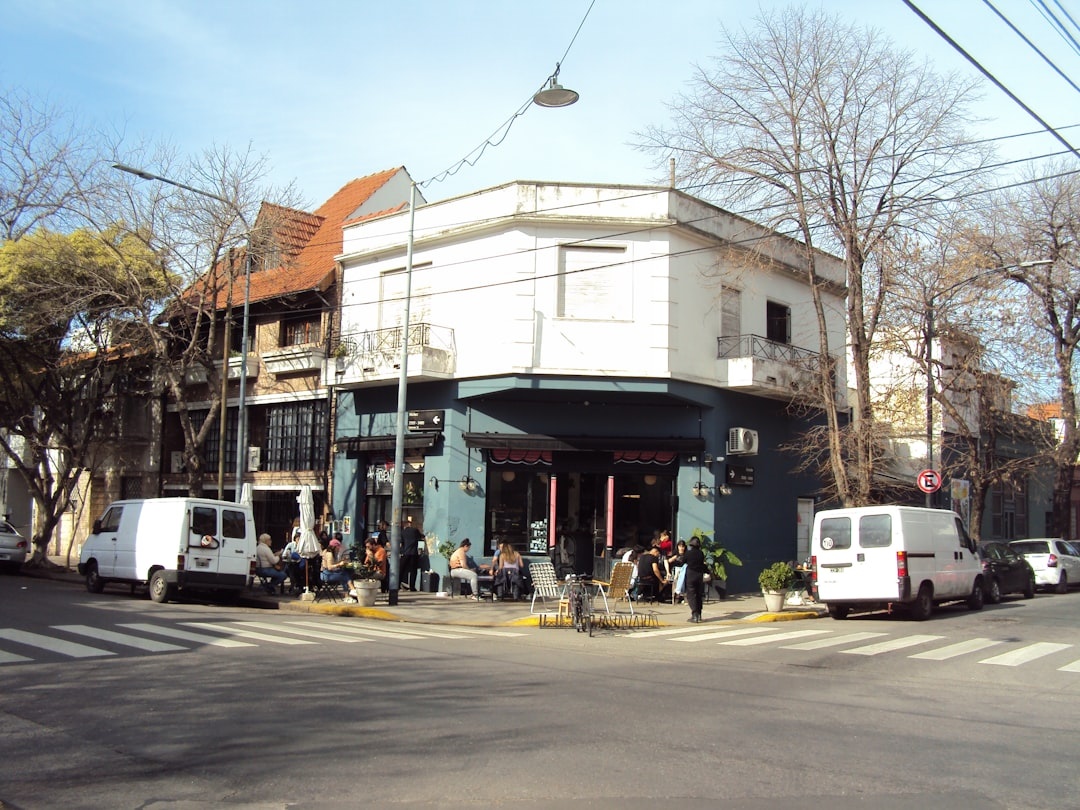
Instead, walk 3–5 minutes to a neighborhood café. Try Café Cortázar (Honduras 3947, Palermo, opens 8:00am) or a traditional corner café near Plaza Dorrego in San Telmo. A café con leche + 2 medialunas costs $2.50–$3.50 (€2.30–€3.20).
Comparison:
| Option | Cost | Quality |
|---|---|---|
| Hostel buffet | $10 | Basic continental |
| Local café combo | $3 | Fresh pastries, neighborhood vibe |
That’s a $7 saving before 9am — nearly 30% of your entire food budget.
Want something heartier? Order a tostado (ham & cheese sandwich) for an extra $2–$3. Even with juice, you’re under $6 total.
Most cafés don’t rush you. Sit for 30 minutes, plan your route on Google Maps, and align your lunch around a parrilla opening at noon.
Step 2: Make Lunch Your Parrilla Moment ($8–$12)
The biggest budget mistake travelers make in Buenos Aires? Going to parrillas at 9pm.
Dinner prices are built for locals celebrating birthdays and tourists chasing Instagram steak photos. Lunch (12:00pm–3:30pm) is where the value lives. Portions are identical — sometimes bigger.
Best Budget Parrillas for Lunch (2026 Prices)
Parrilla Peña (Rodríguez Peña 682, Recoleta — 8 min walk from Callao Subte Station)
Open 12pm–4pm for lunch.
Bife de chorizo + fries or salad: $11–$13 (€10–€12).
Same dish at dinner: $18–$22.
El Ferroviario (García Lorca 350, Caballito — 30 min from Palermo via Line D + Line A)
Massive portions designed to share.
Lunch parrillada for one: $10–$12.
Uber from Palermo: $8–$10 (15–25 min depending on traffic).
Subte + 10-min walk: under $1 total, about 35 minutes.
Take public transport. The savings equal a glass (or half bottle) of Malbec.
Wine strategy: House Malbec at lunch costs $2–$3 per glass. Bottles in casual parrillas start at $6–$8. Splitting a bottle between two people keeps you on budget.
Eat your protein-heavy meal at lunch. Argentine portions are large (250–350g steaks are common). You won’t need a heavy dinner.
Step 3: Mercado Stalls for Smart, Flexible Dinners ($6–$8)
Instead of another sit-down restaurant at night, head to a market where you control portions and spending.
Mercado de San Telmo
Address: Bolívar 970 (10-minute walk from Plaza de Mayo)
Hours: 10am–8pm (some vendors until 9–10pm Fri/Sat)
Look for:
- Empanadas: $1–$1.50 each (€0.90–€1.40)
- Choripán: $3–$4
- Pizza slice (fugazzeta or mozzarella): $2–$3
- Fresh juice: $2
A filling dinner = 2 empanadas + choripán + water → $6–$7.
You’ll sit at communal tables with locals, antique dealers, and students — not just tourists.
Mercado Soho (Palermo)
More polished and slightly pricier.
Street tacos, burger, or arepas: $6–$8.
Craft beer: $3–$4.
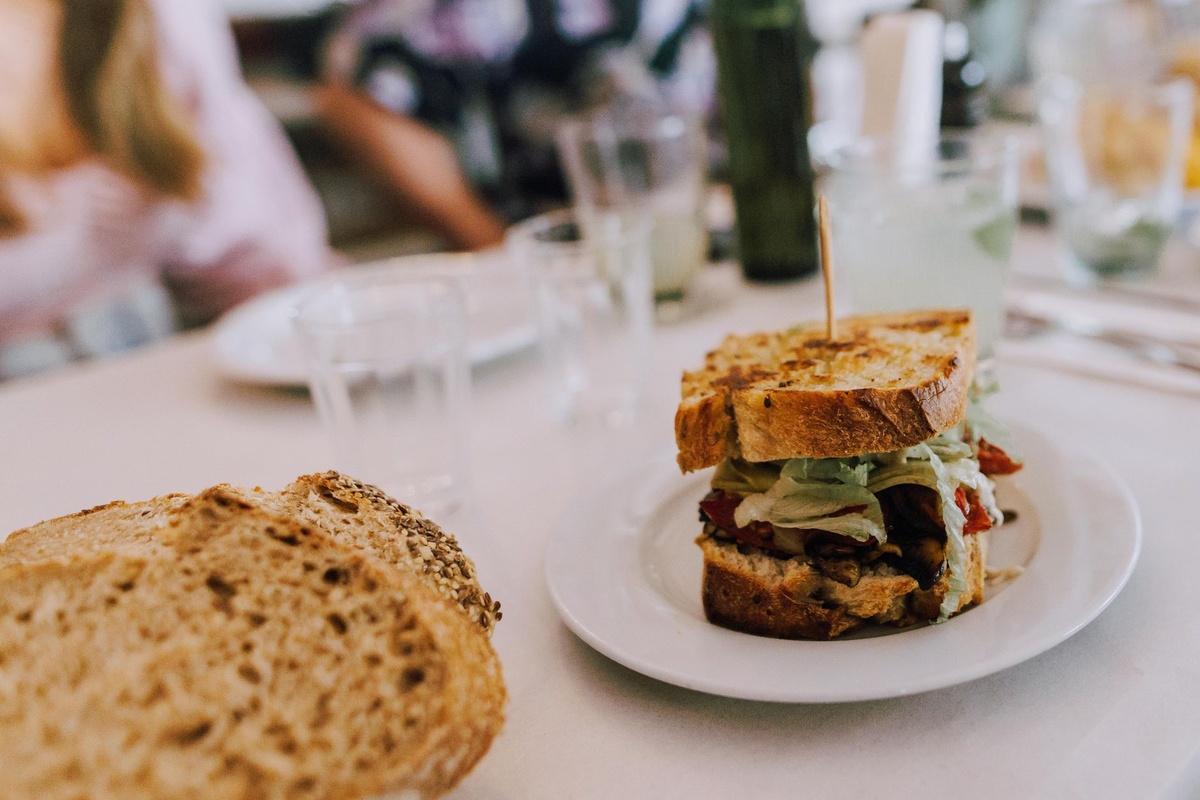
If you’re staying under $25 total for the day, skip alcohol at night. Have wine at lunch instead — it’s cheaper and aligns with local rhythm.
Alternative low-cost dinner: order takeaway empanadas from chains like El Noble or local bakeries. A box of 6 can cost $6–$8 and easily covers two light dinners.
Step 4: Understand Tipping in 2026 (And Avoid Overpaying)
Tipping culture in Argentina is simple but misunderstood by North American travelers.
Standard tip: 10% in cash.
Even if you pay by card (Visa/Mastercard often processed at the favorable MEP rate), leave pesos on the table. Many restaurants don’t distribute electronic tips properly.
Example:
- Lunch bill: $12
- Tip: $1.20 equivalent (round to $1.50 in pesos)
Do not tip 18–20% like in the US. It’s unnecessary and not expected.
Also check for “Cubierto” on the bill — a $1–$2 per person cover charge common in sit-down restaurants. It includes bread and table service. It’s normal, not a scam.
Step 5: Use Transport Savings to Protect Your Food Budget
Food budgeting collapses when you overspend on transport.
As of July 2026:
- Subte ride (with SUBE card): $0.40–$0.60
- City bus: similar price
- Uber 15-minute ride: $6–$10
Three Uber rides in one day = your entire food budget gone.
Buy a SUBE card at kiosks (~$1.50) and load $5–$10 credit. It will last several days if you mostly walk.
Airport tip: From Ezeiza (EZE), take Tienda León shuttle to Retiro or Puerto Madero for $8–$10 (about 60 minutes). A taxi or private transfer costs $30–$35.
Staying in central neighborhoods like San Telmo, Almagro, or Palermo reduces daily transport needs to near zero — most food spots are within a 1–2 km walk.
Sample $25 Intentional Eating Day (Real Numbers)
| Item | Cost (USD) |
|---|---|
| Breakfast (café + medialunas) | $3.00 |
| Subte transport (2 rides) | $1.00 |
| Parrilla lunch special | $11.50 |
| Tip (10%) | $1.20 |
| Mercado dinner | $7.00 |
| Total | $23.70 |
That leaves $1–$2 buffer for bottled water, a small helado, or exchange-rate fluctuations.
Where to Stay So This Plan Actually Works
Your neighborhood determines whether this plan is realistic.
Best Areas for Walkable Cheap Eats
- San Telmo – historic, 10–15 min walk to Mercado de San Telmo and Plaza de Mayo.
- Almagro – residential, authentic parrillas, lower tourist markups.
- Palermo (select streets) – higher prices but dense food options.
Example hostel pricing (July–September 2026, booked via Hostelworld or Booking.com):
- America del Sur Hostel (San Telmo): $18–$25 dorm bed
- Play Hostel Arcos (Palermo): $20–$28 dorm
Staying central can save $10–$15 per day in transport compared to outer neighborhoods like Belgrano or Flores.
Cash, Cards, and Exchange Strategy (Critical in Argentina)
Argentina continues to operate with multiple exchange rates in 2026.
Foreign Visa and Mastercard payments often receive the favorable “MEP” rate, close to the informal blue rate — but it can fluctuate daily.
Best strategy:
- Bring some clean $100 USD bills (or €100 notes).
- Exchange small amounts at reputable cambios in Microcentro.
- Use card in mid-range restaurants where MEP applies.
- Always carry small peso bills for tips, buses, and markets.
A 10–15% exchange difference can be the margin that keeps you under $25/day.
Never prepay accommodations via WhatsApp transfers. Use established platforms (Booking.com, Hostelworld, Airbnb) to avoid scams.
What to Skip (Hard Truths)
Skip Don Julio unless someone else is paying. It’s excellent but typically $40–$60 per person.
Skip Puerto Madero restaurants. Waterfront views, inflated prices. A steak can cost 2–3x what you’ll pay in Recoleta or Almagro.
Skip daily specialty coffee runs. Third-wave cafés charge $4–$5 per flat white — nearly two breakfasts.
Eat where porteños eat at 1pm on weekdays. If a place is full of office workers, you’re in the right spot.
Seasonal Timing: Why July–September 2026 Is Ideal
July in Buenos Aires is winter.
Average temps: 8–16°C (46–60°F). Perfect for steak, red wine, and long café breaks.
It’s also lower international tourist season. Prices are more stable than during December–February summer peaks when domestic travel increases.
Compared to peak Mediterranean summer — where a basic lunch in Rome or Barcelona can easily hit $25 alone — Buenos Aires offers one of the best food-to-cost ratios among global capitals in 2026.
The Intentional Eating Mindset
This isn’t about deprivation.
It’s about:
- Eating steak at lunch, not dinner
- Using mercados for flexible portions
- Taking public transport or walking 1–2 km
- Tipping correctly (10%, cash)
- Drinking local wine strategically
Buenos Aires rewards travelers who adapt to local rhythms. Lunch at 1pm. Walk tree-lined streets in Palermo. Order house wine. Sit longer.
$25 a day here doesn’t feel restrictive — it feels like you cracked the code.
If you’re planning your budget stay, browse options with Buenos Aires hotel deals before you lock in your dates.
Frequently Asked Questions
How much does a steak cost in Buenos Aires in 2026?
At a neighborhood parrilla during lunch, a bife de chorizo with sides costs $10–$13 (€9–€12). At high-end restaurants like Don Julio, expect $40–$60 per person including wine.
Is $25 a day enough for food in Buenos Aires?
Yes. Breakfast at a café ($3), a parrilla lunch special ($8–$12), and a mercado dinner ($6–$8) keeps most travelers between $22–$25 per day if transport is managed carefully.
Do you tip in Buenos Aires restaurants?
Yes. The standard tip is 10% in cash (pesos), even if you pay the bill by card. Higher US-style tips are not required.
Is it cheaper to eat lunch or dinner in Buenos Aires?
Lunch is significantly cheaper. The same steak can cost $11–$13 at lunch and $18–$25 at dinner in the same restaurant.
Should I bring cash to Argentina in 2026?
Yes. Bring some USD or EUR to exchange for pesos, as exchange-rate differences can impact your daily budget. Cards often receive the MEP rate, but small cash is essential for tips and markets.

About the Author: Tomáš Bzirský
Founder and editor of Distratech. Based in the Czech Republic, travelling regularly from Central Europe. Writes practical travel guides and travel-tech comparisons (eSIM, apps, airports) in six languages.