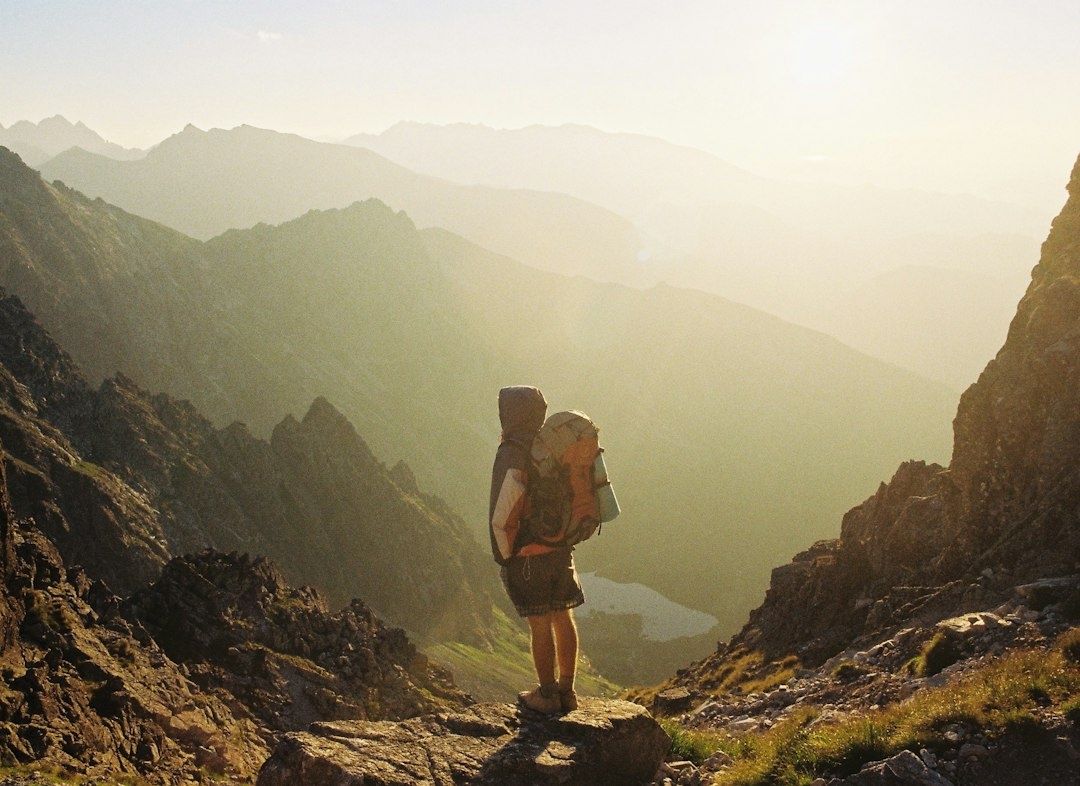
September is the sweet spot for older solo adventurers: alpine trails are generally snow-free, temperatures are kinder, and peak-season crowds have thinned. But “shoulder season” does not automatically mean safe or cheap—especially in the Canadian Rockies, where autumn lodging can now cost more than summer rooms—so I compared five mountain destinations using trail infrastructure, healthcare access, transport, weather exposure and the realistic cost of changing plans.
Key Takeaways
- Slovenia is the best all-round choice, scoring 9.1/10 for transport, trail support, healthcare access and manageable September weather.
- Madeira is easiest without a car, with guided levada walks from about €42 and Funchal hotels from €105 per night in September 2026.
- The Canadian Rockies are the least forgiving: expect €220–€330 nightly rooms, possible wildfire smoke and long areas without mobile coverage.
- September temperatures range from 20–26°C in Madeira to roughly 2–17°C around Banff, where early snow is possible.
- Carry an offline map and satellite communicator; Garmin inReach plans start around €18 per month before activation and device costs.
Key Numbers at a Glance
The prices below are realistic planning figures checked for September 2026, not guaranteed walk-up rates. Yen and Canadian-dollar prices are converted using planning rates of approximately €1 = ¥170 and €1 = C$1.58.
| Destination | Editorial solo-safety score | Typical September temperature | Midrange room per night | Typical daily cost | Main airport to base |
|---|---|---|---|---|---|
| Slovenia | 9.1/10 | 12–23°C in Ljubljana; 5–18°C near Bohinj | €95–€155 | €145–€205 | Ljubljana Airport to Ljubljana: 26 km, 30–45 min |
| Madeira | 8.7/10 | 20–26°C on the south coast | €105–€175 | €155–€220 | Funchal Airport to central Funchal: 21 km, 25–35 min |
| Japanese Alps | 8.6/10 | 13–24°C in Matsumoto; 5–18°C at Kamikochi | €85–€165 | €150–€230 | Tokyo to Matsumoto: 225 km, about 2 hr 40 min |
| Azores | 8.3/10 | 18–24°C on São Miguel | €90–€160 | €145–€210 | Ponta Delgada Airport to center: 5 km, 10–15 min |
| Canadian Rockies | 7.7/10 | 2–17°C around Banff | €220–€330 | €285–€420 | Calgary Airport to Banff: 145 km, 1 hr 40 min–2 hr |
Price period: September 2026. Daily estimates include accommodation, meals, local transport and one modest activity, but exclude international flights and travel insurance.
How I Ranked the Safest Destinations for Solo Travelers Over 60
Crime statistics alone are almost useless for this comparison. All five destinations are broadly safe; the more relevant question is what happens if a 67-year-old traveler twists an ankle, misses the final bus or encounters sudden fog three hours from the trailhead.
The scores weight trail signage and rescue coverage at 30%, healthcare access at 20%, weather and natural hazards at 20%, car-free mobility at 15%, communications at 10% and the affordability of a safe fallback—such as a taxi or guided walk—at 5%.
| Destination | Trail and rescue | Healthcare access | Car-free mobility | Primary September risk | Overall |
|---|---|---|---|---|---|
| Slovenia | Excellent marked routes; active mountain rescue | Strong near Ljubljana, Bled and Jesenice | Very good | Thunderstorms and exposed limestone | 9.1 |
| Madeira | Good on official PR routes | Best around Funchal | Good with tours and buses | Levada falls, fire closures and tunnels | 8.7 |
| Japanese Alps | Excellent huts and orderly transport | Strong in cities; slower in remote valleys | Excellent on key corridors | Typhoons, bears and language barriers | 8.6 |
| Azores | Good official trails, fewer people on remote sections | Adequate on São Miguel | Fair | Fast fog, mud and limited rural buses | 8.3 |
| Canadian Rockies | High-quality parks system but huge distances | Good in Banff and Canmore | Fair to good | Wildlife, smoke, cold and dead zones | 7.7 |
These are planning scores, not medical advice or guarantees. Travelers with cardiac, balance or joint concerns should prioritize guided day walks and bases within 30 minutes of a clinic.
1. Slovenia: Safest Overall for a First Solo Alpine Trip
Choose Slovenia if you want mountains without committing to a rental car. Ljubljana, Lake Bled and Lake Bohinj form a compact corridor with frequent transport, English-speaking tourism staff and easier escape routes than the much larger Canadian or Japanese ranges.
From Ljubljana, an Arriva bus to Bled costs roughly €6–€8 and takes 60–75 minutes. A taxi takes about 40 minutes but commonly costs €55–€75, so the bus is the obvious solo choice unless you arrive after the evening timetable.
Best Low-Risk Adventure
Base yourself in Ribčev Laz at Lake Bohinj and take the Vogel cable car rather than attacking a high summit from valley level. A return ticket is approximately €29–€32 in September 2026; the ride gains about 950 vertical meters in minutes, leaving energy for gentler panoramic paths.
The cable car generally operates around 08:00–18:00 in September, weather permitting, with departures approximately every 30 minutes. Check the live timetable and purchase tickets through Vogel Ski Center.
For a self-guided day, walk the northern shore of Lake Bohinj from Ribčev Laz to Ukanc: roughly 6 km one way, 1.5–2 hours and mostly gentle. The full lake circuit is about 12 km and 3–4 hours, compared with 6–8 hours and substantially more fall exposure on high Triglav routes.
Skip soloing Mount Triglav. The summit approach includes exposed protected sections where a harness and helmet are sensible, and September ice can form overnight; book a UIAGM-certified guide through the Slovenian Tourist Board’s hiking resources instead.
Where to Stay and Eat
Hotel Jezero in Ribčev Laz is the practical choice, normally €145–€190 for a single-use double with breakfast. Ljubljana rooms are cheaper at roughly €95–€145; compare centrally located hotels in Ljubljana before deciding whether to sleep near the airport bus or the mountains.
In Bohinj, eat at Foksner, where burgers and grilled dishes cost about €13–€22. Skip the lakefront snack kiosks for dinner and reserve Gostilna Danica instead; mains such as trout or local pork typically cost €17–€25.
Mountain Rescue Slovenia responds through 112. Mobile coverage is good around the lake but inconsistent behind ridges, so download Slovenia in Organic Maps before leaving Wi-Fi.
2. Madeira: Best for Warm Weather and Guided Solo Hiking
Madeira trades alpine cold for subtropical ridges, making it the most comfortable September option for travelers whose knees stiffen in low temperatures. Funchal averages roughly 20–26°C, while high points such as Pico do Arieiro can be 10°C cooler and buried in cloud.
The airport Aerobus to Funchal costs about €6 one way and takes 30–40 minutes. A taxi takes 20–30 minutes and costs approximately €28–€38, a reasonable upgrade after a late flight but unnecessary during the day.
Best Low-Risk Adventure
Book a guided levada walk to Ribeiro Frio and Balcões for around €42–€55 through operators such as Madeira Adventure Kingdom. The principal walk is only about 3 km return and 1–1.5 hours, compared with 11–13 km for many full levada excursions.
Madeira’s classified PR trails may require an access fee—budget approximately €3–€7 per route in September 2026—and should be booked or checked through the regional Simplifica portal. Closures matter: wildfire damage, landslides and maintenance can shut paths with little notice.
The famous PR1 crossing between Pico do Arieiro and Pico Ruivo is not my first recommendation for a solo traveler over 60. It involves steep metal stairs, tunnels and substantial ascent; do the shorter PR11 Balcões route or a guided section instead.
If you enter levada tunnels, carry a headlamp even in daylight. A phone flashlight drains the same battery you may need for navigation and emergency calls, while a basic 300-lumen Petzl headlamp costs approximately €25–€35.
Where to Stay and Eat
Castanheiro Boutique Hotel in central Funchal usually runs €155–€220 nightly, while the simpler Hotel do Carmo is often €105–€150. Central Funchal is safer logistically than an isolated cliff hotel because restaurants, pharmacies and tour pickups are within a 5–15-minute walk.
Order espetada at Restaurante O Polar in Câmara de Lobos, where a skewer and sides cost approximately €16–€23. Skip the aggressively marketed restaurants directly beside Funchal’s cruise pier; walk to Akua, where seafood mains are closer to €22–€32 but preparation is markedly better.
Emergency services use 112. Madeira has the best combination here of warm weather and affordable guided hikes, but narrow ledges make it less suitable than Slovenia for anyone with vertigo or balance issues.
3. The Japanese Alps: Best Public Transport and Mountain-Hut System
Japan is the easiest destination in this comparison for precise schedules. The challenge is not disorder but complexity: reservations may be in Japanese, cash still matters in mountain huts, and September overlaps with typhoon season.
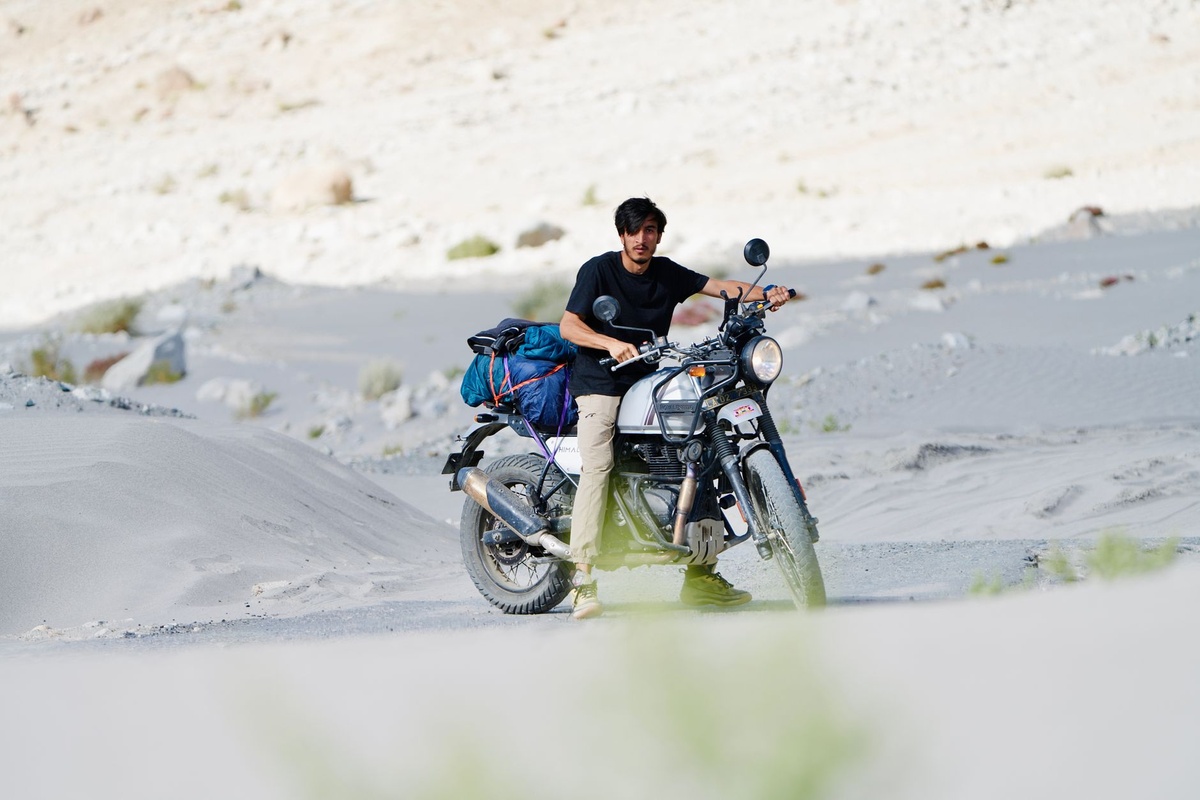
The JR limited-express journey from Tokyo’s Shinjuku Station to Matsumoto covers about 225 km in roughly 2 hours 40 minutes and costs around ¥6,620, or €39. From Matsumoto, train-and-bus transport to Kamikochi takes another 1 hour 40 minutes and costs approximately ¥3,260 (€19) one way.
Best Low-Risk Adventure
Walk from Kamikochi Bus Terminal to Myojin Pond via the Azusa River. The return route is approximately 11–13 km and takes 3.5–5 hours, but remains far gentler than climbing Yake-dake or the exposed Hotaka ridges.
Kamikochi’s visitor center typically opens around 08:00–17:00 during the operating season, which usually runs from mid-April to November 15. Confirm buses through Alpico, because private cars cannot enter the central valley and the final departures are unforgiving.
The Myojin Pond entrance fee is approximately ¥500 (€3). A night at Nishi-ito-ya Mountain Lodge or a comparable Kamikochi lodge generally costs ¥18,000–¥28,000 (€106–€165) with dinner and breakfast—expensive beside Slovenia’s huts, but unusually efficient for a remote valley.
Black bears live in the region. Carry a bell where locally advised, avoid headphones and do not keep food loose in your daypack overnight.
Technology and Recovery
Use YAMAP for Japanese trail information and download the map before entering the valley. Google Maps handles trains well but is not a substitute for a topographic trail app; the two tools solve different problems.
For mobile data, a 10–20 GB Japan eSIM from Nomad typically costs around €15–€25, although coverage still disappears in steep terrain. Save hotel names and dietary requirements in Japanese screenshots rather than assuming a live translation connection.
After hiking, stay at a Matsumoto ryokan or add an onsen night. Our comparison of Japanese onsen inns and other overnight wellness spas explains why a proper inn is worth the premium when traveling alone.
For dinner, choose Shinmiyoshi in Matsumoto for regional horse-meat dishes and set meals around ¥2,000–¥4,500 (€12–€27). If that is not appealing, Kobayashi Soba serves noodles for roughly ¥1,200–¥2,200 (€7–€13).
Call 119 for ambulance or fire services and 110 for police. Japan’s systems are excellent, but language friction lowers its score slightly below Madeira and Slovenia.
4. The Azores: Best for Gentle Volcanic Adventure, but Not for Spontaneity
São Miguel offers crater lakes, hot springs and whale-watching without serious altitude. It sounds easy, but rural buses are sparse enough that an unplanned afternoon can end with a €35–€60 taxi back to Ponta Delgada.
The airport is only 5 km from central Ponta Delgada. A taxi costs approximately €10–€15 and takes 10–15 minutes, versus a shuttle at roughly €8–€10 with a longer hotel-drop circuit; here, the taxi is the better solo value.
Best Low-Risk Adventure
Walk from the Vista do Rei viewpoint toward Sete Cidades on the PR03 SMI route, but turn back if fog removes the crater view. The full linear route is about 7.5 km and 2–3 hours, and arranging a taxi pickup is safer than relying on an infrequent bus.
A half-day guided Sete Cidades outing costs around €45–€65. A rental car starts near €45–€75 per day before insurance, so a tour is cheaper for one person and removes the risk of navigating narrow hydrangea-lined roads in fog.
Caldeira Velha is a better recovery stop than trying to cram two crater hikes into one day. Timed entry generally costs about €10 and opening hours are commonly around 09:00–20:30 in the warmer season; reserve through Azores Natural Parks.
September sea temperatures remain near 23°C, and whale-watching trips cost approximately €60–€75 for three hours. The sea can still be rough, so choose a larger catamaran rather than a rigid inflatable if you have spinal, hip or balance concerns.
Where to Stay and Eat
Hotel Talisman in Ponta Delgada typically costs €115–€170 with breakfast. Smaller guesthouses start around €75–€105, but confirm that the room has a lift or is on the ground floor—historic buildings often have steep stairs.
Eat at A Tasca, where regional fish and meat dishes cost roughly €14–€24. Skip the long drive to Furnas solely for a tourist-menu cozido; Terra Nostra Garden’s restaurant is worth it only if combined with the thermal pool, with lunch packages commonly exceeding €35.
Use 112 for emergencies. The Azores beat the Canadian Rockies on price and altitude, but Madeira wins for tour availability and Slovenia wins for public transport.
5. Canadian Rockies: Spectacular, Expensive and Least Forgiving
The Canadian Rockies deliver the biggest scenery and the largest logistical penalties. Distances are long, mobile dead zones are normal, wildlife protocols matter, and September can bring wildfire smoke one week and snow the next.
A shared shuttle from Calgary Airport to Banff costs approximately C$80–C$95 (€51–€60) and takes 1 hour 45 minutes to 2.5 hours. A private transfer often exceeds C$300 (€190), while a rental car costs roughly €65–€110 per day before parking and insurance.
Best Low-Risk Adventure
Take Roam Transit rather than driving to Lake Louise. Regional fares are generally about C$10–C$25 (€6–€16), depending on route and pass, and eliminate the hunt for restricted parking.
From Lake Louise, walk to the Lake Agnes Tea House: 7.4 km return, approximately 3–4 hours and 435 meters of elevation gain. The lakeshore path is only about 4 km return and nearly flat, making it the wiser alternative if overnight temperatures have produced ice.
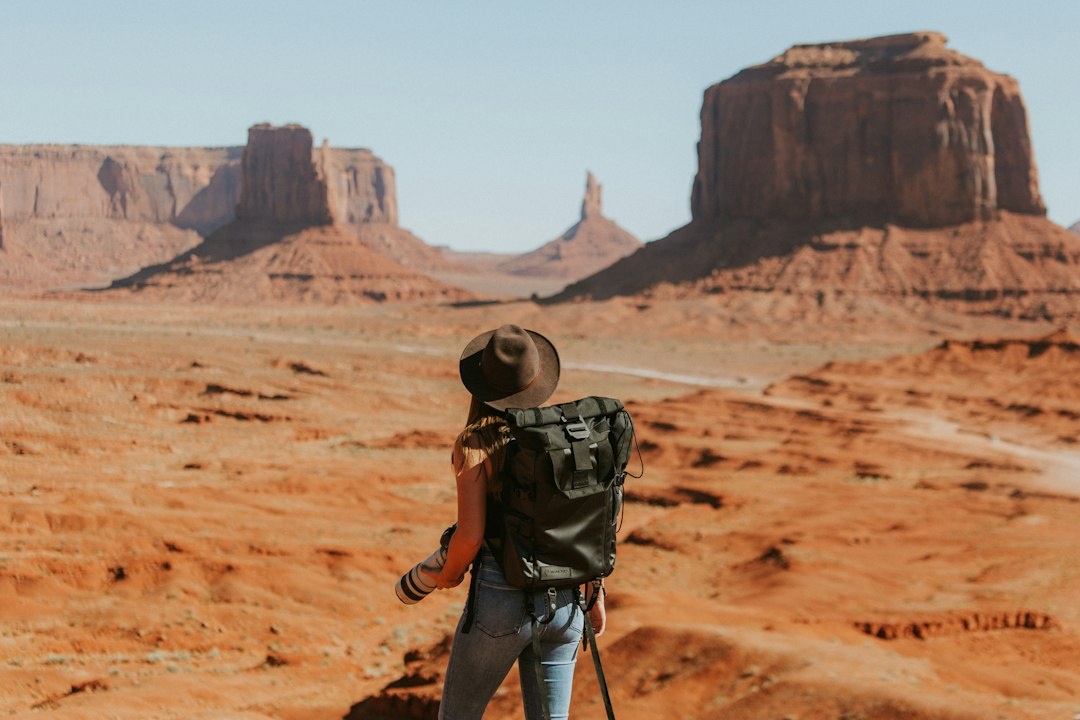
The Lake Agnes Tea House generally operates from early June to Canadian Thanksgiving, roughly 08:00–17:00, but accepts cash and may close during severe weather. Carry C$30–C$40 (€19–€25) because there is no reliable card connection.
A Parks Canada daily admission pass costs approximately C$11–C$12 (€7–€8) per adult. Reserve shuttles, campsites and applicable activities through Parks Canada, not unofficial resale sites.
Why It Scores Last
Banff hotel rooms commonly run €250–€330 in September 2026, compared with €95–€155 in Ljubljana. The assumed shoulder-season bargain often fails here: mountain-view demand remains strong, and recent travel-search trends show interest in alpine stays up more than 100% year over year.
Stay in Canmore to reduce rooms to roughly €180–€260, but factor in the 25 km journey to Banff. Roam Transit takes around 25–35 minutes and costs far less than a C$55–C$75 (€35–€47) taxi.
Wildlife is the decisive issue. On trails where Parks Canada recommends it, carry accessible bear spray—not buried in a backpack—and learn how to use it; a can costs approximately C$45–C$60 (€28–€38) and cannot be taken on flights.
Eat at Banff’s Block Kitchen + Bar, where mains cost C$24–C$38 (€15–€24). Skip the summit restaurant package at the Banff Gondola if budget matters; the gondola alone can cost C$70–C$90 (€44–€57), versus free viewpoints reached by local transit and short walks.
Call 911 in an emergency. A satellite communicator is more important here than in the other four destinations, especially on quieter trails outside the Lake Louise–Banff corridor.
Which Destination Should You Choose?
- Choose Slovenia if this is your first solo hiking holiday, you want reliable buses and you are comfortable with cool mornings.
- Choose Madeira if warm weather, guided day walks and a single comfortable urban base matter most.
- Choose the Japanese Alps if you value punctual public transport, orderly mountain huts and cultural depth more than simplicity.
- Choose the Azores if you want volcanic scenery, hot springs and moderate walks without high altitude.
- Choose the Canadian Rockies if wilderness scale is the priority and you can afford private rooms, transfers and a satellite communicator.
For travelers with mild balance limitations, Madeira’s shortest levadas and Slovenia’s lake routes are the strongest pair. For travelers concerned about altitude, the Azores and Madeira keep most activities below 1,500 meters, while Japanese and Canadian routes can involve colder, more remote terrain.
A Costed Seven-Day Slovenia Plan
Slovenia wins because it combines real alpine scenery with redundancy: if a mountain day fails, you can switch to a lake walk, museum or thermal spa without losing hundreds of euros. This one-week plan avoids both a car and exposed summit routes.
- Day 1: Airport bus to Ljubljana, approximately €5–€7; sleep in Ljubljana.
- Day 2: Ljubljana food market and castle funicular, approximately €16–€25 total.
- Day 3: Bus to Bohinj via Bled, approximately €10–€14; lakeshore walk.
- Day 4: Vogel cable car and moderate ridge walk, approximately €29–€32.
- Day 5: Guided Mostnica Gorge or Pokljuka outing, approximately €55–€85.
- Day 6: Bus to Bled, walk the 6 km lake circuit and return to Ljubljana, approximately €12–€18 transport.
- Day 7: Central Market breakfast and airport bus, approximately €15–€22 including food.
| Seven-day Slovenia budget | Cost in EUR, September 2026 |
|---|---|
| 7 nights, single occupancy | €770–€1,050 |
| Meals and non-alcoholic drinks | €245–€350 |
| Airport and intercity transport | €55–€80 |
| Cable car, guide and attractions | €115–€155 |
| eSIM or local data | €10–€20 |
| Contingency fund | €100 |
| Total excluding flights and insurance | €1,295–€1,755 |
The equivalent comfortable week is approximately €1,400–€1,950 in Madeira, €1,350–€2,000 in the Azores, €1,500–€2,200 in the Japanese Alps and €2,450–€3,350 in the Canadian Rockies. That makes Slovenia around €1,150 cheaper than a comparable Rockies trip at the midpoint.
Safety Technology Worth Packing
A smartphone solves routine navigation, not every emergency. Cold temperatures, water damage and dead zones can remove it from the equation at exactly the wrong time.
- Offline maps: Download Organic Maps for Madeira, Slovenia and the Azores; YAMAP is stronger in Japan, while Gaia GPS or AllTrails is more useful in Canada.
- Satellite communicator: Rent a Garmin inReach for roughly €8–€15 per day if buying a €300–€450 device makes no sense for one trip.
- Power: Carry a 10,000 mAh battery weighing under 250 grams; reputable models cost €25–€45.
- Emergency profile: Add medications, allergies and an emergency contact to Apple Medical ID or Android’s Safety & Emergency menu.
- Location sharing: Send the route, expected return time and accommodation number to one person—not only a live-tracking link that may fail offline.
Do not use a VPN, video calls or automatic cloud photo uploads while navigating on limited battery. Put the phone into low-power mode and take paper screenshots of bus timetables, lodging addresses and emergency numbers.
Common Mistakes Solo Travelers Over 60 Make in September
Assuming Shoulder Season Means Stable Weather
September can produce 26°C afternoons in Madeira and snow near Lake Louise during the same week. Pack for the route’s highest point, not the temperature shown for your hotel town.
Booking the Famous Hike Instead of the Appropriate Hike
Pico do Arieiro, Triglav and the Hotaka ridges dominate social media, but they are not required for a meaningful trip. A 7 km supported route with an easy exit is safer—and often more enjoyable—than an exposed all-day traverse.
Saving Money on the Wrong Transfer
A €55 guided walk can prevent a €50 rural taxi and remove navigation stress. Conversely, paying €35 for a Madeira airport taxi makes little sense when the €6 Aerobus is still operating.
Ignoring Final Bus Times
Kamikochi and Bohinj transport becomes thinner later in the day, while Azorean rural buses may have long gaps. Photograph the final timetable and plan to finish at least 60 minutes before the last departure.
Buying Insurance Without Reading Age and Activity Limits
Some policies restrict trekking by altitude or stop standard medical coverage at a specified age. Confirm that hiking up to your planned elevation, emergency evacuation and pre-existing-condition procedures are documented in writing.
The Verdict: Slovenia Is Safest, Madeira Is Easiest
Slovenia is my top recommendation for solo adventure travelers over 60 in September 2026. It offers the best balance of marked trails, mountain rescue, healthcare, buses and affordable fallback options without diluting the alpine experience.
Madeira is the better answer if warmth and guided walks matter more than classic mountains. Choose Japan for transport precision, the Azores for low-altitude volcanic scenery, and Canada only when you are comfortable paying substantially more for wilderness logistics.
Use the scores to narrow the field, then choose according to mobility, cold tolerance and appetite for logistical uncertainty. Save this guide, check official trail closures 24 hours before departure, and send your day plan to someone before every solo hike.
Frequently Asked Questions
What is the safest September destination for solo travelers over 60?
Slovenia is the strongest overall choice, scoring 9.1/10 for trail support, healthcare access, public transport and affordable backup options. Lake Bohinj also offers easy 6–12 km walks without requiring a high-altitude summit.
How much does a one-week solo adventure trip cost in September?
Excluding flights and insurance, budget approximately €1,295–€1,755 for Slovenia or €1,400–€1,950 for Madeira. A comparable Canadian Rockies week costs roughly €2,450–€3,350 because single rooms and transfers are substantially more expensive.
Is September too late for hiking in the Canadian Rockies?
No, but temperatures around Banff can fall to 2°C and early snow or ice is possible at elevation. Check Parks Canada alerts daily and substitute a lakeshore walk for steep trails after freezing nights.
Can I visit these destinations without renting a car?
Slovenia, Madeira and the Japanese Alps work particularly well without a car; buses, organized walks and rail cover the main bases. The Azores require careful tour or taxi planning, while Banff is manageable using airport shuttles and Roam Transit.
Do solo hikers need a satellite communicator?
It is strongly recommended in the Canadian Rockies and useful on quieter Japanese, Azorean and Madeiran routes. Rental generally costs €8–€15 per day, compared with approximately €300–€450 to purchase a device.

About the Author: Tomáš Bzirský
Founder and editor of Distratech. Based in the Czech Republic, travelling regularly from Central Europe. Writes practical travel guides and travel-tech comparisons (eSIM, apps, airports) in six languages.