Sleeping inside a spa sounds either restorative or faintly absurd, depending on whether you picture a private tatami room or a stranger snoring beside you on a heated floor. After comparing real September 2026 prices, overnight conditions, solo safety, treatment menus and transport, the answer is clear: Japanese onsen inns deliver the best sleep, Budapest thermal hotels offer the most complete wellness stay, and Seoul jjimjilbangs win decisively on price.
Key Takeaways
- A Seoul jjimjilbang overnight starts around €14, versus €170–€240 for a solo Japanese ryokan and €145–€210 for a Budapest thermal hotel in September 2026.
- Japanese onsen inns score highest for sleep quality because you get a private room, proper bedding and quiet hours.
- Budapest’s Ensana Thermal Margaret Island has the strongest treatment menu, with 25-minute massages from approximately €46.
- Seoul is safest for budget travelers who tolerate communal sleeping; keep valuables in the provided locker and use earplugs.
- September favors all three: Seoul and Kinosaki remain warm, while Budapest averages roughly 14–24°C with fewer summer tour groups.
Key Numbers at a Glance
The following figures use representative properties rather than citywide averages: SPAREX Dongdaemun in Seoul, Morizuya in Kinosaki Onsen, and Ensana Thermal Margaret Island in Budapest. Prices were checked for September 2026 and converted at planning rates of ₩1,600, ¥175 and Ft400 per euro; your card’s exchange rate will differ.
| Category | Seoul jjimjilbang | Japanese onsen inn | Budapest thermal hotel |
|---|---|---|---|
| Benchmark property | SPAREX Dongdaemun | Morizuya, Kinosaki | Ensana Thermal Margaret Island |
| Solo overnight price, Sep 2026 | ₩22,000 / €14 | ¥29,700–¥42,000 / €170–€240 | €145–€210 |
| Typical sleep setup | Communal heated floor or recliner | Private tatami room with futon | Private hotel room and bed |
| Bathing included | Yes | Yes, usually multiple baths | Yes, for hotel guests |
| Meal inclusion | None | Dinner and breakfast commonly included | Breakfast package available |
| Paid treatment | Body scrub from about €19 | Massage from about €45–€70 where offered | Massage from about €46 |
| Airport or hub transfer | ICN: 63 km, 70–95 min | Kyoto: 155 km, 2 hr 25 min | BUD: 26 km, 40–70 min |
| Best for | Budget and cultural immersion | Sleep and traditional hospitality | Treatments and private comfort |
How the 2026 Comparison Was Scored
This is not a medical study, and the sleep scores do not claim laboratory measurement. I rated each format on privacy, bedding, nighttime noise, temperature control, interruptions and the likelihood of obtaining seven uninterrupted hours.
Safety combines staffed access, locker security, private sleeping space, gender separation and how comfortable the property is for a first-time solo visitor. Treatments are scored on range, bookability and whether professional or medically supervised services are available—not on unverified detox or healing claims.
| Score out of 10 | Seoul jjimjilbang | Japanese onsen inn | Budapest thermal hotel |
|---|---|---|---|
| Sleep quality | 4.8 | 9.1 | 8.6 |
| Solo safety | 8.0 | 8.9 | 9.2 |
| Treatment range | 5.8 | 6.6 | 9.3 |
| Value for money | 9.5 | 7.4 | 7.9 |
| Cultural experience | 9.2 | 9.6 | 7.8 |
| Equal-weight average | 7.5 | 8.3 | 8.6 |
Budapest narrowly wins overall because it combines a private bedroom with unusually broad treatments. Japan remains my personal choice for a restorative solo trip; Budapest feels like a good spa hotel, while a ryokan makes bathing, eating and sleeping part of one coherent ritual.
Seoul Jjimjilbangs: The €14 Overnight That Is Not Really a Hotel
What sleeping there is actually like
A jjimjilbang combines gender-separated bathing areas with clothed, mixed-gender saunas and relaxation rooms. At SPAREX Dongdaemun, inside the Good Morning City building near Dongdaemun History & Culture Park, overnight guests sleep on mats, heated flooring or available recliners rather than reserved beds.
The facility operates 24 hours, but an overnight entry is not a room booking. The September 2026 posted planning price is approximately ₩22,000 (€14) for late-night admission, compared with around ₩18,000 (€11) during daytime hours; confirm current tariffs through the property’s official social channel because Korean bathhouses frequently adjust weekend and night surcharges.
Sleep quality is the compromise. Expect conversation until after midnight, bright emergency lighting, doors opening and at least one determined snorer; a €25 Seoul hostel dorm may offer a curtain and mattress for only €11 more.
Skip the jjimjilbang if you need eight hours before a long-haul flight. Do it instead as a deliberate cultural night when your next morning is flexible.
Baths, scrubs and treatment value
Admission includes hot and cold pools, showers, sauna rooms, a locker and spa clothing for the mixed area. Korean body scrubs generally cost around ₩30,000–₩40,000 (€19–€25) extra and last 20–30 minutes, while basic oil massages can run ₩60,000–₩90,000 (€38–€56).
A scrub is the treatment worth buying. Skip vague “detox” packages and spend the difference on a proper meal; sweating may feel pleasant, but it does not remove toxins in the way marketing language suggests.
Bathing is nude and gender-separated, while the common sauna floor requires the issued T-shirt and shorts. Tattoos do not face Japan’s near-systematic restrictions, but individual management can refuse entry, and heavily tattooed visitors should ask before paying.
Solo safety and luggage
SPAREX provides a shoe locker and a separate changing-room locker. Keep your passport, phone and wallet locked away rather than beside your sleeping mat; petty theft is uncommon, but communal sleeping is not the place to test that statistic.
Women and men have separate bathing and changing areas, but the clothed relaxation zone is mixed. Solo women uncomfortable with mixed overnight rooms should ask staff about women-only resting space or book a nearby capsule hotel instead.
Naver Map is more accurate than Google Maps for pedestrian entrances in Seoul, while Papago handles Korean menu and sign translation better. Download both before entering because basement reception can weaken mobile data; a Korean eSIM from Nomad also avoids relying on public Wi-Fi for payment or navigation.
Getting there and what to eat
SPAREX is roughly 300 metres, or four minutes on foot, from Dongdaemun History & Culture Park Station. From Incheon Airport, the all-stop AREX plus Subway Line 2 takes approximately 85–95 minutes and costs around ₩5,150 (€3.20), versus 65–80 minutes and ₩70,000–₩90,000 (€44–€56) by taxi.
For dinner, walk about 1.2 km or 17 minutes to Buchon Yukhoe in Gwangjang Market for yukhoe from roughly ₩21,000 (€13). The market begins winding down at night, so arrive before 20:30 rather than assuming every stall runs until midnight.
Skip a full evening in tourist-heavy Myeongdong and stay around Dongdaemun, where late-night transport and food are easier. If Seoul is part of a wider trip, our Tokyo versus Osaka after-dark comparison helps decide where to continue in Japan.
September conditions
September in Seoul is still warm, commonly around 20–27°C early in the month, with lingering humidity and occasional heavy rain. A jjimjilbang works especially well after a wet arrival day, but do not leave damp shoes in a sealed locker overnight.
Chuseok can alter restaurant and transport schedules, and domestic trains sell out. The spa itself may become busier because local families also use jjimjilbangs during holiday periods—check the lunar holiday dates before treating “24 hours” as “quiet at 2 a.m.”
Japanese Onsen Inns: The Best Sleep and Strongest Sense of Place
Why Kinosaki is the best solo test case
Kinosaki Onsen is more useful for this comparison than a remote luxury ryokan because its seven public bathhouses create a walkable wellness circuit. Morizuya sits roughly 600 metres from Kinosaki Onsen Station and provides a private tatami room, futon bedding, seasonal dinner and breakfast on common half-board plans.
Solo September 2026 rates typically land around ¥29,700–¥42,000 (€170–€240), depending on room and meal plan. Couples may see a lower per-person figure because ryokan pricing assumes double occupancy, making the solo surcharge one of the format’s biggest disadvantages.
Book through Morizuya’s official website or the English reservation engine linked there. Unlike SPAREX, this is a real overnight reservation with a private room and specified meal times.
Sleep quality: why Japan wins
A ryokan futon is laid directly on tatami, but it is far more supportive than a Seoul floor mat. Sliding doors do not provide the soundproofing of a modern concrete hotel, yet quiet hours, low occupancy and private rooms produce the best sleep score in this comparison.
Most guests bathe before dinner, eat around 18:00–19:00 and retire early. That rhythm matters: compared with the unpredictable 02:00 noise in a jjimjilbang, Kinosaki’s streets and inns are usually quiet by 22:00.
Request a room away from stairs and vending machines, especially in an older wooden building. Light sleepers should still pack earplugs because rolling suitcases and corridor footsteps travel through traditional construction.
Bathing and treatments
Registered ryokan guests generally receive a pass for Kinosaki’s public baths, whose opening hours vary. Satono-yu near the station is commonly open around 13:00–21:00 and closes Mondays, while Goshono-yu generally runs around 07:00–23:00 with a Thursday closure; maintenance days change, so verify through the Kinosaki tourism website.
Kinosaki’s public baths are known for being tattoo-friendly, an important advantage over many Japanese resort onsen. Wash thoroughly before entering, keep towels out of the water and never photograph inside the bathing area.
The weakness is treatment range. A 40–60-minute massage at an onsen inn or nearby salon commonly costs ¥8,000–¥12,000 (€46–€69), compared with a €46 entry-level massage at Ensana, but small ryokan may require advance arrangement and may not have an English-speaking therapist.
Skip the massage if your inn cannot confirm it in writing. Use the included baths, enjoy the kaiseki-style dinner and put the €50 toward a better room; the hospitality and bathing ritual are the actual product here.
Safety for solo travelers
Kinosaki feels exceptionally manageable alone: the central spa district is about 1.3 km end to end, streets remain active in the evening, and guests walk between baths wearing yukata. Property staff know who has checked in and meal schedules make an unnoticed overnight absence unlikely.
The main risks are physical rather than criminal. Wet stone is slippery, hot water can cause dizziness, and drinking alcohol before soaking raises fainting risk; take a water break after 10 minutes instead of copying guests who remain submerged longer.
Solo women should note that bath areas are gender-separated but private bathing may need reserving. If communal nudity is a deal-breaker, select a room with an open-air bath—expect to pay roughly ¥15,000–¥30,000 (€86–€171) more per night.
Transport and meals
From Kyoto Station, the direct limited express takes about 2 hours 25 minutes over approximately 155 km and costs near ¥5,370 (€31) each way. From Osaka, direct or one-change services take roughly 2 hours 40 minutes and cost around ¥6,140 (€35), versus a private transfer that can exceed €400.
Reserve limited-express seats through JR West, particularly around Japanese holiday weekends. Google Maps is adequate for trains, but Japan Travel by NAVITIME gives clearer platform and pass information.
Dinner and breakfast are normally central to the ryokan rate, so eating elsewhere wastes part of what you purchased. For lunch, Irori Dining Mikuni near the station serves Tajima beef dishes from roughly ¥2,000–¥5,000 (€11–€29); arrive before 13:30 because small-town kitchens often close between lunch and dinner.
September timing
September is shoulder season in Kinosaki, but it is not yet crisp autumn: daytime temperatures can remain around 25–29°C with rain and typhoon disruption possible. The advantage is lighter weekday demand than cherry-blossom or peak foliage periods, while outdoor baths become more comfortable toward late September.
For cooler bathing weather, target the final ten days of the month. For foliage, wait until November—but expect higher rates and less solo-room availability.
Budapest Thermal Hotels: Best for Treatments and Private Comfort
What qualifies as a thermal hotel
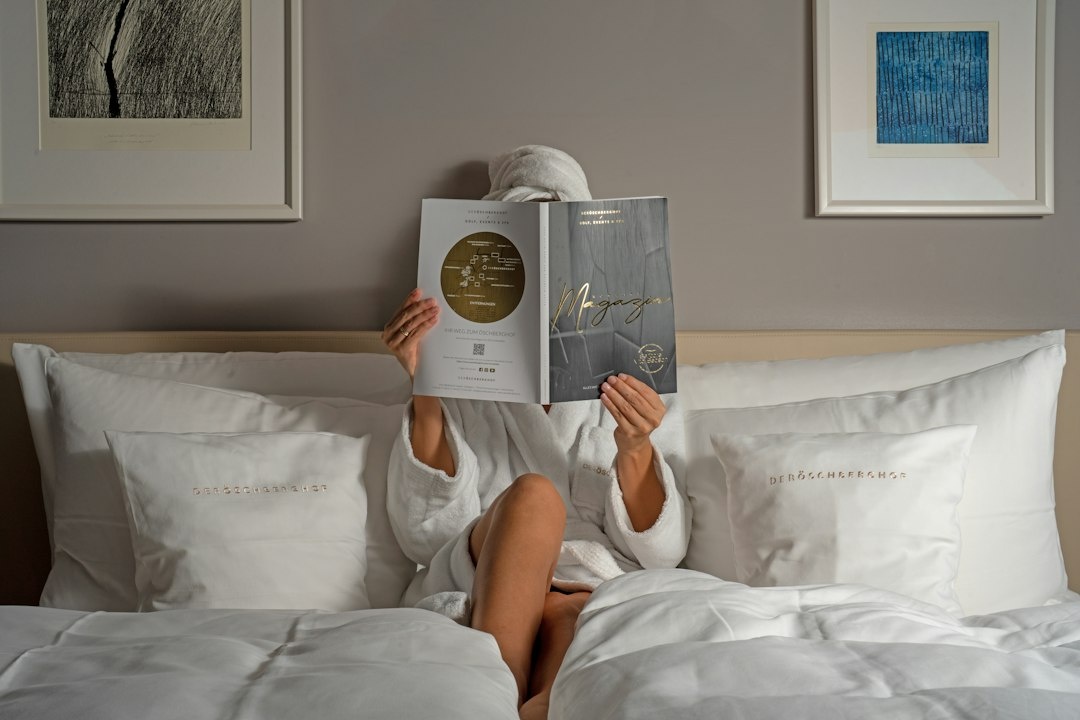
Budapest has famous public baths, but sleeping near Széchenyi is not the same as staying in a spa hotel. Ensana Thermal Margaret Island is the stronger benchmark because thermal pools, a swimming pool, saunas, treatment rooms and hotel bedrooms operate in one complex.
September 2026 room rates generally run €145–€210 per night for one person, with breakfast packages commonly adding €15–€25 depending on the booking. Book through the official Ensana website; treatment appointments should be reserved separately rather than assumed to be included with the room.
The spa and pool complex generally operates around 07:00–21:30 daily, although individual saunas and treatment desks may keep shorter hours. Verify same-day maintenance notices because thermal pools can close independently.
Sleep and room quality
A conventional hotel bed, blackout curtains and private bathroom place Ensana just behind a Japanese ryokan for sleep. It loses points because conference groups, elevators and city-hotel corridors can generate more noise than a small inn.
Ask for a high-floor room facing the park rather than service areas. Margaret Island has no through-traffic for ordinary private cars, making it significantly quieter than staying beside the nightlife streets of District VII.
If your priority is uninterrupted rest, skip a central party-district hotel plus a day ticket to Széchenyi. A €30 saving is poor value when it adds two tram journeys, a locker queue and late-night street noise.
The strongest treatment menu
Ensana offers classic massage, aromatic massage, mud packs, hydrotherapy and physiotherapy-style services. September 2026 planning prices put a basic 25-minute massage around €46–€55 and longer 50-minute treatments around €70–€90, while mud or hydrotherapy treatments commonly begin near €35–€45.
This is the only option of the three where building a structured two- or three-day treatment program is straightforward. Some services involve medical consultation or contraindications, so disclose pregnancy, cardiovascular conditions and recent surgery rather than treating thermal water as universally harmless.
Budapest’s mineral-rich water and historic bathing culture are real; miracle claims are not. Choose treatments for relaxation or clinician-supported rehabilitation, not for promises to cure chronic disease during a weekend.
Solo safety
A staffed reception, key-card room and in-room safe give Ensana the highest safety score. Guests move between bedroom and spa in a robe, removing the need to carry a wallet around public bath complexes.
Normal hotel precautions still apply: store your passport in the safe and do not leave your phone visible beside a pool. Swim caps are generally required in designated swimming pools, not ordinary thermal pools, and flip-flops are strongly recommended.
Margaret Island becomes quiet after dark. It is generally comfortable for solo walking, but the island is 2.5 km long; use bus 26 rather than walking the entire route alone after an evening treatment.
Airport transfer and restaurants
Budapest Airport is approximately 26 km from the hotel. The 100E airport bus plus metro or local transport takes around 60–75 minutes and costs roughly Ft2,500–Ft3,500 (€6–€9) depending on the connections and ticket combination, while a licensed taxi takes about 35–50 minutes for approximately Ft13,000–Ft17,000 (€33–€43).
Use BudapestGO for public transport tickets and live departures. Do not board without activating the correct digital ticket; inspection fines cost far more than the journey.
The hotel is convenient but isolated from Budapest’s strongest dining. Walk or take bus 26 toward Pozsonyi út and eat at Pozsonyi Kisvendéglő, where mains generally cost Ft4,500–Ft7,500 (€11–€19); skip the New York Café unless paying €12–€18 for coffee and cake in a crowded photo stop sounds relaxing.
Why September works
Budapest in September commonly sees afternoons around 20–24°C and cooler evenings near 14°C. That is ideal thermal-bath weather: warm enough for outdoor time but cool enough that a 38°C pool feels appealing.
Do not assume shoulder season guarantees summer-level bargains. Autumn hotel prices have risen in many high-demand cities, and Budapest’s events and conference calendar can push a €150 room above €200; Sunday-to-Tuesday stays are often cheaper than Thursday-to-Saturday by €20–€50 per night.
Realistic 48-Hour Solo Budgets
These plans exclude international airfare because the three destinations have radically different flight costs depending on origin. Each budget includes two nights or the closest equivalent, local transport, food and one paid treatment at September 2026 prices.
| Expense | Seoul | Kinosaki Onsen | Budapest |
|---|---|---|---|
| Accommodation | 1 jjimjilbang night + 1 hostel night: €39 | 1 ryokan night + 1 budget hotel: €250 | 2 thermal hotel nights: €330 |
| Bath access | Included | Included with ryokan pass | Included |
| One treatment | Body scrub: €22 | Massage: €57 | 25-minute massage: €50 |
| Meals | €45 | €45 beyond included dinner/breakfast | €75 |
| Airport or rail transfers | €7 return by public transport | €62 return from Kyoto | €15 return by public transport |
| Local transport | €8 | €0–€5 | €12 |
| 48-hour total | €121 | €414 | €482 |
Seoul costs roughly one-quarter of Budapest, but the product is not equivalent: only one night includes a private bed. If you add two Seoul hotel nights at €90 each, the total rises to about €276 and its price advantage narrows.
Kinosaki provides better value than its raw accommodation number suggests because dinner, breakfast and multiple baths are bundled. A comparable Japanese hotel, two restaurant meals and separate spa admission can easily reach €140–€190 without delivering the ryokan experience.
Decision Framework: Which Overnight Spa Should You Choose?
- Choose Seoul if your total wellness budget is under €150, you value cultural novelty and you can sleep with earplugs in a communal room.
- Choose a Japanese onsen inn if sleep, food and atmosphere matter more than treatment variety, and you can spend at least €250 before long-distance transport.
- Choose Budapest if you want a private hotel room plus bookable massages, hydrotherapy or rehabilitation-oriented services under one roof.
- Choose none of them overnight if you dislike communal nudity, react poorly to heat or mainly want sightseeing; buy a two-hour bath ticket and book a normal hotel.
- For a first solo wellness trip, choose Kinosaki if budget permits; its compact layout and structured ryokan routine remove more decisions than Seoul or Budapest.
For pure value, Seoul is unbeatable. For the experience most worth crossing a border specifically to have, Japan wins: you cannot reproduce a small ryokan, seasonal dinner, yukata bath walk and private tatami room by visiting an urban day spa at home.
Budapest makes the most sense as part of a wider European trip. I would travel to Kinosaki specifically for one ryokan night; I would choose Ensana when Budapest is already on the itinerary.
Common Mistakes That Ruin an Overnight Spa Stay
- Assuming “overnight” means a bed. At a jjimjilbang, it usually means permission to remain inside; sleeping surfaces are first-come, first-served.
- Booking a Japanese room for two when traveling alone. Search with one guest from the beginning because some ryokan reject single occupancy or apply a substantial solo rate.
- Arriving after ryokan dinner service. A 19:30 arrival can mean losing a meal worth €60–€100, even though you prepaid.
- Scheduling three heat treatments in one day. Alternate hot bathing with water and cooling breaks; more sauna time does not automatically produce more benefit.
- Ignoring tattoo policies. Kinosaki is unusually accommodating, but other Japanese onsen may require covers, private baths or complete tattoo concealment.
- Carrying valuables between pools. Use the main locker or room safe rather than a robe pocket.
- Booking September transport too tightly. Korean holiday crowds and Japanese typhoons can disrupt trains and flights; keep the spa night at least 24 hours before an international departure.
Final Verdict: Are Overnight Wellness Spas Worth Traveling For Alone?
Yes—if the overnight format itself adds something you cannot get from a normal hotel and a day-spa ticket. Japan clears that test most convincingly, Budapest clears it for treatment-focused travelers, and Seoul clears it only for budget travelers comfortable sacrificing sleep quality.
My ranking is Japanese onsen inn first for a dedicated solo wellness journey, Budapest thermal hotel first for a restorative city break, and Seoul jjimjilbang first for value. Save this comparison, price your preferred September dates directly with the property, and build at least one unhurried morning into the trip rather than racing from the bath to an airport.
Frequently Asked Questions
How much does it cost to sleep overnight in a Seoul jjimjilbang?
Expect approximately ₩22,000 (€14) for overnight admission at a central Seoul jjimjilbang in September 2026. Treatments, food and a private bed are not included, and entry is usually walk-in rather than reservable.
Is a Japanese onsen inn worth the price for a solo traveler?
Yes, if the €170–€240 solo rate includes a private tatami room, dinner, breakfast and bath access. It is poor value if you arrive too late for dinner or choose a resort charging a large single-occupancy supplement without meals.
Are Budapest thermal hotels safe for solo female travelers?
Established properties such as Ensana Thermal Margaret Island have staffed reception, key-card rooms, in-room safes and internal spa access. Use bus 26 after dark instead of walking the full 2.5 km length of Margaret Island alone.
Which overnight wellness spa offers the best treatments?
Budapest thermal hotels have the broadest menus, including massage, mud treatments, hydrotherapy and physiotherapy-style services. At Ensana, budget roughly €46–€55 for a 25-minute massage in September 2026.
When is the best time to book an overnight spa trip?
Late September offers warm sightseeing weather with more comfortable bathing temperatures in Seoul, Kinosaki and Budapest. Book Japanese ryokan meals and rooms at least four to eight weeks ahead, while Budapest weekday rates can be €20–€50 lower than weekends.

About the Author: Tomáš Bzirský
Founder and editor of Distratech. Based in the Czech Republic, travelling regularly from Central Europe. Writes practical travel guides and travel-tech comparisons (eSIM, apps, airports) in six languages.