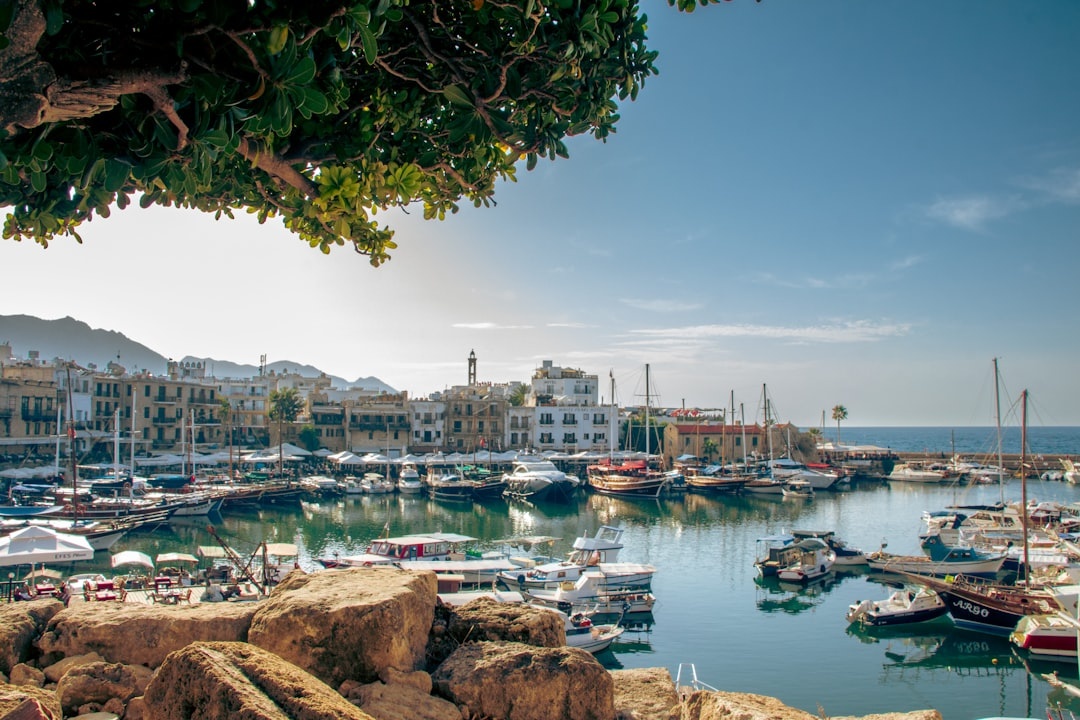
October is Cyprus at its most convincing: the Mediterranean is still around 25°C, daytime highs hover near 26–28°C on the coast, and hotel prices can fall 20–35% below August levels. September’s heat and crowds fade into warm swimming weather, cooler archaeological walks and the tail end of the wine harvest—without the autumn lodging price surge now affecting many popular US destinations.
Key Takeaways
- Expect coastal highs of 24–28°C, sea temperatures near 25°C and roughly 11 hours of daylight.
- A seven-day October trip costs about €740 per person mid-range, excluding flights.
- Stay in Paphos for archaeology and Akamas, Limassol for restaurants, or Larnaca for the easiest short break.
- Renting a car costs roughly €28–€45 per day versus €2.40 for a typical urban bus ride.
- Book the first half of October for the warmest evenings and the last half for lower room rates and quieter trails.
Key Numbers at a Glance
| October factor | Typical figure | Why it matters |
|---|---|---|
| Coastal daytime temperature | 24–28°C | Warm enough for beaches, comfortable enough for ruins |
| Troodos daytime temperature | 16–22°C | Bring a fleece for mornings and evenings |
| Sea temperature | 24–26°C | Warmer than the air on some late-October mornings |
| Sunset | 18:30 early October; about 16:55 after the clock change | Start mountain drives and hikes early |
| Rainfall | Approximately 3–5 wet days | Usually brief showers rather than all-day rain |
| Rental car | €28–€45/day, October 2026 estimate | Best value for villages, beaches and Troodos |
| Mid-range double room | €85–€145/night, October 2026 | Often 20–35% below August |
| Paphos Archaeological Park | €4.50 | One of Europe’s best-value major archaeological sites |
| Urban bus ticket | €2.40 cash, September 2026 fare check | Useful inside Larnaca, Limassol, Nicosia and Paphos |
Price note: Attraction and transport figures below were checked for September 2026 travel planning. Hotel and rental-car prices are representative October 2026 rates and can change by date, cancellation policy and demand.
Is October a Good Time to Visit Cyprus?
Yes—October is arguably Cyprus’s best all-round month. July and August are hotter, busier and more expensive, while November brings noticeably shorter days and a higher chance of rain.
During the first two weeks, Paphos, Limassol and Larnaca commonly reach 27–28°C. By the final week, expect approximately 23–26°C, with evenings around 16–19°C; that is still much warmer than the Alps, where October hiking increasingly depends on snow conditions.
| Travel month | Coastal high | Sea temperature | Typical mid-range double | Verdict |
|---|---|---|---|---|
| August | 31–34°C | 28°C | €130–€210 | Best for guaranteed heat, worst for ruins and value |
| October | 24–28°C | 24–26°C | €85–€145 | Best balance of swimming, sightseeing and price |
| December | 17–20°C | 19–20°C | €65–€110 | Good for culture, unreliable for beach time |
The trade-off is reduced service in small resorts. Some seasonal beach bars begin shortening hours after mid-October, and boat departures can be cancelled when autumn winds pick up.
Cyprus Independence Day falls on October 1. Expect parades and some road closures, particularly in Nicosia, plus holiday opening hours at banks and government-run sites.
Where Should You Base Yourself?
Cyprus looks compact on a map, but driving from Paphos to Ayia Napa takes roughly 2 hours 15 minutes over 175 kilometres. Picking the right base saves more time than trying to sleep in one “central” location.
Choose Paphos for archaeology, sunsets and Akamas
Paphos is the strongest first-time base. You can walk from the harbour to UNESCO-listed mosaics, reach the Tombs of the Kings in 10 minutes by bus, and drive to the Akamas Peninsula in about 50 minutes.
October doubles from about €90 at the locally run Axiothea Hotel to €150–€230 at beachfront resorts such as Alexander the Great Beach Hotel. Compare hotels in Paphos, but also check the hotel’s direct rate because breakfast or airport transfers may be bundled.
My pick: stay around Kato Paphos if you are car-free. Skip isolated Coral Bay resorts unless the beach is your main priority; the 615 bus takes roughly 35–45 minutes to reach Paphos Harbour, versus a 15–20-minute taxi costing around €25.
Choose Limassol for restaurants and central road access
Limassol sits between Paphos, Larnaca and the Troodos foothills. It is the practical choice for travelers who want village day trips by car but prefer wine bars and restaurants at night.
NYX Hotel Limassol commonly lists October doubles around €135–€175, while traditional guesthouses in the old centre start near €75–€100. The beachfront is convenient but noisy; I prefer the old town within a 10-minute walk of Saripolou Square.
Limassol’s weakness is its beach. The city shore is perfectly usable, but Governor’s Beach, 30 kilometres east, has clearer water and more character.
Choose Larnaca for a car-free short break
Larnaca Airport is only 6 kilometres from the centre. Bus 425 takes about 25–35 minutes and costs approximately €2.40, compared with €15–€20 and 15 minutes by taxi.
The Josephine Boutique Hotel and Lokàl Boutique Hotel usually fall between €95 and €145 per double in October. Stay within five blocks of Finikoudes if you want airport buses, restaurants and the intercity stop within walking distance.
Larnaca is less dramatic than Paphos, but it is easier. For a three-night trip with no car, that convenience beats spending half a day changing hotels.
Choose a Troodos village for cool air and wine
Omodos, Kakopetria and Platres make excellent one- or two-night additions. October daytime temperatures are often 5–9°C cooler than the coast, and vineyards around Omodos may still be processing the final high-altitude grapes early in the month.
Expect €75–€130 for a stone guesthouse, compared with €120–€180 for a coastal resort of similar quality. Skip Troodos Square as an overnight base—it is functional but lacks atmosphere—and sleep in Kakopetria or Omodos instead.
A simple decision framework
- Choose Paphos if this is your first Cyprus trip, you want major ruins, or Akamas is essential.
- Choose Limassol if food, nightlife and self-drive village trips matter most.
- Choose Larnaca if you have three or four days, no car, or an early flight.
- Choose Ayia Napa or Protaras if clear-water beaches outweigh history and local atmosphere.
- Choose Troodos for one or two nights if you want hiking, wineries and cooler evenings—not for a full week.
If October has you considering a higher-altitude alternative, compare the costs in our guide to three car-free Alpine weekends under €300. Cyprus is warmer and better for swimming; the Julian Alps and Tyrol win on public transport and autumn mountain scenery.
The Best Things to See and Experience in October
1. Walk the Paphos mosaics before the midday heat
Paphos Archaeological Park contains Roman villas, floor mosaics, an odeon and the remains of the ancient city. Admission is €4.50, compared with €12–€20 for many major Mediterranean archaeological sites.
October opening hours are generally 08:30–17:00 under the winter schedule, which normally begins September 16. Allow 2–3 hours, wear shoes with grip, and confirm holiday changes through the Department of Antiquities or Visit Cyprus website.
Arrive at 08:30 rather than joining the late-morning cruise groups. The House of Dionysus mosaics are the highlight; the exposed paths become tiring even at 26°C.
2. Visit the Tombs of the Kings
Despite the name, these monumental rock-cut tombs held wealthy officials rather than kings. Entry costs €2.50, and the site is approximately 2 kilometres north of Paphos Harbour.
The walk takes about 30 minutes, while bus 615 is around 10 minutes and €2.40. Budget 60–90 minutes and go after 15:00, when the limestone chambers photograph better and temperatures begin dropping.
3. Swim at Konnos Bay, not just Nissi Beach
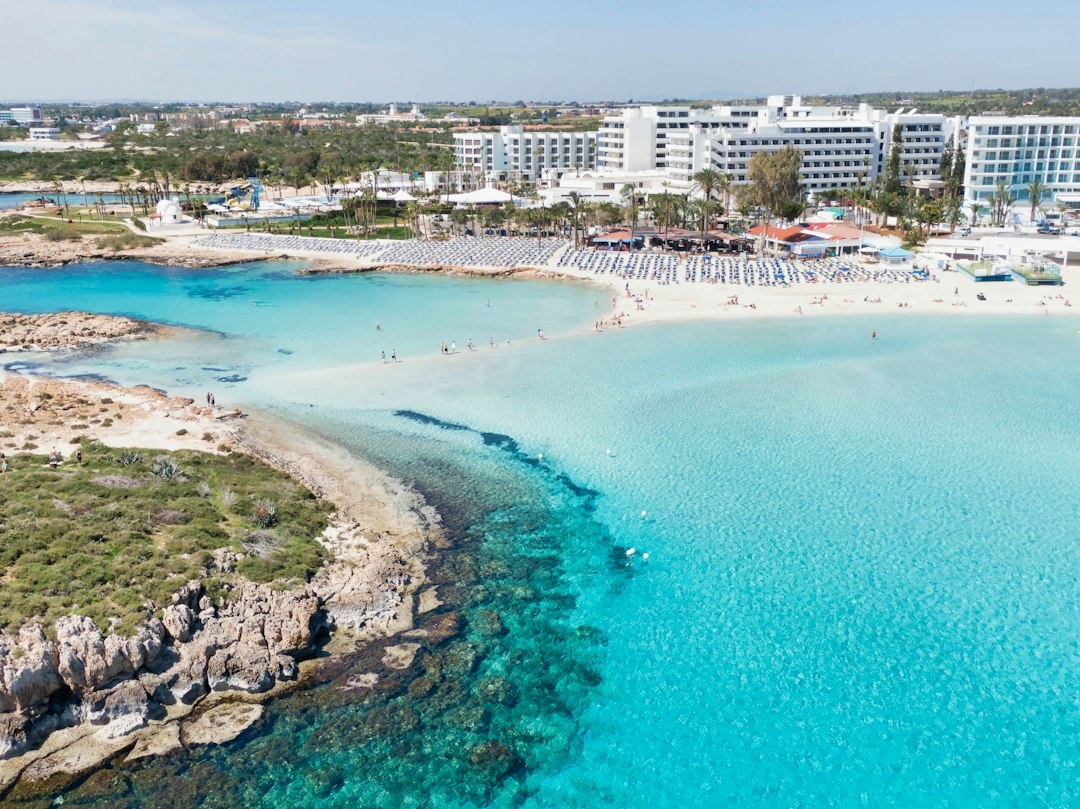
Nissi Beach is famous, photogenic and often crowded around the sandbar. Konnos Bay, 9 kilometres east, feels more sheltered and usually offers better snorkelling around its rocky edges.
Sunbed and umbrella prices are regulated at roughly €2.50 each, so a two-bed setup costs around €7.50. Parking is free but fills quickly on warm weekends; weekday mornings are calmer.
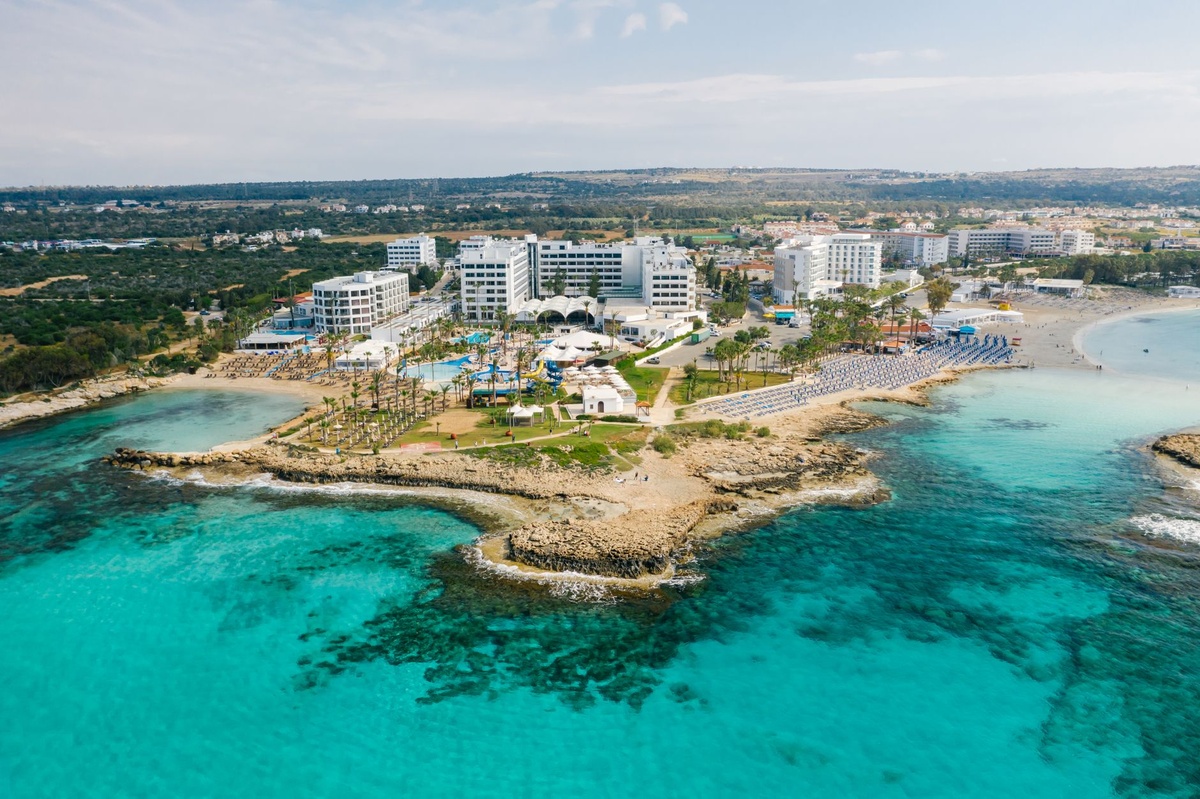
From Ayia Napa, the 101/102 coastal bus takes roughly 25–35 minutes and costs about €2.40. A taxi is 15 minutes but usually €18–€25.
4. Drive the Akamas Peninsula—but do not abuse a rental car
Akamas is western Cyprus at its wildest: limestone gorges, turtle beaches and bright-blue coves. The surfaced drive from Paphos to Latchi is about 45 kilometres and takes 50–60 minutes.
Standard rental contracts usually exclude unpaved Akamas tracks. Skip the badly rutted drive to the Blue Lagoon in a two-wheel-drive hatchback; park in Latchi and take a boat instead.
Shared Blue Lagoon cruises cost around €20–€35 for 2.5–4 hours in October 2026, while private boats begin around €180 plus fuel. Book through operators such as Latchi Watersports or direct at Latchi Harbour, and keep one flexible weather day.
For a land-based alternative, the Aphrodite Trail is a 7.5-kilometre loop with approximately 350 metres of ascent. It takes 3–4 hours, costs nothing, and is far more comfortable at 22°C in October than at 32°C in August.
5. Explore Kourion and its cliff-top theatre
Kourion sits 18 kilometres west of Limassol and combines Roman mosaics, baths and a reconstructed theatre above the sea. Entry is €4.50, with typical October hours of 08:30–17:00.
Allow 90 minutes to two hours. A rental car takes about 25 minutes from central Limassol; bus connections involve more walking and can exceed 60 minutes each way.
Pair Kourion with nearby Kolossi Castle, 8 kilometres away. The castle costs €2.50 and needs only 30–45 minutes, versus another half-day for a separate return trip.
6. Spend a day in Omodos and the Commandaria villages
Omodos is 42 kilometres from Limassol, normally a 45–55-minute drive. Its cobbled core, old wine presses and Timios Stavros Monastery make it more rewarding than the souvenir-heavy main lane suggests.
October is just after the main lowland grape harvest, but wineries remain active with fermentation and cellar work. At Ktima Gerolemo or nearby family wineries, tastings generally cost €5–€15; premium guided experiences can reach €25–€35.
Do not attempt a six-winery tasting day and drive. Book a private wine tour through Viator, GetYourGuide or a locally based operator for approximately €75–€110 per person, compared with €35–€50 for a rental car before fuel.
7. Hike Troodos when the coast is still hot
The Artemis Trail circles Mount Olympus for 7 kilometres at roughly 1,850 metres above sea level. It is mostly level, takes 2.5–3 hours and offers a genuine altitude shift without committing to an Alpine-style expedition.
The 3-kilometre Caledonia Trail is shorter but steeper and can become slippery after October rain. Artemis is better for views; Caledonia is better for shade and running water.
Temperatures can be 8°C lower than Limassol, so a 27°C beach morning may translate into a 19°C mountain walk. Download the route in Organic Maps or AllTrails before leaving—mobile coverage is generally good but not flawless in ravines.
8. Cross into northern Nicosia thoughtfully
Nicosia is Europe’s last divided capital. The pedestrian crossing at Ledra Street puts Ottoman-era Büyük Han about 10 minutes on foot from the Republic of Cyprus side.
Carry your passport and check current entry conditions for your nationality. The crossing itself is free, while museums typically cost €2–€7; allow at least four hours for both sides rather than treating the checkpoint as a photo stop.
If driving, rental-car insurance issued in the Republic generally does not cover the north. Buy separate third-party cover at an eligible vehicle crossing—often around €25–€35 for a short policy—or leave the car south and cross on foot.
A Practical Seven-Day Cyprus Itinerary
This route uses Paphos for four nights, a Troodos village for one night and Larnaca for two. Total driving is about 390 kilometres, compared with more than 650 kilometres if you repeatedly day-trip across the island from one base.
- Day 1 — Paphos arrival: Check in around Kato Paphos, walk the harbour and eat a traditional meze. Airport bus 612 takes roughly 30 minutes and costs about €2.40; a taxi is €25–€35.
- Day 2 — Ancient Paphos: Visit the Archaeological Park at 08:30, break for lunch, then see the Tombs of the Kings after 15:00. Combined admission is only €7.
- Day 3 — Akamas: Drive to Latchi, take a €25–€35 Blue Lagoon cruise and stop in Polis for dinner. Driving is around 100 kilometres return.
- Day 4 — Beach or hiking day: Choose Coral Bay for an easy swim or the 7.5-kilometre Aphrodite Trail for better views. Keep this day flexible in case your boat trip moves due to wind.
- Day 5 — Omodos and Troodos: Collect a car if you have not already, visit a winery and sleep in Kakopetria or Omodos. Paphos to Omodos is approximately 60 kilometres and 75 minutes.
- Day 6 — Kourion to Larnaca: Drive via Kourion and Limassol, then return the car in Larnaca. The direct distance from Omodos is roughly 100 kilometres before detours.
- Day 7 — Larnaca: Visit the Church of Saint Lazarus, walk the Salt Lake trail and swim from Finikoudes or Mackenzie Beach before departure.
For only four days, skip Larnaca and Troodos: base in Paphos and make one Akamas excursion. For ten days, add two nights near Protaras rather than squeezing eastern beaches into a rushed day trip.
Where to Eat: Specific Cyprus Restaurants Worth Booking
Cypriot meze is not a starter—it can involve 15–25 small dishes and last two hours. Expect €24–€32 per person for a full meat or fish meze, compared with €12–€18 for one substantial main course.
Paphos
7 St. Georges Tavern is the meal I would book first. There is no standard printed meze sequence; the kitchen sends seasonal dishes until you stop, usually for around €30–€38 per person before drinks.
Laona Restaurant is better for lunch, with dishes such as kleftiko, afelia and stuffed vegetables commonly priced at €11–€17. It generally operates daytime into early evening rather than late at night, so verify the current schedule by phone or Google Maps.
Skip the harbour restaurants displaying enormous photo menus. Walk 10–15 minutes inland for food that is usually 20–30% cheaper and less adapted to tour groups.
Limassol and the wine villages
Karatello Tavern, near Limassol Castle, is dependable for grilled meats and modern Cypriot plates. Budget €25–€40 per person with wine, compared with €45–€70 at the marina’s more polished waterfront restaurants.
In Omodos, To Katoi serves generous village dishes in a stone courtyard; mains typically cost €13–€20. Reserve for weekend lunch because October remains popular with domestic visitors.
Larnaca
Militzis near the seafront is known for kleftiko and baked lamb, with mains around €14–€20. Portions are large enough that a starter, two mains and local wine generally totals €55–€70 for two.
For fish, visit Zephyros by the fishing harbour rather than ordering an anonymous “fresh catch” on Finikoudes. Ask for the fish price by weight before ordering; whole fish may run €45–€70 per kilogram, while a fish meze is usually €27–€35 per person.
Getting Around Cyprus in October
A car is the clear winner for Troodos, Akamas and village wineries. Buses are cheaper for a single-city break but are designed more around residents than sightseeing loops.
| Transport option | October 2026 cost | Example time | Best for |
|---|---|---|---|
| Urban bus | €2.40 single; about €6.50 day ticket | Larnaca Airport–centre: 25–35 min | Car-free city stays |
| Intercity bus | Usually €5–€10 each way | Limassol–Paphos: about 75 min | Moving between major cities |
| Rental car | €28–€45/day plus €10–€18/day insurance upgrades | Paphos–Omodos: about 75 min | Villages, beaches and hiking |
| Taxi | Approximately €1.50–€2/km after base charges | Larnaca Airport–centre: 15 min | Airport runs and late nights |
| Private driver | €220–€320/day | 8-hour custom route | Wine touring without a designated driver |
Cyprus drives on the left, and most rental cars have red licence plates. Automatic cars can cost €8–€15 per day more than manuals, so book through Discover Cars, Rentalcars.com or directly with local companies at least two weeks ahead.
Fuel is approximately €1.40–€1.55 per litre in September 2026. A 390-kilometre itinerary in a small petrol car uses roughly 25 litres, or €35–€39—less than one long intercity taxi.
Use Cyprus Public Transport’s journey planner in Larnaca and Nicosia, Motion or operator apps where supported, and OSYPA information for Paphos. Google Maps is useful for stops but occasionally shows outdated rural schedules; confirm departures on operator websites such as Intercity Buses Cyprus.
October 2026 Trip Budget
This sample budget covers seven nights for two people sharing a room and rental car. It uses comfortable local hotels, one boat trip and restaurant meals—not dorm beds or five-star resorts.
| Expense | For two people | Per person |
|---|---|---|
| 7 nights accommodation at €110 average | €770 | €385 |
| Rental car, 5 days at €38 | €190 | €95 |
| Fuel and parking | €55 | €27.50 |
| Food at €42 per person/day | €588 | €294 |
| Blue Lagoon cruise | €60 | €30 |
| Attractions | €34 | €17 |
| Airport and local buses | €22 | €11 |
| Total excluding flights | €1,719 | €859.50 |
A budget traveler using buses, studios and bakery lunches can manage approximately €520–€620 per person. A five-star resort, daily taxis and private tours push the same week above €1,600 per person.
Flights from major European cities often cost €90–€240 return in October when booked six to ten weeks ahead. School half-term dates can raise UK and northern European fares by €80–€150, so compare Larnaca and Paphos airports rather than assuming the nearest one is cheapest.
Travel Tech That Actually Helps
Cyprus is within the EU, but the island is not uniformly covered by every EU roaming arrangement once you approach or cross into the north. Phones near the buffer zone can accidentally connect to a Turkish network, producing expensive roaming charges.
Turn off automatic network selection around Nicosia and northern coastal viewpoints. A regional eSIM from Airalo can cost roughly €5–€20 depending on data allowance, compared with potential out-of-zone roaming charges of several euros per megabyte.
- Download Cyprus in Google Maps or Organic Maps before driving into Troodos.
- Save hotel names in both English and Greek for taxi drivers and offline reference.
- Use Windy to compare wave height and wind before paying for an Akamas boat trip.
- Carry a Type G adapter; Cyprus uses the same three-pin plugs as the UK.
- Photograph rental-car damage and the fuel gauge with timestamps before departure.
- Keep digital copies of your passport and insurance separate from the originals.
Card payments are widespread, but carry €30–€50 for village cafés, small wineries and rural parking. ATMs offering “guaranteed conversion” may add 6–12%; decline dynamic currency conversion and choose to be charged in euros.
Common October Mistakes
Assuming every day will feel like summer
The coast may reach 27°C while Mount Olympus sits at 17°C. Pack one light waterproof layer and a fleece; buying an emergency jacket in a tourist resort can easily cost €40–€70.
Booking one hotel for an island-wide itinerary
Paphos to Protaras is roughly 190 kilometres and can take 2 hours 20 minutes each way. Two nights in the east cost less in time and fuel than making repeated cross-island day trips.
Driving off-road in Akamas
A €35 rental can turn into a four-figure problem if underbody or tyre damage occurs on an excluded road. Take a €20–€35 boat from Latchi or book a licensed 4×4 excursion instead.
Planning around summer daylight
Cyprus changes clocks on the final Sunday of October, making sunset suddenly earlier. A 16:00 Troodos hike that works early in the month may end in darkness during the final week.
Ordering meze at every meal
A full meze often exceeds 2,000 calories and takes up to two hours. Share one on your first night, then seek daily dishes such as koupepia, afelia or grilled sea bream for €12–€18.
Trusting a single bus app
Urban and intercity services use different operators, and rural frequencies may be only a few buses per day. Compare the operator’s website with the posted timetable and arrive 10 minutes early.
Final Verdict: Who Should Visit Cyprus in October?
Choose Cyprus in October if you want a beach trip with substance: Roman mosaics before lunch, a 25°C swim in the afternoon and mountain wine villages the next day. It offers a stronger weather guarantee than most of southern Europe while remaining notably cheaper and calmer than August.
The best first trip is seven days split between Paphos, one Troodos village and Larnaca. Book your first hotel and rental car now, but keep boat tours and one hiking day flexible for the week’s wind and rain forecast.
Frequently Asked Questions
Is Cyprus still hot in October?
Yes. Coastal daytime temperatures are typically 24–28°C, with evenings around 16–20°C; Troodos can be 5–9°C cooler than the coast.
Can you swim in Cyprus in October?
Usually, yes—the sea remains around 24–26°C, which is warmer than many European pools. The first half of October offers the most reliable beach weather, although windy days can interrupt boat trips.
How much does a week in Cyprus cost in October?
Budget approximately €520–€620 per person for a simple trip or €800–€950 mid-range, excluding flights. A seven-night five-star trip with private tours can exceed €1,600 per person.
Do I need a car in Cyprus?
Not for a short stay in Larnaca or Paphos, where urban buses cost about €2.40 per ride. Rent a car for Troodos, Akamas and wine villages; October rates usually run €28–€45 per day before optional insurance.
Which part of Cyprus is best in October?
Paphos is best for a first visit because it combines warm beaches, major archaeological sites and access to Akamas. Choose Limassol for restaurants, Larnaca for a car-free weekend, or Protaras for the clearest water.

About the Author: Tomáš Bzirský
Founder and editor of Distratech. Based in the Czech Republic, travelling regularly from Central Europe. Writes practical travel guides and travel-tech comparisons (eSIM, apps, airports) in six languages.