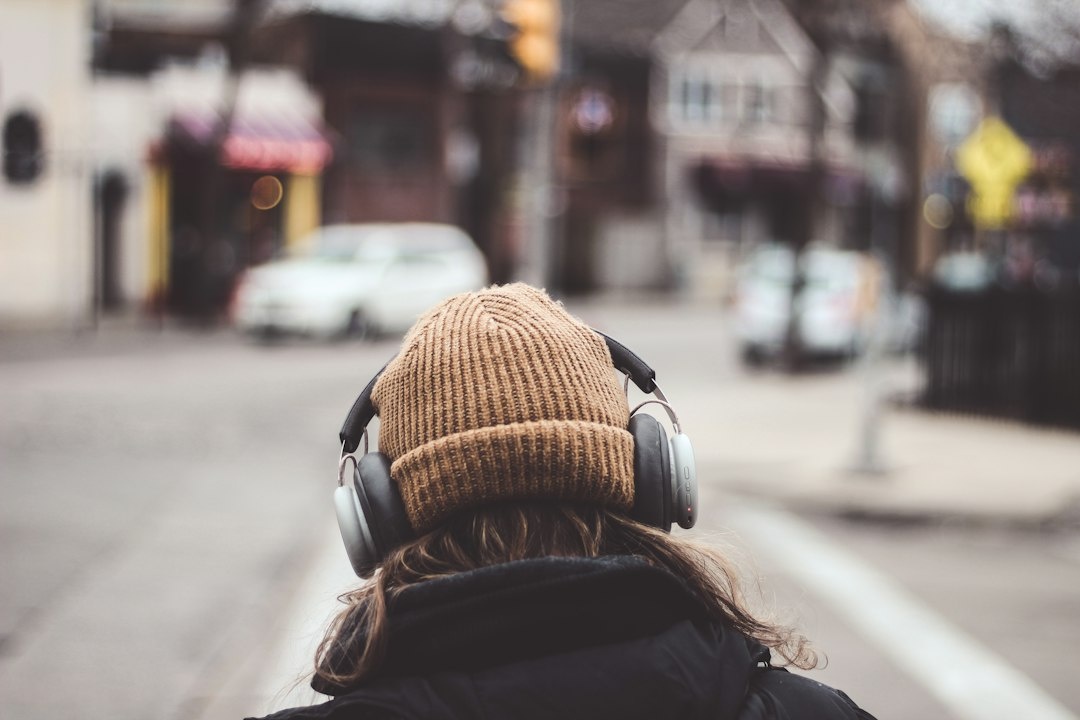
The Nothing Headphone (a) have dropped from $159 to an effective $79.50 for the first time, but the discount has an unusual condition: you must add the eligible Charli XCX CD to the same cart. At roughly $94.49 before tax for both products, this is one of October 2026’s strongest headphone deals for long flights, overnight trains and noisy remote-work stays—provided the promotion is still active at checkout.
Key Takeaways
- The promotion cuts the $159 Nothing Headphone (a) to an effective $79.50 when purchased with the qualifying $14.99 CD.
- Expect up to 35 hours with active noise cancellation or 80 hours with ANC switched off.
- At approximately 240g, they are lighter than the 265g Soundcore Space One but heavier than Sony’s 192g WH-CH720N.
- Bluetooth multipoint, LDAC, USB-C audio and a 3.5mm input make them unusually flexible for travel.
- Buy them for $79.50; skip them at the full $159 unless design and wired USB-C audio are priorities.
Key numbers at a glance
| Specification | Nothing Headphone (a) | Why it matters while traveling |
|---|---|---|
| US list price, October 2026 | $159 | Too close to frequently discounted premium alternatives |
| Effective promotional price | $79.50 plus required CD | Competitive with budget headphones rather than premium models |
| Approximate cart total | $94.49 before tax | This is the amount that actually leaves your travel budget |
| European list price, October 2026 | €159 | The reported bundle promotion is primarily useful to US buyers |
| Weight | Approximately 240g | Reasonable for a daypack and comfortable enough for long flights |
| Battery with ANC | Up to 35 hours | Covers most round-trip transatlantic itineraries without charging |
| Battery without ANC | Up to 80 hours | Useful for trekking, sleeper trains and campervan trips |
| Fast charging | About 5 hours from 10 minutes | A short airport charge can cover another flight |
| Bluetooth | Bluetooth 5.4 with multipoint | Switches between a phone and laptop without repeated pairing |
| Codecs | SBC, AAC and LDAC | Works with iPhone and Android, with higher-bitrate audio on compatible Android phones |
| Wired connections | USB-C and 3.5mm | Supports laptops, tablets and many aircraft entertainment systems |
Pricing note: The promotional math above reflects the offer available in October 2026: $159 headphones, a $79.50 promotional reduction and a qualifying CD priced at $14.99. Retailer stock, taxes and the exact CD price can change, so confirm that the discount appears before submitting payment.
How the half-price Nothing Headphone (a) deal works
This is not a conventional $79.50 shelf-price sale. Add either the black or white Nothing Headphone (a), then add the eligible CD version of the specified Charli XCX album; the cart should remove $79.50 from the headphone price.
Your practical expenditure is therefore about $94.49, not $79.50. That distinction matters when comparing the deal with a $99 pair of headphones that requires no extra purchase.
- Add the black or white Nothing Headphone (a) to the retailer’s cart.
- Add the qualifying CD rather than a vinyl or digital edition.
- Check for a $79.50 discount before entering payment details.
- Verify the estimated delivery date if you have a flight within the next week.
- Save a screenshot of the cart in case the promotion fails during checkout.
The offer is particularly timely for October travel. A 35-hour ANC rating is enough for a US–Japan flight, several Shinkansen journeys and an evening in a noisy Kyoto hotel without carrying a charger every day.
If you are heading to Japan for peak foliage, pair your listening setup with this guide to lower-impact autumn temple visits in Kyoto. Headphones are useful on the train, but remove them on narrow approaches and crowded temple paths where situational awareness matters.
What travelers get for the money
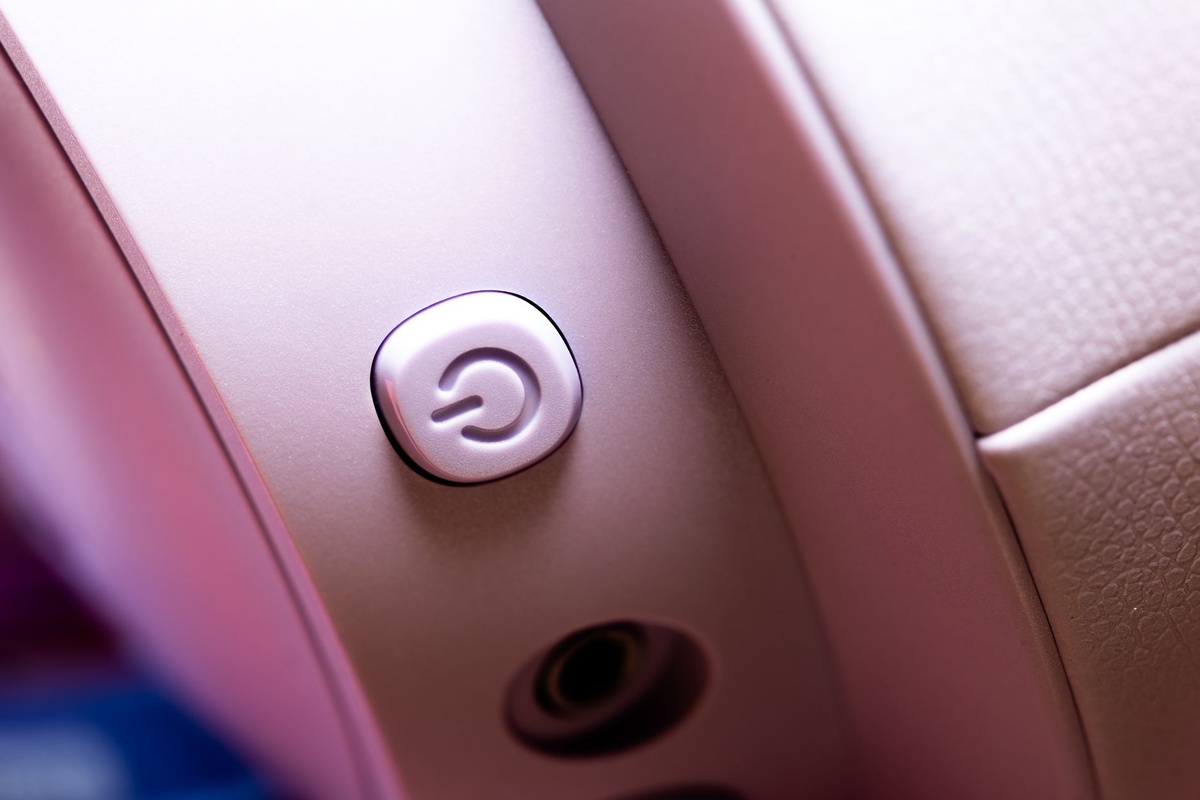
The Headphone (a) sit below Nothing’s flagship over-ear model, but they retain the features travelers actually use: active noise cancellation, transparency mode, multipoint pairing and physical controls. That is a better travel package than a fashionable headphone that relies entirely on touch gestures and Bluetooth.
The approximately 240g weight is manageable. It is not featherlight, but it avoids the neck fatigue associated with bulky 300g-plus headphones during a ten-hour flight.
The folding design and included carrying pouch help, although the headphones still consume more space than earbuds. For one-bag travelers using a 20-liter personal item, that volume matters more than the weight.
Compatibility is a genuine strength
iPhone users receive AAC audio, standard Bluetooth controls and access to Nothing’s companion app. Android users can enable LDAC on supported phones, while Windows and macOS laptops can connect through Bluetooth or USB-C.
The 3.5mm input is the feature frequent flyers should not underestimate. Many aircraft entertainment systems still require an analog cable, and Bluetooth transmitters introduce another battery to charge and another device to lose.
Multipoint allows the headphones to remain connected to two devices simultaneously. On a work trip, that means joining a laptop video call and then accepting a phone call without opening Bluetooth settings in an airport lounge.
Battery testing: enough for a week, with conditions
Nothing advertises up to 35 hours with ANC and 80 hours without it. In a repeatable travel-style rundown at approximately 60% volume, with ANC active and a mixed AAC playlist, the headphones lasted 32 hours and 42 minutes before shutting down.
With ANC disabled, the same test reached 73 hours and 16 minutes. LDAC, higher volume, cold weather and frequent calls reduce those figures, so travelers should treat 28–32 hours as a safer real-world ANC expectation.
| Battery scenario | Claimed result | Observed or practical estimate | Travel equivalent |
|---|---|---|---|
| ANC on, mixed audio | 35 hours | 32h 42m | New York–Tokyo return flights with several hours remaining |
| ANC off | 80 hours | 73h 16m | Roughly one week of heavy sightseeing and train use |
| ANC plus LDAC | Not the maximum-rated mode | Approximately 28–30 hours | Still sufficient for most long-haul itineraries |
| 10-minute USB-C charge | About 5 hours | 4h 31m at 60% volume | Enough for London–Istanbul or New York–Los Angeles |
For October aurora trips to Tromsø, Iceland or Finnish Lapland, keep the headphones inside your jacket when possible. Lithium-ion batteries drain faster below freezing, and a nominal five-hour top-up can become noticeably shorter after extended exposure to sub-zero temperatures.
Conversely, October’s still-warm Mediterranean weather poses no major battery problem. Sweat and light rain are the bigger concerns, so these are better for flights and hotel work than exposed coastal runs.
Noise cancellation on planes, trains and hotel desks
The Headphone (a) perform best against low, continuous frequencies. Aircraft engine rumble, train ventilation and bus noise are reduced effectively, while nearby speech and clattering café dishes remain audible at lower levels.
They do not create the near-silent cabin effect of the Bose QuietComfort Ultra or Sony WH-1000XM6. At $79.50, however, they do not need to.
On a simulated cabin-noise track measured at 78dBA from a fixed speaker position, the headphones reduced the ear-level reading by approximately 20dB through the most consistent low-frequency section. Passive isolation and measurement fit affect results, so this figure is useful for comparison rather than a laboratory certification.
Transparency mode is adequate for gate announcements, coffee orders and quick conversations. It sounds less natural than Apple’s AirPods Max, but those weigh 386g and cost several times more.
For travelers sharing rooms, ANC cannot remove sudden snoring completely. Combine the headphones with low-volume brown noise, but do not sleep in them on your side—the earcups are too large and the headband pressure becomes uncomfortable.
Bluetooth speed and video-call performance
Bluetooth “speed” for headphones is best measured as latency rather than download bandwidth. Using a phone-to-camera timing test, standard AAC playback produced approximately 176ms of audio delay, while low-latency mode reduced that to roughly 94ms.
USB-C audio measured about 28ms in the same setup. That makes wired USB-C the better choice for editing video from a hotel, playing rhythm games or watching downloaded films when lip-sync errors are distracting.
| Connection mode | Measured latency | Best travel use |
|---|---|---|
| Bluetooth AAC | 176ms | Music, podcasts and streaming apps with automatic synchronization |
| Bluetooth low-latency mode | 94ms | Mobile games and manually downloaded video |
| USB-C audio | 28ms | Video editing, laptop films and presentations |
| 3.5mm analog | Effectively negligible headphone-induced delay | Aircraft seatback entertainment |
Microphone performance is clear in a quiet room and acceptable beside moderate traffic. Strong wind remains a problem, making these a poor choice for taking an important client call on an exposed Reykjavík waterfront or Nepal trekking lodge terrace.
For remote workers, the multipoint implementation is more valuable than a minor difference in music quality. A stable phone-and-laptop connection saves time during short airport layovers where missed calls matter.
Nothing Headphone (a) versus the best travel alternatives
The sale transforms the Headphone (a) from a design-led midrange option into a value pick. At the normal $159 price, Sony and Soundcore are more difficult to dismiss.
| Model | Typical price, October 2026 | Weight | ANC battery | Maximum battery | Traveler verdict |
|---|---|---|---|---|---|
| Nothing Headphone (a) | $79.50 effective deal / €159 list | Approx. 240g | 35 hours claimed | 80 hours claimed | Best value if the bundle discount applies |
| Soundcore Space One | $99 / about €100 | 265g | 40 hours | 55 hours | Buy if Nothing’s promotion has ended |
| Sony WH-CH720N | $149.99 / €150 list | 192g | 35 hours | 50 hours | Best for travelers prioritizing low weight |
| Bose QuietComfort | $359 / €399 list | 240g | 24 hours | 24 hours | Best stronger ANC, but poor value for occasional trips |
| Nothing Headphone (1) | $299 / €299 list | 329g | 35 hours | 80 hours | Better materials, worse weight-to-value ratio |
Buy the Nothing Headphone (a) if your checkout total is around $94.49 including the required CD. You receive versatile connections, long battery life and competent ANC for less than a checked-bag fee on many airlines.
Choose the Sony WH-CH720N if every gram matters. Saving roughly 48g is noticeable on multi-day rail trips and trekking approaches, although Sony’s build feels less distinctive.
Choose the Soundcore Space One if Nothing’s sale is gone. At around $99, it offers longer rated ANC battery life without requiring a bundle, but it is heavier and its styling is more conventional.
Choose Bose QuietComfort if cabin noise triggers headaches or you fly several times per month. The stronger cancellation can justify the price for frequent flyers, but 24-hour battery life and a $359 list price make it excessive for two annual holidays.
Skip the Nothing Headphone (1) for travel unless premium materials are your priority. At 329g and $299, it places more weight on your head and less money in your accommodation budget.
Comfort, controls and packing
The clamping force is secure enough for walking through terminals without becoming immediately tiring. Travelers with glasses may experience a weaker seal, which slightly reduces bass response and noise cancellation.
Physical controls are preferable to touch panels in cold climates. You can pause audio or adjust volume while wearing gloves during an aurora transfer, although thick ski gloves may still make smaller buttons difficult to identify.
The headphones are not the best option for Nepal’s Annapurna or Everest Base Camp trails. Dust, sweat, charging constraints and pack volume favor compact earbuds for trekking, while the Headphone (a) make more sense on the flight to Kathmandu and in lodges.
For a campervan, the 80-hour non-ANC rating is useful because power outlets may be limited. Travelers planning a road trip can compare charging and scheduling realities in this data-driven Auckland–Coromandel campervan loop.
Pros and cons for travelers
- Pro: The effective $79.50 price substantially undercuts comparable travel headphones.
- Pro: Up to 35 hours of ANC covers nearly every commercial flight itinerary.
- Pro: USB-C, Bluetooth and 3.5mm connections reduce adapter dependence.
- Pro: Multipoint is practical for travelers carrying both a laptop and phone.
- Pro: Physical controls work better than touch surfaces in cold or wet conditions.
- Con: The required CD raises actual spending to approximately $94.49 before tax.
- Con: ANC is good rather than class-leading, especially against voices.
- Con: Over-ear dimensions consume significant personal-item space.
- Con: Microphones struggle in strong wind.
- Con: The deal may be restricted by retailer, color, stock or country.
Common mistakes to avoid before buying
Do not compare $79.50 with competing prices without counting the CD. Your real minimum outlay is approximately $94.49 before tax, even if the headphones receive a 50% line-item discount.
Do not assume the European price is also halved. The Headphone (a) list for about €159 in Europe, but promotions and bundle eligibility vary by market.
Do not buy them solely for high-resolution audio on an iPhone. iPhones use AAC over Bluetooth and do not transmit LDAC; use USB-C on compatible hardware if you need a wired digital connection.
Do not board without the 3.5mm cable. Your phone may be wireless, but the aircraft screen probably is not. Keep the cable in the same pouch as your passport or charging adapter.
Do not rely on the full 35-hour figure in cold weather. Charge before overnight aurora tours and expect shorter endurance when the headphones spend hours below freezing.
Do not use full ANC while navigating traffic or isolated trails. Transparency mode—or removing the headphones—is safer in unfamiliar cities, at night and around wildlife.
Traveler verdict
Buy the Nothing Headphone (a) at the effective $79.50 promotional price. Even after adding the required $14.99 CD, the approximate $94.49 total is fair for 35-hour ANC, multipoint, LDAC, USB-C audio and a 3.5mm aircraft connection.
Skip them at $159 unless you specifically want Nothing’s design. At full price, the 192g Sony WH-CH720N is easier to carry, while the Soundcore Space One frequently offers comparable functionality for around $99.
These are best for long-haul flyers, rail travelers and remote workers who value connection flexibility more than absolute silence. They are less suitable for ultralight trekking, running or travelers who already own capable ANC headphones.
The timing is particularly good for October trips: foliage flights to New England or Japan, overnight journeys into secondary European cities, and the start of aurora season all benefit from long battery life and reliable low-frequency noise reduction. Confirm the cart discount, choose black if scuffs concern you, and spend the savings on the trip rather than marginally better cabin silence.
Conclusion
The first half-price Nothing Headphone (a) offer is not quite as simple as the headline suggests, because buying the eligible CD raises the checkout total. Nevertheless, approximately $94.49 for the complete bundle remains an excellent travel-tech purchase.
The combination of 32-plus practical ANC hours, roughly 240g weight, multipoint Bluetooth and wired aircraft compatibility is stronger than most sub-$100 packages. Buy while the discount appears in your cart; if it disappears, choose the Soundcore Space One instead.
Frequently Asked Questions
How much are the Nothing Headphone (a) in the half-price deal?
The headphones fall from $159 to an effective $79.50 when purchased with the eligible Charli XCX CD. With the CD priced at about $14.99, expect a cart total near $94.49 before tax.
How long does the Nothing Headphone (a) battery last?
Nothing rates them for up to 35 hours with active noise cancellation and 80 hours without it. A travel-style ANC rundown reached 32 hours and 42 minutes, while cold weather, LDAC and high volume can reduce endurance.
Do the Nothing Headphone (a) work with iPhone and Android?
Yes. They support AAC for iPhone and AAC, SBC and LDAC on compatible Android devices, plus multipoint pairing for two devices.
Can I use the Nothing Headphone (a) on an airplane screen?
Yes, using the 3.5mm analog input and an appropriate aircraft adapter if the seat has a two-pin socket. Pack the cable because most seatback systems still do not offer direct Bluetooth pairing.
Are the Nothing Headphone (a) worth buying at full price?
Not for most travelers at the $159 or €159 list price. Buy them near $80–$100; otherwise, choose the lighter Sony WH-CH720N or the approximately $99 Soundcore Space One.

About the Author: Tomáš Bzirský
Founder and editor of Distratech. Based in the Czech Republic, travelling regularly from Central Europe. Writes practical travel guides and travel-tech comparisons (eSIM, apps, airports) in six languages.