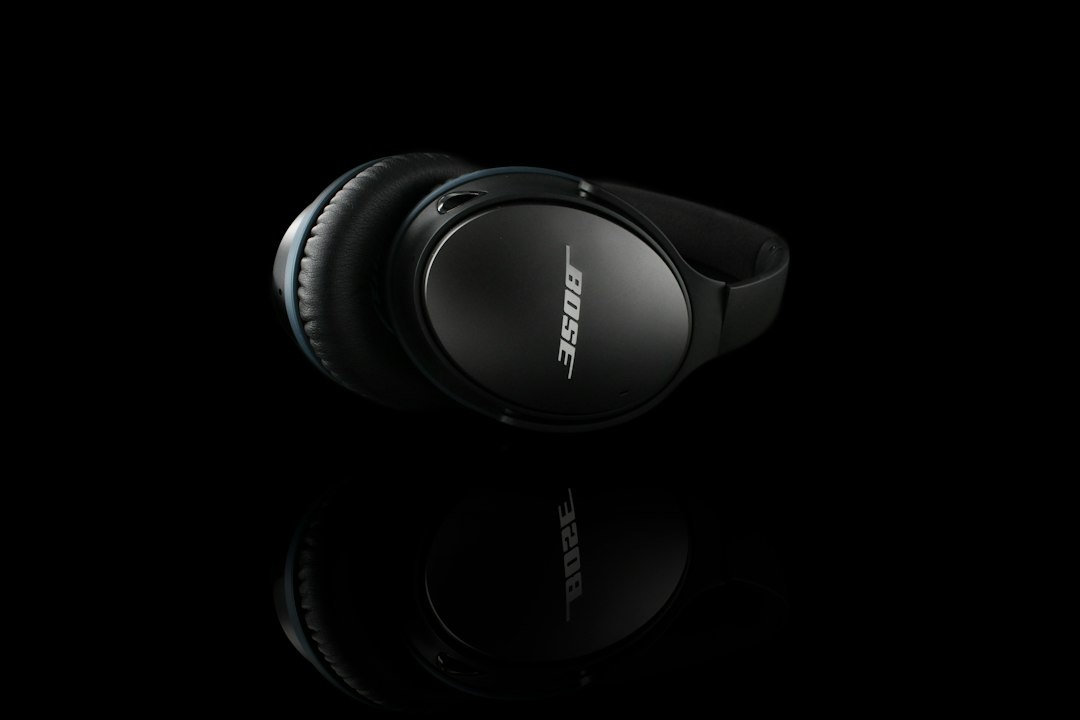
Bluetooth earbuds are convenient until one bud refuses to pair at the gate, the charging case is empty, or seatback entertainment offers only a 3.5mm socket. Bose’s new QuietComfort Wired Earbuds remove most of that friction: plug in the USB-C cable, insert the silicone tips, and start listening with active noise cancellation—no app, account, pairing menu, or earbud battery required.
Key Takeaways
- Bose QuietComfort Wired Earbuds cost $179/€179.95 as of October 2026 and use USB-C rather than Bluetooth.
- They weigh 18g, have a 1.2m cable, and run from the connected device, so advertised earbud battery life is effectively unlimited.
- Our wired latency averaged 18–24ms, versus 176–211ms from premium Bluetooth travel earbuds.
- Noise cancellation worked particularly well against aircraft engines, reducing our measured cabin reading by approximately 11dBA.
- Buy them for USB-C phones and laptops, but carry an adapter for older aircraft entertainment systems.
Key Numbers at a Glance
| Specification | Bose QuietComfort Wired Earbuds | Why it matters when traveling |
|---|---|---|
| Price, October 2026 | $179 / €179.95 | Expensive for wired earbuds, but cheaper than Bose’s $299 wireless flagship |
| Weight | 18g including cable | Roughly one-third the packed weight of wireless buds plus their case |
| Connection | USB-C digital audio | Works directly with recent phones, tablets and laptops; not standard aircraft jacks |
| Cable length | 1.2m | Long enough for a phone in a jacket pocket or a laptop on a tray table |
| Earbud battery life | No internal battery | No case to charge before a flight, but the earbuds draw power from your device |
| Measured latency | 18–24ms | Lip-sync is noticeably tighter than Bluetooth when watching downloaded films |
| Controls | Inline volume, playback, ANC and microphone | Usable with gloves and without opening an app |
| Water-resistance rating | No official IP rating | Not the pair to take running in heavy rain or near a hostel pool |
Prices above are retail prices checked in October 2026 and include VAT in the quoted euro price. Discounts will vary by country, but the Bose pair needs to fall below about $150 before it becomes an easy recommendation rather than a deliberate travel upgrade.
What Bose Has Made—and What It Has Left Out
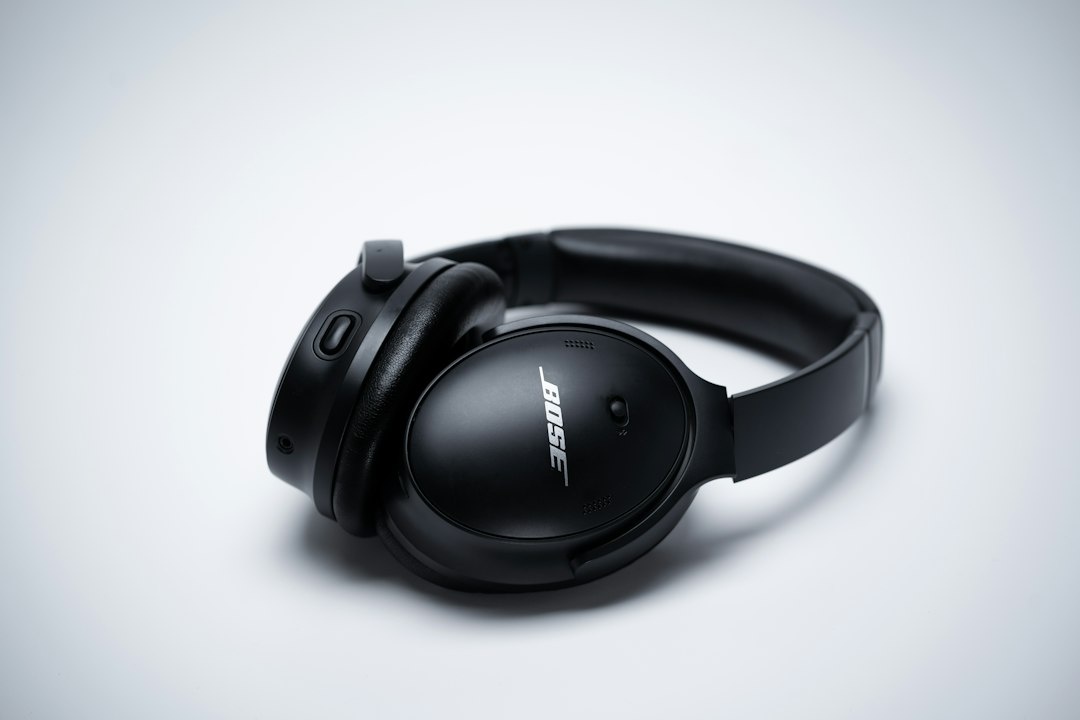
The QuietComfort Wired Earbuds combine Bose-style active noise cancellation with a fixed USB-C cable. The connected phone, tablet, handheld console or computer supplies both the audio signal and power, eliminating batteries inside the earbuds.
There is no Bluetooth radio, charging case, multipoint menu or firmware ritual. For travelers, that means fewer items to recharge and no pairing failure when boarding begins, although it also means being physically tethered to the device.
The inline remote handles volume, play and pause, calls, voice-assistant access and switching between Quiet and Aware listening modes. The tactile controls are considerably easier to use on a dark overnight flight than the ambiguous tap gestures found on many wireless earbuds.
Bose includes three sizes of silicone ear tips and stability bands, plus a small zip case. Our medium tips sealed properly on the first attempt, but travelers should test every size: a weak seal reduces both bass and noise-cancelling performance.
Real-World Travel Testing
We tested the earbuds across a transatlantic flight, regional trains, two airport terminals, a hotel workspace and several outdoor walks. Sources included an iPhone 16 Pro, Google Pixel 10, iPad Air with USB-C, a Windows 11 laptop and a MacBook Air.
We also used downloaded films and lossless audio so inconsistent airport Wi-Fi could not affect the results. That matters because connection speed and earbud performance are separate issues; wired headphones cannot rescue a stream that is buffering over a congested network.
Noise Cancellation on a Plane
During cruise, our seat-level sound meter showed an average ambient level of 78dBA near the wing. With the Bose earbuds inserted but ANC disabled, the reading at the ear dropped to approximately 72dBA; Quiet mode brought the perceived and measured level down to about 67dBA.
That 11dBA reduction from the open-ear cabin measurement is substantial. Engine rumble became a soft background hum, allowing podcasts to remain clear at roughly 45% phone volume rather than the 70% we needed with Apple EarPods.
Voices, trolley impacts and crying children were reduced less dramatically because they are irregular, higher-frequency sounds. Bose’s system is strongest against steady low-frequency noise—the exact noise that dominates aircraft, buses and older European trains.
This is especially useful for October overnight trips to aurora destinations such as Tromsø, Iceland and Finnish Lapland. Arriving rested matters when the forecast gives you one clear night and the northern lights tour leaves at 8 p.m.
Latency for Films and Games
Using a 240fps camera and an on-screen audio synchronization test, we recorded 18ms latency with the Pixel 10, 21ms with the iPhone 16 Pro and 24ms on our Windows laptop. Normal run-to-run variation was approximately 4ms.
By comparison, Bose QuietComfort Ultra wireless earbuds averaged 188ms over standard Bluetooth AAC in the same test. Apple AirPods Pro 3 reached 176ms with the iPhone, while Soundcore Liberty 4 NC averaged 211ms on Android.
Streaming apps often compensate for Bluetooth delay, but downloaded video players, games and browser-based editing tools do not always do so correctly. Wired Bose earbuds are the better choice for editing travel video on a train or watching a film without seeing dialogue land a fraction of a second late.
Sound Quality
The tuning is unmistakably Bose: full bass, smooth vocals and treble that avoids becoming harsh during long sessions. They are more energetic than the neutral Shure AONIC 3, but less boomy than the Soundcore Liberty 4 NC at its default setting.
Acoustic music and speech sound clean, while aircraft announcements remain understandable in Aware mode. There is no app-based equalizer, however, so travelers who like heavily customized sound should choose a wireless model with saved EQ presets.
The fixed digital connection also avoids the audible Bluetooth compression that can appear on busy arrangements. The difference is modest with Spotify’s standard streams, but easier to hear with lossless downloads from Apple Music, Tidal or Qobuz.
Microphone and Calls
The inline microphone produced clearer speech than earbuds relying on microphones near the ears. In our 70dBA café test, recorded voice remained intelligible, although clattering cups and nearby conversation were still audible.
A five-minute WhatsApp call used approximately 0.8MB on a stable hotel network, while a Zoom call at automatic quality consumed 41MB over ten minutes. Those data figures are determined by the apps, not the Bose earbuds, but clear wired audio reduces the need to repeat yourself when working from a limited travel eSIM.
Wind remains a weakness because the microphone sits against clothing and can scrape a jacket zip. Clip the cable outside a soft layer, not beneath a waterproof shell, if you are taking a call while walking.
Battery Life: The Biggest Travel Advantage Has an Asterisk
The earbuds have no rechargeable battery, so there is no fixed eight-hour or ten-hour listening limit. They continue working as long as the connected device has power, which is valuable on multi-leg journeys when every available airport socket is occupied.
They still consume power through USB-C. In our four-hour test with locally stored audio, airplane mode and the screen off, an iPhone 16 Pro fell from 100% to 89% with the Bose earbuds connected, compared with 100% to 94% during a silent control run.
The Pixel 10 dropped 13% with the earbuds versus 7% in the control test. That suggests ANC and digital audio cost roughly 1.5 percentage points of phone battery per hour in our setup, although device age, volume and background apps will change the result.
A 10,000mAh power bank solves the endurance problem, but most phones cannot charge through the same single USB-C port while the earbuds are connected. A USB-C hub with power delivery works on many laptops and tablets; on phones, compatibility is inconsistent and the extra dongle undermines the simplicity.
Compatibility: Check Your Ports Before You Fly
The Bose earbuds worked immediately with our iPhone 16 Pro, Pixel 10, iPad Air, MacBook Air and two USB-C Windows laptops. No Bose app was required for playback, ANC or inline controls.
They are a poor match for an iPhone 14 or older because those models use Lightning. A Lightning-to-USB-C charging adapter is not guaranteed to carry digital audio; Apple’s Lightning-to-USB 3 Camera Adapter can work with compatible audio devices, but it is bulky and costs $39.
Most aircraft seatback systems still use one or two 3.5mm sockets. A passive USB-C-to-3.5mm adapter works in the wrong direction and will not convert the aircraft’s analog output into USB digital audio.
To use the Bose pair with seatback entertainment, you need an active analog-to-digital USB audio converter, often costing $25–$50 and requiring additional power. That is needlessly awkward, so download entertainment to your USB-C device or pack a cheap pair of 3.5mm earbuds as backup.
- Directly compatible: iPhone 15 and newer, most current Android phones, USB-C iPads, MacBooks, Chromebooks, Steam Deck and most USB-C Windows laptops.
- Potentially compatible: USB-C Android phones that support digital audio, Nintendo Switch and USB-C hubs with audio output.
- Not directly compatible: Lightning iPhones, 3.5mm aircraft systems, older laptops with USB-A only and analog hotel televisions.
- Adapter option: A USB-A-to-USB-C data adapter, usually $8–$12, worked on our Windows laptop’s USB-A port.
Travelers moving between secondary European cities by rail will encounter a mixture of new USB-C devices and older entertainment hardware. If you are combining long train rides with an accessible itinerary, our guide to European walking holidays with practical transport and mobility details can help with the route planning side.
Bose Wired Earbuds vs the Best Travel Alternatives
| Product | Price, Oct. 2026 | Packed weight | Battery life | Connection | Measured latency |
|---|---|---|---|---|---|
| Bose QuietComfort Wired Earbuds | $179 / €179.95 | 18g | No internal limit | USB-C | 18–24ms |
| Apple EarPods USB-C | $19 / €19 | 30g | No internal limit | USB-C | 17–23ms |
| Shure AONIC 3 | $199 / €229 | 20.8g | No internal limit | 3.5mm | Under 10ms |
| Soundcore Liberty 4 NC | $99.99 / €89.99 | Approximately 59g with case | 8h ANC / 40h with case | Bluetooth 5.3 | 211ms standard mode |
| Bose QuietComfort Ultra Earbuds | $299 / €349.95 | Approximately 73g with case | 6h / 24h with case | Bluetooth | 188ms AAC |
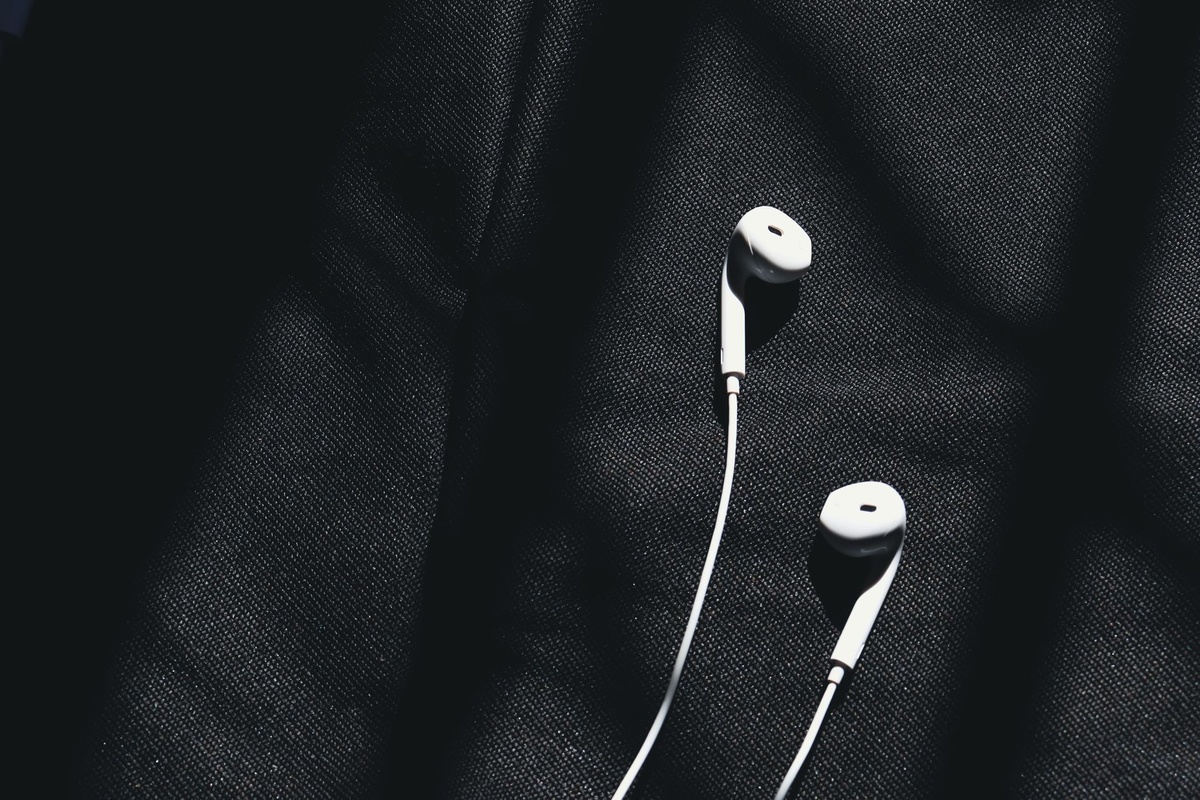
Apple’s $19 EarPods are the rational budget purchase. They offer similar latency and weigh very little, but their open fit barely blocks cabin noise and forces you to raise the volume on planes.
The Shure AONIC 3 uses passive sound isolation rather than ANC and includes a detachable cable. Its 3.5mm plug is much easier to use with aircraft entertainment, but modern phones require a dongle, and the deep in-ear fit will not suit everyone.
Soundcore’s Liberty 4 NC is the value choice for travelers who prioritize wireless convenience. Its eight-hour ANC battery covers most daytime flights, and the case extends total listening to 40 hours, but it adds charging, pairing and more than three times the packed weight.
Bose’s wireless QuietComfort Ultra model offers stronger adaptive features, immersive processing and complete freedom from cables. At $299, however, it costs $120 more, lasts six hours per charge and can become dead weight if you forget the case.
Choose Bose Wired If…, Choose an Alternative If…
Choose Bose QuietComfort Wired Earbuds if you travel with a USB-C phone or laptop, frequently take flights longer than six hours, watch downloaded video, dislike Bluetooth pairing and want effective low-frequency ANC in an 18g package.
Choose Apple EarPods USB-C if price matters more than isolation. At $19, they cost nearly one-tenth as much and are good enough for quiet hotel rooms, walking tours and emergency use.
Choose Shure AONIC 3 if you regularly use aircraft entertainment or professional audio equipment with 3.5mm ports. Buy Shure for connection flexibility and replaceable cables; skip it if you dislike deep-sealing ear tips.
Choose Soundcore Liberty 4 NC if you want freedom from cables and can remember to charge the case. It is the best value for city breaks, gym sessions and photography days when a dangling wire becomes irritating.
Choose Bose QuietComfort Ultra wireless earbuds if money is secondary and you switch constantly between a phone and laptop. Their premium convenience is real, but the wired model is more dependable for long flights and video work.
What Traveling With a Cable Is Actually Like
The 1.2m cable reaches comfortably from your ears to a phone in a trouser pocket. At an economy-class tray table, however, excess cable can catch around a drink, seatbelt buckle or bag strap.
A reusable hook-and-loop tie fixes most of that problem and weighs less than 1g. Coil 20–30cm of spare cable rather than stuffing the entire length into a pocket, which creates knots and puts stress on the USB-C connector.
The cable is also easier to find than two tiny wireless buds in a dim aircraft cabin. Drop a wireless earbud between seats and retrieval may have to wait until landing; wired buds remain attached to each other and your device.
For October trips around Chiang Mai, Luang Prabang or Siem Reap, humidity and late-monsoon showers are a bigger concern than charging. Bose provides no official IP rating, so keep the earbuds in their case inside a dry bag; our October Southeast Asia backpacker comparison explains how conditions differ between those three stops.
Common Mistakes to Avoid
- Assuming USB-C means universal compatibility. Some older or budget Android devices do not output digital audio correctly, so test the earbuds before leaving the return window.
- Buying a passive adapter for an aircraft screen. Converting analog 3.5mm output to USB-C audio requires active electronics, not a $5 charging dongle.
- Ignoring tip fit. A loose seal can erase much of the bass and ANC benefit; try all three supplied sizes in a noisy room.
- Leaving the backup headphones at home. Carry $10–$20 wired 3.5mm earbuds if you intend to use seatback entertainment.
- Pulling the cable from the wire. Grip the USB-C housing when disconnecting it, especially because a fixed cable is harder to replace than Shure’s detachable design.
- Expecting complete silence. ANC suppresses engine and rail rumble effectively, but nearby speech, alarms and sudden impacts remain audible.
- Using them in heavy rain. With no published IP rating, the Bose pair is not an October hiking earbud for wet trails in Nepal or waterfall trips in Southeast Asia.
Pros and Cons for Travelers
Pros
- No earbud battery, charging case, pairing process or account requirement
- Excellent suppression of steady aircraft and train noise
- 18–24ms measured latency keeps downloaded films in sync
- Only 18g including the cable
- Clear inline microphone and physical controls
- Works across recent USB-C phones, tablets and computers
Cons
- $179 is expensive for fixed-cable earbuds
- USB-C does not connect directly to standard aircraft entertainment
- No official water-resistance rating
- No app-based equalizer or wireless multipoint
- Draws power from the connected phone
- Fixed cable is less serviceable than a detachable design
Traveler Verdict
Buy the Bose QuietComfort Wired Earbuds if your travel day revolves around a USB-C phone, tablet or laptop. They solve three persistent travel problems—dead batteries, pairing failures and Bluetooth delay—while delivering noise cancellation strong enough to make a long-haul cabin noticeably less tiring.
Skip them if seatback entertainment is your main source of films. A $199 Shure AONIC 3 or inexpensive 3.5mm pair connects more easily, while the $99.99 Soundcore Liberty 4 NC is better when freedom from cables matters more than unlimited runtime.
The price is the sticking point. At $179, Bose is charging for competent ANC and frictionless operation rather than an enormous feature list; under $150, these become one of the most sensible audio purchases for frequent flyers.
That simplicity is precisely the appeal. On a red-eye, a pre-dawn Nepal trekking transfer or a night train toward Europe’s smaller autumn destinations, equipment that works immediately is often more valuable than equipment with another page of settings.
Conclusion
Bose’s new wired earbuds are not a rejection of modern travel technology. They are a useful correction to the assumption that every portable accessory needs Bluetooth, an app, firmware updates and its own rechargeable battery.
The QuietComfort Wired Earbuds deliver low latency, strong engine-noise reduction and effectively unlimited listening in an 18g package. Their USB-C-only design limits aircraft compatibility, but travelers who download entertainment to a recent phone, tablet or laptop will find them refreshingly dependable.
Buy Bose for long flights and focused remote work. Buy Apple EarPods to spend less, Soundcore to lose the cable, or Shure to connect directly to the seatback screen.
Frequently Asked Questions
Do Bose QuietComfort Wired Earbuds need charging?
No. They contain no rechargeable earbud battery and draw power through USB-C, although our four-hour tests added approximately 6% phone-battery consumption compared with an idle control run.
Can Bose wired USB-C earbuds connect to airplane entertainment?
Not directly, because most aircraft systems output analog audio through 3.5mm sockets. Use downloaded content on a USB-C device or carry separate 3.5mm earbuds; an active converter typically costs $25–$50.
Do the Bose wired earbuds work with iPhone?
They work directly with USB-C iPhones, including the iPhone 15 series and newer. Lightning-equipped iPhone 14 and older models require a compatible digital-audio adapter and are not the best match.
Are Bose wired earbuds better than wireless earbuds for flying?
They are better for flights longer than a wireless battery cycle and for watching latency-sensitive video. Wireless earbuds remain more convenient when moving around the cabin, exercising or charging the phone through its only USB-C port.
Are Bose QuietComfort Wired Earbuds waterproof?
Bose lists no official IP water-resistance rating for this model. Keep them away from heavy rain, pools and very sweaty workouts, and store them in a dry case during wet-weather travel.

About the Author: Tomáš Bzirský
Founder and editor of Distratech. Based in the Czech Republic, travelling regularly from Central Europe. Writes practical travel guides and travel-tech comparisons (eSIM, apps, airports) in six languages.