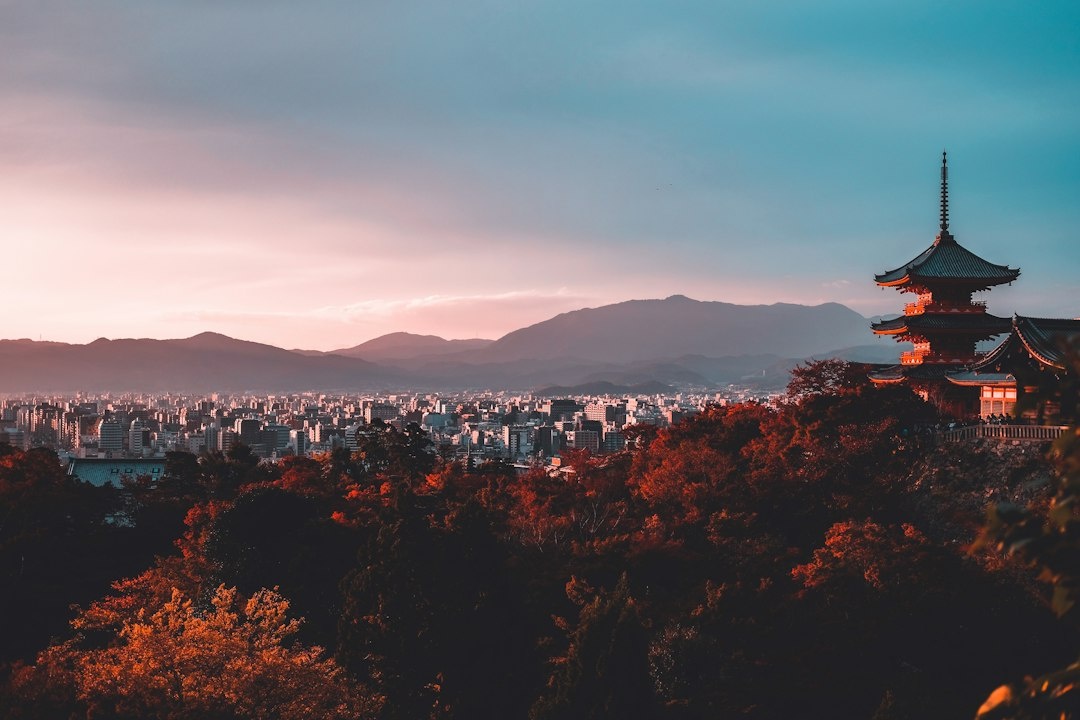
Golden Week is usually the week experienced Japan travelers tell you to avoid. In 2027, however, the holiday pattern creates a workable slow-travel window—if you reserve trains early, stay near stations, and replace Kyoto’s crush with the quieter Setouchi route through Okayama, Kurashiki, Onomichi, and Matsuyama.
Key Takeaways
- Golden Week runs from Thursday, April 29 through Wednesday, May 5, 2027, with the heaviest rail demand expected April 29 and May 2–5.
- The nine-night route covers roughly 335 km and costs about €91 per person in point-to-point rail and ferry fares at October 2026 prices.
- Reserve Shinkansen and Limited Express Shiokaze seats exactly one month ahead at 10:00 JST through SmartEX or JR West.
- Forward large luggage for approximately €13–€19 per bag and travel with a small overnight case on transfer days.
- Skip steep Onomichi temple walks and Matsuyama Castle’s interior; choose the waterfront, ropeways, gardens, and Dogo’s level shopping arcade instead.
Key Numbers at a Glance
| Item | Practical figure | Why it matters |
|---|---|---|
| Recommended trip length | 10 days / 9 nights | Limits hotel changes to four bases |
| Main route | Approximately 335 km | Entirely manageable by train plus an optional ferry |
| Fastest transfer | Okayama–Kurashiki: 17 minutes | No reserved seat required |
| Longest transfer | Onomichi–Matsuyama: 3–4 hours | Choose accessibility or scenery, not speed alone |
| Transport budget | Approximately €91 per person | Based on October 2026 fares and ¥160 = €1 |
| Golden Week dates | April 29–May 5, 2027 | Book seats and hotels before demand peaks |
| Typical daytime temperature | 18–24°C | Bring light layers rather than summer-only clothing |
| Walking target | 3–6 km daily | Can be reduced with trams, taxis, and station hotels |
Price note: Rail, admission, and meal prices below are converted at ¥160 to €1 and reflect published or bookable prices checked in October 2026. JR operators can revise fares before April 2027, while Golden Week hotel rates remain dynamic.
Step 1: Pick the Right Golden Week Strategy
The public holidays fall on Thursday, April 29 and Monday through Wednesday, May 3–5. Because May 1–2 is a weekend, many Japanese travelers will create a continuous April 29–May 5 break.
The worst plan is arriving in Tokyo on April 29, attempting Kyoto on May 2, and taking an unreserved train on May 5. A better plan starts in Okayama by April 28, uses local trains during the busiest days, and saves the reserved-seat transfer to Matsuyama for May 6.
Choose your schedule
- Choose maximum crowd avoidance if you can travel April 27–May 6: reach Okayama before the holiday and leave Matsuyama after it.
- Choose the compact version if you have seven nights: use Okayama as a base for Kurashiki, then spend two nights each in Onomichi and Matsuyama.
- Choose maximum accessibility if stairs or long walks are difficult: sleep beside Okayama, Kurashiki, and Matsuyama stations and take the all-rail route from Onomichi.
- Choose the lower-cost scenic transfer if you can manage a coach step: take the bus across the Shimanami Kaido to Imabari, followed by JR to Matsuyama.
April and early May are usually pleasantly mild around the Seto Inland Sea. Compared with October’s drier autumn travel window, late April is greener but carries a greater chance of showers, so pack a light waterproof shell and shoes with grip.
Step 2: Book in the Correct Order
Golden Week punishes travelers who book transport first and accessible rooms later. Hotels may have dozens of standard rooms but only one or two rooms with roll-in showers, wider doors, or bathroom grab rails.
- By November 2026: reserve refundable hotels, preferably by contacting each property directly about room dimensions and bathroom access.
- By January 2027: book international flights and decide whether you will enter through Osaka Kansai, Tokyo, or Fukuoka.
- In March 2027: arrange luggage forwarding, mobility equipment, and dietary requests.
- Exactly one month before each journey: reserve Shinkansen and Limited Express seats at 10:00 JST.
- Seven days before travel: reconfirm JR wheelchair assistance and hotel arrival times.
Use SmartEX for Tokaido, Sanyo, and Kyushu Shinkansen bookings. The JR West website is more useful for the Limited Express Shiokaze between Okayama and Matsuyama.
For an April 29 train, standard sales open March 29 at 10:00 JST. For May 6, book April 6; setting a phone alarm is far safer than hoping two aisle seats remain three days beforehand.
Which seats should seniors reserve?
On the Shinkansen, reserve seats near the carriage end so the toilet and vestibule are close. Oversized-baggage seats are required when total luggage dimensions exceed 160 cm, but forwarding a suitcase is easier than wrestling it through a crowded station.
On the Shiokaze, choose an ordinary reserved seat rather than an unreserved carriage. Green Car seats cost roughly €12–€18 more on this journey but provide wider seating and less foot traffic—a reasonable upgrade for a 2-hour-40-minute ride.
Wheelchair users should ask JR for a designated wheelchair space rather than booking a conventional seat online and hoping it works. Contact or visit the station as early as possible; JR commonly requests advance notice because staff must arrange ramps and transfer assistance.
Step 3: Decide Whether a Rail Pass Saves Money
For this itinerary alone, a regional pass usually loses. Point-to-point travel is approximately €91, while a seven-day Setouchi-area pass has recently cost around €138 at October 2026 conversion rates.
| Ticket option | Price in EUR, Oct. 2026 | Coverage relevant to this trip | Best for |
|---|---|---|---|
| Point-to-point tickets | Approximately €91 | All listed transfers, including scenic bus option | Travelers following only this route |
| Setouchi Area Pass, 7 days | Approximately €138 | Broad JR coverage around Osaka, Okayama, Hiroshima, and parts of Shikoku | Adding Hiroshima, Miyajima, or several Shinkansen trips |
| Kansai–Hiroshima Area Pass, 5 days | Approximately €106 | Kansai to Hiroshima, but not the full Matsuyama rail journey | Ending in Hiroshima rather than Matsuyama |
| Nationwide JR Pass, 7 days | Approximately €313 | Most JR services nationwide | Only worthwhile with substantial additional long-distance travel |
My verdict: buy individual tickets unless you add Osaka–Okayama, Hiroshima, Miyajima, and another Shinkansen sector within seven days. Skip the nationwide JR Pass; paying more than three times the route’s point-to-point cost is not flexibility—it is poor arithmetic.
Step 4: Follow This 10-Day Senior-Friendly Route
Days 1–2: Okayama
Stay close to Okayama Station, one of the easiest hubs in western Japan. Elevators, staffed gates, taxis, buses, restaurants, and shopping are concentrated in one complex, unlike Kyoto Station’s more exhausting scale.
Hotel Granvia Okayama connects directly to the station and typically lists Golden Week rooms around €140–€220 a night. Less expensive Daiwa Roynet Hotel Okayama Ekimae often starts near €95–€155, but confirm that the lift serves every floor and request an accessible room directly.
Start Korakuen Garden at 7:30 when tour groups are still eating breakfast. The garden opens 7:30–18:00 from March 20 through September, with last entry at 17:45; standard admission is ¥500, approximately €3.15.
Okayama Castle stands just across the river and opens 9:00–17:30, with last admission at 17:00. Entry is ¥400, or €2.50, compared with a combined garden-and-castle ticket costing roughly €4.
The approximately 1.5 km station-to-garden journey takes 25 minutes on foot. The streetcar costs around ¥140 (€0.90) and takes about 12 minutes, while a taxi is approximately ¥1,200 (€7.50) for 8–10 minutes—worth sharing when knees are tired.
Eat barazushi at Azuma Sushi Sun Station Terrace, inside the station complex. A set generally costs ¥1,800–¥3,000 (€11–€19), versus €25 or more at a formal kaiseki restaurant, and you avoid another taxi ride.
Visit at 11:00 or after 13:30. During Golden Week, joining a famous restaurant queue at noon can consume 60–90 minutes; an early lunch often reduces that to under 20.
Days 3–4: Kurashiki
Local trains cover the 16 km from Okayama to Kurashiki in about 17 minutes for ¥330 (€2.05). There are no reserved seats, so leave after 09:30 rather than competing with commuters and holiday day-trippers.
Kurashiki’s Bikan Historical Quarter is approximately 1 km from the station. The walk takes 12–15 minutes, while a taxi costs roughly ¥800 (€5) and takes five minutes.
The canal itself is level, but side lanes can have uneven stone, drainage channels, and raised thresholds. A cane with a broad rubber tip or a compact rollator is more useful here than trying to complete the entire district on foot.
The Ohara Museum of Art generally opens 9:00–17:00, with last admission 30 minutes before closing. Adult admission is ¥2,000 (€12.50), far more than the free canal area, but the El Greco, Monet, and Japanese modern-art collection makes it worth paying.
Not every historic gallery space offers seamless step-free access. Ask staff which route is currently accessible instead of assuming a 1930 building functions like a modern museum.
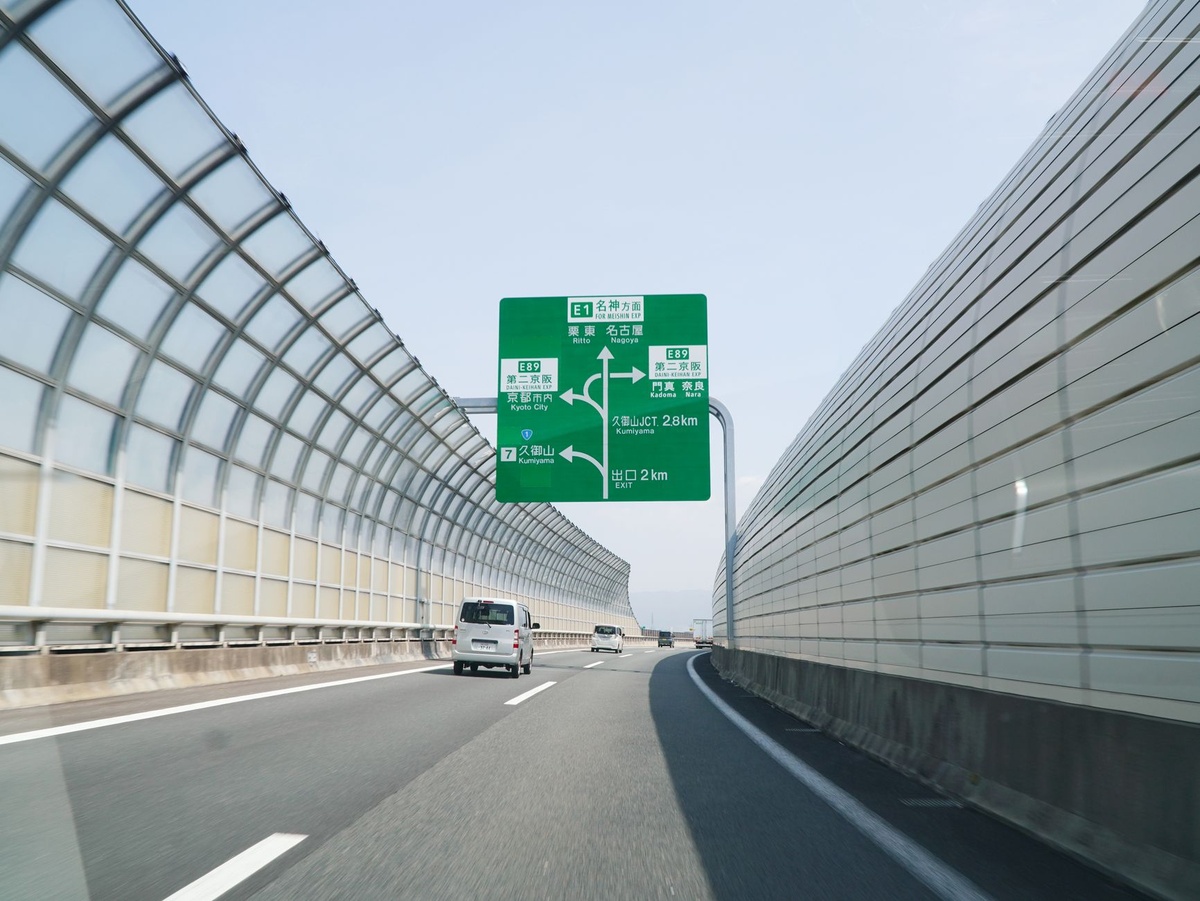
The Royal Park Hotel Kurashiki, about six minutes from the station, typically runs €105–€180 during peak dates. Staying overnight lets you enjoy the canal before 09:00 and after 17:00, when day visitors from Osaka and Okayama have left.
For dinner, Kappa is the popular tonkatsu choice, with meals around ¥1,300–¥2,000 (€8–€12.50). I would skip its midday Golden Week queue and arrive before the evening opening; if standing for 45 minutes is a problem, eat at a reservable hotel restaurant instead.
Days 5–6: Onomichi
The local Sanyo Main Line from Kurashiki to Onomichi covers approximately 69 km in 75–85 minutes. The fare is about ¥1,340 (€8.40), compared with roughly €30–€36 if you combine local trains and a short Shinkansen hop through Fukuyama.
Take the slower direct local service if a suitable connection is available. It produces fewer transfers, costs about 75% less, and saves the strain of elevators and platform changes for only a modest time penalty.
Onomichi’s famous Temple Walk is lovely and wrong for many senior travelers. It includes steep lanes, prolonged gradients, and hundreds of steps; skip the full 2.5 km route and concentrate on the waterfront, shopping arcade, and ropeway viewpoints.
The Senkoji Ropeway normally operates 9:00–17:15. The fare is approximately ¥700 (€4.40) one way or ¥1,000 (€6.25) return, compared with a free but strenuous uphill walk of 30–45 minutes.
Access conditions can change, and the surrounding park still includes slopes and steps. Travelers using a wheelchair should confirm boarding dimensions and lift availability through the Onomichi municipal website before relying on the ropeway.
Green Hill Hotel Onomichi is the practical choice, positioned beside the station and waterfront. Expect roughly €90–€150 per night during Golden Week; fashionable hillside guesthouses may look atmospheric but often involve stairs, taxis, and no lift.
Try Onomichi ramen at Onomichi Ramen Ichibankan, where a bowl costs around ¥850–¥1,100 (€5.30–€6.90). Go at opening or after 14:00; the celebrated shops can have 60-minute holiday queues for what remains, fundamentally, a quick bowl of noodles.
A relaxed evening waterfront walk is one of the route’s best low-impact experiences. Compared with cycling the 70 km Shimanami Kaido, it requires no support vehicle, no bike transfer, and little exposure to holiday traffic.
Day 7: Transfer from Onomichi to Matsuyama
This is the trip’s main decision point. The all-rail route is easier with a wheelchair or heavy mobility aid, while the Shimanami bus route is cheaper, more direct, and more scenic.
| Route | Distance | Duration | Price in EUR, Oct. 2026 | Accessibility trade-off |
|---|---|---|---|---|
| Onomichi–Fukuyama–Okayama–Matsuyama by JR | Approximately 250 km | 3 hr 35 min–4 hr | €65–€72 reserved | Elevators and staffed assistance, but two transfers and backtracking |
| Onomichi–Fukuyama–Imabari–Matsuyama by bus and JR | Approximately 145 km | 3 hr 20 min–4 hr | €28–€34 | Fewer rail miles, but coach steps and luggage handling |
| Onomichi–Hiroshima–Matsuyama by train and ferry | Approximately 190 km | 4 hr 30 min–5 hr 30 min | €55–€68 | Scenic sea crossing, but more transfers and weather exposure |
Choose all-rail if you use a wheelchair, cannot climb coach steps, or want JR staff assistance. Travel via Fukuyama and Okayama, then reserve the Limited Express Shiokaze to Matsuyama.
Choose the Shimanami route if you can board a highway coach independently and want to avoid a 100 km backtrack. Travel to Fukuyama, take the Shimanami Liner to Imabari, then continue to Matsuyama by JR; confirm bus reservations and accessible-vehicle availability beforehand.
Choose the Hiroshima ferry route only if the sea crossing is part of the experience. It is more memorable than retracing the railway, but pier transfers make it the least forgiving option when elevators, weather, or connections go wrong.
Days 8–10: Matsuyama and Dogo Onsen
Matsuyama is a better final stop than rushing back to Osaka on May 5. It offers frequent trams, a compact center, Dogo Onsen, and direct flights to Tokyo and Osaka after the Golden Week peak.
The city tram typically costs ¥230 (€1.45) per ride regardless of distance. A taxi from JR Matsuyama Station to Dogo Onsen costs approximately ¥1,800–¥2,300 (€11–€14.50) and takes 15–20 minutes, versus 25–35 minutes by tram.
Stay near Okaido for the best balance of trams, restaurants, and level streets. Candeo Hotels Matsuyama Okaido typically costs €105–€180 during peak periods, while Hotel Vista Matsuyama often falls around €85–€145.
You can compare centrally located hotels in Matsuyama, but call the property before booking if you need a roll-in shower. Japanese listings sometimes label a room “barrier-free” even when the bathroom still has a small threshold.
Dogo Onsen Honkan generally opens 6:00–23:00, with basic bathing admission around ¥700 (€4.40). Go before 07:30 or after 20:30; between 16:00 and 19:00, day visitors and ryokan guests create the busiest period.
Bathing facilities can involve low stools, slippery floors, and changes in level. If independent bathing is unsafe, enjoy the restored exterior, footbath, and covered shopping arcade rather than forcing the experience.
Matsuyama Castle’s ropeway is easier than walking uphill, but the castle keep contains steep historic staircases. Ropeway return tickets cost about ¥1,040 (€6.50), with castle admission around ¥520 (€3.25); skip the keep if balance is limited and visit Ninomaru Historical Garden instead.
Ninomaru Garden generally opens 9:00–17:00 in spring and costs approximately ¥200 (€1.25). It is quieter and less strenuous than the castle keep, although some paths and gradients still require care.
For dinner, order uwajima tai-meshi—raw sea bream and egg over rice—at Goshiki. Sets generally cost ¥1,600–¥2,500 (€10–€15.60), versus ¥5,000 (€31) or more for a multi-course ryokan dinner.
Step 5: Make the Route Genuinely Lower Impact
A lower-impact trip is not achieved by reusing one hotel towel while taking multiple domestic flights. The larger gains come from slower routing, public transport, fewer hotel changes, and spending outside Japan’s most congested tourism corridor.
This itinerary uses four bases over nine nights, compared with an exhausting six-city itinerary that might change hotels every day. Fewer transfers also reduce taxi journeys, luggage handling, and food waste from rushed convenience-store meals.
Forward the large suitcase
Yamato Transport’s takkyubin service typically costs ¥2,000–¥3,000 (€12.50–€18.75) for a medium suitcase between these regions. A station locker may cost ¥600–¥900 (€3.75–€5.60) per day, but large lockers sell out quickly during Golden Week.
Forward bags from Kurashiki to Matsuyama and carry a small overnight case in Onomichi. Delivery can take one or two days, so keep medication, chargers, documents, and one change of clothes with you.
For packing principles that also work on train-heavy journeys, see this eco-conscious, data-driven packing list. Its emphasis on rewearable layers and avoiding bulky single-purpose items is especially useful in Japan’s compact rooms.
Use digital tools without depending on them completely
- Google Maps: best for station exits and live urban navigation, but double-check rural platform details.
- Japan Travel by NAVITIME: useful for filtering by rail pass and comparing transfer counts.
- SmartEX: use for Shinkansen reservations and seat changes.
- Google Translate: download Japanese offline and save written accessibility requests.
- IC card: use ICOCA for local trains, trams, buses, and convenience stores, while retaining some cash.
- Airalo: useful for a data eSIM, but check phone compatibility before purchase.
A 10 GB eSIM commonly costs roughly €16–€24, compared with €40–€70 for airport pocket Wi-Fi over ten days. An eSIM is lighter and requires no return procedure, but pocket Wi-Fi can connect several devices and may be easier for couples sharing data.
Sample Budget for 10 Days
This budget assumes two seniors sharing a twin room, traveling independently, and booking approximately six months ahead. It excludes international flights because fares vary dramatically by origin.
| Category | Cost for two | Basis |
|---|---|---|
| Accommodation, 9 nights | €1,170 | Average €130 per room during Golden Week |
| Intercity and local transport | €220 | Point-to-point rail, trams, and several taxis |
| Luggage forwarding | €62 | Two bags forwarded twice at roughly €15.50 each |
| Food | €720 | €40 per person per day |
| Admissions and baths | €100 | Gardens, museums, ropeways, and onsen |
| Connectivity | €24 | One shared-data arrangement or two small eSIM plans |
| Contingency | €200 | Extra taxis, fare changes, or medical supplies |
| Total for two | €2,496 | Approximately €1,248 per person |
A comfort version with station-connected hotels, Green Car seats, and daily taxis is closer to €1,600 per person. A budget version using business hotels and fewer paid attractions can reach approximately €950, but Golden Week is not the moment to rely on last-minute discounts.
Accessibility Checks That Matter
“Accessible” is not a universal standard in Japan. Elevators may exist but require a 150-meter detour, bathrooms can have a 5 cm lip, and historic attractions may offer only partial access.
Email hotels with exact questions: door width, step height, shower configuration, grab rails, bed height, and distance from the lift. “Can a wheelchair enter the bathroom without crossing a step?” produces a more useful answer than “Is the hotel accessible?”
Carry medication in original packaging and bring more than the exact trip quantity. A taxi ride costing €8–€14 is better than losing the next day to pain or fatigue, so budget taxis as an accessibility tool rather than a failure to use public transport.
Japanese stations often have clean accessible toilets, but older sightseeing districts may not. Use facilities at major stations, museums, department stores, and hotels before beginning a long waterfront or historic-quarter walk.
Common Golden Week Mistakes
Booking an unreserved seat to “stay flexible”
Flexibility has little value if you stand for two hours or cannot board your preferred train. Reserve the Shiokaze and any Shinkansen segments as soon as sales open.
Using Kurashiki only as a midday day trip
Between roughly 11:00 and 16:00, the canal receives its heaviest visitor flow. One overnight costs more, but sunrise and evening provide a much calmer experience than fighting through the midday crowd.
Taking luggage onto every train
A €15 forwarding charge is cheaper than multiple taxis and less stressful than finding lift access with a 20 kg suitcase. Send the main bag ahead and keep medication with you.
Assuming every ropeway solves accessibility
A ropeway may remove the largest climb while still ending at steps, gravel, or steep paths. Confirm the entire route from entrance to viewpoint, not merely whether the cabin accepts a wheelchair.
Scheduling the longest transfer on May 5
May 5 is the final national holiday and a likely return-travel peak. Stay in Matsuyama through May 6 if possible, when trains, airports, and luggage services should be less pressured.
Eating only at viral restaurants
A 90-minute ramen queue is not a meaningful local experience. Eat before noon, use station restaurants, and ask your hotel to reserve dinner—especially when standing is physically difficult.
Final Verdict: Is This Route Worth Doing During Golden Week?
Yes—provided you treat Golden Week as a logistical constraint rather than an opportunity for spontaneous travel. Okayama, Kurashiki, Onomichi, and Matsuyama deliver gardens, historic streets, Inland Sea scenery, and regional food without feeding more visitors into Kyoto’s most congested districts.
Book refundable station hotels now, reserve long-distance seats exactly one month ahead, and spend the busiest holiday days moving locally rather than crossing half the country. Save this route, share it with your travel companion, and build rest into the itinerary before adding another attraction.
Frequently Asked Questions
When is Golden Week in Japan in 2027?
Golden Week’s public holidays fall on April 29 and May 3–5, 2027, with May 1–2 forming a weekend bridge. Expect the heaviest transport demand on April 29 and May 2–5.
How much does this Japan rail route cost?
Point-to-point transport through Okayama, Kurashiki, Onomichi, and Matsuyama costs approximately €91 per person at October 2026 fares. A complete nine-night trip for two is approximately €2,496 before international flights.
When can I reserve Golden Week 2027 train seats?
Standard JR seat sales generally open at 10:00 JST exactly one month before departure. Book an April 29 journey on March 29 and a May 5 journey on April 5 through SmartEX or JR West.
Is a Japan Rail Pass worth it for this itinerary?
No, not for this route alone: point-to-point fares are about €91, compared with approximately €313 for a seven-day nationwide JR Pass at October 2026 conversion rates. A regional Setouchi pass becomes more competitive only if you add Hiroshima, Miyajima, or extra Shinkansen trips.
Is Onomichi suitable for senior travelers with limited mobility?
The waterfront and shopping arcade are manageable, but the full Temple Walk has steep slopes and many steps. Skip the complete trail, stay beside the station, and use the ropeway only after confirming current step-free access.

About the Author: Tomáš Bzirský
Founder and editor of Distratech. Based in the Czech Republic, travelling regularly from Central Europe. Writes practical travel guides and travel-tech comparisons (eSIM, apps, airports) in six languages.