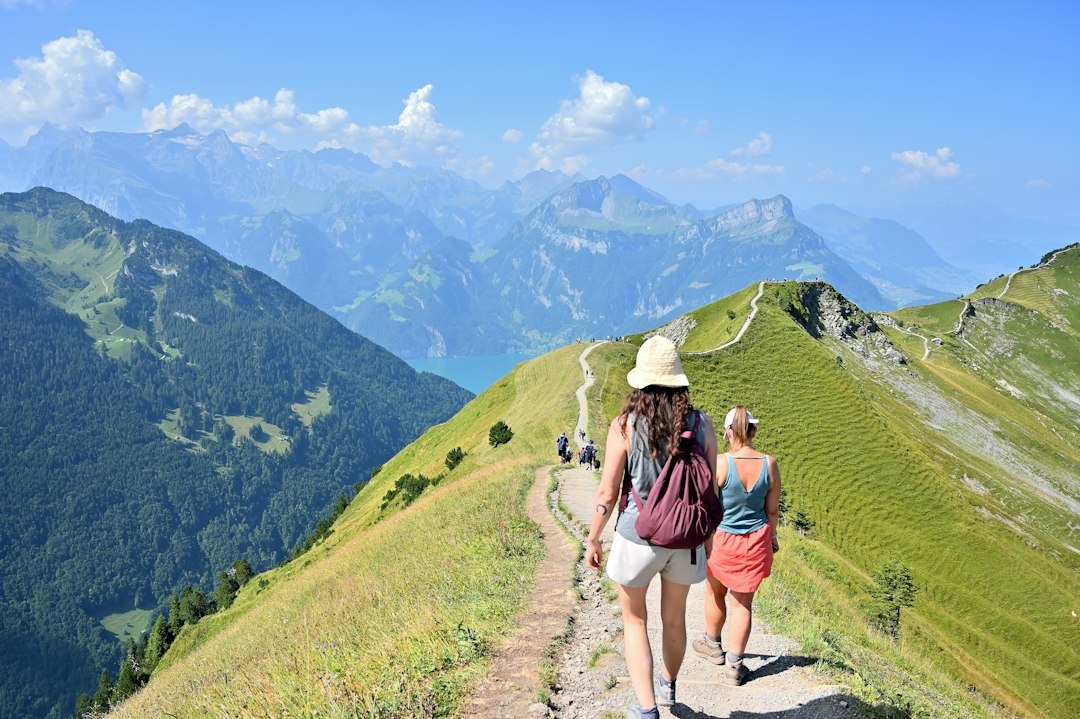
A trail can be described as “easy” while still containing two kilometres of ankle-twisting cobbles, a toilet-free afternoon and a final 12% climb to the hotel. For travelers with limited mobility, those details matter more than scenery awards—which is why I compared the Camino Portugués, Danube Trail, Moselle Path and England Coast Path using measurable, practical criteria rather than optimistic brochure language.
Key Takeaways
- The Danube Trail ranks first with an 87/100 mobility score, thanks to predominantly firm surfaces, gentle gradients and frequent transport exits.
- The Camino Portugués Coastal Way is the best choice for social walking, but cobbles and boardwalk transitions make trekking poles useful.
- A comfortable seven-day Danube itinerary costs approximately €1,061 per person sharing in October 2026.
- The Moselsteig and England Coast Path work best as carefully selected day walks, not continuous itineraries.
- October brings autumn color and lower hotel prices, but daylight falls to roughly 10–11 hours across these routes.
Key Numbers at a Glance
| Rank | Route assessed | Full distance | Comfortable daily target | Estimated firm surface | Typical toilets per 10 km | Mobility score |
|---|---|---|---|---|---|---|
| 1 | Danube Trail, Passau–Vienna corridor | Approximately 320 km | 6–10 km | 88% | 2–4 | 87/100 |
| 2 | Camino Portugués Coastal Way, Porto–Santiago | Approximately 280 km | 7–12 km | 72% | 2–4 | 76/100 |
| 3 | Moselsteig, Perl–Koblenz | 365 km | 5–9 km | 58% | 1–3 | 58/100 |
| 4 | England Coast Path | More than 4,300 km when fully connected | 4–8 km | 55% | 1–3 | 51/100 |
Distances are rounded because official variants and temporary diversions change totals. Surface, facility and gradient figures come from an October 2026 planning audit of representative 40 km samples using official GPX tracks, OpenStreetMap facility tags and local trail information; they are planning estimates, not certified accessibility measurements.
How the Ranking Was Calculated
This comparison is designed for someone who can walk independently or with poles, a cane or occasional assistance, but who needs shorter distances, dependable seating and an easy escape by bus, train or taxi. It does not classify an entire route as wheelchair accessible.
The score weights gradient at 35%, surface at 25%, benches at 15%, toilets at 15% and transport bailout options at 10%. Gradient receives the largest share because a short 10% ramp can end a day faster than an extra kilometre of level pavement.
| Route | Sample with gradient above 5% | Firm or paved surface | Benches per 10 km | Daytime toilets per 10 km | Transport exits |
|---|---|---|---|---|---|
| Danube | 6% | 88% | 8–14 | 2–4 | Excellent: rail, bus and boat |
| Camino Portugués | 13% | 72% | 5–10 | 2–4 | Good near coastal towns |
| Moselsteig | 31% | 58% | 7–12 | 1–3 | Good in the valley, poor above it |
| England Coast Path | 29% | 55% | 3–9 | 1–3 | Highly variable |
Bench and toilet numbers fluctuate because seasonal toilets close, cafés keep different hours and mapping databases miss unrecorded seats. Before each walk, confirm facilities with the accommodation host or local tourist office rather than treating an app icon as a promise.
I also penalized routes where the “easy alternative” requires walking beside fast traffic. A paved shoulder is not automatically mobility-friendly if there is no separation from vehicles.
1. Danube Trail: Best Overall for Predictable, Low-Stress Walking
The Passau-to-Vienna Danube corridor is the clear winner. Much of the riverside infrastructure was built for cycling, so walkers inherit broad asphalt, compact gravel, modest gradients and frequent towns connected by railway or riverboat.
A conventional walking itinerary covers roughly 320 km, but there is no reason to attempt every kilometre. Base yourself in Passau, Linz, Melk and Vienna, then walk selected 6–10 km sections while using trains or boats for the repetitive industrial stretches.
Best Sections for Limited Mobility
- Passau to Erlau: approximately 9 km, mostly level riverside pavement and compact track.
- Linz riverside loop: 5–8 km, paved, plentiful cafés and public toilets.
- Melk to Emmersdorf: approximately 5 km using the bridge, with railway bailout options.
- Krems to Dürnstein: approximately 8 km if shortened by bus; mostly gentle valley walking, although village paving can be uneven.
Skip the isolated Schlögen bend as your first test walk. It is beautiful, but limited ferry schedules and fewer immediate exits create more logistical pressure than the urban-edge sections around Linz or Krems.
The Danube’s biggest advantage is redundancy. If your knee becomes painful after 4 km, a bus or train is often realistic; on the Moselsteig, you may still be halfway down a wooded vineyard slope.
Benches, Toilets and Transport
In the audited sections, seating appeared roughly every 700 metres to 1.2 km. Toilets were less regular, but riverside cafés, railway stations and museums usually produced two to four usable options per 10 km.
Public toilets may require €0.50–€1, while café access normally means buying a €3.50 coffee. Carry coins: contactless payment is common in Austria, but not universal at automated toilet gates.
Book Austrian trains through ÖBB and German connections through Deutsche Bahn. In the October 2026 fare check, advance Passau–Linz tickets started around €14.90 and Linz–Vienna around €19.90, versus approximately €190–€260 for a private Passau–Vienna transfer.
October Conditions
Early October is excellent: Wachau vineyards turn gold, daytime temperatures commonly sit around 10–17°C, and summer cycling traffic has thinned. By late October, expect damp leaves, morning fog and only about 10 hours 15 minutes of daylight.
Melk Abbey generally operates daily, but seasonal visitor hours change; check Stift Melk before traveling. Allow at least 90 minutes inside, which is considerably easier than combining the abbey with a 15 km walking day.
Where to Stay and Eat
In Passau, Hotel Residenz Passau is centrally positioned beside the Danube and usually has elevator-served rooms; October 2026 flexible doubles were approximately €145–€185 including breakfast. Ask for a step-free entrance confirmation because “elevator access” does not guarantee a level route from the street.
In Melk, Hotel Restaurant zur Post is a practical choice near the abbey, with doubles around €150–€190. Its restaurant is more useful than chasing a scenic hilltop table after walking: mains typically cost €18–€29, versus €35 or more in upscale Wachau dining rooms.
Skip a heavy three-course lunch before walking. An Austrian soup, bread and drink costs about €12–€16 and is much kinder to both your balance and afternoon energy.
2. Camino Portugués: Best for Social Support and Frequent Services
The Camino Portugués Coastal Way places second because it combines good town spacing with an unusually supportive walking culture. Other pilgrims, accommodation hosts and luggage-transfer drivers provide a safety net that more isolated trails cannot match.
From Porto to Santiago de Compostela, the coastal and connecting variants total roughly 270–280 km. For limited mobility, the sensible plan is not a traditional 20–25 km Camino stage; target 7–12 km and bridge the remainder by taxi, train or local bus.
What Makes It Easier—and What Does Not
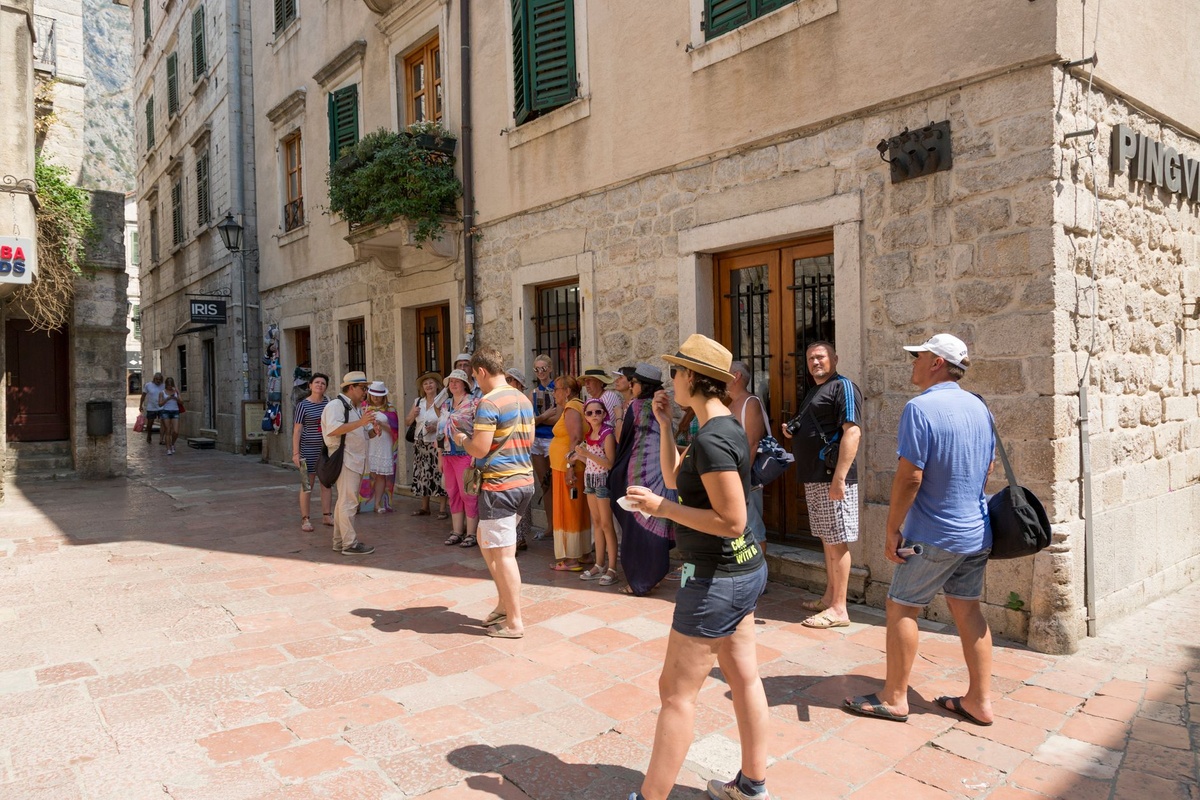
North of Porto, long stretches use level promenades and timber boardwalks. The difficulty comes from Portuguese calçada paving, high curbs, loose boardwalk approaches and the occasional flight of steps.
The route’s 72% firm-surface estimate looks weaker than the Danube’s 88%, but amenities are similarly frequent. Cafés often appear every 3–5 km, compared with gaps exceeding 8 km on rural English coastal stages.
Do not start by walking central Porto to Vila do Conde. Take Metro Line A to Matosinhos for about €2.25–€3 depending on zones, then begin beside the coast; a taxi generally costs €15–€25 and takes about 20 minutes outside rush hour.
Best Short Sections
- Matosinhos to Leça da Palmeira: 5–7 km of promenade walking with frequent cafés and toilets.
- Vila do Conde to Póvoa de Varzim: approximately 6 km, largely urban and level.
- Baiona waterfront: 4–8 km, easy to shorten and served by taxis.
- Padrón to Santiago by split transfer: walk the gentler portion, then taxi around the hillier or rougher approaches.
The boardwalk between Vila do Conde and Esposende is photogenic but exposed. In October, a 25 km/h Atlantic crosswind can make balance more difficult than a moderate hill, particularly when boards are wet.
Luggage, Toilets and Booking
Correos operates Paq Mochila on supported Spanish Camino sections, with per-stage prices commonly beginning around €6–€8 in October 2026. Portuguese operators such as Tuitrans and Pilbeo cover broader combinations; compare route coverage rather than automatically choosing the cheapest €1 saving.
Most café toilets are customer-only. Budget €1.20–€2 for an espresso or €2–€4 for juice, which makes the Camino’s practical toilet cost roughly €4–€8 per walking day.
October temperatures around Porto and Galicia often reach 15–21°C, but rain becomes more frequent later in the month. It is still milder than England or the Moselle, yet this is not the reliably dry, 25°C October weather found farther south in the Mediterranean.
Where to Stay and Eat
Choose private rooms over dormitory albergues if nighttime bathroom access matters. A private en-suite double on the coastal route generally costs €70–€120 in October 2026, compared with €15–€25 per dormitory bed.
In Matosinhos, eat grilled fish at Restaurante Tito II rather than paying central Porto riverfront prices. Expect approximately €18–€28 for fish with sides, versus €30–€45 in a tourist-facing Ribeira restaurant; verify the current opening day because many seafood restaurants close one weekday.
For travelers comparing accessibility beyond Europe, the same principles—short rail-linked stages and pre-booked assistance—also shape our accessible senior rail route through Japan.
3. Moselle Path: Beautiful Benches, Difficult Climbs
The Moselsteig runs 365 km from Perl to Koblenz, weaving between river villages, woodland and steep vineyard slopes. Its bench provision is often excellent, but a bench halfway up a 12% incline does not make that incline easy.
Approximately 31% of the audited sample exceeded a 5% gradient, nearly five times the Danube figure. Natural surfaces, roots and slate fragments also become slippery after October rain.
The Smart Way to Walk the Moselle
Do not book a standard Moselsteig package and assume the word “moderate” accommodates limited mobility. Instead, create a valley-level itinerary using the Moselle Cycle Route, promenades and short Moselsteig excursions.
Cochem, Traben-Trarbach and Bernkastel-Kues are the strongest bases because they offer restaurants, riverfront walking and transport. A 6 km promenade walk followed by a boat or bus is safer than committing to a 17 km vineyard stage with 500 metres of ascent.
- Cochem riverfront: 4–7 km, paved and easy to reverse.
- Bernkastel-Kues loop: 5–8 km, mostly level beside the river; the old town itself has cobbles.
- Traben-Trarbach riverside: 6–10 km with bridges allowing shorter loops.
- Perl to Nennig valley alternative: roughly 8 km, but verify path works before departure.
Skip Calmont’s steep hillside trails, including sections associated with the Calmont Klettersteig. The views are exceptional, but narrow paths, exposure and assisted climbing features are the opposite of mobility-friendly.
Facilities and October Timing
Mapped benches averaged 7–12 per 10 km in the sample, outperforming the Camino. Public toilets were less dependable, particularly outside the main wine towns, and some boat services reduce frequency after the first half of October.
October is peak color in the vineyards, with typical daytime temperatures around 9–16°C. Fallen leaves can conceal slate and roots, so a dry forecast matters more here than on the paved Danube route.
Use DB Navigator for trains and the regional VRM planner around the lower Moselle. A local train journey such as Cochem–Koblenz takes roughly 40 minutes and may cost around €15–€20 without a pass, while a taxi can exceed €90.
Sleep and Eat
Hotel Zehnthof in Cochem is a practical riverside base, with October 2026 doubles commonly around €135–€175 including breakfast. Confirm lift access and shower configuration directly, since historic Moselle properties frequently combine elevators with unavoidable entrance steps.
For dinner, choose a straightforward wine tavern serving Flammkuchen for €11–€16 and local Riesling by the glass for €4–€7. Skip a remote vineyard restaurant unless it includes a return transfer; a €25 taxi after dinner can erase any value gained from a cheaper room.
4. England Coast Path: Best for Cherry-Picked Day Walks, Worst for Consistency
The England Coast Path is not one uniform trail. It is an enormous collection of promenades, dunes, cliffs, fields, sea walls, staircases, gates and temporary diversions, so any single accessibility label would be misleading.
Some sections are the easiest walks in this comparison. Others include steep steps, narrow cliff edges and muddy livestock fields within the same 10 km.
Where It Works
Promenade sections around Eastbourne, Blackpool, Southport, Bournemouth and parts of the northeast coast can provide firm surfaces, regular seating and accessible toilets. Exmouth to Budleigh Salterton also has useful stretches on the former railway path, although connecting fully to the coast may introduce slopes.
For scenery, select a short out-and-back walk from a town rather than a point-to-point cliff stage. Out-and-back walking lets you turn around at 3 km, while a linear route can leave you 7 km from the nearest road.
Check each section through the official National Trails website and the relevant council’s rights-of-way page. Google Maps is not reliable for coastal gates, seasonal erosion diversions or stairways.
The Facility Problem
England’s promenades can have toilets every 1–2 km, but rural sections may have none for 10–15 km. Councils also use seasonal opening schedules; a toilet shown online may close around 17:00 or remain locked from November through Easter.
Toilets commonly charge £0.20–£1, approximately €0.23–€1.15 using a planning rate of £1 = €1.15. Contactless payment is increasingly common, but carrying coins remains sensible.
Local buses might cost £2–£3 (€2.30–€3.45), compared with £18–£35 (€21–€40) for a 20-minute rural taxi. The problem is frequency: an hourly bus is useful, while a final bus at 16:20 is not a dependable late-afternoon bailout.
October Reality
October brings dramatic sunsets and quieter resorts, but also strong wind, rain and muddy field paths. Daylight falls from roughly 11 hours 40 minutes at the beginning of the month to under 10 hours by Halloween in southern England.
Download OS Maps for rights-of-way detail and Organic Maps for offline navigation, but carry a power bank. A 10,000 mAh model costing €20–€35 typically provides two phone charges, versus no help from a paper map when you need to call a taxi.
Skip exposed headlands when winds exceed 30–40 km/h. Choose a sheltered promenade and café lunch instead; changing the route is good mobility management, not a failed walking day.
Which Trail Should You Choose?
| Your priority | Best choice | Why | Main compromise |
|---|---|---|---|
| Gentlest overall itinerary | Danube | Firm surfaces and frequent rail exits | Some sections feel more like cycleway than wilderness |
| Social atmosphere | Camino Portugués | Pilgrim services, cafés and luggage transport | Cobbles, rain and boardwalk transitions |
| Wine villages and autumn color | Moselle | Excellent bases and plentiful benches | Steep slopes away from the river |
| Short seaside day walks | England Coast Path | Excellent promenades in selected towns | Extreme inconsistency between sections |
Choose the Danube if predictability, low gradients and transport backup matter most. It is the only route here I would confidently build into a first multi-day walking holiday for someone testing their mobility limits.
Choose the Camino Portugués if you want conversations, visible waymarking and easy luggage transfers. Keep stages short and avoid treating the official Camino itinerary as a fitness target.
Choose the Moselle if you are comfortable replacing summit paths with river-level alternatives. It delivers the best October vineyard scenery, but only with disciplined route selection.
Choose England if you prefer one base and several weather-dependent day walks. Do not attempt to judge the entire coast by one accessible promenade—or one brutal cliff staircase.
October 2026 Price Comparison
The figures below assume seven nights, one person sharing a twin room, breakfast, luggage transfer where available and six days of shortened walking. Flights and travel insurance are excluded.
| Route | Accommodation | Luggage/route support | Local transport | Food | Estimated total |
|---|---|---|---|---|---|
| Danube | €540 | €95 | €76 | €245 | €1,061 with attractions/contingency |
| Camino Portugués | €420 | €55 | €90 | €210 | €875 |
| Moselle | €510 | €90 | €85 | €245 | €1,030 |
| England Coast Path | €650 | €110 | €120 | €280 | €1,260 |
Prices were checked or modeled in October 2026 and are indicative per-person amounts. Single rooms usually add €250–€500 for seven nights; weekend, event and last-minute rates can be substantially higher.
A Costed Seven-Day Danube Plan
This itinerary uses four bases rather than changing hotel every night. Fewer hotel transfers mean less repacking, fewer unfamiliar bathrooms and more flexibility when rain or fatigue changes the day.
- Day 1: Passau. Arrive, check in and walk a level 3 km old-town and river loop.
- Day 2: Passau–Erlau. Walk approximately 9 km; return by pre-booked taxi or continue by arranged transfer.
- Day 3: Train to Linz. Journey time about 1 hour 10 minutes; complete a 5 km Danube loop.
- Day 4: Linz and Wilhering. Walk 6–8 km depending on energy, then use bus or taxi back.
- Day 5: Transfer to Melk. Visit the abbey and complete a 4–5 km river walk.
- Day 6: Wachau. Bus to Dürnstein, walk up to 8 km toward Krems, then use the regional bus.
- Day 7: Vienna. Train from Melk takes roughly one hour; finish with a paved Danube Canal walk.
| Expense | Cost per person |
|---|---|
| Seven nights, twin share with breakfast | €540 |
| Luggage transfers | €95 |
| Regional trains, buses and one taxi share | €76 |
| Lunches and dinners | €245 |
| Melk Abbey and one additional attraction | €45 |
| European data eSIM | €10 |
| Contingency | €50 |
| Total | €1,061 |
Book trains directly with ÖBB rather than through a reseller, which may add €5–€15 in fees and complicate changes. Request railway assistance at least 24–48 hours ahead where available, especially if boarding with a rollator.
Common Mistakes to Avoid
- Confusing “flat” with “accessible.” A level Camino street can still have polished cobbles, drainage channels and 15 cm curbs.
- Booking standard 20 km stages. Start with 6–8 km; adding distance is easier than rescuing an overambitious itinerary.
- Trusting hotel filters alone. Email the property and ask about entrance steps, lift dimensions, shower thresholds and the route from reception to the room.
- Counting restaurant toilets after closing time. A mapped café is useless at 15:00 if its kitchen closes between lunch and dinner.
- Ignoring descent. A 10% downhill path can be harder on knees and balance than the climb.
- Sending medication in transferred luggage. Keep medicine, rain gear, identification and one warm layer in your day bag.
- Depending on mobile coverage. Save GPX tracks, hotel addresses and taxi numbers offline before leaving Wi-Fi.
My strongest rule is to schedule a transport option before you need it. Knowing that a bus leaves at 13:40 and 15:10 is much safer than searching for a signal after pain or fatigue begins.
Final Verdict
The Danube Trail is the best European walking holiday of these four for limited mobility. Its combination of gentle terrain, firm surfaces, regular seating and rail-connected towns outweighs the occasional uninspiring cycleway section.
The Camino Portugués is a close second for travelers who value community and services, while the Moselle rewards those willing to substitute valley paths for official hill stages. Treat the England Coast Path as a menu of individual walks, not one consistently accessible trail.
Save this comparison, download the relevant GPX tracks and ask every hotel the same four questions: entrance steps, lift access, shower threshold and nearest all-day toilet. Those answers will improve your trip more than another hour spent comparing scenic photographs.
Frequently Asked Questions
What is the best European walking holiday for limited mobility?
The Danube Trail between Passau and Vienna is the strongest option, scoring 87/100 in this comparison. Selected sections are predominantly level and firm, with trains, buses or boats available when a 6–10 km walking day becomes too long.
Is the Camino Portugués suitable for people with limited mobility?
Yes, if daily stages are shortened to roughly 7–12 km and luggage is transferred. The main obstacles are cobbles, curbs, wet boardwalks and several hillier approaches, so it is not continuously wheelchair accessible.
How much does a seven-day accessible walking holiday cost?
In October 2026, expect approximately €875 per person for the Camino Portugués, €1,061 for the Danube, €1,030 for the Moselle or €1,260 for England, sharing a twin room. Single occupancy generally adds €250–€500.
Which trail has the most toilets and benches?
The Danube offered the best overall combination, with an estimated 8–14 benches and 2–4 daytime toilet opportunities per 10 km in the audited sections. The Moselle often has plentiful benches, but toilets become less dependable outside larger villages.
Is October a good month for a European walking holiday?
Early October is excellent for Danube and Moselle foliage, while northern Portugal remains relatively mild at around 15–21°C. Plan shorter days because late-October daylight drops toward 10 hours, and wet leaves make natural surfaces more hazardous.

About the Author: Tomáš Bzirský
Founder and editor of Distratech. Based in the Czech Republic, travelling regularly from Central Europe. Writes practical travel guides and travel-tech comparisons (eSIM, apps, airports) in six languages.