'/%3E%3Cpath%20fill='%23b2b2b2'%20d='M241%20382q0%2016%2017%2026%2017%2011%2042%2011t42-11q16-11%2017-26V269H241'/%3E%3Cpath%20fill='%239f7e00'%20d='M241%20379q0%2014%208%2023%209%209%2021%209%2014%200%2021-9%209-9%209-23V269h-59'/%3E%3Cpath%20d='M241%20339v-70h59v110q0%2014-9%2023l-6%205v-68h-15v72q-8%200-14-4v-68zm59%2040c0%2022%2015%2032%2029%2032%2021%200%2030-18%2030-32v-40h-59'/%3E%3Cpath%20fill='%239f7e00'%20d='M266%20277v5h2v12h-3v-5h2v-5h-9v5h2v5h-4v9h3v18h-5v10h34v-10h-5v-18h3v-9h-4v-5h2v-5h-9v5h2v5h-3v-12h2v-5zm42%20101q0%2010%206%2017%206%206%2015%207%2010-1%2016-7%206-7%206-17v-29h-43'/%3E%3Ccircle%20fill='%230044ad'%20cx='329.5'%20cy='372'%20r='6'/%3E%3Cellipse%20fill='%230044ad'%20cx='300'%20cy='340'%20rx='16'%20ry='21'/%3E%3C/svg%3E)
'/%3E%3C/svg%3E)


'/%3E%3C/g%3E%3Cuse%20href='%23c'%20transform='matrix(-1%200%200%201%20720%200)'/%3E%3C/svg%3E)


Your first multi-day hike should feel adventurous, not like a week-long argument with your feet. For October 2026, Scotland’s West Highland Way delivers the biggest mountain scenery, Portugal’s Fisherman’s Trail offers warm coastal walking, and Spain’s Camino Inglés is the easiest route logistically—but the headline distances hide major differences in sand, elevation, rain, accommodation and cost.
Key Takeaways
- Best overall for beginners: the 113 km Camino Inglés, thanks to frequent waymarking, €10 public albergues and luggage transfers from about €8 per stage.
- Best October weather: Portugal’s Fisherman’s Trail, with typical daytime highs of 21–24°C versus 9–13°C on the West Highland Way.
- Best scenery: the 154 km West Highland Way, but its rocky Loch Lomond section and wet autumn weather make it the hardest first hike.
- Expected seven-day cost: approximately €650 for the Camino Inglés, €950 for the Fisherman’s Trail and €1,100 for the West Highland Way in October 2026.
- Book first: Kingshouse and Rowardennan in Scotland, Almograve in Portugal, and Hospital de Bruma on the Camino Inglés.
Key Numbers at a Glance
These figures compare realistic 5–7-day versions, not necessarily every kilometer of each named trail. Prices were checked or budgeted in October 2026; pound conversions use a planning rate of £1 = €1.15, while €1 is approximately $1.17.
| Route | Recommended version | Distance | Walking days | Approx. ascent | October daytime temperature | Typical solo cost |
|---|---|---|---|---|---|---|
| West Highland Way | Milngavie to Fort William | 154 km | 7 days | About 3,150 m | 9–13°C | €1,050–€1,250 ($1,229–$1,463) |
| Fisherman’s Trail | São Torpes to Arrifana | About 123 km | 7 days | About 2,300 m | 21–24°C | €850–€1,050 ($995–$1,229) |
| Camino Inglés | Ferrol to Santiago | About 113 km | 6 days | About 2,200 m | 16–20°C | €500–€750 ($585–$878) |
Elevation totals vary by GPX file and GPS smoothing, sometimes by 10–20%. The practical difference matters more: Portugal’s soft sand drains energy despite lower hills, while Scotland combines rough ground, wind and longer exposed sections.
The Short Verdict: Which Trail Should You Choose?
- Choose the Camino Inglés if this is your first consecutive week of walking, you want affordable beds, or you worry about navigation and food availability.
- Choose the Fisherman’s Trail if October warmth, ocean views and private guesthouses matter more than historic pilgrimage culture.
- Choose the West Highland Way if mountain scenery is the priority and you already know you can walk 20–25 km in rain with a daypack.
- Skip a seven-day West Highland Way itinerary if you have knee problems or have never walked two 20 km days back-to-back; take eight days instead.
- Skip the Fisherman’s Trail if loose sand aggravates your ankles. A flat-looking 20 km stage here can feel harder than a 25 km Camino day.
My opinionated ranking for a first multi-day hike is Camino Inglés first, Fisherman’s Trail second and West Highland Way third. That is not a scenery ranking—Scotland wins that—but a measure of how easily a beginner can solve fatigue, bad weather, a blister or a missed booking.
Route-by-Route Comparison
West Highland Way: Best Scenery, Hardest October Conditions
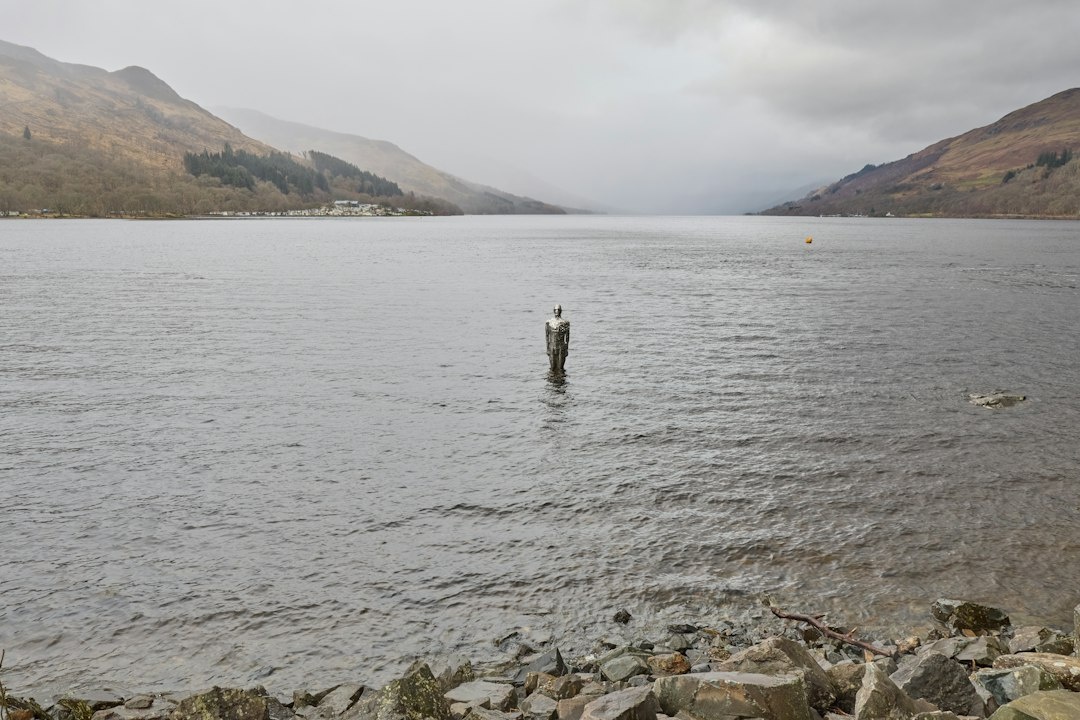
The West Highland Way runs 154 km from Milngavie, outside Glasgow, to Fort William beneath Ben Nevis. It crosses pastoral Lowlands, the rocky eastern shore of Loch Lomond, Rannoch Moor and the Devil’s Staircase, whose high point is only around 550 meters but feels properly mountainous in rain and crosswinds.
The technical high point is not the problem. The slow section between Inversnaid and Inverarnan involves rocks, roots and short scrambles; 20 km here can take seven to eight hours versus five to six hours on the Camino Inglés.
A seven-day itinerary is possible:
- Milngavie to Drymen: 19 km, 4.5–5.5 hours.
- Drymen to Rowardennan: 24 km, 6–7 hours.
- Rowardennan to Inverarnan: 22 km, 7–8 hours.
- Inverarnan to Tyndrum: 19 km, 5–6 hours.
- Tyndrum to Kingshouse: 29 km, 7–8.5 hours.
- Kingshouse to Kinlochleven: 14.5 km, 4–5 hours.
- Kinlochleven to Fort William: 24.5 km, 7–8 hours.
Day five is too long for many beginners. The smarter option is eight days with a night around Bridge of Orchy or Inveroran, turning the 29 km push into two manageable stages.
Waymarking is generally excellent, using white thistle symbols and directional posts. However, markers are less reassuring on open moorland than yellow Camino arrows are in Galicia, and low cloud can reduce visibility dramatically around Rannoch Moor.
Fisherman’s Trail: Best Weather, Harder Sand Than It Looks
The Fisherman’s Trail is the coastal branch of Portugal’s Rota Vicentina. The complete trail now extends far beyond what most beginners can cover in a week, so the best seven-day sampler runs roughly 123 km from São Torpes to Arrifana.
This northern section includes the celebrated cliffs between Porto Covo, Vila Nova de Milfontes, Almograve, Zambujeira do Mar and Odeceixe. It also includes repeated stretches of loose sand; expect average speeds of 3–4 km/h versus 4–5 km/h on the Camino Inglés.
- São Torpes to Porto Covo: about 10 km, 2.5–3 hours.
- Porto Covo to Vila Nova de Milfontes: 20 km, 6–7 hours.
- Milfontes to Almograve: 15 km, 4–5 hours.
- Almograve to Zambujeira do Mar: 22 km, 6–7 hours.
- Zambujeira to Odeceixe: 19 km, 5.5–6.5 hours.
- Odeceixe to Aljezur: about 19.5 km, 5–6 hours.
- Aljezur to Arrifana: about 17.5 km, 5–6 hours.
The route is marked with blue-and-green painted stripes. Navigation is straightforward, but this is not a fenced coastal path: several sections run close to eroding cliffs, so following the marked inland deviations matters more than following a tempting line on Google Maps.
October is shoulder season at its best. Typical afternoon temperatures reach 21–24°C, the Atlantic is around 19–20°C, and early October often remains dry enough for beach stops without July’s heat.
The trade-off is reduced service after the summer season. A café shown online may close on Tuesday or shut entirely after mid-October, particularly outside Porto Covo, Milfontes and Odeceixe.
Camino Inglés: Best Logistics and Best Value
The Camino Inglés begins in Ferrol and reaches Santiago de Compostela after approximately 113 km. Starting in A Coruña is shorter, but its roughly 73 km does not independently satisfy the Camino’s 100 km walking requirement for a Compostela certificate.
The trail is mostly paved lanes, woodland tracks and compact dirt paths. There are several punchy climbs—particularly between Betanzos and Hospital de Bruma—but no remote mountain terrain or extended sandy walking.
- Ferrol to Neda: 15 km, 3.5–4.5 hours.
- Neda to Pontedeume: 14 km, 3.5–4.5 hours.
- Pontedeume to Betanzos: 20 km, 5–6 hours.
- Betanzos to Hospital de Bruma: 24 km, 6.5–7.5 hours.
- Hospital de Bruma to Sigüeiro: 24 km, 6–7 hours.
- Sigüeiro to Santiago: 16 km, 4–5 hours.
Yellow arrows and scallop-shell markers appear at frequent intervals, making this the easiest of the three to navigate. Urban exits from Ferrol, Pontedeume and Betanzos still deserve attention; an offline GPX track prevents a wrong turn from becoming a 3 km detour.
The biggest beginner advantage is redundancy. If you cannot complete a stage, taxis are usually available and accommodation exists at shorter intervals than along Loch Lomond or Portugal’s quieter coast.
Elevation, Surface and Physical Difficulty
| Factor | West Highland Way | Fisherman’s Trail | Camino Inglés |
|---|---|---|---|
| Approx. climbing | 3,150 m over 154 km | 2,300 m over 123 km | 2,200 m over 113 km |
| Hardest surface | Wet rock and roots beside Loch Lomond | Deep dune sand | Steep paved lanes |
| Longest suggested day | 29 km | 22 km | 24 km |
| Typical daily walking | 5–8 hours | 4–7 hours | 4–7 hours |
| Trekking poles | Strongly recommended | Helpful, not essential | Optional |
| Beginner difficulty | Challenging | Moderate | Moderate-easy |
The Camino’s paved sections can still punish feet. Road shoes with cushioning often work better than stiff boots, while the West Highland Way favors waterproof trail shoes or light boots with aggressive grip.
For Portugal, skip heavy waterproof boots. Breathable trail runners shed sand and dry faster; add short gaiters if sand entering your shoes tends to cause blisters.
October Weather: Portugal Wins, but Galicia Is More Forgiving Than Scotland
October weather is the decisive comparison. The Fisherman’s Trail often feels like late summer, the Camino Inglés like wet autumn, and the West Highland Way like the opening act of winter.
| October 2026 planning figure | West Highland Way | Fisherman’s Trail | Camino Inglés |
|---|---|---|---|
| Typical high | 9–13°C | 21–24°C | 16–20°C |
| Typical low | 3–7°C | 13–16°C | 9–13°C |
| Rain exposure | Frequent; prolonged rain possible | Usually intermittent, increasing late month | Frequent Atlantic showers |
| Daylight late October | About 9.5 hours | About 10.5 hours | About 10.5 hours |
| Main hazard | Wind chill and saturated paths | Sun exposure and cliff edges | Wet paving and road visibility |
Scotland’s midges largely decline by October, which is welcome, and the Loch Lomond camping permit zone operates only from March through September. That does not make October an ideal camping month: wet tents, near-freezing nights and limited daylight erase most of the financial advantage.
Portugal needs sunscreen even in autumn. Start by 08:30 on exposed 22 km stages and carry at least 1.5 liters of water; on the Camino Inglés, 1 liter is normally enough because cafés and fountains are more frequent.
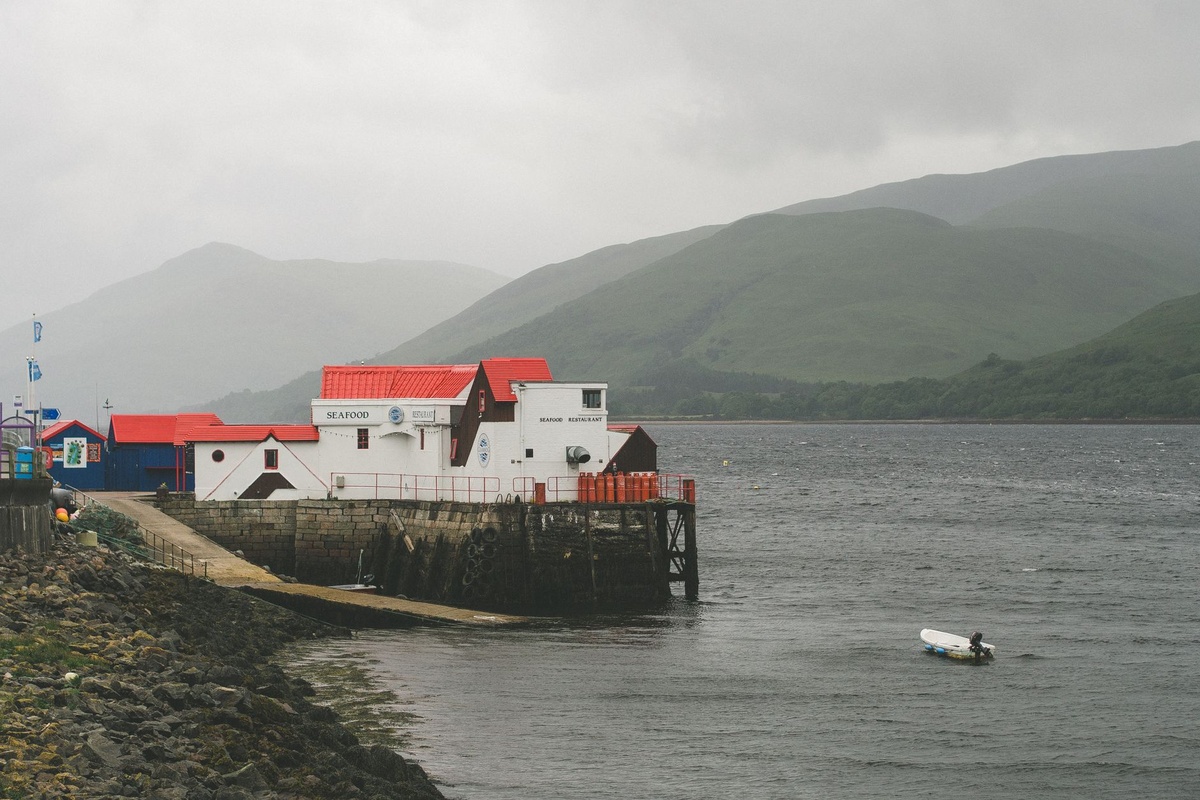
Galicia’s rain can be heavy, but indoor escape options are better. A €2 coffee stop in Betanzos is easier to find than shelter on Rannoch Moor, where the next staffed building may be several hours away.
Waymarking, Apps and Connectivity
The Camino Inglés wins on waymarking density. The Fisherman’s Trail comes second, while the West Highland Way is clear in normal visibility but requires stronger self-reliance during fog or fading daylight.
Best navigation setup
- West Highland Way: download the GPX from westhighlandway.org and keep OS Maps or Outdooractive offline. Carry a paper map as a waterproof backup.
- Fisherman’s Trail: use the stage files and current diversions from rotavicentina.com; cliff reroutes can make older third-party tracks inaccurate.
- Camino Inglés: Buen Camino and Wise Pilgrim are more useful than Google Maps because they list pilgrim accommodation, fountains and route variants.
Download maps over Wi-Fi before leaving. Mobile service is generally strongest on the Camino, patchier around Loch Lomond and Rannoch Moor, and inconsistent in Portugal’s cliff-backed coves.
A 10,000 mAh battery bank is sufficient for two days of phone navigation and photos; a 20,000 mAh model weighs roughly 150–200 grams more. Skip the solar charger—October sun angles and walking movement make it far less useful than a standard €25 power bank.
If you are comparing this trip with a more demanding first backpacking destination, our data-led guide to the W Trek versus El Chaltén in October shows how European village-to-village hiking differs from Patagonia’s reservations and weather exposure.
Luggage Transfers: Prices and How They Work
All three routes can be walked with a daypack, but Scotland requires the most planning. Transfer companies need a confirmed accommodation list, and some hostels or rentals will not accept unattended bags.
| Route | Example service | October 2026 planning price | Booking website | Important restriction |
|---|---|---|---|---|
| West Highland Way | Travel-Lite or AMS Scotland | About £75–£90 (€86–€104/$101–$122) per bag for the route | travel-lite-uk.com or amsscotland.co.uk | Seasonal end dates and selected properties only |
| Fisherman’s Trail | Vicentina Transfers/local operators | Roughly €20–€30 ($23–$35) per bag per move | rotavicentina.com operator directory | Custom coastal stages may require a quotation |
| Camino Inglés | Correos Paq Mochila | From about €8 ($9) per stage | elcaminoconcorreos.com | Book by the prior evening; seasonal service varies |
Portugal becomes surprisingly expensive if you move one suitcase seven times: at €25 per stage, that is €175 versus roughly €48 for six Camino transfers. Couples should ask whether the quote is per bag or per booking.
My recommendation is to transfer one shared duffel and carry 20–25 liter daypacks. Keep rain gear, medication, passport, power bank and one dry base layer with you; luggage occasionally arrives after walkers do.
Accommodation: Where Availability Becomes the Real Difficulty
West Highland Way
Scotland has the tightest accommodation bottlenecks. Rowardennan, Inverarnan, Bridge of Orchy and Kingshouse have limited alternatives, and some businesses reduce hours or close after the main walking season.
Dorm beds generally cost £30–£45 (€35–€52), while private rooms often run £110–£190 (€127–€219). Kingshouse Hotel can exceed £200 (€230) on busy nights, compared with a €10 public albergue on the Camino.
Rowardennan Youth Hostel is the practical choice when open; in Tyndrum, the independent pods and bunkhouses are usually better value than a full hotel. Book direct with Hostelling Scotland and individual properties rather than trusting a map pin to represent October availability.
Fisherman’s Trail
Portugal’s coastal towns have more private rooms but fewer true hiker hostels. Expect €25–€40 for a dorm bed and €65–€110 for a private double in October 2026.
Ahoy Porto Covo Hostel is a sociable budget option, while Hostel Nature in Zambujeira do Mar and Hostel Seixe in Odeceixe suit walkers who want kitchens and laundry access. Almograve is the pinch point: book it before choosing nicer rooms elsewhere.
Many properties advertise check-in between 15:00 and 20:00. If you expect to arrive after 19:00, message that morning; a small guesthouse is not staffed like a 24-hour hotel.
Camino Inglés
Galicia’s public Xunta albergues are the budget champion at roughly €10 per bed, generally first-come, first-served. Private albergues cost around €15–€22, while simple private rooms range from €45 to €75.
Public albergues commonly admit pilgrims from approximately 13:00 until 22:00, with departure required around 08:00. Bring a physical credential and cash because not every municipal reception desk reliably accepts cards.
Hospital de Bruma has limited capacity relative to its strategic position. Reserve a private backup there, particularly on Friday and Saturday; saving €15 is not worth ending a 24 km stage with no bed.
Food: Prices, Opening Hours and What to Order
Food costs are highest in Scotland and lowest in Galicia. A West Highland Way dinner commonly costs £18–£28 (€21–€32), compared with €12–€18 in Camino towns and €16–€25 on Portugal’s coast.
Scotland
The Real Food Café in Tyndrum is the reliable refueling stop: expect roughly £15–£19 (€17–€22) for fish and chips, with typical daily service from morning until around 20:00 or 21:00. Check same-day hours in October because kitchens may close earlier than bars.
At Kingshouse, eat where you sleep rather than gambling on another option several kilometers away. Buy the next day’s lunch in Tyndrum; there is no Spanish-style rhythm of cafés every hour.
Portugal
In Vila Nova de Milfontes, skip the tourist-facing pizza menus and order grilled dourada or robalo at a Portuguese seafood restaurant such as O Pescador. Budget €18–€25 for fish, potatoes and a drink versus €10–€14 for a basic pizza.
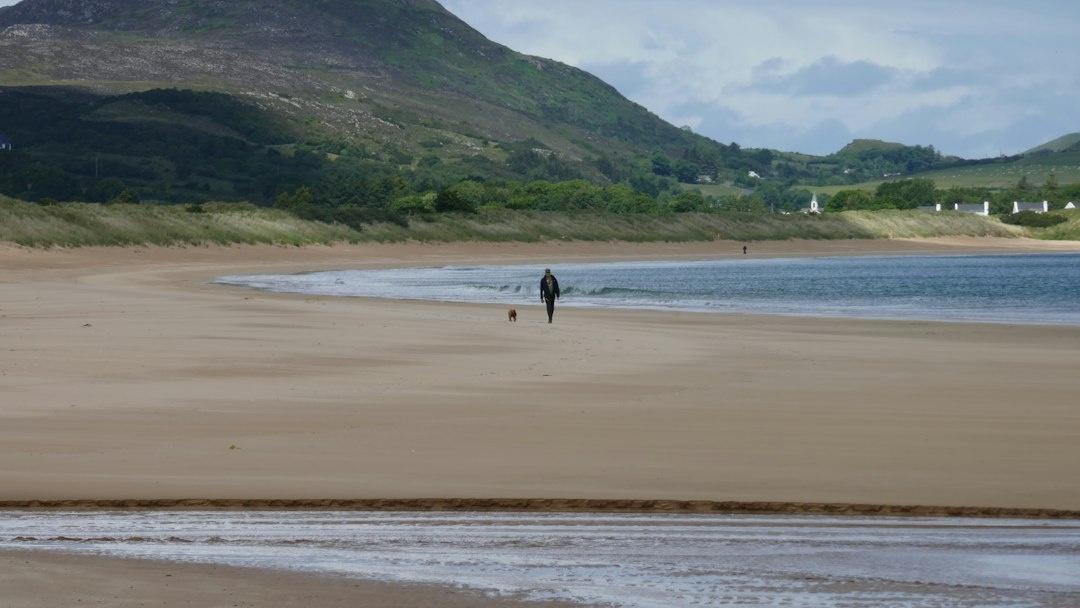
Restaurants often serve lunch around 12:00–15:00 and dinner from 19:00–22:00, with one weekly closing day. Portuguese kitchens opening at 19:00 are still earlier than many Galician dinner services.
Galicia
Betanzos is famous for its soft-centered tortilla. Mesón O Pote is the specific stop I would choose; typical service is around 13:00–16:00 and 20:00–23:00, though its weekly closure should be checked before arrival.
A pilgrim menu usually costs €12–€16 for two courses, dessert and wine or water. In Santiago, skip the most conspicuous Praza do Obradoiro menus and walk ten minutes into the old town for pulpo, caldo gallego and a better-value menú del día.
Getting to the Trailheads and Home Again
West Highland Way transport
Glasgow to Milngavie takes about 25 minutes by ScotRail, with fares commonly around £4–£6 (€5–€7). A taxi takes roughly 25–40 minutes but costs about £30–£45 (€35–€52), so the train is the obvious choice.
From Fort William, Scottish Citylink coaches reach Glasgow in about 3 hours 10 minutes, generally costing £25–£35 (€29–€40) when booked ahead at citylink.co.uk. The train takes closer to four hours but is one of Britain’s most scenic rail journeys.
Fisherman’s Trail transport
Rede Expressos buses from Lisbon Sete Rios to Porto Covo typically take around 2 hours 10 minutes to 2 hours 40 minutes and cost approximately €16–€20. Book at rede-expressos.pt, especially for Friday departures.
São Torpes is south of Sines and less convenient than Porto Covo. A local taxi from Sines is roughly €12–€18 and 15 minutes; beginners who want a simpler six-day walk should skip São Torpes and begin in Porto Covo.
From Arrifana, take a taxi to Aljezur for about €15–€25, then a bus toward Lagos or Lisbon. Connections are less frequent than Camino transport, so do not plan a same-day flight with only a two-hour buffer.
Camino Inglés transport
From Santiago, Monbus services to Ferrol generally take 1 hour 20 minutes to 1 hour 45 minutes and cost about €10–€13. The train is often slower or requires timetable compromises, so the bus is usually better.
Ferrol’s tourism office and pilgrim information points typically operate daytime hours rather than late evening. Obtain a credential before departure from a cathedral, pilgrim association or participating office for about €2–€3, and confirm opening times if arriving on Sunday.
Costed October 2026 Budgets
These budgets assume one solo walker, six or seven walking nights, private rooms where practical, breakfast plus one restaurant dinner daily, and luggage transfer. Flights and specialist hiking gear are excluded.
| Expense | West Highland Way, 7 days | Fisherman’s Trail, 7 days | Camino Inglés, 6 days |
|---|---|---|---|
| Accommodation | €610 | €490 | €300 |
| Food and drinks | €280 | €245 | €165 |
| Luggage transfers | €95 | €175 | €48 |
| Trailhead/exit transport | €45 | €55 | €15 |
| Laundry, credential or small extras | €35 | €30 | €22 |
| 10% contingency | €107 | €100 | €55 |
| Total | €1,172 ($1,371) | €1,095 ($1,281) | €605 ($708) |
Portugal drops below €950 if you carry your own bag. The Camino can cost under €400 by using €10 public albergues, cooking occasionally and carrying luggage, while Scotland is difficult to push below €700 without camping.
Common First-Timer Mistakes
- Booking flights before bottleneck beds: confirm Kingshouse, Almograve or Hospital de Bruma first, then buy transport.
- Training only on flat pavement: practice two consecutive 18–22 km days with your actual shoes and loaded daypack.
- Believing distance equals difficulty: 20 km of Portuguese sand or wet Loch Lomond rock is harder than 20 km of compact Camino trail.
- Using a poncho in Scottish wind: pack a proper waterproof jacket and rain trousers; a flapping poncho offers poor protection on exposed moorland.
- Carrying too much water in Galicia: two or three liters adds unnecessary weight when services are frequent; Portugal requires more careful planning.
- Ignoring meal times: Scottish kitchens may stop serving by 20:00, while Galician dinner may not begin until 20:00.
- Following an old GPX beside cliffs: always prioritize current Rota Vicentina markers and closures over downloaded tracks.
- Scheduling a summit climb immediately afterward: Ben Nevis adds roughly 1,345 meters of ascent; reserve a separate weather day instead of treating it as an eighth trail stage.
My Final Recommendation
Choose the Camino Inglés for the highest chance of finishing happily. Its 113 km distance is meaningful, its yellow-arrow navigation is reassuring, and a €600 private-room budget is almost half what a comparable Scottish trip costs.
Choose the Fisherman’s Trail if you want October sunshine and wild Atlantic scenery without mountain weather. Start in Porto Covo rather than São Torpes for a cleaner six-day itinerary, and spend the saved transfer money on a private room in Odeceixe.
Choose the West Highland Way only if the landscape matters more than comfort—or extend it to eight days. Scotland is the most memorable of the three, but a seven-day schedule, limited October daylight and £150 rooms make it an ambitious first attempt.
Pick your route, reserve the accommodation bottlenecks, and complete two back-to-back training walks before committing to nonrefundable luggage transfers. Your first multi-day hike should end with plans for the next trail, not a vow to sell your boots.
Frequently Asked Questions
Which is easiest: the West Highland Way, Fisherman’s Trail or Camino Inglés?
The Camino Inglés is easiest for most beginners because it has frequent waymarking, affordable accommodation and regular access to cafés and taxis. Its 113 km route still includes roughly 2,200 meters of climbing, so it is easier logistically rather than completely flat.
How much does a seven-day multi-day hike cost in October 2026?
Budget approximately €605 ($708) for the six-day Camino Inglés, €1,095 ($1,281) for seven days on the Fisherman’s Trail and €1,172 ($1,371) for the West Highland Way. Carrying your own luggage and using dormitories can reduce those totals by €150–€300.
Is October too late for the West Highland Way?
No, but expect highs of only 9–13°C, frequent rain and about 9.5 hours of daylight late in the month. Some accommodation and luggage services reduce operations, so confirm every stage before booking flights.
Can beginners walk the Fisherman’s Trail in hiking shoes?
Yes; breathable trail-running shoes are usually better than heavy boots because October remains mild and sand enters high footwear anyway. Add gaiters and train on loose surfaces before attempting 20–22 km coastal stages.
Can I earn a Compostela by walking the Camino Inglés?
Yes, if you begin in Ferrol and walk the approximately 113 km to Santiago while collecting the required credential stamps. The shorter A Coruña route is about 73 km and does not qualify by itself under the standard 100 km walking rule.

About the Author: Tomáš Bzirský
Founder and editor of Distratech. Based in the Czech Republic, travelling regularly from Central Europe. Writes practical travel guides and travel-tech comparisons (eSIM, apps, airports) in six languages.