'/%3E%3Cpath%20fill='%23b2b2b2'%20d='M241%20382q0%2016%2017%2026%2017%2011%2042%2011t42-11q16-11%2017-26V269H241'/%3E%3Cpath%20fill='%239f7e00'%20d='M241%20379q0%2014%208%2023%209%209%2021%209%2014%200%2021-9%209-9%209-23V269h-59'/%3E%3Cpath%20d='M241%20339v-70h59v110q0%2014-9%2023l-6%205v-68h-15v72q-8%200-14-4v-68zm59%2040c0%2022%2015%2032%2029%2032%2021%200%2030-18%2030-32v-40h-59'/%3E%3Cpath%20fill='%239f7e00'%20d='M266%20277v5h2v12h-3v-5h2v-5h-9v5h2v5h-4v9h3v18h-5v10h34v-10h-5v-18h3v-9h-4v-5h2v-5h-9v5h2v5h-3v-12h2v-5zm42%20101q0%2010%206%2017%206%206%2015%207%2010-1%2016-7%206-7%206-17v-29h-43'/%3E%3Ccircle%20fill='%230044ad'%20cx='329.5'%20cy='372'%20r='6'/%3E%3Cellipse%20fill='%230044ad'%20cx='300'%20cy='340'%20rx='16'%20ry='21'/%3E%3C/svg%3E)
'/%3E%3C/svg%3E)


'/%3E%3C/g%3E%3Cuse%20href='%23c'%20transform='matrix(-1%200%200%201%20720%200)'/%3E%3C/svg%3E)


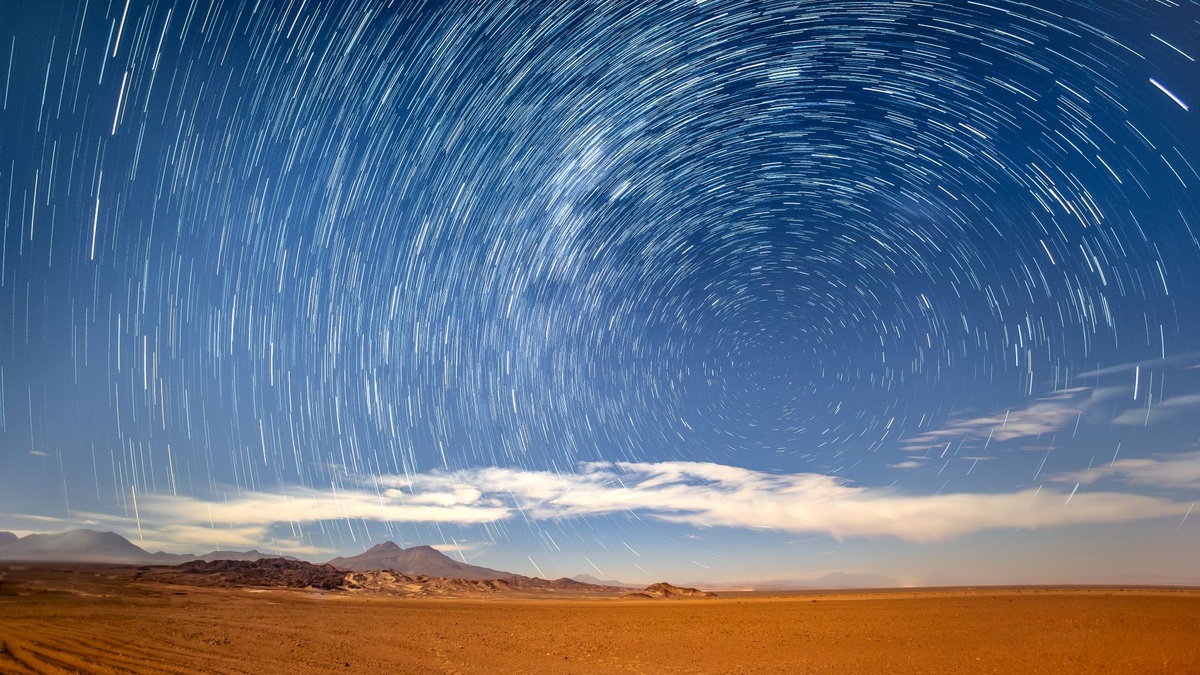
Luxury in the Atacama Desert is not about thread count alone: it is about who gets scarce water, who benefits from tourism, and whether your “private” excursion actually means a vehicle to yourself. I compared Explora Atacama, Tierra Atacama and Nayara Alto Atacama on those harder questions—plus observatories, October weather and realistic four-night prices—so you can choose on more than polished photography.
Key Takeaways
- For four nights in October 2026, budget approximately €6,500–€8,300 per room for two adults on an all-inclusive program, before optional private-guide supplements.
- Explora has the strongest in-house astronomy setup and broadest expedition menu; Tierra offers the best design-and-spa balance; Nayara feels most secluded and locally rooted.
- None of the three publishes a current, independently audited liters-per-guest-night figure, so avoid treating broad sustainability language as proof of low water consumption.
- Book October stargazing near the October 10 new moon; the October 26 full moon will wash out faint objects but improve moonlit landscape photography.
- All three sit around 2,400 meters above sea level, while common excursions rise to 4,200–4,800 meters, making acclimatization more important than room category.
Key Numbers at a Glance
| Lodge | Approx. location | Rooms | Drive from Calama Airport | Indicative 4-night price for 2 | Best for |
|---|---|---|---|---|---|
| Explora Atacama | Southern edge of San Pedro | 50 | 100 km; 1 hr 15–30 min | €8,250 / US$9,600 | Expeditions and astronomy |
| Tierra Atacama | About 2.5 km west of central San Pedro | 32 | 98 km; about 1 hr 15 min | €7,150 / US$8,320 | Design, volcano views and spa time |
| Nayara Alto Atacama | Catarpe Valley, roughly 3 km from town | 42 | 103 km; 1 hr 20–35 min | €6,550 / US$7,600 | Seclusion and a strong sense of place |
Planning prices above are representative direct-booking totals for two adults sharing an entry-level room on a four-night, full-experience program in October 2026, converted at US$1 = €0.86. Rates change by date, room and cancellation policy; obtain a dated quote before booking.
Foreign visitors may qualify for exemption from Chile’s 19% accommodation VAT when paying in foreign currency and presenting a passport plus the immigration document issued on entry. Do not assume every package component is exempt: transfers, spa treatments and separately billed services can be treated differently.
First, Understand What “All-Inclusive” Means in Atacama
These are not conventional resorts where inclusions stop at meals and house wine. Their full-experience programs generally combine accommodation, airport transfers, meals, drinks and a daily menu of guided desert excursions.
The catch is that most included outings are shared. A couple can pay €7,000 for four nights and still hike with six other guests unless a private vehicle and guide are specifically written into the confirmation.
| Feature | Explora Atacama | Tierra Atacama | Nayara Alto Atacama |
|---|---|---|---|
| Typical group format | Small-group guided explorations | Small-group excursions planned with guides | Shared lodge excursions; private arrangements available |
| Airport transfers | Normally included in full programs | Normally included in all-inclusive packages | Normally included in full-experience rates |
| Meals and drinks | Included under full-board program | Included under all-inclusive program | Included under full-experience program |
| Private excursion price | Quoted by itinerary; allow roughly €300–€550 per vehicle/day | Quoted on request; budget about €300–€500 per vehicle/day | Quoted on request; budget about €250–€500 per vehicle/day |
| Best booking route | Explora’s official website | Tierra Hotels’ official website | Nayara Resorts’ official website |
Those private-excursion allowances are budgeting figures, not universal published tariffs. The actual supplement depends on vehicle availability, distance, guide specialization and whether entrance fees are already embedded in the package.
Ask for the price of a “private vehicle and private guide for the entire excursion,” not merely a “private guide.” Otherwise, you may discover that the guide is dedicated to you but transport or site timings remain shared.
Explora Atacama: Best for Serious Excursions and Stargazing
Explora occupies a 17-hectare property on the southern side of San Pedro de Atacama, about 1.2 kilometers from Plaza de San Pedro. You can walk into town in roughly 15–20 minutes, compared with a five-minute taxi ride costing around CLP 4,000–6,000 (€4–€6).
The lodge has approximately 50 rooms, making it larger than 32-room Tierra. It feels less intimate than Nayara, but that scale supports a notably broad guiding operation, equestrian facilities and more departure choices.
Excursions and private guiding
Explora’s greatest strength is expedition logistics. Its menu usually covers hiking, high-altitude walks, overland sightseeing, cycling and horseback riding, with routes categorized by duration and difficulty.
That variety matters if one guest wants a 4,500-meter hike while another wants a half-day visit to petroglyphs. Compared with smaller lodges, Explora is more likely to have enough guides and vehicles to run parallel programs, although no specific departure should be assumed until confirmed.
Skip the temptation to visit El Tatio on your first morning. The geyser field is about 80 kilometers from San Pedro, departures are commonly around 4:30–5:00 a.m., and the road reaches approximately 4,320 meters; do it on day three after lower-altitude excursions.
Stargazing
Explora is my first choice for astronomy because the lodge has a dedicated observatory setup on its property rather than relying entirely on an external operator. That removes roughly 30–40 minutes of nighttime driving compared with joining a tour outside town.
Its private observatory has long been associated with a large Meade telescope, though instrument access and the exact telescope used can change. Ask whether an astronomer-led session is scheduled, what happens in cloud or wind, and whether astrophotography assistance is available.
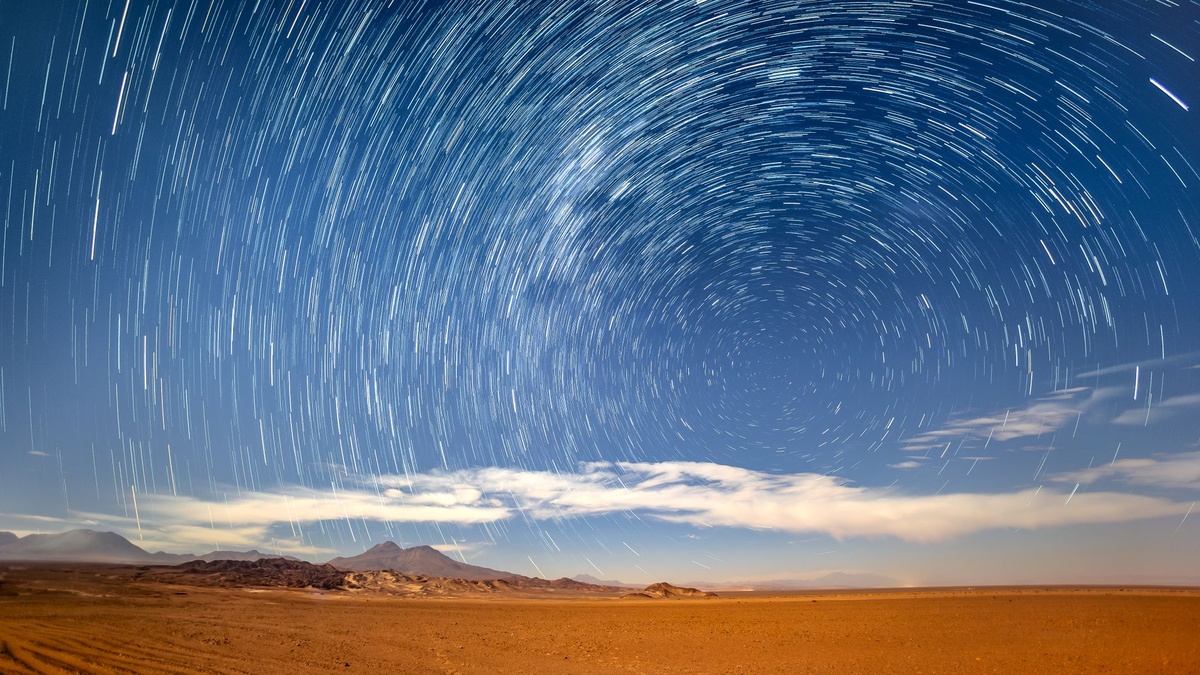
For October 2026, target October 7–14 around the October 10 new moon. The Milky Way’s bright core is lower and visible for less time than in June–August, but the Magellanic Clouds, Saturn and dense southern star fields still reward a properly dark session.
Water and sustainability
Explora has a long-standing conservation identity and controls substantial land around the lodge, but it does not prominently publish a current, independently verified figure for liters of potable water used per guest-night. That omission makes direct comparison impossible.
The property’s pools, irrigated grounds and equestrian operation create visible water demands that a guest should not ignore. Explora may manage those systems carefully, but “desert-adapted operations” is not equivalent to a measurable water-use target.
Ask for three numbers before paying: total annual freshwater withdrawal, average occupied guest-nights and the proportion of treated wastewater reused. A lodge that supplies all three allows you to calculate intensity; one that supplies none is asking you to trust marketing.
Who should choose Explora?
- Choose Explora if you want multiple hiking choices rather than one standard sightseeing circuit.
- Choose it for on-property astronomy and the easiest walk into central San Pedro.
- Skip it if your priority is a small, hushed hideaway; 50 rooms can feel busy at excursion-planning time.
- Budget roughly €8,250 for four nights for two, plus up to €2,200 if you privatize four full days.
Tierra Atacama: Best for Architecture, Spa Time and Volcano Views
Tierra Atacama sits west of town, with broad views toward Licancabur Volcano and the Andes. Its 32 rooms make it approximately 36% smaller than Explora, and the atmosphere is calmer without feeling isolated.
Central San Pedro is about 2.5 kilometers away. Walking takes 30–35 minutes on dusty, intermittently lit roads, while a taxi generally takes under 10 minutes; use the lodge shuttle or taxi after dark rather than walking with a phone flashlight.
Rooms, design and spa
Tierra is the design winner. Rammed-earth tones, local stone, timber and low horizontal buildings sit naturally in the landscape, while the indoor-outdoor Uma Spa is more convincing for a rest afternoon than Explora’s more expedition-led environment.
The pool and landscaping use water, of course, but the experience does not feel like a transplanted tropical resort. Compared with Nayara’s lush pockets of planting, Tierra’s visual language is more restrained and desert-forward.
I would book an east-facing room category with an unobstructed Licancabur view before paying for extra interior space. At sunrise, a direct volcano view adds more to the stay than another 10 square meters of floor area.
Excursions
Tierra’s guides build a daily plan after discussing fitness, altitude exposure and interests. The excursion list covers the Atacama essentials—Valle de la Luna, high-altitude lagoons, El Tatio, salt-flat wildlife and cultural sites—but generally feels more curated and less encyclopedic than Explora’s.
That is an advantage for travelers who do not want to spend 30 minutes every evening choosing between a dozen routes. It is less ideal for technical hikers who want the widest possible progression of high-altitude objectives.
A strong four-night sequence is Valle de la Luna on day one, Guatín or Quebrada del Diablo on day two, El Tatio on day three and the high-altitude lagoons on day four. This climbs from approximately 2,400 meters to 4,300-plus meters instead of shocking your body immediately.
Water transparency
Tierra’s architecture emphasizes low-impact materials and integration with the landscape, and the property has used water-treatment and irrigation-management practices. However, as with Explora, a standardized current liters-per-guest-night result is not prominently disclosed for consumers.
Tierra therefore earns points for a visibly restrained design but not a free pass on measurement. A 32-room lodge can use less total water than a 50-room lodge while still using more per occupied room; total size alone tells you little.
If water accountability drives your decision, request a written sustainability report covering potable water, greywater, wastewater treatment and swimming-pool management. Skip vague answers about changing towels—the major loads are usually kitchens, laundry, irrigation, pools and staff facilities.
Indigenous partnerships
Tierra incorporates Atacameño materials, foodways and guiding narratives, but travelers should distinguish local sourcing from Indigenous governance. Ask which Lickanantay-owned suppliers are contracted, what percentage of guides self-identify as local Indigenous residents, and whether communities set visitor limits at cultural sites.
A woven textile in the lobby is not a partnership by itself. Revenue-sharing agreements, long-term purchasing contracts and community-controlled interpretation are stronger evidence than décor.
Who should choose Tierra?
- Choose Tierra if one person wants active excursions and the other values a serious spa and downtime.
- Choose it for the best architectural framing of Licancabur.
- Skip it if an on-site observatory is non-negotiable; astronomy can be arranged, but Explora’s setup is more compelling.
- Allow approximately €7,150 for four nights for two, around €1,100 less than the comparable Explora planning quote.
Nayara Alto Atacama: Best for Seclusion and Local Atmosphere
Nayara Alto Atacama sits beneath rust-colored cliffs in the Catarpe Valley, near the Quitor area and approximately three kilometers from San Pedro’s center. The setting is the most dramatic of the three: from several angles, the buildings nearly disappear into the rock.
The trade-off is dependence on transfers. Driving to Calle Caracoles takes around 8–12 minutes, while walking can take 40–45 minutes and is unattractive after dark.
Rooms and resort atmosphere
With about 42 rooms, Nayara falls between Explora’s 50 and Tierra’s 32. The property feels more spread out than either, helped by cliff-backed paths, adobe-colored structures and multiple pools.
Those pools are a pleasure after a dusty excursion but matter in any honest water comparison. A hotel cannot advertise desert responsibility while pretending that ornamental planting, evaporation and several bodies of water have no cost.
Nayara is the best choice if you want your lodge to be the destination. If you plan to dine and shop in San Pedro every evening, skip it and stay closer to town; paying all-inclusive rates while repeatedly leaving for dinner makes no financial sense.
Indigenous connections
Of the three, Nayara most strongly foregrounds the surrounding valley and Atacameño cultural context in the guest experience. Local employment, craft, food and interpretation are visible, but you should still request measurable details rather than equating proximity to an Indigenous community with partnership.
The useful questions are specific: Which excursions are led by Lickanantay guides? Which entrance fees go directly to community-run organizations? Are artisans paid wholesale, commission or consignment rates?
Community-managed attractions in the Atacama often have their own rules, opening days and capacity limits. Respect a closure even if your private guide suggests an improvised alternative entrance; community authority matters more than squeezing every landmark into four nights.
Stargazing
Nayara’s secluded valley location produces a darker immediate environment than central San Pedro. The cliffs can limit low-horizon views, but they also block some stray light and wind.
Astronomy experiences and telescope sessions may be offered according to weather and program, though guests should confirm whether the session uses an on-property fixed observatory or a portable instrument. Explora remains the more dependable astronomy-first booking; Nayara wins for simply stepping outside into a quiet, dark landscape.
Water use
Nayara promotes conservation and place-sensitive operations across its portfolio, yet a current Atacama-specific, independently audited water-use intensity is not easy for a prospective guest to verify. Multiple pools and planted areas make transparent reporting particularly important here.
Ask whether irrigation uses treated wastewater and whether pool water is covered, recirculated or seasonally managed. In Atacama’s dry air, an uncovered pool can lose substantial water to evaporation even when no guest enters it.
Who should choose Nayara Alto Atacama?
- Choose Nayara for the most secluded cliff-and-valley setting.
- Choose it if local cultural interpretation matters more than having the longest hiking menu.
- Skip it if you want to walk into San Pedro several times daily.
- At roughly €6,550 for four nights for two, it can undercut Tierra by about €600 and Explora by approximately €1,700 on comparable October dates.
Water Use: What the Three Lodges Do—and Do Not—Disclose
Atacama water is not an abstract eco-label issue. Indigenous communities, wetlands, wildlife, mining and tourism all depend on limited desert water systems, while the high evaporation rate makes pools and irrigation especially consequential.
The uncomfortable answer is that none of these lodges gives ordinary bookers enough standardized public data for a clean liters-per-guest-night ranking. Anyone declaring a definitive “lowest-water lodge” without comparable audited figures is overreaching.
| Water criterion | Explora | Tierra | Nayara Alto Atacama |
|---|---|---|---|
| Public liters per guest-night figure | Not prominently disclosed | Not prominently disclosed | Not prominently disclosed |
| Visible water-intensive features | Pools, grounds, equestrian facilities | Pool, spa, landscaping | Multiple pools, spa, landscaping |
| Property scale | About 50 rooms | About 32 rooms | About 42 rooms |
| Best question to ask | Does annual reporting include horses and staff facilities? | What percentage of irrigation is reclaimed water? | How are multiple pools managed for evaporation? |
| Transparency verdict | Insufficient for numerical comparison | Insufficient for numerical comparison | Insufficient for numerical comparison |
My verdict is therefore a three-way “data required,” not a green ranking. Tierra’s restrained design looks least resort-like, Explora’s larger operation has more visible infrastructure, and Nayara’s multiple pools deserve scrutiny—but appearance is not audited consumption.
Email each lodge the same five questions and compare the written responses:
- How many liters of freshwater did the property withdraw in the last reporting year?
- What was the average water use per occupied room or guest-night?
- What percentage of wastewater was treated and reused?
- Does the figure include staff housing, laundry, kitchens, pools and landscaping?
- Is the result independently audited, and can guests read the report?
A precise reply within two business days is more meaningful than ten sustainability badges. Save the email locally because mobile coverage can be unreliable outside San Pedro.
Which Lodge Has the Strongest Indigenous Partnerships?
Nayara presents the strongest guest-facing connection to the Lickanantay cultural landscape, while Tierra performs well at integrating regional materials and suppliers. Explora’s strength is conservation and expedition infrastructure rather than an obviously community-governed hospitality model.
That does not make one automatically ethical and another unethical. Indigenous partnership should be judged through ownership, decision-making, long-term contracts, wages and community control over access—not the number of local motifs in a room.
| Partnership test | What good evidence looks like | Weak evidence |
|---|---|---|
| Employment | Published local hiring rate and management progression | “We employ local people” |
| Excursions | Named community operator receiving direct fees | Guide retells an unnamed local legend |
| Purchasing | Multi-year contracts with Lickanantay producers | Occasional craft-market shopping |
| Governance | Community consent and control over visitor capacity | Hotel decides access unilaterally |
My practical choice is Nayara if cultural context is central, but I would request named examples before booking. For a community-led excursion, prioritize a lodge program that clearly identifies the local organization and how fees are distributed.
October Weather, Altitude and Stargazing Conditions
October is one of Atacama’s strongest shoulder-season months. Typical daytime temperatures around San Pedro reach 23–26°C, nights often fall to 3–7°C, and measurable rain is uncommon.
At El Tatio, pre-dawn temperatures can sit between -8°C and 0°C even when the afternoon in town reaches 25°C. Pack a down layer, gloves and a wind shell; a stylish alpaca wrap is not a substitute for insulated clothing at 4,320 meters.
| October factor | San Pedro area | High-altitude excursions |
|---|---|---|
| Elevation | About 2,400 m | 4,200–4,800 m |
| Typical daytime range | 18–26°C | 5–16°C |
| Typical early-morning low | 3–7°C | -8–0°C |
| Rain | Usually minimal | Usually minimal; snow remains possible |
| UV index | Often 10–12 around midday | Extreme with stronger exposure |
Afternoon winds and airborne dust are more likely to disrupt plans than rain. Schedule drone-free photography, delicate camera work and exposed ridge walks in the morning; drones are restricted at many protected and community-managed sites anyway.
For dark skies, October 7–14 is preferable to October 23–29. The full moon on approximately October 26 will overwhelm faint deep-sky objects, although it can beautifully illuminate Valle de la Luna-style terrain.
Download offline areas in Google Maps and the lodge’s itinerary before departure. A Chile eSIM from Airalo or Nomad can cover town and major roads, but no eSIM fixes dead zones in remote valleys.
Four-Night Cost Breakdown for October 2026
Here is a realistic midrange-luxury plan for two adults choosing Tierra Atacama, arriving at Calama Airport and taking shared lodge excursions. It assumes the foreign-visitor accommodation tax conditions are met.
| Item | Cost for two | Notes |
|---|---|---|
| Four-night all-inclusive lodge program | €7,150 | Entry-level double room, meals, drinks, transfers and shared excursions |
| One private full-day vehicle and guide | €450 | Planning allowance; request a written quote |
| Guide and driver gratuities | €180 | Discretionary; adjust for service |
| Spa treatment for two | €240 | Approx. €120 each |
| Travel insurance | €160 | Policy must cover hiking above 4,000 m |
| eSIM and incidental town spending | €70 | Data, snacks and one taxi |
| Total excluding flights | €8,250 | About €1,031 per person per night |
Choosing Nayara at the indicative €6,550 room-package price could lower the same trip to roughly €7,650. Choosing Explora and privatizing all four days could push the total beyond €10,500.
Domestic return flights between Santiago and Calama commonly add €100–€280 per person depending on luggage and flexibility. Compare the final fare after baggage: a €55 basic ticket plus €45 each way for luggage can cost more than a €120 fare that includes a checked bag.
A Smart Four-Night Itinerary
Day 1: Arrive and stay low
Take the included transfer from Calama Airport, roughly 100 kilometers and 75–90 minutes. Spend the afternoon around San Pedro, the lodge or the 2,400–2,600-meter valley floor rather than heading directly above 4,000 meters.
Choose a gentle sunset outing only if it does not require rushing. Drink to thirst, avoid excessive alcohol and eat normally; forcing several liters of water does not prevent acute mountain sickness.
Day 2: Valleys and cultural context
Visit a lower-altitude geological site or take a moderate hike around Catarpe, Quitor or the Cordillera de la Sal. Opening times change by community and season, but popular reserve sectors often operate roughly between 8:00 a.m. and 5:00 p.m.; the lodge should verify same-day admission and book required slots.
Skip an Instagram-only sunset convoy if a quieter morning departure is available. Soft early light, fewer vehicles and lower winds beat standing beside 20 vans at the same overlook.
Day 3: El Tatio
Leave around 4:30–5:00 a.m. for the 80-kilometer drive, normally 1 hour 30 minutes to two hours each way. Steam is most visible near sunrise, but the real challenge is the rapid ascent to approximately 4,320 meters.
Tell your guide immediately about headache, nausea, confusion or unusual breathlessness. Descending is more useful than trying to rescue the excursion with oxygen for a few minutes.
Day 4: Lagoons or a private tailored day
Use your one private day for high-altitude lagoons, photography or a hike matched to your pace. Privatizing Valle de la Luna is poor value; privatizing a long day with several remote stops saves more waiting and allows better light.
Finish with stargazing after dinner if the moon and cloud permit. Allow at least 90 minutes outdoors and bring the same down jacket used at El Tatio.
Day 5: Departure
Airport transfers usually leave three to four hours before a domestic flight because the drive takes up to 90 minutes and check-in can be slow. Do not book an 8:00 a.m. departure unless you accept a pre-dawn transfer.
If Atacama is part of a longer Chile trip, compare the desert’s high-altitude logistics with our October guide to the W Trek and El Chaltén before combining northern Chile with Patagonia.
Common Booking Mistakes
- Assuming every excursion is private: get vehicle, guide and passenger count in writing.
- Comparing room-only with full-experience rates: a €900 nightly room can become €1,700 after meals, transfers and guiding.
- Ignoring the moon: the October 26, 2026 full moon is poor for faint stars but excellent for moonlit landscapes.
- Booking El Tatio on day one: sleep two nights near 2,400 meters before a 4,320-meter sunrise.
- Treating “local design” as Indigenous partnership: ask who owns, decides and receives revenue.
- Accepting sustainability claims without water data: request liters per guest-night and the reporting boundary.
- Paying in the wrong currency: confirm eligibility for Chile’s foreign-tourist VAT treatment before arrival.
- Overpacking evenings: one stargazing session after El Tatio’s 4:30 a.m. departure is enough; sleep is part of acclimatization.
The Verdict: Which Atacama Lodge Should You Book?
Choose Explora Atacama if guiding depth, active excursions and an on-property astronomy program justify spending roughly €1,100 more than Tierra or €1,700 more than Nayara over four nights. It is the strongest operational choice for travelers who want to be out all day.
Choose Tierra Atacama if you want the most balanced luxury stay: excellent architecture, a proper spa, volcano views and serious excursions without an expedition-base atmosphere. For couples with different activity levels, it is my overall pick.
Choose Nayara Alto Atacama if seclusion, dramatic cliffs and a stronger guest-facing sense of local place matter most. It is also the value winner in this comparison, though its pools make detailed water disclosure especially important.
Do not select any of them solely because a website says “sustainable.” Email all three the same water and community-partnership questions, compare dated four-night quotes, and book the lodge that answers with numbers rather than adjectives.
Frequently Asked Questions
How much does four nights at a luxury Atacama lodge cost?
For two adults in October 2026, allow approximately €6,550 at Nayara Alto Atacama, €7,150 at Tierra Atacama or €8,250 at Explora Atacama on full-experience programs. Private excursions can add roughly €250–€550 per vehicle per day.
Which is better, Explora Atacama or Tierra Atacama?
Explora is better for a large expedition menu and on-property astronomy, while Tierra is better for architecture, spa time and couples with mixed activity levels. A comparable four-night Tierra stay can cost about €1,100 less for two adults.
Which Atacama hotel is best for stargazing?
Explora is the strongest astronomy-first choice because of its dedicated on-property setup and guided sessions. For October 2026, book around the October 10 new moon rather than the October 26 full moon.
Is October a good time to visit San Pedro de Atacama?
Yes: expect approximately 23–26°C afternoons, 3–7°C nights and little rain around San Pedro. High-altitude dawn excursions can still fall below freezing, so pack gloves, insulation and a windproof layer.
Which Atacama lodge uses the least water?
There is not enough comparable public data to name a defensible winner because none prominently publishes an audited liters-per-guest-night figure. Ask each property for annual withdrawal, occupied guest-nights and the percentage of treated wastewater reused.

About the Author: Tomáš Bzirský
Founder and editor of Distratech. Based in the Czech Republic, travelling regularly from Central Europe. Writes practical travel guides and travel-tech comparisons (eSIM, apps, airports) in six languages.