'/%3E%3Cpath%20fill='%23b2b2b2'%20d='M241%20382q0%2016%2017%2026%2017%2011%2042%2011t42-11q16-11%2017-26V269H241'/%3E%3Cpath%20fill='%239f7e00'%20d='M241%20379q0%2014%208%2023%209%209%2021%209%2014%200%2021-9%209-9%209-23V269h-59'/%3E%3Cpath%20d='M241%20339v-70h59v110q0%2014-9%2023l-6%205v-68h-15v72q-8%200-14-4v-68zm59%2040c0%2022%2015%2032%2029%2032%2021%200%2030-18%2030-32v-40h-59'/%3E%3Cpath%20fill='%239f7e00'%20d='M266%20277v5h2v12h-3v-5h2v-5h-9v5h2v5h-4v9h3v18h-5v10h34v-10h-5v-18h3v-9h-4v-5h2v-5h-9v5h2v5h-3v-12h2v-5zm42%20101q0%2010%206%2017%206%206%2015%207%2010-1%2016-7%206-7%206-17v-29h-43'/%3E%3Ccircle%20fill='%230044ad'%20cx='329.5'%20cy='372'%20r='6'/%3E%3Cellipse%20fill='%230044ad'%20cx='300'%20cy='340'%20rx='16'%20ry='21'/%3E%3C/svg%3E)
'/%3E%3C/svg%3E)


'/%3E%3C/g%3E%3Cuse%20href='%23c'%20transform='matrix(-1%200%200%201%20720%200)'/%3E%3C/svg%3E)


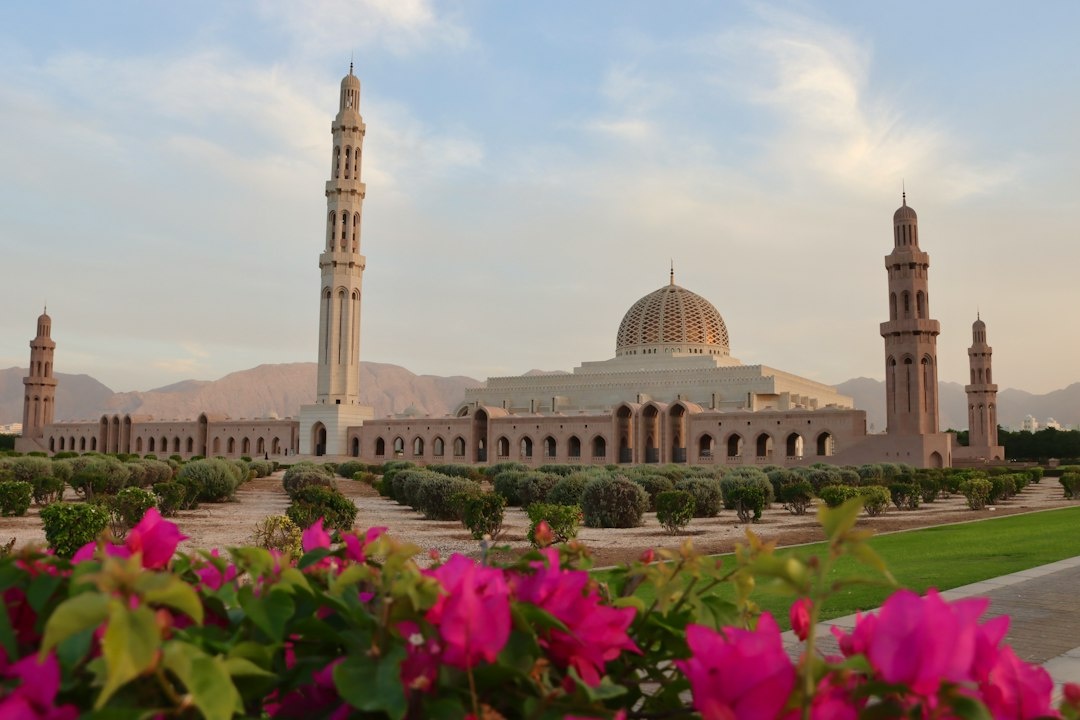
October is one of Oman’s best road-trip months—but it is not automatically risk-free. Muscat still reaches roughly 32–35°C, tropical systems occasionally enter the Arabian Sea, and a rainstorm many kilometres away can turn a dry wadi into a fast-moving flood.
Key Takeaways
- Allow 6–7 days and roughly 800 km for Muscat, Jebel Akhdar, Wahiba Sands and Wadi Shab.
- An October 4WD typically costs €65–€105 ($75–$121) per day, versus €25–€42 ($29–$48) for a 2WD.
- October temperatures range from about 12°C at night on Jebel Akhdar to 35°C in Muscat and Wahiba Sands.
- Never enter Wadi Shab when rain or a flash-flood warning is active, even if the trail itself looks dry.
- A realistic seven-day budget is approximately €1,630 ($1,875) for two people before international flights.
Key Numbers at a Glance
This route works because Oman combines inexpensive fuel with excellent paved highways. The complication is terrain: the Jebel Akhdar checkpoint normally requires a four-wheel-drive vehicle, while desert camps may require either a 4WD or a paid pickup from Al Wasil.
| Road-trip variable | October figure | Why it matters |
|---|---|---|
| Total distance | 760–850 km | Route changes according to your desert camp and Muscat hotel |
| Minimum comfortable duration | 6 nights / 7 days | Four nights creates too much driving and too little weather flexibility |
| Muscat daytime temperature | Approximately 32–35°C | Outdoor sightseeing is best before 10:30 and after 16:00 |
| Jebel Akhdar night temperature | Approximately 12–18°C | Pack a light insulated layer, not only desert clothing |
| October daylight | 11 hr 57 min on October 1; 11 hr 19 min on October 31 | Late-month driving windows are almost 40 minutes shorter |
| Petrol price used for planning | €0.52–€0.54/L ($0.60–$0.62), October 2026 | An 800 km trip in a 10 km/L SUV costs about €43 |
| 4WD rental | €65–€105/day ($75–$121), October 2026 | Necessary for an independent Jebel Akhdar ascent |
| Emergency number | 9999 | Police, ambulance and fire emergencies in Oman |
For conversion consistency, this guide uses an October 2026 planning rate of OMR1 = €2.25 = $2.60. Hotels and car rentals use dynamic pricing, so treat quoted rates as bookable benchmarks rather than permanent tariffs.
October Safety Verdict: Go, but Use a Weather Trigger System
My verdict is yes, October is safe enough for this Oman road trip if you keep one flexible night and check official weather alerts twice daily. It is considerably more comfortable than June, when Muscat’s average maximum is around 40°C, but hotter and marginally more cyclone-exposed than November.
October sits near the end of the Arabian Sea’s secondary tropical-cyclone window. Cyclone Shaheen made landfall in northern Oman in October 2021, while Cyclone Luban affected southern Oman and Yemen in October 2018; most October trips encounter neither, but the risk cannot be dismissed.
The three-level decision framework
- Choose the full 4WD route if no rain, cyclone or flash-flood advisories cover your next 48 hours.
- Choose paved roads and mountain hotels if thunderstorms are possible but no severe warning is active; skip wadi swimming and unsupported desert tracks.
- Choose Muscat or cancel the driving day if Oman Meteorology issues a tropical-system, heavy-rain or flash-flood warning for your route.
Check Oman Meteorology, the Royal Oman Police’s official channels and hotel messages at breakfast and again around 16:00. A weather app showing “0 mm in Muscat” is not enough: rain falling upstream in the Hajar Mountains can flood a wadi where the sky remains blue.
Skip AccuWeather-only decision-making and use Oman’s official bulletins first. Windy is useful for visualising rain and wind models, but a colourful model layer is not a replacement for a government warning.
October Temperature, Rain and Daylight Data
October is transitional rather than genuinely cool. The first week can feel like late summer, while the final week usually offers better hiking temperatures and nearly 40 minutes less daylight.
| Stop | Typical October day | Typical October night | Main exposure | Best activity window |
|---|---|---|---|---|
| Muscat | 32–35°C | 24–27°C | Heat, humidity and sun | 07:00–10:30 and after 16:00 |
| Jebel Akhdar | 21–27°C | 12–18°C | Cool evenings, steep roads | 08:00–12:00 and 15:00–17:30 |
| Wahiba Sands | 32–36°C | 19–24°C | Heat, soft sand and dehydration | Sunrise–09:30 and after 16:00 |
| Wadi Shab | 30–34°C | 23–26°C | Flash floods and heat on exposed trail | 08:00–12:30 |
These are planning ranges based on long-term October conditions, not a trip-specific forecast. Jebel Akhdar can be more than 10°C cooler than Muscat at night, so a long-sleeved fleece has more value than a second pair of sandals.
How much daylight do you actually have?
In Muscat, sunrise is approximately 05:55 and sunset 17:52 on October 1. By October 31, sunrise is close to 06:08 and sunset around 17:27.
That difference matters in Wahiba Sands, where an unfamiliar track becomes harder to read after sunset. Leave the paved road by 15:30 for an independent camp arrival, versus 17:00 only if your camp provides a signed meeting point and convoy.
Flash-flood risk is local, sudden and non-negotiable
A wadi is a drainage channel, not simply a swimming attraction. The narrow sections of Wadi Shab can funnel water rapidly, while roadside dips elsewhere may remain submerged after the visible rain ends.
Never park on a wadi bed, drive through moving water or follow another SUV into a flooded crossing. Even 30 cm of flowing water can destabilise a vehicle; waiting two hours costs less than a flooded rental and an insurance claim likely to be rejected.
The Best Seven-Day Muscat–Jebel Akhdar–Wahiba–Wadi Shab Itinerary
Day 1: Arrive in Muscat and collect the right vehicle
Muscat International Airport is approximately 15 km from central Al Ghubrah and 30 km from Old Muscat. Driving takes 20–35 minutes outside rush hour, versus 40–60 minutes between roughly 07:00–09:00 and 16:00–18:30.
Collect your SUV at the airport if the counter remains open for your flight; city-office savings of €5–€10 per day can disappear after a €20–€35 airport taxi. Compare Sixt, Europcar, Hertz, Dollar and local suppliers through Discover Cars or Rentalcars.com, then confirm the exact drivetrain directly with the supplier.
Stay around Al Ghubrah or Qurum rather than isolated airport hotels. Ramada Encore by Wyndham Muscat commonly starts near €60–€75 ($69–$86), while Royal Tulip Muscat is closer to €80–€110 ($92–$127); compare current hotels in Muscat.
Day 2: Muscat before the heat builds
Visit Sultan Qaboos Grand Mosque first. Non-Muslim visiting hours are generally Saturday–Thursday, 08:00–11:00, admission is free, and modest full-length clothing is required; women should bring a head covering.
Arrive by 08:00 rather than 10:30, when tour groups and heat overlap. Then drive 15 minutes to Mohammed Al Ameen Mosque’s viewpoint or 25–35 minutes to Mutrah, where parking becomes difficult after 17:00.
Mutrah Souq usually operates around 09:00–11:00 and 16:00–22:00, although individual shops vary. Skip buying “Omani” frankincense without asking its origin—some inexpensive stock is imported—and visit Luban Oman in Mutrah for labelled grades instead.
For dinner, book Bait Al Luban opposite Mutrah Fish Market. Shuwa or qabuli mains cost roughly OMR5–8, equivalent to €11–€18 ($13–$21), compared with €25–€40 per person at a resort buffet.
Day 3: Muscat to Nizwa and Jebel Akhdar
The drive from Muscat to Nizwa is about 160 km and takes 1 hour 45 minutes on good roads. Nizwa to the Jebel Akhdar plateau adds roughly 55 km and 60–75 minutes, including the police checkpoint and steep ascent.
Leave Muscat by 07:00. Nizwa Fort generally opens 08:00–20:00 Saturday–Thursday, with split or reduced Friday access; admission is about OMR5 (€11.25/$13) per adult, compared with free access to the adjacent souq.
Eat an early lunch at Al Aqur Traditional Restaurant, where rice-and-meat dishes are approximately OMR3–6 (€7–€14). Skip an elaborate two-hour lunch because the mountain road deserves full daylight and an alert driver.
At the Jebel Akhdar checkpoint, officials normally verify that the vehicle has four-wheel drive. A crossover advertised as an “SUV” may be front-wheel drive, so insist that the contract identifies 4WD or AWD before leaving Muscat.
DusitD2 Naseem Resort often starts around €120–€170 ($138–$196), while the simpler Jebel Akhdar Hotel can fall near €75–€105 ($86–$121). Anantara Al Jabal Al Akhdar is spectacular but frequently exceeds €350 ($403); unless the hotel is the point of the trip, spend that money on a safer SUV and a desert camp.
Day 4: Walk Jebel Akhdar, then drive to Wahiba Sands
Walk part of the marked Three Villages trail through Al Aqur, Al Ayn and Ash Shirayjah after breakfast. The common out-and-back section takes 2–3 hours, versus 4–5 hours if you explore slowly and add terraces.
Leave the plateau no later than 12:00 for Wahiba Sands. The journey to Al Wasil is approximately 220–245 km and takes 3–3.5 hours, depending on your mountain hotel and stops.
Refuel in Bidiyah or Al Wasil even if the gauge shows half a tank. Petrol stations inside the settled corridor are plentiful, but your desert camp may be another 20–40 km away over sand.
Sama Al Wasil Desert Camp commonly costs €95–€140 ($109–$161) with breakfast, while Desert Nights Resort is closer to €170–€250 ($196–$288). A basic camp is not automatically more adventurous: air-conditioning, marked access and a reliable pickup are worth paying for in early October.
If you have no sand-driving experience, do not learn with a rental vehicle at sunset. Arrange the camp’s pickup from Al Wasil for roughly OMR10–20 (€23–€45) per vehicle each way, compared with potential recovery fees of OMR50–150 (€113–€338) if you become stuck far off the established track.
Day 5: Wahiba Sands to Sur
Watch sunrise, but do not drive onto high dunes alone for the photograph. A guided dune-bashing trip generally costs OMR25–40 (€56–€90) per vehicle for 45–60 minutes, and the guide knows which slopes have unsafe drop-offs.
From Al Wasil to Sur, allow approximately 175 km and 2 hours 15 minutes on paved roads. Add 45 minutes if leaving a deep desert camp, plus more time for tyre reinflation.
Stay in Sur rather than attempting Wadi Shab late in the afternoon. Sur Plaza Hotel typically costs €50–€70 ($58–$81), while Turtle Beach Resort near Ras Al Jinz is often €100–€155 ($115–$178).
For dinner, choose Zaki Restaurant in Sur for grilled kingfish and rice at roughly OMR3–5 (€7–€11). Skip a generic hotel buffet at OMR10–15 unless you specifically need the convenience.
Day 6: Wadi Shab early, Muscat by evening
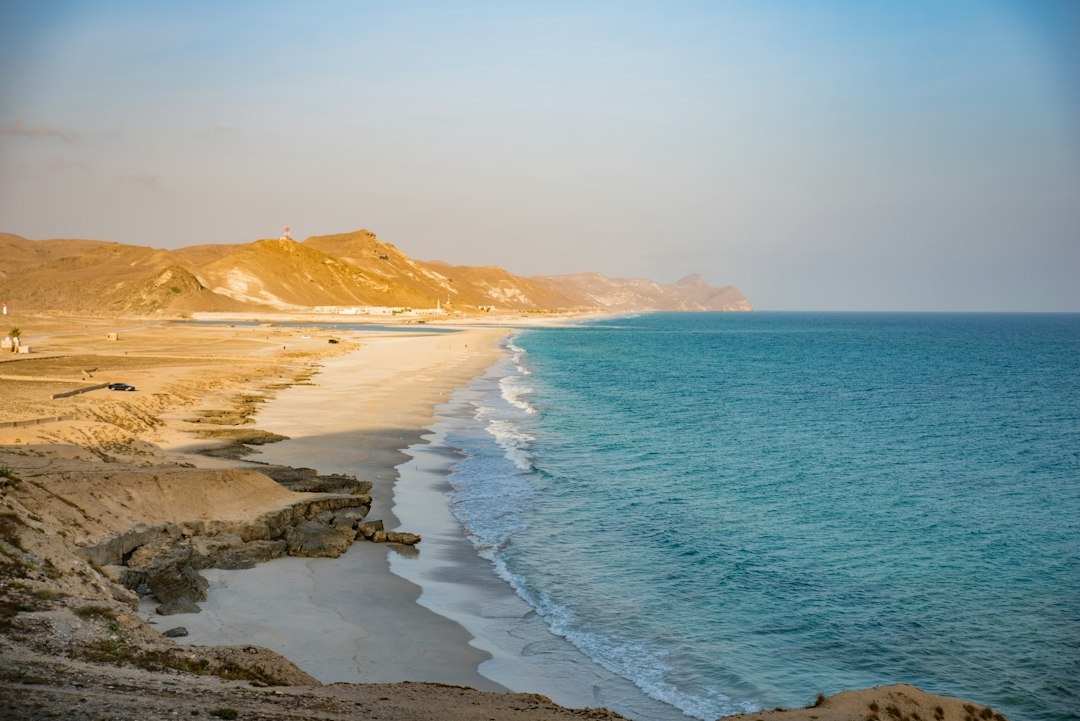
Sur to Wadi Shab is approximately 45 km and 35–45 minutes. Reach the parking area around 08:00, when temperatures are lower and the narrow swimming sections are less congested.
The small boat crossing costs approximately OMR1 (€2.25/$2.60) return and normally operates around 08:00–17:00. The hike takes 40–50 minutes each way, while swimming to the cave adds 60–90 minutes; budget 3.5–4 hours overall.
Wear shoes with grip and carry at least 1.5 litres of water per person. The first half of the trail is exposed, and 32°C at Wadi Shab feels harsher than the same reading beside an air-conditioned car.
Non-swimmers should stop before the deeper pools. The final cave requires confident swimming through a narrow opening, so a €10–€20 dry bag and buoyancy aid are more useful than carrying an expensive camera overhead.
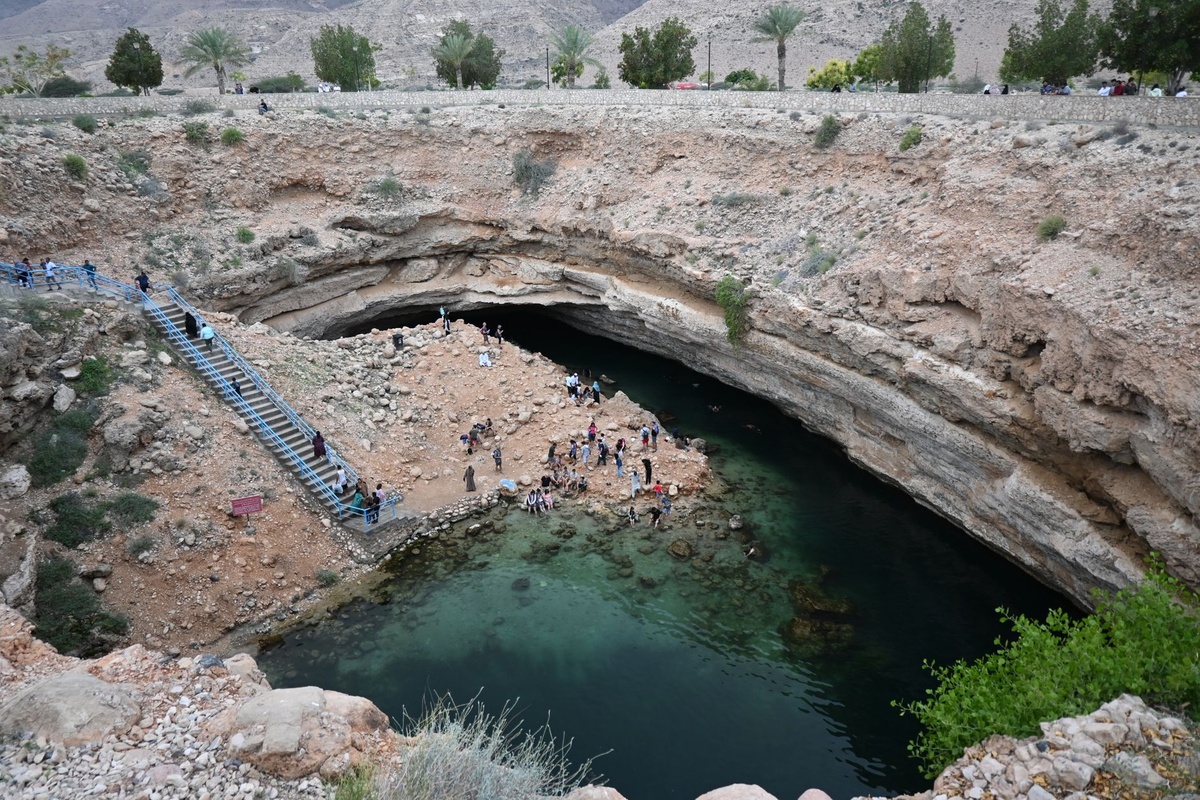
Wadi Shab to Muscat is roughly 150 km and takes 1 hour 45 minutes without stops. Bimmah Sinkhole adds about 30–45 minutes; it is worthwhile only if you still have daylight and energy.
Day 7: Buffer morning and departure
Keep the final morning uncommitted. It creates a 12–18-hour buffer if rain closes Wadi Shab, desert access is delayed or your rental develops a tyre problem.
If everything ran on time, visit the National Museum in Old Muscat, generally open around 10:00–17:00 and priced near OMR5 (€11.25) for adult visitors. Compared with squeezing another 300 km into the route, a slow final day is the safer and more enjoyable choice.
4WD Versus 2WD: Which Should You Book?
A 2WD is sufficient for Muscat, Nizwa, Sur and the paved Wadi Shab car park. It is not the right single-car solution for this itinerary because Jebel Akhdar access normally requires 4WD, and driving into Wahiba Sands adds soft-sand risk.
| Vehicle strategy | October 2026 cost | Advantages | Disadvantages |
|---|---|---|---|
| 2WD for 7 days | €175–€294 | Cheapest; better fuel economy | Cannot independently pass Jebel Akhdar checkpoint; camp transfer required |
| 4WD for 7 days | €455–€735 | One vehicle; mountain access; higher clearance | Higher rental cost; desert damage may still be excluded |
| 2WD plus mountain/desert transfers | €350–€520 total | No technical off-road driving | Fixed pickup times; less flexibility |
| Driver-guide with 4WD | €180–€280 per day | Local navigation and no driving fatigue | Roughly three times the self-drive daily cost |
Choose a 4WD if two or more people want full control of timing and are comfortable with steep paved roads. Choose a 2WD plus transfers if you are travelling solo, dislike sand driving or find a genuine 4WD above €100 per day.
Ask four questions before paying: Is it mechanically 4WD? Are tyres and windscreen covered? Is off-road driving excluded? Is mileage unlimited? A €68 daily quote with a 200 km allowance can cost more than an €82 unlimited-kilometre rate on an 800 km route.
Expect a card deposit of roughly €450–€900 ($518–$1,035). Photograph all tyres, wheels, the roof, under-bumper areas and the fuel gauge; a 90-second video is better evidence than six rushed photographs in a dark airport garage.
Fuel, Navigation and Mobile Data
Oman’s low fuel prices make the SUV premium easier to absorb. At approximately €0.54 per litre for M95 petrol in October 2026, 80 litres costs about €43, versus roughly €136 at €1.70 per litre in much of Western Europe.
| Vehicle | Assumed economy | Fuel for 800 km | Estimated cost |
|---|---|---|---|
| Compact 2WD | 15 km/L | 53 L | €29 ($33) |
| Mid-size 4WD | 10 km/L | 80 L | €43 ($49) |
| Large petrol 4WD | 7.5 km/L | 107 L | €58 ($67) |
Google Maps is reliable on highways but may suggest unofficial tracks near desert camps. Download the entire route offline and install Organic Maps as a second source; one offline map costs nothing, compared with OMR20–50 for an avoidable recovery callout.
Omantel and Ooredoo have stronger rural coverage than relying only on hotel Wi-Fi. Airport visitor SIM packages commonly begin around OMR5–10 (€11–€23), while an eSIM from Nomad is convenient if you need data immediately after landing.
Download weather bulletins, hotel coordinates and rental documents before entering Wahiba Sands. Mobile coverage can be intermittent between dunes even when the highway signal is strong.
What the Seven-Day Trip Actually Costs
This mid-range budget covers two adults sharing rooms and one 4WD. It excludes international flights, alcohol and high-end resort upgrades.
| Expense for two | Calculation | October 2026 total |
|---|---|---|
| 4WD rental | 7 days × €78 | €546 |
| Fuel | 800 km, 10 km/L | €43 |
| Accommodation | 3 Muscat, 1 mountain, 1 desert, 1 Sur | €550 |
| Food | €45 per day × 7 | €315 |
| Admissions and Wadi Shab boat | Fort, museum, boat and small extras | €60 |
| SIM/data | One local package or eSIM | €20 |
| Rental excess cover | Seven-day independent policy estimate | €95 |
| Total for two | Excluding flights | €1,629 ($1,873) |
That equals approximately €815 ($937) per person. A 2WD with organised mountain and desert transfers may save €100–€200, but only if transfer pricing is confirmed before booking.
At the luxury end, Anantara plus Desert Nights can push the same trip above €2,700 for two. At the budget end, simple hotels and a shared camp transfer can bring it near €1,150, but I would not cut tyre insurance or the weather-buffer night.
Common Oman Road-Trip Mistakes
- Booking an “SUV” instead of a real 4WD. A compact crossover may look suitable but still fail the Jebel Akhdar checkpoint.
- Entering Wahiba Sands with road-pressure tyres. Lower pressure improves flotation, but only experienced drivers should adjust it; reinflate before returning to highway speed.
- Driving to Wadi Shab after lunch. A 14:00 arrival leaves limited swimming time before boats stop around 17:00.
- Assuming blue sky means no flood risk. Upstream mountain rain can reach a dry-looking canyon later.
- Leaving bags visible in the car. Oman has low petty-crime levels, but electronics should still go in the boot before reaching a trailhead.
- Underestimating mountain braking. Use a lower gear on Jebel Akhdar’s descent rather than riding the brakes continuously.
- Planning every night non-refundable. Saving €12 on a room is poor value if a cyclone warning forces a route change.
Also avoid driving long rural stretches after dark. Camels, goats, poorly lit vehicles and roadworks are harder to spot at 120 km/h; a two-hour daylight drive is safer than the same journey after an exhausting wadi hike.
When to Postpone or Reroute
Postpone Wahiba Sands and Wadi Shab if official forecasts mention heavy rain, thunderstorms, tropical depression impacts or flash flooding. Replace them with two nights in Muscat or a paved-road stay in Nizwa, where museums and restaurants provide better bad-weather options.
If the warning affects northern Oman but not the south, do not attempt an impromptu 1,000 km drive to Salalah. Muscat to Salalah is approximately 1,000 km and 10–12 hours each way, compared with a 90-minute domestic flight.
Travellers choosing between October desert sun and autumn foliage may also like our guide to quieter European photo trips in October. Oman offers warmer evenings and lower fuel costs, while the Alps and Slovenia deliver cooler hiking weather without cyclone monitoring.
Final Verdict: October Is Worth It—with One Flexible Day
October gives Oman road-trippers a strong balance: lower temperatures than summer, warm swimming water, inexpensive fuel and mostly reliable roads. The trade-off is a small but real tropical-weather window, plus flash-flood exposure that demands more discipline than a conventional Mediterranean drive.
Book a genuine 4WD, schedule Wadi Shab for the morning, arrive at Wahiba Sands before sunset and keep your final day flexible. Save this itinerary, check Oman Meteorology 48 hours before departure, and recheck every morning once you are on the road.
Frequently Asked Questions
Is October a safe month to drive in Oman?
Yes, provided no cyclone, heavy-rain or flash-flood warning is active. Expect roughly 32–35°C in Muscat and Wahiba Sands, versus cooler 21–27°C daytime conditions on Jebel Akhdar.
Do I need a 4WD for an Oman road trip?
You need a genuine 4WD to drive independently up Jebel Akhdar, and it is strongly recommended for Wahiba Sands. A 2WD costs around €25–€42 per day, versus €65–€105 for a 4WD in October 2026.
How many days are needed for Muscat, Jebel Akhdar, Wahiba Sands and Wadi Shab?
Allow seven days and six nights for approximately 760–850 km of driving. Five days is technically possible, but it removes the weather buffer and creates multiple rushed arrivals.
How much does a seven-day Oman road trip cost?
A realistic mid-range budget is about €1,630 ($1,875) for two people sharing a 4WD and six hotel nights, excluding flights. Luxury mountain and desert resorts can increase the total beyond €2,700.
Can Wadi Shab close because of rain?
Yes, access can become unsafe during or after rainfall because water may arrive from upstream mountains. Do not enter when warnings are active, even if the parking area is sunny and dry.

About the Author: Tomáš Bzirský
Founder and editor of Distratech. Based in the Czech Republic, travelling regularly from Central Europe. Writes practical travel guides and travel-tech comparisons (eSIM, apps, airports) in six languages.