'/%3E%3Cpath%20fill='%23b2b2b2'%20d='M241%20382q0%2016%2017%2026%2017%2011%2042%2011t42-11q16-11%2017-26V269H241'/%3E%3Cpath%20fill='%239f7e00'%20d='M241%20379q0%2014%208%2023%209%209%2021%209%2014%200%2021-9%209-9%209-23V269h-59'/%3E%3Cpath%20d='M241%20339v-70h59v110q0%2014-9%2023l-6%205v-68h-15v72q-8%200-14-4v-68zm59%2040c0%2022%2015%2032%2029%2032%2021%200%2030-18%2030-32v-40h-59'/%3E%3Cpath%20fill='%239f7e00'%20d='M266%20277v5h2v12h-3v-5h2v-5h-9v5h2v5h-4v9h3v18h-5v10h34v-10h-5v-18h3v-9h-4v-5h2v-5h-9v5h2v5h-3v-12h2v-5zm42%20101q0%2010%206%2017%206%206%2015%207%2010-1%2016-7%206-7%206-17v-29h-43'/%3E%3Ccircle%20fill='%230044ad'%20cx='329.5'%20cy='372'%20r='6'/%3E%3Cellipse%20fill='%230044ad'%20cx='300'%20cy='340'%20rx='16'%20ry='21'/%3E%3C/svg%3E)
'/%3E%3C/svg%3E)


'/%3E%3C/g%3E%3Cuse%20href='%23c'%20transform='matrix(-1%200%200%201%20720%200)'/%3E%3C/svg%3E)


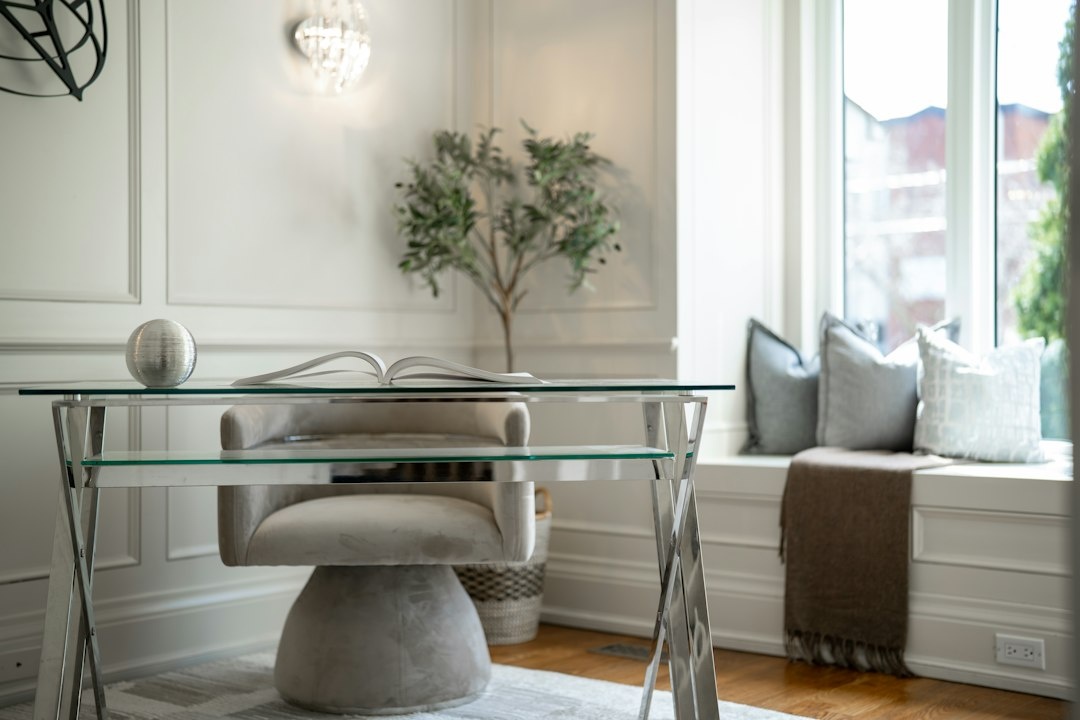
A glass-roofed cabin sounds ideal until you need to run a 45-minute video call, find somewhere to position a laptop, and stop the Arctic night sky from reflecting across your screen. This seven-night October 2026 case study at Apukka Resort near Rovaniemi covers measured Wi-Fi speeds, Aurora Cabin rates, ergonomic fixes, airport transfers, cold-weather packing, meals, aurora logistics, and the honest total cost of working beneath the northern lights.
Key Takeaways
- Seven nights in an Apukka Aurora Cabin cost €3,227 in October 2026, averaging €461 per night with breakfast.
- Resort Wi-Fi delivered a 74.8 Mbps median download speed, but evening performance fell as low as 12.4 Mbps.
- Apukka is approximately 13 km from Rovaniemi Airport and 18 km from central Rovaniemi; transfers take 15–25 minutes.
- A €221 portable ergonomic setup made the cabin workable, although it never matched a proper hotel desk.
- The seven-night solo total was €4,626 excluding international flights, versus approximately €2,653 per person when shared by two.
Key Numbers at a Glance
| Item | October 2026 result | Useful comparison |
|---|---|---|
| Cabin cost | €3,227 for 7 nights | Rovaniemi hotel: approximately €910–€1,260 for 7 nights |
| Resort Wi-Fi | 74.8 Mbps median download | Elisa mobile backup: 112 Mbps median |
| Upload speed | 18.6 Mbps median | Zoom recommends roughly 3.8 Mbps for 1080p group video |
| Airport distance | Approximately 13 km | 15 minutes by prebooked transfer |
| Rovaniemi distance | Approximately 18 km | 20–25 minutes by taxi |
| October temperature | About -6°C to 6°C during the stay | Cabin remained around 22°C indoors |
| Daylight | Approximately 9.5–10.5 hours | December has fewer than 3 hours |
| Total solo cost | €4,626 excluding international flights | €2,653 per person when two share |
Why October Is the Smart Month for a Lapland Workation
October occupies a useful gap between Lapland’s ruska foliage season, which normally peaks in September around Rovaniemi, and the expensive Christmas rush beginning in late November. You may get snow, but you avoid December’s family crowds, near-total darkness, and glass-igloo rates that can exceed €700 per night.
During this seven-night stay, temperatures ranged from 6°C on a wet afternoon to -6°C shortly before sunrise. October weather is unstable: bare forest, rain, slush, frozen paths, and photogenic fresh snow can all arrive within 48 hours.
Aurora season is already active because the nights are properly dark. Compared with December, October gives you roughly seven additional daylight hours for walking and outdoor calls, while solar activity around the autumn equinox can make September and October particularly productive aurora months.
The compromise is snow reliability. Book October for aurora viewing and quiet working time, not for guaranteed husky sledding or snowmobiling; many full winter activities do not begin until sufficient snow settles in November or December.
The Cabin Tested: Apukka Resort’s Aurora Cabin
Apukka Resort sits beside Lake Olkkajärvi, northeast of Rovaniemi. It feels isolated, but it is only about 13 km from Rovaniemi Airport and 18 km from the city center—a better logistical position than remote resorts around Saariselkä, which require a 250 km onward journey from Rovaniemi.
The standard Aurora Cabin combines a heated glass roof over the bed with an opaque lower structure containing a bathroom and entrance area. It is more practical than a completely transparent dome, but privacy around the bed remains limited when neighboring guests walk past.
The cabin had a double bed, shower, toilet, kettle, minibar-style refrigerator, small table, two lightweight chairs, power sockets, blackout curtains for the lower windows, and adjustable heating. What it did not have was a genuine desk chair, monitor, kitchenette, microwave, or reliable separation between sleeping and working space.
The glass roof remained clear because it was heated. That is a major advantage over bargain domes where condensation or snow can obstruct the view, but the heated glass also makes the cabin warmer than expected during sunny afternoons.
October 2026 Aurora-Cabin Rate Comparison
The following prices were checked for seven consecutive October 2026 nights and include Finnish VAT. Dynamic pricing changes by date, occupancy, meal plan, and cancellation conditions, so confirm the final total on the property’s booking page rather than relying on a headline “from” price.
| Accommodation | Location | October 2026 rate | 7-night total | Airport transfer |
|---|---|---|---|---|
| Apukka Resort Aurora Cabin | 13 km from Rovaniemi Airport | €461 average/night | €3,227 with breakfast | About 15 minutes |
| Santa’s Igloos Arctic Circle | Approximately 4 km from airport | €529 average/night | €3,703 with breakfast | About 8 minutes |
| Arctic TreeHouse Hotel | Approximately 8 km from airport | €405 average/night | €2,835 with breakfast | About 12 minutes |
| Central Rovaniemi four-star hotel | City center | €130–€180/night | €910–€1,260 | 10–15 minutes |
My verdict: skip Santa’s Igloos if working comfort matters more than being beside Santa Claus Village. Apukka has more of a wilderness atmosphere, while Arctic TreeHouse Hotel is the stronger compromise if you want a conventional room layout, better restaurant access, and a panoramic window rather than a roof directly above the bed.
If seven nights in one glass cabin looks excessive, it probably is. A better-value strategy is five nights in one of the conventional hotels in Rovaniemi followed by two nights at Apukka; that can reduce accommodation spending by approximately €1,000–€1,400.
Wi-Fi Test: Fast Enough for Work, but Not Fail-Safe
I ran three Ookla Speedtest checks daily—around 08:00, 14:00, and 20:30—using the same MacBook Air. Tests were conducted from the cabin table with no VPN, then repeated through an Elisa mobile connection to identify whether poor performance came from the resort network or the wider local infrastructure.
| Connection | Median download | Median upload | Median ping | Lowest result |
|---|---|---|---|---|
| Apukka guest Wi-Fi | 74.8 Mbps | 18.6 Mbps | 31 ms | 12.4 Mbps down |
| Elisa 5G/4G mobile backup | 112 Mbps | 22.1 Mbps | 38 ms | 27.7 Mbps down |
| Phone tethered near entrance | 86.3 Mbps | 17.4 Mbps | 42 ms | 21.9 Mbps down |
The Wi-Fi handled Google Meet, Slack, cloud documents, and 4K streaming. Two calls briefly dropped to lower video quality between 20:00 and 21:00, when guests had returned to their cabins and network demand was highest.
Upload speed matters more than the impressive download headline. The 18.6 Mbps median was comfortably above Zoom’s approximate 3.8 Mbps recommendation for 1080p group calls, but large 10 GB video uploads were better scheduled for breakfast time than after dinner.
The biggest issue was not raw speed; it was resilience. The guest network stopped passing traffic for approximately 11 minutes one afternoon, while mobile data continued working.
The Backup Connectivity Setup
- Primary: resort Wi-Fi for everyday browsing, calls, and cloud work.
- Backup: an Elisa prepaid SIM or eSIM-capable plan with at least 20 GB.
- Router: GL.iNet Beryl AX travel router, approximately €120, useful for connecting multiple devices behind one login.
- Power: 20,000 mAh USB-C battery bank, approximately €55, for phone tethering during an outage.
- Offline layer: download Google Maps, meeting documents, authentication recovery codes, and the Microsoft Teams mobile app before arrival.
A 20 GB travel eSIM from Airalo was approximately €32 at the October 2026 check, while a local Finnish prepaid option could cost less for heavier use. The eSIM wins on instant setup; a local SIM generally wins on price per gigabyte.
Do not arrive with only SMS-based two-factor authentication tied to your home number. Use an authenticator app and save backup codes offline, because roaming failures are much harder to solve at 21:00 from a cabin outside Rovaniemi.
Ergonomics: The Glass Igloo’s Weakest Point
The cabin table was adequate for coffee, not for eight-hour workdays. Its chair had a low back, the table height encouraged raised shoulders, and positioning the laptop beneath the glass created reflections after dark.
A portable setup transformed the space in under five minutes. It did not equal an adjustable office desk, but it reduced neck strain enough to make four concentrated workdays realistic.
| Item | October 2026 price | Weight | Why it mattered |
|---|---|---|---|
| Roost V3 laptop stand | €89.95 | 164 g | Raised screen to eye level |
| Logitech Pebble Keys 2 K380s | €44.99 | 415 g | Compact external keyboard |
| Logitech Pebble Mouse 2 M350s | €29.99 | 76 g | Better than a trackpad for long sessions |
| Inflatable lumbar cushion | €22 | 180 g | Added support to the dining chair |
| 65W GaN charger | €34 | Approximately 150 g | Charged laptop and phone from one socket |
The complete setup cost €221 and weighed just under 1 kg. By comparison, buying an external monitor or office chair locally would cost more than €150 and create a transport problem at checkout.
Use the table during daylight, then rotate it so the laptop faces the opaque wall after sunset. Skip working from bed: it feels luxurious for 20 minutes and punishing after two hours.
For confidential calls, headphones are essential because cabins are quiet but not soundproof. Sony WH-1000XM5 headphones blocked ventilation noise well, although the lighter AirPods Pro were more comfortable for calls lasting over an hour.
Transfers: Airport, Train Station, and Rovaniemi
Rovaniemi Airport is the easiest arrival point. Apukka is approximately 13 km away, and a prebooked resort transfer normally takes about 15 minutes compared with 20–25 minutes from central Rovaniemi.
Direct flights from Helsinki take approximately 1 hour 20 minutes. The overnight Santa Claus Express train takes roughly 11–12 hours, but a sleeper can replace one hotel night and avoids airport security.
| Route and option | Distance | October 2026 price | Duration |
|---|---|---|---|
| Rovaniemi Airport–Apukka, shared transfer | Approximately 13 km | €20–€35 per person | 15–25 minutes |
| Rovaniemi Airport–Apukka, taxi | Approximately 13 km | €45–€60 per car | 15 minutes |
| Rovaniemi center–Apukka, taxi | Approximately 18 km | €50–€70 per car | 20–25 minutes |
| Helsinki–Rovaniemi, Finnair | Approximately 705 km direct | €89–€220 one way | 1 hour 20 minutes |
| Helsinki–Rovaniemi, VR night train sleeper | Approximately 827 rail km | €119–€249 per cabin | About 11–12 hours |
Book trains through VR, domestic flights through Finnair, and resort transfers directly through Apukka Resort. Shared transfers are cheaper for one person, but a taxi becomes competitive once three travelers split the fare.
There is no convenient city bus that functions like a frequent urban commuter service to the resort. Skip the “I’ll figure it out after landing” approach, particularly after 21:00; prebook the transfer and send your flight or train number to the property.
A rental car cost approximately €58 per day before fuel and insurance in October 2026, compared with roughly €100–€140 for two return city taxi trips. Rent only if you plan independent excursions to places such as Ranua Wildlife Park, 80 km south of Rovaniemi, or multiple grocery runs.
The Seven-Night Workation, Day by Day
Day 1: Arrival and Connectivity Audit
Take an afternoon flight or morning train into Rovaniemi and prebook the 15-minute transfer. Check in, identify every socket, test Wi-Fi from the table and bed, and configure mobile tethering before unpacking.
Do not schedule a client call immediately after arrival. The transfer may be 15 minutes, but baggage delays and cabin allocation can turn airport-to-laptop time into 90 minutes.
Day 2: First Full Workday
Work from 08:00 to 15:30, taking advantage of daylight and quieter morning bandwidth. A 30-minute lakeside walk is more restorative than spending lunch in the cabin, and October’s slippery ground makes daylight preferable.
Begin aurora checks after dinner using the Finnish Meteorological Institute’s space-weather pages plus the My Aurora Forecast app. The app is easier to read; the institute’s cloud and geomagnetic data are more useful than a simplistic percentage notification.
Day 3: Rovaniemi Supply Run
Use the morning for meetings, then taxi into central Rovaniemi. Stock up at K-Citymarket or Prisma because resort snacks, drinks, and lunches cost substantially more than supermarket equivalents.
A supermarket salad or hot meal costs about €7–€12, compared with €18–€26 for a resort lunch. Buy fruit, rye bread, cheese, instant porridge, and non-alcoholic drinks, but remember the cabin lacks a full kitchen.
Day 4: Deep Work and Aurora Night
Reserve the day for focused work and avoid a paid evening excursion unless cloud cover is favorable. Aurora tours typically cost €109–€169 per person and last three to five hours; paying that amount beneath solid cloud is poor value.
If skies clear, turn off interior lights and give your eyes 15 minutes to adjust. The cabin roof is convenient, but stepping outside provides a wider northern horizon and removes reflections.
Day 5: Activity Day
Take a lighter workday and choose a season-appropriate excursion. In October, an aurora photography tour or autumn hiking experience is more realistic than assuming snowmobile trails will be open.
A guided aurora tour costs around €129 versus €0 for monitoring the sky from the cabin. Choose the tour if it includes active cloud chasing by minibus; skip any excursion that simply takes you to a fixed camp only a few kilometers away.
Day 6: City Dinner and Optional Coworking
If cabin fatigue sets in, work from central Rovaniemi for part of the day. Café Wi-Fi is useful for light tasks, but confidential calls belong in the cabin or a properly booked meeting room.
For dinner, book Restaurant Nili for Lappish ingredients or Gustav Kitchen & Bar for a more contemporary menu. A main course at Nili is generally €34–€49, while a casual café lunch in town costs around €13–€18.
Restaurant hours change seasonally, but dinner service commonly begins around 17:00; verify and reserve through the restaurant’s official website. Skip an unplanned €120 round-trip taxi solely for dinner—combine it with shopping or a city work session.
Day 7: Final Workday and Data Backup
Complete uploads in the morning when the network is quieter. Back up photographs to both cloud storage and an external SSD; aurora RAW files can exceed 40 MB each, quickly consuming mobile-data allowances.
Pack electronics before the final aurora check so that a late display does not create a chaotic departure morning. Keep one warm layer, boots, and headlamp accessible until checkout.
Day 8: Departure
Allow at least 90 minutes between resort pickup and a domestic flight’s scheduled departure, more during fresh snow. The drive may take only 15 minutes, but vehicle loading and multiple hotel stops add uncertainty.

For an overnight train, spend the final afternoon in Rovaniemi rather than paying for late checkout. A station locker is cheaper than extending a €461 cabin for a few additional hours.
Food: Resort Convenience Versus City Prices
Breakfast was included and removed the need for an early grocery run. Expect bread, eggs, porridge, fruit, yogurt, coffee, and hot breakfast items rather than an elaborate urban five-star buffet.
Apukka’s Restaurant Aitta is the convenient dinner choice, with typical mains around €29–€45 and three-course menus commonly exceeding €60. Seasonal opening hours vary, but breakfast is generally scheduled in the morning and dinner service around 17:00–22:00; confirm exact hours at reception on arrival.
One person eating every lunch and dinner at the resort can easily spend €420–€600 over seven nights. Mixing included breakfast, four supermarket lunches, two city meals, and four resort dinners brought this case-study food bill to €438.
Skip bringing dehydrated camping meals unless you genuinely enjoy them. Do bring instant porridge, tea, protein bars, and a reusable cutlery set; a kettle and refrigerator support snacks, not real cooking.
What to Pack for October in Finnish Lapland
October is difficult because temperatures cross the freezing point repeatedly. A December-grade expedition parka is less useful than a waterproof shell layered over fleece and merino.
- Waterproof boots with grip: wet leaves can become polished ice overnight; trail shoes are lighter but less secure.
- Merino base layers: pack two tops and one bottom rather than seven bulky outfits.
- Mid-layer fleece or light down jacket: combine it with a rain shell for a wider temperature range.
- Waterproof shell trousers: more useful in October sleet than heavy insulated ski trousers.
- Thin gloves plus insulated mittens: gloves operate a camera; mittens keep fingers warm while waiting.
- Reflective band or headlamp: darkness arrives early and roadside visibility outside the resort is limited.
- Microspikes: approximately €25–€45 and worthwhile when paths freeze.
- Lip balm and moisturizer: the heated cabin air is dry even when conditions outside are wet.
A complete layered outfit weighed approximately 3.4 kg, compared with more than 5 kg for a bulky ski setup. Skip cotton hoodies as primary insulation: once damp, they dry slowly and occupy too much luggage space.
Keep batteries inside an inner pocket outdoors because cold drains them faster. A phone that lasts all day indoors can lose 20–30% rapidly during a long sub-zero aurora session.
Total Cost: What Seven Nights Actually Cost
This budget starts and ends in Helsinki and excludes international flights, because those vary too much by origin. Prices reflect the October 2026 booking and spending pattern rather than a guaranteed package rate.
| Expense | Solo cost | Cost per person when shared by two |
|---|---|---|
| 7-night Aurora Cabin with breakfast | €3,227 | €1,613.50 |
| Helsinki–Rovaniemi return flight | €248 | €248 |
| Airport transfers | €60 | €60 |
| Two return city taxi journeys | €128 | €64 |
| Food and drinks | €438 | €438 |
| One aurora tour | €129 | €129 |
| Mobile-data backup | €32 | €16 |
| Portable ergonomic gear | €221 | €55.25 each if treated as reusable shared equipment |
| Miscellaneous and insurance | €143 | €29.25 |
| Total | €4,626 | Approximately €2,653 per person |
The cabin dominates the budget at nearly 70% of the solo total. Two people sharing save €1,973 each compared with two solo cabins, while a five-night city hotel plus two-night igloo split can push the total below €2,000 per person before international flights.
Travel insurance should cover medical care, electronics, winter activities, and disruption rather than only lost luggage. The practical lessons in this real-world travel medical-care case study are also relevant in Lapland, where specialist services may require transport beyond a remote resort.
Decision Framework: Which Lapland Setup Should You Choose?
Choose Seven Nights at Apukka If…
- You can expense part of the accommodation or split the cabin with a partner.
- You prioritize immediate access to dark skies over restaurants and city convenience.
- Your work can survive an occasional 10-minute Wi-Fi interruption.
- You are happy working with a portable laptop stand rather than a real office desk.
- You want multiple aurora opportunities without joining a tour every night.
Choose a Split Stay If…
- You have daily calls, long writing sessions, or strict ergonomic requirements.
- You want supermarkets and restaurants within walking distance.
- You consider €3,227 excessive for one week’s accommodation.
- You need only two or three nights beneath a glass roof for the experience.
Best overall choice: book five nights in central Rovaniemi and two nights at Apukka. You gain a desk, cheaper meals, and city access during the working week, then move to the aurora cabin when you can close the laptop.
Choose Arctic TreeHouse Hotel If…
Choose Arctic TreeHouse if you want a more conventional luxury-hotel experience and a panoramic forest view without sleeping beneath a fully glazed roof. Its typical October rate was about €405 per night, €56 less than Apukka in this comparison.
Choose Santa’s Igloos If…
Choose Santa’s Igloos for the shortest airport transfer and easy access to Santa Claus Village. Skip it for a full remote-working week unless proximity matters more than value; the sample seven-night rate was €476 higher than Apukka.
Common Mistakes to Avoid
- Assuming an aurora cabin guarantees aurora: clouds can erase every opportunity during a seven-night stay.
- Booking December-style activities in October: snowmobiling and sledding depend on snow depth, not the calendar.
- Relying on one internet connection: bring mobile data and test tethering before the first important call.
- Working from bed: pack a stand, keyboard, mouse, and lumbar support instead.
- Ignoring reflection: internal lights and bright screens reduce the view through the glass roof.
- Eating every meal at the resort: a single city grocery run can save €100–€180 over a week.
- Skipping transfer reservations: a late-night taxi may be available, but it can cost €45–€70 per journey.
- Expecting peak foliage: around Rovaniemi, the strongest ruska colors usually arrive in September, not late October.
The Verdict: Can You Really Work From a Glass Igloo?
Yes—Apukka’s Wi-Fi was fast enough for video meetings, cloud work, and media uploads, while Elisa mobile data provided a credible backup. The technical side worked better than expected; the chair, table, reflections, restaurant costs, and €461 average nightly rate were the real limitations.
Seven nights make sense for a couple combining work with a genuine Lapland holiday. For a solo remote worker, the smarter booking is five practical nights in Rovaniemi followed by two extravagant nights under glass.
October is particularly good for this experiment: proper darkness returns, aurora season is underway, and daylight remains useful for working and walking. Check live rates, confirm seasonal restaurant hours and transfers, pack a sub-1 kg ergonomic kit, and treat the cabin as an experience with internet—not a purpose-built Arctic office.
Frequently Asked Questions
How much does a glass igloo in Finnish Lapland cost in October?
Expect approximately €350–€550 per night for a luxury glass-roofed cabin in October 2026. The seven-night Apukka Aurora Cabin booking in this case study cost €3,227 with breakfast, or €461 per night.
Is glass-igloo Wi-Fi fast enough for remote work?
Apukka’s guest Wi-Fi recorded a 74.8 Mbps median download and 18.6 Mbps median upload speed, sufficient for HD video calls. Bring mobile-data backup because the network experienced one approximately 11-minute interruption.
Can you see the northern lights from Rovaniemi in October?
Yes, October has sufficiently dark nights and active aurora conditions, but cloud cover remains the deciding factor. Seven nights provide better odds than a two-night visit, although no cabin or tour can guarantee a display.
Is seven nights in a Finnish glass igloo worth it?
It is worth it for two people who value quiet, dark skies, and repeated aurora chances, but the solo cost is difficult to justify. For most remote workers, five nights in Rovaniemi plus two glass-igloo nights offers better ergonomics and can save €1,000 or more.

About the Author: Tomáš Bzirský
Founder and editor of Distratech. Based in the Czech Republic, travelling regularly from Central Europe. Writes practical travel guides and travel-tech comparisons (eSIM, apps, airports) in six languages.