Madeira, Crete, and Gran Canaria all promise reliable sun, sea-view laptops, and a healthier routine than another month at home—but they work very differently without a car. For September 2026, Las Palmas offers the easiest all-round workation, Chania delivers the best food-and-beach lifestyle, and Funchal wins for mountain access and organized remote-worker infrastructure.
Key Takeaways
- Budget approximately €2,175 in Chania, €2,360 in Las Palmas, or €2,575 in Funchal for 30 days excluding flights.
- Las Palmas is the car-free winner: Las Canteras, coworking spaces, supermarkets, and buses fit inside a walkable 3 km corridor.
- Funchal has the strongest nominal fixed internet at roughly 150–500 Mbps, but its steep streets make neighborhood choice critical.
- September rent averages €1,050–€1,400 for a furnished one-bedroom, with Gran Canaria usually 15–25% cheaper than its winter peak.
- Choose Chania for warm swimming and food, Funchal for hiking, or Las Palmas for the best work-life logistics.
Key Numbers at a Glance
These September 2026 planning figures compare central, furnished one-bedroom apartments with Wi-Fi and a proper washing machine—not private rooms or annual leases. Rent samples reflect listings checked across Airbnb, Flatio, HousingAnywhere, local agencies, and direct aparthotel websites; electricity limits and platform fees can move the final total by €100–€250.
| Metric | Funchal, Madeira | Chania, Crete | Las Palmas, Gran Canaria |
|---|---|---|---|
| September one-bedroom rent | €1,200–€1,550 | €950–€1,300 | €1,050–€1,400 |
| Coworking month | €130–€180 | €120–€170 | €150–€210 |
| Typical coworking Wi-Fi | 200–500 Mbps | 80–300 Mbps | 200–600 Mbps |
| Airport to recommended base | 20–35 min | 20–30 min | 25–35 min |
| Local bus fare | €1.35–€1.95 | €1.20–€2.00 | €1.40 |
| Average September high | 26°C | 28°C | 27°C |
| Average sea temperature | 24°C | 25°C | 23°C |
| Walkability verdict | Compact but steep | Compact and flat centrally | Best overall |
| 30-day realistic budget | €2,575 | €2,175 | €2,360 |
Prices are September 2026 planning rates in euros and exclude international flights. Internet figures represent commonly advertised or locally tested ranges rather than guaranteed minimums.
The Quick Decision: Which Island Should You Choose?
Choose Funchal if mountains are part of your daily routine
Madeira is the best choice if your ideal workation combines focused workdays with levada walks, trail running, ocean pools, and dramatic weekend hikes. Funchal also has the most visible remote-worker ecosystem, supported by Digital Nomads Madeira and regular community events.
The compromise is topography. A listing only 1.5 km from the center can involve 150 meters of climbing, while the same distance in Las Palmas may be a flat 18-minute walk.
Choose Chania if food, swimming, and atmosphere matter most
Chania provides the strongest sensory reward: a Venetian harbor, excellent produce, late dinners, and a real sandy beach within walking distance. A meal of dakos, grilled fish, and local wine can cost €22–€28, compared with €30–€40 in Funchal’s tourist zone.
Its weaknesses are inconsistent apartment workspaces and fewer polished coworking choices. Chania works best for people who enjoy working from one reliable office rather than changing cafés every afternoon.
Choose Las Palmas if you want the least complicated month
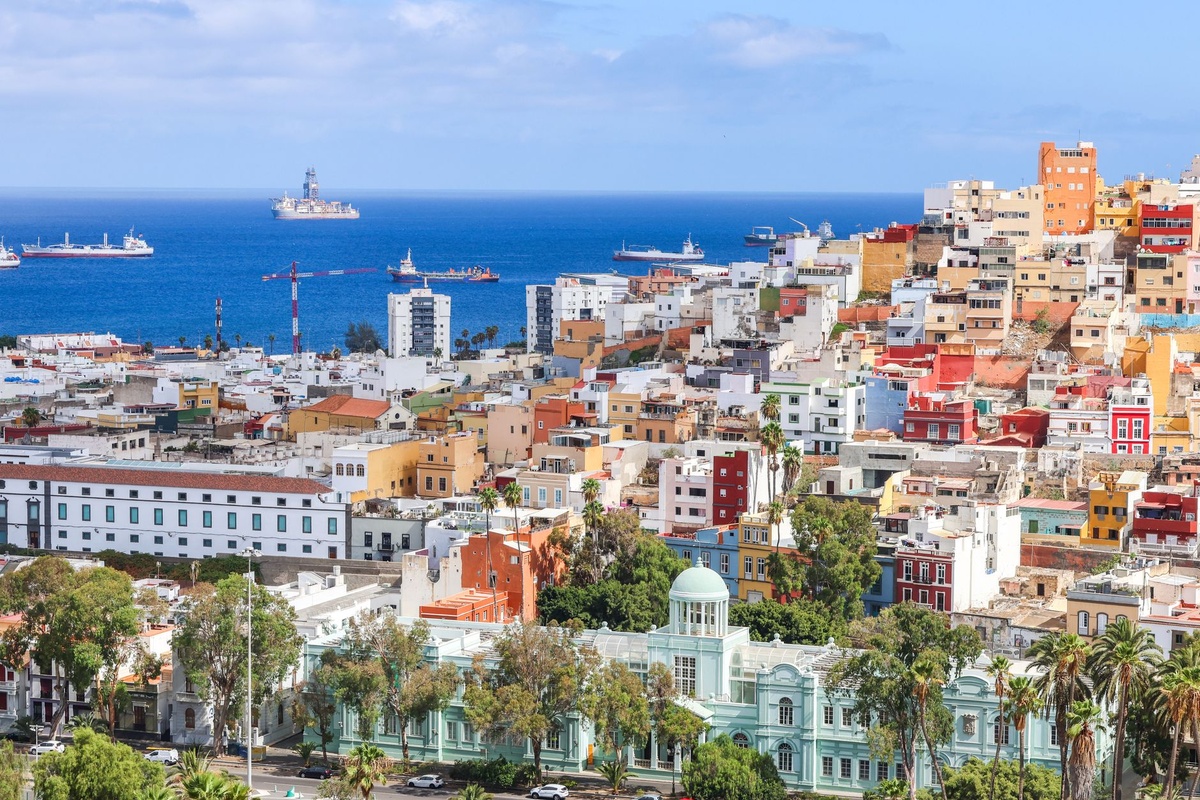
Las Palmas is my overall winner. Stay near Las Canteras and you can walk to coworking, surf lessons, gyms, markets, restaurants, and a 3 km urban beach without studying bus timetables.
It also has better backup infrastructure. Gran Canaria Airport handles more routes than Madeira or Chania, while the island’s urban fiber coverage makes a failed apartment connection less likely to derail an important call.
- Best overall: Las Palmas
- Best for hiking and remote-worker community: Funchal
- Best for food and warm-water swimming: Chania
- Best for flat, car-free living: Las Palmas
- Best for the lowest 30-day budget: Chania
September Rent and the Best Neighborhoods
September is shoulder-season gold in much of Europe, but the discount behaves differently on these islands. Crete becomes cheaper after the late-August rush, Madeira stays expensive because of year-round demand, and Gran Canaria sits in its useful pricing gap before northern Europeans arrive for winter.
| Base and neighborhood | 30-night furnished rent, Sep 2026 | August or winter comparison | Walk to coworking | Walk to swimming |
|---|---|---|---|---|
| Funchal: Sé or Santa Luzia | €1,200–€1,550 | About 5–10% below August | 5–18 min | 12–25 min |
| Chania: Nea Chora or city center | €950–€1,300 | About 15–25% below August | 8–20 min | 3–18 min |
| Las Palmas: Guanarteme or Santa Catalina | €1,050–€1,400 | About 15–25% below January | 5–15 min | 2–10 min |
Where to stay in Funchal
Target Sé, Santa Luzia, or the lower streets of São Pedro. They keep you within roughly 1 km of the center without the punishing slopes found above Rua do Comboio.
Skip São Martinho’s hotel strip unless you prioritize pools over neighborhood life. It is flatter around the Lido, but central coworking and the old town are 3–4 km away; bus 1 or 2 takes about 20 minutes, versus a €7–€10 taxi.
For serviced comfort, The Marketplace Apartments frequently prices 30-night September stays around €1,700–€2,200. Compare that with independent hotels in Funchal, but ask for the exact desk dimensions and a screenshot of a Wi-Fi test before paying.
Where to stay in Chania
Nea Chora is Chania’s sweet spot: a swimmable beach, fish tavernas, and the old town all within about 1.2 km. September one-bedrooms commonly fall between €1,000 and €1,250, versus €1,300–€1,700 inside the photogenic harbor lanes.
Skip the old town if you have morning meetings. Stone walls weaken Wi-Fi, nightlife continues beyond midnight, and many “traditional” apartments have a breakfast bar rather than an ergonomic desk.
Also avoid staying west of Agioi Apostoloi for a fully car-free month. The beaches are lovely, but you will depend on a 20–30-minute bus whenever you want coworking, banking, or a broader restaurant choice.
Where to stay in Las Palmas
Guanarteme, Santa Catalina, and the southern half of La Isleta are the practical choices. Expect €1,100–€1,400 for a good one-bedroom within 500 meters of Las Canteras; studios start near €850 but may be only 25–30 square meters.
Skip a cheaper apartment in Vegueta unless historic architecture matters more than daily beach access. Vegueta to Las Canteras is about 5 km: bus 1 takes 25–35 minutes, while a taxi costs roughly €8–€12.
Coworking and Internet Speeds
Las Palmas has the deepest coworking market, Funchal has the most organized community, and Chania has enough infrastructure without much redundancy. For video-heavy work, book a day pass before committing to a month and test upload speed, latency, and booth availability—not just the headline download number.
| Coworking space | Indicative Sep 2026 price | Hours | Expected connection | Best feature |
|---|---|---|---|---|
| Cowork Funchal | €15 day; about €150 month | Mon–Fri, approximately 9:00–18:00 | 200–500 Mbps | Central location |
| Ponta do Sol Nomad Village workspace | Free with registration | Weekdays, approximately 9:00–18:00 | 100–300 Mbps | Community and sea views |
| Workhub Chania | €15–€20 day; €140–€170 month | Weekday staffed hours; member access varies | 100–300 Mbps | Call-friendly setup |
| Comeet Creative Space, Chania | From roughly €120 month | Usually Mon–Fri business hours | 80–200 Mbps | Local professional network |
| The House, Las Palmas | €18 day; roughly €180–€210 month | Member access may extend beyond staffed hours | 300–600 Mbps | Professional meeting rooms |
| Soppa de Azul, Las Palmas | About €15 day; €150–€180 month | Typically Mon–Fri, 9:00–20:00 | 200–500 Mbps | Friendly community |
Operators change prices and access conditions frequently. Confirm current rates, VAT, monitor rental, and 24/7 access directly before booking.
Madeira: strong fiber, weaker geography
Portuguese fiber is generally excellent, and central Funchal apartments commonly advertise 200–500 Mbps. The problem is not the backbone; it is discovering that your inexpensive hillside rental requires a 25-minute descent to your workspace and a sweaty 35-minute return.
Ponta do Sol’s registered nomad workspace is attractive, but it is not a practical daily commute from Funchal. The Rodoeste bus can take 35–55 minutes each way, compared with roughly 25 minutes by car outside congestion.
Crete: verify the apartment line
Greece’s fixed internet performance still varies more by building than Portugal or Spain. A renovated Chania apartment may deliver 200 Mbps fiber, while the building next door relies on a 30–50 Mbps VDSL line.
Ask the host to run Speedtest on the same Wi-Fi network you will use. A screenshot showing 100 Mbps down but only 4 Mbps up is less useful for cloud backups than a stable 50/20 Mbps connection.
Gran Canaria: the safest choice for critical calls
Las Palmas combines broad fiber availability with several mature coworking operators and abundant cafés. Use cafés for email, not confidential calls: Starbucks and local chains may be convenient, but music, open networks, and crowded tables are poor substitutes for a €15 day pass.
For mobile backup, Spanish prepaid plans from DIGI, Orange, or Vodafone often offer large data allowances for €10–€20. An eSIM from Nomad is faster to arrange before landing, although a local SIM can be better value for a full month.
Install Speedtest, WiFi Analyzer on Android, and a reputable VPN before departure. If you need to demonstrate a booking-app bug to a host, this Spanish-language guide to recording your phone screen is useful in the Canaries.
Walkability, Public Transport, and Car-Free Living
Funchal: buses help, but slopes decide your day
Downtown Funchal is compact: Mercado dos Lavradores to CR7 Museum is about 1.4 km and 18 minutes on foot. Walk three blocks uphill, however, and the gradient can exceed 15%.
Horários do Funchal urban tickets cost roughly €1.35 when loaded in advance or around €1.95 onboard. Bolt and taxis are useful for late returns; a central 3 km ride generally costs €6–€9.
Madeira Airport to central Funchal takes approximately 30–40 minutes on the SAM Aerobus and costs around €6, versus €25–€35 for a 20–25-minute taxi. Use the SIGA Madeira app or Google Maps, but verify rural departures because mountain services can be infrequent.
You can live car-free in Funchal, but not explore every trail spontaneously. Book transfers through operators such as Pico Transfers or Get to Hikes for linear walks; shared trail transport commonly costs €25–€40 return, compared with €45–€75 per day for a rental car before fuel and parking.
Chania: the easiest center, weakest regional network
Chania’s useful daily zone is mostly flat. Nea Chora Beach to the municipal market is 1.3 km, while the lighthouse is another 1.2 km around the harbor.
Urban bus tickets generally cost €1.20–€2 depending on zone and purchase method. Chania Airport buses cost approximately €2.50–€3 and take 25–35 minutes; a taxi is about €25–€30 and takes 20 minutes.
KTEL buses make major day trips possible without driving. Chania to Rethymno takes about 75 minutes and costs roughly €7, while seasonal Samaria Gorge packages combining bus connections and ferry logistics usually total €35–€50 before food.
Las Palmas: genuinely car-optional
Las Canteras promenade stretches for about 3 km, and most daily needs sit within a 10-minute walk of it. Cycling also works: use Sítycleta, the municipal bike-share system, rather than renting a tourist bike for €15 every day.
Guaguas Municipales charges approximately €1.40 for a standard single ride, with rechargeable cards reducing frequent-use costs. Google Maps is adequate, while the GuaguasLPA app provides better live urban information.
Global bus 60 links the airport and San Telmo in about 30 minutes for roughly €2.95; reaching Santa Catalina generally requires a connection or another airport service and takes 35–50 minutes. A taxi to Las Canteras costs approximately €35–€45.
Building a Sustainable Wellness Routine
A workation succeeds when healthy habits are boringly easy. Las Palmas wins because beach, gym, surf, and flat running routes coexist; Funchal offers more spectacular exercise but requires planning, while Chania is best for uncomplicated swimming and food-led wellness.
A realistic Funchal routine
Swim at Complexo Balnear do Lido before work; adult admission is generally around €5.50, and summer opening hours are typically 9:00–20:00. The seawater pools are safer for routine laps than exposed rocky entries after rough weather.
On Tuesdays and Thursdays, walk the 4 km round trip between central Funchal and Barreirinha. Save Saturdays for a levada transfer: Levada do Rei or Levada das 25 Fontes offers a far more memorable workout than paying €80–€100 per month for a premium hotel gym.
Skip Pico do Arieiro immediately after a storm or during official trail closures. Check the IFCN Madeira trail-status page on the morning of departure; weather in Funchal does not predict conditions above 1,500 meters.
A realistic Chania routine
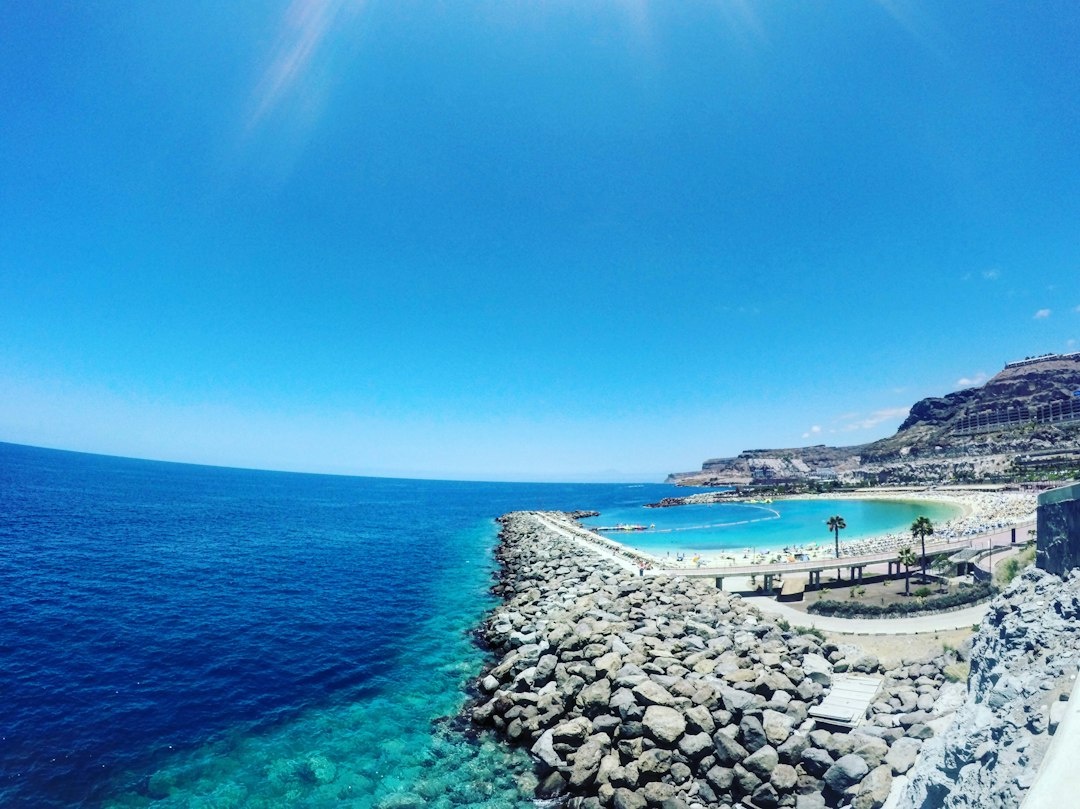
Swim at Nea Chora between 7:00 and 8:00, when the water is calm and the promenade quiet. The beach is free, compared with roughly €10–€15 for two loungers and an umbrella later in the day.
Use the flat waterfront for 5 km runs, then add two weekly gym sessions. Independent gyms commonly charge €35–€55 for a month, versus €8–€12 for one-day entry.
For recovery food, eat at To Maridaki for fish and shellfish, where lunch can cost €18–€25, or Kouzina EPE for cooked Cretan dishes around €10–€16. Skip generic harbor restaurants displaying laminated international menus; walk two streets inland for better food at 20–30% less.
A realistic Las Palmas routine
Las Canteras supports the easiest schedule: a sunrise walk, lunchtime swim, and evening surf can all happen without transport. Group surf lessons around La Cícer cost €30–€40 for two hours, while multi-session packs reduce the effective rate to about €25–€30.
GO fit Las Palmas offers a pool, gym, and classes, with monthly access commonly landing around €45–€65 depending on enrollment fees and plan conditions. That is cheaper than four individual surf lessons but less appealing if you already swim in the sea daily.
Eat at Mercado del Puerto for variety, but do not make it your nightly canteen. For better value, try La Bikina for casual plates around €8–€14 or Amigo Camilo near La Cícer for seafood; arrive before 14:00 because waits can exceed 30 minutes at peak lunch.
What September Changes
September is close to ideal on all three islands, but it is not identical shoulder season. Chania still feels summery, Madeira remains mild and changeable, and Las Palmas enjoys warm conditions before its high-demand winter workation season.
Crete has the warmest sea at roughly 25°C, one to two degrees warmer than Madeira and Gran Canaria. Daytime temperatures in Chania can still reach 30°C, so prioritize air-conditioning if the apartment faces west.
Madeira’s lower elevations remain warm at around 26°C, while mountain temperatures may be 10–15 degrees cooler. Pack a light waterproof shell even if the Funchal forecast shows sun.
Las Palmas is the most meteorologically consistent, generally hovering around 27°C with trade-wind ventilation. Northern cloud can linger in the morning, but the city usually feels more comfortable for midday walking than inland Crete.
This is also where the pricing flip matters. While autumn lodging now exceeds summer prices in several popular US destinations, Gran Canaria still offers a genuine September discount: a €1,200 apartment can reach €1,450–€1,650 from January through March.
Travelers drawn to 2026’s off-peak mountain-stay trend should choose Madeira, where altitude is accessible without changing bases. For a cooler alternative, compare these islands with our guide to a September escape in Iceland, the Azores, or the Japanese Alps.
A Costed 30-Day Workation Budget
This budget assumes one person renting a private one-bedroom, using coworking for a month, cooking breakfast and several dinners, and taking two paid excursions. Couples sharing rent can reduce the per-person total by roughly €500–€750, although groceries and coworking remain individual costs.
| 30-day expense | Funchal | Chania | Las Palmas |
|---|---|---|---|
| Furnished one-bedroom | €1,350 | €1,075 | €1,200 |
| Coworking | €150 | €140 | €180 |
| Groceries | €330 | €285 | €310 |
| Eight casual meals out | €220 | €175 | €200 |
| Local transport | €100 | €75 | €65 |
| Gym, swimming, or surf | €95 | €60 | €95 |
| Two day trips | €130 | €105 | €100 |
| Mobile data | €20 | €20 | €15 |
| Laundry, coffee, and contingency | €180 | €245 | €195 |
| Total excluding flights | €2,575 | €2,175 | €2,360 |
Chania saves about €400 compared with Funchal, largely through rent and restaurant prices. Las Palmas costs €185 more than Chania in this model, but its stronger transport and coworking ecosystem may justify that premium for anyone billing clients by the hour.
A Practical 30-Day Rhythm
- Days 1–3: Test the apartment connection, buy a transit card, walk the route to coworking, and identify a backup workspace.
- Days 4–7: Establish one repeatable exercise habit rather than booking several ambitious tours.
- Week 2: Take one local half-day—Câmara de Lobos from Funchal, Agioi Apostoloi from Chania, or Arucas from Las Palmas.
- Week 3: Schedule the major excursion: a Madeira levada, Samaria Gorge, or Gran Canaria’s mountain interior.
- Week 4: Keep the final workweek light on logistics and place the longest outing on the final weekend.
This rhythm is cheaper than sightseeing every weekend. Four organized Madeira tours can cost €160–€280, while one shared transfer and several independent bus trips can stay below €100.
Common Workation Mistakes
- Booking by straight-line distance in Funchal: Check elevation in Google Maps; 800 meters uphill can be harder than a flat 2 km walk in Las Palmas.
- Accepting “fast Wi-Fi” as evidence: Request a recent Speedtest screenshot showing download, upload, and ping from inside the apartment.
- Choosing Chania’s old town for aesthetics: Stone buildings, restaurant noise, and small desks can undermine a four-week stay.
- Assuming every island beach is sandy: Las Canteras and Nea Chora are sandy; central Funchal mainly uses concrete platforms, ladders, and pools.
- Hiring a car for all 30 days: At €45 per day plus fuel, parking, and insurance, a monthly car can add more than €1,500; rent only for targeted inland trips.
- Ignoring time zones: Madeira and Gran Canaria use Western European time, one hour behind Chania in September.
- Booking a non-air-conditioned Crete apartment: Chania can still exceed 30°C, while Madeira and Las Palmas benefit more consistently from Atlantic airflow.
The Verdict
Las Palmas is the best 30-day slow-travel workation for most people. Its combination of fast internet, mature coworking, flat neighborhoods, urban beach access, and inexpensive buses produces the lowest-friction daily routine.
Choose Chania instead if you can tolerate slightly less predictable internet in exchange for warmer water, better-value meals, and the lowest overall budget. Choose Funchal if hiking is the point of the trip and you are willing to pay roughly €400 more than in Chania for Madeira’s scenery and remote-worker network.
Before booking, shortlist three apartments, request real Wi-Fi tests, map the elevation to coworking, and price the complete 30-night stay rather than the advertised nightly rate. Then choose the island whose ordinary Tuesday—not just its postcard weekend—looks best to you.
Frequently Asked Questions
Which is best for digital nomads: Madeira, Crete, or Gran Canaria?
Gran Canaria is best overall because Las Palmas combines 200–600 Mbps coworking connections, a flat 3 km beach corridor, and multiple professional workspaces. Madeira is better for organized nomad community events, while Crete prioritizes lifestyle and lower costs.
How much does a 30-day workation cost in September?
Budget approximately €2,175 in Chania, €2,360 in Las Palmas, or €2,575 in Funchal for September 2026. These figures include private rent, coworking, food, local transport, wellness activities, and two excursions, but not flights.
Can you live without a car in Madeira, Crete, or Gran Canaria?
Las Palmas is easiest without a car, followed by central Chania. Funchal is manageable if you stay below the steep upper neighborhoods, but reaching Madeira’s trailheads often requires a €25–€40 shared transfer.
Which island has the fastest internet for remote work?
Funchal and Las Palmas commonly offer 200–500 Mbps fiber, with some Las Palmas coworking spaces reaching 600 Mbps. Chania can provide 100–300 Mbps, but older buildings may still rely on 30–50 Mbps connections.
Is September a good month for Madeira, Crete, and Gran Canaria?
Yes: average highs range from 26°C in Funchal to 28°C in Chania, with sea temperatures of approximately 23–25°C. Chania is cheaper than in August, while Gran Canaria remains below its January–March rental peak.

About the Author: Tomáš Bzirský
Founder and editor of Distratech. Based in the Czech Republic, travelling regularly from Central Europe. Writes practical travel guides and travel-tech comparisons (eSIM, apps, airports) in six languages.