September is Italy’s sweet spot: warm but increasingly manageable weather, active regional trains, grape harvests underway and fewer families than in July or August. For older travelers, however, the best weekend is not necessarily the one with the biggest sights—it is the one with reliable lifts, short hotel transfers, sensible walking distances and enough places to sit.
Key Takeaways
- Turin–Asti is the easiest overall: flat centers, compact stations and a 35–39-minute train costing about €6.80 ($8) each way in September 2026.
- Bologna–Ravenna wins for art and food: direct trains take 68–84 minutes and cost about €8 ($9.35) each way.
- Verona–Lake Garda has the best scenery but the most friction: expect a train, a 1-kilometer walk and potentially a ferry gangway.
- Two-night budgets for two people: approximately €484 in Turin, €562 in Bologna or €660 in Verona before flights.
- Book RFI mobility assistance at least 24 hours ahead and confirm that hotel “accessible” rooms have step-free showers, not merely elevator access.
Key Numbers at a Glance
I compared each pairing as a Friday-to-Sunday trip based in the larger city, with Saturday spent in the smaller destination. Prices below were checked for September 2026; regional fares rarely reward early booking, but hotel rates can double around festivals and trade fairs.
| Weekend | Direct train | Return fare per person | Station-to-center walk | Typical September double | Accessibility verdict |
|---|---|---|---|---|---|
| Bologna–Ravenna | 68–84 min | €16 / $18.70 | Bologna 1.4 km; Ravenna 700 m | €155–€215 nightly | Good, but Bologna Centrale is enormous |
| Verona–Peschiera del Garda | 13–16 min | €8–€9.60 / $9.35–$11.25 | Verona 1.7 km; Peschiera 1 km | €175–€265 nightly | Mixed once ferries and lakefront slopes enter the plan |
| Turin–Asti | 35–39 min | €13.60 / $15.90 | Turin 800 m; Asti 750 m | €120–€180 nightly | Best overall: flat, compact and well connected |
Prices apply to September 2026 and use a planning exchange rate of €1 = approximately $1.17. Train times and fares can vary slightly by departure; verify on Trenitalia before purchase.
How I Ranked the Three Weekends
A station being labeled “accessible” does not automatically make the entire journey senior-friendly. Bologna Centrale has lifts, for example, but changing from its deep underground high-speed platforms to the regional concourse can involve long corridors and 15–20 minutes of walking.
I weighted five practical factors: step-free station movement, distance to the historic center, number of transport changes, September heat and real hotel cost. A flat 900-meter walk beneath Turin’s arcades scored better than a scenic 700-meter route over cobbles with no benches.
| Factor | Bologna–Ravenna | Verona–Lake Garda | Turin–Asti |
|---|---|---|---|
| Step-free stations | 4/5 | 3.5/5 | 4.5/5 |
| Low-effort sightseeing | 4/5 | 3/5 | 4.5/5 |
| Typical high temperature | 25°C / 77°F | 24°C / 75°F | 23°C / 73°F |
| Hotel value | 3.5/5 | 2.5/5 | 4.5/5 |
| Overall senior-friendly score | 8.4/10 | 7.2/10 | 9.0/10 |
All three main stations participate in RFI’s assistance network, but lifts can be temporarily unavailable. Request boarding help, wheelchair lifts or station guidance through the RFI Sala Blu portal at least 24 hours before travel rather than assuming staff will be free on arrival.
Option 1: Bologna and Ravenna for Food, Mosaics and Direct Trains
Choose Bologna–Ravenna if museums and food matter more than lake scenery. It offers the strongest cultural weekend, although Bologna’s station and porticoed pavements demand more stamina than Turin.
Station access and walking distances
Bologna Centrale has elevators, escalators, accessible toilets and Sala Blu assistance. The problem is scale: it handles surface regional platforms plus underground high-speed tracks, and the station’s Piazza Medaglie d’Oro exit is still 1.4 kilometers from Piazza Maggiore.
Bus 25 or 27 covers the station-to-center trip in roughly 10–15 minutes for €1.50 ($1.75) when bought digitally or before boarding. A taxi takes 8–12 minutes and normally costs €10–€14 ($12–$16), a worthwhile expense for two people with luggage.
Ravenna station is considerably calmer. From its main entrance, Sant’Apollinare Nuovo is about 700 meters, Dante’s Tomb 1 kilometer and the Basilica of San Vitale 1.5 kilometers away.
The center is almost completely level, but several streets use uneven stone paving. The local bus saves little time between the monuments; a €10–€13 taxi from the station to San Vitale is more useful if one traveler cannot comfortably cover 1.5 kilometers.
Train fares and schedules
Direct Regionale trains usually run approximately hourly. Most take 68–84 minutes and cost around €8 ($9.35) each way in September 2026, with no senior-specific discount needed to make the trip affordable.
Skip any itinerary proposing a change at Faenza unless the departure time is substantially better. A direct 8:05 a.m. train is easier than a theoretically faster connection involving a platform change and a seven-minute transfer.
A low-strain day in Ravenna
- Arrive around 9:30 a.m. and begin at Sant’Apollinare Nuovo, 700 meters from the station.
- Continue 600 meters to Dante’s Tomb, where benches and cafés make a natural break.
- Take a taxi or walk 850 meters to San Vitale and the Mausoleum of Galla Placidia.
- Eat lunch nearby, then return to the station by taxi rather than retracing every cobbled street.
The combined Ravenna monuments ticket was listed at about €12.50 ($14.60) in September 2026, with an additional €2 reservation charge for timed admission to Galla Placidia and the Neonian Baptistery. Core monuments generally open around 9 a.m.–7 p.m. in September, but timed-entry slots should be confirmed through Ravenna Mosaici.
Do not try to add the Basilica of Sant’Apollinare in Classe unless everyone is energetic. It is another bus or rail excursion south of town; three central mosaic sites deliver a better day than six rushed churches.
Where to sleep and eat
UNA Hotels Bologna Centro is roughly 100 meters from the station, with elevators and accessible-room categories; sampled September doubles ran about €165–€205 ($193–$240). Ask specifically for a room with a roll-in shower because a lift in the lobby does not guarantee a barrier-free bathroom.
Starhotels Excelsior, directly opposite the station, was closer to €185–€230 ($216–$269). It costs more, but removing two luggage transfers can be worth €20–€30 per night.
For dinner, reserve Trattoria di Via Serra, about 850 meters north of the station, where pasta dishes generally cost €13–€16 and second courses €16–€22. It is commonly closed Sunday and Monday; confirm hours on the restaurant’s own website.
Skip the longest queues for tagliatelle around Piazza Maggiore. Mercato delle Erbe, open roughly 7 a.m.–1:15 p.m. and 5:30–11:30 p.m. on many weekdays, offers more seating choice and €10–€15 plates without committing to a formal two-hour meal.
September conditions
Bologna averages highs near 25°C (77°F), lows around 15°C (59°F) and roughly six to seven rainy days in September. Afternoon humidity can make 2 p.m. feel warmer, so use the middle of the day for lunch or an indoor museum.
Compared with Verona, Bologna has more covered walking under its porticoes. Compared with Turin, however, its historic-center paving is rougher and its hotel market is more vulnerable to trade-fair price spikes.
Option 2: Verona and Lake Garda for Scenery—with Extra Logistics
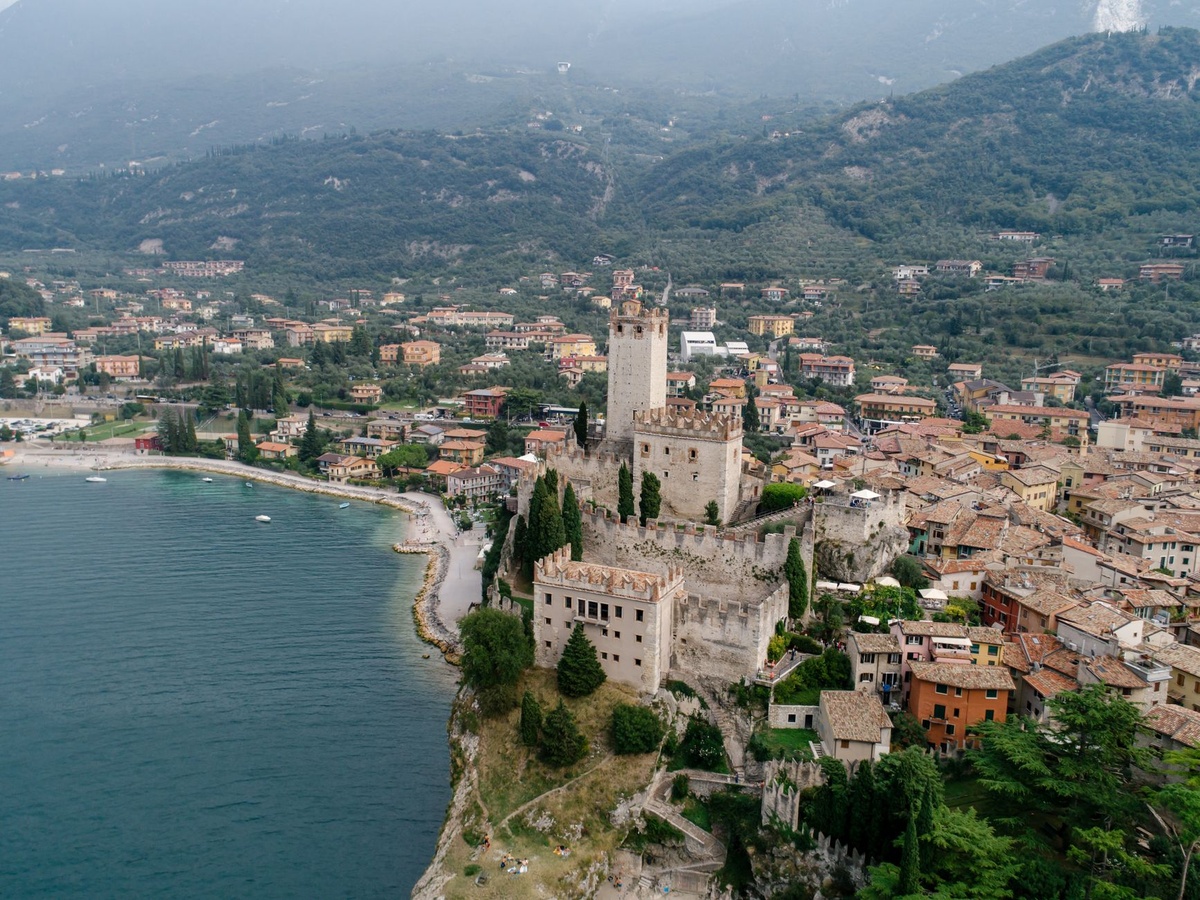
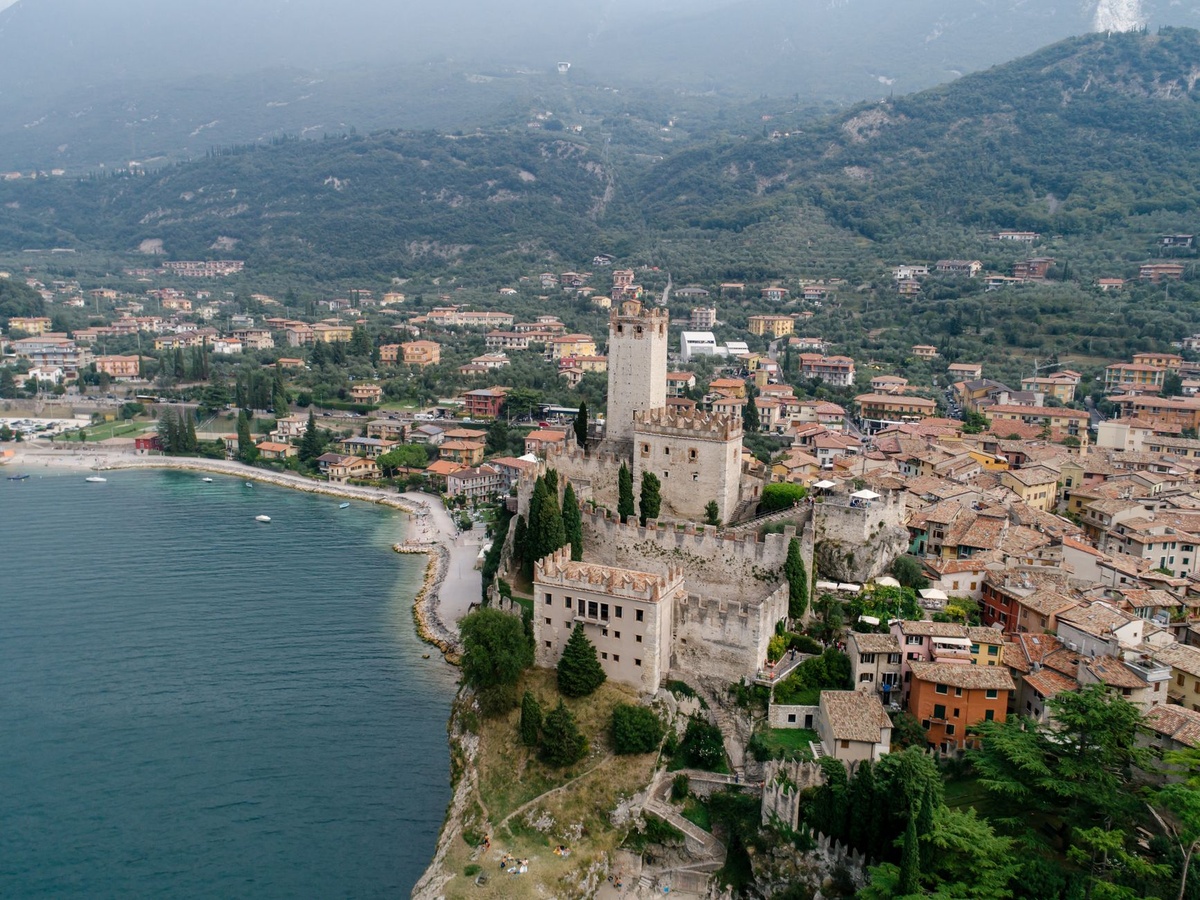
Choose Verona–Lake Garda if the view is the priority and everyone can manage several transport stages. The rail ride is exceptionally easy; the difficulties begin between Peschiera station, the waterfront and the ferry.
Getting through Verona Porta Nuova
Verona Porta Nuova has elevators to the platforms, accessible toilets and Sala Blu assistance. The station is 1.7 kilometers from the Arena, a 22–25-minute walk along mostly level but traffic-heavy streets.
City buses 11, 12 and 13 usually reach Piazza Bra in approximately 8–12 minutes. A standard urban ticket is about €1.50 ($1.75), compared with €10–€15 for a taxi.
Stay near Piazza Bra rather than directly beside the station if evening atmosphere matters. Stay at the station only if reducing luggage movement is the overriding goal.
Train, ferry and walking costs
Regional trains from Verona Porta Nuova to Peschiera del Garda take 13–16 minutes and generally cost €4–€4.80 ($4.70–$5.60) each way. Services are frequent, often two to four per hour, but fast Frecciarossa tickets are poor value for such a short ride.
Peschiera station is about 1 kilometer from the harbor. The route is manageable in 14–18 minutes, but it includes busy crossings and a slight descent; a taxi generally costs €9–€12 and takes five minutes.
| Lake Garda segment | Typical September 2026 price | Duration | Mobility note |
|---|---|---|---|
| Verona–Peschiera train | €4–€4.80 each way | 13–16 min | Step-free with functioning station lifts |
| Peschiera station–harbor taxi | €9–€12 per car | 5 min | Better than the 1 km walk with luggage or a cane |
| Peschiera–Sirmione ferry | About €6.50–€8 each way | 25–35 min | Gangway angle varies with vessel and water level |
| Peschiera–Sirmione bus | About €2–€3 | 20–40 min | Cheaper, but often crowded and delayed |
Check same-day sailings on Navigazione Laghi. Ferries are scenic and usually easier than buses, but wheelchair boarding is vessel-specific; electric wheelchairs and low water can create limitations.
The sensible Lake Garda day
Take a train around 9 a.m., use a taxi to Peschiera harbor and board a direct ferry to Sirmione. This keeps the morning’s walking below 1 kilometer instead of approaching 3 kilometers before lunch.
In Sirmione, skip the climb through the busiest lanes to the Grotte di Catullo if balance or knees are an issue. The archaeological site is around 1.3 kilometers beyond the castle, while a waterfront lunch and a short boat circuit provide the lake experience with much less exertion.
Scaliger Castle generally opens Tuesday–Saturday around 8:30 a.m.–7:15 p.m. and Sunday around 8:30 a.m.–1:30 p.m.; standard admission is approximately €8. The interior includes steep medieval stairs, so the exterior and harbor may be the better choice.
Verona sightseeing without overdoing it
The Arena costs approximately €12 ($14) and is usually open Tuesday–Sunday from 9 a.m.–7 p.m., with Monday opening later in the day. Performances and maintenance alter access, and interior stone steps can be difficult even though an accessible route is available for part of the monument.
Skip the crowded shoulder-to-shoulder approach to Juliet’s courtyard at midday. Visit before 9:30 a.m., or use that time for Piazza delle Erbe and the €3 return funicular to Castel San Pietro, subject to accessibility and maintenance status.
Hotels, restaurants and September pricing
Hotel Firenze is approximately 700 meters from Porta Nuova and 900 meters from the Arena. September 2026 double rooms sampled around €175–€225 ($205–$263), with higher Friday rates.
Hotel Milano & Spa is much closer to the Arena but commonly costs €220–€300 ($257–$351). The central location saves walking, but spa branding does not mean every room is suitable for limited mobility—ask for lift dimensions and shower photographs.
Eat at Osteria Il Ciottolo, where pasta is roughly €13–€16 and mains €17–€24. For a €7 glass of Valpolicella and a lighter plate, Antica Bottega del Vino is atmospheric but requires a reservation and can feel cramped at peak dinner time.
September highs average 24°C (75°F), with cooler evenings around 14°C (57°F). Lake breezes help, but rain and polished stone make Sirmione more slippery than either Ravenna or Asti.
Option 3: Turin and Asti for the Easiest, Best-Value Weekend
Choose Turin–Asti for the most senior-friendly combination of flat walking, reliable rail and lower hotel costs. It lacks Lake Garda’s immediate spectacle, but September brings Piedmont’s harvest season, excellent food and some of northern Italy’s most comfortable urban sightseeing.
Why Turin works so well
Torino Porta Nuova opens directly onto the center’s rectilinear street grid. Piazza San Carlo is about 800 meters away and largely reached beneath arcades, useful in both rain and sun.
The station has elevators, accessible toilets and Sala Blu support, without Bologna’s confusing split between deep high-speed and surface platforms. Taxis to central hotels generally cost €8–€12, but many good properties are within 250–500 meters.
Turin is flatter than Bologna and less fractured by transport changes than Lake Garda. Its benches, broad squares and historic cafés also make rest stops feel like part of the trip rather than emergency pauses.
Turin to Asti by train
Direct Regionale Veloce services take approximately 35–39 minutes and cost around €6.80 ($8) each way in September 2026. Slower regional trains may take 50–57 minutes for little or no saving, so select “Regionale Veloce” in Trenitalia’s results.
Asti station uses lifts or step-free routes between platforms, but assistance should still be booked if stairs are impossible. Piazza Alfieri is approximately 750 meters away, and Piazza San Secondo about 900 meters.
The old center is mostly level, though its brick paving is less smooth than Turin’s arcades. A station taxi to Piazza Alfieri costs roughly €8–€11 versus a 10–12-minute walk.
A harvest-season day in Asti
September is not merely shoulder season here—it is event season. The Palio di Asti traditionally takes place early in the month, while the Douja d’Or wine program and harvest events can occupy several September weekends.
That energy is a reason to visit, but not a reason to arrive without reservations. During major festival dates, Asti hotel rates can rise from €100 to more than €180, trains become busier and grandstand construction alters pedestrian routes.
For a relaxed day, walk from the station to Piazza San Secondo, continue 600 meters to Palazzo Mazzetti and finish with lunch rather than a packed winery excursion. Palazzo Mazzetti generally opens Tuesday–Sunday around 10 a.m.–7 p.m.; combined Asti museum tickets typically cost about €10.
Skip a remote vineyard unless you hire a driver. A half-day private car in the Asti countryside can cost €180–€280, while an in-town tasting is often €20–€35 per person and eliminates gravel paths, cellar stairs and drink-driving concerns.
Turin museums and easy sightseeing
The Egyptian Museum is the weekend’s essential reservation. Standard admission is about €18, and typical hours are 9 a.m.–6:30 p.m., with shorter Monday opening; allow two hours rather than attempting every gallery.
The museum is approximately 1 kilometer from Porta Nuova, reached under arcades for much of the way. It has lifts and seating, making it markedly easier than Verona’s Arena or Sirmione’s castle.
Skip an overloaded “top ten” circuit. Pair the Egyptian Museum with a seated coffee at Caffè San Carlo or Baratti & Milano, where coffee costs roughly €2–€3 at the counter and more at a table.
Where to stay and eat
Hotel Concord is roughly 250 meters from Porta Nuova and had September doubles around €135–€175 ($158–$205). It has elevators and accessible-room options, but confirm shower configuration directly before paying.
Best Western Plus Hotel Genova, about 300 meters from the station, was approximately €145–€195 ($170–$228). That is commonly €40–€70 less per night than an equivalent central Verona property.
For dinner, Pastificio Defilippis serves pasta around €13–€17 and mains near €18–€25, roughly 350 meters from Porta Nuova. In Asti, book Campanarò for agnolotti and Piedmontese classics; expect €35–€50 per person with wine.
September averages around 23°C (73°F) by day and 13°C (55°F) at night. Compared with Bologna, evenings are cooler; compared with Verona, the arcades offer much more protection from a rainy spell.
Two-Night Budget Comparison for Two People
These sample budgets assume Friday arrival, two hotel nights, breakfast included, one regional day trip and midrange dinners. Flights are excluded because arrival cities vary; museum admissions and local transport are included.
| Expense for two | Bologna–Ravenna | Verona–Lake Garda | Turin–Asti |
|---|---|---|---|
| Two hotel nights | €340 | €410 | €280 |
| Return regional trains | €32 | €16–€19 | €27.20 |
| Local buses/taxis | €35 | €48 | €28 |
| Ferry or attractions | €29 mosaics | €30 ferry + €24 Arena | €36 Egyptian Museum + €20 Asti museums |
| Two dinners and two lunches | €126 | €132 | €118 |
| Estimated weekend total | €562 / $658 | €660 / $772 | €509 / $596 |
A stricter Turin budget can reach approximately €484 by replacing one restaurant dinner with aperitivo. Verona is difficult to push below €600 without accepting a suburban hotel or removing the ferry—the very experience that justifies choosing Lake Garda.
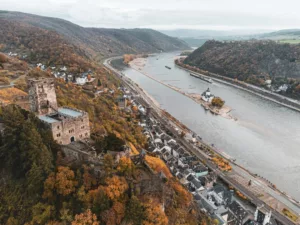
The budgeting logic is similar to planning a trip with local trains and boats along the Rhine: cheap transport does not guarantee a cheap weekend once waterfront rooms, taxis and boat tickets are added.
Booking Trains, Hotels and Assistance
Use the Trenitalia app or website for all three routes. Regional tickets are tied to a chosen departure but can generally be changed before the scheduled train under the ticket’s current conditions; paper tickets must be validated where required.
There is little reason to buy these regional journeys months ahead. A Bologna–Ravenna ticket is usually around €8 tomorrow or four weeks from now, whereas hotel prices can move by €60–€100 in a single festival weekend.
- Book the hotel first: prioritize a room within 500 meters of the base station or directly on a simple bus route.
- Request mobility help: contact RFI Sala Blu at least 24 hours ahead and save the confirmation offline.
- Download station maps: Bologna Centrale is the one place where ten spare minutes may not be enough.
- Carry a small power bank: digital tickets, taxi apps and accessibility confirmations are useless when a phone battery dies.
- Use Free Now or itTaxi: app-booked licensed taxis are easier than searching for a rank after a long museum visit.
- Save hotel details offline: mobile reception can weaken inside old stone buildings and underground platforms.
For mobile data, a 5–10 GB Italian eSIM is usually sufficient for maps, tickets and messaging over a weekend. Install it before departure, but keep the activation QR code somewhere other than the phone receiving the plan.
Common Mistakes That Make These Trips Harder
Booking a “central” hotel without measuring from the station
A hotel can be central yet sit 1.8 kilometers from the platform. In Verona, that may mean a €12 taxi twice a day; in Turin, a similarly priced hotel 250 meters from Porta Nuova removes that cost entirely.
Assuming every lift is operational
Italian stations are much more accessible than they were a decade ago, but a single broken elevator can change the journey. Check the RFI station page and request assistance instead of relying solely on the wheelchair icon in a booking engine.
Planning four major sights before lunch
Ravenna’s monuments look close on a map, but five sites can total 4–5 kilometers over hard paving. Three carefully chosen mosaics plus a taxi cost only €10–€13 more and produce a better day.
Using high-speed trains for very short hops
A Frecciarossa from Verona to Peschiera may cost two or three times the €4–€4.80 regional fare and save almost no meaningful time. Regionale Veloce is also the smart choice between Turin and Asti.
Visiting festival towns without checking the calendar
Asti’s wine and Palio events are wonderful but can erase September’s usual shoulder-season savings. The same €125 room may exceed €180, so compare the event program with hotel rates before fixing your weekend.
Confusing elevator access with an accessible bedroom
Ask the hotel for the shower threshold, grab-bar location, toilet height and narrowest doorway. “Accessible by elevator” may describe only the route to a room containing a high bathtub.
Decision Framework: Which Weekend Should You Choose?
- Choose Bologna–Ravenna if your priorities are UNESCO art, memorable pasta and direct trains, and you can handle moderate cobbles and a large station.
- Choose Verona–Lake Garda if scenery beats budget, everyone can board a ferry and you are comfortable paying for taxis to reduce walking.
- Choose Turin–Asti if one traveler uses a cane, needs frequent seating or simply wants the lowest-effort, best-value weekend.
- Choose Ravenna over Sirmione if rain is forecast: the mosaics are indoors, while Lake Garda loses much of its advantage in wet weather.
- Choose Asti over Ravenna during peak heat: Turin and Piedmont are typically a few degrees cooler than Bologna and Emilia-Romagna.
My first choice is Turin–Asti. It combines the shortest useful walking distances, straightforward stations, September harvest atmosphere and the lowest realistic two-night cost.
Bologna–Ravenna is the close second and arguably the better trip for art lovers. Verona–Lake Garda comes third for accessibility, not beauty: the train is effortless, but the station walk, harbor transfer, ferry and Sirmione crowds create more points of failure.
Final Verdict
For a September 2026 senior rail weekend, Turin–Asti offers the best balance of comfort and cost at roughly €509 ($596) for two. Bologna–Ravenna is worth the extra €53 for world-class mosaics and Emilia-Romagna cooking, while Verona–Lake Garda merits its higher €660 budget only if lake scenery is non-negotiable.
Choose the pairing that matches the least-mobile person in the group, reserve a station-adjacent hotel and book RFI assistance before finalizing restaurant tables. Then save this guide alongside your tickets—the difference between a restorative Italian weekend and an exhausting one is often a 700-meter walk you planned not to take.
Frequently Asked Questions
Which Italian rail weekend is best for seniors with limited mobility?
Turin–Asti is the best overall because Turin Porta Nuova is close to the center, both cities are relatively flat and direct trains take 35–39 minutes. A two-night trip for two costs approximately €509 in September 2026.
How much is the train from Bologna to Ravenna?
A direct regional ticket costs about €8 ($9.35) each way in September 2026. The journey normally takes 68–84 minutes, with departures approximately hourly.
Is Lake Garda easy to visit from Verona without a car?
Yes: Verona to Peschiera takes 13–16 minutes by train and costs about €4–€4.80 each way. Allow for an additional 1-kilometer station-to-harbor walk or a €9–€12 taxi, plus roughly €6.50–€8 each way for a ferry to Sirmione.
Are Bologna, Verona and Turin stations step-free?
All three have lifts, accessible facilities and RFI Sala Blu assistance, but temporary lift outages are possible. Request assistance at least 24 hours in advance, especially at large Bologna Centrale.
Is September a good month for seniors to visit northern Italy?
Yes: average daytime highs are approximately 23–25°C (73–77°F), while July crowds and heat have eased. Asti festival weekends and Verona lake hotels can still be expensive, so check event dates before booking.

About the Author: Tomáš Bzirský
Founder and editor of Distratech. Based in the Czech Republic, travelling regularly from Central Europe. Writes practical travel guides and travel-tech comparisons (eSIM, apps, airports) in six languages.