A Rhine cruise does not require a cabin ship, formal dinners, or a €4,000 family fare. This five-day Cologne–Koblenz–Bingen itinerary combines scheduled riverboats with regional trains, giving a family of four better castle access, neighborhood restaurants, and four nights on land for about €1,451 ($1,698) before flights.
Key Takeaways
- A five-day Rhine trip for two adults and two children can cost about €1,351 plus a €100 contingency, excluding travel to Cologne and home from Bingen.
- Use trains for Cologne–Koblenz and Koblenz–Bingen, but cruise Koblenz–Braubach and Bingen–St. Goar for the best castle scenery.
- Children aged 4–13 generally pay 50% on KD boats, while children aged 6–14 can travel free on many DB long-distance tickets when listed with an accompanying adult.
- September is the sweet spot: typical daytime temperatures are 18–22°C, boats still run frequently, and the Middle Rhine wine harvest is underway.
- Book rooms near Cologne Messe/Deutz, Koblenz Hauptbahnhof, and Bingen Stadt station instead of paying riverfront premiums.
Key Numbers at a Glance
| Item | Distance or duration | Family cost, 2 adults + 2 children | Price basis |
|---|---|---|---|
| Cologne–Koblenz train | 95 km; 53–75 minutes | From €35.98 ($42) by advance IC | September 2026 |
| Koblenz–Braubach boat | About 16 river km; 75–90 minutes | About €63 ($74) | KD adult €21, child 4–13 €10.50 |
| Koblenz–Bingen train | About 66 rail km; 50–60 minutes | About €73 ($85) on flexible regional fares | September 2026 |
| Bingen–St. Goar boat | About 30 river km; 85–100 minutes downstream | About €87 ($102) | KD adult €29, child 4–13 €14.50 |
| Four nights’ lodging | Cologne, Koblenz and Bingen | Target €520 ($608) | Family rooms with breakfast where possible |
| Whole five-day trip | Roughly 210 km by train and boat | €1,351 + €100 buffer ($1,698 total) | Land-only family budget, September 2026 |
Dollar conversions use a planning rate of €1 = $1.17. Exchange rates and yield-priced hotel rooms will move, so treat the euro figures as the useful numbers.
First, Choose the Right Boat-and-Train Strategy
The Rhine looks romantic on a map, but cruising every kilometer is a poor use of five days. Cologne–Koblenz contains long industrial and suburban stretches; Bingen–St. Goar packs vineyards, the Loreley and dozens of castles into less than 100 minutes.
- Choose an IC or ICE train between Cologne and Koblenz if you can commit to a departure; advance adult fares start around €17.99 versus roughly €29–€35 on a flexible regional ticket.
- Choose regional trains if you want stop flexibility, have a Deutschlandticket, or are carrying a stroller that is easier to roll onto a level-entry train.
- Choose the Koblenz–Braubach boat for a relaxed half-day with Marksburg Castle.
- Choose the Bingen–St. Goar boat downstream for maximum scenery per minute; the opposite direction takes roughly an hour longer because it fights the current.
- Choose a multiday cabin cruise only if unpacking once matters more than cost and restaurant choice. A five-night mainstream Rhine cruise can exceed €3,500 for four, more than twice this route’s budget.
My verdict: skip the boat from Cologne to Koblenz. Ride the fast train, then spend your boat money inside the UNESCO-listed Upper Middle Rhine Valley.
Before You Book: Family Fares and September Timing
How children’s fares work
German transport does not use one universal definition of “child.” That is the biggest source of accidental overspending.
| Operator or ticket | Under 6 | Ages 6–14 | Important catch |
|---|---|---|---|
| DB long-distance IC/ICE | Free | Usually free with an accompanying traveler aged 15+ | The child must be added to the booking |
| Regional transport | Generally free | Child fare or ticket-specific rules | A parent’s Deutschlandticket does not automatically cover children aged 6+ |
| KD Rhine boats | Under 4 free | Ages 4–13 generally pay 50% | Age 14 normally pays the adult fare |
| Marksburg Castle | Young children free or reduced by age | Reduced admission | Family ticket is usually cheaper for four |
| Local ferries | Often free for very young children | Reduced fare | Not covered by the Deutschlandticket |
Enter every child’s real age at bahn.de or in DB Navigator. If you simply buy two adult tickets and assume the children can board, they may not appear on the ticket even when their fare should be €0.
Is the Deutschlandticket worth it?
At €63 per adult per calendar month in September 2026, two Deutschlandtickets cost €126. They cover regional trains, S-Bahn, U-Bahn and most buses, but not IC/ICE trains, KD sightseeing boats, cable cars, or Rhine ferries.
For this exact five-day route, separate advance and regional fares cost roughly €145–€170 for the whole family. The Deutschlandticket can still win if both adults add airport trips and extensive city transport, but it requires a subscription that must be cancelled correctly.
Choose separate tickets for this itinerary. Choose the Deutschlandticket if you are adding at least three more regional travel days elsewhere in Germany.
Why September works
September daytime temperatures along the Rhine commonly reach 18–22°C, compared with about 24–28°C in July. Hotel demand usually drops after the German school holidays, although festival Saturdays can be more expensive than midsummer weekdays.
It is also harvest season around Bingen and Rüdesheim. Look for Federweißer, partially fermented young wine, served with onion tart; adults should remember that the cloudy sweetness hides an alcohol level that continues rising as it ferments.
The traditional Rhine in Flames weekends around Oberwesel and St. Goar can fall in mid-September—September 12 and 19 are the relevant Saturdays in 2026—but schedules should be confirmed with the local tourist offices. Rooms that normally cost €125 can jump above €200 on fireworks nights.
Five-Day Cologne–Koblenz–Bingen Itinerary
Day 1: Cologne Cathedral, the Rhine promenade and Deutz
Start at Cologne Hauptbahnhof, directly beside the cathedral. Cologne Cathedral opens approximately 6 a.m.–8 p.m., while tourist access may be limited during services; entry to the main church is free.
The south tower has 533 steps and costs around €8 per adult, with a family ticket near €20. It is more memorable than a €15–€20 observation-deck ticket, but skip it with toddlers, a stroller, or anyone unhappy in narrow spiral staircases.
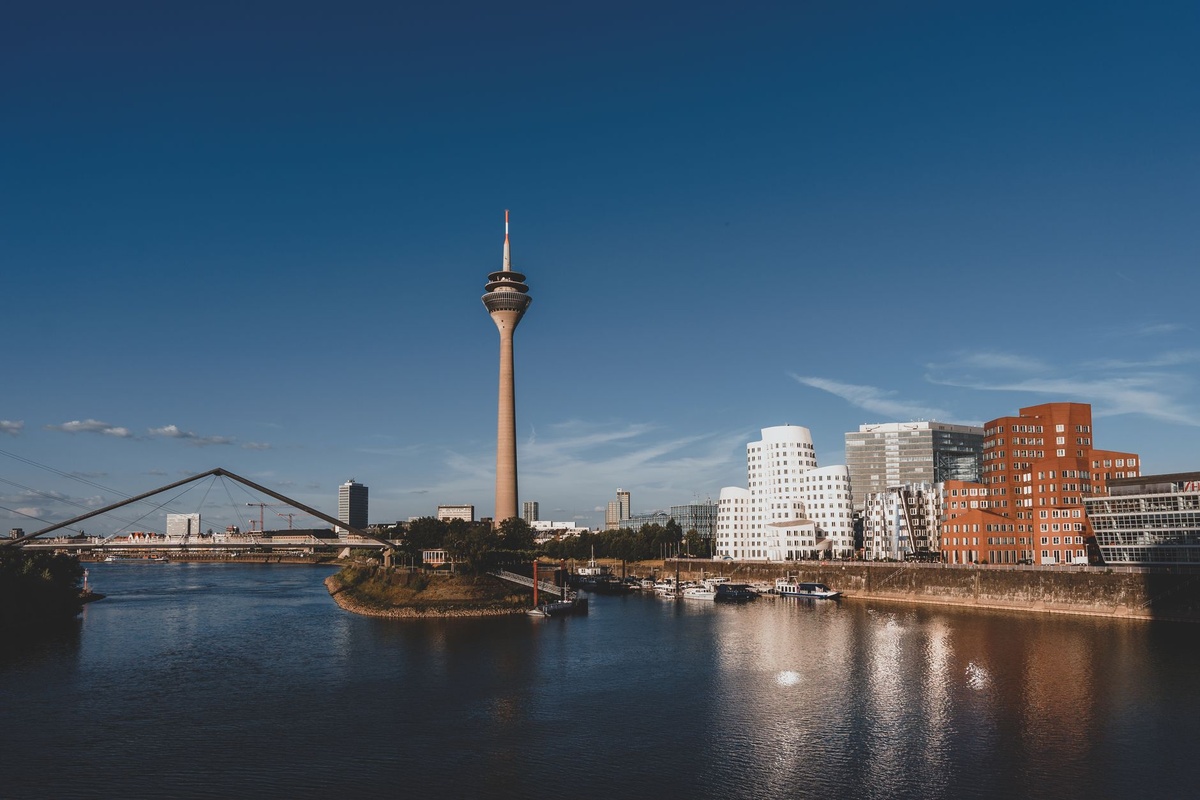
Walk across Hohenzollern Bridge to Rheinboulevard in Deutz, a 1.8 km loop from the cathedral. The east-bank steps give a better skyline view than the crowded Old Town riverfront and cost nothing.
For dinner, skip the tourist terraces around Alter Markt. Cross into Deutz for Lommerzheim, at Siegesstraße 18, known for enormous pork cutlets, Kölsch beer and blunt but efficient service.
Mains run about €17–€24, and one chop with sides can feed an adult and a younger child. Published hours are generally noon–2 p.m. and from about 5 p.m. Wednesday–Monday, with Tuesday closed; carry cash and verify the current schedule before walking over.
A riverfront tourist dinner for four can reach €110, while shared mains at Lommerzheim come in around €65–€75. That €35 difference pays for most of the Marksburg family visit.
Day 2: Train to Koblenz and ride above the Rhine
Take a morning IC or regional train from Köln Hbf to Koblenz Hbf. An IC takes about 53 minutes; a direct regional train typically needs 70–75 minutes.
Advance IC fares start at €17.99 per adult, with accompanying children aged 6–14 included when entered on the booking. A family seat reservation costs extra but is worthwhile; select a family area rather than gambling on four adjacent seats.
Leave luggage at your hotel, then walk or take a bus approximately 2.5 km to Deutsches Eck, where the Moselle meets the Rhine. Walking takes 30 minutes versus roughly 12 minutes by bus, but the riverside route doubles as sightseeing.
From Deutsches Eck, the Koblenz cable car crosses to Ehrenbreitstein Fortress. A combined round-trip cable-car and fortress ticket is approximately €19 adult, €8 child or €44–€46 per family, with typical September operation from about 10 a.m.–7 p.m.
The fortress itself needs two to three hours; with small children, the cable-car crossing and viewing terraces are the real payoff. If the budget is tight, skip the interior exhibits and put the money toward Marksburg, which feels much more like a medieval castle.
Dine at Weinhaus Hubertus, Florinsmarkt 6, rather than in the chain-heavy Löhr-Center area. Regional dishes such as pork medallions, schnitzel and flammkuchen cost roughly €16–€27, with dinner commonly served from around 5 p.m.; closing days vary seasonally.
Day 3: Boat to Braubach and tour Marksburg Castle
This is the first proper cruise day. KD sailings from Koblenz toward Braubach generally take 75–90 minutes, compared with only 12–16 minutes by regional train.
The train wins on speed; the boat wins because you see Stolzenfels Castle, Lahneck Castle and the widening river bends from the water. Check the date-specific timetable and buy tickets through KD’s official website.
A representative September family fare is approximately €63: €21 per adult and €10.50 per child aged 4–13. Arrive 20–30 minutes early because boarding is first-come, and shaded outdoor tables disappear quickly.
From Braubach’s landing, the route to Marksburg is approximately 1.8 km with a steep final climb. Allow 35–45 minutes with children, versus about 10 minutes in a local taxi costing roughly €12–€16.
Marksburg Castle is the Rhine castle I would not cut. Unlike many hilltop ruins, it was never destroyed, and guided tours include the kitchen, armory, battlements and a wonderfully gruesome medieval medical display.
In September, tours commonly run from 10 a.m.–5 p.m., often beginning every 15–30 minutes. Budget approximately €14 per adult and €6 per child, or about €32 for a family ticket; verify hours at marksburg.de.
Tours last about 50 minutes and involve uneven steps. A compact folding stroller can be left near the entrance, but a baby carrier is far more useful.
Return from Braubach to Koblenz by train in around 12–16 minutes. This train-back approach saves almost an hour compared with waiting for a return boat and usually costs under €20–€25 for a family using local fares.
Day 4: Train to Bingen, then cruise through the castle corridor
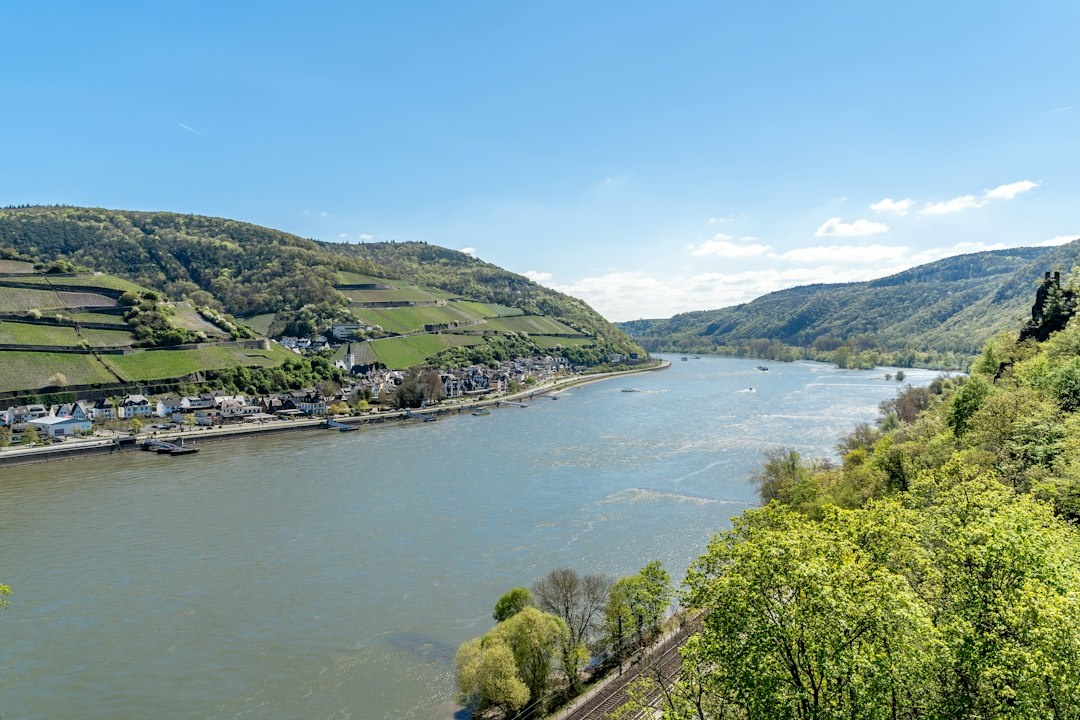
Take a direct regional train from Koblenz to Bingen Stadt, a roughly 66 km journey taking 50–60 minutes. Sit on the left when traveling south for river views; the right side faces more of the hillside and road.
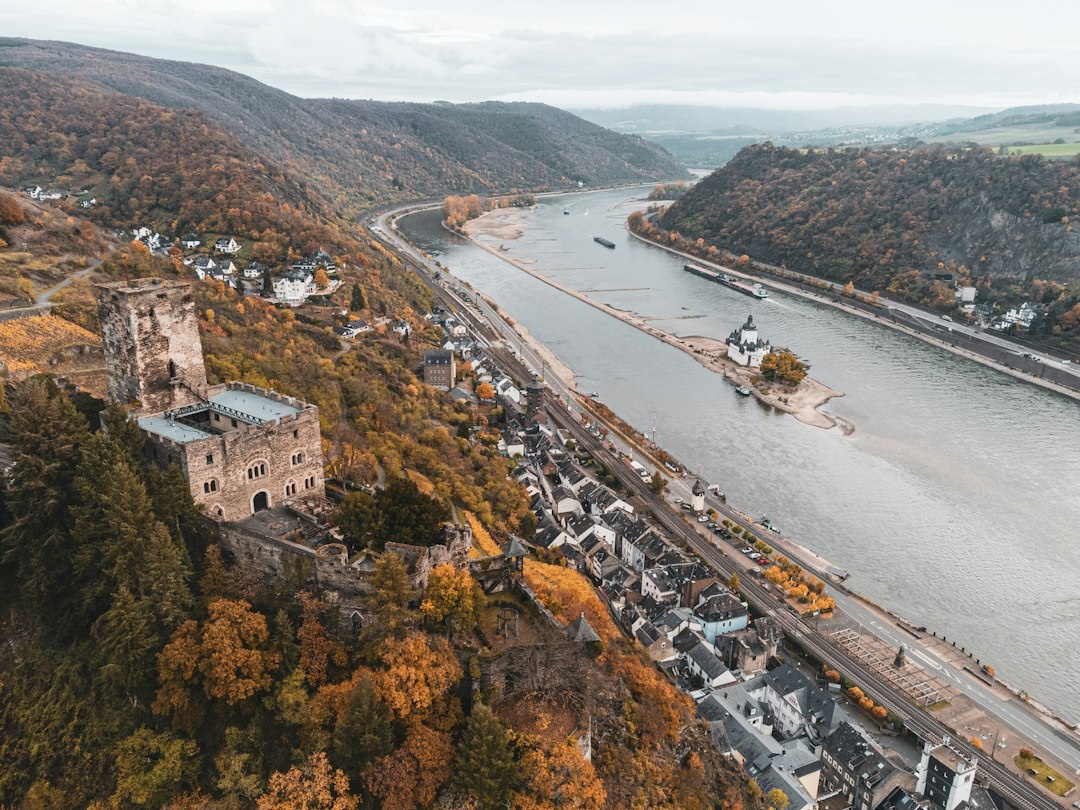
Leave bags in Bingen, then board a downstream KD sailing to St. Goar. This is the route’s visual centerpiece: Mäuseturm, Rheinstein, Reichenstein, Pfalzgrafenstein, Gutenfels, Schönburg and the Loreley all appear in rapid succession.
Bingen–St. Goar takes approximately 85–100 minutes downstream. St. Goar–Bingen upstream can take around 2.5–3 hours, so cruising north and returning by train is the smarter family plan.
| Bingen–St. Goar option | Time | Approximate family cost | Best for |
|---|---|---|---|
| KD boat downstream | 85–100 minutes | €87 ($102) | Scenery and castle viewing |
| Regional train | 25–35 minutes | About €30–€40 | Bad weather or restless toddlers |
| Taxi | 35–45 minutes | €90–€120 | Little practical advantage |
On board, avoid paying €4–€5 for repeated soft drinks. Bring refillable bottles and a bakery picnic, but buy one coffee or glass of Riesling if you want to use an indoor table during a shower.
At St. Goar, walk about 1 km uphill to Rheinfels Castle or take the seasonal shuttle when operating. Built in 1245, Rheinfels is now a sprawling ruin with tunnels, ramparts and direct views across to Burg Katz.
Typical April–October hours are 9 a.m.–6 p.m., with last admission around 5 p.m. Admission is approximately €6 adult, €3 child or €13 per family, making it less polished but far cheaper than Marksburg.
Bring a phone flashlight for the darker passages, but do not let children run ahead in the tunnels. Downloaded maps are more reliable than mobile data behind the thick stone walls.
Return from St. Goar to Bingen by regional train in 25–35 minutes. The boat-plus-train combination gives you the classic cruise panorama without spending three hours retracing the river upstream.
Day 5: Bingen, Rüdesheim and the Niederwald
Spend the final morning around Bingen’s riverfront and Klopp Castle, then use the passenger ferry to Rüdesheim. The crossing takes approximately 10–15 minutes and costs around €3 per adult and €1.50 per child, or roughly €9 for four.
Rüdesheim’s Drosselgasse is famous, narrow and heavily packaged for tour groups. Walk through once, then skip its €25 schnitzels and continue uphill toward Oberstraße or into the vineyards.
The Rüdesheim cable car to the Niederwald Monument takes around 10 minutes each way. A return fare is approximately €12 adult and €6 child, making the family cost about €36; walking uphill takes 45–60 minutes but saves the full amount.
For lunch, choose Weingut Jakob Christ or another family-run wine tavern away from Drosselgasse. Expect flammkuchen around €12–€16, seasonal dishes from €16–€24, grape juice for children, and wine by the glass from roughly €5.
Finish in Bingen rather than backtracking to Cologne. Frankfurt Airport is about 60–75 minutes away by train with a change in Mainz, while returning to Cologne takes roughly 1 hour 45 minutes to 2 hours.
Where to Stay Without Paying Riverfront Prices
Four nights aboard a cruise ship include transport and meals, but family cabins are scarce and frequently require two cabins. On land, a €125–€145 family room gives children more space and lets everyone escape the same buffet.
Cologne: sleep in Deutz
Look at Jugendherberge Köln-Deutz or aparthotel-style rooms near Köln Messe/Deutz. A private family room can start around €120–€145 with breakfast, compared with €180–€240 near the cathedral on busy September weekends.
Deutz is only one S-Bahn stop from Köln Hbf, and walking over Hohenzollern Bridge takes about 15 minutes. The minor inconvenience saves enough to cover the next day’s train.
Koblenz: stay between the station and old town
GHOTEL hotel & living Koblenz and similar properties near Hauptbahnhof often price family arrangements around €130–€160. Old Town boutique rooms can be €30–€60 more and may involve cobbled access or no lift.
Search hotels in Koblenz, but confirm that “family room” means one room rather than two non-connecting doubles. My target is no more than €145 per night with breakfast or a kitchenette.
Bingen: practical beats picturesque
Choose Bingen Stadt over Rüdesheim if onward rail connections matter. Simple rooms near the station run about €110–€140, while vineyard-view stays across the river can exceed €180 during harvest weekends.
Bingen also avoids hauling luggage onto the ferry. Stay in Rüdesheim only if the wine-village atmosphere matters more than an easy departure.
Cost Breakdown: How to Keep the Family Total Under €1,500
This budget assumes two adults and two children aged 7 and 10, traveling in September 2026. It excludes flights, travel insurance and the journey from Bingen to your next destination.
| Category | What is included | Family total |
|---|---|---|
| Accommodation | Cologne €125; Koblenz 2 × €135; Bingen €125 | €520 ($608) |
| Trains and local transit | Cologne–Koblenz, Koblenz–Bingen, Braubach and St. Goar returns, city buses | €159 ($186) |
| Boats and ferry | Koblenz–Braubach, Bingen–St. Goar, Bingen–Rüdesheim | €159 ($186) |
| Attractions | Cathedral tower, Marksburg, Rheinfels and one cable-car experience | €113 ($132) |
| Food | Breakfasts, bakery lunches, four sit-down dinners and snacks | €400 ($468) |
| Planned spend | Five days and four nights | €1,351 ($1,581) |
| Contingency | Fare changes, rain-day activity or taxi | €100 ($117) |
| Maximum target | Land-only trip | €1,451 ($1,698) |
The easiest saving is to choose only one paid cable car. Doing both Ehrenbreitstein and Niederwald adds roughly €80 for a family, while walking to one viewpoint costs nothing.
Food is the next lever. Hotel breakfast plus bakery lunches can keep daytime food near €30–€35 for four, compared with €70–€90 for two restaurant meals.
If you like trip-cost comparisons, our breakdown of a September Algarve campervan versus hotels and a rental car uses the same method: total the hidden transport, parking and meal costs instead of trusting the headline rate.
Booking Websites and Tech That Actually Help
DB Navigator should be the trip’s control center. It displays platform changes, delay forecasts and coach order, and it can filter for regional trains when a ticket is not valid on IC or ICE services.
Use the VRM app for buses and local transport around Koblenz. A bus ticket bought digitally can be easier than deciphering a machine, although local tickets are often only a few euros cheaper than a €12–€16 taxi when four people travel together.
Download KD’s timetable PDF as well as saving the webpage. Riverboats run only a handful of times daily, unlike trains that often come every 30–60 minutes, and missing one sailing can remove the entire cruise segment.
- Save every ticket to the phone wallet and keep a PDF screenshot on a second phone.
- Download Cologne, Koblenz and the Middle Rhine in Google Maps or Organic Maps.
- Carry a 10,000 mAh power bank; navigation, tickets and castle photography can drain a phone before dinner.
- Set DB Navigator to send notifications for your specific train.
- Carry €50–€80 in cash because small wine taverns, ferries and rural taxis may not accept every foreign card.
German mobile coverage is strong in the cities but can briefly weaken between steep river slopes. Offline tickets matter more here than buying the fastest possible data package.
Common Mistakes That Break the Route
Taking the scenic boat in the slow direction
Bingen–St. Goar downstream takes roughly 90 minutes, while the reverse can approach three hours. With children, that difference is the line between “castle cruise” and “why are we still on this boat?”
Assuming every child rides free
DB’s free-child policy on an IC ticket does not automatically transfer to KD boats, ferries or all regional tickets. Budgeting €0 instead of roughly €10.50–€14.50 per child on each cruise underestimates the trip by about €50.
Booking non-refundable boat tickets too early
Low water, high water and operational changes can affect sailings. Reserve key September weekends, but favor flexible terms and check the operator’s service notice the evening before.
Dragging full-size luggage onto day boats
Use hotels or station lockers before boarding. A Koblenz locker generally costs several euros, far less than the inconvenience of maneuvering a large suitcase around stairs and crowded outdoor decks.
Eating directly beside the busiest landing stages
A Rhine-view terrace can charge €5–€8 more per main course than a tavern two streets back. For four people, walking 300 meters can save €25–€35 at dinner.
Trying to visit every castle
Marksburg gives you a complete medieval interior; Rheinfels provides ruins and tunnels. Adding Stolzenfels, Rheinstein and Ehrenbreitstein interiors creates admission fatigue and can add more than €100 to the family budget.
What to Pack for the Rhine in September
September brings warm afternoons but cool boat decks. A 20°C forecast can feel closer to 15°C in river wind, particularly during a morning sailing.
- Pack one light waterproof jacket per person rather than umbrellas that become awkward on deck.
- Use grippy closed shoes for Marksburg steps and Rheinfels tunnels.
- Bring a compact stroller only for younger children; use a carrier on castle days.
- Pack refillable bottles and a small picnic bag, but avoid bulky coolers.
- Add a warm layer for evening harvest events, when temperatures can fall toward 10–13°C.
Compared with July, September usually means fewer tour groups and less punishing heat. Compared with October, it offers longer daylight and a much stronger chance that the full sightseeing-boat schedule is still operating.
Build the Trip Around the River’s Best 45 Kilometers
The successful version of this route is not a continuous cruise. It uses fast trains across the ordinary stretches and scheduled boats where the Rhine becomes theatrical: beneath Marksburg, through the Loreley narrows and past the castle chain north of Bingen.
Book the first two hotels and the Cologne–Koblenz train, then match the boat timetable to your exact September dates before reserving the final night. Save this plan, open DB and KD side by side, and build the family’s Rhine cruise for under €1,500 rather than paying twice as much to see less.
Frequently Asked Questions
How much does a five-day Rhine trip cost for a family of four?
A realistic September 2026 land-only budget is €1,351 ($1,581), or €1,451 with a €100 contingency. That includes four hotel nights, trains, two sightseeing cruises, attractions and food, but not flights.
Do children travel free on Rhine trains and boats?
Children aged 6–14 can travel free with an accompanying adult on many DB long-distance tickets if added to the booking. KD boats generally charge children aged 4–13 half fare, while local regional tickets use their own rules.
Which part of the Rhine is best for a short cruise?
Bingen to St. Goar is the best short family cruise because it passes the Loreley and the densest stretch of Rhine castles in about 85–100 minutes downstream. Skip the less scenic Cologne–Koblenz boat and take the 53-minute train instead.
Is September a good month for a Rhine cruise?
Yes: daytime temperatures are commonly 18–22°C, the main sightseeing boats still operate, and wine harvest activities begin around Bingen and Rüdesheim. Avoid major fireworks weekends if you want hotel rates below €150.
Do I need a Deutschlandticket for this itinerary?
Usually not. Two adult passes cost €126 in September 2026 and do not cover KD boats, ferries, cable cars or IC/ICE trains; separate tickets are better unless you are adding several more regional travel days.

About the Author: Tomáš Bzirský
Founder and editor of Distratech. Based in the Czech Republic, travelling regularly from Central Europe. Writes practical travel guides and travel-tech comparisons (eSIM, apps, airports) in six languages.