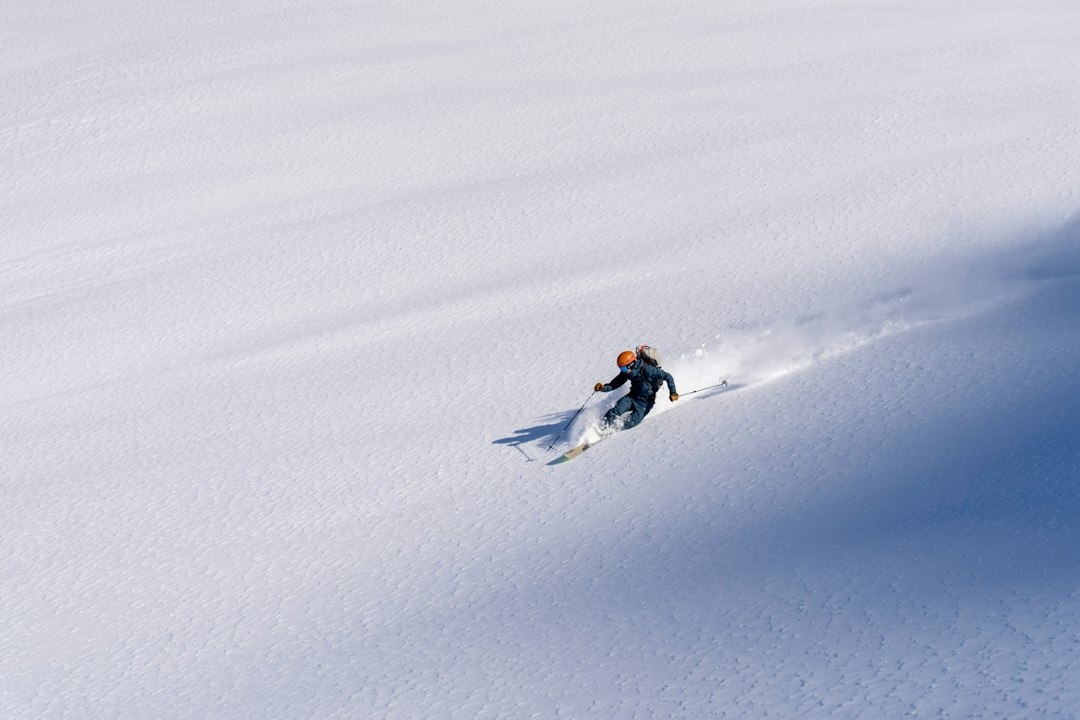
Bansko can deliver a genuinely affordable off-piste week, but only if you spend money in the right order: avalanche education and a qualified guide first, accommodation and après-ski second. Planning in September is ideal because rooms and flights are still available for January–March, while refundable bookings let you keep some flexibility for the actual snow window.
Key Takeaways
- Budget approximately €950–€1,350 per person for seven nights, including flights from a major European hub, six lift days, rental equipment, training and two guided off-piste days.
- Mid-February usually offers the best compromise between snow depth and daylight; January is colder but can have a thinner base, while March favors spring snow.
- A six-day Bansko lift pass should be budgeted at about €290–€320 for winter 2026/27, pending publication of the final tariff.
- Book a two-day avalanche course before guided touring and reserve avalanche equipment separately if it is not included with your skis.
- Bansko is 160 km from Sofia Airport: shared transfers take roughly 2.5–3 hours and cost €25–€35 each way.
Key Numbers at a Glance
| Item | Planning figure | Time or distance | Price basis |
|---|---|---|---|
| Sofia Airport to Bansko | €25–€35 shared transfer | 160 km; 2.5–3 hours | September 2026 quotes for winter 2026/27 |
| Six-day adult lift pass | Budget €290–€320 | Six consecutive ski days | Winter 2026/27 estimate; final tariff may change |
| Standard freeride ski package | €110–€150 | Six days | September 2026 online rates |
| Avalanche kit rental | €12–€18 per day | Transceiver, probe and shovel | September 2026 booking quotes |
| Two-day avalanche course | €180–€260 per person | Approximately 12–14 instructional hours | Winter 2026/27 planning range |
| Private mountain guide | €220–€320 per group per day | Usually 6–7 hours | September 2026 direct-booking quotes |
| Budget double room | €55–€85 per room per night | Gondola area or old town | January–March 2027 refundable rates |
| Mountain rescue number | 112; Bulgarian Mountain Rescue Service | Response depends on conditions | Current September 2026 information |
The important comparison is not Bansko versus a cheap package holiday. It is Bansko versus an Alpine off-piste week: six-day passes in major French resorts commonly exceed €350–€400 before guide fees, while Bansko can keep the entire week near €1,100 if two or three skiers share guiding costs.
Step 1: Choose the Right January–March Snow Window
Bansko’s ski area rises from roughly 990 meters at the gondola base to about 2,560 meters beneath Todorka Peak. That vertical range creates very different conditions: rain or slush can affect the lower home runs while the upper mountain remains wintery.
Do not pick dates solely because a package is €70 cheaper. Off-piste quality depends on base depth, wind loading, visibility and recent temperature changes—not just the snowfall icon in a weather app.
| Period | Likely strengths | Main weakness | Typical room cost | Best for |
|---|---|---|---|---|
| January 10–31 | Cold snow, quieter weekdays, lower lodging prices | Base can still be thin; rocks remain a hazard | €55–€75 per double, January 2027 | Flexible powder hunters |
| February 1–21 | Usually the deepest winter base and better coverage | School-holiday crowds and longer gondola queues | €70–€100 per double, February 2027 | First off-piste trip to Bansko |
| February 22–March 10 | Good base, longer daylight, fewer holiday groups | Variable freeze-thaw cycles | €60–€85 per double, March 2027 | Best overall value |
| March 11–31 | Spring corn, sunny touring days, cheaper stays | Wet-snow instability and poor lower slopes | €50–€70 per double, March 2027 | Experienced spring skiers |
My date recommendation
Choose February 22 to March 10 if you have fixed vacation dates. You usually gain a more established snowpack than in January, but avoid the busiest mid-February family weeks.
Choose January only if your accommodation is refundable and you can monitor conditions. A €58 room is not a bargain if shallow coverage turns your freeride skis into rock skis.
Choose the second half of March if you specifically understand spring timing. A slope that is firm at 9 a.m. can soften beautifully by 11 a.m. and become dangerously saturated later; that is a narrower operational window than a normal piste day.
Use a two-stage booking strategy
- In September or October: reserve refundable accommodation, avalanche training and a guide with clear cancellation terms.
- Six to eight weeks before departure: confirm flights and transfers once the seasonal snowpack is developing.
- Seven days before skiing: check the Bulgarian avalanche bulletin, freezing level and wind history—not only expected snowfall.
- Each evening: agree the next day’s objective with your guide after reviewing weather, avalanche problems and group ability.
Use Avalanche Bulgaria for local bulletins, Windy for wind direction and freezing level, and Snow-Forecast for elevation-specific forecasts. Windy’s free layer is adequate for planning; its paid forecast models are useful, but they do not replace a €220–€320 guide who has observed the snowpack.
September’s broader travel trend favors off-peak alpine escapes, but ski planning works differently from a Dolomites hiking break: booking the bed early is smart, while committing to a non-refundable off-piste itinerary six months ahead is not.
Step 2: Decide Whether Bansko Off-Piste Is Actually Right for You
“I can ski every red piste” is not enough. You should be able to link controlled turns in chopped snow, stop quickly on a narrow line and ski cautiously when visibility removes contrast.
A piste lesson typically costs about €45–€65 for two private hours, versus €220–€320 for a full guide day. If your technique collapses in crud, spending one morning with an instructor is cheaper—and safer—than using a mountain guide as an expensive ski coach.
A simple decision framework
- Choose lift-accessed guided freeride if you ski confidently on black pistes but have limited touring experience.
- Choose an avalanche course plus guided days if this is your first serious off-piste week.
- Choose ski touring if you already use skins, make kick turns and can manage roughly 600–1,000 vertical meters of ascent.
- Choose piste skiing instead if you cannot make controlled turns in breakable crust, trees or low visibility.
- Cancel or change the objective if the guide judges the avalanche problem, weather or group dynamics unsuitable.
Skip self-guided lines copied from Strava, Fatmap archives or social media. Do a conservative day with a local guide instead; online tracks show where somebody traveled, not why the slope was acceptable on that particular morning.
Parts of the surrounding Pirin landscape fall within Pirin National Park, where access and conservation rules matter. A qualified local guide should select lawful terrain, account for closures and avoid treating every visible slope as skiable public space.
Step 3: Take Avalanche Training Before Chasing Powder
A transceiver is not a protective force field. It is a last-resort rescue tool, and carrying one without practicing companion rescue creates false confidence.
For a first week, budget two days for an introductory avalanche course. One-day clinics can teach basic beacon searches, but two days allow more time for terrain choices, snowpack observations, probing, strategic shoveling and repeated rescue scenarios.
| Training option | Typical cost | Duration | What it realistically covers |
|---|---|---|---|
| Rescue-only workshop | €70–€110, winter 2026/27 | 3–4 hours | Beacon search, probing and shoveling |
| One-day introduction | €110–€160 | 6–7 hours | Rescue plus basic hazard and terrain concepts |
| Two-day foundation course | €180–€260 | 12–14 hours | Planning, terrain, field observations and rescue drills |
| Private course for 2–4 people | €420–€650 per group | Two days | Customized instruction and more practice time |
Ask providers such as Bansko Ski School, Ski Bansko and established local mountain-guiding operations for a written syllabus. Availability and instructor credentials vary, so do not assume every “freeride lesson” is an avalanche course.
Questions to ask before paying
- Which avalanche-education or mountain-guide qualification does the instructor hold?
- Is the student-to-instructor ratio capped at six, or will the group be larger?
- Are transceiver, shovel and probe included in the quoted price?
- How much time is spent outside rather than in a classroom?
- Does the course include a timed multiple-burial exercise?
- What happens if lifts close because of wind?
A six-person course at €190 each may provide less search practice than a four-person course at €230. Pay the extra €40 if it buys a smaller group, especially when this is your first time using a transceiver under pressure.
Training also changes your schedule. Place the course on ski days one and two, then guided freeride on days three and four; reversing that order means entering avalanche terrain before learning how to perform a rescue.
Step 4: Book the Right Guide, Not the Cheapest “Ski Escort”
Book directly with an internationally recognized mountain guide where possible. Look for IFMGA/UIAGM credentials or a clearly stated Bulgarian mountain-guide qualification appropriate to winter and avalanche terrain.
A private guide commonly costs €220–€320 per day for the group in winter 2026/27. Split among four skiers, that is €55–€80 each—often less than dinner and cocktails for two nights.
| Guide format | Total daily price | Per-person cost | Trade-off |
|---|---|---|---|
| Private, one skier | €220–€300 | €220–€300 | Maximum flexibility but expensive |
| Private, two skiers | €240–€300 | €120–€150 | Good pace control |
| Private, four skiers | €260–€320 | €65–€80 | Best value if abilities match |
| Open group, five or six skiers | €75–€120 per person | €75–€120 | Cheaper, but pace and goals may conflict |
Skip an open group if one skier is comfortable on black pistes and another tours 40 days a year. A €260 private booking shared by three compatible friends will normally produce more skiing than a €90 open group delayed by mismatched ability.
Send a useful booking message
Tell the guide your age, fitness, ski width, touring experience, previous avalanche education and the hardest terrain you can ski in poor snow. “Advanced skier” is meaningless; “I can ski controlled short turns on a steep black piste but struggle in breakable crust” is useful.
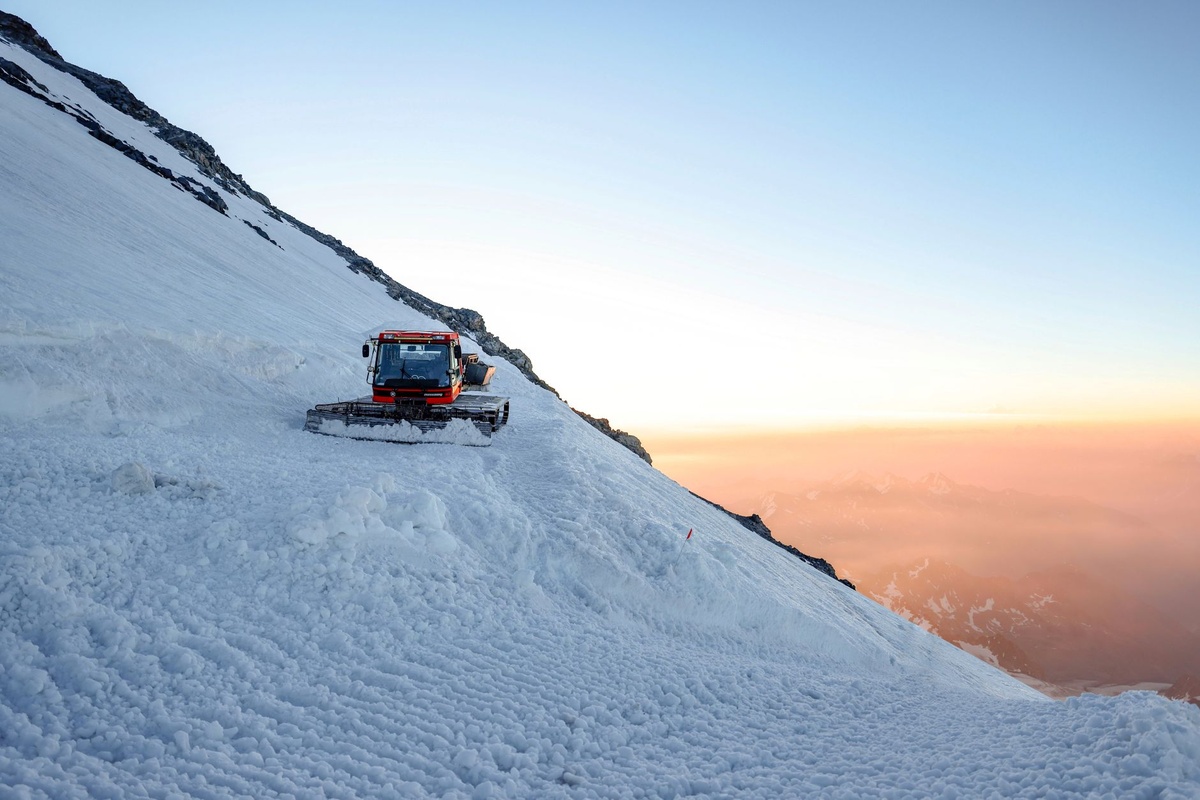
Confirm whether the fee includes transport, touring equipment, avalanche kit, lift passes and insurance. A €240 quote can become €310 after a €35 vehicle contribution and €35 equipment rental, while a €285 inclusive quote may be the better deal.
Also request the cancellation policy in writing. A fair arrangement usually allows the guide to change the objective when avalanche danger is elevated, but it does not promise a refund merely because there is no fresh powder.
Step 5: Rent Freeride Gear Without Wasting Money
Standard piste rentals are cheap in Bansko, but narrow, soft boots and heavily used carving skis are the wrong tools for variable off-piste snow. Ask specifically for freeride or touring equipment and reserve by ski model or waist-width category.
For most lift-accessed days, a ski around 95–105 mm underfoot is more versatile than a 115 mm powder ski. The narrower option handles firm morning snow better and still provides enough flotation for typical Pirin storm totals.
| Rental item | Six-day price | Typical specification | September 2026 booking target |
|---|---|---|---|
| Basic piste skis and boots | €75–€105 | 70–80 mm ski; recreational boot | Book only for piste-focused days |
| Freeride skis and poles | €110–€150 | 95–105 mm underfoot | Best lift-accessed choice |
| Touring skis, skins and poles | €150–€210 | Pin bindings; 85–100 mm ski | Reserve at least two weeks ahead |
| Touring boots | €55–€85 | Walk mode and tech inserts | Try on the afternoon before skiing |
| Transceiver, shovel and probe | €65–€95 | Modern three-antenna beacon | Check batteries and search mode |
| Airbag backpack | €90–€150 | Cartridge or electric fan system | Optional; never a substitute for decisions |
Rental outlets around Pirin Street and the gondola include Traventuria and SkiMania; compare packages through SkiBansko.bg and providers’ own websites. Typical winter hours are approximately 08:00–19:00, but collect equipment between 16:00 and 18:00 the previous afternoon to avoid a 30-minute morning queue.
Inspect five things before leaving the shop
- Confirm the binding is adjusted for your boot sole length, weight, age and skier type.
- Check that touring skins cover the ski base correctly and still have functioning glue.
- Insert fresh beacon batteries and perform a group transmission check.
- Assemble the probe and shovel once; missing locking pins are easier to fix indoors.
- Photograph existing ski damage so it is not charged to you later.
Bring your own boots if they fit well. Airline ski carriage may cost €50–€100 return, while boot-only luggage often fits within normal baggage; renting skis but carrying boots is the best comfort-to-cost compromise.
Step 6: Buy Lift Passes and Beat the Gondola Queue
Bansko’s gondola normally begins loading around 08:00, with upper lifts generally operating from approximately 08:30 until 16:00–16:30. Weather, wind and avalanche control can delay or close lifts, so verify daily operations through the official resort channels.
The final winter 2026/27 tariff may not be published until closer to opening. Based on recent pricing, budget €52–€58 for an adult day and €290–€320 for six days; treat any substantially cheaper third-party offer cautiously.
The town gondola is Bansko’s biggest logistical weakness. On busy February mornings, waiting can exceed 60 minutes, compared with roughly 10–20 minutes when arriving before 07:40 on a weekday.
- Choose the gondola if you are staying within 500 meters and can arrive before opening.
- Choose a licensed taxi or hotel shuttle if your guide plans to meet higher on the access road and confirms legal drop-off arrangements.
- Choose accommodation near the gondola for convenience, but expect rooms to cost €15–€30 more per night than in the old town.
- Skip the late 09:00 start on storm mornings; fresh snow and holiday crowds produce the longest queues.
A return gondola-only ticket can be useful for a non-skiing companion, but it is not a substitute for the correct ski pass when using upper lifts. Always buy from an official ticket office or authorized seller rather than strangers offering reusable cards.
Step 7: Get to Bansko and Stay in the Right Area
Sofia Airport is approximately 160 km from Bansko. A shared ski transfer takes 2.5–3 hours and costs about €25–€35 each way, while a private car takes around 2 hours 15 minutes in good conditions and costs €90–€130 per vehicle.
| Transport | One-way cost | Travel time | Verdict |
|---|---|---|---|
| Shared airport transfer | €25–€35 per person | 2.5–3 hours | Best balance for one or two travelers |
| Private transfer | €90–€130 per vehicle | 2 hours 15 minutes–2 hours 45 minutes | Good for three or four people |
| Bus via Sofia Central Bus Station | €15–€22 total | 4–5 hours including connection | Cheapest, but poor with ski bags |
| Rental car | €180–€300 per week plus fuel | About 2.5 hours each way | Usually unnecessary for a resort-based week |
Companies such as Traventuria and Bansko Express publish online transfer schedules. Compare the flight arrival time carefully: saving €12 on a bus is poor value if the connection adds two hours after an evening flight.
Where to stay
The gondola quarter is practical but noisy, with easy access to rentals and lifts. The old town is more atmospheric and can save €15–€30 per room nightly, but the walk to the gondola is roughly 1.5–2 km.
Hotel Dumanov is a solid midrange choice near the lift, often around €65–€90 per double in January and March. Kap House and smaller guesthouses around Pirin Street can fall near €50–€70, while apartment-style rooms with kitchens are often best for three or four people.
Compare refundable hotels in Bansko, then check the property’s direct rate. Book a room with breakfast from 07:00 or earlier; an included breakfast that starts at 08:00 is useless when you need to reach the gondola queue by 07:40.
Skip large spa hotels two or three kilometers from the lift unless they provide a dependable early shuttle. Do not confuse a free 09:00 resort bus with transport suitable for a guided backcountry start.
Step 8: Budget Food, Connectivity and Insurance
A sit-down dinner in Bansko can still cost €14–€22 per person, but the gondola strip is noticeably more expensive than the old town. A packed lunch from a bakery or supermarket costs €5–€8 versus €15–€22 for lunch on the mountain.
Baryakova Tavern is my pick for Bulgarian grills and stews, with mains around €9–€15. Le Retro works for sandwiches and early coffee, while Smokey Mountain Bar & Grill is enjoyable after skiing but easier to overspend at: allow €18–€28 with a drink.
Skip daily mountain lunches. Buy bread, cheese, cured meat, fruit and chocolate at Billa or a local supermarket; five packed lunches cost roughly €35, compared with €85–€110 in slope restaurants.
For connectivity, an EU roaming plan may cover Bulgaria at no extra charge. A travel eSIM from Airalo can be useful for non-EU visitors, but download offline maps because mobile coverage is not guaranteed in steep terrain.
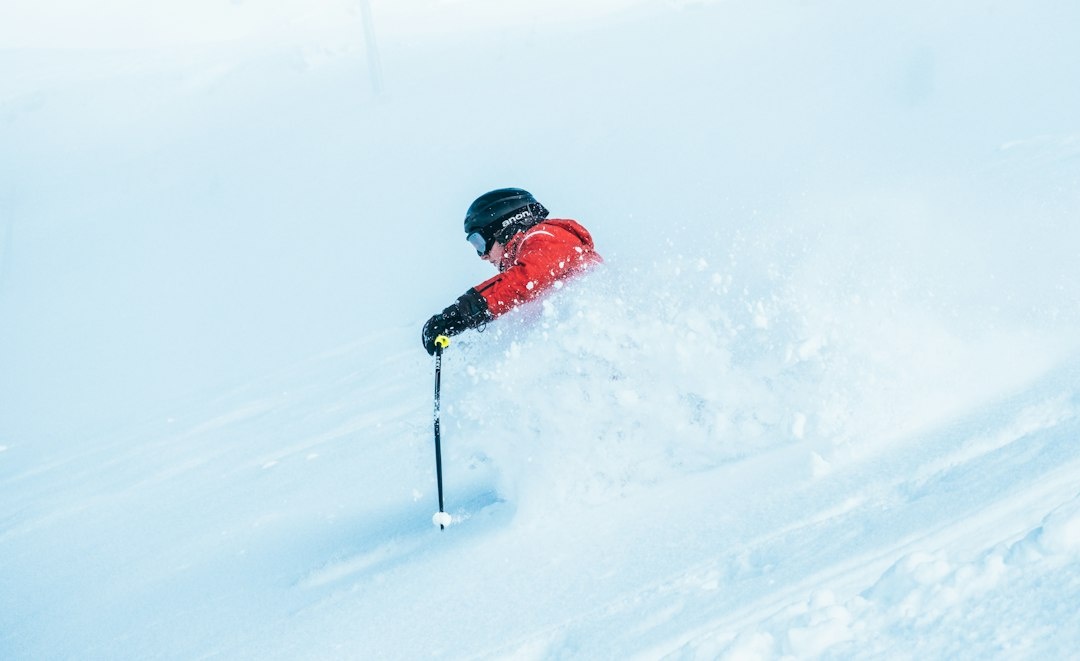
Your insurance must explicitly include off-piste skiing, ski touring, helicopter or technical rescue where applicable, and treatment in Bulgaria. A basic winter-sports policy might cost €35–€55 for a week, while broader off-piste cover is more commonly €55–€90; the cheaper policy is worthless if it excludes skiing outside marked runs without a guide.
Save 112 and the Bulgarian Mountain Rescue Service contact information offline. A phone app is useful, but a 20% battery bank weighing 300 grams is more valuable than relying on a nearly empty phone in sub-zero temperatures.
A Costed Seven-Night Bansko Off-Piste Plan
This sample assumes two people share a double room and four compatible skiers split two private guide days. Prices are planning figures checked in September 2026 for travel between late February and early March 2027.
| Expense per person | Budget version | Comfortable version |
|---|---|---|
| Return flight to Sofia from a major European hub | €120 | €220 |
| Shared airport transfers | €50 | €70 |
| Seven nights, two sharing | €210 | €315 |
| Six-day lift pass | €290 | €320 |
| Freeride skis and poles | €110 | €150 |
| Avalanche kit | €65 | €95 |
| Two-day avalanche course | €180 | €250 |
| Two guided days, shared by four | €120 | €160 |
| Food and drinks | €150 | €245 |
| Insurance and contingency | €65 | €110 |
| Total | €1,360 | €1,935 |
Travel without flights and the realistic ground cost is about €1,240 in the budget version. Remove avalanche training and guiding and you could cut €300, but that is precisely the wrong saving for an off-piste trip.
To get below €1,200 including flights, share a four-person apartment, cook three dinners, find airfare near €100 and rent equipment only for the days needed. The line-item method is similar to our seven-day Algarve transport and accommodation comparison: compare the total trip rather than being distracted by one cheap headline rate.
Recommended day-by-day structure
- Arrival day: Shared transfer, grocery shop and collect rental gear before 18:00.
- Day 1: Avalanche course, beacon fundamentals and terrain recognition.
- Day 2: Field observations, route planning and companion-rescue scenarios.
- Day 3: Guided lift-accessed freeride matched to conditions.
- Day 4: Second guided day or introductory tour if the group is ready.
- Day 5: Conservative piste day, technique lesson or rest.
- Day 6: Flexible weather day for touring, guided freeride or piste skiing.
- Departure day: Return equipment and allow at least five hours before a Sofia flight.
Keeping day six flexible is better than prepaying six consecutive off-piste activities. One storm, wind closure or warm spell can change the week, whereas a normal lift pass still gives you a useful fallback.
Common Bansko Off-Piste Planning Mistakes
Booking the cheapest January week
January lodging can be €15–€25 per night cheaper than February, but early-season coverage may remain thin. Prioritize refundable rates and snow depth over a €100 accommodation saving.
Calling a freeride lesson an avalanche course
A €90 half-day ski lesson may improve technique but usually cannot cover rescue drills, terrain management and snowpack assessment. Ask for the syllabus and instructor credentials before booking.
Renting avalanche gear without practicing
A beacon package costs about €12–€18 per day, yet many users never conduct a proper search before leaving the lift. Spend 20 minutes testing transmit, search, probing and shovel assembly every morning.
Underestimating gondola queues
Arriving at 08:40 instead of 07:40 can cost an hour on a busy February day. That lost hour matters when wind or warming creates a narrow safe travel window.
Choosing accommodation by map distance alone
A listing “800 meters from the lift” may involve an icy uphill walk in ski boots. A room €10 more expensive with ski storage and a 07:30 shuttle is often the genuine budget choice.
Assuming travel insurance covers all skiing
Many standard policies include marked pistes but exclude touring, unmarked terrain or skiing without a guide. Read the activity wording; “winter sports included” is not specific enough.
Letting fresh snow override the avalanche plan
Twenty centimeters of new snow can improve skiing while increasing instability, particularly after strong wind. The better comparison is not powder versus no powder—it is an appropriate objective versus an avoidable rescue.
Final Verdict: Where to Spend and Where to Save
Bansko remains one of Europe’s better-value bases for a structured introduction to off-piste skiing. It is not a place to cut costs by skipping education, carrying incomplete rescue equipment or following online tracks without local judgment.
Save on an old-town apartment, packed lunches, shared transfers and a four-person guide group. Spend on a two-day avalanche course, compatible rental equipment, proper insurance and at least two guided days.
Start planning in September, hold refundable dates for late February or early March, and contact guides before flights become non-refundable. Bookmark this cost plan, send it to your ski partners and make everyone agree on ability, budget and risk tolerance before paying deposits.
Frequently Asked Questions
How much does a budget off-piste ski week in Bansko cost?
Allow approximately €1,360–€1,935 per person for seven nights in winter 2026/27, including flights, transfers, six lift days, rental gear, avalanche training and two guided days. Excluding flights, a carefully managed trip can cost about €1,200–€1,300.
When is the best month for off-piste skiing in Bansko?
Late February to early March offers the best balance of snow depth, daylight and accommodation value. January is colder but can have a thin base, while late March is better suited to skiers experienced with freeze-thaw and wet-snow timing.
Do I need a guide for off-piste skiing in Bansko?
A guide is strongly recommended if you do not already have avalanche training, local terrain knowledge and winter navigation skills. Private guiding costs roughly €220–€320 per group per day, or €55–€80 each when four skiers share.
How much is a six-day Bansko lift pass?
Budget approximately €290–€320 for an adult six-day pass in winter 2026/27, pending the final published resort tariff. A single day is likely to fall near €52–€58 based on recent pricing.
Can I rent avalanche equipment in Bansko?
Yes, but reserve it in advance because supplies are more limited than standard piste skis. A transceiver, shovel and probe typically costs €12–€18 per day or approximately €65–€95 for six days.

About the Author: Tomáš Bzirský
Founder and editor of Distratech. Based in the Czech Republic, travelling regularly from Central Europe. Writes practical travel guides and travel-tech comparisons (eSIM, apps, airports) in six languages.