September is arguably Botswana’s best wildlife month—and one of its most expensive. Floodwater still threads through parts of the Okavango Delta, animals concentrate around shrinking water sources, and daytime temperatures reach 30–34°C, but a conventional fly-in lodge safari can easily exceed €7,000 per person before international flights. This case study shows how I would build an eight-day route for approximately $5,000 (€4,274), using comfortable town lodges, one Delta day trip, and a shared mobile safari through Moremi and Chobe.
Key Takeaways
- The eight-day plan costs approximately €4,103/$4,800 per person in September 2026, including estimated London–Johannesburg flights.
- A shared mobile safari costs about €1,370 for three nights versus €2,400–€5,000 at comparable fly-in lodges.
- Allow 1 hour 40 minutes for Johannesburg–Maun and 1 hour 45 minutes for Kasane–Johannesburg.
- September is peak dry season, so reserve mobile safaris and Maun–Kasane flights six to nine months ahead.
- Skip the rushed Maun–Kasane road shuttle; cross Moremi and Savuti on a guided safari instead.
Key Numbers at a Glance
| Item | September 2026 planning figure | What it means |
|---|---|---|
| Total trip length | 8 days / 7 nights | 2 nights Maun, 3 nights mobile camping, 2 nights Kasane |
| Target budget | €4,103 / approximately $4,800 | Per person sharing, including estimated London flights |
| Johannesburg–Maun flight | €180–€280; 1 hr 40 min | Book with Airlink, Air Botswana or CemAir |
| Maun–Kasane overland distance | Approximately 600 km by paved road | 8–10 hours by shuttle, excluding border or wildlife delays |
| Safari route distance | Approximately 280–350 km off-road | Maun–Moremi–Savuti–Chobe–Kasane over four days |
| September temperatures | 12–34°C | Cold dawn drives, hot afternoons and very little rain |
| Typical game-drive hours | 06:00–10:30 and 15:30–18:30 | Exact park access follows gate and daylight rules |
Price basis: figures are September 2026 planning rates checked against operator and hotel booking pages, rounded into euros at €1 = $1.17. Botswana operators frequently quote in US dollars, and card processors may add 2–3%.
The Route That Makes the $5,000 Budget Work
The critical decision is not which lodge has the prettiest plunge pool. It is where to spend lodge money and where to accept a tent.
Two nights in Maun provide a buffer against flight disruption and enough time for a mokoro trip. A three-night shared mobile safari then crosses Moremi, Khwai or Savuti and finishes near Chobe, avoiding the cost of private bush flights.
Choose a mobile safari if…
- You want four to eight hours of wildlife viewing per day rather than long midday lodge breaks.
- You can sleep in a proper walk-in tent with a camp bed, bucket shower and portable toilet.
- Your ceiling is approximately €5,000 including long-haul flights.
- You want Moremi and Chobe in one continuous route without backtracking to Maun.
Choose fly-in lodges if…
- You need an en-suite bathroom, air-conditioning or a permanent room every night.
- You value scenic flights and remote concessions more than total game-drive time.
- Your realistic land budget is at least €6,000–€9,000 per person for seven nights.
- You are traveling during the wet season, when some sandy roads become difficult or impassable.
My verdict: first-timers should combine town lodges with mobile camping. Skip three separate luxury camps; spend the savings on a good guide, a Delta flight and an extra Chobe boat safari.
Day-by-Day Botswana Safari Itinerary
Day 1: Fly Johannesburg to Maun
Most international itineraries connect through Johannesburg’s O.R. Tambo Airport. The nonstop flight to Maun takes approximately 1 hour 40 minutes, compared with 14–16 hours by long-distance bus and shared transfers.
Airlink, Air Botswana and CemAir sell tickets through FlyAirlink, Air Botswana and CemAir. A sensible September 2026 target is €180–€280 one-way, including a checked bag.
Do not book separate tickets with a connection shorter than three hours in Johannesburg. You may need to collect luggage, clear immigration and recheck it, while late morning arrivals can miss the final Maun service.
Stay at Sedia Riverside Hotel if you want gardens and a pool, or Cresta Maun if an airport shuttle and predictable business-hotel room matter more. Sedia is approximately 8 km from Maun Airport; a taxi costs about €10 and takes 15 minutes, versus roughly €25 for a prearranged private transfer.
For dinner, Marc’s Eatery is my pick for steaks, salads and dependable service; budget €15–€22 with a drink. Skip eating every meal at an all-inclusive hotel restaurant—Maun’s independent kitchens are cheaper and usually more interesting.
Day 2: Okavango Delta Mokoro Trip and Scenic Flight
A full-day community mokoro excursion normally leaves Maun between 07:00 and 08:00. Expect a 45–90-minute road or motorboat transfer, two to three hours in a dugout canoe, a guided island walk and lunch.
Budget €125–€155 per person for a shared excursion booked through operators such as Old Bridge Backpackers or your safari company. Private departures commonly cost €230–€320 per person, so sharing saves at least €100 without changing the scenery.
A mokoro is peaceful, low to the water and excellent for frogs, birds and reeds. It is not the best way to see large predators, and sightings of lion or leopard should never be promised.
Back in Maun, take a late-afternoon scenic flight if weather and budget permit. Mack Air and Helicopter Horizons operate from Maun Airport; shared fixed-wing seats generally cost €150–€190 for 45–60 minutes, while a private helicopter can exceed €600 for the aircraft.
Choose the flight if this may be your only Botswana trip. The aerial view explains the Delta’s channels and islands far better than any map, and September’s low-angle afternoon light is worth paying for.
Day 3: Maun to Moremi Game Reserve
Mobile safaris normally depart between 07:00 and 08:00 after a guide briefing. The drive from Maun to South Gate is approximately 100 km and takes 3–4 hours because the final section is corrugated gravel and sand.
Moremi is not a zoo-style drive-through park. From South Gate, another 30 km can require 90 minutes, and deep sand means average speeds frequently fall below 25 km/h.
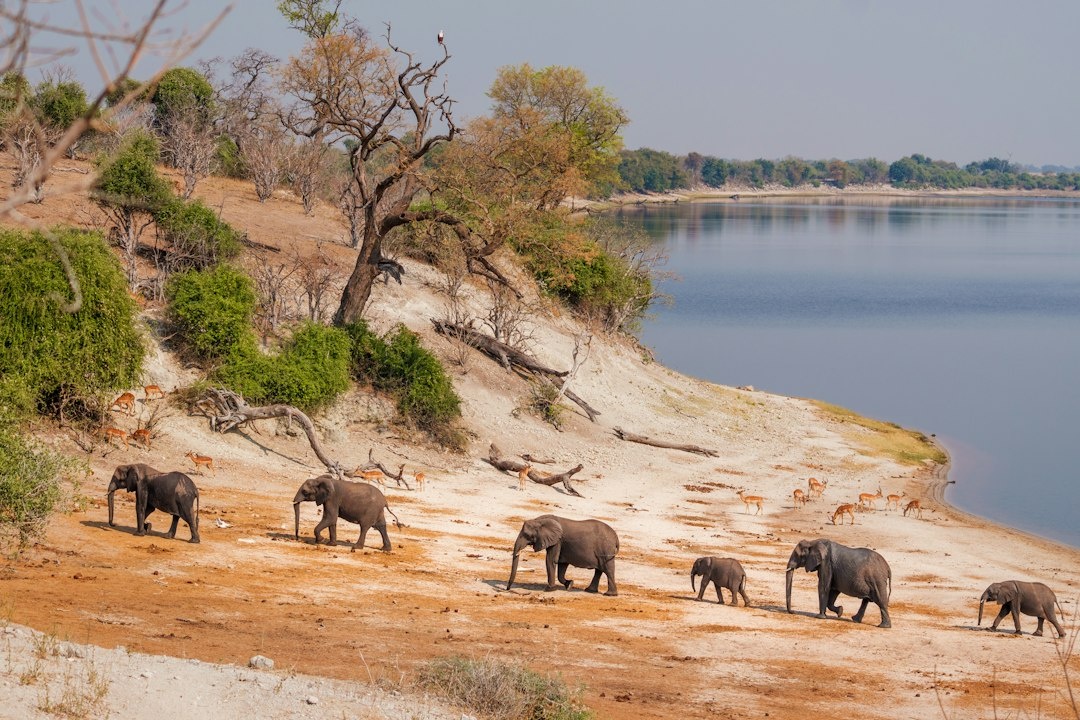
Look for elephant, giraffe, zebra and buffalo on the woodland edges. The wetter channels around Third Bridge and Xakanaxa are stronger for hippo, red lechwe and waterbirds, while Khwai is often better for predator activity.
A reputable shared mobile safari should include a licensed guide, 4×4 vehicle, camp crew, meals, drinking water, park fees and tents. Confirm all seven items in writing; an apparently cheaper €1,000 package can become €1,350 after fees and drinks.
Day 4: Full-Day Moremi and Khwai Safari
Your first drive will usually start around 06:00, when September mornings can feel surprisingly cold at 12–15°C. Wear a fleece and windproof layer; by 14:00, temperatures may exceed 32°C.
Morning drives last approximately four hours, followed by brunch and a rest during the least productive heat. An afternoon drive typically runs from 15:30 until the park or concession’s return deadline around sunset.
Moremi’s government-managed reserve and Khwai’s community concession are adjacent but operate under different access systems. Moremi has formal gates and tighter driving rules; Khwai permits some night drives and limited off-road activity through authorized operators.
Choose Khwai if wild dog, leopard and nocturnal sightings are priorities. Choose Xakanaxa or Third Bridge if you want more floodplain scenery and water-associated wildlife.
Day 5: Moremi or Khwai to Savuti
This is the longest and roughest safari day. The route can cover only 120–170 km, yet take seven to nine hours because of deep sand, wildlife stops and changing track conditions.
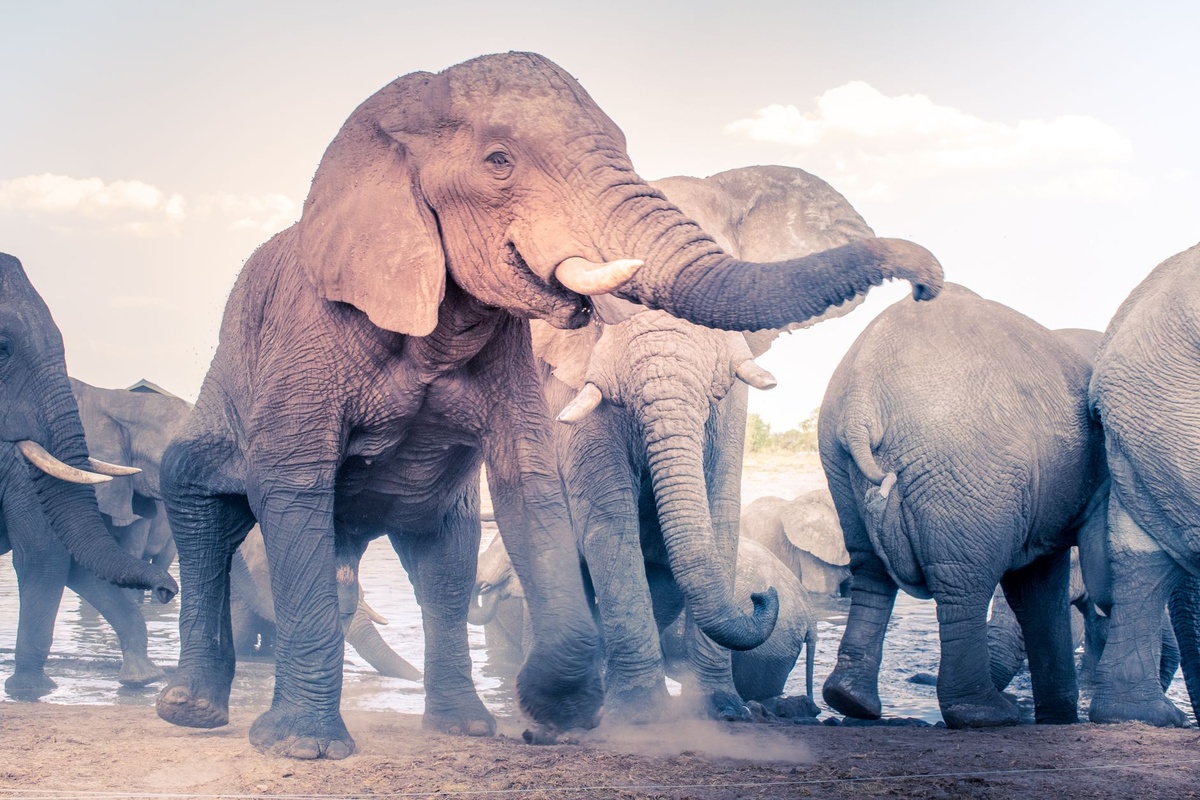
Savuti’s open marsh and elephant country feel completely different from the Okavango’s reed-lined channels. Predator sightings can be excellent, but the main reason to include Savuti is logistical: it connects Moremi with Chobe without returning to Maun.
Pack electronics in dustproof pouches. A phone lying on an open charging shelf can accumulate enough Kalahari dust to clog its USB port after one day.
Day 6: Savuti to Kasane Through Chobe
Leave at dawn for northern Chobe, watching the landscape change from dry woodland to the Chobe River floodplain. The Savuti–Kasane distance is roughly 170 km, but allow six to eight hours with wildlife stops.
Arrive in Kasane during the afternoon and check into Chobe Safari Lodge, Travelodge Kasane or River View Lodge. Chobe Safari Lodge is busiest but wins on location: its jetty places you directly on the river rather than requiring a transfer across town.
Kasane taxis generally charge €4–€8 for short trips, compared with €20–€35 for a prearranged airport transfer. The airport is only about 5 km from central Kasane, so skip the expensive private transfer unless it is included.
Day 7: Chobe Game Drive and River Cruise
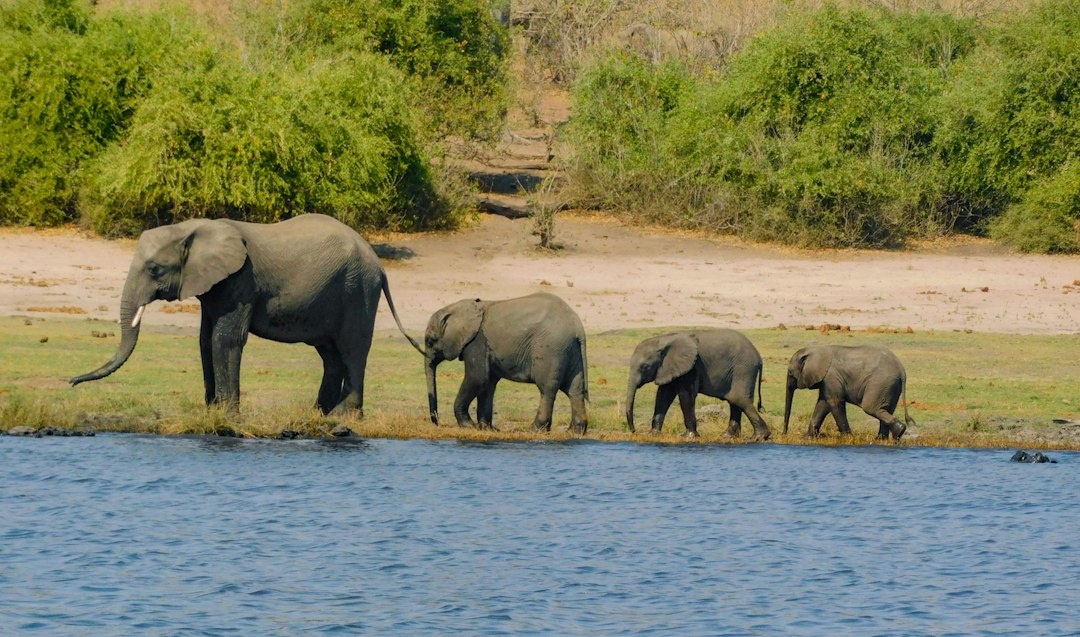
Book the morning game drive for elephants, lion and buffalo, then take the afternoon boat cruise for hippo, crocodile and herds drinking along the river. Each shared activity costs approximately €60–€80 and lasts three to four hours.
If you can afford only one, choose the boat. After three days in a 4×4, the river offers a genuinely different perspective and better close-range photography than another crowded drive along the waterfront road.
Shared safari vehicles usually carry six to nine passengers. A private vehicle costs roughly €300–€450, so it makes financial sense only for a group of four or photographers who need control over positioning.
Eat at The Old House, where mains cost approximately €12–€20. Chobe Safari Lodge’s buffet is convenient but can exceed €30; I would pay for it only if you want variety after several nights of camp cooking.
Day 8: Fly Kasane to Johannesburg
Kasane Airport is a 10–15-minute drive from most central hotels. Arrive 90 minutes before departure for the approximately 1 hour 45 minute flight to Johannesburg.
Airlink and Air Botswana fares commonly fall between €150 and €260 one-way in September. Morning flights provide a safer connection to Europe, but I would still schedule at least four hours before a separately ticketed long-haul departure.
If your international flight leaves before 18:00, stay overnight in Johannesburg rather than gambling on a same-day connection. An airport hotel at €80–€130 is cheaper than replacing a missed €700 long-haul ticket.
September 2026 Lodge and Safari Price Comparison
September behaves like peak season in Botswana, not bargain shoulder season. While Mediterranean hotels begin discounting after summer, Delta camps charge dry-season premiums because wildlife viewing is at its most reliable.
| Property or product | Location | September 2026 planning rate | Included | Best for |
|---|---|---|---|---|
| Sedia Riverside Hotel | Maun | €105–€135 per room/night | Room; breakfast varies by rate | Pool and quiet gardens |
| Cresta Maun | Maun | €120–€160 per room/night | Room, often airport shuttle | Short overnight stays |
| Oddballs’ Camp | Okavango Delta | Approximately €560–€720 per person/night | Meals and activities; charter usually extra | Lower-cost permanent Delta camp |
| Moremi Crossing | Okavango Delta | Approximately €780–€980 per person/night | Meals, drinks and camp activities | Full fly-in lodge experience |
| Shared mobile safari | Moremi–Savuti–Chobe | €1,250–€1,500 per person for 3 nights | Camping, guide, meals, vehicle and most fees | Best value and most drive time |
| Chobe Safari Lodge | Kasane | €190–€280 per room/night | Room; meal plan depends on booking | Riverfront location |
| Travelodge Kasane | Kasane | €105–€150 per room/night | Room and usually breakfast | Lower-cost comfort |
Rates are for September 2026 planning and generally assume two people sharing. Check direct hotel websites, SafariBookings, and one consolidated page for hotels in Kasane before paying a deposit.
The arithmetic is decisive. Three nights at a €850-per-person Delta lodge cost €2,550 before bush flights, versus approximately €1,370 for a three-night mobile safari that transports you toward Kasane.
Flight, Transfer and Driving Options Compared
| Route or option | Distance | Duration | September 2026 price | Verdict |
|---|---|---|---|---|
| Johannesburg–Maun flight | Approximately 840 km | 1 hr 40 min | €180–€280 one-way | Fastest practical entry |
| Maun–Delta light aircraft | 60–150 km depending on camp | 20–45 min | €180–€350 each way | Beautiful but expensive |
| Maun–Kasane paved-road shuttle | Approximately 600 km | 8–10 hr | €55–€100 | Cheap, but bypasses the parks |
| Maun–Moremi–Chobe mobile safari | Approximately 280–350 km off-road | 4 days / 3 nights | €1,250–€1,500 | Best first-timer route |
| Maun–Kasane scheduled flight | Approximately 300 km | 1 hr | €130–€220 | Choose if skipping Moremi |
| Kasane–Johannesburg flight | Approximately 980 km | 1 hr 45 min | €150–€260 one-way | Best exit route |
Skip a standard Maun–Kasane shuttle if this is your first visit. It saves money but travels mainly through Nata on public roads, whereas the mobile-safari route turns the transfer into three days of wildlife viewing.
Self-driving is not the clever budget hack it appears to be. A equipped 4×4 can cost €140–€220 per day before fuel, camping fees and recovery equipment, while deep sand and unmarked junctions make Moremi a poor place to learn off-road driving.
The Costed $5,000 Safari Budget
This sample budget assumes one traveler sharing rooms and a safari tent, starting in London. Travelers beginning in Johannesburg can subtract approximately €735, while departures from North America may add €250–€600.
| Expense | September 2026 cost per person | Notes |
|---|---|---|
| London–Johannesburg return flight | €735 | Economy planning fare with checked luggage |
| Johannesburg–Maun and Kasane–Johannesburg | €430 | Open-jaw regional flights |
| Two Maun lodge nights | €124 | €248 room split between two people |
| Okavango mokoro day trip | €135 | Shared transfer, guide and lunch |
| Delta scenic flight | €165 | Shared fixed-wing seat |
| Three-night mobile safari | €1,370 | Moremi, Savuti and Chobe; meals and core fees included |
| Two Kasane lodge nights | €224 | €224 per room/night split between two |
| Chobe drive and boat cruise | €142 | Two shared activities |
| Meals outside the safari | €180 | Approximately €30 per town day |
| Insurance | €150 | Must include medical evacuation |
| Tips | €170 | Guide, camp crew and activity staff |
| Local taxis and transfers | €40 | Maun and Kasane |
| eSIM or local data | €18 | Coverage is strongest in towns |
| Contingency | €220 | Rate changes, laundry and card fees |
| Total | €4,103 / approximately $4,800 | Leaves roughly $200 below the $5,000 ceiling |
The scenic flight is the easiest €165 to cut. Do that and choose Travelodge over a riverfront room in Kasane, and the same itinerary falls toward €3,800.
Do not cut medical evacuation insurance. Remote camps may be a charter flight and several hours of driving from the nearest hospital, making a €150 policy far more valuable than an upgraded room.
Park Hours, Reservations and September Timing
Moremi and Chobe access generally follows daylight, with September operations commonly around 06:00–18:30. Gates can adjust opening times, and late return penalties are possible, so confirm the current schedule with Botswana’s Department of Wildlife and National Parks or your operator.
Maun Airport’s terminal operates around scheduled flights rather than as a useful 24-hour waiting space. Kasane activity desks commonly open around 07:00 and close between 18:00 and 20:00, but early drives must be booked the previous day.
September’s dry conditions make game viewing excellent but campsites dusty and heavily booked. Reserve in this order:
- Mobile safari: six to nine months ahead because fixed departures have limited seats.
- Regional flights: four to seven months ahead, especially Friday and Sunday services.
- Maun and Kasane hotels: three to six months ahead.
- Mokoro and scenic flight: reserve before arrival, but keep the scenic flight flexible for weather.
- Restaurants: book riverfront tables one or two days ahead.
September is “shoulder season gold” in many destinations, but Botswana is the exception. It combines peak wildlife visibility with high-season lodge pricing; October is hotter, while November can be cheaper but brings increasing rain risk.
Travel Tech That Actually Helps in Botswana
Download Organic Maps for offline Maun and Kasane navigation, but use Tracks4Africa if self-driving. Google Maps is adequate in town and unreliable on changing Delta tracks.
Install airline apps and save every voucher as a PDF. Lodge Wi-Fi may work only around reception, while mobile camps can have no signal for three consecutive days.
An Airalo regional eSIM can keep a phone connected in Maun, Kasane and Johannesburg, but do not expect continuous service in Moremi or Savuti. A local Mascom SIM may offer better domestic value, although registration requires a passport and shop visit.
Bring a 20,000mAh power bank, two short charging cables and a Botswana/South Africa Type M adapter. Safari vehicles often provide one shared inverter; six guests competing for two sockets is common.
Use airplane mode during drives and carry binoculars rather than viewing everything through a phone. If you rely on wireless audio during long connections, this explainer on travel-friendly Wi-Fi earbuds covers where newer hardware may improve airport and in-flight listening.
Common Botswana Safari Planning Mistakes
Assuming September is discounted shoulder season
September is cheaper in parts of Europe, not in the Okavango. Permanent camps can cost 30–60% more than green-season rates because water and wildlife conditions are dependable.
Booking Maun and Kasane as return trips
Flying into and out of Maun forces unnecessary backtracking. An open-jaw route—into Maun and out of Kasane—saves approximately one full day, even if the airfare is €50 more.
Comparing safari quotes without checking inclusions
A €1,150 safari excluding park fees, drinks and Kasane transfer may cost more than a €1,370 all-inclusive departure. Ask for a line-by-line list covering fees, bedding, water, meals and airport transfers.
Packing only for hot weather
A 13°C dawn feels cold in an open vehicle traveling at 40 km/h. Pack a fleece, light down jacket and buff, then remove layers as temperatures climb above 30°C.
Using a hard-shell suitcase
Light aircraft and safari vehicles have restricted storage. Use a soft-sided duffel under 15–20 kg; rigid cases may be refused or left in Maun storage.
Scheduling a tight same-day international connection
Bush flights and safari transfers move with weather and operational constraints. A four-hour Johannesburg buffer is the minimum on separate tickets; overnight is safer.
Expecting constant internet
Moremi and Savuti can be completely offline. Share your itinerary before leaving Maun and enable automatic cloud backup only when connected to lodge Wi-Fi, not over expensive roaming data.
Final Verdict: Is Eight Days Enough?
Eight days is enough for a first Botswana safari if the route moves in one direction. Two nights in Maun, a three-night Moremi–Savuti–Chobe mobile safari and two nights in Kasane provide water, woodland and river habitats without turning every day into an airport transfer.
The winning compromise is simple: use lodges where competition keeps prices moderate, and camp where permanent accommodation becomes expensive. September will not deliver bargain Delta rates, but it delivers exceptional wildlife conditions—and this plan keeps the complete trip just under $5,000.
Save the budget table, request matching quotes from at least three mobile-safari operators, and book the Maun arrival and Kasane departure before the best September dates disappear.
Frequently Asked Questions
How much does an eight-day Botswana safari cost in September?
A mixed lodge and mobile-camping itinerary costs approximately €3,350 from Johannesburg or €4,103/$4,800 including estimated London flights. A comparable fly-in lodge trip can exceed €7,000 per person.
Is September a good time to visit the Okavango Delta?
Yes. September offers dry roads, concentrated wildlife and remaining floodwater in many Delta channels, with typical temperatures of 12–34°C. It is also peak season, so prices are higher and camps should be booked six to nine months ahead.
Can you travel from Maun to Chobe through Moremi?
Yes, with a guided 4×4 mobile safari following a Maun–Moremi–Savuti–Chobe route over three or four days. The off-road distance is approximately 280–350 km, but deep sand makes it unsuitable for an inexperienced self-driver.
Is a mokoro trip or scenic flight better in the Okavango?
Choose the €125–€155 mokoro trip for an immersive, quiet Delta experience; choose the €150–€190 scenic flight for the clearest overview of its channels and islands. If the budget allows, they complement rather than duplicate each other.
How many game drives are included in this Botswana itinerary?
The mobile safari provides roughly six game-drive sessions plus wildlife viewing during transfer days. Day seven adds one three-to-four-hour Chobe drive and one river cruise, producing more viewing time than a typical lodge-only itinerary.
About the Author: Tomáš Bzirský
Founder and editor of Distratech. Based in the Czech Republic, travelling regularly from Central Europe. Writes practical travel guides and travel-tech comparisons (eSIM, apps, airports) in six languages.