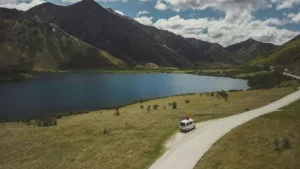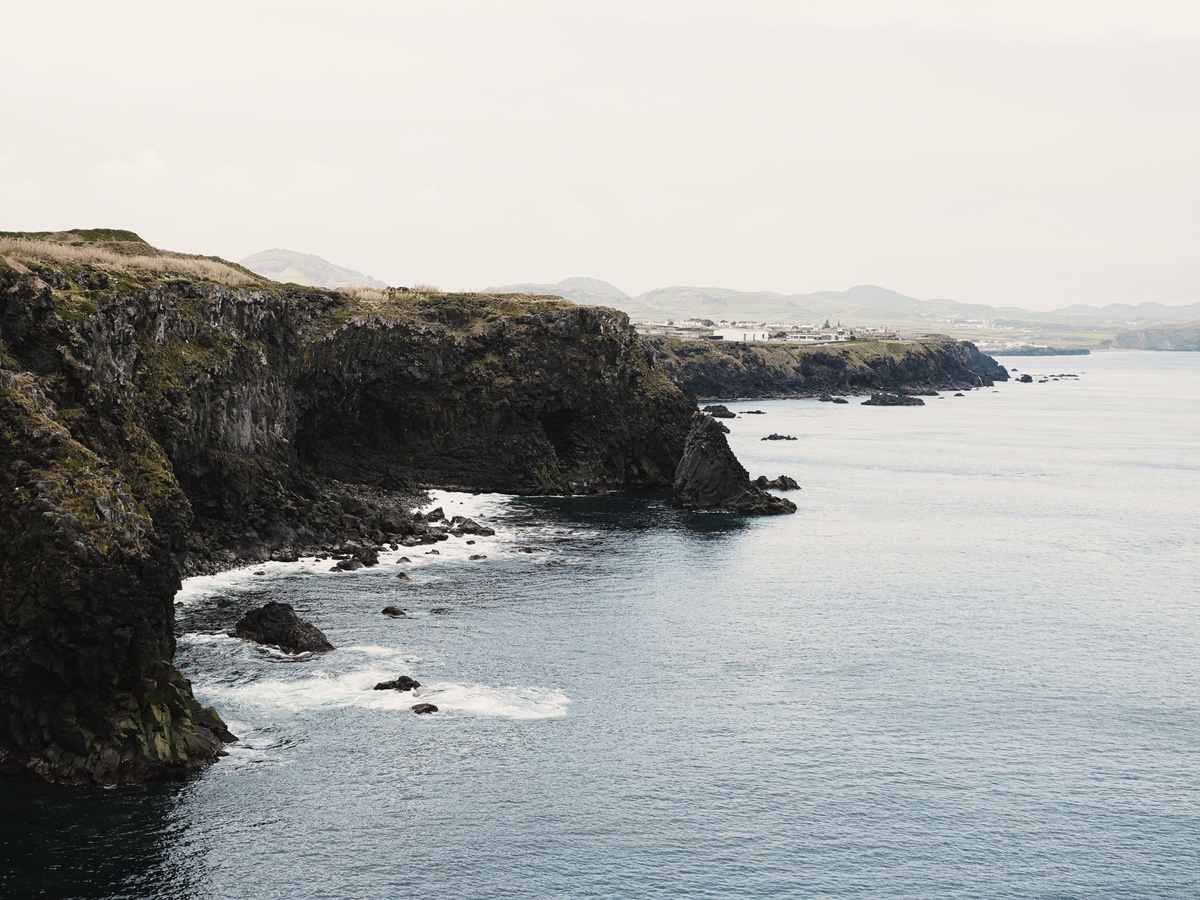
September is the rare month when Iceland’s geothermal lagoons, the Azores’ subtropical thermal pools, and the Japanese Alps’ mountain onsen all make sense at once. The trade-off is sharper than the postcard suggests: Iceland has the wildest scenery and highest prices, the Azores deliver the best-value bathing, while Japan offers the richest hot-spring culture but the greatest exposure to heavy rain and holiday crowds.
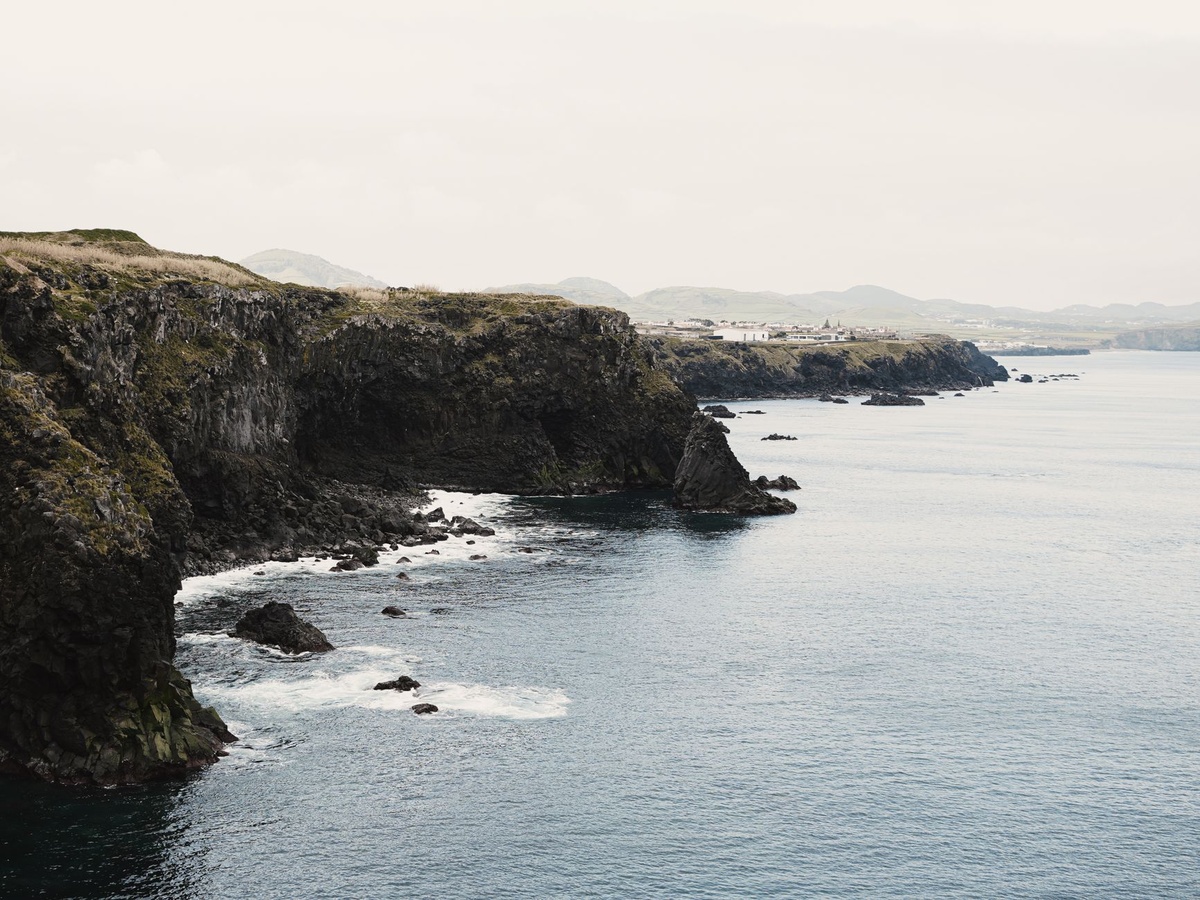
Key Takeaways
- The Azores offer the lowest seven-night ground cost at about €895 ($1,047) per person, versus €1,305 ($1,527) in Japan and €1,670 ($1,954) in Iceland.
- Iceland’s lagoons average 38–40°C, Azorean pools range from 25–40°C, and Japanese onsen commonly run 40–43°C.
- Avoid the Japanese Alps around September 19–23, 2026, when national holidays amplify crowds and accommodation prices.
- The Azores stay warmest at roughly 24°C by day, while Iceland averages only 11°C and alpine nights in Japan can fall below 10°C.
- Book Iceland’s premium lagoons 2–4 weeks ahead, Poça da Dona Beija several days ahead, and Japanese ryokan 6–10 weeks ahead.
Key Numbers at a Glance
| September measure | Iceland | São Miguel, Azores | Japanese Alps |
|---|---|---|---|
| Typical daytime temperature | 9–12°C | 22–25°C | 19–26°C in towns; 13–20°C higher up |
| Typical night temperature | 5–8°C | 17–20°C | 8–17°C, depending on altitude |
| September rainfall | About 85–100 mm | About 75–100 mm | About 180–260 mm |
| Typical bathing temperature | 38–40°C | 25–40°C | 40–43°C |
| Main airport-to-base distance | KEF–Reykjavík: 50 km | PDL–Furnas: 47 km | Tokyo–Takayama: about 300 km by rail |
| Seven-night cost per person | €1,670 ($1,954) | €895 ($1,047) | €1,305 ($1,527) |
| Best for | Dramatic scenery | Value and warm weather | Traditional bathing culture |
Weather figures are long-term September planning ranges rather than forecasts. Costs are September 2026 planning prices, based on two people sharing, and use €1 = approximately $1.17, ISK 160 or ¥185.
The Quick Verdict: Which Hot-Spring Destination Should You Choose?
- Choose Iceland if volcanic landscapes, cold-air bathing and easy-to-book premium lagoons matter more than price.
- Choose the Azores if you want warm hiking weather, multiple inexpensive thermal pools and the lowest overall bill.
- Choose the Japanese Alps if bathing etiquette, ryokan dinners and atmospheric mountain towns are central to the trip.
- Choose Iceland over Japan if tattoos or mixed-gender bathing are concerns; Icelandic lagoons are simpler and almost universally swimsuit-based.
- Choose Japan over Iceland if you want hot springs attached to your accommodation rather than a series of separately ticketed attractions.
My overall September winner is São Miguel in the Azores. It costs roughly €775 less per person than Iceland, daytime temperatures are about 13°C warmer, and several baths stay open after dark.
Japan wins for the actual bathing experience. Iceland wins for spectacle, but skip the idea that every expensive lagoon is automatically authentic: municipal pools and remote baths often provide better value.
Water Temperatures: Lagoons, Iron Pools or Proper Onsen?
Iceland: Consistent 38–40°C Water, Even in Cold Rain
Iceland’s commercial lagoons deliberately maintain water around 38–40°C. That controlled temperature is useful in September, when wind can make an 11°C afternoon feel closer to 6°C.
Blue Lagoon, 20 minutes from Keflavík Airport, generally sits between 37°C and 40°C. September 2026 entry is dynamically priced, with basic admission commonly starting around ISK 11,990, or €75 ($88), and rising above €100 at popular times.
Hvammsvík Hot Springs, 56 km north of Reykjavík, is more interesting. Its eight pools range from approximately 10°C to 42°C, and the lower pools can change temperature as seawater enters with the tide.
Book Hvammsvík over Blue Lagoon if you have a car. Blue Lagoon is convenient after a flight, but Hvammsvík has a stronger sense of place, fewer airport layover groups and better contrast between hot water and Hvalfjörður’s cold shoreline.
Sky Lagoon, 8 km from central Reykjavík, keeps its infinity pool near 38–40°C. Its seven-step ritual adds a cold plunge, sauna, mist and scrub, but you are paying for choreography: expect around ISK 14,990, approximately €94 ($110), for an entry package including the ritual.
The Azores: More Variation and Better Value
São Miguel has the broadest temperature range. Terra Nostra’s iron-rich thermal pool usually measures 35–40°C, while Caldeira Velha combines a roughly 38°C upper pool with cooler cascades closer to 25–30°C.
Poça da Dona Beija is the island’s easiest evening soak. Most pools stay around 39°C, and sessions run late enough to bathe under the forest canopy after dinner.
Ferraria is different: geothermal water mixes with the Atlantic in a natural ocean pool. At low tide it can approach 28–30°C near the warm-water vents, versus an open-ocean temperature near 23–24°C in September; at high tide, the heating effect can be negligible.
Skip Ferraria if the tide, wind and swell do not line up. Drive 25 minutes to Mosteiros for the sunset, then reserve Poça da Dona Beija for a predictable 39°C soak instead.
Japanese Alps: Hottest Water and the Most Traditional Experience
Japanese onsen commonly keep indoor pools at 41–43°C, noticeably hotter than Icelandic lagoons. Outdoor rotenburo may feel slightly cooler, especially after mountain rain or on a 9°C evening in Okuhida.
Hirayu no Mori in Hirayu Onsen has multiple indoor and outdoor pools fed by natural hot-spring water. Admission is typically ¥700, around €3.80 ($4.45), for access from approximately 10:00 to 21:00, although cleaning or maintenance can change individual pool availability.
Kamikochi Onsen Hotel normally offers limited daytime bathing to non-guests for about ¥1,000, or €5.40 ($6.30), often between 12:30 and 15:00. The short access window makes it less flexible than an Icelandic lagoon, but the mountain setting is far more intimate.
| Bath, September 2026 planning price | Water temperature | Entry in local currency | Price in EUR / USD | Typical hours |
|---|---|---|---|---|
| Blue Lagoon, Iceland | 37–40°C | From ISK 11,990 | €75 / $88 | Usually 07:00–22:00; seasonal |
| Hvammsvík, Iceland | 10–42°C | About ISK 12,900 | €81 / $95 | Usually 10:00–21:00 |
| Terra Nostra, Azores | 35–40°C | About €17 | €17 / $20 | Approximately 10:30–16:30 |
| Poça da Dona Beija, Azores | About 39°C | About €8 | €8 / $9 | Approximately 08:30–23:00 |
| Caldeira Velha, Azores | 25–38°C | About €10 | €10 / $12 | Approximately 09:00–18:30 |
| Hirayu no Mori, Japan | About 40–43°C | ¥700 | €3.80 / $4.45 | Approximately 10:00–21:00 |
| Kamikochi Onsen Hotel, Japan | About 40–42°C | ¥1,000 | €5.40 / $6.30 | Day bathing often 12:30–15:00 |
Opening hours and dynamic prices should be confirmed directly before departure. For the Azores, use the official Azores natural parks portal and Poça da Dona Beija booking site.
September Rain and Mountain Weather Compared
Iceland: Frequent Showers, Strong Wind and Fast Changes
Reykjavík receives roughly 85–100 mm of rain during September, spread across approximately 13–16 days. That is less total water than the Japanese Alps, but Icelandic wind makes marginal weather more disruptive.
Expect average highs near 11°C and lows around 6°C. Daylight shrinks from nearly 14.5 hours at the beginning of September to about 11.5 hours by month-end, versus roughly 12 hours throughout the month in the Azores and Japan.
Use Vedur.is for wind and precipitation, and check SafeTravel Iceland before driving. Google Maps may show a road as technically open without communicating dangerous crosswinds or sudden mountain closures.
The Reykjanes Peninsula also remains volcanically active. Blue Lagoon and nearby roads can close with limited notice, so do not build a non-refundable itinerary around a same-day airport soak.
The Azores: Warm, Humid and Changeable Rather Than Cold
Ponta Delgada averages approximately 22–25°C by day and 17–20°C at night. September rainfall usually lands around 75–100 mm, although tropical systems can produce a large share of that total in one or two bursts.
São Miguel’s microclimates are the practical issue. Sete Cidades can be buried in cloud while Furnas, 45 km away, remains sunny; driving between them takes about an hour.
Check the live webcams on SpotAzores before crossing the island. This is much more useful than committing to a rigid clockwise itinerary based on a generic phone forecast.
The Azores are also the least punishing if rain arrives. A 23°C shower followed by a 39°C pool is easier to manage than horizontal Icelandic rain or a slippery alpine descent.
Japanese Alps: The Highest Rainfall and Biggest Altitude Shift
Takayama can receive roughly 180–260 mm of September rainfall, with average highs around 25°C and lows near 16°C. Kamikochi, at about 1,500 metres, is often 5–8°C cooler; exposed ridges above 2,500 metres can approach freezing overnight.
September remains part of Japan’s typhoon season. A storm does not need to pass directly over Gifu or Nagano to cancel trains, stop buses or make mountain trails unsafe.
Use the Japan Meteorological Agency, Tenki.jp and YAMAP rather than relying only on a global weather app. For bus disruption, check Alpico and Japan Bus Online.
Skip exposed summit objectives if thunderstorms or typhoon remnants are forecast. The forest path between Taisho Pond and Kappa Bridge is approximately 4 km and takes 75–90 minutes, making it a much safer wet-weather alternative to a high ridge.
Crowds: September Is Shoulder Season—Except When It Isn’t
Iceland’s biggest summer crowds decline after the first week of September, but Blue Lagoon, Sky Lagoon and the Golden Circle remain busy. A 07:00–09:00 entry is typically calmer than 14:00, when day tours converge.
The Azores see fewer families once European schools restart. Furnas and Sete Cidades are still popular, but parking and restaurant reservations become easier than in August, while the ocean remains warm enough for swimming.
Japan requires the most calendar awareness. Respect for the Aged Day falls on September 21 in 2026, and the Autumnal Equinox holiday falls on September 23; many domestic travelers may take September 22 off to create a longer break.
Avoid staying in Kamikochi or Okuhida from September 19–23 if price matters. A ryokan room that costs ¥30,000 (€162) for two on a quiet weekday can rise toward ¥45,000 (€243), while popular highway buses may sell out.
Late September brings the first hints of color at higher elevations in Japan, but peak foliage around Kamikochi usually comes later. Do not pay October-level room rates expecting full autumn color in mid-September.
Bathing Etiquette: The Differences That Can Catch You Out
Iceland
You must shower thoroughly without a swimsuit before entering Icelandic pools. The shower area may be communal, although premium lagoons increasingly offer private cubicles.
Swimsuits are required in the water, unlike Japan. Hair should be tied back, phones belong in lockers, and glass bottles are prohibited; swim-up bars generally use electronic wristbands.
The Azores
Swimsuits are required, and you should rinse before entering. Terra Nostra and Poça da Dona Beija contain iron-rich water that can permanently stain pale swimwear orange-brown.
Bring an old dark swimsuit and cheap sandals. A €15 white swimsuit ruined at Terra Nostra costs almost twice as much as entry to Poça da Dona Beija.
Do not use soap or shampoo in natural pools. At Ferraria, water shoes improve grip, but enter only when sea conditions are safe and obey closure signs.
Japanese Alps
Most Japanese onsen are gender-separated and entered completely naked. Wash while seated at the shower stations, rinse away all soap, then enter the bath without letting your small towel touch the water.
Tattoo rules vary. Small tattoos may be accepted or covered with a patch, while other facilities refuse all tattoos; a private family bath, called kashikiri-buro, is the safest option.
Do not photograph the bathing area, even if it appears empty. At a ryokan, wear the provided yukata left side over right—the reverse overlap is associated with dressing the deceased.
Seven-Night Costs: What the Trip Really Costs
The fairest comparison excludes long-haul flights, because a Boston traveler and a London traveler face completely different airfare. These budgets cover seven nights for two adults sharing a room, then show the per-person total.
| September 2026 cost | Iceland: Reykjavík + Hvalfjörður | Azores: São Miguel | Japan: Takayama + Okuhida |
|---|---|---|---|
| Seven nights’ accommodation | €1,470 | €770 | €1,240 |
| Transport and fuel for two | €700 | €380 | €570 |
| Hot-spring admissions | €390 | €100 | €90 |
| Food for two | €780 | €530 | €710 |
| Total for two | €3,340 / $3,908 | €1,790 / $2,094 | €2,610 / $3,054 |
| Total per person | €1,670 / $1,954 | €895 / $1,047 | €1,305 / $1,527 |
Why Iceland Costs More
A comfortable Reykjavík double commonly costs €190–240 per night in September, versus €90–125 around Furnas. A compact Icelandic rental car can run €70–95 per day before fuel and insurance, roughly double a basic São Miguel rental.
Food widens the gap. At Messinn in Reykjavík, expect ISK 4,500–6,000 (€28–38) for a fish main, while Tony’s in Furnas serves hearty regional dishes such as cozido for roughly €18–25.
Save by eating one serious restaurant meal per day, then using bakeries and supermarkets. Skip daily convenience-store snacking: four drinks and sandwiches can quietly exceed €35.
Why Japan Is Not as Cheap as Its Bathhouses
Public onsen admission may cost only €4–6, but ryokan lodging carries the experience. A good Okuhida room with dinner and breakfast often costs ¥30,000–45,000 (€162–243) for two.
Those meals replace two restaurant bills, so compare inclusions rather than headline room rates. At a business hotel in Takayama, a double might cost €85–120, but dinner and breakfast for two can add €45–70.
Transport Reality
Keflavík Airport to Reykjavík is 50 km and about 45 minutes by car. Flybus costs roughly ISK 4,999 (€31) each way, versus a taxi that can exceed ISK 20,000 (€125).
Ponta Delgada Airport to Furnas is 47 km and approximately 45 minutes. A rental car may cost €40–55 daily, while a taxi is roughly €45–60 each way and leaves you dependent on limited intercity buses.
Tokyo to Takayama takes about 4 hours 10 minutes via Nagoya and costs around ¥15,000–17,000 (€81–92) one way. Tokyo to Matsumoto is about 2 hours 40 minutes, followed by a roughly 90-minute bus to Hirayu Onsen.
A Costed Seven-Night Plan for Each Destination
Iceland: Seven Nights for Scenery First
- Days 1–2: Reykjavík, a municipal pool and Sky Lagoon; use the public bus or a €20–25 taxi rather than renting immediately.
- Days 3–4: Pick up a car, drive 56 km to Hvammsvík, then stay around Hvalfjörður.
- Days 5–6: Explore the Golden Circle and Secret Lagoon, where admission is generally around €25 rather than €75–95.
- Day 7: Reykjanes if conditions permit; keep Blue Lagoon optional because volcanic closures can disrupt access.
Budget €210 per room-night, €100 per person daily for food, transport and activities, and an extra €100 contingency for weather changes. Skip trying to circle the entire Ring Road in seven September nights; 1,300 km plus changing weather turns the trip into a windscreen tour.
São Miguel: The Best-Value Seven Nights
- Days 1–3: Stay in Furnas for Terra Nostra, Poça da Dona Beija and the fumaroles.
- Day 4: Drive 25 km to Caldeira Velha, then continue to Lagoa do Fogo if webcams show clear conditions.
- Days 5–6: Base in Ponta Delgada for Sete Cidades, Mosteiros and Ferraria.
- Day 7: Keep a flexible weather day for whichever crater viewpoint was cloudy earlier.
Allow €110 per room-night, €50 daily for the car and fuel, and €35–45 per person for food. Reserve Terra Nostra’s pool early in the day and Poça da Dona Beija after dark; doing both creates a stronger contrast than repeating daytime baths.
At Tony’s, order cozido cooked using Furnas’ geothermal heat, but share it if portions are large. For a more polished dinner, À Terra at Furnas Boutique Hotel costs roughly €30–45 per person, versus €20–30 at casual village restaurants.
Japanese Alps: The Best Cultural Seven Nights
- Days 1–2: Travel from Tokyo to Matsumoto and visit the castle before continuing west.
- Days 3–4: Stay in Hirayu or another Okuhida onsen village, including one ryokan night with dinner and breakfast.
- Day 5: Take the bus to Kamikochi and walk the 4 km Taisho Pond–Kappa Bridge route.
- Days 6–7: Continue to Takayama for its old town, morning markets and easier-value accommodation.
Budget €100 per night for city hotels, €190–240 for one ryokan night for two, and €40–55 per person daily for food and buses. At Suzuya in Takayama, a Hida beef and hoba-miso meal generally costs around ¥2,000–3,500 (€11–19), far less than a full ryokan dinner.
If you prefer train-based trips with less mountain-bus complexity, Distratech’s comparison of accessible Italian rail weekends offers a useful alternative framework for low-effort September travel.
Where to Stay: My Specific Picks
Iceland: Center Hotels Plaza is practical rather than romantic, but its downtown Reykjavík location saves taxi fares; September doubles commonly fall around €190–230. For Hvalfjörður, Hotel Glymur provides fjord views and easier Hvammsvík access, usually from approximately €210.
Azores: Hotel Vale Verde in Furnas is a sensible €80–110 base if you would rather spend money on food and baths. Furnas Boutique Hotel is the upgrade, often €190–260, with its own thermal facilities.
Japan: Stay one night at a traditional Okuhida ryokan such as Miyama Ouan, then switch to a simpler Takayama hotel. Two or three consecutive ryokan dinners can become repetitive and expensive; one excellent kaiseki evening is enough for most seven-night trips.
Booking, Connectivity and Practical Tech
Iceland’s best lagoon times should be reserved 2–4 weeks ahead, while Japanese ryokan need 6–10 weeks around holidays. Poça da Dona Beija uses timed sessions and can sell out several days ahead even when the island itself feels quiet.
European Union mobile plans usually roam normally in the Azores, while Iceland is within the European Economic Area but not the EU. Confirm fair-use limits; UK and North American plans may charge daily roaming fees.
For Japan, install an eSIM before flying. Nomad is one option, but verify that your phone is carrier-unlocked and download offline maps because mountain buses and valleys can have patchy reception.
- Save hotel addresses in the local language for Japanese bus drivers.
- Download offline Google Maps for Iceland and São Miguel before leaving Wi-Fi.
- Keep screenshots of timed bath reservations in case mobile service fails.
- Carry a small power bank; navigation and weather apps drain batteries quickly in cold conditions.
- Use a waterproof phone pouch only outside bathing areas—phones are inappropriate in Japanese onsen.
Common Mistakes to Avoid
Booking Every Day Too Tightly
A rigid São Miguel itinerary ignores microclimates, while a rigid Japanese mountain plan ignores typhoons. Leave at least one movable day; changing a €10 bath reservation is cheaper than hiking into unsafe weather.
Assuming “Hot Spring” Means the Same Thing Everywhere
Icelandic lagoons often resemble upscale spas, Azorean baths range from landscaped pools to ocean rocks, and Japanese onsen are ritualized communal baths. Travelers expecting cocktails and swimsuits in Japan will be disappointed.
Taking Pale Swimwear to Furnas
Iron-rich water can discolor fabric after one session. Wear an old black or navy swimsuit, versus sacrificing a new €50 suit to a €17 bath.
Ignoring Japanese Holidays
September 19–23, 2026 is the month’s danger zone for prices and bus availability. Shift the Alps portion to September 7–17 or September 24–30 for calmer stays.
Underestimating Icelandic Wind
A forecast of 10°C and light rain sounds manageable, but 15–20 m/s winds can close roads and make outdoor sightseeing unpleasant. Compare wind speed as carefully as temperature.
Overpaying for Famous Baths
Blue Lagoon can cost ten times as much as Hirayu no Mori. Pay for it only if the silica-water landscape is a priority; otherwise, choose Hvammsvík plus a Reykjavík municipal pool for greater variety.
Final Ranking for September 2026
Best overall: the Azores. São Miguel combines 24°C afternoons, €8–17 thermal baths, manageable driving distances and a seven-night bill below €900 per person.
Best for culture: the Japanese Alps. Nothing in Iceland or the Azores matches a quiet rotenburo followed by a ryokan dinner, but avoid the September 19–23 holiday period and build in a storm buffer.
Best for cinematic landscapes: Iceland. Cold rain, steaming water and volcanic terrain create the strongest visual drama, but expect to spend nearly twice the Azores budget.
Pick the Azores for relaxed value, Japan for ritual and Iceland for spectacle—then reserve your key bath before booking non-refundable rooms. September’s shoulder-season advantage is real, but only travelers who plan around weather, holidays and timed entry get the best of it.
Frequently Asked Questions
Which destination has the warmest hot springs in September?
Japanese onsen are usually hottest at 40–43°C, compared with 38–40°C in Iceland and 25–40°C in the Azores. Japan feels hottest in the water, while Iceland creates the strongest contrast with cold outdoor air.
How much does a seven-night September hot-spring trip cost?
Excluding international flights, budget approximately €895 ($1,047) per person for São Miguel, €1,305 ($1,527) for the Japanese Alps and €1,670 ($1,954) for Iceland. These figures assume two adults sharing accommodation in September 2026.
Is September too rainy for the Japanese Alps?
No, but September is one of the wetter and more typhoon-exposed periods, with roughly 180–260 mm of rain around Takayama. Keep one flexible day and avoid high trails when storm warnings are active.
Do I need to book hot springs in advance?
Book Iceland’s premium lagoons 2–4 weeks ahead and Japanese ryokan 6–10 weeks ahead. On São Miguel, reserve Poça da Dona Beija several days in advance, while less famous pools are often easier to arrange.
Which destination is easiest for first-time hot-spring visitors?
The Azores are easiest because bathing uses swimsuits, prices are low and Furnas has several pools within a few kilometres. Iceland is similarly straightforward but much more expensive, while Japan requires the most etiquette awareness.

About the Author: Tomáš Bzirský
Founder and editor of Distratech. Based in the Czech Republic, travelling regularly from Central Europe. Writes practical travel guides and travel-tech comparisons (eSIM, apps, airports) in six languages.