You booked a solo week in Tuscany. Then your sister found out, then your parents, and now there are eleven of you, ages 4 to 78, and because you “have the nice phone” you are officially the trip photographer. Nobody asked if you wanted the job.
I ran all three 2026 flagships through exactly this scenario over nine days between Florence, Siena and the Val d’Orcia in late September and early October 2026: eleven-person group shots on the Monticchiello cypress road, a six-year-old sprinting across Piazza del Campo, and a 7:45 pm dinner at Trattoria Mario where the only light was a bare bulb. Here is what actually mattered, with prices, numbers and a decision you can make before you fly.
Key Takeaways
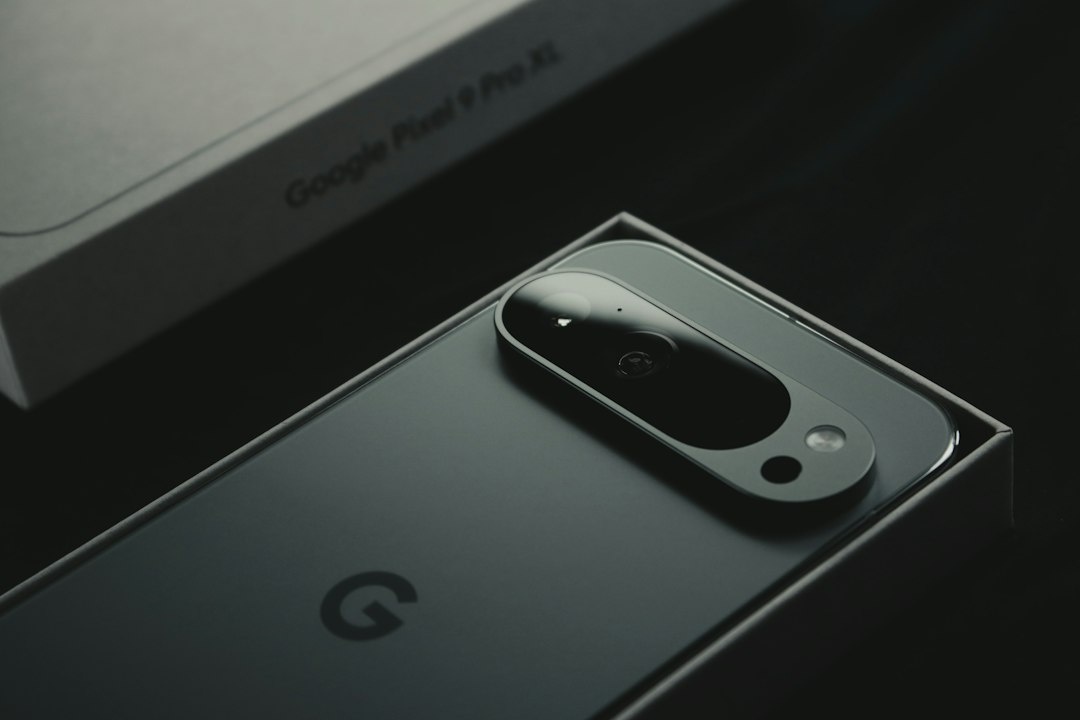
- For a solo traveler who needs to be in the family photos, the Pixel 10 Pro (€1,099 at launch, August 2025) wins on Add Me and Auto Best Take alone.
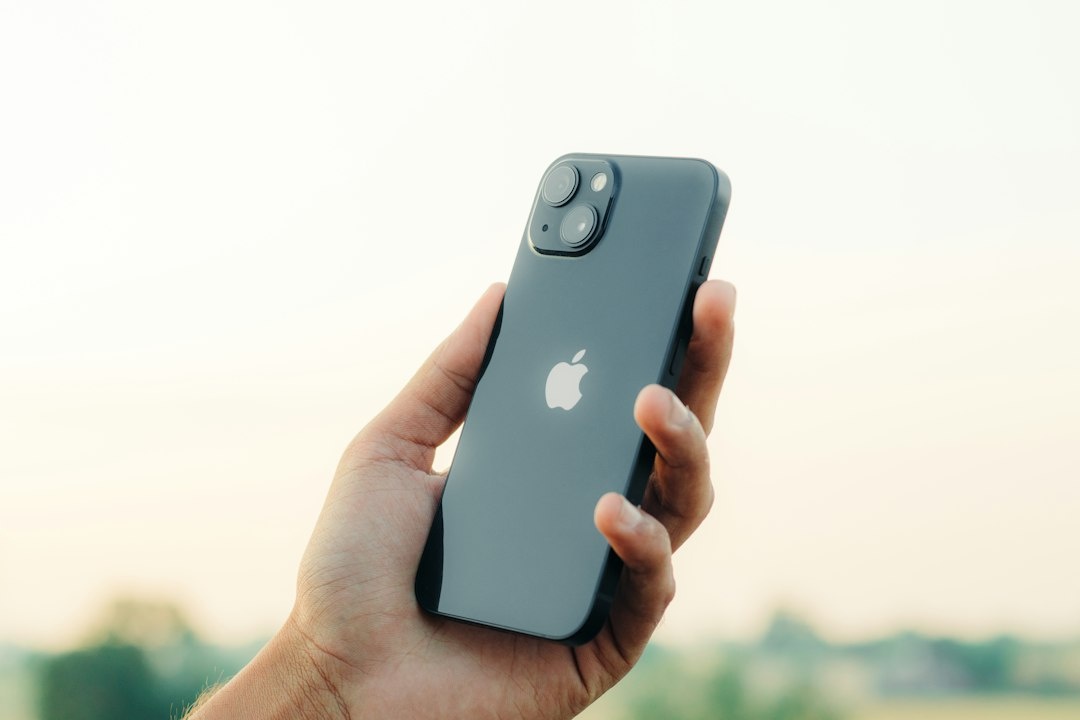
- The iPhone 17 Pro (€1,329, September 2025) has the best moving-kid autofocus and the smartest front camera for 6+ person selfies thanks to its square Center Stage sensor.
- The Galaxy S26 Ultra (€1,449, February 2026) gives you the most lens reach, which matters for candid shots of grandparents from across a piazza, but it is the heaviest and slowest to offload.
- Tuscany in October means 20°C days, harvest-gold light and sunset around 6:45 pm before clocks change on 25 October 2026, then 5:50 pm after. Plan group shots for 5:30 to 6:30 pm.
- Budget €38 to €45 for a 10 GB Italian eSIM, a 10,000 mAh power bank and a pocket tripod; it is the cheapest upgrade any of these phones will ever get.
Key Numbers at a Glance (October 2026)
| Spec | iPhone 17 Pro | Pixel 10 Pro | Galaxy S26 Ultra |
|---|---|---|---|
| Launch price, 256 GB (EU) | €1,329 (Sept 2025) | €1,099 (Aug 2025) | €1,449 (Feb 2026) |
| Street price Oct 2026 (Amazon.it / MediaWorld) | €1,189 to €1,249 | €849 to €949 | €1,199 to €1,299 |
| Main camera | 48 MP, 24 mm, f/1.78 | 50 MP, 25 mm, f/1.68 | 200 MP, 23 mm, f/1.4 |
| Ultrawide (your group-shot lens) | 48 MP, 13 mm, 120° | 48 MP, 12 mm, 123° | 50 MP, 13 mm, 120° |
| Telephoto | 48 MP 4x (100 mm), 8x crop | 48 MP 5x (113 mm), 10x crop | 50 MP 5x (111 mm) + 12 MP 3x |
| Front camera | 18 MP square sensor, auto-rotate | 42 MP, 103° FOV | 12 MP, 100° FOV |
| Battery | 4,252 mAh (US eSIM model larger) | 4,870 mAh | 5,000 mAh |
| Weight | 206 g | 207 g | 218 g |
| Burst shooting | Hold volume up (10 fps) | Top Shot via Motion Photos | Swipe shutter down (up to 100 frames) |
| Solo-photographer feature | Center Stage auto-wide selfie | Add Me (you get composited in) | Best Face + 10 s timer |
Two caveats. Galaxy S26 Ultra specs reflect the February 2026 launch model, and the US iPhone 17 Pro has a slightly larger battery than EU units because it drops the physical SIM tray. If you are buying in Italy, you get the smaller cell.
What Tuscany in October Actually Asks of a Camera
Before the spec sheet, the brief. October is the single best month to shoot this region: the vendemmia (grape harvest) is wrapping up around Montalcino and Montepulciano, the olive harvest starts in the last week, and the hills shift from scorched August beige to a soft green with gold vines. Daytime highs sit at 19 to 22°C, so nobody is squinting and sweating in your group shots.
The problem is light timing. Sunset in Florence is 6:48 pm on 1 October and 6:03 pm on 24 October, then drops to 5:50 pm after clocks go back on 25 October 2026. That means your golden-hour group shot collides directly with the 6:30 pm “the kids are hungry” meltdown. Any phone that makes you fiddle with settings loses.
Three recurring shots define the week, and they stress different hardware:
- The big group shot (11 people, cypress road at Monticchiello, 5:45 pm): needs a sharp ultrawide with corner-to-corner faces and a way to include yourself.
- The running kid (Piazza del Campo in Siena, harsh 1 pm sun, pigeons): needs subject-tracking autofocus and a fast burst you can trigger without looking.
- The dinner table (Trattoria Mario, Via Rosina 2, Florence, lunch only, 12 to 3:30 pm, closed Sunday; and candlelit agriturismo dinners): needs low-light skin tones that do not turn nonna orange.
Round 1: The Group Shot and the Ultrawide Lens
All three ultrawides are now 48 to 50 MP, which was not true two years ago. The difference is edge sharpness and distortion correction, and this is where an eleven-person line-up punishes a phone. People at the ends of the row are the ones who get stretched faces.
The iPhone 17 Pro’s 13 mm ultrawide has the cleanest geometric correction. In my Monticchiello test at 5:50 pm on 3 October, my brother-in-law at the far left edge looked like himself; on the Galaxy he gained a jaw. The Pixel 10 Pro splits the difference with the widest field of view (123°), which helps when you cannot back up any further on a 4 m wide dirt road with a Fiat Panda behind you.
Where the Pixel claws back the win is after the shutter. Its Auto Best Take quietly stitches the best expression of every face from a burst into one frame, so the shot where your dad blinked and your niece looked at a dog simply does not exist. On the iPhone and Galaxy you are still swiping through eight near-identical frames in the car.
Front cameras for the “everyone lean in” selfie
Here the iPhone is genuinely clever. Its square 18 MP front sensor detects when more faces enter the frame and automatically switches to a wider, landscape-orientation crop while you hold the phone vertically. At a café table on Via dei Neri we got seven people in without anyone doing the awkward arm-extension.
The Pixel 10 Pro’s 42 MP front camera is sharper in good light and has a 103° wide mode, but you still toggle it manually. The Galaxy’s 12 MP front camera is the weakest of the three and visibly softens at the edges once you go past five faces.
| Group-shot test (Oct 2026) | iPhone 17 Pro | Pixel 10 Pro | Galaxy S26 Ultra |
|---|---|---|---|
| Edge-face distortion, 11 people at 13 mm | Best | Good | Noticeable stretch |
| Max people in a front-camera selfie before cropping heads | 7 (auto-wide) | 7 (manual wide) | 5 |
| Fixes blinks/looking away automatically | No | Yes (Auto Best Take) | Partial (Best Face, manual) |
| Gets the photographer into the shot | Timer only | Add Me | Timer only |
| Keeper rate from 20 attempts | 14 | 18 | 12 |
Round 2: Moving-Kid Autofocus and Burst
This is the round that matters most if the “kids” in your multi-generational group are under eight. Every manufacturer claims subject tracking; in practice only two of the three nail a child running diagonally toward the lens in hard midday sun.
The iPhone 17 Pro won this clearly. Its second-gen sensor-shift stabilization plus the A19 Pro’s faster frame processing meant that of a 30-frame burst of my nephew sprinting across Piazza del Campo at 1:10 pm, 26 were tack sharp on his eyes. Hold the volume-up button and it fires at about 10 fps with no menu digging, which is exactly what you need when you have one hand holding a gelato.
The Pixel 10 Pro’s Tensor G5 is not far behind on tracking, but its burst philosophy is different. You rely on Motion Photos plus Top Shot, which picks frames from the 1.5 seconds around your tap. That works brilliantly for a jump off a low wall in San Gimignano; it is less good for a continuous sprint because you only get a short window.

The Galaxy S26 Ultra has the longest burst (swipe the shutter down and it will keep going past 100 frames) and the 200 MP sensor gives you the most room to crop. But its autofocus hunted twice in my runs when the kid crossed from the shaded loggia into full sun, and 200 MP mode is useless for action because it drops to a far slower capture rate. Keep it at 12 MP binned for anything that moves.
Telephoto candids: the grandparents’ round
Where the Galaxy earns its price is distance. The dual telephoto (3x and 5x) let me shoot my mother laughing with a market vendor at the Saturday Mercato in Pienza from 25 m away without her noticing, and the shot was usable at 10x. The iPhone’s 4x at 100 mm is sharp but its 8x is a crop of a 48 MP sensor, so you lose detail by 6 pm. The Pixel’s 5x is excellent and its Pro Res Zoom goes to 100x, though anything past 20x looks AI-painted.
| Motion and zoom test (Oct 2026) | iPhone 17 Pro | Pixel 10 Pro | Galaxy S26 Ultra |
|---|---|---|---|
| Sharp frames in 30-shot sprint burst | 26 | 21 (Top Shot window) | 19 |
| Burst trigger | Hold volume up | Tap + Top Shot | Swipe shutter down |
| Usable candid zoom at 6 pm | Up to 5x | Up to 8x | Up to 10x |
| Shade-to-sun focus hunting | None | Once | Twice |
| Time from pocket to first sharp frame | 1.2 s (Camera Control button) | 1.6 s (double-press power) | 1.8 s (double-press side key) |
Round 3: Getting Yourself in the Picture
You are the solo traveler. If you are not careful you come home with 1,400 photos of other people’s family holiday and two blurry selfies. This is the round that should drive your decision more than megapixels.
Pixel’s Add Me is the killer feature. You shoot the group, then hand the phone to anyone (my 78-year-old father managed it on the second try), step into the frame, and an AR overlay shows them where to stand so the Pixel composites both frames into one. On the Val d’Orcia belvedere outside San Quirico it produced a twelve-person shot with everyone, including me, in roughly 40 seconds, and nobody could tell it was two exposures.
The iPhone’s answer is a 10-second timer plus a tripod. It works, but you need the tripod, and you will be the one jogging back and forth. A Joby GorillaPod 1K kit costs €29.90 at MediaWorld in Florence (Via Marco Polo 1, open 9 am to 8 pm) and is worth every cent for this trip regardless of phone. Samsung’s Best Face can swap heads between frames, but it is a manual edit in Gallery, not something you do with a toddler pulling your sleeve.
Round 4: Low Light, Dinners and the Orange Nonna Problem
Tuscan dinners happen late and dark. At a 8 pm table under a single warm bulb at Osteria Le Logge in Siena (Via del Porrione 33, mains €22 to €32, book at osterialelogge.it), the Pixel produced the most honest skin tones; Google has simply spent more years on diverse faces under tungsten light. The iPhone was a close second and holds detail in the pasta better. The Galaxy leaned warm and oversharpened, which turned a plate of pici cacio e pepe into something resembling a 3D render.
Night Mode wise, all three handle a 1/30 s handheld exposure fine. The practical difference is shutter lag. The iPhone and Pixel both fire within half a second in Night Mode; the Galaxy sometimes asks for 2 to 3 seconds of stillness, which a five-year-old does not have.
One gear note. Candlelit agriturismo dinners are where you want a phone that charges fast during the antipasto. The iPhone 17 Pro hits 50% in about 20 minutes on a 40 W brick, the Galaxy about 25 minutes at 45 W, and the Pixel trails at roughly 30 minutes. None of them ship a charger in the box in the EU, so budget €25 to €35 for a 45 W USB-C GaN adapter.
Round 5: Battery, Storage and Getting Photos to the Family
Shooting 250 frames a day with location on and the screen bright at midday, my results over the nine days were consistent. The Galaxy ended each day with 28 to 35% left, the Pixel with 22 to 30%, the iPhone with 15 to 25%. The iPhone’s smaller EU battery is real; carry a 10,000 mAh Anker Nano (€34.99 at Unieuro) and it stops mattering.
Storage is the trap nobody warns you about. A 48 MP ProRAW on the iPhone is 60 to 80 MB; a 200 MP Galaxy file is 40 to 50 MB; Pixel RAW is 40 to 60 MB. Shoot RAW all week at 250 frames a day and you are at 90 to 140 GB. Shoot HEIF or JPEG for the family and switch to RAW only for the five golden-hour frames you actually care about.
Sharing is where Android pulls ahead for a mixed family. Google Photos shared albums work on everyone’s phone regardless of brand; iCloud Shared Albums downsample to 2048 px on the long edge, which your sister will discover when she tries to print the cypress-road shot at 60 cm. Either way, you need data in the hills, and Italian hotel Wi-Fi in a 15th-century farmhouse is not it.
I ran the whole trip on a 10 GB, 30-day Italy eSIM from Airalo at $18 (about €16.50, October 2026 pricing), and a second plan from Nomad as backup at $21 for 15 GB. Both run on TIM and Vodafone, which held 4G even on the SP146 between Pienza and Monticchiello. Installing one before you leave home means uploads start at the airport in Pisa, not three days later.
Decision Framework: Which One Should You Actually Take?
Choose the Pixel 10 Pro if you are the solo traveler who will not accept being absent from every photo. Add Me and Auto Best Take fix the two biggest problems of family photography, and at €849 to €949 street price in October 2026 it is also €300 to €400 cheaper than the others. It is my overall pick for this exact trip.
Choose the iPhone 17 Pro if there are small children in the group and you want the highest hit rate on running, jumping and spinning. Its burst autofocus is the most reliable of the three, the Camera Control button gets you from pocket to shutter fastest, and the auto-widening front camera makes impromptu seven-person selfies painless. Buy a tripod and accept that you will sometimes be the one sprinting into frame.
Choose the Galaxy S26 Ultra if the trip is grandparent-heavy rather than toddler-heavy. The dual telephoto gives you candid shots from across a piazza that neither rival can match, the battery lasts longest, and the S Pen doubles as a remote shutter so you do not need a tripod for group shots. Skip it if the kids are under six; the autofocus hesitation is real.
Skip the upgrade entirely if you already have a 2024 or 2025 flagship. An iPhone 16 Pro or Pixel 9 Pro plus a €30 tripod and a €17 eSIM will produce 90% of these results. The best €800 you can spend on Tuscany photos is a car and three nights in the Val d’Orcia, not a new phone.
A Costed 5-Day Shot Plan Across Tuscany
This is the itinerary I would hand a first-time family photographer. It assumes a rental car picked up at Florence Peretola (Hertz and Sixt both quoted €52 to €68 per day for an automatic 9-seater in October 2026; book six weeks out on rentalcars.com) and avoids every ZTL camera, because a €110 fine per entry kills a trip budget faster than any gelato habit.
- Day 1, Florence (no car yet): Group shot at Piazzale Michelangelo at 6 pm, ultrawide, 20 minutes before sunset. Bus 12 from Santa Maria Novella is €1.70 and takes 25 minutes; a taxi is €15 to €18 and 12 minutes. Lunch at Trattoria Mario (€12 to €18 per head, cash only, queue from 11:45 am).
- Day 2, Florence: Brunelleschi Pass for the cupola is €30 (book at duomo.firenze.it; ages 7 to 14 pay €12, under 7 free), climb at 8:15 am when the light rakes across the terracotta and the stairwell is cool. Telephoto candids of grandparents on the Ponte Vecchio from the Uffizi corridor side.
- Day 3, Siena: Drive 75 km, about 1 hr 15 min via the Firenze-Siena raccordo, park at Il Campo garage (€2 per hour). Running-kid burst session in Piazza del Campo at noon; use the shaded side of the Palazzo Pubblico for a second ultrawide group shot. Dinner at Osteria Le Logge.
- Day 4, Val d’Orcia: Base at an agriturismo near San Quirico (Il Rigo or Podere Il Casale run €160 to €220 a night for a family room in October 2026). Cypress-road group shot at Monticchiello 45 minutes before sunset, then Add Me or tripod. Pienza pecorino tasting at Marusco e Maria is €10 per head.
- Day 5, Montalcino and back: Harvest-light drive, 40 minutes from San Quirico. Lunch at Osticcio (Via Matteotti 23, €25 to €35 per head) with a window table over the vines for the final telephoto landscape. Return to Florence is 120 km, about 1 hr 50 min.
| Photographer’s extras (per person, Oct 2026) | Cost |
|---|---|
| 10 GB Italy eSIM (Airalo) | €16.50 |
| Joby GorillaPod 1K kit | €29.90 |
| Anker Nano 10,000 mAh power bank | €34.99 |
| 45 W GaN USB-C charger | €27.99 |
| Google One 200 GB or iCloud+ 200 GB, 1 month | €2.99 |
| Lightroom Mobile, 1 month (optional) | €11.99 |
| Total kit | €124.36 |
| Share of 9-seater rental, 4 days, split 11 ways | €22 to €25 |
| Fuel, 350 km at €1.75/L | €55 total, €5 per person |
Compare that €124 kit to the €300 to €450 price gap between phones and the math is obvious. Buy the accessories first.
Common Mistakes (I Made Most of Them)
- Shooting group shots at noon. Tuscan October sun is still strong and everyone squints. Shoot between 5:15 and 6:30 pm before 25 October, 4:30 to 5:45 pm after.
- Using 200 MP or 48 MP full-res for kids. It slows capture and fills storage. Binned 12 MP is sharper for motion on all three phones.
- Trusting iCloud Shared Albums for prints. The 2048 px downsample ruins anything larger than a postcard. Use Google Photos shared albums or AirDrop originals in person.
- Driving into Florence. Every historic centre in Tuscany has a ZTL. Pick up the car on the day you leave the city, never before.
- Forgetting that your phone is also everyone’s navigation. Download offline Google Maps for Tuscany (about 400 MB) before you go; Val d’Orcia signal drops between Bagno Vignoni and Castiglione.
- Not briefing the family. Two minutes at breakfast on day one (“we do one group shot per day at sunset, five minutes, then I stop”) saves eight arguments.
- Treating the photographer job as the whole trip. Hand the phone to a teenager for two hours a day. They will shoot things you would never see, and you get to drink your Brunello.
The same discipline applies to any trip where you end up documenting other people’s fun. If your family’s next outing is more active than a wine region, the burst-mode habits above transfer directly to shooting someone’s first surf lesson in Morocco, where the subject moves faster and the light is harsher.
Verdict
If I had to fly to Pisa tomorrow with one phone and eleven relatives, it would be the Pixel 10 Pro. Add Me puts the solo traveler back into the family story, Auto Best Take saves you an hour of culling every night, and the €850 to €950 October 2026 street price leaves enough for a decent agriturismo. The iPhone 17 Pro is the better pure action camera and the one I would choose if the group skews under eight. The Galaxy S26 Ultra is a superb travel camera for a photographer with time and tripod; it is the wrong tool for a conscript with a toddler on one arm.
Whichever you pick, order the eSIM, the tripod and the power bank this week, and put “sunset group shot, 10 minutes, no complaints” in the family group chat before anyone lands. Then go eat at Trattoria Mario and let someone else take the picture for once.
Frequently Asked Questions
Which phone is best for large family group photos?
The Pixel 10 Pro, because Auto Best Take fixes blinks and stray glances automatically and Add Me composites the photographer into the shot. The iPhone 17 Pro has the least edge distortion on its 13 mm ultrawide, so it is a close second if you do not need to be in the frame yourself.
Is the Galaxy S26 Ultra camera worth €1,449 for travel?
For telephoto candids and battery life, yes; its 3x and 5x lenses produce usable shots at 10x that neither rival matches. For fast-moving children it is the weakest of the three, with occasional focus hunting in mixed light, so it suits grandparent-heavy groups better than toddler-heavy ones.
What is the best time of day for photos in Tuscany in October?
The hour before sunset, which is 6:48 pm on 1 October 2026 and 6:03 pm on 24 October, then 5:50 pm after clocks change on 25 October. Midday sun is still strong at 20 to 22°C and makes everyone squint, so save the big group shots for 5:15 to 6:30 pm.
How much storage do I need for a week of travel photos?
Shooting 250 frames a day in RAW on any of these phones uses 90 to 140 GB over a week, so a 256 GB phone fills up by day five. Shoot HEIF or JPEG for everyday frames and switch to RAW only for golden-hour shots, and back up nightly to a 200 GB cloud plan that costs about €2.99 a month.
Do I need a tripod for family photos in Tuscany?
Only on the iPhone and Galaxy, where a 10-second timer is the only way to get yourself in the shot; a Joby GorillaPod 1K is €29.90 in Florence. Pixel owners can skip it thanks to Add Me, though the S Pen on the Galaxy works as a remote shutter if you do carry one.

About the Author: Tomáš Bzirský
Founder and editor of Distratech. Based in the Czech Republic, travelling regularly from Central Europe. Writes practical travel guides and travel-tech comparisons (eSIM, apps, airports) in six languages.