'/%3E%3Cpath%20fill='%23b2b2b2'%20d='M241%20382q0%2016%2017%2026%2017%2011%2042%2011t42-11q16-11%2017-26V269H241'/%3E%3Cpath%20fill='%239f7e00'%20d='M241%20379q0%2014%208%2023%209%209%2021%209%2014%200%2021-9%209-9%209-23V269h-59'/%3E%3Cpath%20d='M241%20339v-70h59v110q0%2014-9%2023l-6%205v-68h-15v72q-8%200-14-4v-68zm59%2040c0%2022%2015%2032%2029%2032%2021%200%2030-18%2030-32v-40h-59'/%3E%3Cpath%20fill='%239f7e00'%20d='M266%20277v5h2v12h-3v-5h2v-5h-9v5h2v5h-4v9h3v18h-5v10h34v-10h-5v-18h3v-9h-4v-5h2v-5h-9v5h2v5h-3v-12h2v-5zm42%20101q0%2010%206%2017%206%206%2015%207%2010-1%2016-7%206-7%206-17v-29h-43'/%3E%3Ccircle%20fill='%230044ad'%20cx='329.5'%20cy='372'%20r='6'/%3E%3Cellipse%20fill='%230044ad'%20cx='300'%20cy='340'%20rx='16'%20ry='21'/%3E%3C/svg%3E)
'/%3E%3C/svg%3E)


'/%3E%3C/g%3E%3Cuse%20href='%23c'%20transform='matrix(-1%200%200%201%20720%200)'/%3E%3C/svg%3E)


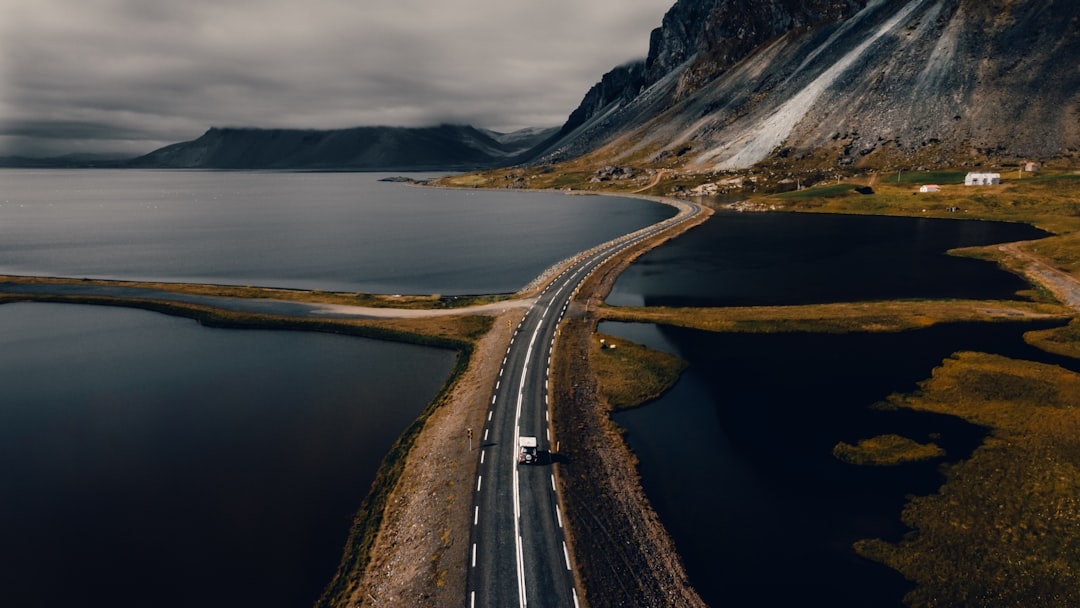
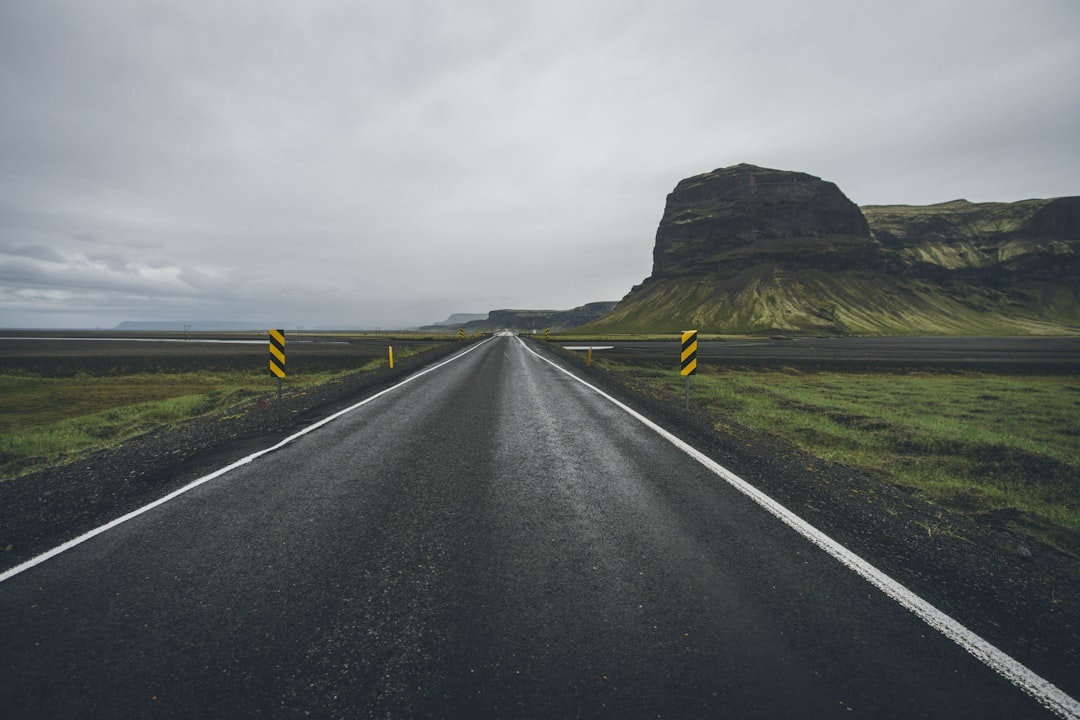
Iceland’s Ring Road looks easy on Google Maps: one neat loop, 1,322 km / 821 miles, waterfalls every hour, and campsites everywhere. The mistake is treating it like a normal summer road trip — especially if you’re traveling with mobility needs, using a low-step campervan, or trying to avoid rough gravel, steep paths, and chaotic parking lots in peak August.
Key Takeaways
- The Ring Road is 1,322 km / 821 miles, but accessible pacing usually means 10–12 days, not 7.
- Expect campervans in August 2026 to cost €180–€520 per day, depending on size, automatic transmission, and WC access.
- Use Road.is, SafeTravel.is, Parka, and Vedur.is daily; gravel and wind matter more than distance.
- Skip rougher routes like Road 864 and Öxi Pass; use paved alternatives even if they add 60–90 minutes.
- Legal campsites usually cost 2,000–3,500 ISK per person / $15–$26 / €13–€23, with showers often extra.
Mistake 1: Booking a “Campervan” Before Checking Step Height, Bed Height, and Toilet Access
Most Iceland campervans are not wheelchair-accessible RVs. They are compact vans with a bed platform, sliding door, high step, small aisle, and no onboard toilet — fine for flexible travelers, frustrating if you need grab points, predictable bathroom stops, or low transfers.
In August 2026, standard 2-person automatic campervans from companies like CampEasy, Go Campers, Cozy Campers, and Happy Campers typically run about €180–€260 per day / $195–$280. Small motorhomes with a WC and more interior standing room can hit €320–€520 per day / $345–$560.
My opinion: skip the cheapest manual “mini camper” if mobility is a concern. Pay for automatic transmission, a diesel heater, proper interior height, and a layout where the bed does not require climbing over bags at 2 a.m.
| Vehicle Choice | Typical August 2026 Cost | Mobility Reality | Verdict |
|---|---|---|---|
| Budget 2-person camper | €130–€190/day | High bed, no WC, tight aisle | Skip for mobility needs |
| Automatic larger camper | €180–€260/day | Better driving, still limited bathroom access | Good for mild mobility limits |
| Small motorhome with WC | €320–€520/day | More space, onboard toilet, easier bad-weather nights | Best if budget allows |
| Adapted private tour vehicle | Often €700+/day with driver | Best access, least independence | Best for wheelchair users |
Before paying, email the rental company and ask for exact measurements: sliding door step height, bed height, door width, mattress height, aisle width, and toilet setup. A “comfortable camper” can still mean a 55 cm / 22 in climb into bed.
Also price the insurance properly. Gravel protection is often €12–€25/day, sand and ash coverage about €10–€18/day, and zero-excess packages can add €35–€55/day. Icelandic wind can rip a camper door open faster than a gravel chip can crack a windshield.
Mistake 2: Planning the Ring Road in 7 Days When Accessible Stops Need 10–12
A 7-day Ring Road itinerary works on paper if you drive hard and treat waterfalls like drive-through coffee. With mobility needs, it becomes a punishment loop: pack, drive, find parking, assess path surfaces, cook, shower, sleep, repeat.
For first-timers, 10–12 days is the sweet spot. It cuts average driving to about 150–220 km / 93–137 miles per day, compared with 300+ km / 186+ miles on rushed itineraries.
| Route Segment | Distance | Drive Time Without Stops | Accessible Pace |
|---|---|---|---|
| Reykjavík to Vík | 187 km / 116 mi | 2.5–3 hours | Full day with 3–4 viewpoints |
| Vík to Höfn | 272 km / 169 mi | 3.5–4 hours | Long day; start early |
| Höfn to Egilsstaðir | 256 km / 159 mi | 3.5–4.5 hours | Choose paved fjord route |
| Egilsstaðir to Mývatn | 165 km / 103 mi | 2–2.5 hours | Easy if avoiding gravel detours |
| Akureyri to Reykjavík | 388 km / 241 mi | 5–5.5 hours | Break overnight in Blönduós or Borgarnes |
August is gorgeous but crowded. Around the Perseids meteor shower on 12–13 August, book campsites early near darker areas like Mývatn or the Eastfjords; twilight still lingers, but you can get clear skies after midnight if clouds cooperate.
If you have flexibility, September is secretly better for many travelers. The Ring Road is calmer, rates drop by roughly 10–25%, and you get darker nights for aurora chances — while much of southern Europe is still baking near 40°C / 104°F.
Mistake 3: Trusting Google Maps Instead of Road.is and Vedur.is
Google Maps is good for distance. It is not your authority on Icelandic wind, road surfaces, sheep, one-lane bridges, or sudden closures.
Use Road.is / Umferdin.is every morning before moving the van. Pair it with Vedur.is for wind and weather, and SafeTravel.is for alerts and travel plans.
- Road.is: road surface, closures, wind warnings, webcams.
- Vedur.is: wind gusts, rain, temperature, aurora forecast in September.
- Parka app: paid parking and some campsite payments.
- EasyPark app: useful in Reykjavík and selected lots.
- 112 Iceland app: emergency location sharing.
- Google Maps offline: download the whole loop before leaving Keflavík.
Data comparison: an Iceland eSIM with 5GB often costs around $13–$17, while a local prepaid SIM can cost about 2,900–4,500 ISK / $21–$33 / €19–€30 depending on data. If your phone supports eSIM, Airalo is simpler than hunting for a SIM after a red-eye arrival.
For a deeper roaming-versus-local-SIM mindset, our eSIM travel comparison for Turkey, Greece, and Cyprus uses the same logic: price the data, check coverage, and avoid depending on airport Wi-Fi when plans change.
Mistake 4: Choosing the Wrong Parking Lot at Famous Viewpoints
In Iceland, the “same” attraction can feel completely different depending on which parking lot you choose. One side might have a paved platform; the other might involve loose gravel, steps, mud, or a long exposed path.
Most natural sites are open 24 hours, but visitor centers and toilets usually run roughly 9:00–18:00 or 9:00–19:00 in summer. Paid parking is normally by license plate through Parka or onsite machines.
| Stop | Parking / Cost | Safer Accessible Choice | Skip This |
|---|---|---|---|
| Þingvellir National Park | 1,000 ISK / $7 / €6.70 per car | Use P1 or P2 for shorter paved paths; visitor centre usually 9:00–18:00 | Longer rift walks if wet or windy |
| Seljalandsfoss | 1,000 ISK / $7 / €6.70 | View from front path near lot | Behind-the-falls trail; wet steps and slippery rock |
| Skógafoss | Usually free parking | Lower viewing area on compact gravel | 527-step staircase unless knees love drama |
| Reynisfjara Black Sand Beach | Usually free, café/toilets nearby | Stay high and dry near signed viewpoint | Wet sand zone; sneaker waves kill people here |
| Jökulsárlón Glacier Lagoon | About 1,000 ISK / $7 / €6.70 | Main lagoon paths near café and toilets | Diamond Beach loose sand if using wheels or cane |
| Goðafoss | Free | West/service-center side for easier paved access | Longer uneven side paths in rain |
My blunt advice: skip the Sólheimasandur plane wreck. The walk is about 4 km / 2.5 mi each way across exposed black sand, and the shuttle is often around 2,900 ISK / $21 / €19 return but not a magic accessibility solution.
Do Dyrhólaey lower viewpoint instead. You get sea arches, cliffs, puffin season leftovers in August, and a much better reward-to-effort ratio.
Mistake 5: Treating Gravel as a Minor Detail
Gravel is not just “a bit bumpy” in Iceland. It means slower speed, more vibration, flying stones, dust, fewer safe pullouts, and more fatigue if transfers in and out of the van already take effort.
Two-wheel-drive campervans are not allowed on F-roads. If a road starts with “F” — like F35 or F208 — skip it unless your rental contract specifically permits it in a proper 4×4.
The biggest first-timer mistake in the Eastfjords is taking Road 939 / Öxi Pass because Google Maps says it is shorter. It can save around 60 km / 37 mi, but it is steep, gravelly, exposed, and unpleasant in fog.
Do the longer paved Route 1 fjord route instead. It adds roughly 60–90 minutes, but it is calmer, prettier, and much kinder to passengers who need stability.
| Tempting Route | Why People Take It | Accessible Campervan Alternative | Time Difference |
|---|---|---|---|
| Road 939 / Öxi | Shorter Höfn–Egilsstaðir route | Stay on Route 1 along the fjords | +60–90 min, much safer |
| Road 864 to Dettifoss | East-side waterfall view | Use paved Road 862 on west side | Similar drive, less rough |
| East-side Stuðlagil route | Closer canyon-floor photos | West-side viewing platform | Saves walking and stairs |
| Random “shortcuts” to hot springs | Looks easy on Maps | Use staffed baths like Mývatn Nature Baths | Costs more, far easier access |
For hot springs, skip rough hikes like Reykjadalur if mobility is limited. Do Laugarvatn Fontana instead, usually open around 11:00–21:00, with entry around 5,990 ISK / $44 / €40, or Mývatn Nature Baths, often around 6,900–7,900 ISK / $50–$58 / €46–€53.
Mistake 6: Assuming You Can Sleep Anywhere in a Campervan
You cannot legally wild camp in a campervan wherever you like in Iceland. Since 2015, campervans must overnight at campsites or with explicit landowner permission.
Most campsites cost 2,000–3,500 ISK per adult / $15–$26 / €13–€23. Showers may be included or cost 500–1,000 ISK / $4–$7 / €3–€7.
Use Tjalda.is for campsite listings, Campingcard.is if traveling many nights, and Parka for participating sites. The Camping Card usually costs around €179–€199 and covers selected campsites for up to 28 nights, but it does not include every popular stop.
My recommended accessible-ish overnight rhythm is: arrive by 16:00–17:00, choose a level pitch near toilets, shower before the rush, then cook. Arriving at 21:30 in August daylight feels clever until every flat spot near the facilities is gone.
Good Ring Road Campsite Bases for Easier Logistics
- Reykjavík Campsite: open year-round, large facilities, good first/last night; Flybus from KEF is about 45 min and $27 / €25 versus taxi around $130 / €120.
- Vík Camping: convenient for south coast sights; walk/roll into town is easier than driving again for dinner.
- Skaftafell Camping: excellent for glacier lagoon pacing; visitor centre usually has summer hours around 9:00–18:00/19:00.
- Höfn Camping: practical laundry and restaurant access before the Eastfjords.
- Akureyri Campsite / Hamrar: good facilities, northern break point, easier town services.
Food matters when energy is limited. In Vík, skip overpriced sad supermarket sandwiches and go to Black Crust Pizzeria, where pizzas are usually 2,900–3,900 ISK / $21–$29 / €19–€26. In Höfn, Pakkhús is worth booking for langoustine dishes around 5,900–8,900 ISK / $43–$65 / €39–€59.
Mistake 7: Underestimating Fuel, Food, and Bathroom Planning
Iceland is expensive, and mobility-friendly travel is rarely the cheapest version of a trip. The goal is not to spend nothing; it is to spend on things that reduce risk and fatigue.
Fuel in 2026 commonly sits around 310–340 ISK per liter, roughly $8.50–$9.40 per US gallon / €2.05–€2.25 per liter. A camper doing 8–10 L/100 km over a 1,600 km practical loop can easily burn 130–160 liters, or about 40,000–54,000 ISK / $295–$395 / €267–€360.
| Item | Budget Choice | Comfort Choice |
|---|---|---|
| Groceries per day for 2 | 8,000 ISK / $59 / €53 | 13,000 ISK / $95 / €87 |
| Restaurant main course | 3,000 ISK / $22 / €20 | 6,000+ ISK / $44 / €40 |
| Campsite for 2 | 4,000 ISK / $29 / €27 | 7,000 ISK / $51 / €47 with showers/laundry |
| Fuel for full loop | 40,000 ISK / $295 / €267 | 54,000 ISK / $395 / €360 |
Bonus stores are usually cheaper than Krónan and Nettó, but not always convenient in the east. Stock up in Reykjavík, Selfoss, Akureyri, and Egilsstaðir; between those, prices rise and choices shrink.
Bathroom strategy is part of accessibility. N1 stations, visitor centres, pools, and staffed cafés are more reliable than isolated viewpoints, but hours matter: many rural services close by 18:00–20:00, even in August.
Mistake 8: Ignoring Wind When Choosing Viewpoints and Door Position
Rain gets all the attention, but wind is the campervan killer. A strong gust can slam a sliding door, catch a passenger mid-transfer, or make a “flat” viewpoint feel unsafe.
When parking, face the van so the main door opens away from the wind if possible. If gusts are above 15–20 m/s / 34–45 mph, shorten your day and avoid cliff viewpoints like Dyrhólaey, Stokksnes, and exposed Eastfjord pullouts.
Comparison: a 20-minute waterfall stop in calm weather may take 45 minutes with mobility equipment, rain gear, and careful transfers. Build that into the itinerary instead of blaming yourself for moving slowly.
Bring a folding cane tip for gravel, waterproof seat cover, microfiber towel for wet ramps or steps, and a small headlamp for campsite bathrooms. Even in August, midnight toilet runs are easier when you are not juggling a phone flashlight in rain.
A Smarter 10-Day Accessible Ring Road Framework
This is not a packed itinerary; it is a realistic framework that avoids the worst gravel decisions and keeps drive days humane.
- Day 1: Keflavík to Reykjavík — pick up van, groceries, sleep early.
- Day 2: Reykjavík to Selfoss or Hvolsvöllur — Þingvellir, easy Golden Circle stops.
- Day 3: Hvolsvöllur to Vík — Seljalandsfoss front view, Skógafoss lower view, Dyrhólaey.
- Day 4: Vík to Skaftafell — skip long sand walks, focus on paved viewpoints.
- Day 5: Skaftafell to Höfn — Jökulsárlón lagoon, not Diamond Beach if sand is difficult.
- Day 6: Höfn to Egilsstaðir — stay on paved Route 1, skip Öxi.
- Day 7: Egilsstaðir to Mývatn — west-side Stuðlagil platform, Hverir if paths are dry.
- Day 8: Mývatn to Akureyri — Goðafoss west side, Mývatn Nature Baths.
- Day 9: Akureyri to Borgarnes or Blönduós — split the long westbound drive.
- Day 10: Return to Reykjavík/Keflavík — clean van, refuel, buffer for wind delays.
If your flight leaves before noon, do not sleep far from Keflavík the night before. Reykjavík to KEF is about 50 km / 31 mi and 45–55 minutes, but camper return, fuel, luggage, and mobility equipment can turn that into a stressful morning.
Final Advice: Pay for Boring Comfort, Not Instagram Detours
The best accessible Ring Road trip is not the one with the most pins. It is the one where you still have energy at dinner, you are not forced onto rough gravel because of poor planning, and you can enjoy Iceland’s absurd scenery without treating every stop like an endurance test.
Skip the fragile-ego version of Iceland travel: wild shortcuts, sketchy parking, and “it’s only a short hike” advice from people who move differently than you. Choose paved alternatives, book the right camper, arrive early at campsites, and let the Ring Road be beautiful at your pace.
If you are planning Iceland for late August or September 2026, start with the van measurements, not the waterfall list. Then build the route around safe parking, reliable bathrooms, and weather windows — your future self will thank you somewhere between Vík and the glacier lagoon.
Frequently Asked Questions
How many days do you need for the Iceland Ring Road with mobility needs?
Plan 10–12 days for the 1,322 km / 821 mi Ring Road if you need slower transfers, easier parking, and shorter driving days. A 7-day loop often means 300+ km / 186+ mi driving days, which leaves little margin for weather or fatigue.
Can you rent a wheelchair-accessible campervan in Iceland?
Fully wheelchair-accessible campervans are limited in Iceland; most rental campers are not lift-equipped. For mobility needs, ask companies for exact step height, bed height, door width, and WC access, or consider an adapted private vehicle through a specialist operator.
How much does an Iceland campervan cost in August 2026?
Expect a standard automatic campervan to cost about €180–€260/day / $195–$280 in August. A small motorhome with onboard WC and more space can cost €320–€520/day / $345–$560, before insurance and campsite fees.
Which Iceland Ring Road gravel roads should accessible campervan travelers avoid?
Avoid Road 939 / Öxi Pass, Road 864 to Dettifoss, and any F-road unless your rental contract allows it. Use paved Route 1 through the Eastfjords and Road 862 for Dettifoss instead, even if it adds up to 60–90 minutes.
Is August or September better for an accessible Iceland road trip?
August has warmer weather, long daylight, and events like the Perseids around 12–13 August, but it is crowded and expensive. September is calmer, often 10–25% cheaper for rentals, and gives darker nights for possible northern lights.

About the Author: Tomáš Bzirský
Founder and editor of Distratech. Based in the Czech Republic, travelling regularly from Central Europe. Writes practical travel guides and travel-tech comparisons (eSIM, apps, airports) in six languages.