You’ve seen the drone shots: black sand beaches, waterfalls every 20 minutes, empty roads looping the island. Then the invoice hits your inbox — $2,900 for a 7‑day campervan in August 2026 — and you realize Iceland’s Ring Road is less “budget road trip” and more “financial commitment.”
Couples make the same mistakes over and over: underinsuring, underestimating distances, overbooking summer, and fighting over who handles the one‑lane bridges. Here’s how to avoid turning a bucket‑list drive into a $1,500 regret.
Key Takeaways
- August 2026 campervans average $350–$450/day; September drops to $220–$300/day.
- Gravel + wind damage isn’t fully covered by basic CDW — expect $1,000–$2,500 deductibles without add‑ons.
- The Ring Road is 1,332 km (828 miles); most couples need 7–10 days minimum.
- One-lane bridges are common in the east — first car on bridge has right of way.
- Gas averages $2.40–$2.70 per liter (~$9–$10/gallon) in summer 2026.
1. Booking an August Campervan and Calling It “Mid‑Range”
August is peak season. Add the Perseids meteor shower (Aug 12–13), and demand spikes hard — even though Iceland’s bright nights make serious stargazing tricky (similar to why August isn’t ideal for night photography in the Dolomites — late September new moons are better for dark skies).
In 2026, a basic 2‑person campervan (Go Campers, Happy Campers, KúKú) runs:
| Month | Average Daily Rate | 7-Day Total |
|---|---|---|
| August | $350–$450 | $2,450–$3,150 |
| September | $220–$300 | $1,540–$2,100 |
| May | $180–$250 | $1,260–$1,750 |
Same van. Same route. $1,000+ difference.
If you can shift to early September, you’ll get fewer crowds, aurora potential, and lower prices — much like how September beats August for Mediterranean value (we’ve seen 40% swings elsewhere in Europe).
2. Assuming Basic Insurance Covers Wind Damage
Icelandic wind can rip a car door clean off. Not metaphorically — literally.
Standard CDW (Collision Damage Waiver) usually includes a deductible of €1,000–€2,500 ($1,100–$2,700). It often does not cover:
- Sand and ash damage (common near Vík)
- Gravel chips on windshield
- Wind-blown door damage
Add-ons like SAAP (Sand and Ash Protection) cost $15–$25/day. Full coverage packages can add $40–$60/day.
$350 extra for peace of mind vs a $2,000 surprise? Most couples regret skipping it.
3. Underestimating Ring Road Driving Time
The Ring Road (Route 1) is 1,332 km (828 miles). Google Maps says 16–17 hours nonstop.
You will not drive it nonstop.
Realistic pace for couples: 150–250 km per day with stops. That means:
- 7 days = rushed highlights only
- 10 days = comfortable
- 14 days = magical, minimal stress
Example: Höfn to Egilsstaðir is 260 km (3.5 hrs driving). Add Vestrahorn, Djúpivogur, random waterfalls — it becomes 7 hours.
Driving 4 hours in Iceland feels like 7 anywhere else.
4. Fighting Over One‑Lane Bridges
East Iceland is packed with single‑lane bridges. Rule: the car that reaches the bridge first has right of way.
There are over 40 one‑lane bridges between Höfn and Egilsstaðir alone.
Couples who don’t discuss this in advance? Instant stress.
Pro tip: The driver focuses on the road. The passenger scans ahead for oncoming headlights and calls it early.
5. Skipping Campsite Reservations in August
“It’s a campervan — we’ll wing it.”
Not in August 2026.
Popular sites like Skaftafell Campground ($30–$35 per 2 adults), Hamrar in Akureyri ($28–$35), and Reykjavík Eco Campsite ($40+) fill by 5–6pm.
Use tjalda.is to check opening dates and pricing. Many close mid‑September.

Wild camping is illegal outside designated areas. Fines can reach 20,000 ISK (~$150).
6. Ignoring Fuel Logistics
Gas in summer 2026: 320–360 ISK per liter ($2.40–$2.70).
A campervan averaging 9L/100km over 1,500 km = ~135 liters.
135 L x $2.60 = ~$351 in fuel.
Some remote stations are unmanned and require a PIN credit card. No PIN? No fuel.
Fill up before long east‑fjords stretches. Stations can be 100+ km apart.
7. Choosing a 2WD When You Secretly Want F‑Road Adventures
That Instagram waterfall? Might require an F‑road (mountain road).
2WD rentals are $80–$150/day cheaper than 4×4 in peak season. But 2WD vehicles are prohibited on F‑roads — and insurance becomes void if you go anyway.
Want Landmannalaugar? Budget for a 4×4 at $450–$600/day in August.
If you’re sticking strictly to the Ring Road, 2WD is fine. Don’t pay for a 4×4 you won’t use.
8. Overpaying for Blue Lagoon Without Comparing
Blue Lagoon (near KEF airport):
- From €70–€95 ($75–$105) per person
- Must prebook at bluelagoon.com
Sky Lagoon in Reykjavík:
- From $65–$90
- Less tour bus traffic
Local pools (like Sundhöllin, Reykjavík):
- $8–$10 entry
- Hot tubs + sauna
$200 for two at Blue Lagoon vs $20 at a local pool. Skip the hype unless it’s your must‑do splurge.
9. Not Budgeting for Food Reality
Iceland is expensive — but predictable.
Average 2026 prices:
- Gas station hot dog: $5–$7
- Casual fish & chips in Vík: $22–$28
- Pizza in Akureyri: $25–$30
- Mid-range dinner for two in Reykjavík: $120–$160
Groceries at Bónus vs dining out is a 50–70% savings.
Example: Pasta + sauce + skyr breakfast + snacks for two days = ~$45. Two café brunches alone = $60.
Do one splurge (Dill in Reykjavík tasting menu: ~$130 per person) and cook the rest.
10. Assuming Summer Means “Easy Weather”
August temps: 10–15°C (50–59°F). Wind chills lower.
Rain can hit horizontally. Sandstorms happen in the south.

Check road.is and vedur.is daily.
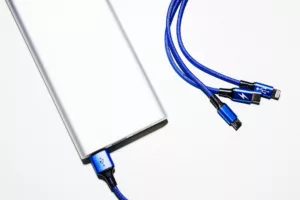
Download offline Google Maps and carry a power bank. If you’re working remotely on the road, use a high-capacity laptop battery — we tested the best options here: best laptop power banks for travel (2026).
11. Trying to Do Golden Circle and South Coast in One Day
Reykjavík → Golden Circle → Vík → back to Reykjavík is ~430 km (6–7 hrs pure driving).
Add stops? 10–12 hours.
Instead:
- Day 1: Golden Circle (stay near Selfoss)
- Day 2: South Coast to Vík
Two relaxed days vs one exhausting marathon. Relationships survive better this way.
12. Not Talking About Money Before the Trip
This is the real one.
Sample 8‑day August 2026 couple budget:
| Category | Estimated Cost |
|---|---|
| Campervan (8 days) | $3,000 |
| Insurance add-ons | $400 |
| Fuel | $350 |
| Campsites | $250 |
| Food | $700 |
| Activities (2 lagoons, 1 tour) | $300 |
| Total | ~$5,000 |
That’s $2,500 per person before flights.
September version? Closer to $3,800 total.
Talk about splurges vs savings before you land at Keflavík.
When Is the Smartest Time for Couples to Drive the Ring Road?
August: best access, longest daylight, highest prices, biggest crowds.
Early September: 80% of the access, lower prices, northern lights possible, campsites still open.
Late September: magical colors, but some highland roads closed and more weather risk.
If you’re flexible, early September 2026 is the sweet spot — similar to why shoulder season often beats peak summer elsewhere in Europe.
Final Thoughts: Make the Ring Road Epic, Not Expensive Regret
Iceland is worth it. The waterfalls are absurd. The silence in the east fjords feels prehistoric.
But the couples who love their Ring Road trip are the ones who plan insurance carefully, slow down the itinerary, and pick September over August when possible.
If you’re mapping your 2026 route now, price both months side‑by‑side and budget for full coverage. Your future self — and your relationship — will thank you.
Frequently Asked Questions
How much does it cost for a couple to drive Iceland’s Ring Road?
In August 2026, expect around $4,800–$5,500 total for 7–8 days with a campervan, insurance, fuel, campsites, food, and a few activities. September can drop that closer to $3,500–$4,000.
Is full insurance worth it for an Iceland campervan?
Yes. Wind, gravel, and sand damage are common, and deductibles without extra coverage can reach $2,500. Adding $40–$60 per day in coverage often saves thousands.
How many days do you need for the Ring Road?
Minimum 7 days (fast), 10 days is ideal, and 14 days allows a relaxed pace with detours. The full loop is 1,332 km (828 miles).
Is August or September better for Iceland?
August has the best access and long daylight but highest prices. Early September offers lower rates, fewer crowds, and possible northern lights with similar road conditions.

About the Author: Tomáš Bzirský
Founder and editor of Distratech. Based in the Czech Republic, travelling regularly from Central Europe. Writes practical travel guides and travel-tech comparisons (eSIM, apps, airports) in six languages.