'/%3E%3Cpath%20fill='%23b2b2b2'%20d='M241%20382q0%2016%2017%2026%2017%2011%2042%2011t42-11q16-11%2017-26V269H241'/%3E%3Cpath%20fill='%239f7e00'%20d='M241%20379q0%2014%208%2023%209%209%2021%209%2014%200%2021-9%209-9%209-23V269h-59'/%3E%3Cpath%20d='M241%20339v-70h59v110q0%2014-9%2023l-6%205v-68h-15v72q-8%200-14-4v-68zm59%2040c0%2022%2015%2032%2029%2032%2021%200%2030-18%2030-32v-40h-59'/%3E%3Cpath%20fill='%239f7e00'%20d='M266%20277v5h2v12h-3v-5h2v-5h-9v5h2v5h-4v9h3v18h-5v10h34v-10h-5v-18h3v-9h-4v-5h2v-5h-9v5h2v5h-3v-12h2v-5zm42%20101q0%2010%206%2017%206%206%2015%207%2010-1%2016-7%206-7%206-17v-29h-43'/%3E%3Ccircle%20fill='%230044ad'%20cx='329.5'%20cy='372'%20r='6'/%3E%3Cellipse%20fill='%230044ad'%20cx='300'%20cy='340'%20rx='16'%20ry='21'/%3E%3C/svg%3E)
'/%3E%3C/svg%3E)


'/%3E%3C/g%3E%3Cuse%20href='%23c'%20transform='matrix(-1%200%200%201%20720%200)'/%3E%3C/svg%3E)


Rome is not a “just wander and see what happens” city if you have three days, a tight budget, and August heat bouncing off 2,000-year-old stone. In 2026, the smart version of Rome means booking the big-ticket sights early, sleeping outside the postcard center, using buses and metro strategically, and skipping a few famous traps that burn time and money.
Key Takeaways
- Budget around €230–€320 / $250–$350 per person for 3 days excluding flights and accommodation.
- Use Rome’s €1.50 BIT ticket or contactless Tap&Go instead of taxis, which often cost €18–€35 across the center.
- Book the Colosseum at colosseo.it and Vatican Museums at museivaticani.va at least 2–4 weeks ahead.
- Stay in San Giovanni, Testaccio, Ostiense, or Prati for better prices than the Pantheon/Trevi zone.
- In August, start sightseeing before 8:30am and treat 1:00–4:30pm as your indoor or nap window.
The Realistic 3-Day Rome Budget for 2026
Rome can be cheap if you stop trying to sleep beside the Trevi Fountain. A central budget hotel room in August 2026 often runs €120–€190 / $131–$207 per night, while San Giovanni or Ostiense can still show €75–€125 / $82–$136 doubles if booked early.
Food is where Rome stays friendly. A proper supplì is €2, a slice of pizza al taglio is €3–€5, a cacio e pepe at a neighborhood trattoria is €10–€14, and a glass of house wine is often €4–€6.
| Expense | Budget Choice | Typical 2026 Cost | Better Than |
|---|---|---|---|
| Airport to city | Regional train to Trastevere/Ostiense | €8 / $9, 27–35 min | Taxi: €55 / $60, 35–60 min from FCO |
| Local transport | BIT ticket or Tap&Go | €1.50 / $1.65, 100 min | Taxi across center: €18–€35 / $20–$38 |
| Colosseum area | Official 24h ticket | €18 + €2 booking / about $22 | Reseller tours: €45–€90 / $49–$98 |
| Lunch | Trapizzino/Testaccio market slice | €4–€8 / $4.40–$8.70 | Sit-down tourist menu: €18–€25 / $20–$27 |
| Coffee | Standing at the bar | €1.20–€1.50 / $1.30–$1.65 | Table near landmarks: €4–€7 / $4.40–$7.60 |
My target budget: €75–€105 / $82–$114 per day excluding lodging. That includes paid sights, transit, coffee, lunch, dinner, gelato, and one aperitivo.
Where to Stay: Neighborhood-by-Neighborhood Budget Picks
Skip staying by Trevi, the Pantheon, or Piazza Navona unless you find a freak deal. You’ll pay €180–€300 / $196–$327 per night for rooms that are often smaller, louder, and no closer to the metro.
For browsing dates and comparing neighborhoods, use this search for hotels in Rome, then filter by metro access and guest rating above 8.0. In Rome, a hotel 500 meters from a metro stop usually beats a “central” room that forces you onto slow buses.
Best Budget Areas in Rome
- San Giovanni: Best overall value. Metro A access, 25 minutes to Vatican, 10–15 minutes to Termini, and walking distance to the Basilica di San Giovanni in Laterano. Doubles often €80–€130 / $87–$142.
- Ostiense/Garbatella: Great for food and transport. Metro B to Colosseum in 6–8 minutes, regional trains to Fiumicino from Roma Ostiense, and fewer tourist menus. Doubles often €85–€140 / $93–$153.
- Testaccio: Best food neighborhood. Walk to Trastevere in 20 minutes, metro at Piramide, and real Roman trattorias. Rooms are fewer, so prices swing from €100–€170 / $109–$185.
- Prati: Best for Vatican day. Safer, calmer grid streets, Metro A at Ottaviano/Lepanto, and good restaurants. Expect €110–€180 / $120–$196.
- Termini/Esquilino: Cheapest and practical, but choose carefully. The Beehive is a reliable budget hostel/hotel hybrid, and Generator Rome has dorms from roughly €35–€60 / $38–$65 in busy periods.
My pick for first-timers on a budget: San Giovanni. Metro A is more useful than Metro B for this itinerary because it links Termini, Spanish Steps, Barberini, Ottaviano for the Vatican, and San Giovanni.
Metro, Bus, and Airport Hacks That Actually Save Money
Rome’s public transport is not elegant, but it is cheap. A single BIT ticket costs €1.50 / about $1.65 and lasts 100 minutes across buses, trams, and metro, though you can only enter the metro once.
The 24-hour pass is €7 / $7.60, 48-hour is €12.50 / $13.60, and 72-hour is €18 / $19.60. Don’t automatically buy the 72-hour pass: you need 12 single rides to beat it, and this itinerary only needs about 7–9 rides if you walk smart.
Airport Transfer: Fiumicino vs Ciampino
| Route | Cheapest Smart Option | Time | Cost | When to Take It |
|---|---|---|---|---|
| FCO to Termini | Leonardo Express | 32 min | €14 / $15 | If sleeping near Termini or arriving late |
| FCO to Trastevere/Ostiense | FL1 regional train | 27–35 min | €8 / $9 | Best for Testaccio, Ostiense, Trastevere |
| FCO to center | Fixed taxi | 35–60 min | €55 / $60 | Only worth it for 3–4 people with bags |
| CIA to center | Bus to Termini | 40–55 min | €6–€7 / $6.50–$7.60 | Cheapest for solo travelers |
Use Moovit or Citymapper for live routing, but always sanity-check walking time. In the historic center, walking 1.2 km / 0.75 miles often takes 15 minutes, while a bus may take 25 minutes after waiting.
For mobile data, an eSIM is easier than hunting for a SIM shop around Termini. If you’re comparing regional plans for a longer Europe trip, our guide to using eSIMs across Turkey, Greece, and Cyprus explains when local vs regional data plans make sense; for Italy-only, compare 5–10GB plans before you land.
Day 1: Ancient Rome Without Getting Cooked
Neighborhoods: Monti, Colosseum, Roman Forum, Capitoline Hill, Jewish Ghetto. Walking: about 5.5 km / 3.4 miles. Paid sights: €20–€24 / $22–$26 if booked officially.
Start at 8:00am with coffee and a maritozzo at Pasticceria Regoli near Vittorio Emanuele. Espresso at the bar is about €1.20; a maritozzo is around €2.50–€3.50, versus €9–€12 for a hotel breakfast you don’t need.
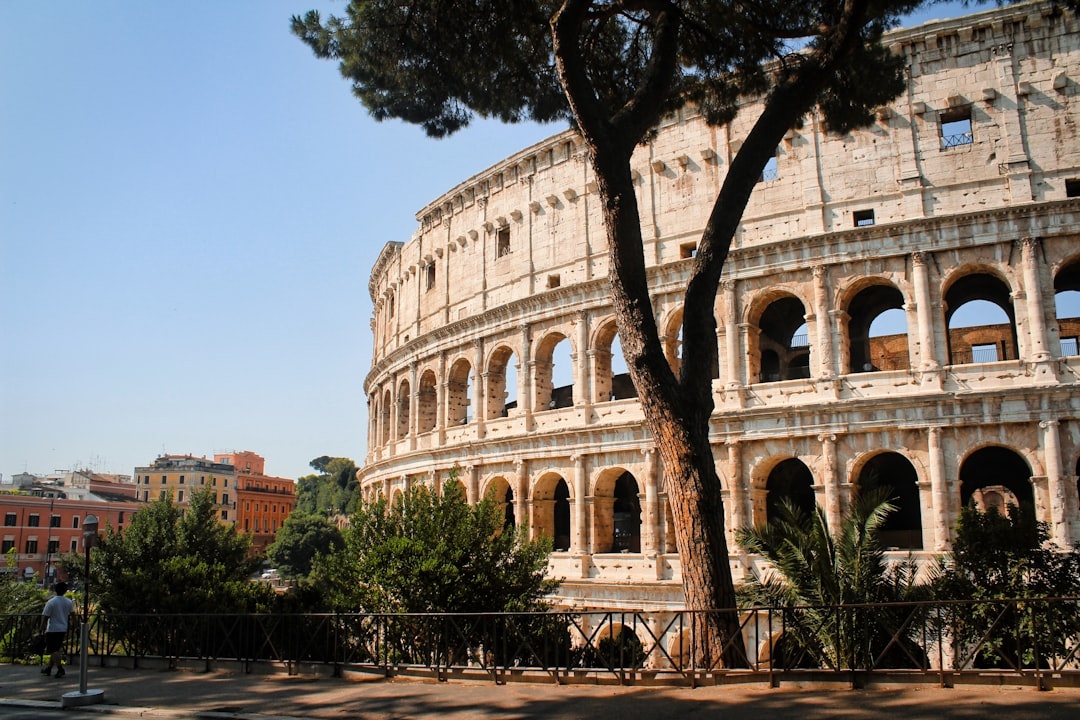
Book the Colosseum through colosseo.it, the official site. The standard 24-hour Colosseum, Roman Forum, and Palatine ticket is typically €18 plus €2 online fee; the Full Experience ticket is usually €24 plus fee and adds the arena or underground depending on availability.
My advice: skip the underground if this is your first budget trip and tickets are scarce. Do the standard ticket, then spend the saved €25–€60 on food and a second museum.
Go Colosseum first, then Roman Forum and Palatine Hill. The Forum opens around 9:00am, and the last entry shifts seasonally; in summer, closing is usually around 7:15pm, but always check the official site the week you go.
Lunch in Monti at Trieste Pizza or Ce Stamo a Pensà. Expect €4–€7 for pizza or a fried snack, compared with €16–€22 for bland pasta on Via dei Fori Imperiali.
At 3:00pm, do the free view from Capitoline Hill behind the city hall toward the Forum. It’s a 900-meter / 11-minute walk from the Colosseum and gives you a better “ancient Rome” photo than paying for a random rooftop spritz.

End in the Jewish Ghetto. Order carciofi alla giudia at Nonna Betta or Ba’Ghetto; expect €8–€12 for artichokes and €12–€16 for pasta. If you’re exhausted, skip dinner in Trastevere tonight—it’s only 1 km away, but the crowds after 8:30pm can feel like a festival queue.
Day 2: Vatican, Prati, and the “Skip the Line” Reality Check
Neighborhoods: Prati, Vatican City, Borgo, Trastevere. Walking: about 6 km / 3.7 miles. Paid sights: €25 / $27 for Vatican Museums online ticket.
Book the Vatican Museums at museivaticani.va. The official 2026 online ticket is typically €20 plus €5 booking fee, and the museums usually open 8:00am–7:00pm Monday to Saturday, with final entry around 5:00pm.
Do not buy the first “skip-the-line Vatican” ad you see. Many are just resold timed tickets plus a meeting point. Official ticket: €25; reseller “skip-line” ticket: often €45–€70 for the same entrance.
Arrive for an 8:00am or 8:30am slot. From Ottaviano Metro A, it’s a 750-meter / 10-minute walk to the museum entrance; from Termini to Ottaviano is 6 stops and about 11 minutes.
Inside, prioritize the Pinacoteca, Gallery of Maps, Raphael Rooms, and Sistine Chapel. Skip trying to “see everything”; the museums hold around 7 km / 4.3 miles of galleries, and three focused hours beats five miserable ones.
St. Peter’s Basilica is free, but security can take 20–75 minutes depending on the day. The dome costs about €8 by stairs or €10 with elevator part-way, and the climb is 551 steps total if you skip the elevator.
Lunch in Prati at 200 Gradi near Piazza Risorgimento. Panini are around €7–€9, compared with €18–€25 for sit-down tourist pasta on Borgo Pio.
In the late afternoon, walk or bus to Trastevere. The walk from St. Peter’s Square to Piazza Trilussa is 2.2 km / 28 minutes; bus 23 or 280 can take 18–25 minutes but is less predictable.
For dinner, skip the restaurants with photo menus on the main Trastevere lanes. Go to Da Enzo al 29 if you’re willing to queue before opening, or choose Trapizzino Trastevere for a €5 pocket of Roman stew in pizza dough.
If you’re visiting in August 2026, expect heavy heat and patchy closures around Ferragosto, August 15. September is honestly the better “summer” month for Rome and the Mediterranean: warm evenings, fewer family-holiday crowds, and less 40°C / 104°F pavement glare.
Day 3: Centro Storico, Testaccio Food, and the Best Free Walk
Neighborhoods: Centro Storico, Campo de’ Fiori, Testaccio, Aventine. Walking: 7 km / 4.3 miles if you do the full route. Paid sights: €5 / $5.50 for the Pantheon.
Start early at the Trevi Fountain by 7:15am. At 7:15am, you may share it with 50–100 people; by 11:00am in August, it can feel like 1,000 people fighting for the same selfie.
Walk 650 meters / 8 minutes to the Pantheon. Standard admission is €5, and tickets are sold via official Italian culture channels such as museiitaliani.it; opening hours are generally 9:00am–7:00pm, with last entry around 6:30pm.
Opinionated take: the Pantheon is worth €5. The Spanish Steps are not worth a special detour unless you’re already nearby for Metro A or sunrise photos.
Continue to Piazza Navona, then Campo de’ Fiori. Buy a slice at Forno Campo de’ Fiori; a simple piece of pizza bianca or rossa is usually €2.50–€5 depending on weight, compared with €14 for a mediocre “bruschetta plate” nearby.
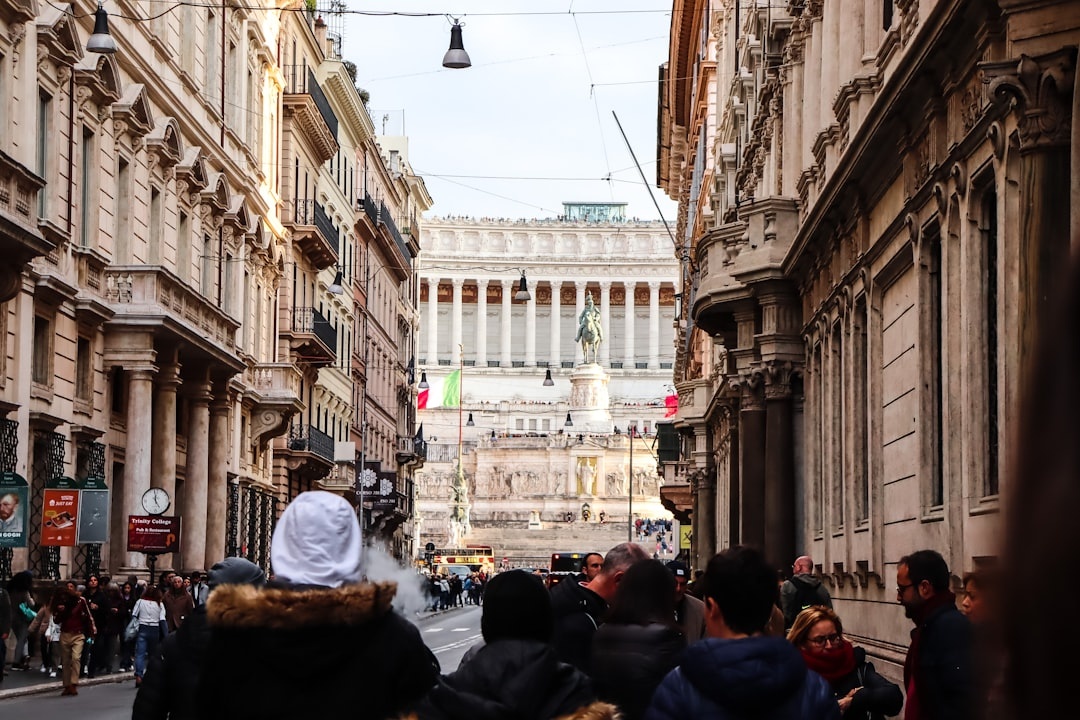
Cross toward Largo di Torre Argentina, where the ancient temple ruins reopened with walkways in recent years. If time is tight, view it from street level for free and keep moving.
For lunch, go to Mercato Testaccio, about 2.7 km / 35 minutes on foot from Campo de’ Fiori or 15–20 minutes by bus. At Mordi e Vai, the allesso or tripe sandwich is around €6–€8 and is more memorable than most €18 carbonaras in the center.
After lunch, climb to the Aventine Keyhole and Giardino degli Aranci. From Testaccio Market it’s 1.2 km / 16 minutes uphill; the reward is a free city view that beats many paid terraces.
End near Piramide or Circo Massimo Metro B. From Circo Massimo to Termini is about 5 minutes by metro, versus €14–€22 / $15–$24 by taxi depending on traffic.
What to Skip in Rome on a 3-Day Budget
Rome rewards ruthless editing. Trying to do “everything” is how people spend €90 on taxis, eat bad food, and remember mostly queues.
- Skip Castel Sant’Angelo inside if you only have 3 days; do the bridge and exterior views for free instead. Entry is about €16 / $17, and the interior is less essential than the Forum or Vatican.
- Skip hop-on hop-off buses; they cost around €25–€35 / $27–$38 and still get stuck in traffic. Use Metro A/B plus walking for under €6 most days.
- Skip restaurants beside major monuments; walk 700 meters away and prices often drop 20–35%.
- Skip paid “Trevi photo tours”; go at sunrise for free and spend the money on the Pantheon and gelato.
- Skip August midday sightseeing; 1:00–4:30pm is for churches, museums, hotel breaks, or long lunches in air-conditioning.
If you’re pairing Rome with Spain later in the trip, compare pacing with our Madrid 5-day itinerary. Madrid is easier for late-night dining and metro coverage; Rome demands earlier starts and more walking.
Cheap Eats I’d Actually Plan Around
Rome’s budget food scene is excellent if you avoid laminated menus in five languages. A good rule: if carbonara is over €16 in a casual place, you’re probably paying tourist rent.
- Pastificio Guerra, Spanish Steps: takeaway pasta around €5–€6; cash/card policies can change, so carry coins. Best for a fast lunch, not a romantic dinner.
- Supplizio, Centro Storico: supplì around €3–€4; better snack than a €9 “Roman street food sampler.”
- Trapizzino, Trastevere/Testaccio: €5–€6 for fillings like pollo alla cacciatora or tongue in salsa verde.
- Pinsere, near Repubblica: pinsa around €5–€8; faster and cheaper than most sit-down pizzerias.
- Gelateria del Teatro: gelato around €3.50–€5; pricier than average but worth it for seasonal flavors.
For water, bring a bottle and refill at Rome’s nasoni fountains. Paying €1.50–€2.50 for bottled water four times a day adds €18–€30 over three days for two people.
Booking Timeline for August and September 2026
August in Rome is hot, busy in the center, and oddly quiet in some residential food neighborhoods because locals leave. Expect daytime highs around 32–38°C / 90–100°F, with occasional heat spikes above 40°C / 104°F across southern Europe.
The Perseids meteor shower peaks August 12–13, but Rome’s light pollution makes it poor for stargazing. If you care, head to darker areas outside the city, such as the Castelli Romani, but check late-night transport because taxis back can cost €45–€70 / $49–$76.
For the best budget-weather balance, choose September 2026. Hotel rates usually soften after the first school-week wave, evenings stay warm, and outdoor dining is far more pleasant than August.
- 4–6 weeks ahead: book accommodation, especially for Prati, Testaccio, and Monti.
- 2–4 weeks ahead: book Colosseum and Vatican tickets on official websites.
- 1 week ahead: check restaurant closures, especially around Ferragosto in August.
- 48 hours ahead: download offline Google Maps and save hotel address in Italian.
- On arrival: use Tap&Go or buy BIT tickets from metro machines, tabacchi shops, or newsstands.
Final 3-Day Rome Budget Verdict
Three days in Rome on a budget works best when you treat neighborhoods like chapters: Ancient Rome from Monti, Vatican from Prati, and food from Testaccio. Don’t chase every landmark; Rome is better when you leave space for a €2 supplì, a free hilltop view, and a slow evening walk.
If you’re planning for late summer 2026, my strongest advice is simple: book the Vatican and Colosseum now, stay near Metro A or B, and consider September if your dates are flexible. Save this itinerary, send it to your travel partner, and build your Rome trip around fewer queues and better meals.
Frequently Asked Questions
How much does 3 days in Rome cost on a budget in 2026?
Plan on €230–€320 / $250–$350 per person for three days excluding flights and accommodation. Add €225–€420 / $245–$458 total for three nights in a budget double room outside the historic core.
Is the Roma Pass worth it for 3 days?
Usually not for this itinerary. The 72-hour Roma Pass costs around €52, and you need multiple paid museums plus heavy transit use to beat booking the Colosseum directly and using €1.50 tickets.
Where should I stay in Rome on a budget?
San Giovanni is the best all-around budget area because Metro A connects you to Termini, the Vatican, and the Spanish Steps. Ostiense and Testaccio are better for food and airport access via Roma Ostiense.
What should I skip in Rome with only 3 days?
Skip hop-on hop-off buses, restaurant terraces beside major monuments, and trying to see every Vatican gallery. Prioritize the Colosseum/Forum, Vatican highlights, Pantheon, Testaccio, and free viewpoints like Capitoline Hill and Giardino degli Aranci.

About the Author: Tomáš Bzirský
Founder and editor of Distratech. Based in the Czech Republic, travelling regularly from Central Europe. Writes practical travel guides and travel-tech comparisons (eSIM, apps, airports) in six languages.