'/%3E%3Cpath%20fill='%23b2b2b2'%20d='M241%20382q0%2016%2017%2026%2017%2011%2042%2011t42-11q16-11%2017-26V269H241'/%3E%3Cpath%20fill='%239f7e00'%20d='M241%20379q0%2014%208%2023%209%209%2021%209%2014%200%2021-9%209-9%209-23V269h-59'/%3E%3Cpath%20d='M241%20339v-70h59v110q0%2014-9%2023l-6%205v-68h-15v72q-8%200-14-4v-68zm59%2040c0%2022%2015%2032%2029%2032%2021%200%2030-18%2030-32v-40h-59'/%3E%3Cpath%20fill='%239f7e00'%20d='M266%20277v5h2v12h-3v-5h2v-5h-9v5h2v5h-4v9h3v18h-5v10h34v-10h-5v-18h3v-9h-4v-5h2v-5h-9v5h2v5h-3v-12h2v-5zm42%20101q0%2010%206%2017%206%206%2015%207%2010-1%2016-7%206-7%206-17v-29h-43'/%3E%3Ccircle%20fill='%230044ad'%20cx='329.5'%20cy='372'%20r='6'/%3E%3Cellipse%20fill='%230044ad'%20cx='300'%20cy='340'%20rx='16'%20ry='21'/%3E%3C/svg%3E)
'/%3E%3C/svg%3E)


'/%3E%3C/g%3E%3Cuse%20href='%23c'%20transform='matrix(-1%200%200%201%20720%200)'/%3E%3C/svg%3E)


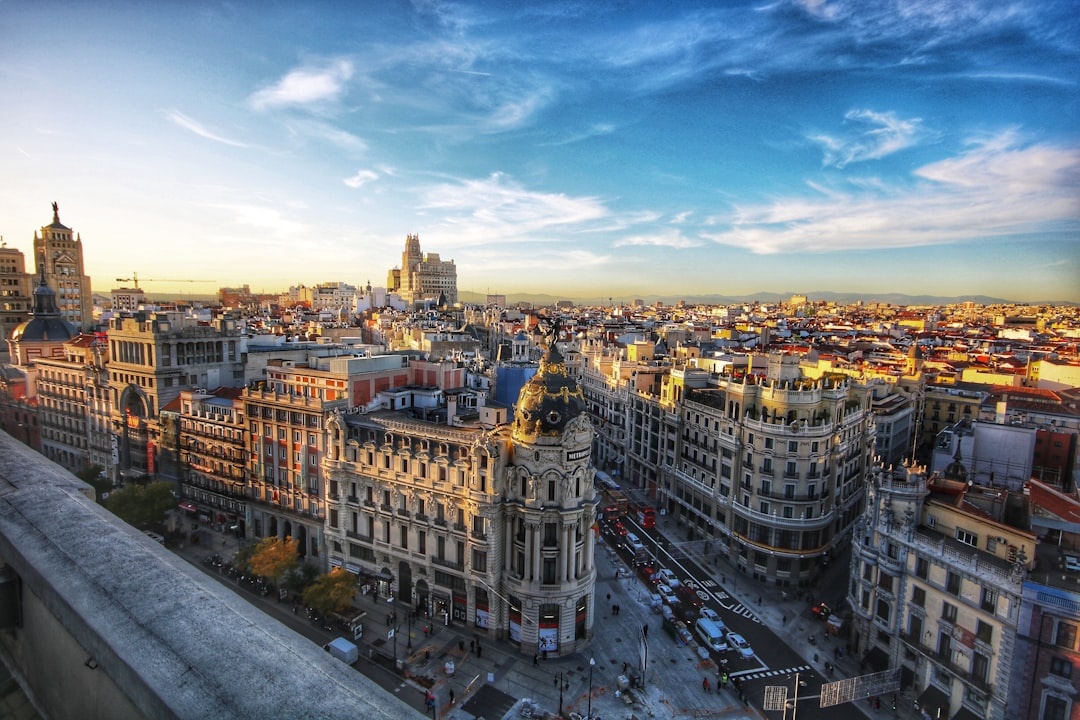
Madrid does not try to impress you in the first five minutes. It works better than that: a Velázquez masterpiece in the morning, a €4 tortilla wedge at noon, vermouth in a tiled bar at 1 p.m., and dinner at an hour when other capitals are already asleep.
Key Takeaways
- Buy the 5-day Zone A Tourist Travel Pass for €26.80, cheaper than using taxis for even two airport-city rides.
- Book Prado, Royal Palace, and Reina Sofía tickets online; prime museum slots sell out in August and September.
- Skip Mercado de San Miguel for a meal and eat at Mercado Antón Martín or Vallehermoso instead.
- August afternoons can hit 36–40°C, so plan museums from 12–5 p.m. and neighborhoods after 7 p.m.
- September is Madrid’s best “summer” month: warm evenings, fewer tourists, and better hotel rates than peak August.
This 5-day Madrid itinerary is built around one idea: do the big cultural icons, but eat and move like someone who actually lives here. That means early walks, late dinners, strategic air-conditioning, and no wasting €22 on mediocre paella near Plaza Mayor.
Before You Go: Madrid Logistics That Actually Matter
Madrid-Barajas Airport is 12–16 km from the center, and your best transfer depends on where you sleep. The Airport Express Bus costs €5 and takes about 35–45 minutes to Cibeles or Atocha, while a fixed-fare taxi costs €33 and takes 20–30 minutes in normal traffic.
If you are staying near Sol, Gran Vía, Chueca, Malasaña, or Atocha, buy the Tourist Travel Pass Zone A. The 5-day pass is €26.80 and covers Metro, buses, and Cercanías trains inside central Madrid; buy it at Metro airport machines or check details on metromadrid.es.
| Option | Cost | Time to Center | Best For |
|---|---|---|---|
| Airport Express Bus | €5 | 35–45 min | Atocha, Cibeles, budget arrivals |
| Metro Line 8 + transfer | €4.50–€5 incl. airport supplement | 35–50 min | Gran Vía, Chueca, Malasaña |
| Cercanías Train | About €2.60 | 31 min to Atocha | T4 arrivals, Atocha hotels |
| Taxi | €33 fixed fare | 20–30 min | Late arrivals, families, heavy luggage |
For connectivity, I’d use Airalo or a local Orange/Vodafone prepaid SIM if you need lots of data. A 10 GB Europe eSIM is usually around $18–$25, compared with U.S. roaming plans that often charge $10 per day.
Download Citymapper for transport, Free Now or Cabify for licensed rides, and TheFork for restaurant bookings. If you travel with a laptop, update system software before flying and avoid risky firmware changes on the road; Distratech has a useful guide on what travelers should do before laptop BIOS updates.
Where to Stay for 5 Days in Madrid
For a first trip, stay in Las Letras, Chueca, Malasaña, or near Atocha. These areas put you within 10–25 minutes on foot of major sights, while Salamanca is elegant but less convenient for late-night tapas hopping.
My pick: Las Letras. You can walk to the Prado in 10 minutes, Plaza Mayor in 12 minutes, and Atocha in 15 minutes, which beats spending €12–€18 on short taxis every night.
- Budget: Hostal Persal near Plaza Santa Ana, usually €100–€160 per night in summer; basic but central.
- Mid-range: 7 Islas Hotel in Malasaña, often €150–€230 per night; better design and great nightlife access.
- Near museums: Only YOU Hotel Atocha, around €170–€260 per night; ideal for Prado/Reina Sofía days.
- Splurge: Hotel Urban near Las Letras, often €260–€420 per night; rooftop pool matters in August.
Skip staying right on Gran Vía if you are noise-sensitive. A room 500 meters away in Chueca or Las Letras usually costs the same but sleeps far better.
Day 1: Sol, Plaza Mayor, Royal Madrid, and Old-School Tapas
Start at Puerta del Sol by 9 a.m., before the tour groups and heat arrive. From Sol, it is a 7-minute walk to Plaza Mayor and another 5 minutes to Mercado de San Miguel.
Walk through Mercado de San Miguel, but do not eat your main meal there. A single croqueta or oyster can cost €3–€6, while a proper menú del día in a neighborhood bar is €14–€17 with two courses, bread, drink, and dessert.
For lunch, go to Casa Revuelta near Plaza Mayor for fried cod. A tapa of bacalao is usually around €4–€5, and a beer is €2.50–€3; it is faster, cheaper, and more Madrileño than standing in a gourmet market queue.
After lunch, visit the Royal Palace of Madrid. Book through patrimonionacional.es; standard admission is typically €14, and opening hours are generally 10 a.m.–7 p.m. in summer, though official times change for state events.
The palace is 135,000 square meters with more than 3,000 rooms, but the visitor route takes 60–90 minutes. Compare that with the nearby Almudena Cathedral, which is free to enter and takes 20–30 minutes; do both if you still have energy.
At sunset, walk to Templo de Debod, about 18 minutes from the palace. In August 2026, aim for 8:45–9:15 p.m.; Madrid’s late sunsets are your reward for surviving the afternoon heat.
Dinner should be in La Latina. Try Juana La Loca for its tortilla with caramelized onion, about €5–€6 per pincho, or Taberna La Concha for vermouth and raciones around €8–€14.
Day 2: Prado, Retiro Park, and Salamanca Without the Stiffness
Book the Museo del Prado for the morning at museodelprado.es. General admission is €15, and normal hours are Monday–Saturday 10 a.m.–8 p.m. and Sunday 10 a.m.–7 p.m.
If you love art, pay the €15 and go at opening. The free hours, usually 6–8 p.m. Monday–Saturday and 5–7 p.m. Sunday, save money but cost patience; the line can easily eat 30–45 minutes.
Do not try to “complete” the Prado. Prioritize Velázquez’s Las Meninas, Goya’s Black Paintings, Bosch’s Garden of Earthly Delights, and Rubens’ big mythological rooms; two focused hours beat four exhausted ones.
Lunch nearby at La Sanabresa on Calle Amor de Dios, about 11 minutes on foot from the Prado. The menú del día is usually €14–€16, compared with €25–€35 for tourist-facing set menus around the museum doors.
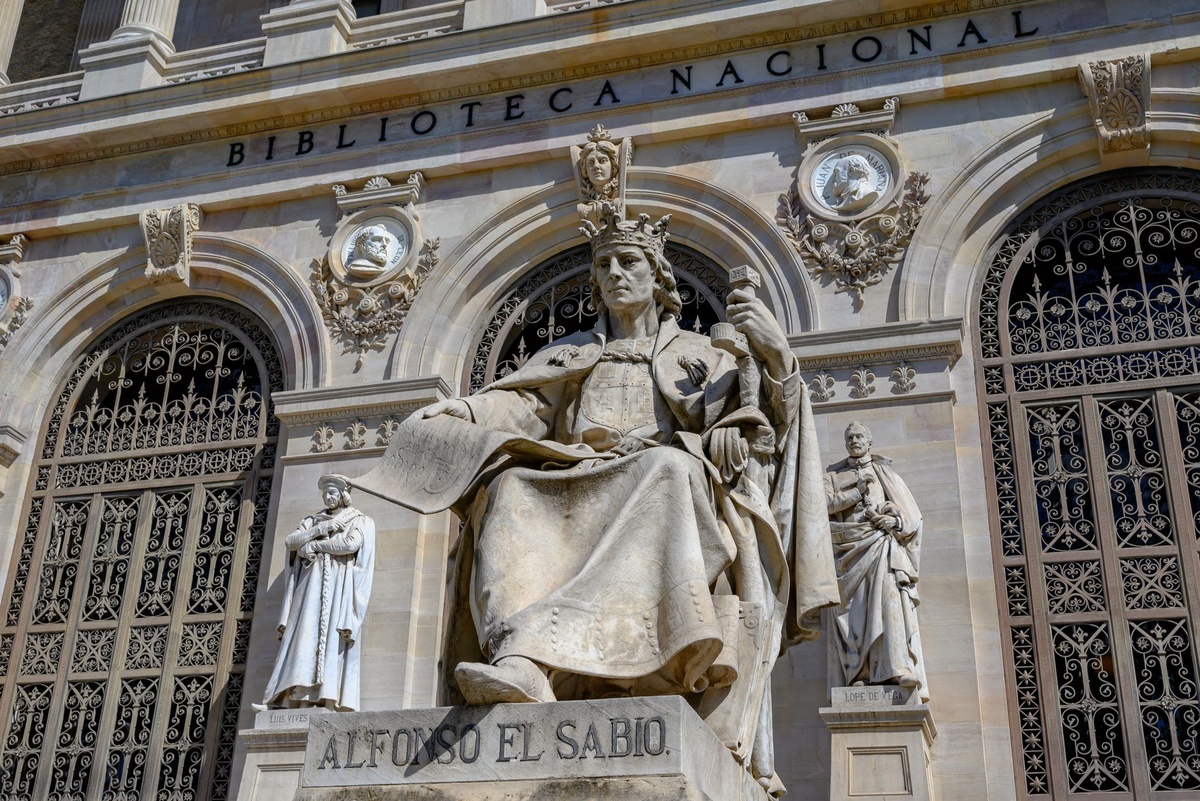
Spend the afternoon in Retiro Park, free and open roughly 6 a.m.–midnight depending on season. Renting a rowboat on the lake costs about €6 on weekdays and €8 on weekends for 45 minutes, which is kitschy but worth it if you go before 6 p.m. crowds.
For a refined but not ridiculous evening, walk or Metro to Salamanca. Have dinner at La Máquina Jorge Juan if you want seafood — expect €35–€55 per person — or keep it casual at Casa Dani inside Mercado de la Paz, where the tortilla is famous and a wedge is roughly €4–€5.
Skip the luxury shopping unless that is your sport. Calle Serrano is Madrid’s answer to Bond Street, but the better local-life move is a 20-minute vermouth stop at a market counter.
Day 3: Lavapiés, Reina Sofía, and Madrid’s Best Cheap Eats
Lavapiés is the Madrid neighborhood people reduce to “multicultural,” which is true but lazy. It is also where you can eat excellent Indian, Senegalese, Spanish, and natural-wine snacks within a 600-meter radius.
Start at Reina Sofía Museum, home to Picasso’s Guernica. Book via museoreinasofia.es; standard admission is about €12, and hours are usually 10 a.m.–9 p.m. Monday and Wednesday–Saturday, with Tuesday closed.
Reina Sofía is a sharper choice than doing a third grand palace-style museum today. Prado is imperial and painterly; Reina Sofía is political, modern, and emotionally direct, especially if you give Guernica 15 silent minutes instead of a selfie stop.
Lunch at Mercado Antón Martín, a 6-minute walk away. Try Yokaloka for sushi rolls around €9–€14 or La Saletta for Italian plates around €12–€18; it is less polished than San Miguel and much better value.
In the afternoon, wander Lavapiés street art and stop at La Fisna for Spanish wine. A glass usually costs €4–€7, versus €12–€16 cocktails in the rooftop bars along Gran Vía.
Dinner should be at Los Chuchis if you can book ahead, with plates around €12–€20, or Distrito Vegano for plant-based mains around €11–€15. If you want a cinema-bar hybrid, Sala Equis is nearby and drinks run about €4–€8.
August note: Lavapiés can feel oven-like at 4 p.m. Save the outdoor wandering for after 7 p.m., when temperatures often drop from 38°C to a more bearable 30–32°C.
Day 4: Malasaña, Chueca, Chamberí, and the Madrid Locals Actually Use
This is your neighborhood day, and it is the one most itineraries underplay. Malasaña and Chueca are less about monuments and more about cafés, independent shops, plazas, queer nightlife, and the rhythm of living outside the museum zone.
Start with coffee at Toma Café in Malasaña, where a flat white is about €3.20–€3.80. That is pricier than a €1.60 bar café con leche, but the beans and consistency are noticeably better.
Walk to the Museo de Historia de Madrid, free entry and usually open Tuesday–Sunday from 10 a.m.–8 p.m. It gives useful context on how Madrid grew from court town to capital, and it costs €0 compared with €15 for another major museum.
For lunch, head north to Mercado de Vallehermoso in Chamberí. It is about 20 minutes on foot from Malasaña or 8 minutes by Metro, and you can eat tacos, Spanish seafood, or craft beer for €10–€18 per person.
In the afternoon, tour Andén 0 / Chamberí Ghost Station, a preserved 1919 Metro station. Entry is usually free, but reservations are often required through Madrid’s museum or tourism site; compare that with a paid guided walking tour at €12–€20.
Evening belongs to Chueca. Have tapas at Bodega de la Ardosa, where tortilla, salmorejo, and vermouth make a near-perfect Madrid meal for €18–€28 per person if you share.
Skip the overhyped brunch lines in Malasaña unless you are desperate for eggs Benedict. Madrid does breakfast simply; spend the money on lunch, vermouth, or late-night tapas instead.
Day 5: Atocha, Matadero, Flamenco, and One Big Final Meal
Begin at Atocha Station’s tropical garden, free and oddly soothing, then take Metro or Cercanías toward Legazpi. The ride to Matadero Madrid takes about 12–18 minutes, while a taxi costs around €10–€14 and saves maybe five minutes.
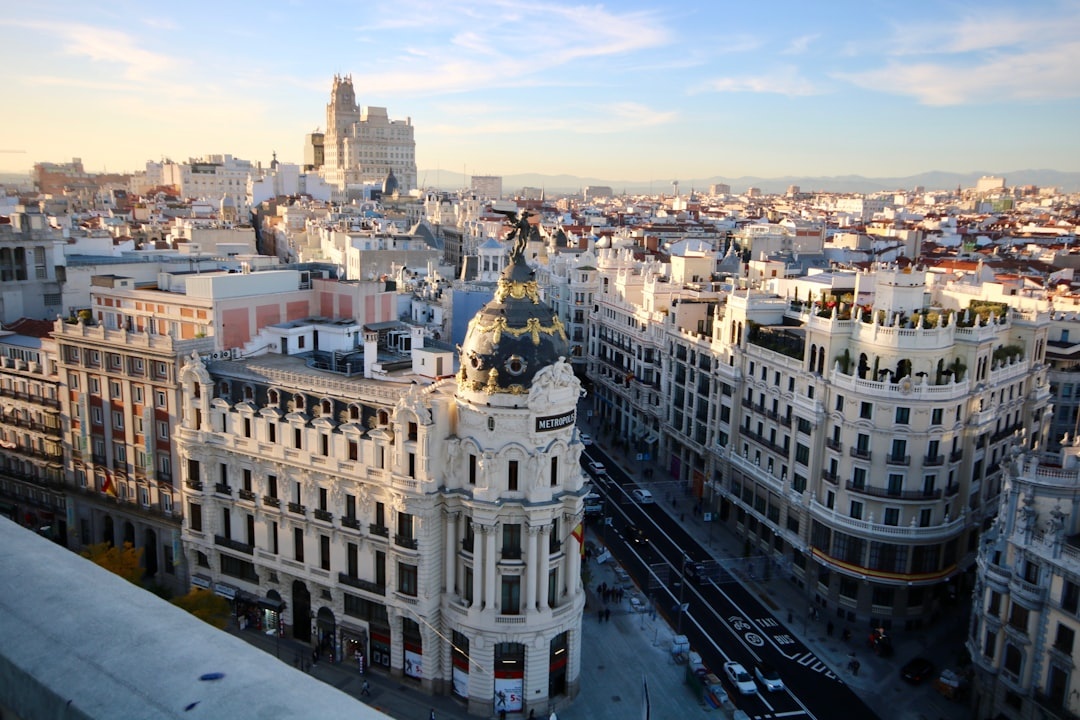
Matadero Madrid is a former slaughterhouse turned cultural complex, and exhibitions often cost €0–€6. Check current programming at mataderomadrid.org; it is far more interesting than another souvenir loop around Sol.
Walk along Madrid Río afterward. The riverside paths are not as grand as Retiro, but they show the city’s livable side: runners, families, dog walkers, and locals using public space without needing a landmark attached.
For your final lunch, book Sacha if budget allows, a Madrid institution where lunch can run €70–€110 per person. For a cheaper but excellent final meal, go to Casa Macareno in Malasaña, where croquetas, callos, and wine usually land around €30–€45 per person.
End with flamenco, but choose carefully. Cardamomo tickets start around €39–€49, while Corral de la Morería can run €55+ for show-only and much more with dinner; I would book show-only and eat elsewhere unless you want the full splurge.
If your trip overlaps August 12–13, the Perseids meteor shower peaks then, but Madrid’s light pollution is brutal. For a realistic attempt, go to Casa de Campo or Parque Juan Carlos I after midnight; better still, rent a car and head 60–90 minutes toward the Sierra de Guadarrama.
What to Book in Advance
Madrid rewards spontaneity with bars, but not with major museums in high season. August still brings last-minute summer travelers, and September 2026 is likely to be busy because the Mediterranean is increasingly seen as more pleasant after the worst 40°C heat weeks pass.
- Prado Museum: Book at least 3–7 days ahead for morning slots; €15 general admission.
- Royal Palace: Book 2–5 days ahead; around €14 general admission, closures can happen for official events.
- Reina Sofía: Book 2–4 days ahead; about €12, closed Tuesdays.
- Flamenco: Book 3–10 days ahead for good seats; expect €39–€60 for reputable shows.
- Popular restaurants: Book Sacha, Los Chuchis, and Juana La Loca 1–3 weeks ahead if traveling Thursday–Saturday.
If you are expanding the trip beyond Madrid, Santiago de Compostela pairs well by train or budget flight. Distratech’s guide to doing Galicia smartly with new Wizz Air routes is worth reading if you want cooler weather and seafood after the capital.
5-Day Madrid Budget: Realistic Costs
Madrid is cheaper than Paris and Amsterdam, but it is not the bargain capital some travelers remember. A comfortable mid-range traveler should plan on €115–€190 per day before shopping, assuming shared hotel costs.
| Category | Budget Traveler | Mid-Range Traveler | Splurge Traveler |
|---|---|---|---|
| Hotel per night | €80–€130 | €150–€240 | €280–€450+ |
| Food per day | €30–€45 | €55–€85 | €120+ |
| Transport for 5 days | €26.80 pass | €26.80 pass + €20 taxis | €33 airport taxi + taxis |
| Museums/activities | €35–€55 | €70–€110 | €160+ |
| Flamenco | Skip or €35 | €39–€55 | €100+ with dinner |
My opinionated money rule: spend on museums and one excellent final dinner, not taxis and hotel breakfasts. A hotel buffet at €18–€25 rarely beats a local café breakfast of tostada, tomato, olive oil, and coffee for €4–€6.
When to Visit Madrid: August vs September
August in Madrid is hot, quieter in some residential areas, and full of travelers who underestimated inland Spain. Expect many afternoons above 35°C, with occasional 40°C spikes; build your days around air-conditioned museums and late dinners.
September is the real winner. You still get summer energy, terraces, and warm nights, but average highs drift closer to the high 20s or low 30s °C, and locals return from the coast.
Compared with southern Spain or the Mediterranean coast in August, Madrid in September feels more usable. You will walk more, sleep better, and enjoy restaurants when the city has its normal pulse again.
Final Madrid Tips Before You Go
- Eat late: Lunch at 2–3 p.m. and dinner at 9–10 p.m. will get you better atmosphere than eating early.
- Carry water: Public fountains exist, but in August you will want a bottle with you at all times.
- Use contactless payment: Cards are widely accepted, but keep €20–€40 cash for tiny bars and markets.
- Avoid Plaza Mayor paella: Madrid is not Valencia; order cocido, callos, tortilla, croquetas, or bocadillo de calamares instead.
- Protect your phone: Pickpocketing happens around Sol, Gran Vía, Metro lines, and museum queues; use a zipped pocket.
Five days is the sweet spot for Madrid: enough time for the Prado, Royal Palace, Reina Sofía, Retiro, and neighborhood wandering without turning the trip into a checklist. Book the big-ticket sights, leave room for late vermouth, and let Madrid win you over at street level.
If this itinerary helped, save it before you book your museum slots — and build your Madrid days around meals, shade, and walking distances, not just famous landmarks.
For places to stay during your 5-day Madrid stay, browse hotels in Madrid and book early for the best rates.
Frequently Asked Questions
Is 5 days enough for Madrid?
Yes, 5 days is ideal for a first Madrid trip. You can see the Prado, Royal Palace, Reina Sofía, Retiro, La Latina, Malasaña, Chueca, and Matadero without rushing, with day-by-day walking distances mostly under 3–5 km.
How much does a 5-day trip to Madrid cost?
A mid-range 5-day Madrid trip usually costs about €575–€950 per person before flights, assuming shared hotel costs. Budget travelers can stay closer to €350–€550 by using the €26.80 transit pass, menú del día lunches, and free museum hours.
What is the best area to stay in Madrid for first-timers?
Las Letras is the best overall area because it is 10 minutes from the Prado, 12 minutes from Plaza Mayor, and close to Atocha. Chueca and Malasaña are better for nightlife, while Atocha is practical for train connections.
Should I visit Madrid in August or September?
September is better for most travelers because it is still warm but less punishing than August, when highs can reach 36–40°C. August works if you plan museums during the hottest hours and explore neighborhoods after 7 p.m.

About the Author: Tomáš Bzirský
Founder and editor of Distratech. Based in the Czech Republic, travelling regularly from Central Europe. Writes practical travel guides and travel-tech comparisons (eSIM, apps, airports) in six languages.