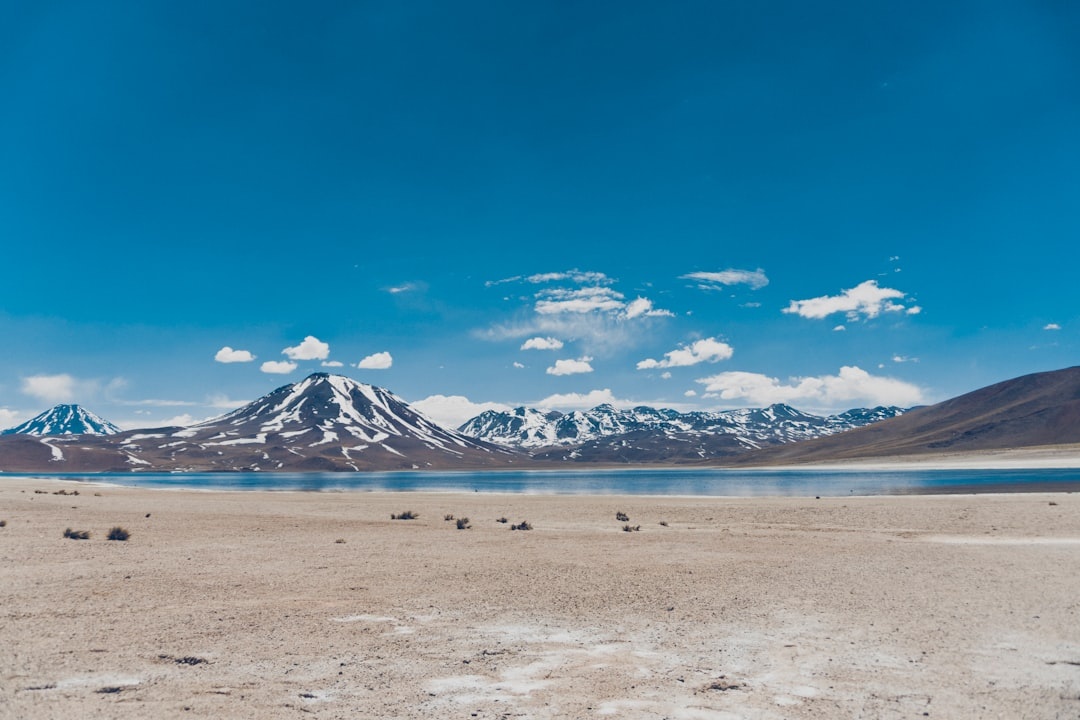
You’ve seen the photos: couples standing in a perfect sky reflection, holding hands on what looks like a giant mirror. That’s Salar de Uyuni in its famous “mirror effect” phase — and yes, it’s real. But it only happens a few weeks a year.
If you’re planning a romantic trip to Bolivia in 2026, timing is everything. Go in the wrong month and you’ll miss the water. Go in peak mirror season and you’ll share your “private” moment with 40 other tripods.
Key Takeaways
- Best mirror effect: Late January–early March (avg rainfall 90–140 mm/month).
- Best overall couple-friendly month: February for reflections, May for privacy and stable weather.
- Dry season (May–Oct): 0–5 mm rain, colder nights (down to -8°C), easier access to Incahuasi Island.
- 2026 tour price: $180–$250 per person for 3-day Uyuni tour (shared 4×4).
- Cheapest flights (July 2026 trend): US–La Paz roundtrip from $620 due to off-Europe demand shift.
Understanding Uyuni’s Seasons: 10 Years of Weather Data (2016–2025)
Uyuni sits at 3,656 meters (11,995 ft). That altitude means strong sun year-round, freezing nights in winter, and a dramatic rainy season.
Based on Bolivia’s SENAMHI data (2016–2025 averages), here’s what couples actually need to know:
| Month | Avg Rainfall (mm) | Avg Day Temp | Avg Night Temp | Mirror Effect Chance |
|---|---|---|---|---|
| Jan | 135 mm | 18°C / 64°F | 6°C / 43°F | Very High |
| Feb | 120 mm | 18°C | 5°C | Very High |
| Mar | 65 mm | 17°C | 3°C | High (early) |
| Apr | 15 mm | 16°C | -1°C | Low–Moderate |
| May | 5 mm | 15°C | -4°C | None |
| Jun–Jul | 1–3 mm | 14°C | -8°C | None |
| Aug–Sep | 3–5 mm | 17°C | -5°C | None |
| Oct | 10 mm | 19°C | -1°C | Rare |
| Nov | 25 mm | 20°C | 2°C | Unpredictable |
| Dec | 80 mm | 19°C | 5°C | Increasing |
In short: if you want reflections, you need rain. If you want access to every island and cactus viewpoint, you need dry conditions.
Mirror Effect (January–March): Romantic but Risky
This is the Instagram fantasy. A thin layer of water (1–5 cm) turns the 10,582 sq km salt flat into the world’s largest mirror.
Best month: February. Rainfall is still high (120 mm avg), but roads are more stable than January, when heavy storms sometimes block access from Uyuni town.
Downside? Crowds and logistics. February is peak domestic tourism in Bolivia. Expect 10–15 vehicles at sunrise hot spots.
2026 Tour Prices (Mirror Season):
- 1-day salt flat tour: $35–$50 per person
- 3-day Uyuni + lagoons (shared 4×4): $200–$250
- Private 4×4 (per vehicle, 2 people): $850–$1,100
Book via FindLocalTrips.com or directly with Red Planet Expedition (office on Avenida Ferroviaria). Skip random street agents offering $25 deals — I’ve seen couples stranded when vehicles broke down mid-flood.
Romance factor: 10/10 at sunrise. Just wake up at 4:30 am to beat other jeeps.
Tech Tip for Mirror Photos
Bring a microfiber cloth and lens wipes. Water is salty — droplets dry into white spots fast.
A circular polarizer filter ($40 on Amazon) reduces glare dramatically. This is the same issue photographers complain about on alpine routes like the Bernina — especially in peak summer glare conditions (I break it down in this piece on July window glare on the Bernina Express).
Dry Season (May–October): Cinematic, Quiet, and Logistically Easy
No mirror. But perfect geometric hexagons stretch endlessly, and access to Incahuasi Island (giant cacti + 360° views) is guaranteed.
Best couple month here: May.
Why not July? July 2026 is busy with European and North American summer travelers. Nights drop to -8°C, and basic salt hotels don’t have heating.
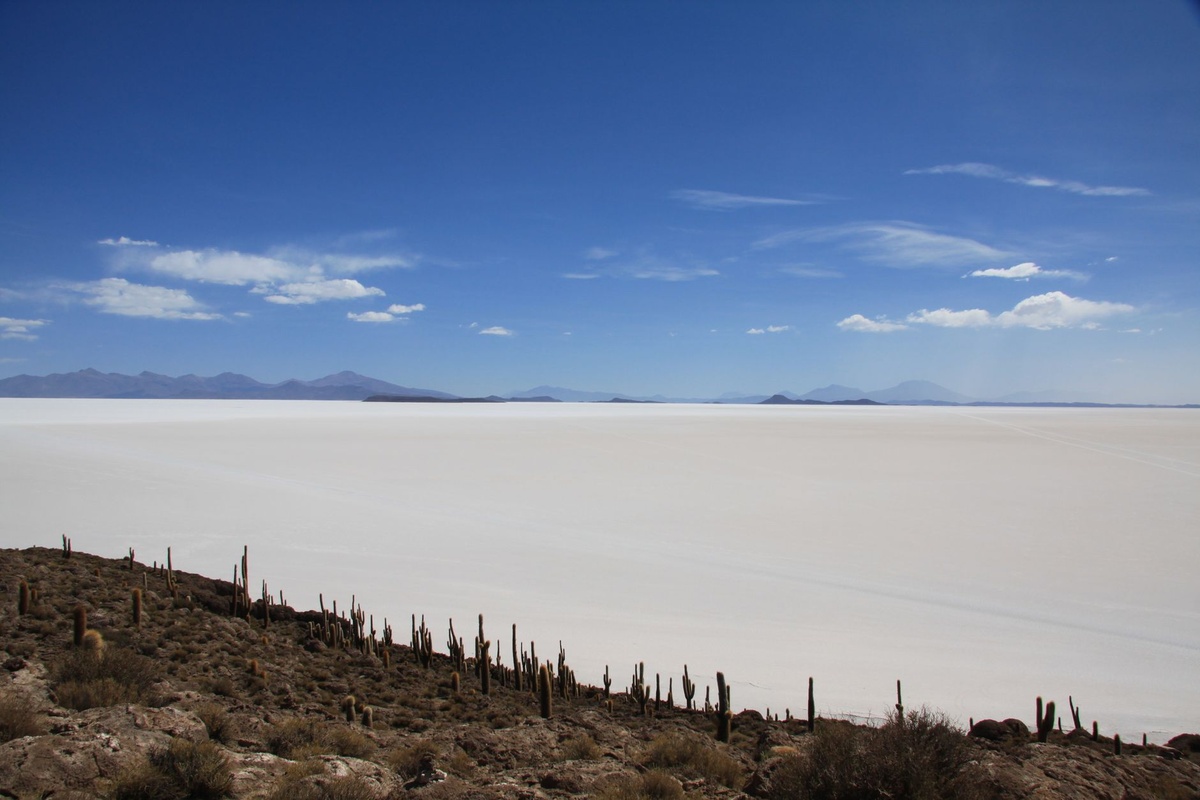
In May, rainfall is near zero (5 mm), daytime temps are comfortable (15°C), and tourism dips after Easter. You’ll often have sunset spots nearly to yourself.
2026 Dry Season Prices:
- 1-day tour: $30–$40
- 3-day shared tour: $180–$220
- Salt hotel (Hotel Palacio de Sal): $180/night double incl. breakfast
- Budget salt hostel (Hostal Cagnapa Restobar): $45–$60 double
Comparison: February 3-day tour at $230 vs May at $190 — about 17% cheaper, plus fewer vehicles competing for angles.
Cold Reality Check
Night temperatures from June–July can hit -10°C in the desert portion near Laguna Colorada. Some basic refugios have no heating and limited showers.
If you’re a couple who enjoys comfort, upgrade to a “comfort tour” (Kukapampa or Hidalgo Tours) for $260–$320 pp. Heated rooms and better food make a big difference.
Best Month Overall for Couples: My Verdict
If your dream is the reflection photo: Mid-February 2026.
If your dream is quiet sunsets, fewer jeeps, and stress-free logistics: May 2026.
Personally? I’d split the difference and go late March. Rainfall drops to 65 mm average — enough for partial reflections in some sections, but roads are more stable and crowds thinner.
It’s the sweet spot most blogs don’t mention.
Getting There in 2026: Flights, Buses & Timing Hacks
Uyuni has a small airport (Joya Andina). Flights from La Paz take 1 hour.
Flight: La Paz → Uyuni with BOA
$90–$140 one-way, 1 hr.
Overnight Bus: La Paz → Uyuni
$25–$40, 10 hours, fully reclining seats (Todo Turismo is the most reliable).
Bus saves ~$70 but costs you a night of sleep. For a short romantic trip, I’d fly in and bus out.
Interesting 2026 trend: July long-haul flights to South America are unusually competitive because demand is skewed toward Europe’s packed Mediterranean routes. We’re seeing NYC–La Paz roundtrips from $620–$750 — often cheaper than peak fares to Italy or Greece.
If you’re comparing off-season value globally, this “contrarian” logic is similar to Southeast Asia’s green season dynamics — lower crowds, smarter timing (I covered safety and timing tradeoffs in this breakdown of green season travel in Southeast Asia).
Where to Stay as a Couple (Romance vs Budget)
Palacio de Sal
$180–$250/night. Walls, beds, and chairs made of salt blocks. Heated rooms. Book at Booking.com.
Skip the cheapest salt hostels if you’re visiting in June–July. No insulation + -5°C nights = miserable.
For boutique charm in town: Hotel Jardines de Uyuni, $110–$160/night, heated indoor pool, coca tea station in lobby.
Distance tip: Staying inside Uyuni town means a 20–30 min drive to the flats. Staying at Palacio de Sal puts you 5–10 min from prime sunset spots.
Practical Tips for Couples (Don’t Skip These)
- Altitude prep: Spend 2 nights in La Paz before heading to Uyuni.
- Cash: Bring USD and withdraw bolivianos in La Paz; Uyuni ATMs run out.
- Sun protection: UV index is extreme (11+). SPF 50 minimum.
- Drone rules: Allowed in most areas, but avoid flying near other vehicles.
- Stargazing: New moon + dry season = best Milky Way visibility (June–August).
Bonus: If you time late July 2026 with new moon (July 24), you’ll get insane night skies — and you’ll be perfectly positioned for Perseids planning in August if continuing north.
So… When Should You Book?
For pure romance and reflection photos: lock in mid-February 2026 and reserve a private jeep if budget allows.
For balanced weather, lower stress, and better value: choose May or late March.
For dramatic star photography and solitude: late June (but pack serious thermal layers).
Uyuni isn’t just about when it’s beautiful. It’s about when it matches your travel style as a couple.
If you’re planning a longer South America route for 2026, keep an eye on seasonal flight pricing shifts — this year’s summer trends are making Bolivia one of the smartest long-haul plays of the season.
Book smart. Time it right. And wake up early for that sunrise — that’s when Salar de Uyuni feels like it belongs only to the two of you.
Frequently Asked Questions
When is the mirror effect strongest in Uyuni?
Late January through February, when rainfall averages 120–135 mm. A thin water layer creates full reflections, especially at sunrise after clear nights.
How much does a Uyuni Salt Flats tour cost in 2026?
A 3-day shared 4×4 tour costs $180–$250 per person depending on season. Private vehicles for couples run $850–$1,100 total.
Is May a good time to visit Uyuni?
Yes — May has near-zero rainfall (around 5 mm), fewer tourists than July, and comfortable daytime temperatures around 15°C, making it ideal for couples seeking privacy.
Is Uyuni too cold in June and July?
Nights can drop to -8°C or lower. With proper thermal layers and a higher-end tour operator offering heated rooms, it’s manageable — but budget tours can be very cold.

About the Author: Tomáš Bzirský
Founder and editor of Distratech. Based in the Czech Republic, travelling regularly from Central Europe. Writes practical travel guides and travel-tech comparisons (eSIM, apps, airports) in six languages.