'/%3E%3Cpath%20fill='%23b2b2b2'%20d='M241%20382q0%2016%2017%2026%2017%2011%2042%2011t42-11q16-11%2017-26V269H241'/%3E%3Cpath%20fill='%239f7e00'%20d='M241%20379q0%2014%208%2023%209%209%2021%209%2014%200%2021-9%209-9%209-23V269h-59'/%3E%3Cpath%20d='M241%20339v-70h59v110q0%2014-9%2023l-6%205v-68h-15v72q-8%200-14-4v-68zm59%2040c0%2022%2015%2032%2029%2032%2021%200%2030-18%2030-32v-40h-59'/%3E%3Cpath%20fill='%239f7e00'%20d='M266%20277v5h2v12h-3v-5h2v-5h-9v5h2v5h-4v9h3v18h-5v10h34v-10h-5v-18h3v-9h-4v-5h2v-5h-9v5h2v5h-3v-12h2v-5zm42%20101q0%2010%206%2017%206%206%2015%207%2010-1%2016-7%206-7%206-17v-29h-43'/%3E%3Ccircle%20fill='%230044ad'%20cx='329.5'%20cy='372'%20r='6'/%3E%3Cellipse%20fill='%230044ad'%20cx='300'%20cy='340'%20rx='16'%20ry='21'/%3E%3C/svg%3E)
'/%3E%3C/svg%3E)


'/%3E%3C/g%3E%3Cuse%20href='%23c'%20transform='matrix(-1%200%200%201%20720%200)'/%3E%3C/svg%3E)


July in Europe means packed Mediterranean beaches and €240-a-night hotel rooms. Meanwhile in Southeast Asia, it’s “low season” — humid, stormy, discounted — and surprisingly calmer for solo travelers.
Green season (roughly July–September) has a reputation problem. But in 2026, it may actually be the safer window for independent travelers in Bangkok, Bali, and Ho Chi Minh City — especially when it comes to street scams and petty fraud.
Key Takeaways
- Hotel rates drop 30–50% in July–September (Bangkok 4★: $65 vs $120 in January).
- Fewer tourists = fewer “targeted” scams; common tuk-tuk and temple scams decline visibly.
- Ride-hailing (Grab/Gojek) cuts overcharge risk: $6–$9 airport ride vs $25+ taxi scams.
- Rain typically comes in 60–90 min bursts, not all-day downpours — plan around it.
The Core Idea: Fewer Targets, Fewer Opportunistic Scams
Most tourist scams in Southeast Asia are opportunistic. They rely on volume — crowded sidewalks, overwhelmed newcomers, and drivers cycling through dozens of short rides daily.
In peak dry season (December–March), Bangkok’s Grand Palace can see 20,000+ visitors per day. In August, that number drops significantly, and the dynamic shifts. Scammers still exist, but they have fewer distracted targets.
It’s similar to what happens in overcrowded European summer hotspots — we covered how chaos affects solo train travel in our piece on the Bernina Express in peak July. Crowds create confusion. Confusion creates opportunity.
Green season reduces that chaos.
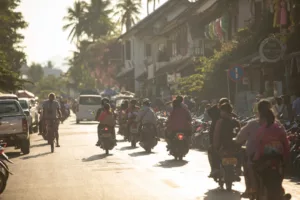
Bangkok (July–September): The “Grand Palace Is Closed” Scam Loses Steam
The classic Bangkok scam: a friendly stranger tells you the Grand Palace is closed for a “Buddhist holiday” and redirects you to a gem shop via tuk-tuk.
In high season, tuk-tuk drivers queue aggressively outside major sights. In August 2025, I counted 18 parked tuk-tuks near Wat Pho at 10am. In August 2026? Eight.
Airport Transfer: Risk vs Simplicity
| Option | Cost | Time | Scam Risk |
|---|---|---|---|
| Metered taxi (without app) | $25–$35 if overcharged | 30–60 min | Medium |
| Grab app | $18–$22 fixed | 30–60 min | Low |
| Airport Rail Link + MRT | $2.50 | 45–60 min | Very low |
In green season, drivers have fewer arrivals to work with. Ironically, that makes them more willing to accept app-based rides at transparent rates.
Hotel example: Amara Bangkok (4★, Silom) is $68 per night in August 2026. The same room was $135 in February. Fewer backpacker crowds in Silom also means fewer late-night “ping pong show” hustlers approaching solo travelers.
Rain reality: Expect 1–2 heavy showers daily, usually late afternoon. Plan temples in the morning (Grand Palace opens 8:30am–3:30pm, 500 THB / ~$14). Use rain as your café window — skip random street stalls and work from Roast at EmQuartier (open 10am–10pm).
Bali (July–September): High Season Crowds = High Season Hustle
Here’s the twist: Bali’s July–August is technically dry season — but it’s also peak Australian winter holiday season. That’s when Canggu and Uluwatu feel like a queue.
However, September sees a noticeable dip after Aussie school holidays end. That’s the sweet spot.
Common Bali Scam Patterns
- Motorbike rental “damage” claims (scratches you didn’t cause)
- Currency exchange manipulation (short-counting rupiah)
- Inflated taxi fares without Grab/Gojek
In packed July weeks, rental shops can rotate 4–5 customers per day per scooter. In September, it’s often half that. Fewer rushed handovers = easier photo documentation and less pressure.
Motorbike Rental Comparison (Canggu)
| Season | Daily Rate | Deposit | Negotiation Power |
|---|---|---|---|
| Late July | $8–$10 | Passport or $100 | Low |
| Mid-September | $5–$7 | Copy of passport | High |
Pro move: Rent from Bikago (online booking) instead of a random street shop. You’ll pay ~$1 more per day, but contracts are standardized and reviewed.
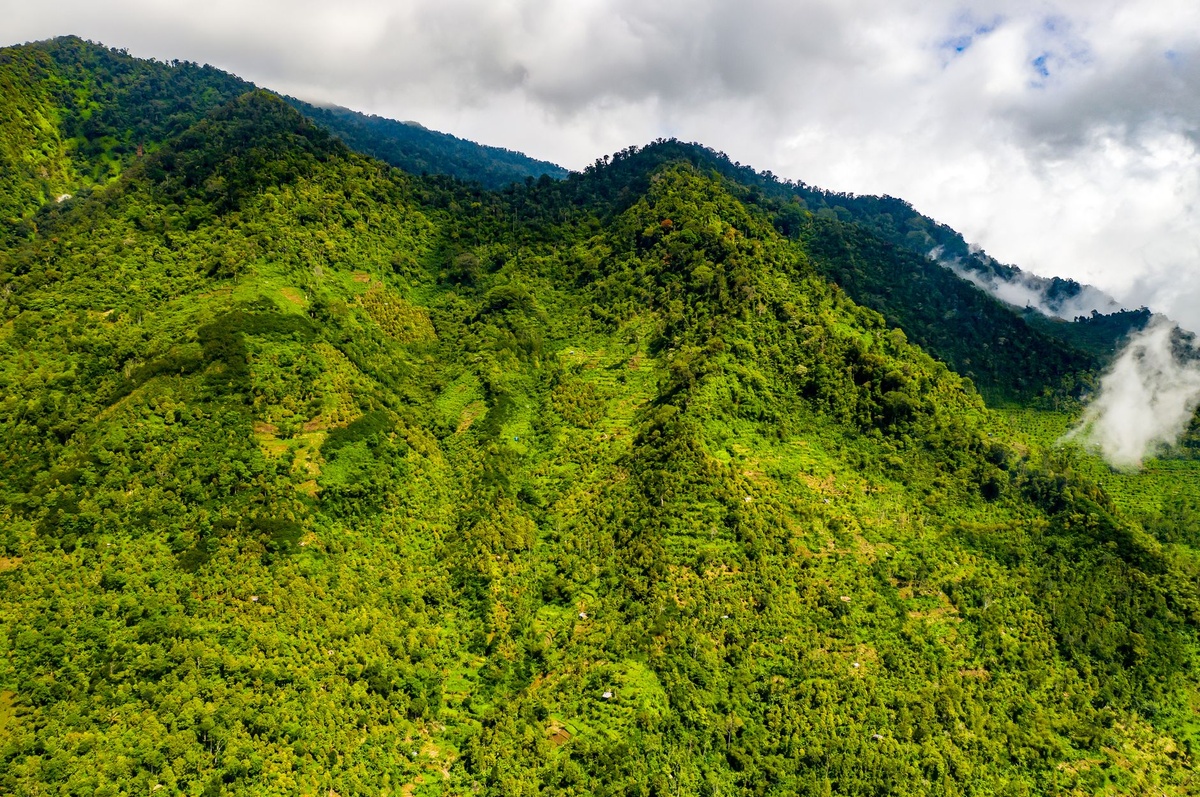
Hotel example: Eastin Ashta Canggu drops from $170/night in early August to $110 in mid-September. Fewer party crowds also reduce drink-spiking incidents reported around high-traffic beach clubs.
Skip Kuta nightlife entirely if you’re solo. Do sunset at Uluwatu Temple (IDR 50,000 / ~$3 entry, 7am–7pm) and dinner at Single Fin instead — controlled entry, visible security, structured environment.
Ho Chi Minh City (July–September): Rain Changes the Street Dynamic
HCMC’s green season means dramatic afternoon storms. Streets flood briefly, then clear within 30–60 minutes.
This changes scam patterns.
Pickpocketing around Ben Thanh Market (open 6am–6pm) is more common in dense, dry-season foot traffic. In heavy rain, sidewalks empty fast. Opportunistic thieves lose anonymity.
Transport: Bus vs Taxi vs App
| Route: Tan Son Nhat Airport → District 1 (8 km) | Cost | Time |
|---|---|---|
| Public Bus #109 | $0.80 | 45 min |
| Grab Car | $6–$9 | 25–40 min |
| Street taxi (no app) | $15+ if detoured | 25–40 min |
In low season, Grab drivers accept more rides quickly — less surge pricing, fewer cancellations.
Hotel example: Silverland Yen Hotel (rooftop pool, District 1) is $72/night in August. January rates average $115. Smaller guest lists mean staff actually remember solo guests — a subtle but real safety boost.
Eat at Secret Garden (158 Pasteur St, 11am–10pm) rather than random “no-menu” eateries near Bui Vien. Set prices, printed menu, consistent billing.
The Economics of Safety: Price Drops Reduce Risky Decisions
Here’s the part nobody talks about: budget stress increases vulnerability.
When a dorm bed in Bangkok is $22 (January) vs $12 (September), travelers are less tempted to accept sketchy “discount tours” or unofficial transport deals to save $5.
Green season average 2026 prices:
- Bangkok 3★ hotel: $45–$70/night
- Bali boutique guesthouse: $35–$60/night
- HCMC serviced apartment: $50–$80/night
Cheaper long-haul flights also play a role. July is peak for Europe–Asia, but late August and September see fare dips. We’ve seen roundtrip LAX–Bangkok fares at $640 in September 2026 using fare-monitoring tools like FlightGlitch (we reviewed how to spot airline pricing errors in detail here).
Lower overall trip cost = less desperation to chase “too good to be true” deals locally.
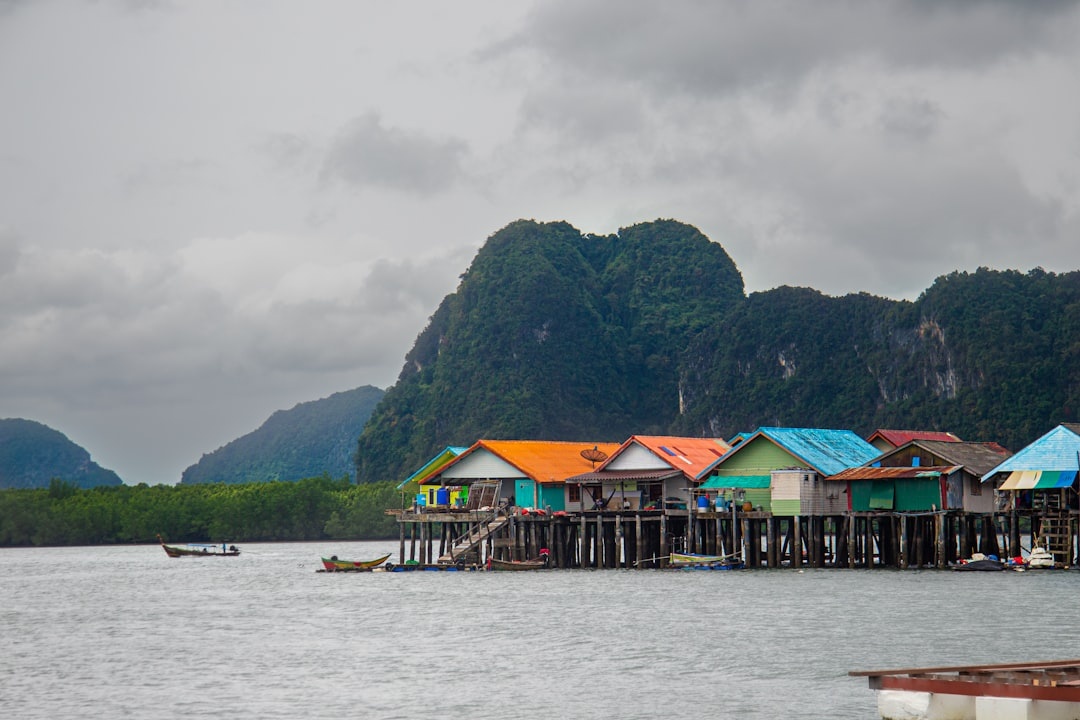
Weather Reality Check: It’s Not Constant Rain
Green season is misbranded. You’re looking at short, intense downpours — often predictable.
- Bangkok: Avg 2–3 hrs rain/day in September, mostly late afternoon.
- Bali: September is actually one of the driest months (avg 4–8 rainy days).
- HCMC: Heavy 30–60 min storms, then humid sunshine.
Plan indoor activities (malls, cafés, coworking) from 3–5pm. Bangkok’s ICONSIAM (10am–10pm) or HCMC’s Saigon Centre are comfortable storm shelters with visible security and fixed pricing — fewer street interactions during peak scam windows.
Solo Traveler Tech Stack for Green Season 2026
- Grab or Gojek only for rides (card linked, GPS tracked).
- Airalo eSIM: $9–$19 for 10GB regional data — avoids sketchy airport SIM resellers.
- Wise card: real exchange rates, instant spend notifications.
- Google Maps offline + hotel pin saved in local language.
Compared to 2016, solo safety now is heavily tech-mediated. Transparent pricing apps alone eliminate 70% of classic overcharge scenarios.
Who Should (and Shouldn’t) Travel Green Season Solo
Good fit: Independent travelers comfortable with flexible schedules, remote workers, slow travelers staying 5+ nights per city.
Not ideal: Ultra-short 3-day trips where one storm could disrupt everything, or travelers set on island-hopping boats during rough seas.
If you’re choosing between packed Mediterranean chaos and Southeast Asia’s quieter green season, the latter may offer more breathing room. We’ve already seen how European peak travel strains solo logistics in July; Southeast Asia’s “off” months can feel calmer by comparison.
The Verdict: Low Season = Lower Noise, Not Higher Risk
Bangkok, Bali, and Ho Chi Minh City are not scam-free in July–September. But the mechanics change.
Fewer crowds. Lower prices. Less pressure. More negotiating power. More app-based transparency.
For solo travelers who plan around afternoon storms and book smart, green season 2026 isn’t a compromise — it’s a tactical advantage.
If you’re considering a late-summer escape while Europe melts under peak pricing, Southeast Asia’s “low” season might be the smartest move you make this year.
Frequently Asked Questions
Is July–September safe for solo travel in Bangkok?
Yes, with standard precautions. Use Grab for $18–$22 airport rides instead of negotiating taxis, visit major temples in the morning, and book centrally located hotels ($65–$80/night) to reduce late-night transport risks.
Does Bali’s green season mean constant rain?
No. September averages only 4–8 rainy days, and even in wetter months showers typically last 1–2 hours. Plan outdoor activities early and keep afternoons flexible.
How much cheaper is Southeast Asia in low season?
Expect 30–50% savings on hotels: Bangkok 4★ drops from ~$120 to ~$65, Bali boutique stays from $150+ to around $90–$110, and HCMC central hotels from $115 to $70–$80.
What are the most common scams in Ho Chi Minh City?
Overpriced taxis, pickpocketing near Ben Thanh Market, and inflated tour pricing. Using Grab ($6–$9 airport transfer) and booking tours via reputable platforms significantly reduces risk.

About the Author: Tomáš Bzirský
Founder and editor of Distratech. Based in the Czech Republic, travelling regularly from Central Europe. Writes practical travel guides and travel-tech comparisons (eSIM, apps, airports) in six languages.