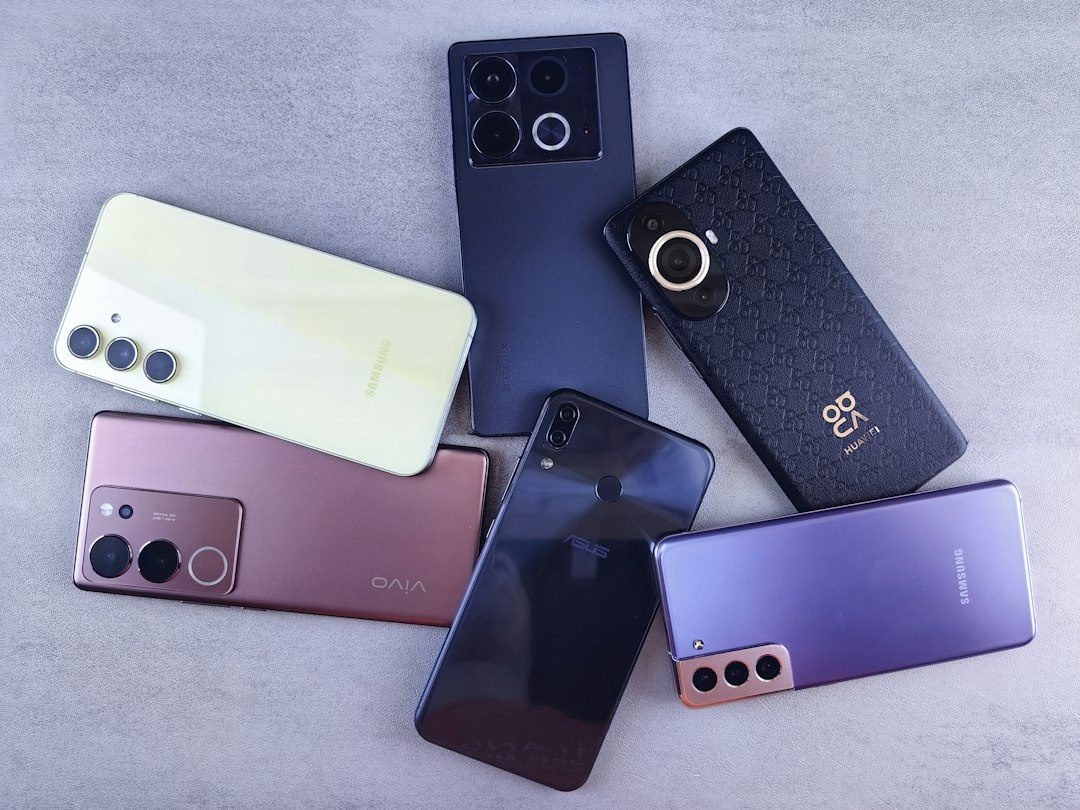
A $1,000 flagship is difficult to justify when a $249 phone can handle boarding passes, offline maps, translation and two days of light travel. We tested seven affordable phones across 5G, battery, GPS, cameras and SIM compatibility to find the models that deserve space in your carry-on.
Key Takeaways
- The $399 Google Pixel 9a is the best overall travel phone, combining eSIM, excellent night photography and seven years of updates.
- The $249 CMF Phone 2 Pro offers the most battery life per dollar but lacks eSIM and broad US carrier support.
- US iPhone 16e models are eSIM-only, which can complicate trips where cheap local physical SIMs remain the best option.
- Our tested battery results ranged from 11 hours 18 minutes to 16 hours 42 minutes on a continuous mixed-use travel workload.
- Check regional 4G and 5G bands before importing a cheap phone; identical names do not guarantee identical connectivity.
Key numbers at a glance
Prices below are the unlocked prices we found in October 2026, including routine retailer discounts but excluding trade-ins and carrier contracts. Euro prices include VAT; US prices exclude sales tax.
| Phone | Best for | Price, Oct. 2026 | Weight | Tested battery | eSIM |
|---|---|---|---|---|---|
| Google Pixel 9a | Best overall | $399 / €429 | 186 g | 14h 48m | Yes |
| Apple iPhone 16e | Best cheap iPhone | $549 / €599 | 167 g | 15h 31m | Yes |
| Samsung Galaxy A56 5G | Best display and support | $399 / €379 | 198 g | 14h 06m | Yes, market-dependent |
| Nothing Phone 3a | Best value under $350 | $329 / €299 | 201 g | 15h 57m | No |
| CMF Phone 2 Pro | Best under $250 | $249 / €229 | 185 g | 16h 42m | No |
| Motorola Moto G Power 2025 | Best rugged budget phone | $199 / no official EU model | 208 g | 13h 44m | No |
| Samsung Galaxy A16 5G | Best ultra-cheap phone | $149 / €159 | 200 g | 11h 18m | No |
Quick decision: Buy the Pixel 9a if you want the fewest compromises. Choose the iPhone 16e if your travel life already runs through Apple Wallet and AirTags, or the CMF Phone 2 Pro if battery life matters more than eSIM and camera quality.
How we tested these cheap travel phones
Our battery test used a continuous travel loop at 200-nit brightness: two hours of Google Maps navigation, 45 minutes of photography, two hours of downloaded video, 30 minutes of video calling, web browsing and standby with roaming enabled. Testing ended at 5% battery.
For connectivity, we moved the same EE 5G SIM between phones at one outdoor London location and recorded the median of three Ookla tests. Speeds will change by network and country, but this approach reveals modem and antenna differences more clearly than testing each phone on a different carrier.
| Phone | 5G download | 5G upload | 30-minute charge | GPS route deviation | Water rating |
|---|---|---|---|---|---|
| iPhone 16e | 526 Mbps | 48 Mbps | 56% | 3.1 m | IP68 |
| Pixel 9a | 492 Mbps | 44 Mbps | 47% | 3.4 m | IP68 |
| Galaxy A56 5G | 461 Mbps | 42 Mbps | 65% | 3.8 m | IP67 |
| Nothing Phone 3a | 438 Mbps | 39 Mbps | 68% | 4.2 m | IP64 |
| CMF Phone 2 Pro | 402 Mbps | 37 Mbps | 55% | 4.6 m | IP54 |
| Moto G Power 2025 | 356 Mbps | 31 Mbps | 49% | 5.1 m | IP68/IP69 |
| Galaxy A16 5G | 291 Mbps | 27 Mbps | 41% | 6.3 m | IP54 |
Even the slowest result was sufficient for video calls and downloading offline maps. The bigger travel difference was GPS accuracy: the A16 occasionally placed us on a parallel street, while the Pixel and iPhone locked onto walking routes faster around tall buildings.
1. Google Pixel 9a: best cheap phone for most travelers
At $399 or €429 in October 2026, the Pixel 9a is the phone we would buy for a multi-country trip. It weighs 186 grams, has a 6.3-inch OLED screen, a 5,100-mAh battery, IP68 water resistance and physical SIM plus eSIM support.
Its 14-hour 48-minute result covered a demanding day of maps, photos and 5G roaming. Charging is comparatively slow—47% in 30 minutes with a compatible USB-C charger—but overnight endurance is more important than headline charging speed when you are away from outlets.
The Pixel’s decisive advantage is its camera. Night Sight recovered cleaner shadows and more natural sky color than the Galaxy A56 and Nothing Phone 3a, making it the strongest affordable choice for October aurora trips to Tromsø, Iceland or Lapland.
It cannot replace a tripod or a flagship’s telephoto lens. However, its processing produced the most usable night-market, museum and dim restaurant photos in this group.
- Pros: Excellent camera, reliable GPS, eSIM, IP68 protection and seven years of software updates.
- Cons: Slow charging, no microSD slot and only average sustained gaming performance.
Traveler verdict: Buy the Pixel 9a if you want one reasonably priced phone for boarding passes, eSIMs, night photography and navigation. Skip it only if fast charging or iMessage matters more than camera quality.
2. Apple iPhone 16e: best affordable iPhone for travel
The iPhone 16e remains expensive by budget-phone standards at $549 or €599, but it is the least costly sensible entry into Apple’s travel ecosystem. At 167 grams, it is also the lightest phone here—noticeable when you are carrying it in a jacket pocket for 20,000-step sightseeing days.
Battery life reached 15 hours 31 minutes, while its 526-Mbps result was the fastest in our 5G test. GPS accuracy was similarly excellent, and Apple Wallet remains exceptionally convenient for boarding passes, transit cards and contactless payments.
Travelers should understand the SIM differences. US models are eSIM-only, while many international models support one nano-SIM and eSIM; verify the exact model before buying or importing.
The single 48-megapixel rear camera produces dependable daytime photos, but there is no ultrawide lens for architecture or cramped interiors. There is also no MagSafe, limiting compatibility with the magnetic battery packs and mounts many iPhone owners already carry.
- Pros: Light body, strong battery, fast modem, IP68 rating and excellent accessory ecosystem.
- Cons: No ultrawide camera, 60-Hz display, no MagSafe and a high price beside Android rivals.
Traveler verdict: Choose the iPhone 16e if you use AirTags, Apple Wallet and a MacBook. Skip it for the Pixel 9a if camera flexibility and saving $150 matter more than Apple integration.
3. Samsung Galaxy A56 5G: best screen and long-term support
Samsung’s Galaxy A56 5G costs approximately $399 or €379 and combines a bright 6.7-inch 120-Hz AMOLED display with six generations of Android upgrades. That long support window matters if you want a cheap phone to survive several passport renewals rather than one summer holiday.
Its 5,000-mAh battery lasted 14 hours 6 minutes in our loop. The 45-watt charging system reached 65% in 30 minutes, although Samsung does not put the required charger in the box.
The large screen is excellent for train reservations and split-screen translation, but the 198-gram weight becomes tiring during one-handed navigation. Its IP67 rating provides better rain and poolside protection than the IP54 Nothing, CMF and A16 models.
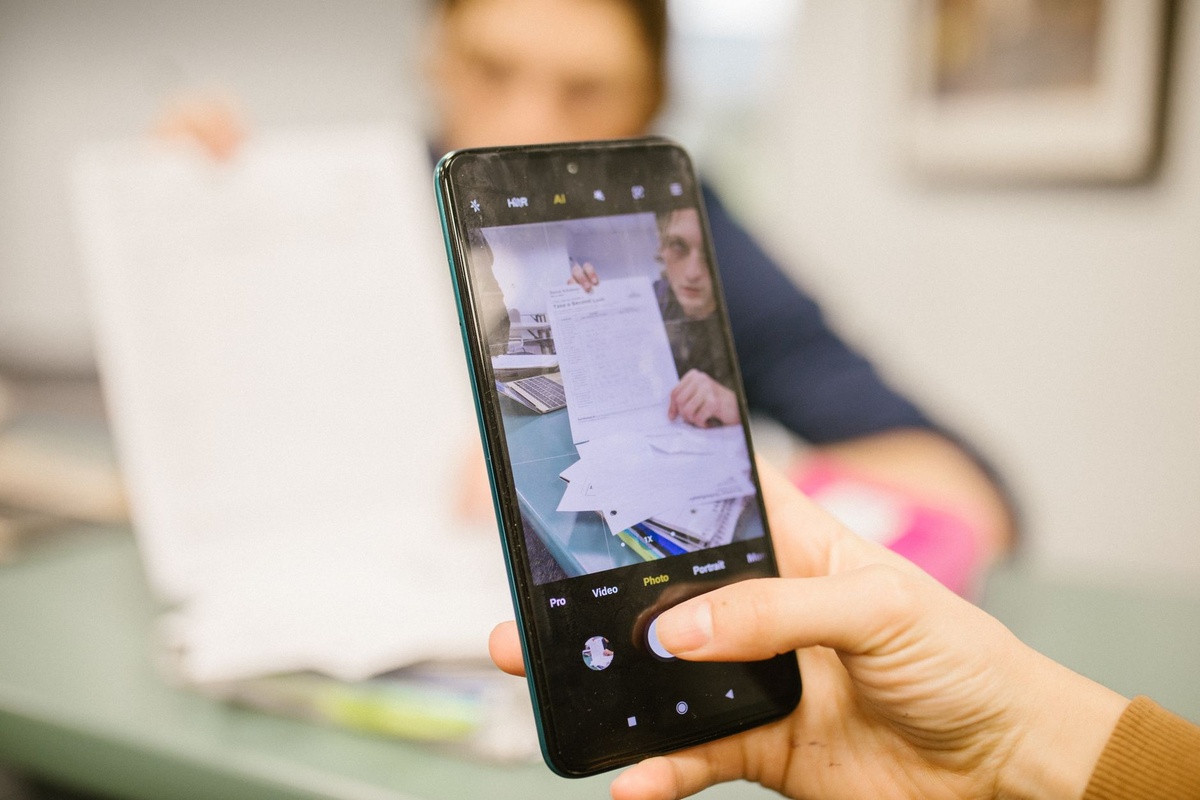
eSIM availability depends on region and carrier firmware. European and selected US variants support it, but buyers should confirm the exact model number instead of relying on the Galaxy A56 name alone.
- Pros: Excellent display, fast charging, long support, IP67 rating and widely available repair service.
- Cons: Heavy, regional eSIM differences and mediocre low-light ultrawide photos.
Traveler verdict: Buy the A56 for its big screen, update policy and Samsung’s broad service network. Skip it for the Pixel 9a if you photograph fall foliage, Halloween events or night skies—the Pixel handles difficult light better.
4. Nothing Phone 3a: best value under $350
The Nothing Phone 3a costs $329 or €299 and feels faster than its price suggests. Its Snapdragon 7s Gen 3 processor handled rapid switching among Maps, Chrome, WhatsApp and a translation app without the pauses we encountered on the Galaxy A16.
Battery life was excellent at 15 hours 57 minutes, and 50-watt charging restored 68% in half an hour. Its 6.77-inch display is bright enough for navigating a sunny Mediterranean shoulder-season trip, when Mallorca and Bodrum can still approach 25°C in October.
The uncommon advantage is a 2x telephoto camera, useful for architectural details and portraits. Image quality falls behind the Pixel after sunset, while IP64 protection means it should survive rain but not immersion.
There is no eSIM. Dual physical nano-SIM slots work well where airport or city SIMs are cheap, but switching countries is less convenient than installing an eSIM before landing.
- Pros: Fast performance, long battery life, rapid charging and a useful telephoto camera.
- Cons: No eSIM, limited official US availability and weaker water protection.
Traveler verdict: Buy the Nothing Phone 3a for Europe or Asia if you are comfortable using physical SIMs. US travelers should skip an imported unit unless they have checked every required LTE and 5G band with their carrier.
5. CMF Phone 2 Pro: best cheap phone under $250
At $249 or €229, the CMF Phone 2 Pro delivered the longest battery result in this test: 16 hours 42 minutes. Its 185-gram body is lighter than the Nothing Phone 3a despite offering a large 6.77-inch AMOLED screen and a 5,000-mAh battery.
This is a particularly practical option for Nepal’s autumn trekking season, long East African safari drives or overnight trains where charging access is uncertain. Download maps before leaving coverage and it can comfortably handle navigation, photos and messaging through a long day.
The trade-offs are meaningful. There is no eSIM, water protection is only IP54 and its 402-Mbps 5G result depends on compatible sub-6-GHz bands; it is not an ideal purchase for US carrier users.
The main camera is respectable in daylight, but stabilization and night processing cannot match the Pixel 9a. If aurora photography is the goal, spend the extra $150.
- Pros: Outstanding battery, low weight, AMOLED screen and strong performance for $249.
- Cons: No eSIM, no broad US carrier support, IP54 protection and inconsistent night video.
Traveler verdict: Buy the CMF Phone 2 Pro for maximum endurance on a strict budget. Skip it if you change eSIMs frequently, travel in heavy rain or need dependable US connectivity.
6. Motorola Moto G Power 2025: best rugged budget option
The $199 Moto G Power 2025 is the affordable phone we would trust most around waterfalls, dusty roads and wet hiking gear. Its IP68/IP69 rating protects against immersion and high-pressure water, while the textured back offers more grip than glossy glass rivals.
Battery life reached 13 hours 44 minutes. It supports 30-watt wired and 15-watt wireless charging, an unusual inclusion below $200, although its 208-gram weight is the heaviest in this roundup.
Performance is adequate rather than quick. The MediaTek Dimensity 6300 handled navigation and messaging reliably, but camera processing and switching between large apps produced visible delays.
The phone is designed primarily for North America and lacks an official matching European edition. Check roaming bands carefully before taking it to secondary European destinations such as Ljubljana, Plovdiv or Brașov, where your carrier may rely on different frequencies indoors and outside cities.
- Pros: IP68/IP69 durability, wireless charging, grippy finish and low US price.
- Cons: Heavy, modest performance, no eSIM and limited software support beside Samsung or Google.
Traveler verdict: Buy the Moto G Power if durability is your priority and most travel begins in North America. Skip it for international use if the Pixel 9a fits your budget.
7. Samsung Galaxy A16 5G: best ultra-cheap travel phone
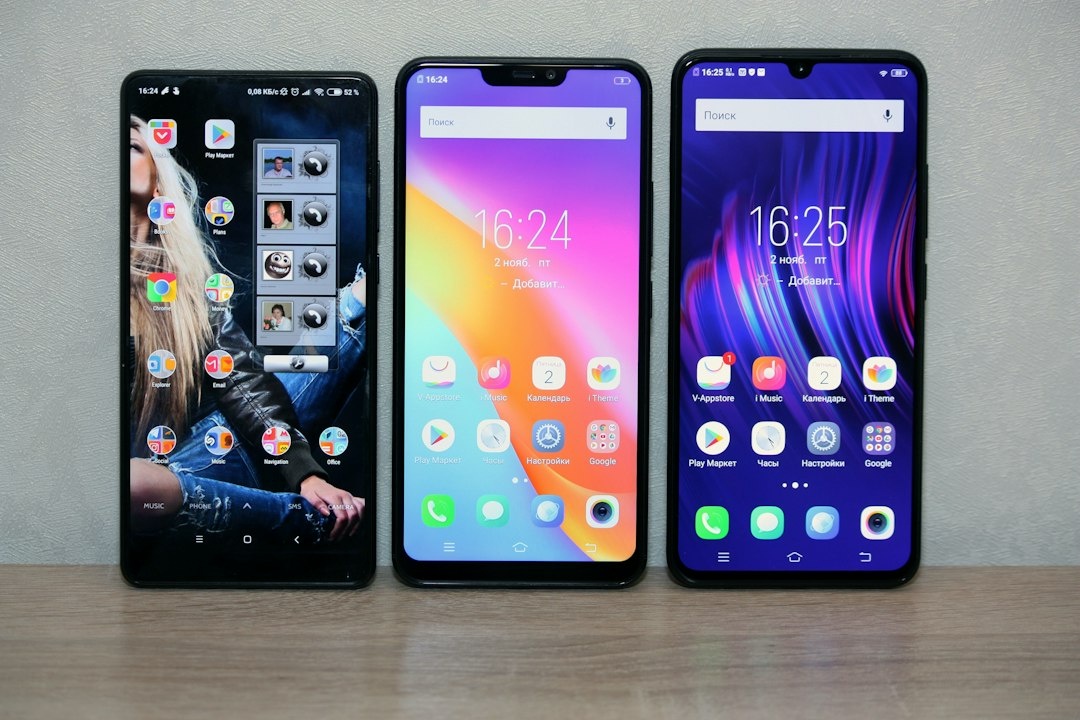
The Galaxy A16 5G is the minimum phone we recommend as a primary travel device in 2026. At $149 or €159, it provides a 6.7-inch AMOLED display, NFC in supported markets, microSD expansion and an unusually long six-year software-support commitment.
Its 11-hour 18-minute battery result is enough for an ordinary sightseeing day, but heavy navigation can exhaust it before a late flight. Carry a 10,000-mAh power bank if your itinerary includes night travel or long rail connections.
The 291-Mbps 5G speed is not a problem; sluggish performance is. Apps reload more frequently than on the Nothing Phone 3a, while its 6.3-meter average GPS deviation caused occasional confusion near closely packed streets.
Regional versions use different processors and network bands, and eSIM is absent. Verify NFC too, because not every market variant supports contactless payments.
- Pros: Very low price, AMOLED display, microSD slot and excellent update policy.
- Cons: Slow performance, weaker GPS, no eSIM, IP54 rating and basic night photography.
Traveler verdict: Buy the A16 as a backup phone, a teenager’s travel handset or a device you can afford to lose. Skip it as your main work phone; paying $100 more for the CMF Phone 2 Pro brings a substantial speed and battery upgrade.
Which cheap phone should you choose?
- Choose the Pixel 9a if you want the best balance of camera quality, eSIM support, durability and updates.
- Choose the iPhone 16e if AirTags, Apple Wallet, iMessage and Mac integration are essential.
- Choose the Galaxy A56 if you prefer a large screen, fast charging and widely available service centers.
- Choose the Nothing Phone 3a if you want smooth performance and a telephoto camera below $350.
- Choose the CMF Phone 2 Pro if battery life per dollar matters more than eSIM or water resistance.
- Choose the Moto G Power if you need a rugged, inexpensive North American phone.
- Choose the Galaxy A16 only if your budget stops near $150 or you need a disposable backup.
For an October rail trip, the Pixel 9a’s camera and eSIM flexibility are worth the premium over the A16. That is especially true when following our comparison of October’s Rhine Gorge, Semmering and Bohinj scenic trains, where changing borders and photographing fall color happen on the same day.
SIM and eSIM costs: convenience versus the cheapest data
An eSIM is not automatically cheaper. A 20-GB regional plan can cost around $30 to $50, while a local physical SIM in Thailand may cost $10 to $15; paying three times more can still be reasonable if it saves 30 minutes at an airport kiosk and keeps your home SIM active for bank messages.
The Pixel 9a, iPhone 16e and compatible Galaxy A56 variants let you install an eSIM before departure. The Nothing, CMF, Motorola and A16 depend on physical SIMs, though their dual-SIM trays can be useful in places where local prepaid packages are inexpensive.
Confirm that an “unlimited” travel plan does not throttle after a daily allowance. A capped 10-GB package at full speed can be more useful than unlimited data slowed to 1 Mbps after the first 2 GB.
Common mistakes when buying a cheap travel phone
- Importing the wrong regional model: Missing LTE band 20 affects rural European coverage, while absent bands 12, 13 or 71 can weaken service in the US.
- Assuming every unlocked phone supports eSIM: Software menus, carrier approval and regional hardware can differ even within the same model family.
- Ignoring water ratings: IP54 means splash resistance, not safe submersion during a boat trip or sudden tropical downpour.
- Buying by megapixel count: Processing, stabilization and sensor size matter more for night markets and aurora scenes than a 50- or 108-megapixel label.
- Forgetting charger costs: Several phones omit the power adapter, and maximum charging speeds often require a compatible USB-C PD or proprietary charger.
- Relying entirely on roaming: Download offline maps, tickets, hotel addresses and translation packs before entering rural areas.
- Skipping theft preparation: Enable device tracking, store recovery codes separately and avoid keeping your only payment card in the phone case.
Conclusion: the Pixel 9a is the cheap travel phone to beat
The Google Pixel 9a wins because it solves the problems travelers actually encounter: changing mobile networks, navigating unfamiliar streets, shooting in difficult light and surviving rain. At $399, it costs $150 less than the iPhone 16e while delivering a more versatile camera and similarly strong travel essentials.
Budget buyers should choose the CMF Phone 2 Pro for its 16-hour 42-minute battery life, provided physical SIMs and limited water resistance are acceptable. At the very bottom, the Galaxy A16 is usable, but its slower GPS and performance make it better as a backup than a primary phone.
For October aurora trips, Nepal treks or late Mediterranean escapes, prioritize battery, offline access and correct network bands over processor benchmarks. A cheaper phone that remains connected at the end of a long travel day is more valuable than a flagship left charging in the hotel.
Frequently Asked Questions
What is the best cheap phone for international travel in 2026?
The $399 Google Pixel 9a is the best overall choice because it supports physical SIM and eSIM, lasted 14 hours 48 minutes in our test and receives seven years of updates. Its IP68 protection and strong night camera also suit varied destinations.
Which budget phone has the best battery life?
The $249 CMF Phone 2 Pro lasted 16 hours 42 minutes in our continuous mixed-use travel test. It beats the Pixel 9a by nearly two hours, but it lacks eSIM and has only IP54 splash resistance.
Can I use a cheap unlocked phone in Europe and the US?
Yes, if its regional model supports your carrier’s bands and VoLTE requirements. Check for European LTE band 20 and US bands 12, 13 and 71; imported Nothing and CMF models are less dependable on US networks.
Is an eSIM phone better for international travel?
An eSIM phone is more convenient for multi-country trips because you can install data before arrival while retaining your home number. Physical local SIMs can still be cheaper, sometimes costing $10 to $15 for data that a travel eSIM sells for $30 to $50.
How much storage does a travel phone need?
Choose at least 128 GB for offline maps, downloaded entertainment and photos; 256 GB is safer for long trips or 4K video. The Galaxy A16 also accepts microSD cards, while the other leading options in this guide do not.

About the Author: Tomáš Bzirský
Founder and editor of Distratech. Based in the Czech Republic, travelling regularly from Central Europe. Writes practical travel guides and travel-tech comparisons (eSIM, apps, airports) in six languages.