Your first safari is one of those trips you’ll remember forever. Lions at sunrise. Elephants crossing the road. That first close-up of a giraffe that makes you forget your camera is even in your hands.
But choosing between Kenya, Tanzania, and South Africa in peak summer 2026? That’s where things get complicated — especially if you care about the Great Migration, real costs, and safety on the ground.
Key Takeaways
- Best for the Great Migration (July–September 2026): Kenya’s Maasai Mara, from ~$350/day budget to $900+/day luxury.
- Most affordable self-drive safari: South Africa’s Kruger, from ~$150/day including car rental and park fees.
- Most remote, dramatic landscapes: Tanzania’s Serengeti & Ngorongoro, typically $450–$1,200/day all-inclusive.
- Safest and easiest logistics for first-timers: South Africa, with excellent roads and strong tourism infrastructure.
Migration: Where You’ll Actually See the Action (July–September 2026)
If you’re planning a summer 2026 safari, you’re chasing one thing: the Great Migration river crossings.
Kenya (Maasai Mara)
From July through September, hundreds of thousands of wildebeest cross from Tanzania into Kenya’s Maasai Mara. In early July 2026, rangers are already reporting crossings along the Talek and Mara Rivers.
The Mara is compact (1,510 km²), which means wildlife density is high. Translation: more action in less driving time.
Typical 3-night fly-in safari from Nairobi (2026 prices):
- Mid-range tented camp (e.g., Zebra Plains): $1,200–$1,600 per person
- Luxury (e.g., Angama Mara): $2,700–$4,000 per person
- Return bush flights (Safarilink): ~$220 round-trip
Game drives are usually included twice daily. Park fees: $200/day (non-residents, high season).
Tanzania (Serengeti)
The migration starts in Tanzania’s southern Serengeti (calving season, January–March) and moves north by June–July.
In summer 2026, northern Serengeti (Kogatende area) is prime for crossings — but distances are vast. Serengeti National Park is nearly 15,000 km², ten times the size of the Mara.
That means longer drives between sightings — but fewer vehicles around a single crossing.
Typical 4-day Serengeti + Ngorongoro safari from Arusha:
- Mid-range lodge safari: $1,800–$2,400 per person
- Luxury mobile camp: $3,000–$5,000+
- Park fees: ~$83/day Serengeti + $70 Ngorongoro + vehicle fees
South Africa (Kruger National Park)
There is no migration here.
What you get instead: reliable Big Five sightings, excellent roads, and dry winter conditions (May–September) that make wildlife easier to spot as vegetation thins.
If migration is your dream, skip South Africa. If this is about your first safari experience overall, Kruger competes hard.
Costs in 2026: What You’ll Really Pay
Safari pricing is where expectations and reality often clash. Here’s what first-timers typically spend for a 4-day trip in peak season.
| Country | Budget Option | Mid-Range | Luxury | Flights from US (avg) |
|---|---|---|---|---|
| Kenya | $900 (group camping) | $1,500–$2,000 | $3,000+ | $900–$1,300 |
| Tanzania | $1,200 | $1,800–$2,500 | $3,500+ | $1,000–$1,500 |
| South Africa | $600 (self-drive) | $1,200–$1,800 | $3,000+ | $800–$1,200 |
Why South Africa is cheaper: you can self-drive in Kruger.
Example (August 2026 pricing):
- Car rental from Johannesburg (Avis): $35/day
- Kruger park entry: ~$27/day
- Rest camp bungalow (Skukuza): $80–$120/night
Total for 3 nights? Roughly $450–$600 per person if split between two people. That’s half the cost of a guided safari in East Africa.
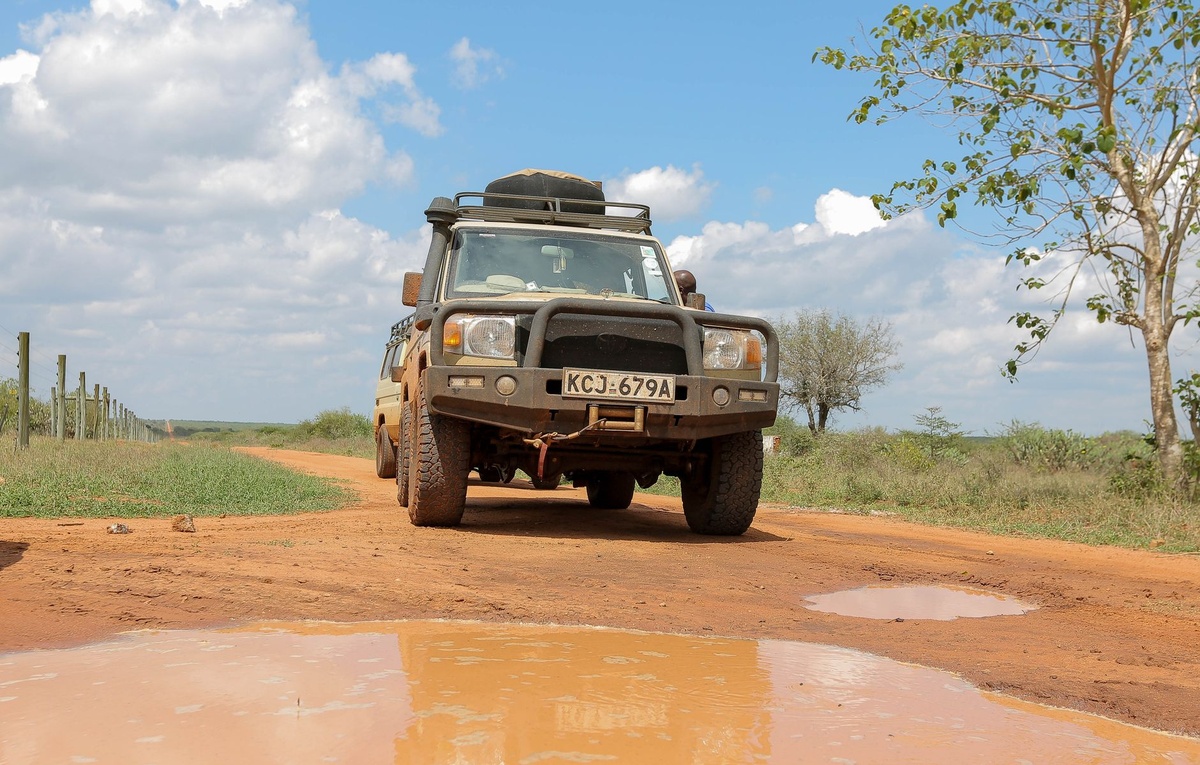
Kenya and Tanzania generally require a 4×4 with driver-guide ($250–$350/day including fuel).
Safety in 2026: Honest Assessment
Safari areas across all three countries are considered very safe. The real safety question is about cities and logistics.
South Africa
Johannesburg has higher crime rates than Nairobi or Arusha. But most travelers:
- Fly into Johannesburg (JNB)
- Pick up rental car at airport
- Drive 4–5 hours to Kruger
Stay in airport-area hotels like City Lodge OR Tambo ($85/night) if arriving late. Avoid wandering downtown.
Kenya
Nairobi has improved significantly in tourist zones like Westlands and Karen.
Uber from Jomo Kenyatta Airport to Westlands: ~$18, 35 minutes.
Airport taxi: ~$30, same time.
Most safari operators offer direct airport pickups, reducing friction.
Tanzania
Arusha is smaller and calmer. Many travelers overnight near Kilimanjaro Airport (JRO).
Airport transfer to Arusha town: $40 private, ~1 hour.
On safari, risks are minimal if you follow guide instructions — no standing up in vehicles, no walking at night in unfenced camps.
Ease of Planning: Logistics Matter More Than You Think
First-timers often underestimate travel time inside Africa.
Kenya
Nairobi to Maasai Mara by road: 5–6 hours (bumpy final stretch).
By bush flight (Safarilink or AirKenya): 45 minutes.
Verdict: Fly if budget allows. The $200 saves half a day.
Tanzania
Arusha to central Serengeti by road: 8–9 hours.
By flight (Coastal Aviation): ~1 hour, ~$300 one way.
Tanzania itineraries often combine Serengeti + Ngorongoro Crater (a UNESCO site with dense wildlife in a collapsed volcanic caldera). That crater descent alone costs $295 per vehicle.
South Africa
Johannesburg to Kruger:
- Drive: 4–5 hours, free once you have rental
- Fly to Skukuza: 1 hour, ~$120 one way
Roads are paved and clearly marked. Google Maps works flawlessly.
If you’re tech-focused and planning routes offline, download maps on Google Maps and consider lightweight audio navigation with bone conduction headphones for travel — especially useful for long Kruger drives without blocking ambient sound.
Wildlife Density: What First-Timers Actually Care About
Let’s be honest. You want lions.
- Kenya (Mara): Highest predator density per square km.
- Tanzania (Serengeti): Massive herds, dramatic landscapes.
- South Africa (Kruger): Extremely reliable Big Five sightings.
Ngorongoro Crater in Tanzania arguably offers the easiest “see everything in one day” experience. It’s only 260 km², and you can spot rhino, lion, buffalo, elephant, and flamingos within hours.
Kruger, meanwhile, excels for leopards and close elephant encounters — especially around Lower Sabie and Satara camps.
Food, Lodges, and Overall Comfort
South Africa
Best food by far.
Even mid-range lodges serve proper South African wine (Stellenbosch reds), grilled springbok, and excellent breakfasts. Outside the park, try The River Café in Hoedspruit (mains $12–$18).
Kenya
Tented camps strike a great balance between wild and comfortable.
In Nairobi, eat at Cultiva Farm Kenya (tasting menu ~$45) instead of generic hotel buffets.
Tanzania
Food is solid but less varied unless you’re in luxury camps.
In Arusha, go to Blue Heron for good coffee and wood-fired pizza (~$10–$14).
So… Which One Should You Choose?
Here’s the straight answer.
Choose Kenya if:
- You want the Great Migration in a compact area
- You prefer slightly smoother logistics than Tanzania
- You’re okay with higher park fees
Choose Tanzania if:
- You want epic scale and fewer vehicles per sighting
- You want Ngorongoro Crater included
- You don’t mind longer travel days
Choose South Africa if:
- This is your first-ever safari and you want it easy
- You’re budget-conscious
- You like the idea of self-driving and flexibility
For most first-timers in summer 2026 who specifically want migration drama: Kenya’s Maasai Mara wins.
For overall value and simplicity: South Africa is the smartest entry point.
Booking Tips for Summer 2026 (Peak Season)
- Book 6–9 months ahead for July–September migration camps.
- Ask operators if park fees are included — they can add $200/day in Kenya.
- Compare flight + safari packages vs booking separately.
- Use reputable operators: Asilia Africa, &Beyond, Governors’ Camp, or self-drive via SANParks.org (South Africa).
- Get travel insurance covering medical evacuation (Global Rescue or World Nomads).
And if you’re combining safari with remote work, check visa lengths and income rules in our guide to digital nomad visas in 2026 — South Africa and Kenya both allow relatively flexible tourist stays.
Final Verdict
If budget isn’t tight and the Great Migration is your bucket-list moment, go to Kenya’s Maasai Mara between late July and early September 2026.
If you want a smoother, cheaper, lower-stress first safari with outstanding wildlife, pick South Africa’s Kruger.
Tanzania is spectacular — but it shines brightest for travelers who don’t mind longer distances and slightly higher total costs.
Whichever you choose, book early, fly between parks when possible, and don’t underestimate how addictive safari life becomes.
Ready to start comparing camps? Check official park sites and reputable operators now — July and August 2027 dates are already opening.
Frequently Asked Questions
How much does a first safari in Africa cost in 2026?
Expect $600–$900 per person for a 3-night self-drive in South Africa, $1,500–$2,000 mid-range in Kenya, and $1,800–$2,500 in Tanzania during peak season (July–September).
Where is the best place to see the Great Migration in 2026?
From July to September 2026, Kenya’s Maasai Mara offers the most accessible river crossings, especially near the Mara River and Talek region.
Is Kenya, Tanzania, or South Africa safer for first-time safari travelers?
All safari parks are very safe with guides. South Africa has the easiest infrastructure, while Kenya and Tanzania are equally safe within organized safari routes.
Is it cheaper to self-drive in South Africa?
Yes. Car rental (~$35/day), park fees (~$27/day), and budget camps ($80–$120/night) make Kruger significantly cheaper than guided East African safaris.

About the Author: Tomáš Bzirský
Founder and editor of Distratech. Based in the Czech Republic, travelling regularly from Central Europe. Writes practical travel guides and travel-tech comparisons (eSIM, apps, airports) in six languages.