'/%3E%3Cpath%20fill='%23b2b2b2'%20d='M241%20382q0%2016%2017%2026%2017%2011%2042%2011t42-11q16-11%2017-26V269H241'/%3E%3Cpath%20fill='%239f7e00'%20d='M241%20379q0%2014%208%2023%209%209%2021%209%2014%200%2021-9%209-9%209-23V269h-59'/%3E%3Cpath%20d='M241%20339v-70h59v110q0%2014-9%2023l-6%205v-68h-15v72q-8%200-14-4v-68zm59%2040c0%2022%2015%2032%2029%2032%2021%200%2030-18%2030-32v-40h-59'/%3E%3Cpath%20fill='%239f7e00'%20d='M266%20277v5h2v12h-3v-5h2v-5h-9v5h2v5h-4v9h3v18h-5v10h34v-10h-5v-18h3v-9h-4v-5h2v-5h-9v5h2v5h-3v-12h2v-5zm42%20101q0%2010%206%2017%206%206%2015%207%2010-1%2016-7%206-7%206-17v-29h-43'/%3E%3Ccircle%20fill='%230044ad'%20cx='329.5'%20cy='372'%20r='6'/%3E%3Cellipse%20fill='%230044ad'%20cx='300'%20cy='340'%20rx='16'%20ry='21'/%3E%3C/svg%3E)
'/%3E%3C/svg%3E)


'/%3E%3C/g%3E%3Cuse%20href='%23c'%20transform='matrix(-1%200%200%201%20720%200)'/%3E%3C/svg%3E)


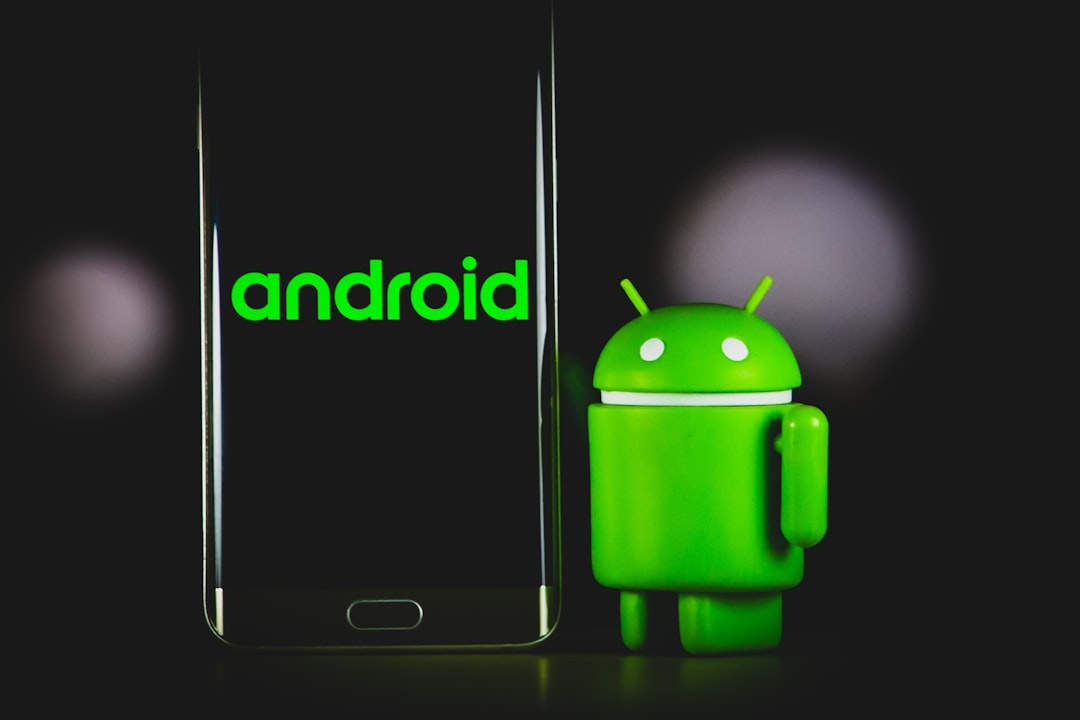
Android is rolling out a new on-device AI feature called Contextual Suggestions in May 2026, designed to learn how you use your phone and proactively surface apps, settings, and shortcuts at the right moment. No new Pixel required, no subscription fee — just smarter automation baked directly into Android.
On paper, it sounds subtle. In real-world travel — airports, train stations, border crossings, festival grounds — it could be one of the most useful Android updates in years.
Key Takeaways
- Android’s Contextual Suggestions uses on-device AI to learn your daily phone habits.
- It surfaces app shortcuts, settings, and actions based on location, time, and usage patterns.
- Processing happens locally on your device for improved privacy and offline use.
- Ideal for travelers who rely on maps, boarding passes, translation, and eSIM apps.
- Rolling out gradually to supported Android devices in May–June 2026.
What Are Android “Contextual Suggestions”?
Contextual Suggestions is Google’s latest push into proactive AI — but without shipping your data to the cloud every five minutes.
The system uses on-device machine learning to analyze how you use your phone throughout the day. It looks at patterns like:
- Which apps you open at certain times
- Locations where you use specific tools
- Bluetooth or Wi-Fi connections (airport Wi-Fi, rental car, hotel networks)
- Repeated actions (boarding pass screenshots, hotspot toggling, etc.)
Then Android starts suggesting shortcuts automatically — on your lock screen, app drawer, share sheet, and system menus.
Think of it as your phone quietly learning your travel routine.
Why This Matters for Summer 2026 Travelers
Late spring is peak planning season. Flights are rising, Eurail passes are trending again (if you’re debating routes, read our breakdown of Eurail vs. budget flights in Europe this summer), and airports are about to get chaotic.
The last thing you want is digging through folders for your QR code while boarding closes.
Here’s where Contextual Suggestions shines:
1. Airport Mode (Without Calling It That)
If you consistently open your airline app, Google Wallet boarding pass, and Maps when you’re at an airport, Android will start suggesting those automatically when it detects you’re there.
No widgets. No manual setup.
Just swipe — and your boarding pass is front and center.
2. Automatic Travel App Surfacing
Landing in Hanoi for the Ha Giang Loop? If you typically open your eSIM app, Grab, or Google Translate when you land somewhere new, Android will learn that pattern.
Next trip, those apps show up before you even search for them.
This is especially useful if you install region-specific apps you only use once a year.
3. Smarter Transit Moments
Regularly check train schedules at 7:45 a.m.? Android will start suggesting that rail app around the same time.
Frequently toggle mobile hotspot when working remotely from cafés? The shortcut may surface automatically.
For digital nomads bouncing between cities every few weeks, that friction reduction adds up.
It Works Offline — And That’s Huge
The most important detail: processing happens on-device.
That means:

- No constant cloud syncing
- No dependency on active data
- Better privacy when traveling internationally
If you’re visiting one of the visa-free countries Americans can visit in 2026 and relying on patchy airport Wi-Fi, your contextual suggestions still work.
For travelers who use local SIMs or short-term eSIMs, this matters. You don’t want your “smart” phone turning dumb when your data drops.
How It Compares to iPhone’s Siri Suggestions
Apple has offered Siri Suggestions for years. But Android’s 2026 update feels more integrated across the system.
Early impressions suggest:
- Faster adaptation to new travel patterns
- More location-aware triggers
- Better surfacing in the app drawer and system UI
iOS tends to lean heavily on time-of-day habits. Android appears more context-driven — location, movement, connectivity, and usage clusters.
If you frequently switch cities, Android’s model may adapt faster than iOS’s historically slower behavioral learning.
Real-World Travel Scenarios Where This Helps
Here’s how I see this playing out over summer trips:
Beach Destination Routine
Every morning in Lisbon: weather app → Google Maps → Bolt ride → café payment.
By day three, Android should anticipate that flow.
National Park Road Trips
If you’re exploring places like those in our guide to affordable U.S. national parks before peak summer crowds, you probably toggle:
- Offline maps
- Camera
- AllTrails or hiking apps
- Battery saver mode
Contextual Suggestions can surface these when it detects you’re in a remote location or disconnected from Wi-Fi.
Festival Season
Music festivals mean repeated actions:
- Mobile tickets
- Group chats
- Portable charger status checks
- Rideshare apps at 11:30 p.m.
Your phone starts predicting that late-night Uber before you even open it.
Privacy: Should You Be Concerned?
Short answer: less than you might think.
Because the AI runs locally on your device, your usage patterns aren’t constantly uploaded for processing. Android uses anonymized system-level learning models, but the personalization layer stays on your phone.
You can also:
- Turn Contextual Suggestions off entirely
- Clear learned patterns
- Restrict suggestions from specific apps
If you’re crossing borders frequently and worried about data sensitivity, this local-first approach is far better than cloud-only AI systems.
Who Gets It — And When?
Rollout began mid-May 2026 and continues through early summer.

Expected support includes:
- Pixel 8 and newer
- Select Samsung Galaxy S24/S25 models
- Flagship devices running the latest Android build
Budget Android phones may receive a lighter version depending on hardware capability. On-device AI does require decent processing power.
If you’re upgrading before summer travel, prioritize:
- Strong on-device AI chips (Tensor or Snapdragon latest gen)
- At least 8GB RAM
- Good battery optimization
Cheap Android devices under $250 often cut corners here — and that impacts AI responsiveness.
Is This Just Hype?
Honestly? No — but it’s subtle.
This isn’t a flashy ChatGPT-style assistant overhaul. It’s micro-automation.
But travel is full of micro-moments: boarding passes, hotel Wi-Fi logins, map checks, ticket scans, ride bookings. If your phone reduces friction 10–15 times per day, that’s meaningful.
Especially when you’re jet lagged.
My Verdict for Travelers
Contextual Suggestions won’t change how you plan trips.
But it will change how smoothly your phone supports them.
If you:
- Travel multiple times per year
- Use different apps in different cities
- Rely heavily on mobile tickets and digital wallets
- Work remotely while abroad
This update quietly becomes one of Android’s most practical AI upgrades yet.
And because it’s on-device, it works even when roaming data doesn’t.
That alone makes it more useful than half the “AI travel assistants” launching this year.
Frequently Asked Questions
What are Android Contextual Suggestions?
They are AI-powered shortcuts that learn your phone usage patterns and suggest relevant apps or actions based on time, location, and behavior. The system runs on-device and adapts over time.
Do Android Contextual Suggestions require internet?
No. The AI processing happens locally on your device, so suggestions still work without active data — useful for flights, roaming gaps, or remote travel areas.
Which phones support Contextual Suggestions?
Rollout in May–June 2026 includes Pixel 8 and newer models, plus select Samsung Galaxy S24/S25 devices running the latest Android version. Broader support depends on hardware capability.
Can I turn off Android Contextual Suggestions?
Yes. You can disable the feature in system settings, clear learned habits, or restrict suggestions from specific apps if you prefer manual control.
As summer travel ramps up, the smartest upgrade might not be a new app — it might be letting your phone finally learn how you travel.

About the Author: Tomáš Bzirský
Founder and editor of Distratech. Based in the Czech Republic, travelling regularly from Central Europe. Writes practical travel guides and travel-tech comparisons (eSIM, apps, airports) in six languages.