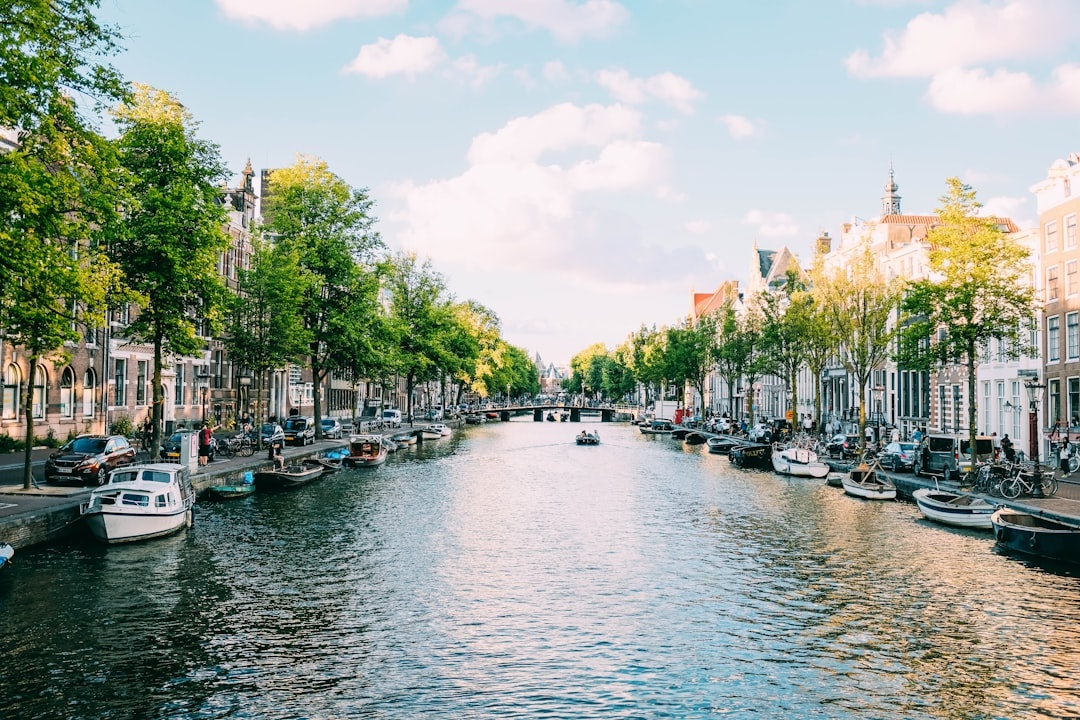
Amsterdam is already Europe’s most expensive city for hotel taxes — and it’s about to get pricier.
In May 2026, city officials confirmed plans to raise the tourist tax on overnight stays to a flat 20% of your hotel room rate, up from the current 12.5% plus €3 per person per night. If approved later this summer, it would make Amsterdam the highest-taxed city in Europe for visitors.
If you’re planning a summer canal-side escape, here’s exactly how much more you’ll pay, who it affects most, and how to outsmart the increase without skipping the stroopwafels.
Key Takeaways
- Amsterdam plans to raise hotel tax to a flat 20% of the room rate in late 2026.
- A €250/night hotel would jump from ~€40 tax to €50 per night under the proposal.
- Short-term rentals (Airbnb) and hotels are both affected.
- Staying in nearby cities like Haarlem (15 min by train, €5.80) can cut lodging costs by 25–40%.
How Much More Will You Actually Pay?
Let’s break this down with real numbers.
Under the current 2026 system, hotel guests pay:
– 12.5% of the room rate
– + €3 per person per night
Under the proposed system:
– A flat 20% of the room rate
– No additional per-person fee
Here’s what that means in practice.
| Room Rate (per night) | Current Tax (2026) | Proposed 20% Tax | Difference |
|---|---|---|---|
| €150 | €18.75 + €6 = €24.75 | €30 | + €5.25 |
| €250 | €31.25 + €6 = €37.25 | €50 | + €12.75 |
| €400 | €50 + €6 = €56 | €80 | + €24 |
(Assumes 2 guests per room.)
If you’re booking a boutique canal hotel at €400 per night — common in July and August — that’s nearly €80 per night in tax alone. On a 3-night stay, you’re looking at €240 just in city tax.
Compare that to Paris, where the luxury hotel tax caps around €15 per person per night, or Rome, where it’s €7. Amsterdam is in a different league.
Why Amsterdam Is Raising the Tax
This isn’t random.
Amsterdam welcomed over 22 million visitors in 2025 — nearly 12 times its population of 1.9 million. Summer weekends in the Red Light District feel like a music festival without the music.
City officials say the tax hike aims to:
- Reduce overtourism in the city center
- Fund infrastructure and cleaning services
- Shift visitor behavior toward longer, higher-value stays
It’s similar to Venice’s new day-tripper entry fees (€5–€10 depending on demand), but Amsterdam is targeting overnight visitors instead.
Opinion: This won’t reduce tourism. It will just make Amsterdam even more of a premium destination — like Copenhagen or Zurich.
Who Feels It Most? Budget vs Luxury Travelers
The increase hits different travelers in different ways.
Budget Travelers
If you’re staying at ClinkNOORD Hostel (dorm beds from €35–€50 in summer), the impact is minimal. A €40 bed means €8 tax under the new system.
But mid-range travelers feel it more. A typical 4-star hotel like The Hoxton on Herengracht runs €280–€350 per night in July. That’s €56–€70 in nightly tax.
Luxury Travelers
At Pulitzer Amsterdam (rooms from €550 in peak season), the tax would hit €110 per night. That’s higher than a roundtrip train ticket to Brussels (€25–€35, 2 hours via NS International).
If you’re already spending €600+ nightly, maybe you won’t care. But the optics matter.
Smart Ways to Avoid Paying the Full 20%
You don’t have to cancel your trip. You just need strategy.
1. Stay Outside the City Center
Look at:
– Haarlem — 15 minutes by train, €5.80 each way
– Utrecht — 27 minutes, €9.40 each way
– Zaandam — 12 minutes, €3.40 each way
A hotel in Haarlem averages €160 per night in summer vs €250+ in central Amsterdam.
Comparison:
– Amsterdam hotel: €250 + €50 tax = €300/night
– Haarlem hotel: €160 + ~€10 local tax = ~€170/night
Even with €11.60 daily train costs, you’re saving around €100 per night.
2. Book Before the Increase Takes Effect
If the 20% rule is implemented in late 2026, bookings made under current tax rules may be honored at the old rate. Always check cancellation policies on Booking.com or directly with the hotel.
Flexible rate vs non-refundable:
– Flexible: €270/night
– Non-refundable: €245/night
If tax changes are pending, flexibility might save you more than €25.
3. Consider Apartment Hotels Over Airbnb
Airbnb listings are subject to strict local regulation and the same tax rate.
Instead, look at:
– Stayokay (private rooms from €120)
– Zoku Amsterdam (loft-style stays from €180)
– Cityden Aparthotels (from €150)
These often provide kitchenettes, which save €15–€25 per meal compared to eating out.
Is Amsterdam Still Worth It in Summer 2026?
Short answer: yes — but be selective.
June through August means:
– 16+ hours of daylight
– Average temps of 20–24°C (68–75°F)
– Open-air festivals like Holland Festival (June)
– Packed canal boats between 11am–5pm
Skip the €25 daytime canal cruises. Instead, rent a small electric boat from Boatnow.com for €89/hour (fits 6 people). That’s €15 per person vs €25 each on a group tour.
Or cycle to Amsterdamse Bos (30 minutes from Centraal Station) instead of fighting Rijksmuseum crowds. Bike rental averages €12–€18 per day at MacBike.
Compared to other European capitals:
– Amsterdam hotel (mid-range): €250 + €50 tax
– Barcelona: €220 + €7 city tax
– Berlin: €180 + 5% tax (~€9)
Amsterdam is undeniably pricier — but it’s cleaner, more compact, and easier to navigate without taxis (which cost €45–€60 from Schiphol to Centrum, vs €5.90 train, 15 minutes).
Don’t Overlook the Tech Angle: Stay Connected Without Overspending
If you’re already paying €50 per night in hotel tax, don’t waste €15 per day on roaming.
A Netherlands eSIM from Airalo or Holafly costs around:
– €4.50 for 1GB (7 days)
– €19 for unlimited data (5 days)
Compare that to US carrier roaming:
– T-Mobile: included but throttled after 5GB
– AT&T: $12/day International Day Pass
We broke down the real numbers in our guide to roaming vs eSIM costs in 2026. For most short trips, eSIM wins by 40–70%.
Amsterdam is one of Europe’s most digital-friendly cities — contactless trams, QR-code menus, and app-based bike rentals. Reliable data isn’t optional.
Final Verdict: A Pricey City Getting Pricier — But Still Unique
Amsterdam’s proposed 20% tourism tax won’t stop people from coming. It will simply push smart travelers to plan better.
Stay 10–20 minutes outside the center. Book early. Avoid tourist-trap canal tours. Use trains instead of taxis. And budget realistically — a comfortable 3-night summer stay for two now easily runs €1,200–€1,800 including lodging, food, and activities.
The canals at golden hour, cycling along Prinsengracht, late sunsets over the IJ — those haven’t changed.
But your hotel bill probably will.
If you’re heading to Amsterdam this summer, price-check your stay now before the tax hike locks in. Smart planning beats sticker shock every time.
If you want to lock in a stay before Amsterdam’s 2026 tourism tax hike, browse Amsterdam hotels to compare options and nightly rates.
Frequently Asked Questions
When will Amsterdam’s 20% tourism tax take effect?
The proposal is expected to be finalized in late 2026, potentially impacting bookings for 2027. Always check your hotel’s tax policy before confirming a reservation.
How much is Amsterdam’s hotel tax in 2026?
Currently, visitors pay 12.5% of the room rate plus €3 per person per night. A €250 room for two typically includes about €37 in tax per night.
Is it cheaper to stay outside Amsterdam to avoid the tax?
Yes. Cities like Haarlem (15 minutes by train, €5.80) offer rooms around €150–€170 per night, often saving €80–€120 nightly even after train costs.
Does the 20% tax apply to Airbnb?
Yes. Short-term rentals and hotels are both subject to Amsterdam’s tourist tax regulations.

About the Author: Tomáš Bzirský
Founder and editor of Distratech. Based in the Czech Republic, travelling regularly from Central Europe. Writes practical travel guides and travel-tech comparisons (eSIM, apps, airports) in six languages.