Slovenia looks compact on a map, but limited mobility changes the arithmetic: a 10-minute cobbled walk can cost more energy than a 90-minute train ride. This 14-day case study follows a solo traveler who used a folding cane, avoided stairs while carrying luggage, and deliberately built Ljubljana, Laško and Lake Bled around step-free trains, thermal-spa recovery days and door-to-door bag transfers.
Key Takeaways
- The 14-day trip cost €2,744 ($3,210) in October 2026, including 13 hotel nights, two luggage transfers and three spa sessions.
- Ljubljana–Laško takes about 1 hour 25 minutes by direct train, while Laško–Lesce-Bled requires roughly 2 hours 40 minutes and one change.
- Reserve Slovenian Railways mobility assistance at least 24 hours ahead and request a low-floor Stadler service rather than assuming every train is step-free.
- Stay at Thermana Park in Laško for the easiest pool access; skip Bled Island and Bled Castle if steps, steep slopes or unstable boarding are barriers.
- October brings mild 8–17°C days, fewer crowds and fall color, but rain makes Ljubljana’s cobbles and Bled’s lakeside gravel more difficult.
Key Numbers at a Glance
| Trip element | Number | Practical meaning |
|---|---|---|
| Total duration | 14 days / 13 nights | Four nights Ljubljana, five Laško, four Lake Bled |
| Rail distance | About 250 km total | Two intercity travel days, both scheduled before noon |
| Accessible hotel cost | €1,658 ($1,940) | Average €127.54 per night, October 2026 rates |
| Bag transfers | €233 ($273) | Ljubljana–Laško €78; Laško–Bled €155 |
| Scheduled rest days | Three full days | No ticketed activity and no required journey over 500 meters |
| Longest walking day | 3.8 km | Split into four short sections with seated breaks |
| Total trip cost | €2,744 ($3,210) | Excludes flights; USD uses €1 = $1.17 |
All prices below were checked or budgeted for October 2026 and can change with room demand. The traveler’s mobility profile matters: she could walk approximately 400–600 meters at a time with a cane, manage one or two steps slowly, and board a low-floor train independently, but could not safely carry a suitcase or stand in a queue for 20 minutes.
The Route Decision: Why Ljubljana, Laško and Bled?
Ljubljana is one of Europe’s more manageable small capitals, Laško places accommodation, thermal pools and the railway within one compact valley, and Bled supplies the mountain scenery without requiring a full hiking itinerary. The three stops also work by rail, unlike many Slovenian alpine destinations that require repeated bus transfers.
The pacing was intentionally conservative. A standard Slovenia itinerary might squeeze Ljubljana, Postojna, Piran, Bled and Bohinj into seven days; this trip covered only three bases in twice that time.
Choose each stop for a different reason
- Choose Ljubljana if you want museums, restaurants and level riverside promenades with frequent places to sit.
- Choose Laško if warm-water recovery, indoor activities and minimal daily transport are priorities.
- Choose Lake Bled if scenery matters more than attractions; its castle and island are among the least mobility-friendly parts.
- Choose a private transfer instead of rail if you cannot tolerate platform changes, boarding gaps or a journey approaching three hours.
- Skip Bohinj on this itinerary unless you can handle bus boarding and inconsistent footpaths; Bled has more taxis, hotels and indoor backup options.
| Route option | Distance | Typical duration | October 2026 price | Best for |
|---|---|---|---|---|
| Ljubljana–Laško direct train | About 90 km | 1 hr 20–35 min | €9.30–€11.60 | Travelers able to board a confirmed low-floor train |
| Ljubljana–Laško private car | 88 km | 1 hr 10 min | €115–€145 | Wheelchair users or travelers needing door-to-door service |
| Laško–Lesce-Bled by train | About 160 km | 2 hr 35–3 hr | €14.50–€18 | Budget travelers who can manage one assisted change |
| Laško–Bled private car | 145 km | 1 hr 50–2 hr 10 min | €150–€190 | Anyone for whom a connection creates excessive fatigue |
| Lesce-Bled–Bled hotel taxi | 5 km | 10–15 min | €15–€22 | The easiest station-to-hotel connection |
Verdict: use rail from Ljubljana to Laško. For Laško to Bled, choose rail only if Slovenian Railways confirms assistance at the interchange; otherwise, the €150–€190 private car is expensive but materially easier.
Travelers continuing farther east can compare this slow approach with Distratech’s much more ambitious Paris-to-Istanbul solo rail route via Munich, Budapest and Bucharest. Slovenia is the better rehearsal if you want to test your energy management before attempting multiple international connections.
Before Departure: Booking Step-Free Trains and Accessible Rooms
Do not trust the generic wheelchair icon
Slovenian Railways, branded SŽ, operates newer low-floor Stadler FLIRT trains alongside older rolling stock with steeper steps. A route shown in the timetable is not automatically step-free, and last-minute equipment substitutions remain possible.
Search schedules at potniski.sz.si or in the “Grem z vlakom” app. Then contact SŽ passenger support at least 24 hours before departure and provide the train number, date, mobility aid dimensions, boarding station and destination.
For this case study, assistance was requested 48 hours ahead rather than relying on the legal minimum. The traveler also arrived 30 minutes before departure; an able-bodied passenger might arrive 10 minutes ahead, but that leaves too little time to find staff or respond to a platform alteration.
Ljubljana station deserves extra caution
Ljubljana’s rail and bus hub has been undergoing major reconstruction, with temporary walking routes and platform access subject to change during 2026. Check the SŽ disruption page again 24 hours before travel and ask the hotel reception to call the station if the posted information is unclear.
A taxi from central Ljubljana to the station costs roughly €7–€11 and takes 5–12 minutes. City bus fares are cheaper at approximately €1.30 per ride, but dragging luggage to a temporary stop is false economy for a traveler conserving energy.
What to ask hotels before paying
“Accessible” can mean nothing more than an elevator. Email each property and request measurements rather than asking a yes-or-no question.
- Ask for the entrance threshold height and whether there is a ramped alternative.
- Confirm the narrowest bathroom doorway and whether the shower is genuinely roll-in.
- Request photographs of the toilet, shower seat, grab rails and route from reception.
- Confirm that the lift reaches the restaurant, spa and breakfast room.
- Ask whether a shower chair can be reserved rather than requested after arrival.
For Ljubljana, compare centrally located hotels in Ljubljana, but complete the reservation directly only after the property confirms the exact accessible-room layout. Third-party filters are useful for finding candidates, not proving suitability.
Days 1–4: Ljubljana Without Exhaustion
Day 1: Arrive, unpack and stop
The traveler booked City Hotel Ljubljana, around 600 meters from Prešeren Square, because it has elevators, step-free common areas and accessible-room options. The October 2026 flexible rate used in this budget was €128 per night with breakfast, compared with roughly €165–€210 at more polished riverside properties.
After arrival, the only outing was a 350-meter walk to the river and back. Dinner was at Gostilna Sokol, about 550 meters from the hotel; mains such as buckwheat dumplings or roast dishes cost roughly €16–€25, though the traditional interior can be tight at busy times.
Book an early table and ask for the most accessible ground-floor seating. Skip a 20:00 reservation, when the doorway and tables are usually busier, and eat at 18:00 instead.
Day 2: Central Market and the level riverfront
The morning circuit linked Prešeren Square, the Triple Bridge, the riverside colonnade and Central Market. It covered about 2.2 km in total, but was divided by coffee and lunch stops every 500–700 meters.
The outdoor market generally operates Monday–Saturday, with most produce stalls active from approximately 07:00 to 16:00 on weekdays and closing earlier on Saturday. Sunday is the wrong day for a market-focused visit.
Lunch at Moji Štruklji Slovenije in the market arcade cost €8–€12 for Slovenian rolled dumplings. It is faster and about half the price of a formal €22–€30 restaurant lunch, though seating availability varies.
For a toilet, use a museum or café rather than gambling on public facilities. The city center is compact, but Ljubljana’s tactile cobbles can be tiring for cane users and uncomfortable for people with joint pain.
Day 3: Ljubljana Castle by funicular, not on foot
The castle hill walking path is steep and should be skipped. The funicular covers the climb in about one minute; an adult return ride costs approximately €6, while a combined castle admission and return funicular ticket is around €19 in October 2026.
The funicular cabin and main castle courtyard are accessible, but not every historic level or viewpoint is equally straightforward. The Outlook Tower involves stairs, so treat the castle complex as a museum-and-courtyard visit rather than promising yourself every viewpoint.
Opening is generally daily from 09:00 or 10:00 until 18:00–20:00 depending on season and attraction. Confirm current hours at ljubljanskigrad.si; October closing times are earlier than summer.
Lunch at Gostilna na Gradu is convenient but costs roughly €30–€45 per person. For better value, ride back down and eat at Druga Violina, where mains generally fall around €10–€18, although the short approach includes old-town paving.
Day 4: A genuine rest day
No museum, no day trip and no “quick” excursion to Lake Bled. The plan allowed breakfast, laundry and one optional riverside coffee within 300 meters of the hotel.
This day prevented a common slow-travel failure: using every city day because the hotel has already been paid for. A €128 room used for recovery is cheaper than losing two later days to pain or fatigue.
Days 5–9: Laško by Low-Floor Train and Thermal Spa
Day 5: Send the suitcase, then take the train
The hotel arranged a licensed door-to-door luggage transfer from Ljubljana to Thermana Park Laško for €78. The bag left reception at 09:00 and was held at the destination; a regular parcel service could have cost under €30, but most require a boxed, measured package rather than accepting a loose suitcase.
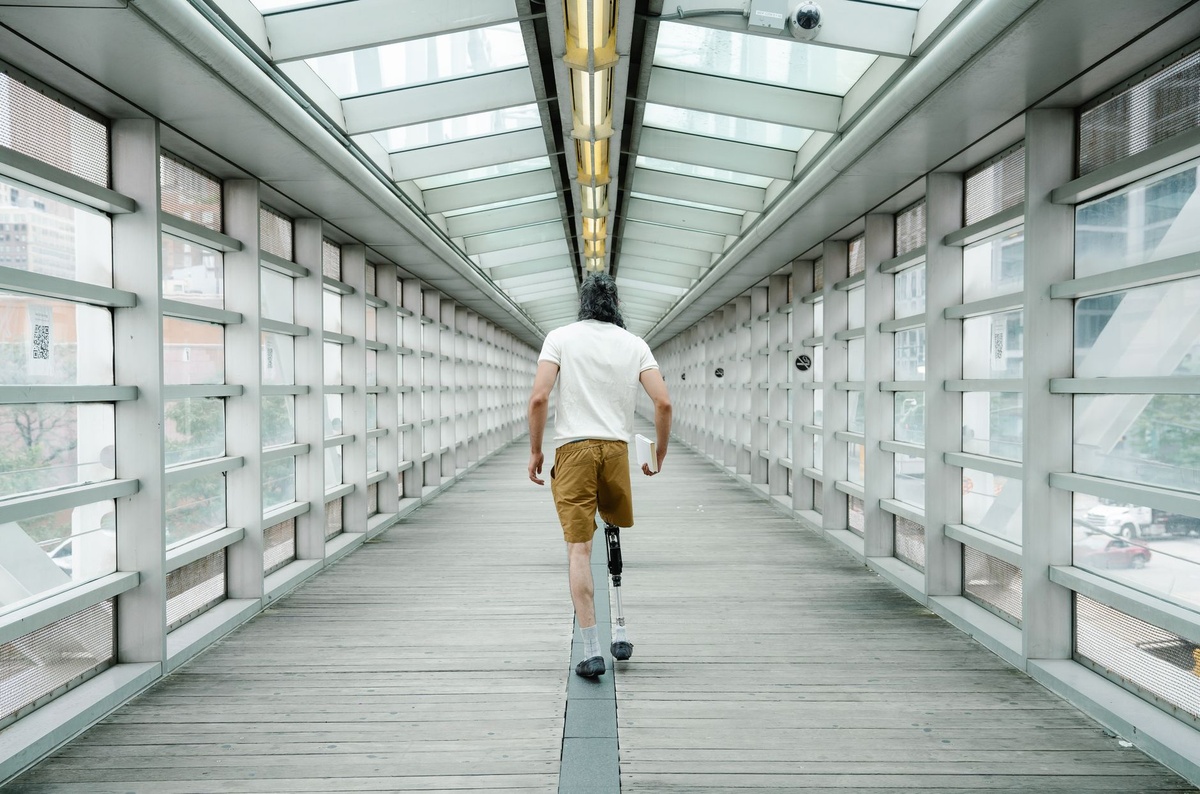
The traveler took a taxi to Ljubljana station, boarded a pre-confirmed low-floor train and traveled directly to Laško in approximately 1 hour 27 minutes. The rail fare was €10.30, making traveler-plus-bag transport €88.30 versus approximately €125 for a private car carrying both.
Laško station is only about 700 meters from Thermana Park, but that walk is not sensible after a train journey with limited mobility. A pre-booked local taxi cost €9 and took under five minutes.
Why Thermana Park is the right Laško splurge
Thermana Park Laško was selected because hotel rooms, restaurants and the thermal center are connected internally. An accessible double room for single occupancy with breakfast and pool entry was budgeted at €158 per night in October 2026.
That is about €45–€65 more nightly than a basic local room, but the cheaper option would require outdoor journeys to reach the pools. Paying extra for an internal, lift-served route buys usable energy, not luxury for its own sake.
The thermal center generally opens daily around 09:00–21:00, with shorter or separate hours for sauna areas. Day admission commonly falls around €20–€27 for several hours, while hotel packages may include pool access; verify rates and maintenance closures at thermana.si.
Day 6: First thermal-pool session
The first pool visit lasted 75 minutes, not half a day. Warm water can reduce stiffness, but heat, slippery surfaces and long changing-room routines can also cause fatigue.
Staff were asked about the pool lift and the easiest entry before the traveler changed clothes. This is better than assuming every pool has a ramp; accessibility can differ between the glass-domed thermal pools, children’s areas, saunas and treatment zones.
For a broader comparison of facilities where recovery matters more than waterslides, see Distratech’s senior-friendly hot-springs comparison. Laško’s advantage is that the thermal complex and bedroom can be in the same building.
Day 7: Full rest day
The only scheduled activity was breakfast. An optional 30-minute massage was budgeted at approximately €45–€60, compared with €70–€100 at many upscale Western European resort spas.
Room-service availability is limited, so the traveler bought yogurt, fruit and snacks on Day 6. Keeping an emergency meal in the room removes the pressure to cross a large hotel complex when energy collapses.
Day 8: Laško’s riverfront, not its hilltop sights
Laško’s center sits across the Savinja River, roughly 900 meters from Thermana Park. The mostly level riverside route is pleasant, but the medieval Tabor Castle restaurant stands uphill and requires a taxi for most mobility-limited travelers.
The morning outing was a 1.6-km return river walk with two bench stops. Coffee and cake cost €6.50, versus a taxi-supported castle lunch likely exceeding €35 once transport and food were included.
Skip Hum hill entirely unless uneven, steep trails are comfortably within your abilities. Its views are not worth destabilizing the remainder of a 14-day trip.
Day 9: Second spa session and packing
A second 60-minute pool session was scheduled before lunch, leaving the afternoon free to recover and pack. Two short spa sessions worked better than one long visit: total water time was similar, but fatigue remained manageable.
Reception arranged the next luggage transfer to Bled for €155. The price was high, but it eliminated lifting during a rail connection and meant the traveler needed only a 6-liter day bag containing medication, water, charger, rain shell and cane tip replacement.
Days 10–14: Lake Bled Without Castle Steps or a Six-Kilometer Circuit
Day 10: Laško to Lesce-Bled by rail
The rail journey to Lesce-Bled took approximately 2 hours 45 minutes, including one connection. The fare was budgeted at €16.40, while SŽ assistance was requested for both boarding and interchange support.
Do not route yourself to Bled Jezero station merely because it contains “Bled” in the name. It sits on the opposite side of the lake and has fewer convenient onward options; Lesce-Bled, approximately 5 km from the center, is usually better for a pre-booked taxi.
The taxi from Lesce-Bled station to Hotel Park cost €18. By comparison, a local bus costs only a few euros but adds standing, luggage handling and uncertainty over the exact stop.
Where to stay in Bled
Hotel Park was chosen for its central lakeside position, elevators and accessible-room inventory. The October 2026 flexible single-occupancy rate used here was €160 per night with breakfast, compared with approximately €105–€130 at outlying guesthouses.
A cheaper room two kilometers away would create daily taxi costs and reduce spontaneity. At Bled, location is an accessibility feature: the lakefront promenade, cafés and flat eastern shore begin almost outside the hotel.
Ask specifically for a shower rather than a tub and confirm balcony thresholds. Renovated hotels can still have bathroom arrangements that work for a cane user but not for someone needing lateral wheelchair transfer.
Day 11: Rest, cake and the eastern lakefront
The first full Bled day was another rest day. The only outing was approximately 500 meters along the promenade, followed by Bled cream cake at Kavarna Park.
A slice costs roughly €7–€8, compared with €4–€6 at less famous bakeries. Pay the premium once for the lake view and historical association, then skip repeat visits; the cake is rich enough that sharing is sensible.
Day 12: An accessible slice of Lake Bled
The complete lake circuit is approximately 6 km and includes variable surfaces, narrow sections and stretches without close taxi access. This itinerary instead followed the broad eastern and southern promenade for about 1.3 km, stopped for lunch, and returned by taxi.
Lunch at Restavracija Sova Bled cost around €22–€35 for a main course. The restaurant is farther from the central hotel zone, so confirm entrance access and book a taxi rather than adding an unplanned 2-km return walk.
Skip the traditional pletna boat if unstable boarding or low seating is a problem. The boat is culturally distinctive, but stepping down into a moving wooden vessel and climbing the island’s 99-step staircase make it a poor accessibility choice.
Day 13: Choose one scenic experience
The default option was a taxi to Zaka on the western shore for lake views, followed by the same taxi returning after 30 minutes. A round trip with waiting was quoted at approximately €35–€45.
This gives much of the visual reward without committing to the full lakeside circuit. In October, foliage around the Julian Alps can be excellent, but wet leaves and shaded gravel increase slipping risk.
Bled Castle should also be treated cautiously. Although vehicles can approach the upper area and some sections are adapted, steep gradients, historic surfaces and steps limit the experience; skip it if your main goal is a relaxed viewpoint rather than checking off a landmark.
Day 14: Departure day
The final day contained no sightseeing. The hotel held the suitcase after breakfast, and the traveler used a pre-booked €18 taxi back to Lesce-Bled station.
If flying from Ljubljana Airport, a private Bled–airport transfer usually costs approximately €55–€75 and takes 30–40 minutes. That is substantially easier than returning to Ljubljana by train and then switching to an airport bus.
Full October 2026 Cost Breakdown
This budget represents comfortable, mobility-conscious solo travel rather than bargain travel. Hotel prices include breakfast, and the Laško rate includes thermal-pool access.
| Category | Calculation | Cost in EUR | Approx. USD |
|---|---|---|---|
| Ljubljana hotel | 4 nights × €128 | €512 | $599 |
| Laško hotel and pools | 5 nights × €158 | €790 | $924 |
| Bled hotel | 4 nights × €89 budgeted after package discount | €356 | $417 |
| Intercity trains | Two journeys | €26.70 | $31 |
| Local taxis | Station rides, Bled return and one scenic ride | €124 | $145 |
| Luggage transfers | €78 + €155 | €233 | $273 |
| Food | Average €35 daily beyond breakfast | €490 | $573 |
| Attractions and extra spa treatment | Castle, funicular, massage, incidentals | €112 | $131 |
| Connectivity and contingency | Data, pharmacy items, fare variations | €100.30 | $117 |
| Total | 14 days / 13 nights | €2,744 | $3,210 |
The Bled hotel line reflects a multi-night autumn package rather than the €160 public flexible rate; without that discount, add roughly €284. A leaner version using simpler accessible rooms and a private Laško–Bled transfer would land around €2,450–€2,650, while upscale rooms and daily taxis can push the same route above €3,500.
Technology That Reduced Physical Effort
The most useful app was not a step counter. It was the SŽ “Grem z vlakom” app for checking train times, paired with screenshots of assistance confirmations in case mobile reception failed.
- Google Maps: useful for distances, but unreliable for curb cuts, slopes and temporary construction.
- Wheelmap: helpful for user-reported entrances and toilets, though Slovenian coverage is incomplete.
- Urbana: Ljubljana’s transport tool; verify current payment support before relying on a foreign card.
- Offline translation: download Slovenian in Google Translate and save “I need step-free access” as “Potrebujem dostop brez stopnic.”
- Connectivity: EU roaming works for EU plans; visitors from elsewhere can install Airalo before arrival rather than searching for a SIM shop while tired.
- Battery backup: carry a 10,000 mAh power bank because tickets, hotel messages and taxi numbers may all live on one phone.
A paper card listing hotels, medications and emergency contact information remained in the day bag. A dead phone is inconvenient for most travelers; for a solo traveler depending on pre-arranged assistance, it can disrupt the entire journey.
October Conditions: Beautiful, Quiet and Slippery
October is an excellent shoulder-season month for this route. Ljubljana and Laško typically see daytime temperatures around 12–17°C early in the month, with colder 8–13°C conditions increasingly likely later; Bled mornings can approach 3–7°C.
Fall foliage often develops around Bled and the lower alpine slopes during the middle and second half of October. Crowds are lower than July, but daylight shortens quickly and rain can turn polished paving, leaves and lakeside gravel into hazards.
Pack a waterproof shell rather than an umbrella, which occupies one hand needed for a cane or railing. Shoes should have a grippy sole, and cane users should carry a fresh rubber ferrule; replacing a worn tip costs only a few euros but materially improves traction.
Common Mistakes to Avoid
Booking a train before confirming the rolling stock
A direct train is not automatically an accessible train. Contact SŽ, quote the exact service number and ask whether staff assistance and a low-floor vehicle can be confirmed.
Calling every hotel with an elevator “accessible”
A lift does not solve a bathtub, a 5-cm shower lip or a narrow bathroom door. Request room-specific photographs and measurements in writing.
Walking around all of Lake Bled because it is “only six kilometers”
Six kilometers on inconsistent surfaces is different from six kilometers inside an airport or shopping center. Walk the flatter eastern section and use a taxi to sample the western shore.
Adding Postojna as a Ljubljana day trip
Postojna Cave has accessibility provisions, but the train, station transfer, cave train and long scheduled visit create an energy-heavy day. On a 14-day recovery-focused itinerary, it adds complexity without improving the core trip.
Using a rest day for laundry, shopping and “one small museum”
That is an activity day disguised as recovery. Buy snacks and handle laundry beforehand, then protect the rest day as seriously as a train reservation.
Sending essential medication with the suitcase
Luggage transfers can be delayed. Keep medication, mobility-aid tools, chargers, one change of clothes and all travel documents in the day bag.
Is This Slovenia Itinerary Worth It?
Yes—if the goal is independence rather than maximum sightseeing. Ljubljana supplies culture, Laško resets the body, and Bled delivers alpine scenery, while two transfer days and three protected rest days keep the trip from becoming an endurance test.
The decisive expense is not the train fare; it is paying for location, confirmed accessible rooms and luggage handling. Save money on attractions and elaborate lunches, not on the services that prevent pain or a fall.
Use this case study as a framework, then email the railway and hotels with your exact mobility requirements before committing. Slovenia rewards slow travelers in October, especially when fall color, quiet promenades and warm thermal water matter more than collecting landmarks.
Frequently Asked Questions
Is Slovenia accessible for solo travelers with limited mobility?
Ljubljana, Thermana Laško and central Bled can work well with advance planning, but historic paving, steep attractions and inconsistent rail rolling stock remain obstacles. Confirm accessible rooms and railway assistance rather than relying on generic booking filters.
How much does a 14-day accessible Slovenia trip cost?
This October 2026 case study cost €2,744 ($3,210) excluding flights. About 60% went to hotels, while luggage transfers added €233 and local taxis added €124.
Are Slovenian trains wheelchair accessible?
Newer Stadler trains have low-floor boarding and accessible spaces, but older trains may have steps and platform conditions vary. Request SŽ assistance at least 24 hours ahead and reconfirm the train number and boarding arrangements.
Is Lake Bled suitable for someone who cannot walk far?
Yes, if you stay near the eastern promenade and use taxis for the western shore. Skip the full 6-km circuit, Bled Island’s 99 steps and the steep castle approach when fatigue or balance is a concern.
When is the best time for an accessible trip to Slovenia?
Late September through mid-October offers mild weather, lower hotel demand and autumn color, with typical daytime temperatures around 12–17°C. Carry rain protection and grippy footwear because wet cobbles and fallen leaves can be slippery.

About the Author: Tomáš Bzirský
Founder and editor of Distratech. Based in the Czech Republic, travelling regularly from Central Europe. Writes practical travel guides and travel-tech comparisons (eSIM, apps, airports) in six languages.