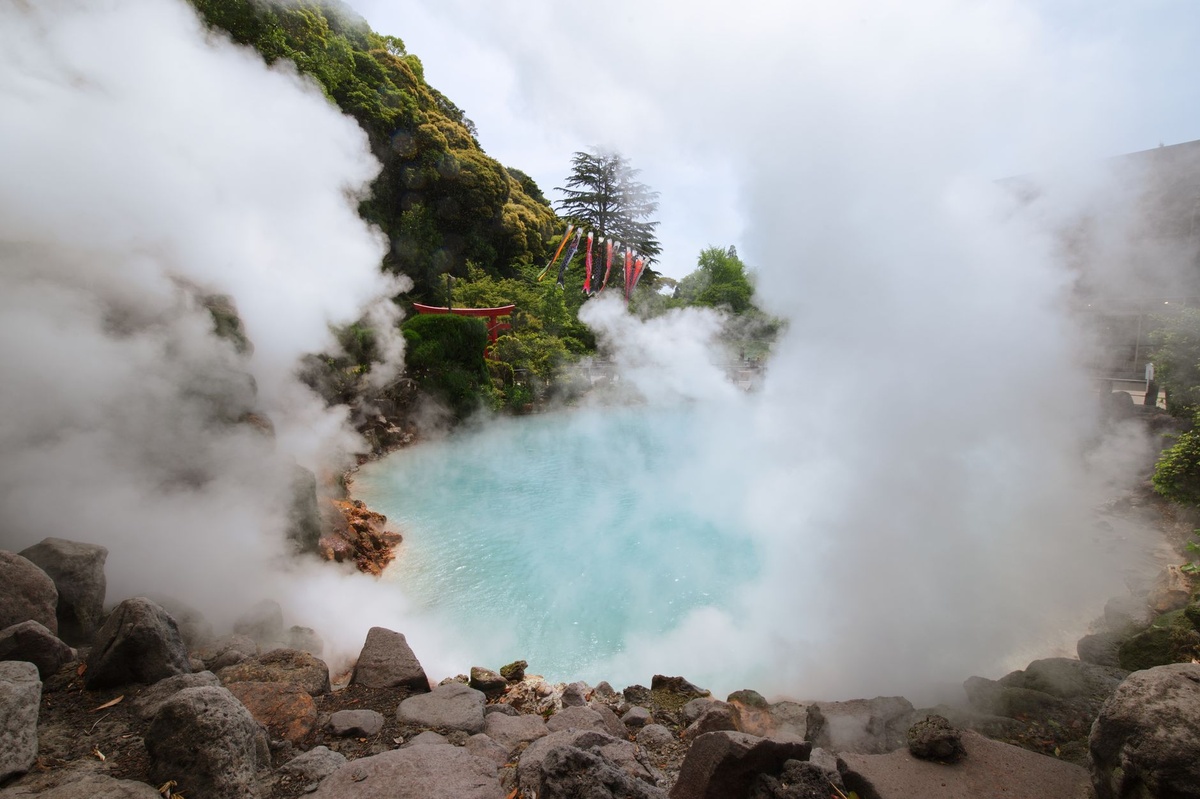
A hot pool after sunset can be restorative—or an awkward obstacle course involving dim steps, slippery floors and a missed last bus. For travelers over 65, Kinosaki Onsen, Iceland’s Sky Lagoon, Rotorua’s Polynesian Spa and Banff Upper Hot Springs offer very different combinations of accessibility, water temperature, lighting, closing time, medical risk and price.
Key Takeaways
- Banff is the best-value accessible soak at approximately €9.10/$10.55 for seniors 65+, versus roughly €89.60/$104 for Sky Lagoon’s basic package.
- Sky Lagoon has the strongest purpose-built accessibility, while Kinosaki’s traditional bathhouses involve the most thresholds, low stools and variable layouts.
- All four usually remain open until 10pm or 11pm, but last admission can be 30–75 minutes before closing.
- Water reaches approximately 42–43°C at Kinosaki and Polynesian Spa, significantly hotter than Sky Lagoon’s roughly 38–40°C.
- For October evenings, reserve Banff and Sky Lagoon transport in advance; darkness, frost and sudden weather changes make walking less sensible.
Key Numbers at a Glance
Prices below are published or bookable rates reviewed for October 2026. EUR and USD figures are rounded planning conversions using €1 = ¥175, ISK145, NZ$2.00 or CA$1.62, and €1 = US$1.16; your card’s settlement rate will differ.
| Venue | Entry price, October 2026 | Typical closing time | Water temperature | Distance from center | Senior accessibility verdict |
|---|---|---|---|---|---|
| Kinosaki Onsen, Japan | Yumepa ¥1,500 (€8.60/$10); often included with a ryokan stay | Most baths 11pm; some open only from 3pm | About 40–43°C | 0.2–1.3 km from Kinosaki Onsen Station | Atmospheric but physically demanding |
| Sky Lagoon, Iceland | Saman from ISK12,990 (€89.60/$104) | Normally 10pm in October | About 38–40°C | 8 km from central Reykjavík | Best purpose-built facilities |
| Polynesian Spa, New Zealand | Pavilion Pools NZ$49.95 (€25/$29); Lake Spa NZ$79.95 (€40/$46) | 11pm; final entry generally 10:15pm | Approximately 36–42°C | About 1 km from Rotorua i-SITE | Good, but pool access varies |
| Banff Upper Hot Springs, Canada | Senior CA$14.75 (€9.10/$10.55); adult CA$17.50 (€10.80/$12.55) | Typically 10pm in October | Approximately 37–40°C | 4.3 km uphill from downtown Banff | Best accessible budget choice |
Fast verdict: Choose Sky Lagoon when reliable accessibility matters more than price. Choose Banff for value, Polynesian Spa for temperature choice, and Kinosaki for cultural depth—provided everyone can manage traditional changing rooms and low bathing positions.
How the Four Hot-Spring Experiences Actually Differ
Kinosaki Onsen: The Most Cultural, but the Least Predictable Physically
Kinosaki is not one spa complex. It is a compact Japanese hot-spring town where visitors walk between public bathhouses in yukata robes, usually using a Yumepa pass that covers the operating public baths.
Most baths operate until 11pm, with last entry commonly around 10:40pm. Hours and weekly closing days differ: Goshono-yu, Ichino-yu, Jizo-yu and Kono-yu commonly open from 7am, while Mandara-yu and Yanagi-yu generally begin around 3pm; Satono-yu has experienced a long-term closure, so never build an itinerary around all seven being available.
Check the live bath calendar through the official Kinosaki tourism website. A standalone Yumepa costs about ¥1,500 (€8.60/$10), while many participating ryokan include bath access from check-in until approximately 10am on departure day.
Kinosaki’s weakness for seniors is inconsistency. A guest who handles Goshono-yu comfortably may struggle with a smaller bath’s raised threshold, floor-level washing station or deep tub edge.
Visitors wash while seated on low stools before entering the communal bath. Floors remain wet, swimsuits are not worn, and men’s and women’s baths are separate—three important details for anyone who normally relies on a partner for physical assistance.
My pick: Start with spacious Goshono-yu rather than racing through five baths. Skip “onsen hopping” after 9pm; one careful 10-minute soak is safer and more enjoyable than repeated dressing, walking and temperature changes.
Stay close to the bath you expect to use. Nishimuraya Honkan offers polished service and its own baths, while Kinosaki Knot is simpler and close to the station; travelers carrying prescription medicines should also read this guide to Japan’s medication customs rules for travelers over 65 before packing sleep aids, stimulants or controlled pain medication.
Sky Lagoon: The Easiest Premium Choice
Sky Lagoon sits in Kópavogur, approximately 8 km south of central Reykjavík. By taxi, allow 15–20 minutes and roughly ISK4,000–5,500 (€27.60–€37.90/$32–$44) each way; a booked shuttle is usually around ISK3,990 (€27.50/$32) return, depending on pickup package.
The lagoon is purpose-built rather than historical, so routes are broad and changing facilities are considerably easier to navigate. Accessible changing space, shower seating and assisted pool-entry arrangements are available, but guests needing a pool wheelchair or staff help should contact the venue before buying a timed ticket.
The entry-level Saman package starts around ISK12,990 (€89.60/$104) and includes the seven-step ritual. Premium packages with private changing space commonly start near ISK15,990 (€110.30/$128); prices vary by date and time on the official Sky Lagoon booking calendar.
Water generally sits around 38–40°C, roughly 2–3°C cooler than the hottest Kinosaki or Rotorua pools. That difference matters: 38°C may permit a relaxed 15-minute session, while 42°C can cause light-headedness much faster.
October brings real noctourism appeal. Reykjavík sunset moves from roughly 6:50pm early in the month to around 5:10pm by October 31, but the illuminated lagoon is not a reliable aurora-viewing site because of cloud, steam and metropolitan light.
Book a 6:30pm or 7pm slot, not the final admission. You receive the after-dark atmosphere without rushing the ritual, and taxis remain easier to secure before the closing surge.
My pick: Pay for private changing only if modesty, balance or caregiver assistance makes it useful. Otherwise, choose Saman and spend the difference on a taxi rather than attempting multiple buses in cold rain.
Polynesian Spa: The Best Temperature Choice
Polynesian Spa overlooks Lake Rotorua, about 1 km or a 12–15-minute walk from Rotorua’s i-SITE visitor center. A local taxi typically costs NZ$15–25 (€7.50–€12.50/$8.70–$14.50) each way, versus walking for free on mostly level streets.
The affordable Pavilion Pools cost approximately NZ$49.95 (€25/$29), while the quieter Lake Spa is about NZ$79.95 (€40/$46). Reserve through the official Polynesian Spa website, particularly on Friday and Saturday evenings.
The complex normally operates until 11pm, with final admission around 10:15pm. Pools vary from approximately 36°C to 42°C, giving heat-sensitive guests more control than at Banff or a small Kinosaki bath.
Rotorua’s geothermal waters include acidic and alkaline pools. The hotter acidic Priest Spring pools may help some guests feel temporary relief from stiffness, but “natural” does not mean medically risk-free; acidic water can irritate sensitive skin and damage jewelry.
Accessibility is generally good along the main routes, with adapted changing facilities and assistance available, but not every pool has identical step, handrail or hoist access. Call ahead and ask which specific pool can accommodate your transfer method instead of assuming every advertised pool is reachable.
October is spring in Rotorua, with typical evenings around 8–12°C and sunset moving toward 7:30pm after daylight-saving time begins. That makes the walk back more comfortable than Banff or Reykjavík, although sulfurous steam can reduce visibility around wet pool edges.
My pick: Choose Pavilion Pools if cost matters; choose Lake Spa if quieter surroundings reduce stress or improve balance. Skip a 42°C pool after dinner and use a 38°C pool for 10–15 minutes instead.
Banff Upper Hot Springs: The Best Value, with One Transport Catch
Banff Upper Hot Springs sits 4.3 km from downtown and approximately 200 vertical meters higher. The journey takes 10–15 minutes by vehicle, but walking uphill for roughly an hour in October darkness is a poor plan for most seniors.
Admission is exceptionally reasonable: about CA$14.75 (€9.10/$10.55) for visitors 65+, versus CA$17.50 (€10.80/$12.55) for adults. Swimsuit and towel rentals are normally available for a few Canadian dollars, useful if this is an unplanned stop.
October hours are commonly 10am–10pm, with final entry about 30 minutes before closing, but seasonal hours can change. Confirm them on the Parks Canada Upper Hot Springs page.
The main pool is maintained between approximately 37°C and 40°C. Accessible changing areas and pool access are provided, making Banff substantially easier than a traditional Japanese bathhouse, although historic-building circulation can still feel tighter than Sky Lagoon.
Roam Transit Route 1 links downtown with the gondola and hot-springs area in roughly 15 minutes. Local Banff routes have periodically operated fare-free; if a fare applies, expect about CA$2 (€1.25/$1.45), compared with CA$15–25 (€9.25–€15.45/$10.75–$17.90) for a taxi.
The catch is the final return. Do not enter the pool at 9:15pm without checking the last downhill bus in the Transit app or on the Roam timetable; October schedules are thinner than summer schedules.
My pick: Arrive around 7:30pm, soak before 8:30pm and take a scheduled bus downhill. Skip the late uphill walk—temperatures can fall below freezing, and wet hair plus icy pavement is an avoidable combination.
Accessibility, Lighting and Transport Compared
No venue publishes meaningful lux measurements for changing rooms and pool edges, so claims that one is objectively “brightest” would be invented. The practical comparison is route design: continuous modern surfaces beat traditional thresholds after dark.
| Factor | Kinosaki | Sky Lagoon | Polynesian Spa | Banff |
|---|---|---|---|---|
| Changing setup | Traditional, gender-separated, variable benches | Modern; accessible and private options | Modern shared facilities; adapted areas | Accessible public changing rooms |
| Pool entry | Steps or high tub edges vary by bath | Assisted accessible entry available by arrangement | Varies by selected pool | Accessible main-pool entry |
| After-dark lighting | Atmospheric streets; some dim bath edges | Low, deliberate mood lighting | Moderate resort lighting; steam can obscure edges | Pool well lit; exterior winter paths need care |
| Best transport | Walk 3–18 minutes | Pre-booked taxi or shuttle, 15–25 minutes | Taxi, 5 minutes; walk, 12–15 minutes | Roam bus, about 15 minutes |
| Fall-risk ranking | Highest | Lowest with advance assistance | Moderate | Low inside; moderate outdoors in frost |
Sky Lagoon’s mood lighting is beautiful but intentionally subdued. If low vision is a concern, ask staff to identify handrails and the exit route before entering; do not rely on a phone flashlight beside the water.
Kinosaki’s central streets are compact, but the distance adds up. Station to Kono-yu is approximately 1.3 km and 18 minutes on foot, versus about 300 meters and four minutes to Jizo-yu.
At all four venues, bring prescription glasses onto the pool deck only if you have a secure case. Steam-coated lenses can be less useful than no glasses, while expensive hearing aids belong in a locker unless specifically water-resistant.
Medical Cautions Seniors Should Take Seriously
Hot-water immersion dilates blood vessels and can lower blood pressure. Standing quickly after a 15-minute soak can therefore produce dizziness, especially when combined with antihypertensives, diuretics, dehydration or alcohol.
This guide is not a substitute for medical advice. Ask your clinician before travel if you have unstable heart disease, poorly controlled blood pressure, recent surgery, fainting episodes, advanced neuropathy, open wounds or difficulty regulating body temperature.
- Use the cooler pool first: 38°C is a safer starting point than 42°C.
- Limit the first soak to 5–10 minutes: extend only if you feel completely well.
- Stand in stages: sit at the pool edge for 30–60 seconds before walking.
- Hydrate before entering: water is better than beer, sake or wine.
- Never soak alone after a recent fall: tell staff where you are and when you expect to leave.
- Stop immediately for chest pressure, nausea, confusion, pounding heartbeat or dizziness.
Kinosaki and Polynesian Spa reach the highest temperatures, up to approximately 42–43°C. Sky Lagoon and Banff are generally cooler, although even 38–40°C can be stressful during a long session.
At Kinosaki, guests with dressings, wounds or mobility equipment should ask about etiquette and practical access before arriving. Tattoos are generally accepted in Kinosaki’s public bathhouses, unlike many Japanese onsen, but hygienic bathing rules still apply.
Closing Times and the Best After-Dark Booking Slots
The nominal closing time is not your usable bathing deadline. Changing, showering and drying can require 30–45 minutes for an older guest, compared with perhaps 15–20 minutes for a highly mobile visitor.
| Venue | Recommended arrival | Suggested exit from water | Why |
|---|---|---|---|
| Kinosaki | 7:30–8pm | By 9:30pm | Leaves time to dress and walk before town quiets down |
| Sky Lagoon | 6:30–7pm timed entry | By 9pm | Avoids the final taxi and changing-room rush |
| Polynesian Spa | 8–8:30pm | By 10pm | Still feels nocturnal without relying on final admission |
| Banff | 7–7:30pm | By 8:45pm | Protects the connection with the downhill bus |
For pure atmosphere, Kinosaki wins: lanterns, willow-lined canals and wooden bathhouses feel like an evening ritual rather than a commercial spa visit. For predictable logistics, Sky Lagoon wins by a wide margin.
Travelers drawn to night-focused trips may also like this four-night Sedona noctourism plan, which uses the same principle: arrange transport and low-light navigation before darkness, not after it.
What One After-Dark Visit Really Costs
This sample budget covers one senior traveling from the destination’s central accommodation, using sensible evening transport and buying a casual meal. It excludes flights and hotels.
| Destination | Entry | Return transport | Casual meal | Estimated total, October 2026 |
|---|---|---|---|---|
| Kinosaki | €8.60 / $10 | €0 walking | €23 / $27 | €31.60 / $37 |
| Sky Lagoon | €89.60 / $104 | €27.50 / $32 shuttle | €22 / $25.50 | €139.10 / $161.50 |
| Polynesian Spa Pavilion | €25 / $29 | €15 / $17.50 taxi | €25 / $29 | €65 / $75.50 |
| Banff | €9.10 / $10.55 | €0–€2.50 / $0–$2.90 bus | €24 / $28 | €33.10–€35.60 / $38.55–$41.45 |
Banff and Kinosaki cost roughly one-quarter of a Sky Lagoon evening. Sky Lagoon earns its premium through design, ritual and accessible infrastructure—not superior geothermal water.
In Kinosaki, eat before 7pm at a ryokan if dinner is included; late dining is surprisingly limited. For a separate meal, book Sanpou Nishimuraya for refined local cuisine rather than assuming you will find an open restaurant at 10pm.
At Sky Lagoon, the Smakk Bar’s Icelandic tasting plates are convenient, but downtown Reykjavík offers better value. In Rotorua, eat at Atticus Finch on Eat Streat; in Banff, take the bus downhill and choose Three Bears Brewery instead of relying on limited food near the springs.
Technology and Practical Setup
Download maps and tickets before entering the changing room. Phones should remain in lockers: steam, wet hands and stone pool edges are an expensive combination.
- Kinosaki: Save bath closing days from Visit Kinosaki and use Google Maps or Japan Travel by NAVITIME for rail connections.
- Reykjavík: Store the Sky Lagoon QR code offline and use the Klappið app for public transport; pre-book a taxi if finishing after 9pm.
- Rotorua: Screenshot the spa reservation and your taxi company’s number because indoor reception can be less reliable around concrete changing areas.
- Banff: Use the Transit app for live Roam bus departures and screenshot the final downhill service.
Emergency numbers are 119 in Japan, 112 in Iceland, 111 in New Zealand and 911 in Canada. Add them to the traveler’s phone before the evening, especially when companions will use separate gendered facilities in Kinosaki.
Common Mistakes to Avoid
- Booking the final entry: closing time may leave only 30–45 usable minutes once changing is included.
- Assuming “accessible” means every pool is accessible: at Polynesian Spa and Kinosaki, the exact bath matters.
- Walking to Banff after sunset: the 4.3 km route is uphill, cold and potentially icy in October.
- Planning to see the aurora from Sky Lagoon: it is possible but unreliable because of Reykjavík light, steam and cloud.
- Eating a large meal immediately before soaking: allow roughly 60–90 minutes after dinner.
- Wearing jewelry in Rotorua’s geothermal water: sulfurous or acidic water can discolor metals.
- Trying every Kinosaki bath in one night: repeated heating, cooling and dressing increases fatigue and fall exposure.
Decision Framework: Which One Should You Choose?
Choose Sky Lagoon if a wheelchair-friendly modern layout, private changing option or predictable staff assistance outweighs cost. It is the easiest premium experience, but at around €90 before transport, it is not the best value.
Choose Banff Upper Hot Springs if you want a straightforward accessible soak for under €10 and can organize the return bus. It is the strongest overall choice for price, water temperature and uncomplicated bathing.
Choose Polynesian Spa if temperature choice matters. Moving between approximately 36°C and 42°C provides more flexibility than a single large pool, though you must confirm access to the specific pool you want.
Choose Kinosaki if culture and atmosphere are the priority and everyone can wash independently on a low stool, cross wet thresholds and enter a traditional tub. It is memorable and inexpensive, but it demands the most mobility.
For limited vision: choose Banff or a pre-arranged Sky Lagoon visit. For limited stamina: choose a single Banff or Rotorua pool rather than bath-hopping in Kinosaki.
For October specifically: Banff offers crisp mountain air but possible ice, Reykjavík has long dark evenings and aurora potential, Rotorua has mild spring conditions, and Kinosaki remains comfortable before winter—although the town’s strongest autumn foliage usually arrives later, often in November.
The Final Verdict
Banff Upper Hot Springs is the best all-round option for a mobile senior on a normal budget. Sky Lagoon is the winner when accessibility support and a controlled modern environment are non-negotiable.
Polynesian Spa offers the smartest range of temperatures, while Kinosaki delivers the richest after-dark experience but requires honest assessment of balance and independent bathing ability. Check the official booking calendar, reserve an earlier evening slot and share this comparison with your travel companion before committing to the hottest pool.
Frequently Asked Questions
Which hot spring is most accessible for seniors?
Sky Lagoon has the strongest purpose-built accessibility, including modern changing facilities and assisted entry arrangements. Banff Upper Hot Springs is the better budget alternative, with senior admission around CA$14.75 (€9.10/$10.55).
How late are Kinosaki Onsen baths open?
Most operating public bathhouses close around 11pm, with final entry commonly near 10:40pm, but opening times and weekly closure days differ. Arrive by 8pm rather than attempting a final-hour bath circuit.
Is Sky Lagoon worth the price for seniors?
It is worth roughly ISK12,990 (€89.60/$104) when accessible design, staff support and a polished ritual are priorities. For a simple geothermal soak, Banff and Polynesian Spa cost substantially less.
Which spa has the coolest water?
Polynesian Spa offers the broadest range, with pools from approximately 36°C to 42°C. Sky Lagoon stays near 38–40°C, while Kinosaki’s baths can approach 43°C.
Can seniors use hot springs after taking blood-pressure medication?
Hot water may amplify blood-pressure drops caused by antihypertensives or diuretics, so ask the prescribing clinician first. Begin around 38°C, limit the first soak to 5–10 minutes and exit immediately if dizzy or nauseated.

About the Author: Tomáš Bzirský
Founder and editor of Distratech. Based in the Czech Republic, travelling regularly from Central Europe. Writes practical travel guides and travel-tech comparisons (eSIM, apps, airports) in six languages.