
Sedona after dark feels markedly different from daytime Sedona: the jeep convoys disappear, the red-rock silhouettes sharpen, and an International Dark Sky Community opens overhead. For a first retreat, the smartest approach is not an expensive, rigid wellness package—it is a four-night modular trip combining beginner meditation, one professionally led stargazing night, an easy twilight hike, and enough unscheduled time to avoid turning relaxation into another checklist.
Key Takeaways
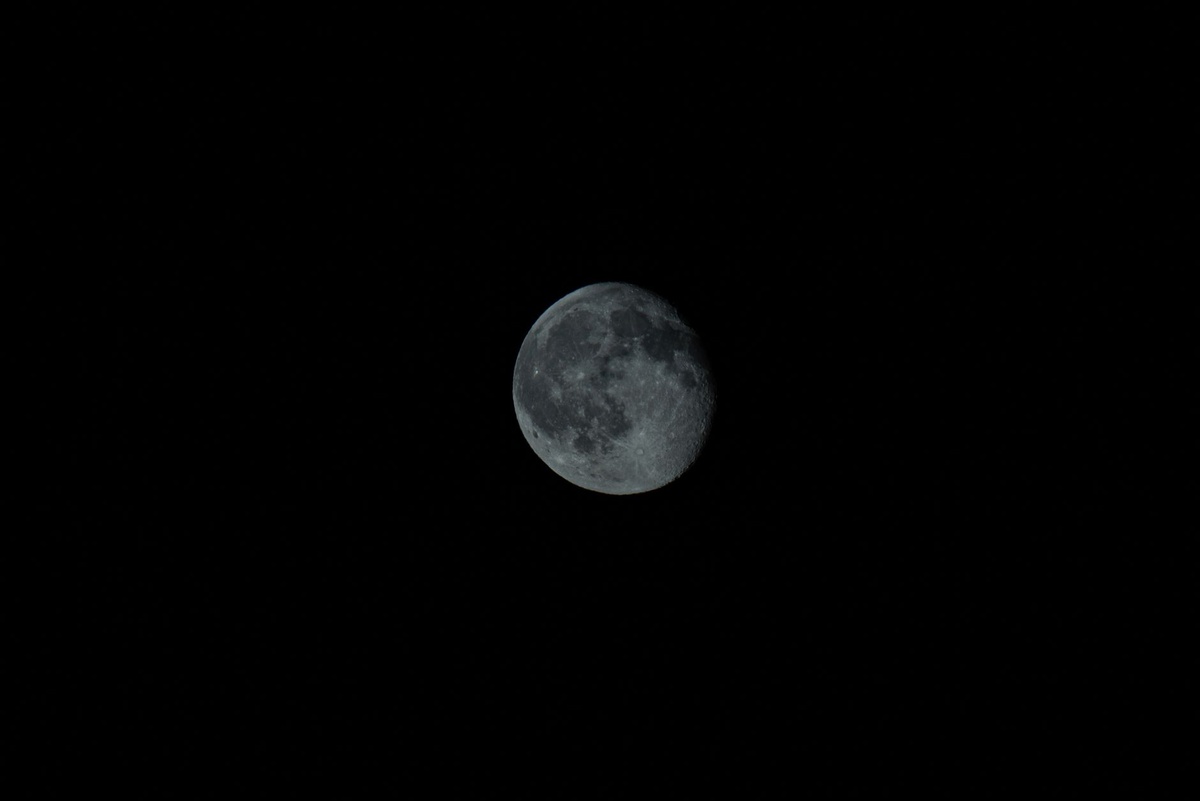
- The October 2026 new moon falls on October 10, with the darkest practical viewing window running October 8–12.
- Budget approximately $1,580 (€1,359) per person sharing a room, including four nights, a rental car, meditation, stargazing, meals, and fees.
- October averages roughly 74°F/23°C by day and 46°F/8°C at night, but exposed stargazing sites can feel close to freezing.
- Book a hotel in West Sedona rather than Uptown for quieter nights, easier parking, and 10–20-minute access to trailheads.
- Skip a solo climb on Airport Mesa after dark; choose a guided sky tour or an easy out-and-back twilight walk instead.
Key Numbers at a Glance
The figures below apply to an October 2026 trip. Euro conversions use a practical planning rate of $1 = €0.86; your card issuer’s rate may differ by 1–3%.
| Trip detail | Number | Why it matters |
|---|---|---|
| October 2026 new moon | October 10, approximately 8:50 a.m. Arizona time | October 9–11 delivers the darkest moonless evenings |
| Recommended stay | 4 nights / 5 days | Enough time for two night activities without sleep deprivation |
| Phoenix to Sedona | 119 miles / 191 km; 2–2.5 hours | Allow longer on Friday afternoons and holiday weekends |
| Flagstaff to Sedona | 29 miles / 47 km; 45–55 minutes | Highway 89A is scenic but winding |
| October temperatures | 74°F/23°C high; 46°F/8°C low | Dark-sky sites can feel 5–10°F colder than central Sedona |
| Sunset around October 10 | Approximately 6:00 p.m. | Begin an easy twilight hike by 4:45–5:00 p.m. |
| DIY retreat cost | $1,580 / €1,359 per person sharing | Roughly half the cost of a premium packaged retreat |
| Sedona elevation | 4,350 feet / 1,326 meters | Hydration and a gentle first day reduce headaches |
Step 1: Pick the Right New-Moon Dates
The October 2026 new moon occurs on Saturday, October 10. The best four-night booking is Friday, October 9 through Tuesday, October 13, placing your main meditation and stargazing sessions within roughly 36 hours of the astronomical new moon.
Friday arrival costs more than a Sunday arrival, but it aligns perfectly with the dark-moon window. A Sunday-to-Thursday stay can lower lodging by approximately $40–$90 (€34–€77) per night, although the moon will already be waxing by the final evening.
How dark will it actually be?
A new moon does not guarantee a clear sky. Sedona averages only a few rainy October days, but remnants of the summer monsoon can still create cloud cover, especially early in the month.
Use Clear Dark Sky for astronomy-specific cloud predictions and the free National Weather Service forecast for wind and thunderstorms. Apple Weather is adequate for temperature, but its generic cloud percentage is less useful than astronomy forecasts showing transparency and seeing.
October’s Orionid meteor shower builds later in the month, peaking around October 21–22. In 2026, however, brighter moonlight around that period makes the October 10 new-moon window better for seeing the Milky Way, faint star clusters, and satellites.
If October 10 has already passed
The next new moon is November 9, 2026. November hotel rates may be 10–20% lower, but average nighttime temperatures fall toward 37°F/3°C, making a two-hour telescope session considerably less comfortable.
For a first noctourism retreat, October wins: approximately 46°F/8°C at night versus 37°F/3°C in November, with around 35 additional minutes of evening daylight for a safer twilight hike.
Step 2: Choose the Right Retreat Format
“New-moon retreat” is used loosely in Sedona. Some operators sell a fixed residential program, while others assemble private meditation, energy-work, and hiking sessions without lodging.
For a first visit, I recommend a modular retreat: book your own hotel, one beginner meditation, one optional private follow-up, and a separate astronomy tour. You retain control over pace and can cancel one component if altitude, weather, or travel fatigue catches up with you.
| Format | Published or typical October 2026 price | Duration | Lodging included? | Best for |
|---|---|---|---|---|
| DIY modular plan | $1,580 / €1,359 per person sharing | 4 nights | Yes, booked separately within total | First-timers wanting flexibility |
| SpiritQuest private retreat programming | From about $2,475 / €2,129 per person | 3 days of scheduled sessions | No | Travelers wanting intensive one-to-one guidance |
| Sedona Mago retreat program | Commonly $1,500–$2,000 / €1,290–€1,720 depending on program and room | 3–5 nights | Usually included | Guests happy to stay outside central Sedona |
| Premium resort wellness stay | $3,800–$6,000 / €3,268–€5,160 per person | 3–4 nights | Yes | Luxury travelers prioritizing spa treatments |
Prices were checked for October 2026 planning and can rise around weekends. Retreat programming, taxes, gratuities, resort fees, and private-room supplements vary; confirm the final written quote before paying.
A simple decision framework
- Choose a DIY modular retreat if this is your first meditation trip, you want dark-sky activities, or you need control over spending.
- Choose SpiritQuest if you want several private sessions and are comfortable paying more than $2,400 before lodging.
- Choose Sedona Mago if communal practice and an isolated campus matter more than restaurants or easy access to West Sedona.
- Choose a luxury resort package if spa access, high-end accommodation, and minimal planning justify spending $4,000 or more.
My verdict: skip the premium package on a first trip. Spend the difference on a private meditation instructor, a legitimate telescope tour, and a quieter hotel room.
Step 3: Book Beginner Meditation That Is Actually Beginner-Friendly
Your first session should emphasize breath, posture, and managing distraction—not dramatic promises about vortex activation. A 60–90-minute private class generally costs $125–$195 (€108–€168), compared with $20–$40 (€17–€34) for a group class.
Start by checking Sedona Meditation Center for its current calendar and donation-based community practices. Its Buddhist-oriented sessions offer more structure than commercial “spiritual awakening” packages, although recurring schedules can change seasonally.
For private programming, request a written quote from SpiritQuest Sedona Retreats. Ask specifically for a beginner mindfulness session without energy healing add-ons unless those treatments genuinely interest you.
Questions to ask before paying
- Is the session seated, walking, breath-based, or movement-based?
- Can the instructor provide chairs and back support instead of floor cushions?
- Is the price per person or per private booking?
- What is the cancellation deadline?
- Will the session take place indoors if wind or rain makes an outdoor practice uncomfortable?
- Does the facilitator carry commercial liability insurance and a wilderness first-aid qualification for outdoor sessions?
A $150 private session with clear learning goals is better value than a $350 “vortex transformation” session with vague deliverables. Skip practitioners who guarantee emotional healing, detoxification, or medical outcomes.
Step 4: Stay in West Sedona, Not in the Busiest Part of Uptown
West Sedona is the practical base for this plan. You will be 10–20 minutes from Boynton Pass Road, Thunder Mountain, Airport Mesa, and most retreat offices, while Uptown traffic can add 15–30 minutes during busy afternoons.
Search current rates for hotels in Sedona, then compare the final amount directly with the property’s website. Sedona’s lodging taxes and resort fees can turn a displayed $250 room into a checkout total above $300.
| Hotel | Typical October 2026 room price | Area | Drive to Airport Mesa | Trade-off |
|---|---|---|---|---|
| Sky Rock Sedona | $289–$389 / €249–€335 nightly | West Sedona | 5 minutes / 1.6 miles | Excellent views, but verify resort and parking fees |
| Courtyard by Marriott Sedona | $220–$320 / €189–€275 nightly | Southwest Sedona | 12–15 minutes / 6 miles | Reliable rooms; less atmosphere outside the property |
| Arabella Hotel Sedona | $240–$350 / €206–€301 nightly | Near Tlaquepaque | 8–12 minutes / 3 miles | Good location, but adjacent roads can be busy |
| GreenTree Inn Sedona | $170–$250 / €146–€215 nightly | West Sedona | 10 minutes / 4 miles | Best budget choice; simpler rooms and facilities |
Rates are representative October 2026 prices before or including varying taxes and fees; dynamic weekend pricing can exceed these ranges.
Best value: GreenTree if your retreat budget matters. Best atmosphere: Sky Rock if a balcony or red-rock view will meaningfully improve your morning practice.
Do not pay an extra $150 nightly merely to stay within walking distance of Uptown souvenir stores. This itinerary requires a car or transfers regardless, and West Sedona becomes appreciably quieter after dinner.
Step 5: Arrange Transportation Before Booking Night Activities
Phoenix Sky Harbor International Airport is the most practical gateway, 119 miles south of Sedona. Driving takes approximately two hours without congestion, compared with 2.5–3.5 hours by shared shuttle after stops and transfers.
Flagstaff Pulliam Airport is only 29 miles away, but flight choices are limited and fares are often $100–$250 higher. The final drive also follows curving Highway 89A through Oak Creek Canyon, which is beautiful by day but less appealing after a delayed nighttime arrival.
| Transport option | October 2026 cost | Travel time | Four-night usefulness |
|---|---|---|---|
| Phoenix rental car | $55–$85 / €47–€73 daily, plus fuel | 2–2.5 hours each way | Best flexibility for trailheads and stargazing |
| Groome shared shuttle | About $65–$80 / €56–€69 each way | 2.5–3.5 hours | Good only if tours include pickup |
| Private Phoenix transfer | $300–$450 / €258–€387 each way | About 2 hours | Comfortable but poor value for solo travelers |
| Flagstaff rental car | $60–$95 / €52–€82 daily | 45–55 minutes | Shortest drive, but fewer flights |
Check shuttle schedules at Groome Transportation. Its timetables and exact stop prices vary, so align your flight with the final departure before buying a nonrefundable ticket.
Uber and Lyft operate in Sedona, but availability after 9 p.m. can be thin. A rideshare might show $18 for a short outbound journey and then leave you facing a $45 return—or no driver at all.
My choice: rent a compact SUV at Phoenix. You do not need four-wheel drive for this itinerary, and a smaller vehicle is easier at crowded trailheads than a large Jeep.
Step 6: Reserve One Serious Stargazing Experience
Sedona earned International Dark Sky Community recognition because of its lighting standards, but central Sedona still has storefront, hotel, and vehicle glow. Professional tours drive toward darker southern viewing areas and provide telescopes capable of showing Saturn’s rings, Jupiter’s moons, double stars, and deep-sky objects.
Sedona Stargazing is the first operator I would check. Typical public-tour prices are around $120–$150 (€103–€129) per adult for approximately 90 minutes, with exact start times changing according to sunset.
Compare that with a self-guided night at Beaverhead Flat Scenic Overlook: parking is free, but you receive no telescope, astronomical interpretation, spare blankets, or weather rescheduling. For a first noctourism trip, the extra $120 is justified.
What to confirm with the operator
- The precise meeting point and whether your own vehicle is required.
- Whether clouds trigger a refund, credit, or last-minute relocation.
- How far the viewing area is from restrooms.
- Whether chairs, blankets, and telescope eyepieces are supplied.
- Whether white flashlights and phone screens must remain covered.
Bring a red-light headlamp rather than relying on your phone. A basic Black Diamond Astro headlamp costs about $25 (€22), while dropping a $1,000 phone on rocky ground is an unnecessarily expensive way to preserve night vision.
Step 7: Follow This Four-Night Retreat Plan
Night 1: Arrive, acclimatize, and protect your sleep
Land in Phoenix before 1 p.m., collect the car, and reach Sedona between 4 and 5 p.m. The drive is 119 miles and normally takes 2–2.5 hours, but rental-car queues and Interstate 17 traffic can add an hour.
Check in, drink at least 20–24 ounces of water, and take a 20-minute orientation walk before sunset. Do not schedule a vortex hike or breathwork class immediately after flying to 4,350 feet.
Eat at ChocolaTree Organic Eatery, generally open from morning through about 9 p.m., although hours should be reconfirmed. Expect $18–$25 (€15–€22) for a plant-based main versus approximately $35–$55 (€30–€47) for an entrée at a higher-end resort restaurant.
Set your phone to Sleep Focus by 9 p.m. A dark-sky retreat fails quickly if you spend the first night scrolling until midnight.
Day 2: Beginner meditation and new-moon stargazing
Begin with breakfast at Coffee Pot Restaurant, typically open around 6 a.m.–2 p.m. An omelet and coffee cost approximately $18–$24 (€15–€21), and arriving by 7:30 a.m. avoids the late-morning queue.
Schedule your beginner meditation for 9 or 10 a.m. A 75-minute class is long enough to learn body scanning and breath counting but less tiring than a three-hour intensive.
Spend the afternoon at the Amitabha Stupa and Peace Park, which is generally accessible from dawn until dusk and free to visit. The walking distance from the parking area is under one mile round trip, compared with 4–6 miles for many red-rock hikes.
Eat an early dinner around 4:30 p.m., then join your stargazing tour around 7–8 p.m., depending on the operator. Keep this as the only major evening activity; stacking a night hike and 90-minute telescope tour is more exhausting than restorative.
Day 3: Recovery morning and a safe twilight walk
Sleep later and keep the morning unscheduled. A retreat needs empty space: four booked treatments in one day may cost $600 (€516), while two quiet hours at the hotel cost nothing and usually deliver more mental clarity.
Have lunch at Pisa Lisa, normally open from late morning until evening. Individual wood-fired pizzas generally cost $17–$24 (€15–€21), compared with $45-plus entrees at Sedona’s destination restaurants.
For your twilight walk, choose the lower section of Fay Canyon Trail: approximately 2.4 miles/3.9 km out and back with under 300 feet/91 meters of elevation gain. Start by 4:30 p.m., turn around no later than 5:20 p.m., and aim to be back before full darkness.
Fay Canyon is more forgiving than Airport Loop, where narrow sections, uneven rock, and steep drop-offs become hazardous after sunset. Skip Cathedral Rock at night entirely; its slickrock scramble is not a beginner noctourism experience.
Day 4: Integration session, free afternoon, and dark-sky backup night
Book an optional 60-minute integration meditation in the morning, usually $100–$160 (€86–€138). Choose it only if the first class gave you techniques you want to refine; do not add a session merely because your itinerary looks empty.
Use the afternoon for Tlaquepaque Arts & Shopping Village, generally open about 10 a.m.–6 p.m., or take a daylight walk around Bell Rock Pathway. Tlaquepaque is free, while a Red Rock Pass for many National Forest recreation sites costs $5 (€4.30) per day.
Reserve this evening as your weather backup. If Night 2 was clear, have dinner at Sedona Beer Company’s Basecamp in West Sedona, where a burger or bowl costs roughly $17–$22 (€15–€19) and closing time is commonly around 9 p.m.
If Night 2 was cloudy, move the astronomy tour here if the operator permits. That flexibility is the main reason to schedule stargazing early rather than on your final night.
Day 5: Sunrise practice and departure
Do a 15-minute seated practice at the hotel rather than chasing a crowded sunrise viewpoint. Checkout is commonly 11 a.m., giving you time for breakfast and the two-hour drive to Phoenix.
For a Phoenix flight, leave Sedona at least five hours before departure: two hours of driving, 30 minutes for fuel and the rental-car return, and two hours for airport processing. A 3 p.m. flight therefore requires leaving around 10 a.m.
Night-Hike Safety: What Beginners Should and Should Not Do
Sedona’s darkness is the attraction, but it also hides ledges, cactus, loose stones, and route junctions. Search-and-rescue risks rise when visitors follow a glowing phone screen rather than watching the ground.
Download the route in Gaia GPS or AllTrails before leaving Wi-Fi. AllTrails+ costs roughly $36 (€31) annually, while Gaia GPS Premium is around $60 (€52); the paid offline-map function matters more than social trail reviews.
- Carry one headlamp per person plus a backup light; a phone flashlight is not sufficient.
- Use red light at viewpoints, but switch to full white light on rough trail sections.
- Carry at least one liter of water per person for a two-hour outing.
- Tell the hotel or a trusted contact your route and return time.
- Turn around if thunder is audible, even when rain appears distant.
- Keep headphones off; coyotes are usually shy, but situational awareness matters.
- Do not sit directly on warm rocks without checking for scorpions or snakes.
A Garmin inReach Mini 2 costs about $400 (€344) plus service, which is excessive for a short, busy trail but useful for longer solo backcountry travel. For this plan, two people, offline maps, proper lights, and a strict turnaround time offer better value.
Also distinguish between National Forest trails and gated parks. Red Rock State Park generally closes in late afternoon—often around 5 p.m.—and is not a night-hiking venue, while specific forest trailheads may remain accessible. Read every posted closure sign rather than assuming all public land is open 24 hours.
What to Pack for October Nights
A daytime high of 74°F/23°C can make visitors underestimate the desert temperature swing. Once the sun drops, low humidity and wind can make 46°F/8°C feel significantly colder during a stationary telescope session.
| Item | Typical price if bought locally | Bring or buy? |
|---|---|---|
| Warm mid-layer fleece | $50–$100 / €43–€86 | Bring |
| Windproof shell | $80–$180 / €69–€155 | Bring |
| Red-light headlamp | $25–$45 / €22–€39 | Buy before arrival |
| Insulated water bottle | $25–$40 / €22–€34 | Bring |
| Day-use Red Rock Pass | $5 / €4.30 | Buy at the trailhead or authorized vendor |
| Compact sit pad | $15–$30 / €13–€26 | Useful for outdoor meditation |
Pack long trousers, closed-toe hiking shoes, a beanie, and thin gloves. Sandals may be comfortable at lunch, but they are a poor choice around cactus and loose night trails.
Four-Night Sedona Retreat Budget
This sample budget assumes two people share a $250 room and rental car. It includes one private beginner session and one professional stargazing tour, but not flights to Arizona.
| Expense per person | USD | EUR, October 2026 planning rate |
|---|---|---|
| Four hotel nights, shared | $570 | €490 |
| Rental car and fuel, shared | $180 | €155 |
| Private beginner meditation | $150 | €129 |
| Optional integration session | $120 | €103 |
| Stargazing tour | $135 | €116 |
| Meals and coffee | $300 | €258 |
| Taxes, passes, tips, and contingency | $125 | €108 |
| Total per person | $1,580 | €1,359 |
A solo traveler should budget closer to $2,200–$2,700 (€1,892–€2,322) because lodging and car costs are no longer split. Two friends sharing save approximately $620–$1,100 each compared with separate rooms and transfers.
To cut costs, remove the second private session and stay at a simple West Sedona motel. Do not save money by replacing the astronomy tour with an isolated solo night hike.
Common Booking Mistakes
Booking the astronomical date but ignoring cloud flexibility
The new moon lasts an instant; useful darkness spans several nights. Stay four nights and schedule stargazing on Night 2, leaving Night 4 as backup.
Choosing a retreat solely because it uses the word “vortex”
Vortex language is central to Sedona’s tourism identity, but it is not a professional credential. Compare training, cancellation terms, session duration, and safety preparation instead.
Underestimating total hotel cost
A $249 headline rate can exceed $300 after tax, resort fees, and parking. Compare the final four-night total, not the first number shown in search results.
Planning a difficult hike after meditation
Deep relaxation can leave beginners sleepy or slightly disoriented. Allow at least two hours between a long breathwork session and driving or hiking.
Relying on rideshare after a rural sky tour
A driver may take you to the meeting point but not be available afterward. Book an operator with transport or keep your own rental car.
Using bright phones at the viewing site
A white screen can destroy dark adaptation for 20–30 minutes. Activate iPhone Color Filters or Android Extra Dim, set the display red, and download maps before leaving the hotel.
Is a New-Moon Meditation Retreat in Sedona Worth It?
Yes—if you treat the moon phase as a framework for quiet, darkness, and focused practice rather than expecting a supernatural event. Sedona’s combination of accessible red-rock scenery, structured wellness services, and enforceable dark-sky lighting is difficult to reproduce in a conventional spa destination.
The four-night modular format is the sweet spot: approximately $1,580 (€1,359) per person sharing versus $3,800 or more for a luxury package. Book the hotel and stargazing tour first, add one credible beginner meditation session, and preserve at least half a day with no reservations at all.
Start by checking the next dark-moon dates, request written retreat quotes, and reserve a refundable West Sedona room. Your goal is not to “complete” Sedona—it is to leave sleeping better, navigating the night safely, and knowing how to continue meditating when you get home.
Frequently Asked Questions
How much does a four-night Sedona meditation retreat cost?
A DIY four-night retreat costs about $1,580 (€1,359) per person when two travelers share a room and car. Solo travelers should plan for approximately $2,200–$2,700 (€1,892–€2,322), excluding flights.
When is the October 2026 new moon in Sedona?
The new moon occurs on October 10, 2026, at approximately 8:50 a.m. Arizona time. Book October 9–13 for four nights covering the darkest practical viewing window.
How cold is Sedona at night in October?
October averages approximately 46°F/8°C overnight, compared with daytime highs near 74°F/23°C. Windy, exposed stargazing locations can feel 5–10°F colder, so bring a fleece, shell, hat, and gloves.
Is it safe to hike in Sedona after dark?
Easy routes can be manageable with a partner, offline maps, headlamps, and a fixed turnaround time, but beginners should avoid Cathedral Rock and Airport Loop at night. A twilight walk followed by guided stargazing is the safer first-trip combination.
Do I need a car for a Sedona retreat?
A car is strongly recommended because rural stargazing sites and many trailheads have unreliable rideshare coverage. A Phoenix rental costs roughly $55–$85 (€47–€73) daily versus $300–$450 (€258–€387) each way for a private transfer.

About the Author: Tomáš Bzirský
Founder and editor of Distratech. Based in the Czech Republic, travelling regularly from Central Europe. Writes practical travel guides and travel-tech comparisons (eSIM, apps, airports) in six languages.